Whether a Bernedoodle Beats Its Bernese Parent’s Lifespan
It's a heartbreaking reality that many Bernese Mountain Dog lovers face: their beloved companions, despite their incredible loyalty and gentle nature, often don't live as long as we'd hope. The pain of losing a dog far too soon is profound, and for many considering a Bernedoodle, the hope is that this crossbreed will inherit the Bernese's wonderful personality but sidestep some of its most devastating health challenges, offering a longer, healthier life. This guide delves deep into whether the Bernedoodle truly offers an advantage in lifespan over its Bernese parent.
The Bernese Mountain Dog Lifespan: The Baseline Reality
When you fall in love with a Bernese Mountain Dog, you're signing up for a lot of joy, a lot of fluff, and, unfortunately, often a lot of heartbreak due to their notoriously short lifespans. It's a truth that responsible breeders and owners grapple with constantly, and it’s often the driving force behind considering a Bernedoodle.
The Hard Truth of a Short Life
The average lifespan for a Bernese Mountain Dog is commonly cited as a mere 7 to 8 years. For a large, devoted breed, this feels incredibly brief. Many owners tell stories of their Berners succumbing to illness before their sixth or seventh birthday, leaving a gaping hole in their family. It’s a statistic that weighs heavily on anyone who has experienced the gentle giants of the Bernese breed. The breed's robust appearance often belies its underlying vulnerabilities, making the reality of its short life even more jarring for those unprepared.
Imagine bringing home a fluffy Bernese puppy, watching it grow into a magnificent, affectionate companion, only to realize that you might only have a handful of years together before serious health issues begin to surface. This shortened timeline forces owners to cherish every moment, but it also prompts a search for alternatives that might offer more time. It's not about loving a Bernese any less, but about wanting more years with that incredible love.
Common Health Challenges in Bernese
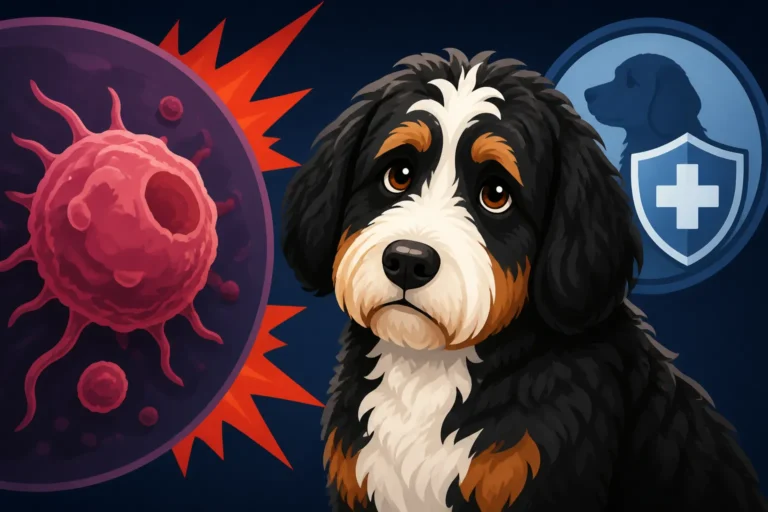
So, what contributes to this tragically short lifespan? Unfortunately, Bernese Mountain Dogs are predisposed to a range of serious health conditions, with cancer being the most prominent and devastating. Histiocytic Sarcoma, in particular, is an aggressive form of cancer that disproportionately affects the breed, often striking them in their prime. But it's not the only challenge.
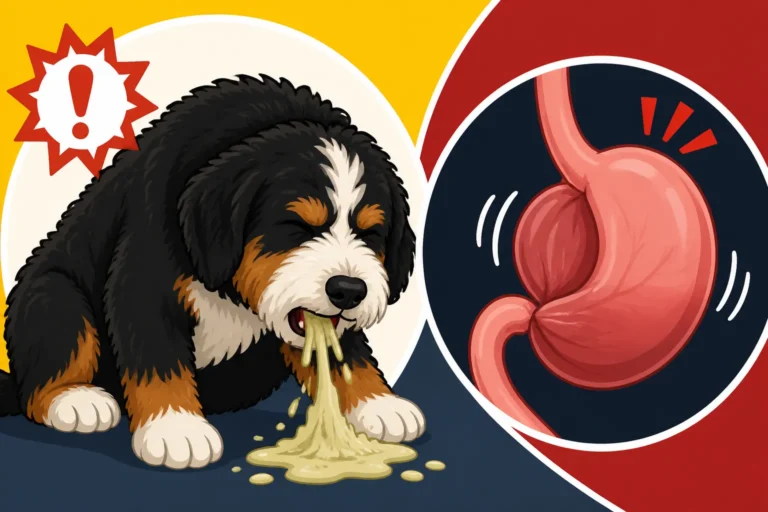
Other significant health concerns include orthopedic issues like hip and elbow dysplasia, which can cause chronic pain and mobility problems, even if not directly fatal. Then there's Bloat in a Standard Bernedoodle's Deep Chest, a life-threatening condition where the stomach twists, requiring immediate veterinary intervention. Von Willebrand's Disease in a Bernedoodle, a bleeding disorder, is another inherited concern. These conditions, whether directly life-limiting or severely impacting quality of life, all contribute to the overall shortened average lifespan of the Bernese Mountain Dog, making their care complex and often emotionally taxing.
The Poodle Influence: Bringing Longevity to the Mix
Enter the Poodle, the other half of the Bernedoodle equation. Poodles, especially Standard Poodles, are renowned for their intelligence, elegance, and, crucially, their significantly longer lifespans compared to Bernese Mountain Dogs. This is where the hope for a longer-lived Bernedoodle truly begins.
Poodle Lifespan and Genetic Contributions
Standard Poodles typically enjoy a much longer life, often reaching 12 to 15 years, with many living even longer. This longevity isn't just a happy accident; it's rooted in their genetic makeup. While Poodles certainly have their own breed-specific health concerns, they are generally less prone to the aggressive cancers that plague Bernese Mountain Dogs. They also bring a robust genetic pool that, when mixed with the Bernese, can introduce greater genetic diversity.
This contribution from the Poodle side is precisely why breeders initially sought to create the Bernedoodle. The idea was to combine the wonderful temperament and stunning looks of the Bernese with the intelligence, lower shedding coat, and, most importantly, the extended lifespan of the Poodle. It's a careful balancing act of genetics, aiming to dilute some of the more severe predispositions while retaining the desirable traits. The long healthy life of a well-bred Poodle offers a significant contrast to the Bernese, providing a powerful genetic boost to the offspring.
Diluting Bernese Predispositions
The introduction of Poodle genetics aims to "dilute" some of the genetic predispositions to disease found in the Bernese. Think of it like this: if a Bernese parent carries genes for a high risk of Histiocytic Sarcoma, crossing it with a Poodle, which has a much lower incidence of that specific cancer, can potentially reduce the likelihood of that devastating disease appearing in the offspring. It doesn't eliminate the risk entirely, especially if the Bernese parent carries recessive genes, but it can significantly lower the odds for a Bernedoodle.
This principle applies to various other conditions as well, such as certain orthopedic issues or other forms of cancer. The hope is that by increasing genetic diversity, the Bernedoodle will be less likely to inherit two copies of problematic genes that might lead to early onset or severe forms of Bernese-specific ailments. It's an optimistic approach to breeding, focused on enhancing overall health and extending the potential quality of life. For an owner, this dilution means a greater chance of avoiding those heartbreaking early diagnoses that are so common with purebred Bernese.
Understanding Hybrid Vigor in Bernedoodles
The concept of hybrid vigor is often mentioned when discussing mixed breeds like the Bernedoodle. It’s a fancy term for a relatively simple idea: when you cross two different purebred lines, the offspring can sometimes be healthier and more robust than either parent breed. But does this hold true for every Bernedoodle, and is it a guarantee of a longer life?
What Hybrid Vigor (Heterosis) Means
Hybrid vigor, or heterosis, is a biological phenomenon where the offspring of genetically dissimilar parents show superior qualities to either parent. In the context of dogs, it suggests that a mixed breed might have increased genetic diversity, leading to a stronger immune system, better overall health, and potentially a longer lifespan. The theory is that by mixing two different gene pools, you reduce the chances of inheriting two copies of a deleterious recessive gene that might be common within a single purebred line.
For example, if a specific genetic mutation causing a health issue is prevalent in Bernese Mountain Dogs but rare or non-existent in Poodles, a Bernedoodle puppy has a lower chance of inheriting two copies of that problematic gene. This increased heterozygosity, or variation in gene pairs, is thought to confer a general boost in vitality and resilience. It's not a magical cure-all, but it’s a scientifically recognized benefit that can contribute to overall hardiness.
Does the Bernedoodle Truly Benefit?
Anecdotally, many Bernedoodle owners report their dogs being notably healthier than their purebred Bernese counterparts, leading to the belief that the Bernedoodle does indeed benefit from hybrid vigor. While there isn't extensive scientific research specifically on Bernedoodles compared to Bernese across vast populations yet, the general principles of hybrid vigor suggest they should. The increased genetic diversity from combining the Bernese and Poodle lines can lead to a reduced incidence of some breed-specific diseases.
However, it's not a blanket immunity. A Bernedoodle can still inherit conditions from either parent breed, and a poorly bred Bernedoodle from parents with undisclosed health issues might still face significant challenges. The benefit largely depends on the health and genetic screening of the parent dogs. When thoughtfully bred, a Bernedoodle often enjoys a noticeable improvement in overall health and vitality compared to a purebred Bernese, offering a better chance at a longer life than The Seven Years a Bernese Lives and the Twelve a Bernedoodle Might suggests for the Bernese.
When Hybrid Vigor Might Fade in Later Generations
Here’s an important nuance: hybrid vigor is typically strongest in the first generation cross (F1 Bernedoodle), where a purebred Bernese is bred with a purebred Poodle. Each parent brings a completely distinct genetic pool. As you move into subsequent generations, like F1b (Bernedoodle bred back to a Poodle) or F2 (Bernedoodle bred to Bernedoodle), the genetic diversity can start to diminish slightly, especially if breeders are selecting for specific traits or using a limited number of parent dogs.
For example, if an F1b Bernedoodle is bred to an F1b Bernedoodle, there's a higher chance that both parents share some of the same Poodle or Bernese ancestral genes, potentially increasing the likelihood of unmasking recessive traits again. This doesn't mean later generations are inherently unhealthy, but it means that the peak benefit of hybrid vigor might be more pronounced in that initial F1 cross. Responsible breeders of multi-generational Bernedoodles are very aware of this and work diligently to maintain genetic diversity and rigorously health test their breeding stock to ensure their puppies retain that desired health advantage. This diligence is why you often hear breeders discussing the genetic percentages and health clearances for multiple generations back. Whether a Multigen Bernedoodle Keeps the Lifespan Gain is a valid question that highlights the ongoing effort required by ethical breeders.
Factors That Truly Impact a Bernedoodle's Lifespan
While hybrid vigor and parent breeds play a significant role, a Bernedoodle's actual lifespan is a complex interplay of many factors. It’s not just about the "doodle" part; it's about the whole picture of their genetics, size, and how they are raised and cared for.
Genetics Beyond the Hybrid Cross
Even with the benefit of hybrid vigor, individual genetics still matter immensely. A Bernedoodle can still inherit genetic predispositions from either the Bernese or Poodle side. This is why reputable breeders emphasize genetic health testing for both parent dogs. They screen for conditions like Degenerative Myelopathy Both Bernedoodle Parents Can Carry, Von Willebrand’s Disease, hip and elbow dysplasia, and certain eye conditions. If a Bernedoodle puppy comes from parents who were not properly tested, or worse, known carriers of serious genetic diseases, that puppy's chances of a long and healthy life are significantly diminished, regardless of the "hybrid" label.
A responsible breeder won't just tell you their dogs are "healthy"; they'll show you concrete evidence like OFA (Orthopedic Foundation for Animals) or PennHIP clearances for hips and elbows, and genetic testing results for various diseases. This transparency is crucial because even one faulty gene from a parent can lead to heartbreaking health issues for the offspring. It’s about more than just avoiding purebred problems; it’s about actively seeking the healthiest genetic lines possible from both sides of the family tree.
Size and Its Correlation to Longevity
It’s a general rule in the canine world that smaller dogs tend to live longer than larger dogs. Think about it: a Chihuahua might live for 15-20 years, while a Great Dane often only makes it to 7-10. This correlation is a significant factor when considering a Bernedoodle’s lifespan. Since Bernedoodles come in various sizes—Standard, Mini, and Tiny—their size class will likely influence their potential longevity.
A Standard Bernedoodle, which can easily weigh 70-90 pounds, might not reach the upper echelons of a Poodle's lifespan simply because of its larger size. Larger dogs often carry more weight, which puts greater strain on their joints, heart, and other organs over time. They also tend to mature faster physically but age more rapidly at a cellular level. Conversely, a Mini or Tiny Bernedoodle, being much smaller, theoretically stands a better chance of reaching an older age, potentially closer to the Poodle's average. This is why the question of Whether a Mini Bernedoodle Outlives a Standard is frequently asked. It's not a hard and fast rule for every individual dog, but it's a trend observed across dog breeds that is worth considering when choosing a Bernedoodle size.
| Breed/Crossbreed | Average Lifespan (Years) | Common Health Concerns (Examples) | Size Influence on Lifespan |
|---|---|---|---|
| Bernese Mountain Dog | 7-8 | Cancers (Histiocytic Sarcoma), Hip/Elbow Dysplasia, Bloat, VWD | Large, Shorter Lifespan |
| Standard Poodle | 12-15 | Bloat, Addison's Disease, Epilepsy, Hip Dysplasia | Medium-Large, Longer Lifespan |
| Standard Bernedoodle (F1) | 10-12 | Potential for Bernese issues (diluted), Poodle issues, Hip/Elbow Dysplasia | Large, Moderate Lifespan |
| Mini Bernedoodle (F1) | 12-14 | Potential for diluted Bernese issues, Poodle issues, Patellar Luxation | Medium, Longer Lifespan |
| Tiny Bernedoodle (F1) | 13-15+ | Potential for diluted Bernese issues, Poodle issues, Dental Disease | Small, Longest Lifespan |
The Role of Responsible Breeding Practices
I can't stress this enough: the single most critical factor in your Bernedoodle's potential lifespan, beyond the inherent hybrid vigor, is the integrity and knowledge of their breeder. A truly responsible breeder goes above and beyond to ensure the health of their lines, performing comprehensive health screenings on both parents, understanding genetic pedigrees, and making informed breeding decisions. They don't just put two dogs together because they're both Bernedoodles; they carefully select for health, temperament, and genetic diversity.
This means asking a breeder about cancer in the Bernese line, inquiring about OFA and PennHIP scores, and looking for certifications like the five clearances a Bernedoodle breeder should have. They should be able to discuss the health of the entire pedigree, not just the immediate parents. A "backyard breeder" or a "puppy mill" that skips these crucial steps, focusing only on profit or cute puppies, can undermine any potential benefit of hybrid vigor. Their puppies might come with a host of hidden genetic issues that negate the Poodle's longevity contribution and replicate the worst health problems of the Bernese. Choosing wisely here is paramount to giving your Bernedoodle the best start at a long, healthy life.
The Healthiest Path: Maximizing Your Bernedoodle's Years
Even with the best genetics, a dog's health and longevity are profoundly influenced by the care they receive throughout their lives. As a Bernedoodle owner, you have a significant role to play in maximizing your furry friend's potential lifespan.
Nutrition and Weight Management
What you feed your Bernedoodle and how much they weigh can dramatically impact their health and lifespan. For a growing Bernedoodle, especially a Standard one, feeding a high-quality, large-breed puppy formula is essential to promote slow, steady growth, protecting their developing joints like Hips on a Ninety Pound Bernedoodle. Overfeeding a puppy or allowing rapid growth can exacerbate conditions like hip and elbow dysplasia, which might not be fatal but certainly reduce quality of life and put stress on other systems.
As adults, maintaining a healthy weight is paramount. An overweight Bernedoodle loses years off its life, as excess weight strains their heart, joints, and increases the risk of conditions like diabetes and certain cancers. It’s crucial to monitor their food intake, provide appropriate portions, and be mindful of treats. Don't fall for those pleading eyes at dinner; a lean Bernedoodle is a healthier Bernedoodle. Regular check-ups with your vet can help you determine the ideal weight and feeding plan for your specific dog.
Exercise and Joint Health
Bernedoodles, particularly the larger ones, need regular, appropriate exercise to maintain muscle mass and joint health. However, because they are prone to orthopedic issues from both parent breeds, "appropriate" is the key word. High-impact activities, excessive jumping, or long, strenuous runs on hard surfaces, especially when they are young and still growing, can put undue stress on their developing joints.
Instead, focus on moderate, consistent exercise: daily walks, playtime in a secure yard, or swimming can be excellent low-impact options. For puppies, adhere to the "five-minute rule" (five minutes of exercise per month of age, twice a day) to avoid overstressing their delicate growth plates. As they age, continuing with joint-friendly activities and potentially supplementing with joint support can help manage conditions like arthritis in a Bernedoodle at eight. The goal is to keep them active and strong without causing injury or prematurely wearing down their joints, helping them to avoid painful issues that could limit their mobility and enjoyment of life.
Proactive Veterinary Care and Early Detection
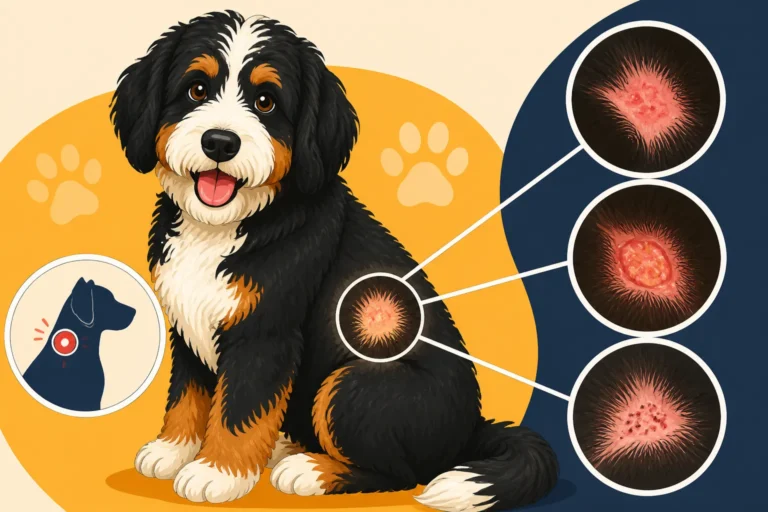
One of the most powerful tools in extending your Bernedoodle's life is consistent, proactive veterinary care. This means more than just yearly vaccinations. It means a regular full physical exam, blood work as recommended by your vet (especially as they enter middle age), and discussing any changes in behavior, appetite, or energy levels immediately. Early detection of issues like The Skin Tumors a Bernedoodle Develops or the early signs of other diseases can make a significant difference in treatment success and prognosis.
Pet insurance from providers like Healthy Paws can be incredibly helpful here, easing the financial burden of diagnostic tests, specialist visits, or emergency surgeries, which allows you to pursue the best possible care without hesitation. Don't wait until something is obviously wrong; preventative care is always better than reactive treatment. This also includes regular dental care, as poor oral hygiene can lead to systemic health problems. Ultimately, a strong partnership with your veterinarian, supported by a good insurance plan, ensures your Bernedoodle receives the ongoing attention they need to thrive. For a deeper dive into ongoing health, consider The Screening a Bernedoodle Should Have Yearly.
Reality Check: Managing Expectations for Your Bernedoodle
While the Bernedoodle often enjoys a longer lifespan than its Bernese parent, it's vital to maintain realistic expectations. They are not immortal, and "hybrid vigor" is not a magic shield against all illness. Understanding the potential pitfalls and planning for them is part of responsible ownership.
Addressing Common Misconceptions
One of the biggest misconceptions is that Bernedoodles are completely immune to the health problems of their parent breeds. This simply isn't true. While the risk of certain conditions might be reduced, it's not eliminated. A Bernedoodle can still develop cancer, hip or elbow dysplasia, bloat, or other health issues found in either Bernese Mountain Dogs or Poodles. The hybrid status means a better chance at avoiding some of the more devastating conditions, not a guarantee.
Another common misconception is that all Bernedoodles will live to 15 years. While many Mini and Tiny Bernedoodles might approach or exceed this, a Standard Bernedoodle, due to its sheer size, will likely fall into the 10-12 year range, which is still a significant improvement over the Bernese, but not necessarily the 15 years some breeders might imply. It's crucial to look at reputable sources and statistics, rather than marketing hype, to form realistic expectations about your Bernedoodle's potential longevity. Remember, Whether a Bernedoodle Really Lives Fifteen Years depends on many factors, including size and individual health.
The Importance of a Health Guarantee
A good breeder will stand behind the health of their puppies with a comprehensive health guarantee. This isn't just a piece of paper; it's an indication of their commitment to ethical breeding and their confidence in the health of their lines. A health guarantee typically covers genetic health conditions like hip and elbow dysplasia, certain eye diseases, and sometimes specific forms of cancer for a specified period, often 1-2 years. Some breeders even offer guarantees for longer, particularly concerning life-threatening genetic conditions.
While a health guarantee won't prevent illness, it provides peace of mind and financial protection if a genetic issue arises early in your Bernedoodle's life. It signifies that the breeder has taken steps to minimize genetic risks and is willing to support their buyers if an unforeseen problem occurs. Always read the guarantee carefully, understand its terms, and never compromise on choosing a breeder who offers one. It’s part of ensuring that the investment you make in your Bernedoodle's life, in terms of love and finances, is protected as much as possible, including considering options like Healthy Paws for broader coverage.
What Changes in a Bernedoodle After Eight
As Bernedoodles age, especially past the age of eight, it's reasonable to expect some changes in their health and behavior, similar to What Changes in a Bernedoodle After Eight. For a Standard Bernedoodle, reaching eight years old means they are generally considered a senior dog, which is already a significant achievement compared to their Bernese ancestors. At this stage, you might start noticing subtle signs of aging.
Their energy levels may decrease, they might sleep more, and their once boundless enthusiasm might be tempered by a preference for a cozy nap. Joint stiffness and mild arthritis are common, making it harder for them to jump into the car or climb stairs. Their senses might dull – hearing loss or clouding in their eyes (lenticular sclerosis) are typical. You might also observe changes in their coat texture or even some graying around their muzzle, though this can happen earlier in some dogs. Regular vet check-ups become even more critical during these senior years, shifting focus to pain management, mobility support, and early detection of age-related diseases. Adjusting their diet to senior-specific formulas and providing comfortable, orthopedic bedding can greatly improve their quality of life in these golden years. It's a time to cherish their wisdom and provide them with extra comfort and understanding.
Disclaimer
This article is intended for informational purposes only and does not constitute veterinary advice. Always consult with a qualified veterinarian for any health concerns or before making any decisions about your pet's health or treatment.