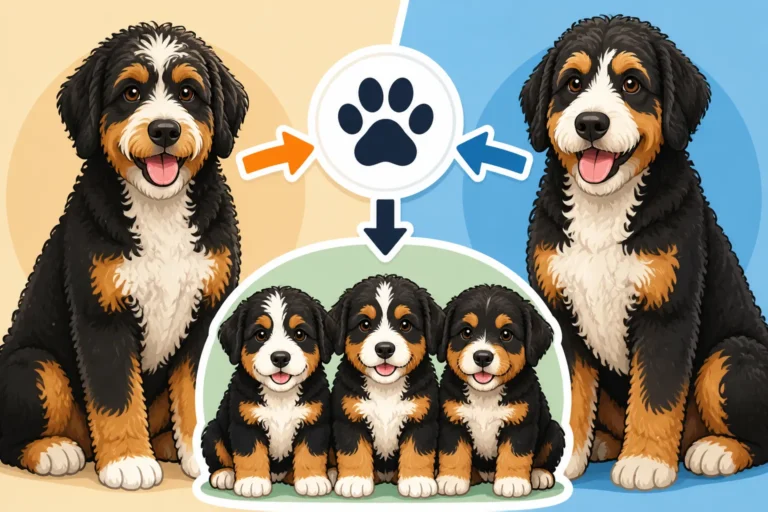
Which Bernedoodle Size Suits Which Household
Choosing a Bernedoodle can feel overwhelming, especially when you start looking at all the different sizes breeders offer. You might be dreaming of a cuddly giant or a pint-sized companion, but how do you really know which one is the right fit for your home and lifestyle? This comprehensive guide will walk you through the nuances of Bernedoodle sizes and help you realistically assess which one will thrive best with you.
Understanding the Bernedoodle Size Spectrum
When you embark on the journey of finding your perfect Bernedoodle, one of the first things you'll encounter is the variety of sizes. It's not just a "small, medium, large" situation; there are often several classifications, and the final adult weight can sometimes surprise even the most prepared owners. Understanding what each size generally entails is the first step to making an informed decision.
The Grand "Standard" Bernedoodle
The Standard Bernedoodle is where it all began, combining the majestic Bernese Mountain Dog with the equally impressive Standard Poodle. These dogs are truly grand, embodying the large, lovable nature of their Bernese lineage with the athletic build of the Poodle. They are substantial animals, and their size is a significant factor in how they fit into a family's life. Think about a dog that can easily lean on you and put its head on your shoulder while sitting.
Typically, a Standard Bernedoodle will weigh anywhere from 70 to 90 pounds, though some can certainly push past the 100-pound mark. Their height can range from 23 to 29 inches at the shoulder. This isn't a dog you can easily scoop up or carry; they command a physical presence. Many people are drawn to the idea of a big, fluffy dog, but the reality of managing such a large animal day-to-day, especially during puppyhood when they're still learning manners, can be quite different. It's important to be prepared for the sheer volume of dog you're inviting into your home. You can learn more about what to expect from The Standard Bernedoodle at Seventy to Ninety Pounds.
The Popular "Mini" Bernedoodle
The Mini Bernedoodle has surged in popularity, striking a fantastic balance for many families who love the Bernedoodle's look and temperament but want a more manageable size. These dogs are typically a cross between a Bernese Mountain Dog and a Miniature Poodle (or sometimes a larger Mini Poodle mixed with a Standard Bernedoodle to create a smaller Standard). They retain much of the charm of their larger cousins but in a more compact package.
A Mini Bernedoodle generally falls into the 25 to 50-pound range, standing about 18 to 22 inches tall. This size makes them much more adaptable to various living situations, including apartments or homes with smaller yards, provided they still get adequate exercise. They're still substantial enough to feel like a "real dog" (as some people put it!) but are easier to transport, handle at the vet, or manage around smaller children and elderly family members. For many, the Mini offers the best of both worlds – a loving, playful companion without the full commitment to a giant breed. If you're considering this size, dive deeper into The Mini Bernedoodle at Twenty Five to Fifty Pounds.
The Diminutive "Tiny" and "Micro" Bernedoodle
At the smaller end of the spectrum, you'll find the Tiny Bernedoodle, and sometimes even "Micro" Bernedoodles, though the latter term is more of a marketing label than a standard classification. These dogs are usually the result of breeding a Bernese Mountain Dog with a Toy Poodle, or Mini Bernedoodles with Toy Poodles. The goal is to create the smallest possible version of the beloved hybrid.
A Tiny Bernedoodle typically weighs less than 25 pounds, often in the 10 to 24-pound range, and stands under 18 inches at the shoulder. Micro Bernedoodles push this even further, sometimes being under 10 pounds. While incredibly cute and perfect for those desiring a true lap dog, these smaller versions come with their own set of considerations. Their small size can make them more delicate and prone to injury, especially in households with rambunctious children or other large pets. It's also worth noting that it can be harder to predict the exact adult size with these crosses, as the smaller Poodle genetics can sometimes lead to greater variation. Explore more about The Tiny Bernedoodle Under Twenty Five Pounds to understand these smaller companions better.
The Mighty Standard Bernedoodle: For the Spacious & Active
Bringing a Standard Bernedoodle into your home is an adventure in itself. These are magnificent dogs, full of personality and charm, but their sheer size dictates a lot about the kind of environment they'll thrive in. They're not just big in body; they have big hearts, big needs, and can make a big impact on your daily life.
Living Space and Outdoor Adventures
A Standard Bernedoodle needs space, plain and simple. While they are often described as calm indoors, a ninety-pound dog can still take up a lot of floor space, especially when they stretch out for a nap. If you live in an apartment, or even a smaller house, a Standard Bernedoodle can feel like they're overflowing the room. They benefit immensely from a home with a fenced yard where they can wander, sniff, and burn off some energy safely. This isn't to say a yard replaces walks, but it certainly helps.
Beyond the yard, these dogs thrive on outdoor adventures. They love walks, hikes, and trips to the dog park. Think about daily outings that aren't just a quick potter around the block. A Standard Bernedoodle often needs at least an hour of dedicated exercise each day, sometimes more, to keep them physically and mentally stimulated. Imagine trying to handle a full-grown, energetic Bernedoodle on a leash if it hasn't had its daily run! The Exercise a Standard Bernedoodle Needs Daily delves into this further. If your lifestyle involves plenty of outdoor activity and you have the physical capability to manage a large, strong dog, a Standard Bernedoodle could be an excellent fit.
The Gentle Giant with a Big Heart
Despite their imposing size, Standard Bernedoodles are often known for their incredibly gentle and loving nature. They are typically fantastic family dogs, known for being patient and tolerant with children. Many adore being close to their people, often displaying the famous "lean" of the Bernese, where they press their full weight against your legs for affection. They are usually not overly boisterous indoors once past puppyhood, preferring to lounge near their favorite humans.
However, their size can still be a factor, especially with very young children or fragile adults. An excited Standard Bernedoodle can easily knock over a toddler without meaning to, simply due to its weight and enthusiasm. Early training and socialization are paramount to ensure they learn appropriate manners around people of all sizes. They also need robust training to prevent jumping on guests or counter-surfing, as their reach is considerable.
Realities of Owning a Large Dog
Owning a Standard Bernedoodle comes with practical considerations that often surprise first-time large dog owners. For starters, the cost of everything scales up. A big dog eats a lot of food. You'll go through bags of kibble from places like Chewy at a rapid pace. Think about How Much Food a Standard Bernedoodle Eats Monthly. Vet bills, medications, and flea/tick preventatives are also more expensive for larger animals, as dosing is often weight-dependent. Even a comfortable dog bed or a sturdy crate needs to be "giant breed" sized, which means a higher price tag.
Grooming is another major factor. A large, thick, often curly or wavy coat requires significant upkeep to prevent matting. A professional groomer's bill for a Standard Bernedoodle can be substantial, as their size means more time and product are required. What a Standard Bernedoodle Groom Costs can give you an idea of the expense. Furthermore, traveling with a large dog requires a larger vehicle, and finding pet-friendly accommodations that can host a dog of that size can sometimes be a challenge. These are not minor details; they are ongoing realities that shape your life with a Standard Bernedoodle.
The Versatile Mini Bernedoodle: A Popular Compromise
The Mini Bernedoodle often hits that sweet spot for people who adore the Bernedoodle traits but need something a bit more adaptable to modern living. They offer a fantastic blend of size, temperament, and manageability that makes them incredibly popular.
Finding the Sweet Spot
Many prospective Bernedoodle owners find the Mini size to be the perfect compromise. They are large enough to feel like a robust, substantial dog, capable of keeping up on hikes and playing fetch for hours, but not so large that they overwhelm a typical home. They fit comfortably in most apartments and houses, and their presence isn't quite as dominating as a Standard. They're also much easier to transport, whether it's in the car for a vet visit or a road trip, and many airlines will allow them to fly in cargo if they meet size and weight requirements (always check with the airline!).
This versatility makes them suitable for a broader range of households, from young couples in city condos to active families with older children, or even retirees looking for a companion that doesn't demand quite as much physical management. They can usually cuddle up on the couch without pushing you entirely off and often adapt well to being an indoor-only dog if they receive sufficient walks and playtime.
Manageable Exercise and Training
While still active, the Mini Bernedoodle's exercise needs are often more aligned with that of a medium-sized dog. They typically thrive on 45 minutes to an hour of daily activity, which can include brisk walks, playtime in a park, or engaging in dog sports like agility. This is generally more achievable for busy families or individuals compared to the demands of a larger, more energetic Standard.
Their intelligence, inherited from both parent breeds, means they are typically eager to learn and respond well to positive reinforcement training. Their more manageable size can also make training easier, as they are less likely to accidentally knock someone over during an excited jump or pull too hard on the leash. However, don't mistake "mini" for "lazy"; they still need consistent training and mental stimulation to prevent boredom and destructive behaviors. They love puzzle toys and learning new tricks, and a quick online order from Chewy can stock you up on these.
Grooming, Travel, and Everyday Ease
The Mini Bernedoodle's smaller stature also translates to more manageable grooming and everyday care. While their coats still require regular brushing and professional grooming to prevent matting – arguably as much as a Standard in terms of frequency – the actual time spent by a groomer (and thus the cost) is often less. What a Mini Bernedoodle Groom Costs will typically be lower than for a Standard.
Everyday tasks, like bathing at home, administering medication, or lifting them into the car if they're older or injured, are also considerably easier. They generally take up less space in dog parks, on public transport, or in cafes (where allowed). This increased ease of handling contributes significantly to their appeal, reducing some of the logistical hurdles that come with owning a very large dog.
The Delicate Tiny Bernedoodle: For Intimate Settings
The Tiny Bernedoodle might just be the cutest package of fluff you've ever seen, embodying that adorable teddy bear look in a truly pint-sized form. For those living in compact spaces or desiring a smaller, more easily portable companion, the Tiny Bernedoodle offers a unique set of benefits, along with some specific considerations.
Compact Living and Indoor Companionship
If apartment living is your reality or you prefer a dog that doesn't take up much physical space, a Tiny Bernedoodle could be an ideal match. They are perfectly suited for smaller homes, often content with indoor playtime and shorter, frequent walks around the block. Their exercise needs are significantly less than their larger counterparts, making them an excellent choice for individuals with limited mobility or those who simply prefer a more relaxed pace of life.
These little dogs thrive on companionship and are often described as true "velcro dogs," loving nothing more than to be by their human's side, whether on the couch, in a dog carrier, or tucked into a pet bed next to your desk. They integrate seamlessly into tight-knit family units, becoming an integral part of daily life without demanding extensive square footage. Whether a Bernedoodle Suits a City Apartment is a question often asked, and the Tiny Bernedoodle is usually the best answer.
Special Considerations for a Small Dog
While their small size is a major draw, it also brings specific responsibilities. Tiny Bernedoodles are more delicate than their larger relatives. They can be more prone to accidental injuries from falls, being stepped on, or rough play with larger dogs or children. Households with very young children need to teach kids how to interact gently and safely with a small dog. Close supervision is always key.
Furthermore, these smaller dogs can sometimes be prone to certain small breed health issues, such as patellar luxation (slipping kneecaps) or dental problems. Consistent veterinary care and preventative measures are crucial. Early and thorough socialization is also vital. Because they are small, some owners might inadvertently overprotect them, leading to fear-based behaviors or reactivity if they aren't exposed to a variety of sights, sounds, and gentle interactions from a young age.
Costs and Care: Tiny Size, Specific Needs
Don't let the "tiny" fool you into thinking the costs are negligible. While they eat less food than a Standard Bernedoodle, potentially requiring fewer trips to Chewy for kibble, the initial purchase price for a Tiny Bernedoodle can often be higher than for a Standard, due to the increased difficulty in breeding and the demand for smaller dogs. Why the Smallest Bernedoodles Cost the Most illustrates this market trend.
Grooming, though for a smaller surface area, is still essential to prevent matting and keep their coat healthy. You might find specialty grooming products or brushes better suited for their delicate coats. Veterinary care, as mentioned, can have its own unique costs if specific small breed issues arise. Furthermore, suitable accessories like very small harnesses, durable but lightweight leashes, and appropriately sized travel carriers are needed. The overall The Full Cost of Twelve Years With a Bernedoodle will still be substantial, even for a tiny one.
Beyond the Tape Measure: Temperament and Lifestyle Fit
While size is a huge factor, it's really just one piece of the puzzle. The underlying Bernedoodle temperament, activity levels, and grooming needs remain consistent across all sizes, although they manifest differently depending on the dog's physical stature. Understanding these core traits is just as important as knowing their likely weight.
The Core Bernedoodle Personality
Regardless of whether you choose a Standard, Mini, or Tiny, Bernedoodles generally share a delightful blend of traits from their Bernese Mountain Dog and Poodle parents. They are typically intelligent, affectionate, and often quite goofy. They love being part of the family and thrive on companionship, often developing a strong bond with their owners. They tend to be good-natured and patient, making them generally excellent family pets.
However, each individual dog will have its own unique personality, and variations exist. Some might lean more towards the calm, steady nature of the Bernese, while others inherit more of the Poodle's playful energy and quick wit. Early socialization and consistent positive reinforcement training are crucial for shaping any Bernedoodle into a well-adjusted companion, regardless of its eventual size. Never assume that a smaller dog means less need for training; a tiny terror is still a terror!
Activity Levels and Enrichment
While a Tiny Bernedoodle won't need the same mileage as a Standard, all Bernedoodles require regular exercise and mental stimulation to be happy and healthy. The Poodle influence ensures an intelligent dog that needs its brain challenged, not just its body. Daily walks are a must for all sizes, but the duration and intensity will naturally vary. A Standard might enjoy a long hike, while a Mini might be content with a brisk walk and a good game of fetch, and a Tiny might get sufficient exercise with several short walks and indoor play sessions.
Mental enrichment is equally important. Puzzle toys, training sessions, and interactive games help prevent boredom and destructive behaviors. Ignoring this aspect can lead to a Bernedoodle (of any size) that finds its own "entertainment," which often involves chewing your furniture or barking excessively. Think about what you can realistically offer in terms of daily engagement, both physical and mental.
Grooming: A Constant Across All Sizes
One truth about Bernedoodles that transcends size is their grooming needs. Due to their Poodle heritage, most Bernedoodles have a low-shedding, often wavy or curly coat that requires regular, diligent maintenance. This isn't a "wash and wear" kind of dog. Unless they have a rare straight coat (which often sheds more), they will need brushing several times a week, if not daily, to prevent painful matting.
Professional grooming every 6-8 weeks is almost always a necessity for keeping their coat healthy and manageable. Neglecting grooming can lead to severe matting, which can cause skin infections and require a complete shave-down by a professional, which can be stressful for the dog and costly for the owner. Don't underestimate this commitment, regardless of whether you have a 10-pound Tiny or a 90-pound Standard. The coat is a significant part of their care regimen.
Making Your Informed Decision: Matching Dog to Home
Choosing the right Bernedoodle size is a significant decision that will impact your life for potentially the next 12-15 years. It's not just about what looks cute in a photo; it's about a realistic assessment of your capabilities, lifestyle, and living situation.
Honestly Assessing Your Lifestyle
Before falling in love with a picture of an adorable Bernedoodle puppy, take a long, honest look at your current lifestyle.
- Living Space: Do you live in a sprawling home with a big yard, or a cozy apartment? Is your home filled with delicate items or robust furniture?
- Activity Level: Are you an avid hiker, a casual walker, or do you prefer relaxing indoors? How much time can you genuinely dedicate to daily exercise and playtime?
- Family Dynamics: Do you have young children, elderly relatives, or other pets? A very large or very small dog might not be suitable for all family members.
- Time Commitment: How much time are you home? Bernedoodles, regardless of size, thrive on companionship and can suffer from separation anxiety if left alone for long periods.
- Financial Capacity: Can you comfortably afford the ongoing costs of food, grooming, vet care, and potential emergency treatments for a dog of your chosen size? Remember, The Full Cost of Twelve Years With a Bernedoodle is significant.
Creating a pro/con list for each size based on your personal circumstances can be incredibly helpful in visualizing the fit.
| Factor | Standard Bernedoodle | Mini Bernedoodle | Tiny Bernedoodle |
|---|---|---|---|
| Typical Weight | 70-90+ lbs | 25-50 lbs | 10-24 lbs |
| Ideal Living Space | House with fenced yard, ample indoor space | Apartment/House, flexible | Apartment/Small House, very flexible |
| Exercise Needs | High (1+ hr active daily) | Moderate (45-60 min active daily) | Low-Moderate (20-40 min active daily) |
| Grooming Frequency | High (2-3x/week brushing, 6-8 week pro) | High (2-3x/week brushing, 6-8 week pro) | High (2-3x/week brushing, 6-8 week pro) |
| Ease of Transport | Challenging, requires large vehicle | Easy, fits in most vehicles | Very Easy, often portable |
| Cost of Supplies | High (food, beds, meds) | Moderate | Moderate (though initial cost can be high) |
| Fragility Concerns | Low, very robust | Low-Moderate | High, delicate |
Future-Proofing Your Choice
It's easy to picture a tiny puppy, but that puppy will grow. A Standard Bernedoodle puppy will become a massive adult. A Mini will still be a medium-sized dog. Think about your life not just today, but five or ten years down the line. Will you still be able to manage a large, strong dog as you age? Will your family grow, potentially introducing small children who need safe space around a big dog? Will your living situation remain the same, or are you anticipating a move to a smaller space?
Considering these future scenarios can help you make a choice that will bring joy and companionship for the entire lifespan of your Bernedoodle. It's about ensuring a happy and stable home for your dog, rather than realizing later that you've outgrown each other's needs.
Partnering with a Responsible Breeder
Finally, and perhaps most crucially, work with a reputable breeder who is transparent about their dogs' lineage, health testing, and expected adult size. A good breeder will be able to give you a realistic estimate of a puppy's adult weight and height, often based on the size of the parent dogs and previous litters. They should also be able to provide health clearances for the parents for conditions relevant to both Bernese Mountain Dogs and Poodles.
Don't be afraid to ask questions about how they determine size classifications and what their experience is with puppies growing larger or smaller than anticipated. A responsible breeder will be a valuable resource throughout your dog's life, and their expertise is invaluable in helping you select a puppy that truly suits your household. Remember, accurate prediction of size is key, and Whether a Bernedoodle's Adult Size Can Be Predicted isn't always an exact science, but a good breeder uses all available information.
Ultimately, the best Bernedoodle size for you isn't about popularity or trends; it's about a harmonious match between dog and owner. Take your time, do your research, and choose with both your heart and your head.
Disclaimer
This article is for general informational purposes only and does not constitute professional advice. Laws, prices and regulations vary by location and change over time. Consult a qualified professional for guidance on your specific situation.