Whether a Standard Bernedoodle Is Old at Eight
It's a question many Bernedoodle owners find themselves wrestling with: Is my eight-year-old standard Bernedoodle really considered "old"? This concern is completely valid, especially when you know the heartbreakingly short lifespan often associated with one half of their heritage, the Bernese Mountain Dog. You want to ensure your beloved companion gets the best care as they enter what feels like a more mature stage of life. This guide is here to walk you through what eight years means for a standard Bernedoodle, helping you understand their aging process and how to best support them.
Understanding the Bernedoodle Lifespan Reality
When we talk about a Bernedoodle's lifespan, it's never a simple answer because you're looking at a fascinating genetic blend. On one side, you have the Bernese Mountain Dog, a majestic breed known for its devotion but also, unfortunately, its relatively short life expectancy. On the other, the Poodle, a famously intelligent and long-lived companion. Your Bernedoodle exists right in the middle, benefiting from some aspects of each parent.
The Bernese Mountain Dog Influence on Aging
Let's be honest, the Bernese Mountain Dog's average lifespan of 6-8 years often casts a long shadow for Bernedoodle owners. It's a heavy thought, knowing that a dog can be considered senior, or even past their prime, at an age where many other breeds are still spry. This shorter lifespan is largely due to a predisposition to certain health conditions, particularly various forms of cancer. Histiocytic sarcoma, lymphoma, and mast cell tumors are far too common, often striking these gentle giants in their middle years. When you have an eight-year-old standard Bernedoodle, it’s natural to feel that weight, wondering if they're already nearing the end of their journey because of that Bernese heritage. You might be keenly watching for any The First Signs of Cancer in a Bernedoodle. This influence means that even a hybrid dog like the Bernedoodle often experiences a perception of accelerated aging compared to breeds without such a strong predisposition.
The Poodle's Contribution to Longevity
Now, for the hopeful side of the equation: the Poodle. Standard Poodles typically enjoy a much longer lifespan, often living 10-14 years, sometimes even longer. They are generally robust dogs, and while they have their own set of potential health issues, they are not plagued by the same aggressive, early-onset cancers as the Bernese. This is where the concept of "hybrid vigor" comes into play, although it’s important to understand it doesn't mean Bernedoodles are immune to everything. The Poodle genetics can extend the Bernedoodle's overall lifespan, pushing the average closer to 10-12 years, sometimes even 15 for some individuals. So, while your eight-year-old Bernedoodle might feel like they're getting on because of that Bernese worry, the Poodle side is actively working to give them more healthy years. This genetic lottery means that eight years old for a standard Bernedoodle is truly a transitional period, not necessarily the beginning of the end. In fact, many Bernedoodle owners look forward to Keeping a Standard Bernedoodle Sound Past Ten.
Eight Years Old: Middle Age or Senior Status?
For a standard Bernedoodle, reaching eight years old is often the threshold where they transition from a robust adult to what many veterinarians might classify as a "senior" dog. However, it's crucial to understand that "senior" isn't a one-size-fits-all term; it's a phase, and its characteristics can vary widely depending on the individual dog, their overall health, and the lifestyle they've led. Don't envision a frail, slowing dog immediately. Think of it more as middle age, leaning into their golden years.
Physical Changes at Eight Years
Around eight years old, you might start noticing subtle shifts in your Bernedoodle's physical presentation. One of the most obvious, and often endearing, signs is the graying muzzle. It's like they've earned their wisdom stripes! This isn't just aesthetic; Whether a Graying Bernedoodle Face Means Much is a common query, and while it doesn't directly indicate health, it's a visible marker of time passing. Beyond the charming gray hairs, you might observe a slight slowing down during walks. They might not burst out the door with the same puppy-like enthusiasm, or they might prefer a shorter romp in the park over a long hike. Their fur, which once seemed to explode with density, might start to thin slightly, or become a bit coarser. Some owners also notice their Bernedoodle's eyes starting to look a little cloudy, a condition known as lenticular sclerosis, which is a normal age-related change and usually doesn't significantly impair vision. However, it’s always wise to rule out more serious issues like cataracts.
Behavioral Shifts and Energy Levels
The changes aren't just physical; you might observe some shifts in behavior and energy levels too. Your eight-year-old Bernedoodle might become a little more of a couch potato, finding extended naps much more appealing than chasing balls for hours. Their sleep patterns might change, perhaps sleeping more during the day but also sometimes being a bit more restless at night. Some Bernedoodles, as they age, might become a little less tolerant of boisterous young dogs or children, simply because they prefer peace and quiet, and their joints might not appreciate rough-and-tumble play. Others become even more cuddly and affectionate, seeking out more physical closeness. You might find them less interested in learning new tricks, or perhaps they just take a little longer to process commands. It's not stubbornness so much as a natural mental slowing, and it's important to adjust your expectations and training methods accordingly. Providing comfortable, accessible resting spots is key.
Proactive Care for Your Eight-Year-Old Bernedoodle
Reaching eight years old is a milestone, and it's the perfect time to pivot towards a more proactive and preventative approach to your Bernedoodle's health. While you can't stop the clock, you can certainly ensure their golden years are as comfortable and joyful as possible. This means working closely with your vet and making mindful adjustments to their daily routine.
Veterinary Check-ups and Screening
Regular veterinary check-ups become even more crucial as your Bernedoodle ages. Instead of annual visits, your vet might recommend semi-annual check-ups (every six months) for an eight-year-old standard Bernedoodle. These visits are vital for early detection of potential health issues, which can often be managed more effectively if caught sooner. Beyond a standard physical exam, your vet will likely suggest a comprehensive senior panel. This includes blood work to check organ function (kidneys, liver, thyroid), a urinalysis to detect issues like urinary tract infections or early kidney disease, and sometimes even blood pressure checks. They might also discuss specialized screenings for conditions known to affect Bernedoodles, such as specific blood tests for Von Willebrand's Disease in a Bernedoodle or screening for certain cancers. Don't be shy about asking your vet about The Screening a Bernedoodle Should Have Yearly and expressing any concerns you have. These regular screenings are your best defense against age-related health problems.
Nutrition and Weight Management
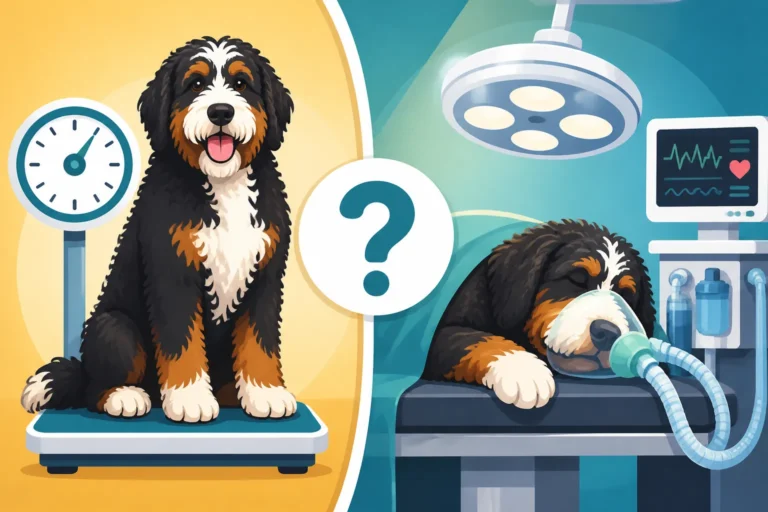
What you feed your eight-year-old Bernedoodle, and how much, takes on new importance. Their metabolism might slow down, meaning they don't need as many calories as they did in their prime, even if their appetite remains robust. An overweight Bernedoodle puts undue stress on their joints, exacerbating conditions like arthritis or hip dysplasia, and can lead to other health complications. Your vet can help you determine the ideal weight for your individual dog and recommend appropriate portion sizes. Consider switching to a high-quality senior dog food formula, which typically has fewer calories, lower fat, and added joint-supporting nutrients like glucosamine and chondroitin. These formulas are specifically designed to meet the nutritional needs of aging dogs. You might also find yourself discussing Whether Joint Supplements Help a Bernedoodle with your vet. Small, frequent meals can also be easier on an older digestive system.
Exercise and Mental Stimulation
While your Bernedoodle might not be up for marathon runs anymore, consistent, gentle exercise is still incredibly important for their physical and mental well-being. Daily walks, perhaps shorter and at a slower pace than before, help maintain muscle mass, keep joints mobile, and prevent weight gain. Swimming can be an excellent low-impact exercise option if your Bernedoodle enjoys it, as it supports joints without putting pressure on them. Instead of intense physical exertion, focus on quality over quantity. Mental stimulation is just as vital. Keep their brilliant Poodle brain engaged with puzzle toys, scent work, or practicing familiar, easy commands. Learning new tricks might be slower, but reviewing old ones keeps their mind sharp. Gentle stretching or massage can also be incorporated into their routine, especially if they have some stiffness. Remember, the goal is to keep them active and engaged without causing pain or overexertion. Perhaps you'll find yourself needing to figure out Exercise That Suits a Bernedoodle With Bad Elbows.
Common Health Concerns for an Aging Bernedoodle
As much as we wish our dogs could live forever, aging inevitably brings with it a higher risk of certain health conditions. For an eight-year-old standard Bernedoodle, understanding these common ailments—and knowing what to look out for—is key to providing timely care and maintaining their quality of life.
Joint Issues and Mobility
Joint problems are incredibly common in larger, aging breeds, and Bernedoodles are no exception, especially given the Bernese predisposition to issues like elbow and hip dysplasia. Arthritis often starts to manifest around this age, causing stiffness, limping, difficulty getting up, and a reluctance to jump or use stairs. You might notice your Bernedoodle struggling to settle into a comfortable position or becoming less willing to go for walks. It’s important to distinguish between normal slowing down and actual pain. If you see signs of discomfort, don't just assume it's "old age." There are many ways to manage arthritis, from anti-inflammatory medications prescribed by your vet to supplements, physical therapy, acupuncture, and even specific joint injections. Creating a joint-friendly environment with ramps, orthopedic beds, and non-slip flooring can also make a huge difference. Discuss with your vet whether to consider options like Wheelchairs and Carts for a Bernedoodle With DM if mobility severely declines, though DM is a different, neurological condition.
Cancer Risk and Early Detection
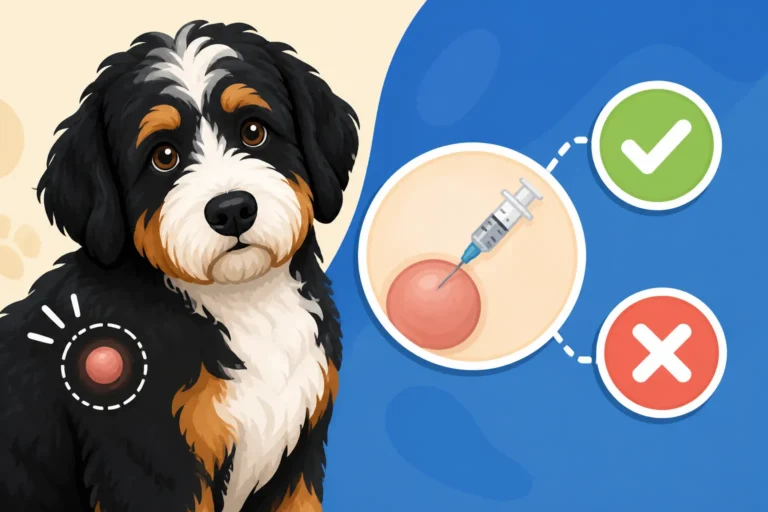
This is often the most significant concern for Bernedoodle owners, largely due to the high cancer rates in Bernese Mountain Dogs. While the Poodle genetics may offer some protective benefits, Bernedoodles can still be susceptible. Common cancers include lymphoma, hemangiosarcoma, and various carcinomas. At eight years old, the risk definitely increases. This makes vigilance crucial. Regularly checking your Bernedoodle for any new lumps or bumps, changes in appetite, unexplained weight loss, lethargy, coughing, or any unusual swelling is paramount. Don't hesitate to get any suspicious lump aspirated by your vet; often, they are benign, but early detection of malignant tumors is critical for effective treatment. Pet insurance, such as through Healthy Paws, can be a lifesaver when dealing with unexpected and expensive cancer treatments, helping you make decisions based on your dog's needs rather than financial constraints. Having a good insurance policy like Healthy Paws in place when they are younger ensures pre-existing conditions won't prevent coverage later. You might wonder What Chemotherapy Achieves for a Bernedoodle, and if it's a viable option.
Other Age-Related Ailments
Beyond joints and cancer, other conditions can become more prevalent as your standard Bernedoodle ages:
- Dental Disease: Years of plaque and tartar buildup can lead to gingivitis, painful infections, and tooth loss. Regular dental cleanings under anesthesia become increasingly important to prevent discomfort and systemic health issues. Bad breath is a huge red flag!
- Vision and Hearing Changes: Just like humans, dogs can experience a decline in sight and sound. They might bump into things, be slow to react to commands, or seem disoriented. Keep their environment consistent and approach them gently. Regular vet checks can distinguish normal aging from treatable conditions like glaucoma. You might wonder Whether a Bernedoodle Needs a CAER Exam Each Year to monitor eye health.
- Organ Function Decline: Kidney and liver function can gradually diminish with age. Regular blood work is essential for monitoring these organs and catching any issues early. Dietary changes or medications can often help manage these conditions.
- Cognitive Dysfunction Syndrome (CDS): Similar to Alzheimer's in humans, some older dogs develop CDS, leading to disorientation, altered sleep-wake cycles, changes in social interaction, and house-soiling. While there's no cure, certain medications and supplements can help manage symptoms. It's often difficult to cope with An Old Bernedoodle That Stares at Walls.
- Hypothyroidism: This condition, where the thyroid gland doesn't produce enough hormones, is common in Poodles and can also affect Bernedoodles. Symptoms include weight gain, lethargy, and coat changes. It's usually easily managed with daily medication.
By being aware of these possibilities and maintaining close communication with your veterinarian, you can navigate your Bernedoodle's aging journey with confidence and provide the best possible care. Remember, an eight-year-old Bernedoodle is still full of love and life, just maybe a little wiser and a touch slower.
Bernedoodle Aging Milestones Comparison
Here's a quick look at how a standard Bernedoodle's aging process generally compares to its parent breeds:
| Age (Human Years) | Bernese Mountain Dog Status | Standard Poodle Status | Standard Bernedoodle Status | Key Considerations |
|---|---|---|---|---|
| 1-2 | Young Adult | Puppy/Young Adult | Young Adult | Rapid growth, training, socialization. Joint care important. |
| 3-5 | Prime Adult | Prime Adult | Prime Adult | Peak fitness and mental maturity. Maintain exercise and diet. |
| 6-7 | Mature Adult / Approaching Senior | Mature Adult | Mature Adult / Approaching Senior | First signs of slowing. Increased cancer screening for Bernese. |
| 8 | Senior (often past average lifespan) | Mature Adult / Early Senior | Early Senior / Middle Age | Focus of this article! Regular vet checks, joint care, diet adjustments. |
| 9-10 | Senior | Senior | Senior | Increased risk of health issues. More frequent vet visits. |
| 11+ | Well past average lifespan | Senior / Geriatric | Senior / Geriatric | Focus on comfort, quality of life, comprehensive supportive care. |
Remember, this table provides general guidelines. Every dog is an individual, and your Bernedoodle's specific genetics and environment will influence their personal aging journey. But this should give you a good idea of why eight years old for a standard Bernedoodle is truly a pivot point.
Disclaimer
The information provided in this article is for general informational purposes only and is not a substitute for professional veterinary advice. Always consult with a qualified veterinarian for any health concerns or before making any decisions related to your pet's care and health.