What Changes in a Bernedoodle After Eight
It’s a bittersweet milestone when your vibrant, goofy Bernedoodle, who once bounded through life with endless energy, starts showing those first subtle signs of slowing down. Many of us grapple with the worry that comes when our beloved companions enter their golden years, wondering what changes are normal and how best to support them. This comprehensive guide will walk you through the common physical, behavioral, and mental shifts you might observe in your Bernedoodle once they hit the age of eight, offering practical advice and empathetic insights to help you navigate this precious stage of their life.
Navigating the Senior Years: When Eight Isn't Just a Number for Your Bernedoodle
Reaching eight years old is a significant moment for any dog, but for Bernedoodle owners, it often marks the official entry into their senior years. While it might feel like just yesterday they were a clumsy puppy, the reality is that the combination of their Bernese Mountain Dog and Poodle heritage means a unique aging process.
Understanding the "Senior" Definition for Bernedoodles
It's natural to think of our dogs as forever young, but even our beloved Bernedoodles eventually reach their golden years. For a standard Bernedoodle, that magical, or perhaps slightly daunting, age often hovers around eight years old. You see, while the Poodle side of their lineage is known for a relatively longer lifespan, often stretching well into the double digits, the Bernese Mountain Dog parent typically has a shorter average lifespan, commonly around seven to eight years. This genetic blend means that a standard Bernedoodle often starts showing signs of aging earlier than you might expect for a typical "doodle," generally falling into the senior category earlier than, say, a purebred Poodle of similar size. This age can vary slightly; a smaller Mini Bernedoodle or Tiny Bernedoodle might hold onto their youthful vigor a bit longer, sometimes outliving their standard counterparts. However, for a ninety-pound Bernedoodle, eight years is definitely the time to start paying closer attention to age-related changes. It's not a hard-and-fast rule, but rather a gentle reminder from nature that life's chapters are turning.
The Gradual Shift: Recognizing Early Signs of Aging
Aging doesn't usually hit our dogs like a sudden switch. Instead, it's a slow, unfolding story, often starting with subtle cues that can easily be missed in the hustle and bustle of daily life. For your Bernedoodle, these early signs might manifest as a slight decrease in their boundless energy. Maybe they’re not quite as eager for that third fetch session, or perhaps they’re a little slower to greet you at the door, taking an extra moment to stretch before rising. You might notice they sleep a bit more deeply, or their once-unbreakable focus during training sessions becomes a little more fleeting. They might take a bit longer to settle down after a walk or seem a touch less enthusiastic about car rides that once had them practically vibrating with excitement. These aren't necessarily red flags for immediate concern, but rather gentle nudges that your furry friend is easing into a new phase of life. It’s a good time to become more observant of their daily habits and rhythms, as these small changes are often the precursors to more significant age-related developments.
Physical Transformations: What to Expect in an Aging Bernedoodle's Body
As our Bernedoodles age, their bodies, much like our own, undergo a variety of changes. Some are visible and undeniable, while others are internal and require a vet's keen eye to detect. Understanding these physical shifts can help us provide the best possible care.
Joint and Mobility Challenges: The Ache of Time
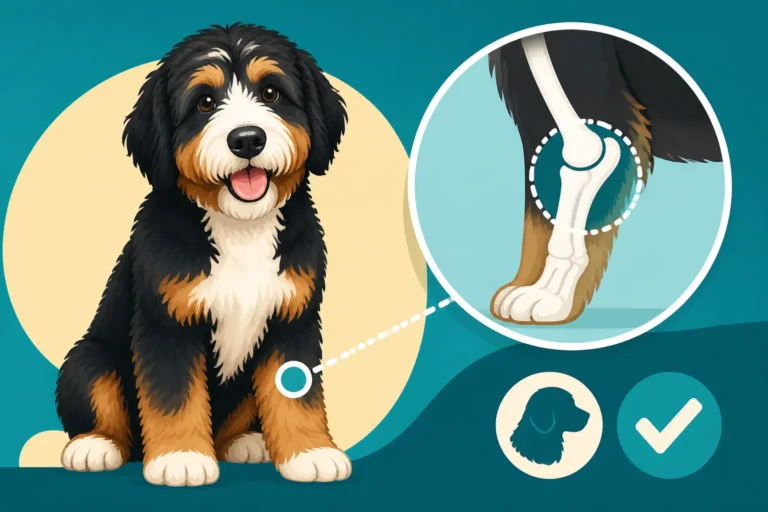
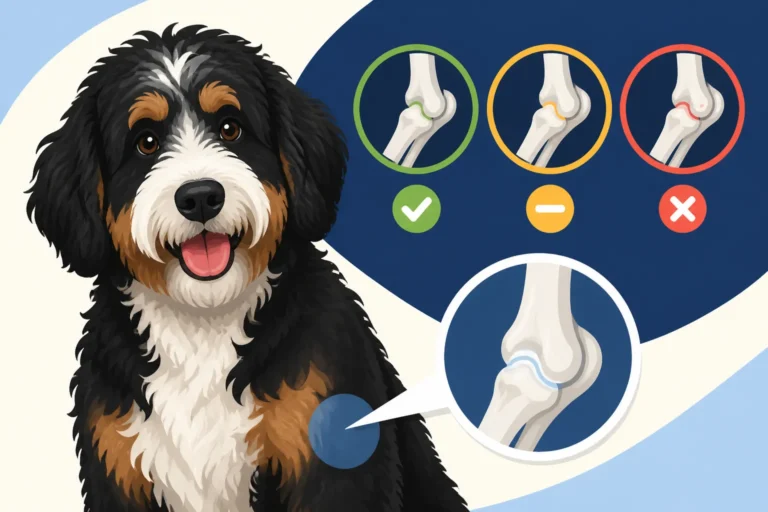
One of the most common and heartbreaking changes we see in aging Bernedoodles is the decline in their joint health and mobility. Given their genetic predisposition from both parent breeds, conditions like elbow dysplasia and hip dysplasia, which may have been managed or even undiagnosed in their youth, can become more pronounced and painful with age. You might start to notice your Bernedoodle struggling to get up from a lying position, perhaps with a little grunt or a slower, more deliberate effort. Stairs, once tackled with gusto, might now be approached with hesitation, or even avoided entirely. They might appear stiff after naps, their gait might become less fluid, or they may exhibit a subtle lameness, favoring one leg over another.
This isn't just about "slowing down"; it's often a sign of chronic pain from conditions like arthritis in a Bernedoodle at eight. The cartilage cushioning their joints wears thin, leading to bone-on-bone friction, inflammation, and discomfort. Simple activities like jumping onto the couch or into the car, which they used to do effortlessly, can become challenging or impossible. Owners might even misinterpret their dog's reluctance to move as stubbornness, when in reality, it's pain. Providing ramps for cars and elevated surfaces, investing in orthopedic beds, and consulting your vet about joint supplements or anti-inflammatory medications can make a world of difference. Comprehensive pet insurance, like a plan from Healthy Paws, can be incredibly valuable in covering the ongoing costs of managing these chronic conditions, ensuring you can provide the best possible care without undue financial stress.
Vision and Hearing Decline: Sensory Shifts
Just like us, older Bernedoodles can experience a decline in their senses, particularly vision and hearing. When it comes to their eyes, you might start to notice a bluish-gray haze appearing over their pupils. This is often nuclear sclerosis, a common and typically benign aging change where the lens hardens. While it can slightly impact vision, it's usually not as debilitating as cataracts, which involve a clouding of the entire lens and can lead to significant vision loss. Your Bernedoodle might start bumping into furniture in dim light, seem hesitant in unfamiliar environments, or miss toys thrown right in front of them. Their once-sharp focus might wane, and they might even develop cataracts in an older Bernedoodle.
Hearing loss can be even more insidious, often developing so gradually that owners don't notice until it's quite advanced. You might find your Bernedoodle no longer responds to their name or familiar commands when you're not in their direct line of sight. They might startle more easily if you approach them from behind, or they may sleep through sounds that used to rouse them instantly. Adapting to these sensory changes means making adjustments around the house. For vision-impaired dogs, keeping furniture in consistent locations can prevent disorientation. For hearing loss, relying more on visual cues and hand signals, and even considering vibrating collars for attention, can be helpful. Patience and understanding are key, as these changes can be disorienting and sometimes frightening for your dog.
Coat and Skin Changes: More Than Just Gray Hairs
While the distinguished graying around the muzzle and eyes is often the most noticeable change in an aging Bernedoodle's appearance, their skin and coat can undergo other significant transformations. Their once thick, luxurious coat might start to thin in places, perhaps becoming coarser or even feeling more brittle. The oil production in their skin can decrease, leading to dry, flaky patches, especially under a Bernedoodle's heavy coat. This can make them more prone to itching and skin irritations.
More importantly, as Bernedoodles age, they are more susceptible to developing various lumps and bumps. Some of these are benign fatty tumors (lipomas), which are common in many breeds, including the Bernese side of the Bernedoodle. Others might be sebaceous cysts or warts. However, it's absolutely crucial not to dismiss any new growth as "just an old dog lump." Any lump a Bernedoodle owner should not wait on should be checked by a veterinarian. Early detection is vital for certain types of growths, including mast cell tumors hidden in a Bernedoodle's coat, which can be cancerous. Regular grooming sessions become even more important not just for maintaining coat health and preventing mats, but also as an opportunity for owners to perform a thorough "pat-down" and check for any new lumps, bumps, or skin changes. Be mindful that Whether a Graying Bernedoodle Face Means Much is usually just cosmetic, but other skin changes warrant attention.
Dental Health: The Silent Battle
Dental disease is often called the "silent killer" in dogs, and it’s a problem that typically worsens with age if not consistently managed. By the time a Bernedoodle reaches eight years old, years of plaque and tartar buildup can lead to significant gum disease, tooth decay, and even tooth loss. The symptoms might be subtle: bad breath, difficulty chewing kibble, or a reluctance to play with chew toys. They might show signs of pain when eating, drool excessively, or shy away if you try to examine their mouth.
Untreated dental disease isn't just about sore gums; the bacteria from infected teeth and gums can enter the bloodstream and travel to vital organs like the heart, kidneys, and liver, causing serious systemic health problems. Regular professional dental cleanings under anesthesia, as recommended by your vet, become increasingly important in their senior years. Daily home dental care, even if it's just a quick brush or a dental chew, can help slow the progression of disease. Ensuring good dental health can significantly impact your Bernedoodle's overall comfort and health in their later years.
Organ Function and Internal Health
Beyond the visible changes, an older Bernedoodle's internal organs are also working harder and may begin to show signs of wear and tear. The kidneys, liver, heart, and pancreas, among others, can become less efficient. This is why routine veterinary check-ups and proactive health screenings become paramount. Your vet will likely recommend blood panels, urinalysis, and potentially blood pressure checks as part of The Screening a Bernedoodle Should Have Yearly. These tests can help detect issues like early kidney disease, liver dysfunction, diabetes, or even hypothyroidism from the Bernese side of a Bernedoodle, often before any outward symptoms become apparent.
Catching these issues early allows for timely intervention, whether through dietary changes, medication, or other management strategies, potentially slowing the progression of disease and improving your Bernedoodle's quality of life. For instance, early detection of kidney issues might lead to a prescription diet that supports kidney function, while identifying a failing thyroid could mean starting daily medication to regulate hormone levels. It’s about staying one step ahead and being proactive in their healthcare, especially as the cost of these interventions can add up, making a robust pet insurance plan like those offered by Healthy Paws a wise investment for many owners.
Behavioral and Cognitive Shifts: More Than Just Slowing Down Mentally
Aging in Bernedoodles isn't just about physical changes; their minds and personalities can also evolve. These shifts can be particularly challenging for owners, as they affect the very essence of their companion.
Changes in Energy Levels and Sleep Patterns
One of the most immediate behavioral changes you’ll likely observe in an aging Bernedoodle is a noticeable shift in their energy levels and sleep patterns. The boundless energy of their youth, where they might have had multiple bursts of playful activity throughout the day, gradually tapers off. They’ll likely spend more time sleeping, or at least resting, and their naps might become longer and more frequent. You might find them opting for a cozy bed over chasing a ball, or being content with a shorter walk around the block instead of an extended hike.
Conversely, some older dogs can experience disrupted sleep cycles. They might sleep more deeply during the day but become restless or disoriented at night, pacing, whining, or barking at odd hours. This can be a sign of cognitive decline, but it’s also just a common part of aging for some dogs. Establishing a consistent routine, ensuring they get enough gentle exercise during the day, and creating a calm, comfortable sleeping environment can help manage these shifts. It’s all part of understanding What Changes in a Bernedoodle After Eight years and adapting to their evolving needs.
Cognitive Dysfunction Syndrome (CDS): Canine Dementia
Just like humans, dogs can develop cognitive decline as they age, often referred to as Canine Cognitive Dysfunction Syndrome (CDS), or canine dementia. This condition affects memory, learning, and perception, and can manifest in a variety of ways. You might notice your Bernedoodle becoming disoriented, getting stuck in corners, or staring blankly at walls, a behavior often referred to as An Old Bernedoodle That Stares at Walls. They might forget familiar commands, struggle to navigate their own home, or even have accidents indoors despite being perfectly housetrained for years.
Other signs of CDS can include changes in social interaction – perhaps they become more withdrawn, less enthusiastic about greeting family members, or more irritable. Their sleep-wake cycle might reverse, leading to restlessness at night and excessive sleeping during the day. Anxiety levels can also increase. If you suspect your Bernedoodle is experiencing CDS, it’s important to consult your veterinarian. There are medications and dietary supplements available that can help manage symptoms and slow the progression of the disease. Enriching their environment with gentle play, scent games, and maintaining a predictable routine can also provide mental stimulation and comfort.
Temperament and Social Interactions
An aging Bernedoodle’s temperament and social interactions can also undergo subtle yet significant changes. A once outgoing and friendly dog might become more reserved, even a little shy or aloof with strangers. They might have less patience for rambunctious puppies or energetic children, preferring quiet interactions and their own space. This isn't necessarily aggression, but rather a decreased tolerance for stimuli that they once handled with ease. They might also become more clingy, seeking constant reassurance and comfort from their primary caregiver, or, conversely, become more withdrawn and prefer solitude.
These changes can sometimes be attributed to underlying discomfort or pain. A dog that is constantly aching might be less inclined to engage in playful roughhousing or might snap if touched unexpectedly in a sensitive area. It's important to differentiate between age-related personality shifts and those caused by undetected pain or medical issues. If your Bernedoodle shows a sudden or drastic change in temperament, a vet visit is always warranted. Understanding that their emotional needs might shift from Whether a Bernedoodle Is Still a Puppy at Two to a more sedate, comfort-seeking companion is crucial for adapting your interactions and ensuring their continued happiness.
Nutritional and Dietary Adjustments for Senior Bernedoodles
Feeding an aging Bernedoodle isn't just about giving them less food; it's about providing the right kind of nutrition to support their changing body and energy needs. Just like us, their metabolism slows down, and their dietary requirements evolve.
Tailoring Diet to an Aging Metabolism
As your Bernedoodle reaches eight years old and beyond, their metabolism isn't quite as zippy as it once was. This means they generally require fewer calories to maintain a healthy weight, even if they still seem just as interested in mealtime! Overfeeding an older dog can quickly lead to unwanted weight gain, which places extra stress on already sensitive joints and can exacerbate conditions like arthritis. Therefore, transitioning to a high-quality senior dog food formula is often a smart move.
These senior-specific diets are typically formulated with slightly fewer calories, but crucially, they maintain adequate protein levels. This is important because older dogs still need protein to maintain muscle mass, which can naturally decline with age (sarcopenia). Look for foods with easily digestible ingredients and often an increased fiber content, which can aid in healthy digestion and regularity, common concerns for older dogs. Some formulas also include beneficial antioxidants to support cellular health and a robust immune system. It’s not just about cutting back on portions; it's about providing nutrient-dense food that caters specifically to the needs of a senior canine. Pay attention to Cutting an Old Bernedoodle's Portions as It Slows and consult your vet for precise feeding guidelines based on your dog's individual activity level and health status.
Supplements and Hydration: Supporting Overall Health
Beyond their regular diet, certain supplements can play a crucial role in supporting your aging Bernedoodle's health and comfort. Joint supplements containing ingredients like glucosamine, chondroitin, and MSM are often recommended to help maintain cartilage health and reduce inflammation, which is vital for dogs prone to conditions like hip and elbow dysplasia. Many owners start these supplements when their Bernedoodle is much younger, sometimes even asking Whether a Bernedoodle Needs Joint Supplements From Young, but they become even more critical in the senior years. Omega-3 fatty acids, found in fish oil, are another powerhouse supplement known for their anti-inflammatory properties, benefiting joints, skin, coat, and even cognitive function.
Hydration is also paramount for senior dogs. As kidney function can decline, ensuring your Bernedoodle drinks enough water is essential for kidney health and overall well-being. Always have fresh, clean water readily available. You might consider adding water to their kibble or offering wet food to increase their fluid intake. Some dogs even enjoy pet water fountains, which can entice them to drink more. Monitoring their water intake and urination habits is important, as excessive drinking or infrequent urination could be signs of underlying health issues that warrant a vet visit.
Adapting Your Home and Routine for an Older Bernedoodle
Making thoughtful adjustments to your home and daily routine can significantly improve your senior Bernedoodle's quality of life, allowing them to navigate their environment with greater ease and comfort.
Creating a Comfortable and Safe Environment
As your Bernedoodle ages, simple tasks like getting around the house can become challenging, especially if they're dealing with joint pain or declining vision. One of the most impactful changes you can make is to create a more accessible and comfortable home environment. Orthopedic beds, often made with memory foam, provide superior support for aching joints, alleviating pressure points and ensuring restful sleep. Place these beds in easily accessible, warm, and quiet areas where your dog feels secure.
Consider installing ramps for cars or for navigating steps and furniture. Whether an Old Bernedoodle Needs a Ramp is often yes, especially for larger Bernedoodles who find jumping increasingly difficult or painful. Non-slip rugs or runners on hardwood, tile, or laminate floors can provide much-needed traction, preventing slips and falls that could lead to serious injury, linking to Rugs That Help an Older Bernedoodle. You might also want to gate off staircases if your dog is struggling with stairs, and ensure that their food and water bowls are easily accessible without requiring them to stoop too low, potentially using elevated feeders. Little changes can make a big difference in preventing accidents and boosting their confidence.
Exercise Modifications: Keeping Them Moving Safely
The temptation with an older, slower Bernedoodle might be to reduce their exercise dramatically, but staying active is actually crucial for maintaining muscle mass, joint flexibility, and mental well-being. However, the type and intensity of exercise need to be carefully modified. Instead of long, strenuous walks or high-impact games of fetch, opt for shorter, more frequent strolls throughout the day. A 15-20 minute gentle walk two or three times a day is often more beneficial than one long, tiring excursion.
Activities that are low-impact and easy on the joints, like swimming (if your Bernedoodle enjoys it and has safe access), can be fantastic for building and maintaining muscle without putting undue stress on their body. Gentle play in the yard, focused on sniffing and exploring rather than intense running, can also provide mental stimulation. Pay close attention to your Bernedoodle's cues: if they're lagging behind, panting heavily, or showing signs of discomfort, it's time to head home. The goal is to keep them moving and engaged without causing pain or exhaustion. For more specific guidance, consider Exercise for a Bernedoodle With Arthritis to tailor activities to their comfort level.
Grooming Adjustments for Senior Comfort
Grooming a Bernedoodle has always been a commitment, but as they age, the process might need some adjustments to ensure their comfort. Standing for extended periods on a grooming table can become painful for a dog with arthritis or weakened muscles. Therefore, patience and a gentle approach are paramount. Your professional groomer should be aware of your dog's age and any physical limitations, potentially Splitting an Old Bernedoodle's Groom Over Two Days to reduce stress.
At home, try to groom your Bernedoodle on a soft surface or with ample padding. If they struggle to stand, try grooming them while they're lying down, especially for areas like their belly or legs. Use softer brushes, and be extra careful around sensitive areas. Keep their coat trimmed shorter, especially in areas prone to matting like armpits, behind the ears, and around their rear. This not only reduces matting, which can be painful, but also makes cleaning easier. Regular checks for lumps and skin changes become even more vital during grooming sessions. Remember, grooming isn't just about looks; it's a critical part of their health and comfort, and adapting the routine is a loving way to support your aging companion.
The Importance of Regular Veterinary Care in the Golden Years
While we wish our Bernedoodles could stay puppies forever, their senior years necessitate an even closer partnership with your veterinarian. Proactive and consistent medical attention can significantly extend their healthy lifespan and improve their quality of life.
Proactive Health Screenings: Catching Issues Early
As your Bernedoodle enters their senior years, their body becomes more susceptible to a range of age-related health issues. This is precisely why annual or, ideally, bi-annual comprehensive veterinary check-ups become non-negotiable. These aren't just routine visits; they are proactive health screenings designed to catch potential problems in their earliest, most treatable stages. Your vet will perform a thorough physical examination, checking for new lumps, assessing joint mobility, evaluating dental health, and listening to their heart and lungs.
Beyond the physical exam, your vet will likely recommend a senior blood panel, urinalysis, and potentially blood pressure monitoring. These tests can reveal insights into organ function, such as early kidney or liver disease, diabetes, thyroid imbalances like hypothyroidism from the Bernese side of a Bernedoodle, or even early signs of cancer. Catching these conditions early, often before any outward symptoms are noticeable, allows for immediate intervention and management, which can dramatically improve outcomes and quality of life. For instance, dietary changes or medication initiated early can often slow the progression of chronic diseases. For many owners, the value of The Screening a Bernedoodle Should Have Yearly is immense, offering peace of mind and the best chance at long-term health, and good pet insurance can help manage the costs of such crucial care.
Pain Management Strategies
One of the greatest gifts we can give our aging Bernedoodles is freedom from chronic pain. As discussed, joint issues like arthritis are almost inevitable in larger breeds as they age. However, pain can also stem from dental problems, old injuries, or even certain internal conditions. Your vet is your best resource for developing an effective pain management strategy.
This might involve a multi-modal approach. Non-steroidal anti-inflammatory drugs (NSAIDs) are commonly prescribed to reduce pain and inflammation associated with arthritis. However, there are also other medications, such as gabapentin for neuropathic pain, or even newer injectables that specifically target nerve growth factors involved in osteoarthritis pain. Beyond pharmaceuticals, your vet might suggest complementary therapies like physical rehabilitation, hydrotherapy, acupuncture, or even laser therapy, all of which can significantly improve comfort and mobility. Ensuring your Bernedoodle isn't living in silent discomfort is key to preserving their quality of life and ensuring their golden years are truly golden. Regular check-ups with your vet will help fine-tune these strategies as their needs evolve, ensuring they remain as comfortable as possible.
Embracing the Golden Years: Cherishing Your Senior Bernedoodle
The senior years with your Bernedoodle are a precious time, filled with quiet companionship and profound love. It requires a shift in perspective, moving from an expectation of youthful exuberance to an appreciation for gentle presence.
Quality of Life Over Quantity
As your Bernedoodle reaches eight years and beyond, the focus of their care naturally shifts towards ensuring their quality of life. While we all wish for as much time as possible with our beloved companions, it's about making every day comfortable, joyful, and free from undue suffering. This means being acutely aware of their physical and emotional well-being. Are they still enjoying their food? Do they wag their tail when you approach? Can they still comfortably engage in their favorite modified activities?
Understanding their limitations and adapting to them is an act of profound love. It might mean accepting that they can't hike mountains anymore, but finding joy in a slow stroll around the block where they can sniff every blade of grass. It means recognizing when they're tired and letting them rest without guilt. It's about providing comfort, minimizing pain, and showering them with affection. When difficult decisions eventually arise, this focus on quality of life will be your guiding star, ensuring that their final chapter is filled with dignity and peace.
Emotional Support for Owners
Witnessing your once-energetic Bernedoodle slow down can be an incredibly emotional experience. It's perfectly normal to feel a range of emotions – sadness, anxiety, frustration, or even grief, especially as you start to see The Signs a Bernedoodle Is Slowing Down. This is a natural part of the journey with our beloved pets. You are not alone in feeling this way. It's tough to see the vibrant dog you knew transform, and to confront the reality of their mortality.
Allow yourself to feel these emotions. Talk to trusted friends, family members, or even your veterinarian about what you're experiencing. There are also online communities and support groups specifically for owners of aging or terminally ill pets, where you can share your feelings and gain solace from others who understand. Remember that the deep bond you share with your Bernedoodle is a testament to the love you've given and received. Cherish every moment, adapt with kindness, and know that you are providing the best possible care for your faithful companion as they navigate their golden years. A good pet insurance policy, like Healthy Paws, can remove some of the financial stress, allowing you to focus more on their emotional and physical comfort without the added burden of vet bills.
Summary of Senior Bernedoodle Changes and Interventions
Here's a quick overview of common changes in Bernedoodles after eight years old and actions you can take:
| Area of Change | Common Observations | Potential Interventions & Support |
|---|---|---|
| Mobility & Joints | Stiffness, difficulty rising, hesitation with stairs, lameness. | Orthopedic beds, ramps, non-slip flooring, joint supplements, NSAIDs, physical therapy. |
| Senses | Cloudy eyes (nuclear sclerosis/cataracts), reduced hearing, startles easily. | Consistent home layout, clear verbal cues/hand signals, vision/hearing aids. |
| Coat & Skin | Thinning coat, dry skin, graying muzzle, new lumps/bumps. | Regular grooming, moisturizing shampoos, vet check for all new lumps, shorter clips. |
| Dental Health | Bad breath, difficulty chewing, tartar buildup, gum inflammation. | Professional dental cleanings, daily brushing, dental chews/rinses, soft food. |
| Internal Health | Organ function decline (kidney, liver, heart), diabetes, hypothyroidism. | Bi-annual vet check-ups, senior blood panels, urinalysis, prescription diets, medication. |
| Energy & Sleep | Increased napping, less stamina, restless nights, disorientation. | Consistent routine, gentle exercise, comfortable sleeping area, vet consultation for CDS. |
| Cognition | Disorientation, staring, house-soiling, anxiety, forgetfulness. | Mental enrichment, routine, vet consultation for CDS medication/supplements. |
| Temperament | Increased irritability, reduced tolerance for noise/children, clinginess or withdrawal. | Respect space, gentle handling, vet check for underlying pain, positive reinforcement. |
| Nutrition | Weight gain or loss, decreased appetite, digestive issues. | Senior dog food (lower calories, good protein), supplements (Omega-3s), hydration, vet consultation. |
Disclaimer
This article is intended for informational purposes only and is not a substitute for professional veterinary advice, diagnosis, or treatment. Always seek the advice of your veterinarian or other qualified health provider with any questions you may have regarding a medical condition. Never disregard professional veterinary advice or delay in seeking it because of something you have read in this article.