The Age a Bernedoodle’s Elbows Can Be Graded
It's incredibly frustrating when you're doing your best to ensure your beloved Bernedoodle grows up healthy, but the complex world of canine genetics and orthopedic health feels like a minefield. You hear about hip and elbow issues, but when exactly do you need to get those crucial screenings done? This guide will walk you through the recommended age for elbow grading in Bernedoodles, explain what the process entails, and help you understand how these vital assessments contribute to a lifetime of comfort for your furry family member.
The Critical Window for Bernedoodle Elbow Grading
When it comes to your Bernedoodle's joint health, timing really is everything, especially for conditions like elbow dysplasia. This isn't just a minor ache; it's a developmental condition that can lead to significant pain, arthritis, and a reduced quality of life if not addressed or, ideally, prevented through responsible breeding. Knowing when to get those elbows graded is a cornerstone of proactive care.
Why Age Matters for Accurate Assessment
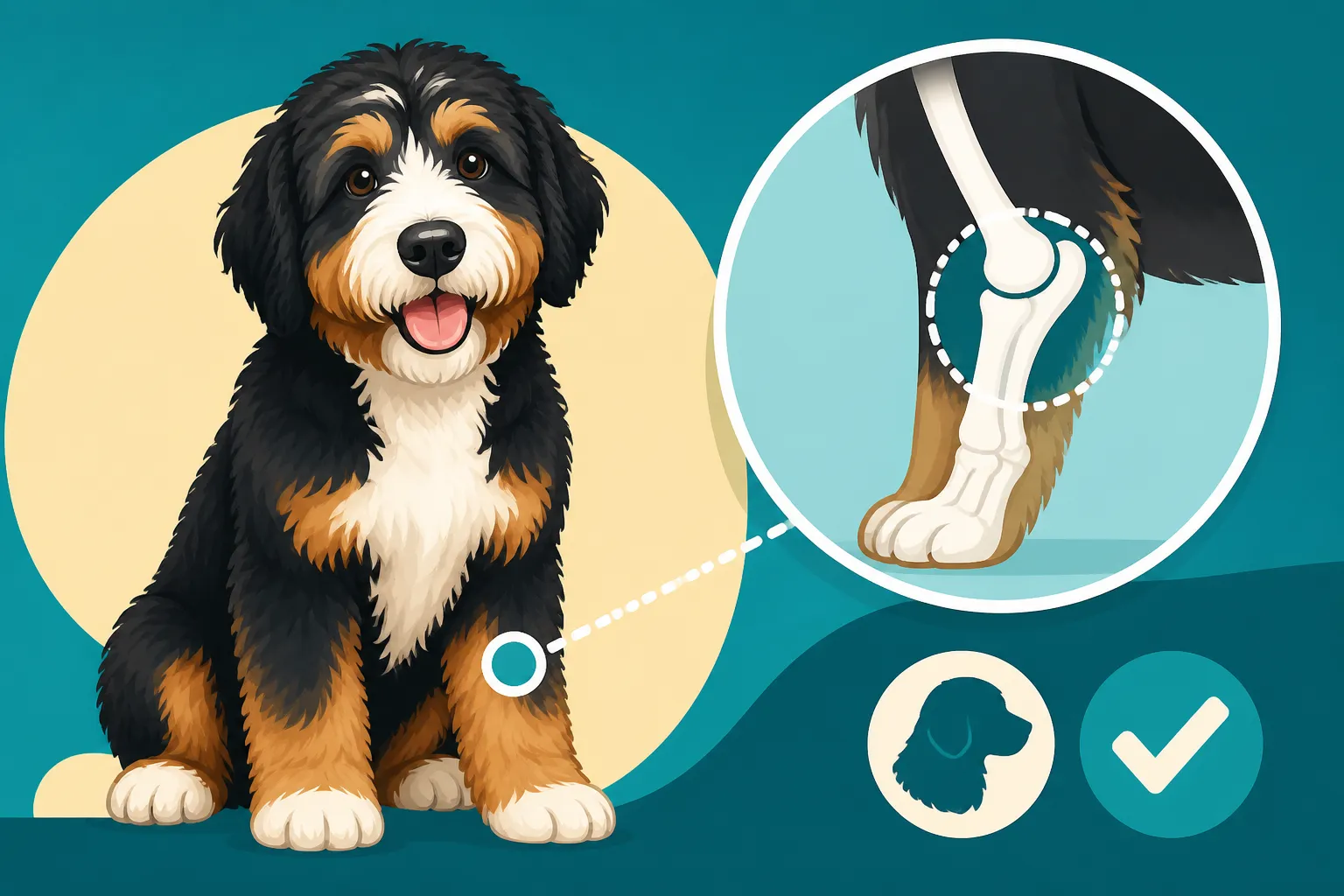
You might wonder why we can't just X-ray a tiny puppy's elbows and be done with it. The truth is, a puppy's bones are still developing, growing rapidly, and have open growth plates. These cartilaginous areas are essentially soft spots where bone growth occurs, and they don't fully close until the dog reaches skeletal maturity. Attempting to grade elbows before this point would provide inaccurate or inconclusive results because the joints haven't finished forming. The standard practice for official elbow grading, particularly with organizations like the Orthopedic Foundation for Animals (OFA), requires your Bernedoodle to be at least 24 months (two years) old. This age ensures that the growth plates are closed and the bones have reached their mature size and shape, allowing for a proper, definitive evaluation of the elbow joint structure. Submitting images before this age is often referred to as a "preliminary" screening, which can be useful for breeders making early decisions, but isn't considered final.
Understanding the Physiological Basis for the Two-Year Mark
Think about it this way: your Bernedoodle is a large breed dog, inheriting its size and growth rate from both the Bernese Mountain Dog and Poodle lineage. Large breeds, in general, take longer to mature skeletally than smaller dogs. While they might reach their full height around 12-18 months, their bones and joints are still solidifying and strengthening well beyond that. Elbow dysplasia, which involves abnormalities in the growth of the bones that make up the elbow joint, often manifests as incongruity, fragmented coronoid process, ununited anconeal process, or osteochondrosis. These issues are structural and become fully apparent once the bones have completed their development. Rushing the grading process can lead to false positives or negatives, which isn't helpful for you or for a breeder trying to improve their lines. This two-year benchmark isn't arbitrary; it's based on extensive veterinary orthopedic research to ensure the most reliable assessment. This is why discussions around The Age a Bernedoodle's Elbows Can Be Graded are so important in the Bernedoodle community.
What to Expect During the Elbow Grading Process
Once your Bernedoodle reaches that two-year milestone, or if your vet recommends a preliminary screening earlier due to concerns, the actual grading process is fairly straightforward, though it does involve some specialized care. It's not just a quick photo op; it's a precise diagnostic procedure.
Preparing Your Bernedoodle for the Examination
The first step is a visit to your veterinarian. They will discuss the procedure with you and perform a general health check to ensure your Bernedoodle is fit for sedation. Yes, sedation is typically required for elbow X-rays. Why? Because the positioning needs to be incredibly precise to capture clear, diagnostic images of the elbow joints. A wiggling dog, even a well-behaved one, simply can't hold the exact positions needed for the radiographs. This isn't just about convenience for the vet; it's about getting the best possible images to send to the OFA, which can make all the difference in an accurate reading. Your vet will provide instructions regarding food and water restrictions before the appointment, usually asking you to withhold food for 8-12 hours prior to the sedation. This reduces the risk of aspiration during the procedure. It's a good idea to discuss any concerns you have about anesthesia, especially if your Bernedoodle has any pre-existing health conditions or if you're worried about Anesthesia Is Riskier on a Ninety Pound Bernedoodle.
The Veterinary Procedure and Submission for Review
On the day of the X-rays, your Bernedoodle will be admitted to the clinic. They'll receive a sedative, often combined with pain relief, to ensure they are comfortable and still for the imaging. The veterinary technician or vet will then carefully position your Bernedoodle's front legs to take specific X-ray views of the elbows. These views are standardized by organizations like the OFA to ensure consistency across all submissions. Typically, a mediolateral (side) and a craniocaudal (front-to-back) view are taken for each elbow. Once the X-rays are completed, your Bernedoodle will be monitored as they recover from the sedation. The images are then sent to a central registry, such as the OFA, for evaluation by a panel of board-certified veterinary radiologists. They scrutinize the images for any signs of elbow dysplasia and assign a grade. If you’re considering this, remember that your breeder should be able to provide The Five Clearances a Bernedoodle Breeder Should Have for the parents, including elbow evaluations. This process, while a bit involved, is a critical investment in your Bernedoodle's long-term health, and good pet insurance, like a policy from Healthy Paws, can certainly help cover the costs of these diagnostic procedures or any subsequent treatments if issues are found.
Decoding Elbow Grades and What They Mean for Your Bernedoodle
Receiving the results of your Bernedoodle's elbow grading can feel a bit nerve-wracking, especially if you've been worried about joint health. Understanding the grading system and what each designation means is key to moving forward, whether your dog is completely clear or needs some extra care.
Understanding the OFA Grading Scale
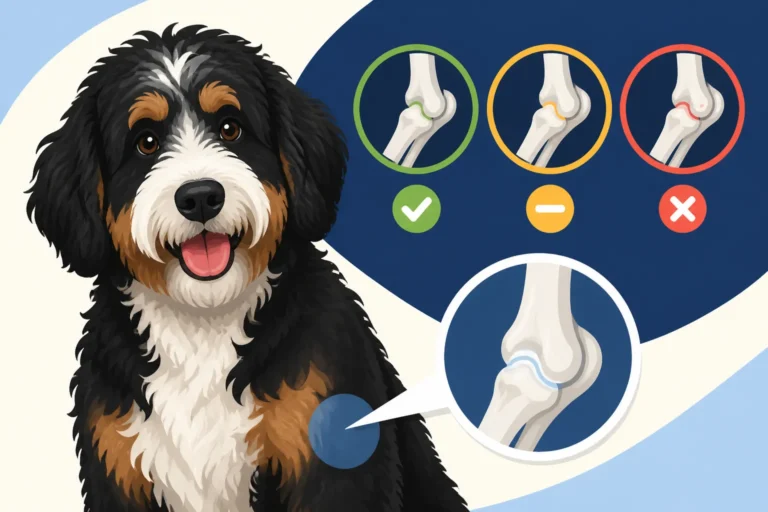
The Orthopedic Foundation for Animals (OFA) is the most widely recognized organization for canine orthopedic evaluations in North America. For elbows, the OFA uses a grading system to classify the presence and severity of elbow dysplasia. Unlike hips, where there are several passing grades, for elbows, there are only two categories: Normal or Dysplastic.
Here's a breakdown:
| OFA Elbow Grade | Description | Implications for Breeding |
|---|---|---|
| Normal | Elbows show no evidence of elbow dysplasia. This is the ideal result, indicating healthy, well-formed joints. | Animal can be bred. Considered to be free of hereditary elbow dysplasia. |
| Elbow Dysplasia | Indicates the presence of elbow dysplasia, further broken down into three grades based on severity: | Animal should NOT be bred. Passes on genetic predisposition for the condition. |
| Grade I | Mild elbow dysplasia, often characterized by minor bone changes or joint incongruity. | Should not be bred. |
| Grade II | Moderate elbow dysplasia, with more noticeable bone changes, osteophytes (bone spurs), or joint space narrowing. | Should not be bred. |
| Grade III | Severe elbow dysplasia, indicating significant degenerative changes, severe osteophytes, and considerable joint deformity or incongruity. | Should not be bred. |
A "Normal" grade is obviously what every owner hopes for, but even a Grade I diagnosis doesn't mean your Bernedoodle is doomed. It just means you'll need to be more mindful of their joint health. Breeders use these results to make informed decisions, ensuring they don't pass on genetic predispositions to future generations. This directly relates to why reputable breeders are transparent about The Elbow Grades a Bernedoodle Breeder Should Show for their breeding stock.
Implications for Health and Breeding Decisions
If your Bernedoodle receives a "Normal" grade, congratulations! It's a huge relief and a testament to responsible breeding and good fortune. You can continue to focus on general wellness, exercise, and a balanced diet. If, however, your Bernedoodle is diagnosed with elbow dysplasia, even a mild grade, it has significant implications. For starters, that dog should absolutely not be used for breeding. Whether Elbow Dysplasia Is Heritable in a Bernedoodle is a well-established fact, and ethical breeders strive to eliminate such conditions from their lines.
For your Bernedoodle's personal health, a diagnosis means you'll need to work closely with your veterinarian to develop a management plan. This might include:
- Weight Management: Keeping your Bernedoodle at a lean, healthy weight is paramount to reduce stress on the joints.
- Controlled Exercise: High-impact activities or excessive running on hard surfaces should be minimized. Instead, focus on low-impact exercise like swimming or gentle walks.
- Joint Supplements: Your vet might recommend supplements containing glucosamine, chondroitin, or omega-3 fatty acids to support joint cartilage and reduce inflammation.
- Medication: For pain management, especially during flare-ups or as arthritis progresses, anti-inflammatory drugs (NSAIDs) may be prescribed.
- Physical Therapy: Rehabilitation exercises can strengthen supporting muscles and improve range of motion.
- Surgery: In some cases, particularly for specific types of elbow dysplasia or severe cases, surgery might be an option to alleviate pain and improve function. This is a big decision, and understanding Whether a Bernedoodle Needs Elbow Surgery would be part of a comprehensive discussion with a veterinary orthopedic specialist.
Early diagnosis, even if not for breeding, allows you to implement preventative measures before the condition causes severe discomfort. Remember, a pet insurance plan like Healthy Paws can be a lifesaver in these situations, helping to cover the often significant costs associated with managing a chronic condition like elbow dysplasia.
Proactive Steps Beyond Grading: Supporting Your Bernedoodle's Joint Health
While getting your Bernedoodle's elbows graded is a crucial step, it's just one part of a larger, ongoing commitment to their joint health. A holistic approach, combining responsible breeding choices, appropriate care from puppyhood, and consistent management, is what truly makes a difference.
Responsible Breeding and Parent Testing
The journey to healthy elbows begins long before your Bernedoodle puppy ever comes home. A truly responsible breeder will have performed extensive health testing on both parent dogs, including OFA elbow clearances, before breeding them. This reduces the likelihood of passing on genetic predispositions for elbow dysplasia. When you're looking for a puppy, always ask to see the OFA certificates for both parents. Don't just take their word for it; verify the official records. A breeder who cannot or will not provide these clearances is a red flag, as this condition is definitely inherited. This is why it’s critical to understand Whether an Untested Bernedoodle Litter Is Worth Buying, and the answer is almost universally no for conscientious owners. These clearances are part of a broader commitment to canine health and demonstrate the breeder's dedication to the well-being of their puppies.
Diet, Exercise, and Preventative Care from Puppyhood
Even with clear parents, proper care during your Bernedoodle's critical growth phases is essential. Rapid growth and excessive exercise in puppyhood can exacerbate any underlying genetic tendencies toward joint issues.
- Nutrition: Feed a high-quality, large-breed puppy food that is formulated for slow, steady growth, rather than rapid weight gain. Controlling calcium and phosphorus levels is particularly important to prevent developmental orthopedic diseases. Understanding How Much Food a Bernedoodle Puppy Needs at Four Months is crucial, as overfeeding can lead to excess weight and joint strain.
- Controlled Exercise: Avoid forced, high-impact exercise like long runs, intense fetching sessions on hard ground, or excessive jumping until your Bernedoodle is skeletally mature. Puppy play should be self-directed and on softer surfaces. The "five-minute rule" per month of age is a good guideline for structured walks, meaning a 4-month-old puppy gets 20 minutes of structured walking a day. Learning about The Exercise a Bernedoodle Puppy Should Not Do can prevent irreversible damage.
- Safe Environments: Minimize jumping off furniture or going up and down stairs frequently, especially in young puppies, to reduce repetitive stress on developing joints. Ramps for cars or beds can be incredibly helpful. Whether Jumping Off Furniture Hurts a Bernedoodle is a common question, and for growing pups, the answer is often yes.
- Regular Vet Check-ups: Maintain a consistent schedule of veterinary visits to monitor growth, weight, and general health. Your vet can spot early Signs a Bernedoodle Puppy's Elbows Hurt or other subtle indicators that warrant further investigation.
By combining diligent breeding practices with thoughtful, preventive care throughout your Bernedoodle's life, especially during their formative years, you significantly increase their chances of enjoying healthy, comfortable mobility for years to come. And having a robust pet insurance plan like those offered by Healthy Paws in place from puppyhood means you're financially prepared for any unexpected joint issues that might arise, giving you peace of mind.
Disclaimer
This article is intended for informational purposes only and does not constitute veterinary advice. Always consult with a qualified veterinarian for any health concerns or before making any decisions about your Bernedoodle's care, diet, or treatment.