Entropion Surgery on a Bernedoodle
It’s truly disheartening to see your beloved Bernedoodle puppy or adult dog struggling with discomfort, especially when it involves something as vital as their eyes. Many Bernedoodle owners find themselves worried sick when they notice their dog constantly squinting, tearing up, or pawing at their face, fearing something serious. This guide is here to walk you through everything you need to know about entropion, a common eyelid condition in Bernedoodles, focusing specifically on why surgery might be necessary and what to expect from the procedure.
Understanding Entropion in Bernedoodles
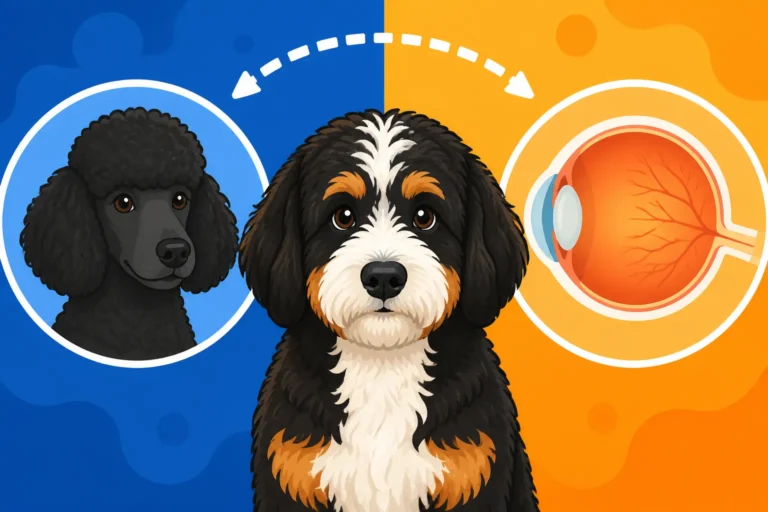
When you notice your Bernedoodle's eyes looking irritated, it's easy to jump to conclusions like allergies or a stray piece of dust. But for many of these wonderful dogs, especially those inheriting traits from their Bernese Mountain Dog lineage, the problem can be much deeper: entropion. This is a condition where a portion of the eyelid, usually the lower one, rolls inward, causing the eyelashes and surrounding hair to constantly rub against the sensitive surface of the eyeball. Imagine having a tiny, coarse brush scratching your eye with every blink – that’s essentially what your Bernedoodle is experiencing, and it's as painful and irritating as it sounds.
What Causes Eyelids to Roll Inward?
Entropion isn't just a random occurrence; it's often a structural issue, predominantly genetic. For Bernedoodles, this often traces back to the Bernese Mountain Dog side of their family tree, as large, heavy-browed breeds are more predisposed to it. The shape of their skull, the amount of skin around their eyes, or even how the eyelid muscles are formed can all contribute. It's not uncommon for puppies to show signs early on, sometimes even within their first few months, as their facial structure develops. This early onset can be particularly alarming for new owners, who might have visions of a perfect, healthy puppy and suddenly face a significant health challenge.
Beyond genetics, other factors can sometimes exacerbate or even cause entropion, though these are less common as primary causes in Bernedoodles. Severe eye trauma, chronic inflammation, or even scarring from previous injuries can lead to the eyelid turning inward. In some cases, spastic entropion can occur when a dog experiences intense pain in the eye, causing the eyelid to involuntarily contract and roll in. This can sometimes create a vicious cycle, where the initial pain causes entropion, which then causes more pain. It's a complex dance of genetics and environmental factors, but for most Bernedoodles, the root cause lies in their inherited facial anatomy.
The Specific Impact on a Bernedoodle's Eyes
Bernedoodles, with their often expressive, soulful eyes, are particularly susceptible to the discomfort of entropion. The constant friction from the ingrown lashes and hair against the cornea can lead to a cascade of problems. Initially, you might just see excessive tearing, as the eye tries to flush out the irritant. Over time, this irritation can escalate to conjunctivitis, causing the white part of the eye and the inner eyelids to become red and swollen. Without intervention, this chronic rubbing can lead to more serious conditions like corneal ulcers, which are open sores on the surface of the eye. These ulcers are not only incredibly painful but can also impair vision and, in severe cases, even lead to permanent blindness if left untreated.
Furthermore, the continuous discomfort can affect your Bernedoodle’s quality of life, making them hesitant to play, less engaged, and generally unhappy. They might squint constantly, especially in bright light, or rub their face against furniture or paw at their eyes, further worsening the irritation and potentially introducing bacteria. It’s a subtle but persistent form of suffering that no loving owner wants for their dog. This highlights why understanding and addressing the condition promptly is so crucial for their overall well-being. Some related eye conditions like The Eye Conditions a Bernedoodle Is Tested For also underscore the importance of comprehensive eye health.
Recognizing the Signs of Entropion in Your Bernedoodle
Spotting entropion isn't always as straightforward as it sounds, especially if you're a first-time Bernedoodle owner or new to dog health issues. Your Bernedoodle can't tell you in words that their eye hurts, so you have to become a keen observer of their subtle cues. The signs can range from mild annoyance to severe pain, and they often mirror other less serious eye problems, making early detection a bit of a challenge. It's like a puzzle where you have to connect the dots between various symptoms to see the full picture.
Early Warning Signs and Subtle Behaviors
The earliest indications of entropion are often subtle, and you might initially dismiss them as just your dog being a bit tired or having something in their eye. One of the most common signs is increased tearing, or epiphora. You might notice constant wetness around their lower eyelids, sometimes leading to brown or reddish staining on their fur, especially on lighter-colored Bernedoodles. This isn’t just unsightly; it’s the eye’s natural defense mechanism trying to wash away the irritating hairs.
Another key sign is squinting. Your Bernedoodle might hold one or both eyes partially closed, particularly in bright sunlight or when they're trying to focus. This is their way of trying to minimize the painful contact of the inward-rolling eyelid. You might also notice them blinking more frequently than usual. Beyond these, pay attention to behaviors like pawing at their face, rubbing their head against the carpet or furniture, or generally acting a bit more withdrawn. These actions are often attempts to alleviate discomfort, but they can, unfortunately, make the condition worse by causing further irritation or even infection. If you've been concerned about Whether a Bernedoodle's Eyes Water Under Its Fringe, entropion could certainly be a culprit.
What to Look For During a Closer Inspection
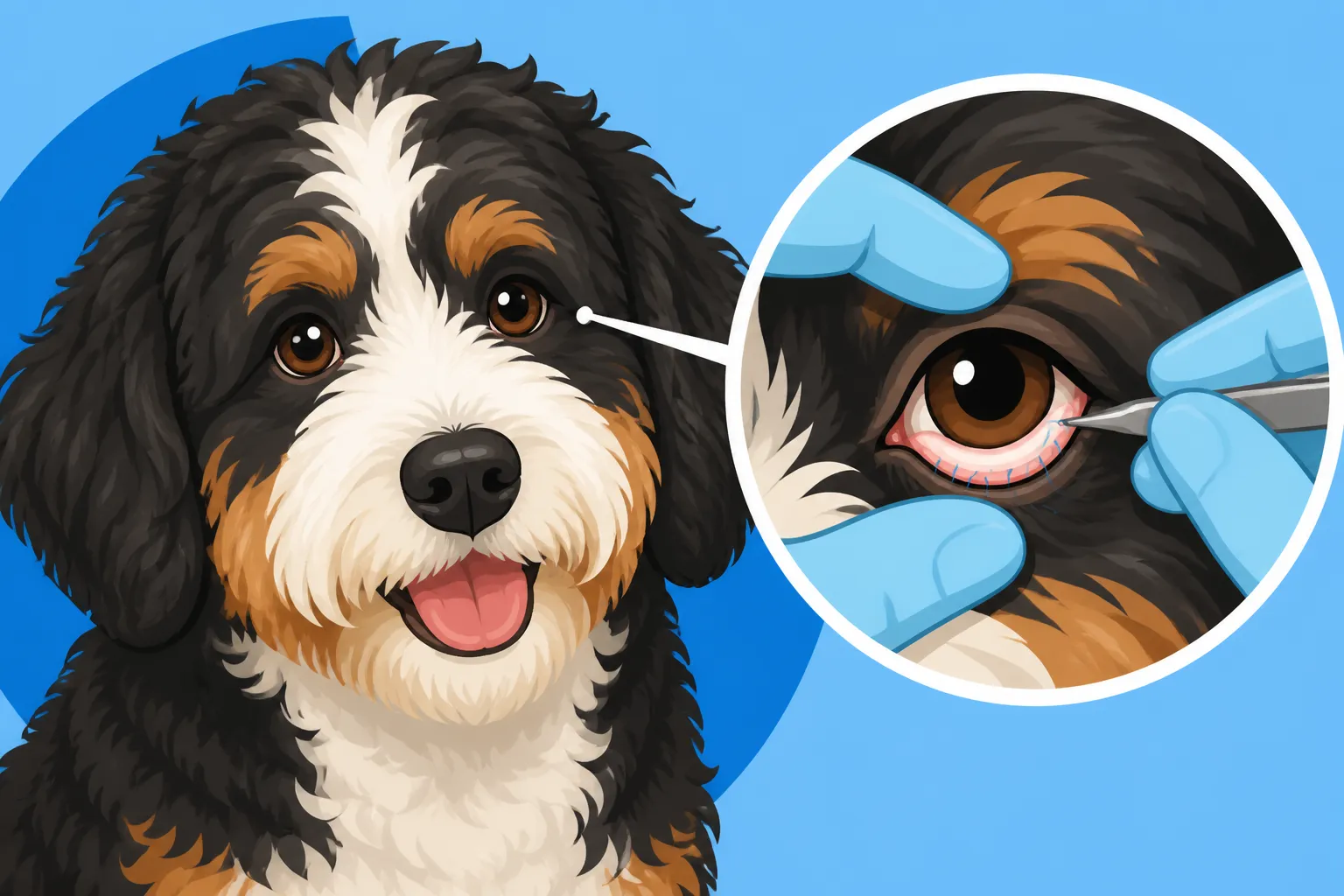
If you suspect entropion, a closer look at your Bernedoodle's eyes is warranted, though always proceed gently. The most telling sign is the actual inward rolling of the eyelid margin. You might see the edge of the eyelid itself, or even the tiny hairs along it, tucked in against the eyeball. Sometimes, it’s just a small section of the eyelid, while other times, the entire lid can be affected.
The conjunctiva – the pink tissue lining the inside of the eyelids and covering the white part of the eye – might appear red, swollen, or inflamed. You might even notice a cloudy appearance to the cornea, or if the irritation has been prolonged, a visible scratch or ulcer on the surface of the eye. These are serious developments that require immediate veterinary attention. In some advanced cases, chronic irritation can cause pigment to deposit on the cornea, appearing as a dark, cloudy film, which can severely impact vision. Don't confuse these issues with normal Cataracts in an Older Bernedoodle, as entropion affects the surface and structure, not the lens.
It's helpful to observe your Bernedoodle both when they are relaxed and when they are active, as the degree of entropion can sometimes vary. Keep a watchful eye for any changes in discharge – while watery tearing is common, thick, yellowish, or greenish discharge could indicate a secondary bacterial infection. When you’re dealing with a breed prone to various health issues, including things like Whether the Bernedoodle Cross Actually Reduced Cancer or Histiocytic Sarcoma and Whether a Bernedoodle Escapes It, it’s easy to get overwhelmed. But focusing on specific symptoms for entropion can help narrow down the problem and get your dog the targeted help they need.
| Symptom | Description | Urgency Level |
|---|---|---|
| Excessive Tearing | Constant wetness around the eyes, sometimes leading to tear staining. | Moderate |
| Squinting / Frequent Blinking | Holding eyes partially closed, especially in bright light, or blinking a lot. | Moderate |
| Redness of Eye Tissues | The conjunctiva (pink tissues) appear inflamed or bloodshot. | Moderate |
| Pawing at Eyes / Rubbing Face | Repeated attempts to scratch or rub the eyes. | High |
| Visible Inward Eyelid Roll | The eyelid margin is clearly seen turning in, with hairs touching the eye. | High |
| Cloudy Cornea / Ulcers | A dull, hazy appearance to the eye's surface, or visible scratches/sores. | Urgent |
| Thick Eye Discharge | Yellow, green, or pus-like discharge, indicating infection. | Urgent |
The Decision for Entropion Surgery
Once you've noticed the signs and your vet has confirmed entropion, the conversation often turns to surgery. This can feel like a daunting step, especially when it involves your beloved Bernedoodle. Many owners naturally worry about the risks, the recovery, and, of course, the financial implications. However, it's important to understand that for most cases of entropion, surgery isn't just a cosmetic fix; it's often the most effective, and sometimes the only, way to truly alleviate your dog's pain and prevent long-term damage to their eyes.
Diagnosis and When Surgery Becomes Necessary
The diagnosis of entropion is typically straightforward, performed by a veterinarian during a routine eye exam. They will carefully examine your Bernedoodle's eyelids and eyeball, often using a special light to look for corneal damage like ulcers or abrasions. Sometimes, a fluorescent stain (fluorescein test) is used to highlight any corneal ulcers that might not be visible to the naked eye. This test is crucial because the presence of an ulcer often dictates the urgency of surgical intervention.
While very mild, non-painful cases in puppies might be managed temporarily with lubricating eye drops or antibiotic ointments to prevent secondary infections, this is rarely a long-term solution. For most Bernedoodles, especially those with noticeable irritation, pain, or any corneal damage, surgery is almost always recommended. This is particularly true for adult dogs, where the condition is unlikely to resolve on its own. Delaying surgery, while understandable due to concerns, can lead to worsening pain, chronic infections, and irreversible corneal scarring that could permanently impair vision. It's a proactive step to ensure your Bernedoodle's comfort and eye health for years to come.
Exploring Alternatives and Pre-Surgical Considerations
While surgery is often the primary treatment, it’s worth discussing any potential alternatives with your vet, especially for young puppies. In some cases, temporary eyelid tacking might be an option. This procedure involves placing a few sutures in the puppy’s eyelid to temporarily roll it outward, providing relief until their facial structure fully develops. Sometimes, as puppies grow, the entropion resolves on its own, making permanent surgery unnecessary. However, if the entropion persists or is severe, tacking is usually just a stop-gap measure. For adult Bernedoodles, there are typically no effective non-surgical alternatives once the condition is established and causing issues.
Before any surgery, your Bernedoodle will undergo a thorough pre-surgical workup. This usually includes blood tests to ensure they are healthy enough for anesthesia and to identify any underlying conditions that could complicate the procedure. It's vital to discuss any specific concerns you have, such as The Bleeding Disorder a Bernedoodle Gets From the Bernese, which might impact surgical planning. Your vet will also review their medical history and current medications. This is also a good time to talk about costs and consider pet insurance. Providers like Healthy Paws can be incredibly helpful here, potentially covering a significant portion of the surgical expenses, especially if the condition wasn't pre-existing. Understanding What Cancer Treatment Costs a Bernedoodle Owner might give you a sense of other potential health expenses, but having insurance like Healthy Paws for conditions such as entropion can really ease the financial burden.
The vet will explain the specific surgical technique they plan to use, which is typically a procedure called a Hotz-Celsus. The goal is to remove a small, crescent-shaped piece of skin and muscle from the affected eyelid, allowing the eyelid to roll outward to its normal position. This is a delicate procedure that requires precision to ensure the eyelid is corrected without over- or under-correction.
Understanding the Entropion Surgical Procedure
When you've made the difficult but necessary decision to proceed with entropion surgery for your Bernedoodle, it’s natural to feel a mix of anxiety and hope. Knowing what actually happens during the procedure and what to expect immediately afterward can help alleviate some of those worries. This isn't just a quick fix; it's a precise, careful operation designed to bring lasting comfort and preserve your dog’s precious eyesight.
The Surgical Process Step-by-Step
Entropion surgery, most commonly the Hotz-Celsus procedure, is typically performed by a general veterinarian with experience in soft tissue surgery or by a veterinary ophthalmologist, especially for complex cases. Your Bernedoodle will receive general anesthesia, which will be carefully monitored throughout the procedure. This is always a concern for owners, and discussing Whether Anesthesia Is Riskier on a Ninety Pound Bernedoodle with your vet beforehand can provide peace of mind regarding safety protocols.
Once your Bernedoodle is comfortably sedated, the surgical area around their eye will be meticulously cleaned and prepared. The surgeon will then carefully measure and mark the precise amount of skin and muscle to be removed from the affected eyelid. The goal is to evert the eyelid just enough so that the lashes and hairs no longer touch the cornea, without over-correcting and causing ectropion (where the eyelid rolls outwards excessively). Using fine surgical instruments, a crescent-shaped piece of tissue is excised, and then the skin edges are sutured together with very fine, absorbable stitches. These sutures are usually placed close to the eyelid margin and are designed to hold the eyelid in its new, corrected position. The entire procedure is typically quite quick, often taking less than an hour per eye, depending on the severity and whether one or both eyes are affected. Precision is key to a successful outcome, so a skilled surgeon is paramount.
What Happens Immediately After Surgery
Once the surgery is complete, your Bernedoodle will be moved to a recovery area where they will be closely monitored as they wake up from anesthesia. The veterinary team will ensure their vital signs are stable and manage any immediate post-operative pain. It’s common for the eye to look a bit swollen or bruised for the first day or two, which is a normal part of the healing process.
Before your Bernedoodle is discharged, you’ll receive detailed instructions for their at-home care. This will typically include a course of oral antibiotics to prevent infection, and anti-inflammatory medications to manage pain and swelling. You’ll also be sent home with topical eye drops or ointments to apply regularly, which help with healing and keep the eye lubricated. Crucially, your Bernedoodle will likely need to wear an Elizabethan collar (the infamous "cone of shame") to prevent them from pawing at their surgical site, which could dislodge sutures or introduce infection. While wearing the cone can be a challenge for both you and your dog, it’s absolutely vital for successful healing. Many owners wonder Whether a Bernedoodle Is Too Sensitive for an E-Collar, but for their health, it's a temporary necessity.
Your vet will schedule a follow-up appointment, usually within 7-14 days, to check on the healing progress and remove any non-absorbable sutures if they were used. It’s important to follow all instructions diligently and not hesitate to call your vet if you notice any unusual swelling, excessive discharge, or signs of discomfort that seem beyond normal post-operative soreness.
Post-Operative Care and Long-Term Outlook
Bringing your Bernedoodle home after entropion surgery marks the beginning of the crucial recovery phase. Your role in their post-operative care is paramount to ensuring a smooth healing process and the best possible long-term outcome. While the surgery itself corrects the physical problem, how you manage their comfort and prevent complications at home truly dictates their return to a happy, pain-free life.
Essential Home Care During Recovery
The first couple of weeks after entropion surgery are critical. Your Bernedoodle will need a quiet, calm environment to recover. Restricting their activity is key – no strenuous exercise, jumping, or rough play that could put strain on the surgical site. A comfortable, clean bed in a designated quiet area of the house will be perfect.
Strict adherence to the medication schedule is non-negotiable. This usually involves administering oral pain relief and antibiotics, as well as applying topical eye medications multiple times a day. If your Bernedoodle is resistant to eye drops, ask your vet for tips on gentle application. The Elizabethan collar is perhaps the most important tool during this time, even if it feels like a punishment. It’s the only way to reliably prevent your dog from scratching or rubbing their eyes, which could lead to infection, bleeding, or rupture of the delicate sutures. Leave it on constantly, removing it only for very short, supervised periods if absolutely necessary for eating or drinking, and ensuring they don't try to rub their face the moment it's off.
Keep the surgical site clean and dry. You might gently wipe away any crusting or discharge around the eye with a clean, damp cloth, but avoid direct contact with the incision line. Watch for any signs of complications, such as excessive swelling, redness that worsens instead of improves, thick discharge, or if your Bernedoodle seems to be in severe pain despite medication. Your vet at VCA Animal Hospitals or your local clinic will give you a specific number to call if any of these issues arise.
Potential Complications and Success Rates
While entropion surgery is generally very successful, like any surgical procedure, there's always a small risk of complications. These can include infection at the surgical site, suture dehiscence (where the stitches come apart), or, less commonly, an allergic reaction to anesthesia or medications. Occasionally, a minor over- or under-correction can occur, where the eyelid might still roll in slightly or roll out too much. In very rare instances, a second, minor corrective surgery might be needed if the initial correction wasn't perfectly adequate, but this is uncommon.
The good news is that for the vast majority of Bernedoodles, entropion surgery has an excellent prognosis, with success rates often reported above 90%. Once healed, the irritation and pain are typically resolved, leading to a much more comfortable and happier dog. Their eyes will clear up, the tearing will subside, and they’ll be able to see and interact with the world without constant discomfort. This surgery is often a one-time fix, providing long-term relief and preventing further corneal damage. When you consider What a Bernedoodle Costs Over Its Whole Life, investing in this surgery early can save significant future vet bills and improve their quality of life immeasurably. Ensuring you choose a breeder who performs The Five Clearances a Bernedoodle Breeder Should Have can also reduce the likelihood of such inherited issues.
Disclaimer
This article is intended for informational purposes only and does not constitute veterinary advice. Always consult with a qualified veterinarian for any health concerns or before making any decisions about your Bernedoodle's care or treatment.