The Five Clearances a Bernedoodle Breeder Should Have
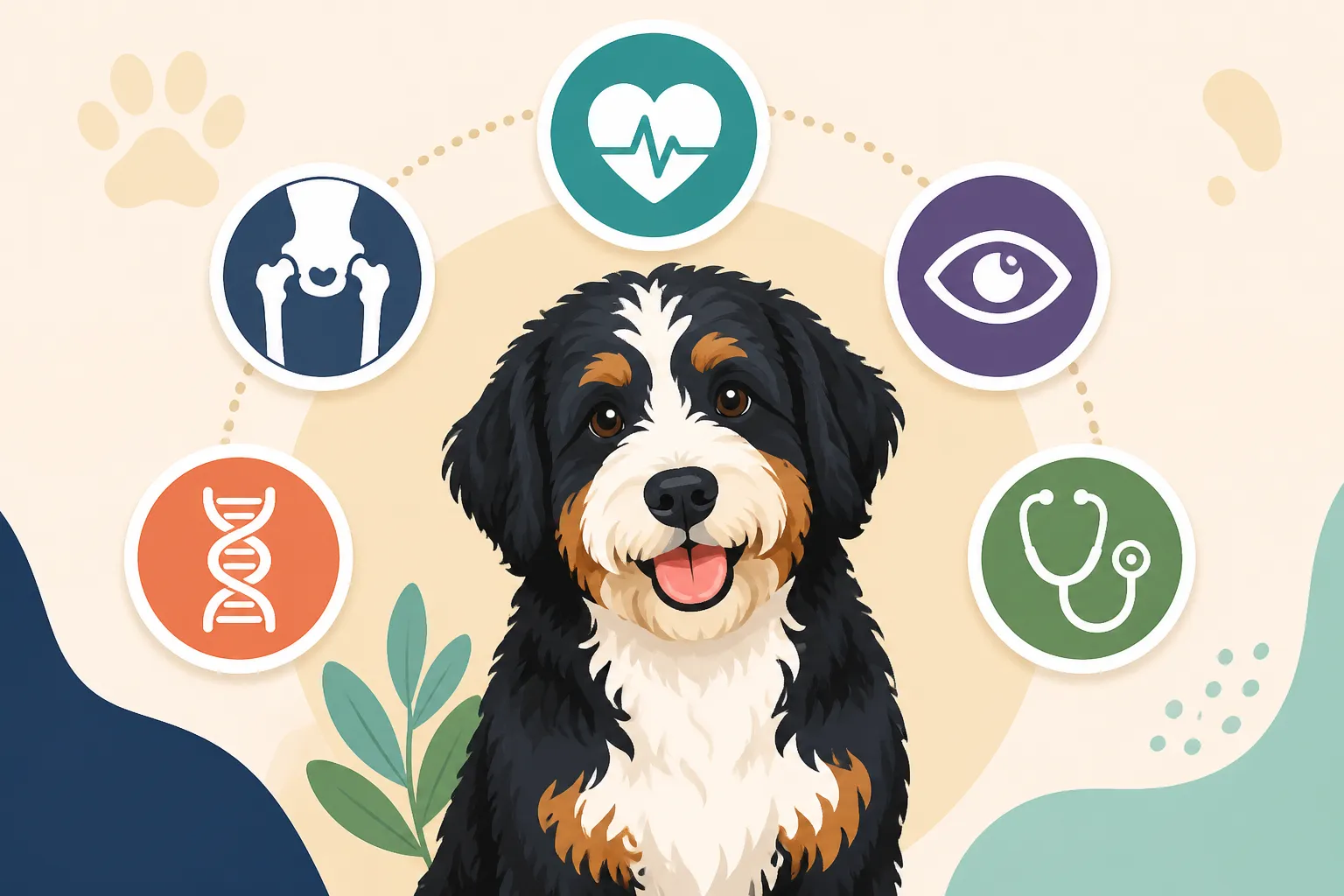
Finding a Bernedoodle puppy is often an exciting journey, but it can quickly turn into a heartbreaking and expensive nightmare if you inadvertently bring home a pup predisposed to severe health issues. This guide is here to cut through the confusion and equip you with the essential knowledge about the five crucial health clearances every reputable Bernedoodle breeder should possess for their breeding dogs.
Why Health Clearances Are Absolutely Non-Negotiable
It's tempting to fall in love with the first fluffy face you see, especially when puppies are involved. But I cannot stress enough how vital it is to look beyond the cute factor and truly understand the genetic health background of your prospective puppy's parents. Skipping this step isn't just a gamble; it’s an emotional and financial risk that many owners come to deeply regret.
Understanding Genetic Predispositions
Bernedoodles are a wonderful mix of two fantastic breeds: the Bernese Mountain Dog and the Poodle. While the aim of this crossbreed was, in part, to introduce hybrid vigor and potentially reduce the incidence of certain diseases prevalent in purebreds, it doesn't magically erase all genetic health concerns. Both parent breeds have their own set of inherited conditions that can be passed down to Bernedoodle puppies. For instance, Bernese Mountain Dogs are notoriously prone to certain cancers like Histiocytic Sarcoma, as well as joint issues such as hip and elbow dysplasia. Poodles, on the other hand, can carry genes for conditions like progressive retinal atrophy (PRA), Von Willebrand's disease, and also hip dysplasia.
A responsible breeder understands these breed-specific risks and takes proactive steps to minimize them. They don't just hope for the best; they invest time and money into scientifically proving their breeding dogs are free from these inheritable ailments. This due diligence dramatically increases the likelihood that your Bernedoodle puppy will grow up to be a healthy, vibrant companion, living up to their potential of being with you for a good long time.
Avoiding Heartbreak and High Vet Bills
Imagine the joy of bringing home your new Bernedoodle puppy, only to find yourself at the vet's office months or a few years later, receiving a devastating diagnosis like severe hip dysplasia or an aggressive genetic cancer. The emotional toll is immense, watching your beloved companion struggle with pain or illness. On top of that, the financial burden can be staggering. Treatments for conditions like hip replacement surgery or long-term management for degenerative neurological diseases can run into tens of thousands of dollars.
While no breeder can guarantee a dog will never get sick (life just doesn't work that way), proper health clearances on the parents significantly reduce the risk of inheriting preventable genetic diseases. It's about proactive prevention, giving your puppy the best possible start in life. It's about ensuring those potential The Twelve to Fifteen Years a Bernedoodle Is Sold On are filled with wagging tails and happy memories, not constant worry and vet visits for inherited ailments. Investing in a puppy from health-tested parents is truly an investment in their future health and your peace of mind.
The Core Five Clearances Every Bernedoodle Breeder Should Provide
When you're looking for a Bernedoodle breeder, these five areas are what you need to focus on. These aren't just suggestions; they are the gold standard for responsible breeding practices, ensuring the parents are as healthy as possible before passing on their genes.
Hip Dysplasia Clearances (OFA or PennHIP)
Hip dysplasia is a common and often debilitating genetic condition where the ball and socket of the hip joint don't fit together properly. This leads to friction, pain, arthritis, and can severely impact a dog's mobility and quality of life. Given the larger size of Bernedoodles, especially standard ones, their hips bear a lot of weight, making this a crucial clearance.
There are two primary methods for evaluating hip health in breeding dogs:
- Orthopedic Foundation for Animals (OFA): OFA evaluates X-rays of a dog's hips and assigns a rating of Excellent, Good, Fair (all considered passing for breeding), Borderline, Mild, Moderate, or Severe. A breeder should only be breeding dogs with hips rated Fair or better. These evaluations are usually done when the dog is at least two years old, as before that age, the joints are still developing. Asking a breeder for the specific OFA numbers and verifying them on the OFA website is a smart move.
- PennHIP: PennHIP is generally considered a more sensitive and objective method. It involves a series of three X-rays that measure the laxity (looseness) of the hip joint, which is a key indicator of future hip dysplasia risk. PennHIP provides a distraction index (DI) score, ranging from 0 to 1, where lower numbers indicate tighter hips and less susceptibility to hip dysplasia. This test can be performed as early as 16 weeks, offering earlier insight, but often breeders still do it closer to two years.
For a Bernedoodle, especially a standard size, strong hips are paramount. You want parents with excellent or good OFA scores, or low PennHIP distraction indices. If you're wondering When a Bernedoodle's Hips Can Be Certified, it's typically after two years for OFA, though PennHIP can be done earlier. Many breeders prefer the PennHIP method because it's so predictive. If you're comparing methods, you might wonder Whether PennHIP Suits a Bernedoodle—and the answer is, it absolutely does, offering a comprehensive look at hip integrity.
Elbow Dysplasia Clearances (OFA)
Just like hips, elbows are another major joint concern, particularly for large and giant breeds like the Bernese Mountain Dog, which is a parent of the Bernedoodle. Elbow dysplasia is a complex condition that encompasses several developmental abnormalities of the elbow joint, leading to pain, lameness, and debilitating arthritis. There are different forms of elbow dysplasia, but all result in an improperly formed joint.
The primary clearance for elbow dysplasia is also provided by the OFA. X-rays are taken and evaluated, and the elbows are graded as:
- Normal: No evidence of elbow dysplasia. These are the only dogs that should be used for breeding.
- Grade I: Mild elbow dysplasia.
- Grade II: Moderate elbow dysplasia.
- Grade III: Severe elbow dysplasia.
A reputable Bernedoodle breeder will ensure both parent dogs have an OFA "Normal" elbow rating, meaning they are free from any observable signs of elbow dysplasia. Again, these clearances are typically performed once the dog is at least two years old. Don't hesitate to ask your breeder to show you the OFA certificates for both parents. Understanding The Age a Bernedoodle's Elbows Can Be Graded and What OFA Elbow Grades Mean on a Bernedoodle is critical to making an informed decision about your puppy's potential joint health.
Eye Clearances (CAER/OFA Eye Exam)
Our furry friends rely heavily on their sight, and several inherited eye conditions can lead to discomfort, vision impairment, or even blindness. Both Bernese Mountain Dogs and Poodles can carry genes for various eye problems, making eye clearances essential for Bernedoodle parents.
The most recognized eye clearance is the CAER (Companion Animal Eye Registry) exam, often referred to as an OFA Eye Certification. This isn't a simple vet check. It involves a thorough examination by a board-certified veterinary ophthalmologist. They will carefully inspect the eyes for a range of conditions, including:
- Progressive Retinal Atrophy (PRA): A group of genetic diseases that cause the retina to degenerate over time, leading to blindness. There are specific DNA tests for some forms of PRA (like PRA-prcd in Poodles), but a comprehensive exam catches other issues.
- Cataracts: Opacities in the lens of the eye that can impair vision.
- Entropion/Ectropion: Eyelid abnormalities where the lid rolls inward (entropion) or outward (ectropion), causing irritation or exposure.
- Distichiasis/Ectopic Cilia: Extra eyelashes growing in abnormal places, irritating the eye.
What's really important to remember about eye clearances is that many of these conditions can develop later in life, or new issues can emerge. Therefore, breeding dogs should have their eyes examined annually by a specialist. A single clearance at two years old isn't enough; they need to be current. This annual check is why you might see phrases like Whether a Bernedoodle Needs a CAER Exam Each Year. Knowing The Eye Conditions a Bernedoodle Is Tested For helps you understand the depth of this important examination.
Cardiac Clearances (OFA Cardiac)
Heart health is another vital component of overall well-being, especially in larger breeds where certain cardiac conditions can be more prevalent or severe. While not as universally discussed as hip and elbow clearances, checking the heart of breeding dogs is still a mark of a truly thorough and responsible breeder.
The OFA also offers a Cardiac Clearance. This typically involves a veterinary cardiologist performing a thorough examination of the dog's heart. For larger breeds like the Bernese Mountain Dog, a significant concern can be subvalvular aortic stenosis (SAS), a congenital heart defect that causes an obstruction to blood flow from the left ventricle. While Poodles are generally considered a healthier breed with regard to cardiac issues, ensuring a clean bill of health for both parents is always best practice.
A physical examination by a cardiologist, sometimes coupled with an echocardiogram (an ultrasound of the heart), is crucial to detect any murmurs or structural abnormalities that could indicate a heart condition. A breeder should be able to provide documentation that their breeding dogs have received a "normal" cardiac certification from a board-certified veterinary cardiologist.
Genetic Disease Panel (e.g., vWD, DM)
Beyond structural and visual health, there's a whole world of genetic diseases that can be identified through DNA testing. These tests are incredibly valuable because they pinpoint the presence of specific genes that cause or predispose a dog to certain conditions, allowing breeders to make informed decisions to avoid passing them on.
For Bernedoodles, there are a couple of standout genetic conditions inherited from their parent breeds that absolutely must be screened for:
- Von Willebrand's Disease (vWD): This is a common inherited bleeding disorder, primarily seen in Poodles (specifically Type I). Dogs with vWD have a deficiency in von Willebrand factor, a protein needed for normal blood clotting. This can lead to excessive bleeding from minor cuts, nosebleeds, or severe complications during surgery or injury. A simple DNA test can determine if a dog is clear, a carrier, or affected. A reputable breeder will ensure their breeding dogs are either "clear" or, if one parent is a "carrier," they will only breed them with a "clear" mate to ensure no affected puppies are produced. You can learn more about Von Willebrand's Disease in a Bernedoodle and why testing is paramount.
- Degenerative Myelopathy (DM): This is a progressive neurological disease that affects the spinal cord, leading to weakness, paralysis in the hind limbs, and eventually full paralysis. It is heartbreaking to witness and is inherited from both Bernese Mountain Dogs and Poodles (due to the SOD1 gene mutation). Like vWD, a DNA test can identify if a dog is clear, a carrier, or at risk. Ideally, both parents should be clear, but if one is a carrier, they must be bred only with a clear dog to prevent producing affected offspring. Understanding Degenerative Myelopathy Both Bernedoodle Parents Can Carry is vital, as is ensuring The SOD1 Test Both Bernedoodle Parents Need has been done.
Other DNA tests that are important for Poodles and by extension, Bernedoodles, include Neonatal Encephalopathy with Seizures (NEWS) and additional forms of Progressive Retinal Atrophy (PRA-prcd). While there isn't a definitive DNA test for Histiocytic Sarcoma in Bernese Mountain Dogs, a diligent breeder will know the cancer history of their lines and be transparent about it.
Remember, a "carrier" status doesn't mean the dog is unhealthy, but it means they carry one copy of the gene for a disease. Breeding two carriers together means some puppies will likely be affected, which is why responsible breeders avoid such pairings.
Beyond the "Big Five": What Else to Look For
While the five core clearances are the cornerstone of responsible Bernedoodle breeding, a truly exceptional breeder will go above and beyond, demonstrating a commitment that extends beyond just paperwork.
Breeder Transparency and Records
A breeder's willingness to share their health clearances and openly discuss them is a huge red flag (or green flag!). You shouldn't have to beg or demand to see certificates; they should be readily available and verifiable. A transparent breeder will:
- Provide copies of OFA and PennHIP certificates: With the actual public registration numbers, so you can verify them on the OFA website or directly with PennHIP.
- Show CAER exam results: Dated within the last year, signed by a veterinary ophthalmologist.
- Present DNA test results: From reputable labs like Embark, Canine HealthCheck, or Animal Genetics, clearly stating the status (clear, carrier, or at risk) for each relevant condition.
- Explain the results clearly: They should be able to articulate what each clearance means and how it impacts the health of their breeding dogs and the puppies. If a dog is a carrier for something, they should explain their breeding strategy to avoid affected puppies.
This level of transparency builds trust and shows that the breeder stands behind the health of their dogs. It means they're not just breeding for profit but for the betterment of the Bernedoodle population.
Visiting the Parents and Facilities
Whenever possible, visiting the breeder's facility and meeting the puppy's parents (especially the mother) can provide invaluable insights. This isn't strictly a "clearance" but it's a critical part of assessing the health and temperament of your future pup.
- Observe the parents' temperament: Are they friendly, calm, and well-socialized? A dog's temperament is highly heritable, and you want a puppy from well-adjusted, confident parents.
- Assess their physical condition: Do they appear healthy, well-fed, and well-groomed? Are they free from obvious lameness or discomfort? While not a substitute for formal clearances, it gives you a visual confirmation of their general well-being.
- Inspect the living conditions: Are the facilities clean, safe, and appropriate for raising puppies? This reflects the breeder's overall care standards.
A breeder who is proud of their dogs and facility will welcome your visit (once the puppies are old enough and immune systems are developing to protect against outside germs).
Don't Be Swayed by Excuses or Lower Prices
It's easy to get caught up in the excitement of puppy searching, but this is one area where cutting corners can lead to significant regrets. Resist the urge to compromise on health clearances, no matter how cute the puppy or how attractive the price tag.
The Cost of Skipping Clearances
A breeder who doesn't perform comprehensive health clearances is likely doing so to save money. Unfortunately, that "saving" is often passed on to the unsuspecting puppy buyer in the form of future veterinary bills. As discussed, treating severe hip or elbow dysplasia, managing a progressive neurological disease, or dealing with major surgeries due to conditions like Von Willebrand's disease can easily cost thousands upon thousands of dollars. These costs far outweigh the initial savings on a cheaper puppy.
Beyond the financial strain, there's the emotional toll. Watching your beloved Bernedoodle suffer from a preventable genetic illness is heartbreaking. Reputable breeders invest heavily in health testing, quality food, proper veterinary care, and early socialization for their puppies, and these costs are reflected in the purchase price. Think of it as an upfront investment in a healthier, happier dog for years to come. In fact, many pet owners wisely consider pet insurance, like policies from Healthy Paws, early on to help mitigate unexpected health costs, but even then, pre-existing conditions (often genetic ones) might not be covered if not identified or managed early.
What "Vet Checked" Really Means
When a breeder says their puppies are "vet checked," it's certainly a good thing, but it is not a substitute for parental health clearances. A puppy vet check typically involves:
- A physical examination to ensure the puppy is generally healthy, bright, and alert.
- Checking for obvious congenital defects (like heart murmurs, cleft palate).
- Administering initial vaccinations and deworming.
This "vet check" looks at the puppy's current state of health, not the genetic health of its parents. It doesn't tell you if the puppy is carrying genes for hip dysplasia, degenerative myelopathy, or inherited eye conditions that might manifest later in life. Only thorough, documented health clearances on the breeding parents can provide that crucial information. Always ask for specific parental clearances, not just a general "vet checked" statement.
| Clearance Category | What It Screens For | Testing Method & Age | What to Look For |
|---|---|---|---|
| Hip Dysplasia | Abnormal development of the hip joint, leading to arthritis and pain. | OFA (X-ray at 24+ months) or PennHIP (X-ray at 16+ weeks) | OFA: Fair, Good, or Excellent. PennHIP: Low DI score. |
| Elbow Dysplasia | Abnormal development of the elbow joint, causing lameness and arthritis. | OFA (X-ray at 24+ months) | OFA: Normal (no evidence of dysplasia). |
| Eye Clearances | Inherited eye diseases like PRA, cataracts, entropion, distichiasis. | CAER/OFA Eye Exam (by certified ophthalmologist, annually) | Normal, free of observable inherited eye disease (yearly). |
| Cardiac Clearances | Congenital heart conditions like subvalvular aortic stenosis (SAS). | OFA Cardiac (by certified cardiologist, once at 12+ months) | Normal, free of congenital heart disease. |
| Genetic Disease Panel | Specific DNA-testable diseases like Von Willebrand's Disease (vWD), Degenerative Myelopathy (DM), PRA-prcd. | DNA tests (any age) | Clear or Carrier (with appropriate breeding pairings). |
Final Thoughts on Your Bernedoodle's Health Journey
Choosing a Bernedoodle is a commitment to a furry family member who will bring immense joy and love into your life. The foundation of a long and happy life together begins with a healthy start, and that's precisely what comprehensive health clearances provide. It's not about being overly cautious; it's about being a responsible, informed future dog owner.
By diligently seeking out a breeder who prioritizes and transparently provides all five of these essential health clearances for their breeding dogs, you are dramatically increasing the chances of welcoming a robust, healthy Bernedoodle into your home. Don't let emotion override good judgment; your future Bernedoodle will thank you for it, with years of healthy, happy companionship.
Disclaimer
This article provides general information and recommendations regarding Bernedoodle health clearances and should not be considered a substitute for professional veterinary advice. Always consult with a qualified veterinarian or board-certified specialist for any specific health concerns or before making any decisions related to your pet's care.