Von Willebrand’s Disease in a Bernedoodle
It's incredibly unsettling to imagine your beloved Bernedoodle facing a serious health issue, especially one you might not even know about until it's too late. Many of us worry about cancer or joint problems, but a lesser-known, yet equally frightening, threat is a bleeding disorder called Von Willebrand's Disease. This guide will walk you through everything you need to understand about VWD in Bernedoodles, from its genetic origins to how to manage it and give your furry family member the best possible life.
Understanding Von Willebrand's Disease in Bernedoodles
Discovering that your Bernedoodle might have a genetic bleeding disorder can be a truly terrifying experience, especially when you consider how much they love to play and roughhouse. Von Willebrand's Disease (VWD) isn't something most new puppy owners are thinking about, but it's a very real concern for breeds like the Bernese Mountain Dog, and by extension, our cherished Bernedoodles. It's not just a minor issue; it's a condition that can turn a routine veterinary procedure or even a simple cut into a life-threatening emergency.
What is This Bleeding Disorder?
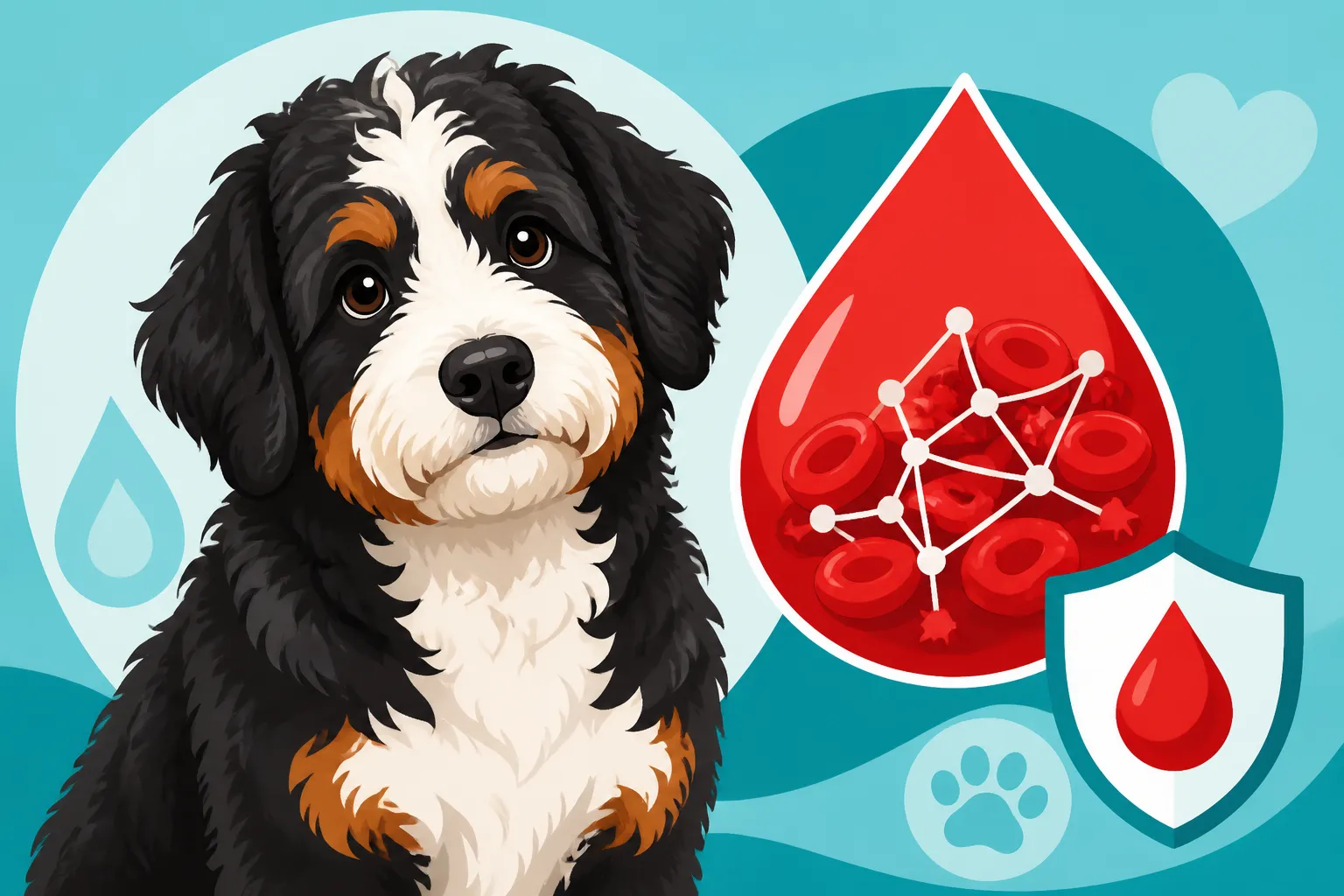
At its core, Von Willebrand's Disease is a hereditary bleeding disorder that affects a dog's ability to form proper blood clots. Imagine cutting yourself, and your blood just… kept flowing, or clotted very slowly. That's essentially what happens with VWD. The body relies on something called Von Willebrand factor (vWF), which is a protein found in the blood plasma, to help platelets stick together and form a plug at the site of an injury. This is the first crucial step in stopping bleeding. When there isn't enough vWF, or if the vWF isn't working correctly, this vital clotting process is compromised.
The severity of the condition can vary wildly, from barely noticeable issues to severe, spontaneous hemorrhages. It’s not just external cuts that are a concern; internal bleeding can occur, sometimes in places you can't see, making it a silent and dangerous threat. The frustration for many owners is that their dog can seem perfectly healthy one day, and then an unexpected injury or surgery reveals this hidden vulnerability. It's truly a silent concern that underscores the importance of understanding your dog's full genetic background.
The Three Types of Von Willebrand's Disease
To add a layer of complexity, VWD isn't just one thing; it comes in different forms, each with its own characteristics and typical severity. For Bernedoodles, one type is far more prevalent, largely due to their Bernese heritage, but understanding all three gives you a fuller picture.
- Type 1 VWD: This is the most common form in many breeds, including the Bernese Mountain Dog and, consequently, the Bernedoodle. With Type 1, the dog produces a reduced amount of normal Von Willebrand factor. Think of it like a faucet that's only half-open – some vWF is there, but not enough to do the job efficiently. Dogs with Type 1 VWD can have mild to severe bleeding episodes. Often, they might not show signs until they have surgery or a significant injury, which makes it particularly insidious. This is the type we predominantly worry about in our Bernedoodle companions.
- Type 2 VWD: This is a rarer and generally more severe form. In Type 2, the dog produces normal amounts of vWF, but the factor itself is structurally abnormal and doesn't function properly. This means the faucet is wide open, but the water coming out is broken. Because the vWF is defective, dogs with Type 2 VWD tend to have more significant and life-threatening bleeding episodes, even from minor injuries. While less common in Bernedoodles, it’s good to be aware of.
- Type 3 VWD: This is the most severe form, where the dog produces virtually no functional Von Willebrand factor at all. This is like the faucet being completely shut off. Animals with Type 3 VWD typically suffer from severe, spontaneous bleeding from a very young age and often require extensive medical management. This type is generally seen in other breeds, such as Shetland Sheepdogs and Scottish Terriers, and is rarely, if ever, found in Bernedoodles.
Understanding which type is most likely to affect your Bernedoodle (Type 1) helps you know what to look for and what questions to ask your veterinarian and breeder. The nuance between these types really highlights how complex genetic health can be.
Why It Matters for Your Bernedoodle
The implications of VWD for a Bernedoodle are profound. These are active, often goofy dogs who love to explore, play, and sometimes get themselves into minor scrapes. A small cut, a tooth extraction, or even a routine spay or neuter can become incredibly dangerous if your Bernedoodle has VWD. The hidden nature of the disease until a bleeding event occurs is what makes it so nerve-wracking for owners. You want to protect your dog, and without knowing about this underlying condition, you might unknowingly put them at risk.
Imagine the anxiety of taking your healthy-looking Bernedoodle in for a standard surgical procedure, only to receive a panicked call from the vet because they're bleeding excessively. It’s a nightmare scenario, and one that can often be avoided with proper testing and preventative measures. Beyond the acute crisis, dogs with VWD can also experience chronic issues like recurrent nosebleeds, bloody urine or stool, or prolonged bleeding after shedding a baby tooth. It's a condition that demands awareness and proactive management to ensure your Bernedoodle can lead a long, happy, and safe life.
The Bernese Mountain Dog's Role in VWD Inheritance
When we talk about the health of a Bernedoodle, we're really talking about a blend of two distinct genetic backgrounds: the Poodle and the Bernese Mountain Dog. Each parent breed brings its own set of potential health concerns, and unfortunately, the Bernese side is the primary source of Von Willebrand's Disease in our beloved Bernedoodles. This is a crucial piece of information for any current or prospective owner, as it directly impacts how likely your dog is to inherit this particular bleeding disorder.
Tracing the Genetic Link
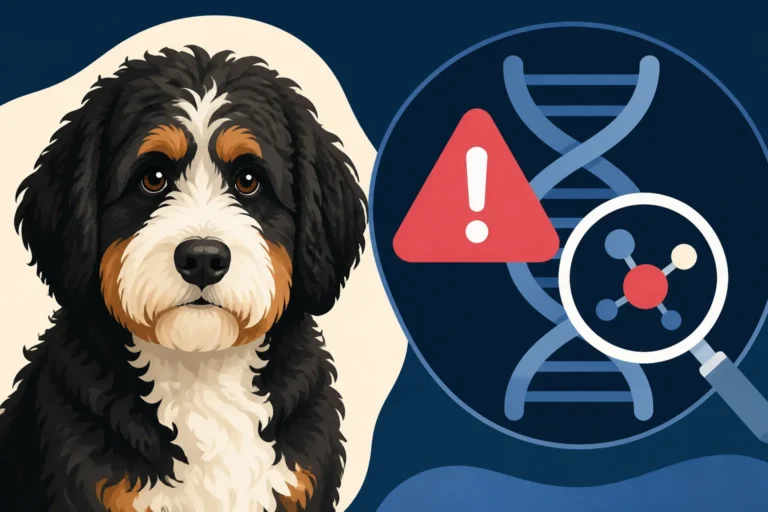
The Bernese Mountain Dog population has a known predisposition to Type 1 Von Willebrand's Disease. This isn't to say every Bernese has it, but the gene responsible for the condition is present within the breed's genetic pool at a higher rate than in many other breeds. When you cross a Bernese with a Poodle to create a Bernedoodle, you're essentially inheriting a potential genetic lottery. The Poodle side generally does not carry the Type 1 VWD gene, which is a positive, but the Bernese contribution means the risk is absolutely there.
It's vital for breeders to understand this lineage and perform the necessary genetic screening on their breeding stock. A responsible breeder will be able to show you the VWD status of both parent dogs. If one parent is a carrier or affected, there's a chance their Bernedoodle puppies could inherit the gene. This is why just being a "hybrid" doesn't automatically eliminate all breed-specific health issues; it simply shuffles the deck. You'll want to ask specifically about Von Willebrand factor testing.
Understanding Autosomal Recessive Inheritance
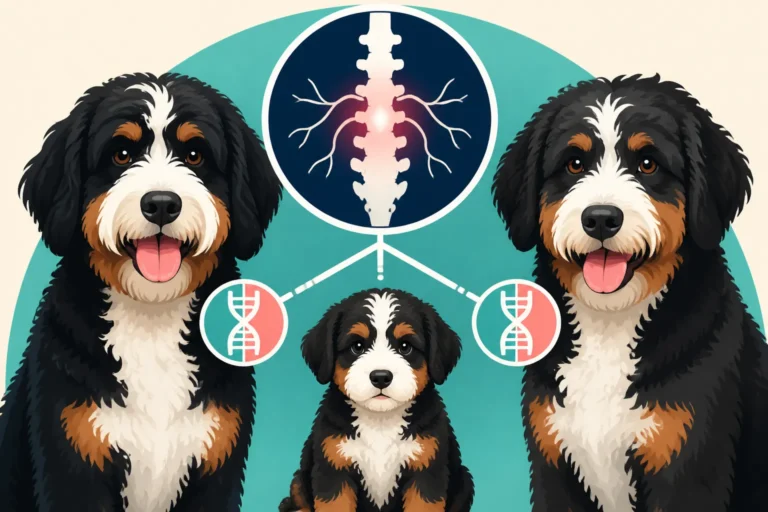
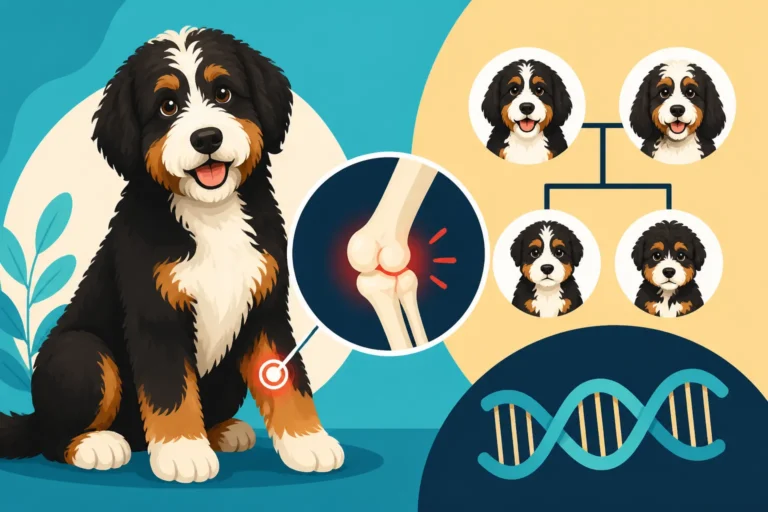
Von Willebrand's Disease, specifically Type 1, is inherited in an autosomal recessive pattern. This might sound like complex scientific jargon, but it's really important to grasp because it explains how a Bernedoodle can get the disease and why it can sometimes seem to skip generations.
Here's a simplified breakdown:
- Clear: The dog has two normal copies of the gene and cannot develop VWD or pass it on to offspring.
- Carrier: The dog has one normal copy and one copy of the VWD gene. They typically do not show symptoms of the disease themselves because the normal gene compensates. However, they can pass the VWD gene on to about half of their puppies.
- Affected: The dog has two copies of the VWD gene. They will develop VWD, though the severity can vary. They will pass a copy of the VWD gene to all of their offspring.
The challenge with recessive traits is that carriers look completely healthy. You wouldn't know by looking at them that they could pass on a serious condition. This is where The Bleeding Disorder a Bernedoodle Gets From the Bernese really comes into play, highlighting that the Bernese parent is often the source. If you breed two carriers together, there’s a 25% chance of producing an affected puppy, a 50% chance of producing carrier puppies, and a 25% chance of producing clear puppies. This genetic roulette makes pre-breeding testing absolutely non-negotiable for ethical breeders aiming to reduce the prevalence of this disease.
Why the Poodle Cross Isn't a Guarantee of Freedom
Many people get a Bernedoodle hoping that the "hybrid vigor" will magically eliminate all the health problems of the parent breeds. While crossbreeding can sometimes reduce the incidence of certain complex, polygenic diseases, it doesn't automatically erase single-gene recessive disorders like VWD, especially when one parent breed is a known carrier. If a Bernese parent carries the VWD gene and is bred with a Poodle who is clear (which is usually the case for VWD Type 1 from the Poodle side), the resulting Bernedoodle puppies will all be carriers. They won't be affected by the disease themselves, but they will carry the gene.
If such a carrier Bernedoodle is then bred with another carrier Bernedoodle (or even a carrier Bernese in a backcross), that's when you can start to see affected puppies. This is why multi-generational Bernedoodles (F2, F3, etc.) require even more diligent testing, as the genes from both original parent breeds have had more opportunities to mix and match. The idea that a "doodle" is inherently healthier can sometimes be a dangerous oversimplification, especially when it comes to specific, testable genetic conditions. Diligent screening remains paramount, regardless of generation, to safeguard the health of these wonderful dogs.
Spotting the Warning Signs of VWD in Your Bernedoodle
One of the most frustrating things about Von Willebrand's Disease is that it can be incredibly subtle, often flying under the radar until a significant event like a surgery or a traumatic injury occurs. It's not always obvious, which makes owners feel helpless and worried that they might miss something crucial. Knowing what to look for, even the faintest of clues, can make all the difference in getting your Bernedoodle the timely care they need.
Subtle Bleeding and Bruising
Sometimes, the signs of VWD are not a dramatic gush of blood but rather persistent, minor issues that can be easily overlooked or mistaken for something else. These subtle indicators can be the first clues that something isn't quite right with your Bernedoodle's clotting ability.
- Nosebleeds: Is your Bernedoodle having nosebleeds more frequently than seems normal? Or do they seem to last a long time, even with pressure? This can be a red flag.
- Bleeding Gums: You might notice blood on their chew toys, or their gums might bleed easily when you brush their teeth or during a dental cleaning.
- Easy Bruising: Do bumps and minor knocks result in surprisingly large or persistent bruises on their skin, especially on areas with less fur like the belly or inner thighs? Normal activity shouldn't lead to extensive bruising.
- Prolonged Bleeding from Minor Cuts: A small scrape that takes an unusually long time to stop bleeding, or starts bleeding again hours later, could be a sign.
- Bloody Stool or Urine: While these can indicate many different health issues, persistent or unexplained blood in your Bernedoodle's feces or urine could also point to internal bleeding related to VWD.
- Excessive Bleeding During Teething: For puppies, losing baby teeth should be a minor event. If you notice prolonged or heavy bleeding, it could be a early sign of a clotting problem.
It's easy to dismiss these things individually, especially if they only happen occasionally. But when they start to add up, or if you notice a pattern, it's absolutely worth discussing with your vet. Keep a log if you can; details matter when piecing together a potential diagnosis.
Serious Hemorrhage and Surgical Risks
While the subtle signs can be present, VWD often makes its dramatic entrance during moments of significant physical stress, like surgery or a major injury. This is where the disease truly becomes life-threatening, and the risks are incredibly high. The thought of your large, loving Bernedoodle bleeding uncontrollably is, understandably, a source of immense fear for owners.
- Surgical Complications: This is perhaps the most common way VWD is diagnosed in dogs who weren't previously tested. A routine spay, neuter, or other surgical procedure where excessive or prolonged bleeding occurs is a major indicator. Your vet might notice difficulty controlling bleeding during the operation or prolonged oozing from the surgical site afterwards. This is why asking your vet about VWD testing, especially before Whether a Bernedoodle Should Be Tested Before Neutering, is so important.
- Post-Traumatic Bleeding: If your Bernedoodle has a serious accident – perhaps a fall, a car accident, or a deep wound – the bleeding might be much more severe and harder to control than expected. They might develop large hematomas (blood collections under the skin) that don't resolve.
- Lameness or Swelling: Internal bleeding can manifest as pain, swelling, or lameness if blood accumulates in a joint (hemoarthrosis) or muscle. This can be particularly distressing as the cause might not be immediately obvious.
- Anemia: Chronic or severe blood loss, whether internal or external, can lead to anemia, characterized by pale gums, lethargy, weakness, and decreased appetite.
These serious episodes are terrifying, and they underscore why pre-emptive testing is not just a recommendation but often a necessity for Bernedoodles, given the breed's genetic predisposition.
When to Seek Immediate Veterinary Attention
Knowing when to act is critical. While some signs are subtle, others demand immediate, emergency veterinary care. As a Bernedoodle owner, trust your gut. If something feels seriously wrong, it probably is. Don't second-guess yourself when your dog's health is on the line.
You should contact your veterinarian immediately if you observe any of the following:
- Uncontrolled or Prolonged Bleeding: Any cut, even a minor one, that continues to bleed heavily for more than 10-15 minutes despite direct pressure.
- Significant Blood Loss: Vomiting blood, large amounts of fresh blood in stool, or urine that is dark red or black.
- Pale Gums and Weakness: If your Bernedoodle's gums suddenly appear very pale, almost white, and they are lethargic, weak, or collapse, this is a sign of severe blood loss and requires emergency intervention.
- Swelling or Lameness with No Obvious Injury: Sudden, unexplained swelling in a limb or joint, especially if accompanied by pain or reluctance to move, could indicate internal bleeding.
- Difficulty Breathing or Collapse: In rare, severe cases of internal bleeding, dogs can experience respiratory distress or collapse.
When you call your vet, be clear about your observations and mention any concerns you have about VWD, especially if you know your Bernedoodle's parents were carriers or affected, or if you don't know their genetic status. Time is often of the essence in bleeding emergencies, and quick communication can literally save your Bernedoodle's life.
Getting a Diagnosis: Testing Your Bernedoodle for VWD
The uncertainty surrounding potential health issues can be a heavy burden for any pet owner. For Von Willebrand's Disease, the good news is that reliable testing exists, offering clarity and peace of mind, or at least the knowledge needed to manage the condition proactively. Don't let the technical aspects of testing intimidate you; understanding them empowers you to advocate for your Bernedoodle's health.
DNA Testing: The Gold Standard
For Type 1 VWD, which is the most common form affecting Bernedoodles, DNA testing is the most effective and definitive way to determine your dog's genetic status. This test looks directly for the specific gene mutation associated with VWD Type 1. It's a non-invasive, straightforward procedure that can be done even on young puppies.
Here's how it generally works:
- Sample Collection: Usually, your veterinarian will collect a cheek swab or a small blood sample from your Bernedoodle. This is a quick and relatively painless process.
- Laboratory Analysis: The sample is then sent to a specialized genetics laboratory. Reputable labs like those run by Orthopedic Foundation for Animals (OFA) or by specific university veterinary programs will perform the analysis.
- Results: The results will typically classify your Bernedoodle as "Clear," "Carrier," or "Affected."
- Clear: Your dog does not have the gene mutation for VWD Type 1 and cannot pass it on.
- Carrier: Your dog has one copy of the mutation. They generally won't show symptoms but can pass the gene to their offspring.
- Affected: Your dog has two copies of the mutation and is at risk of developing VWD Type 1. The severity of symptoms can vary.
The beauty of DNA testing is its accuracy and that it only needs to be done once in a dog's lifetime. It provides a definitive answer about their genetic predisposition, allowing you and your vet to make informed decisions about their care, especially prior to any surgical procedures. The Five Clearances a Bernedoodle Breeder Should Have should definitely include VWD DNA testing for both parent dogs.
Blood Clotting Tests: Confirming the Problem
While DNA testing tells you if your Bernedoodle could get VWD, blood clotting tests confirm if they have VWD and how severely it might be affecting them. These tests are often performed if a dog shows symptoms of excessive bleeding or if the DNA test indicates they are "Affected."
- vWF:Ag (Von Willebrand Factor Antigen) Test: This is the most common blood test for VWD. It measures the amount of Von Willebrand factor present in the blood plasma. A normal level indicates sufficient vWF, while a low level points to VWD. This test is crucial for diagnosing Type 1 VWD, as it directly assesses the quantity of the factor. Levels can fluctuate due to stress, inflammation, or other factors, so interpretation by a vet experienced in clotting disorders is important.
- Buccal Mucosal Bleeding Time (BMBT): This is a practical, in-clinic test that provides a rough assessment of primary hemostasis (the first stage of blood clotting). A small, standardized incision is made in the dog's gum (buccal mucosa), and the time it takes for bleeding to stop is measured. Prolonged bleeding time can indicate a problem with platelet function or Von Willebrand factor, suggesting a bleeding disorder. It's a good screening tool, but not as specific as the vWF:Ag test.
- Activated Clotting Time (ACT) or Partial Thromboplastin Time (PTT): These are broader coagulation tests that assess different parts of the clotting cascade. While not specific to VWD, they can help rule out other bleeding disorders or provide a more complete picture of a dog's clotting ability.
Your vet might use a combination of these tests to get a full understanding of your Bernedoodle's clotting profile. Remember, Whether Von Willebrand's Shows Before a Bernedoodle's Surgery is often when these conditions are first uncovered. These blood tests provide a real-time snapshot of how well their blood is clotting, which is incredibly valuable for immediate medical management.
Interpreting Test Results: Affected, Carrier, or Clear?
Getting those test results back can be a nerve-wracking moment. It’s important to understand what each classification means for your Bernedoodle's future health and your responsibilities as an owner.
- Clear: Congratulations! A "Clear" result means your Bernedoodle is genetically free of the VWD Type 1 mutation. They are not at risk of developing the disease and cannot pass it on to any offspring. This is the ideal result for any pet owner and especially for a breeding dog.
- Carrier: If your Bernedoodle is a "Carrier," it means they have one copy of the VWD gene. For VWD Type 1, carriers typically do not show clinical signs of the disease. They usually produce enough functional Von Willebrand factor to clot normally in most situations. However, if they were to undergo a major surgery or significant trauma, there could be a slightly increased risk of bleeding, so it's wise for your vet to be aware of their carrier status. More importantly, if you were considering breeding your Bernedoodle, a carrier should only be bred to a dog that is "Clear" to ensure no affected puppies are produced.
- Affected: An "Affected" result means your Bernedoodle has two copies of the VWD gene and is at risk of developing clinical signs of the disease. The severity can range from mild (only bleeding after significant trauma or surgery) to more severe (spontaneous nosebleeds, bruising, or prolonged bleeding from minor cuts). Dogs with an "Affected" status require careful management. Your vet should be fully aware of this status, and extra precautions, such as pre-surgical VWF supplementation, may be necessary before any procedures. They should also not be bred.
Discussing these results thoroughly with your veterinarian is paramount. They can help you understand the specific implications for your Bernedoodle's lifestyle and any necessary precautions. It’s also a good idea to ensure all your dog's veterinary records, and especially their microchip information, clearly state their VWD status so that any emergency vet knows immediately.
Living with and Managing a Bernedoodle with VWD
Receiving a diagnosis of Von Willebrand's Disease for your Bernedoodle can feel like a heavy blow. It’s natural to feel overwhelmed, even scared, about what the future holds. But please know, a VWD diagnosis isn't a death sentence. With proper understanding, proactive management, and a close relationship with your veterinarian, many Bernedoodles with VWD can live full, happy, and relatively normal lives. It’s about being prepared and making smart choices every single day.
Preventative Care and Daily Precautions
The cornerstone of managing VWD is prevention. You want to minimize any situations that could lead to a bleeding crisis for your Bernedoodle. This might sound daunting, but it largely boils down to being extra vigilant and making some adjustments to their routine.
- Safe Play and Environment: Encourage play that is less rough and tumble. Avoid activities with sharp objects, uneven terrain, or situations where your Bernedoodle could easily get cuts or scrapes. If they play with other dogs, supervise closely to ensure things don't get too boisterous. Consider a soft muzzle if they're prone to eating things they shouldn't or getting into fights at the dog park, to prevent mouth injuries.
- Dental Hygiene: Regular dental care is crucial. Good oral hygiene can prevent gum disease, which can lead to bleeding. However, any professional dental cleaning or extraction must be handled with extreme caution and with your vet fully aware of your Bernedoodle's VWD status. Pre-treatment measures might be necessary.
- Nail Trims: Trimming nails too short, or "quick-ing" them, can cause bleeding that's difficult to stop in a VWD dog. Learn how to trim them carefully, or have a groomer who is experienced with VWD dogs do it. Always have styptic powder or cornstarch on hand as a quick clotting aid.
- Grooming: Be extra gentle during grooming. Brushing too vigorously or encountering mats could cause skin irritation or small tears that lead to bleeding. Regular grooming helps prevent mats, which can pull on the skin and cause issues.
- Avoid Certain Medications: Discuss all medications with your vet. Certain drugs, like aspirin and other non-steroidal anti-inflammatory drugs (NSAIDs), can thin the blood and worsen bleeding. Your vet will advise on safe alternatives if pain relief is needed.
- Clear Identification: Ensure your Bernedoodle wears a collar tag clearly stating they have VWD, or have their microchip record updated with this information. This is critical in an emergency, especially if they get lost or are cared for by someone unfamiliar with their condition.
It might seem like a lot to think about, but once these precautions become routine, they’ll just be part of how you care for your special dog.
Handling Emergencies and Bleeding Crises
Despite your best efforts, emergencies can happen. Knowing what to do when your Bernedoodle experiences a significant bleeding episode is paramount. This is where preparation and quick thinking can be life-saving.
- Stay Calm: It's easier said than done, but panicking won't help your Bernedoodle. Take a deep breath and focus on the steps.
- Apply Direct Pressure: For external bleeding, apply firm, direct pressure to the wound with a clean cloth or gauze. Maintain pressure for at least 10-15 minutes without peeking. If the cloth becomes saturated, don't remove it; simply add another layer on top.
- Elevate if Possible: If a limb is bleeding, gently elevate it above the heart level if safe and feasible.
- Contact Your Veterinarian Immediately: As soon as you've applied pressure, call your vet or the nearest emergency veterinary clinic. Clearly state that your Bernedoodle has VWD and is experiencing a bleeding episode. They can advise you on immediate next steps and prepare for your arrival.
- Transport Safely: Get your Bernedoodle to the vet as quickly and safely as possible, continuing to apply pressure to any bleeding wounds during transport.
Upon arrival at the vet, treatment for a bleeding crisis in a VWD dog might include:
- Desmopressin (DDAVP): This medication can help some dogs with Type 1 VWD by causing the release of stored Von Willebrand factor into the bloodstream, temporarily improving clotting. It's often given before surgery or in an emergency.
- Blood Transfusion: In severe cases of blood loss, a transfusion of whole blood, fresh frozen plasma, or cryoprecipitate (a concentrated source of clotting factors, including vWF) may be necessary to replace lost blood components and supply functional vWF.
- Supportive Care: Intravenous fluids, pain medication, and close monitoring will be part of the emergency treatment plan.
The cost of emergency care can be substantial, which is why having pet insurance, perhaps from a provider like Healthy Paws, is an excellent idea for any Bernedoodle owner, but especially one with a known condition like VWD. What Cancer Treatment Costs a Bernedoodle Owner gives a glimpse into how quickly vet bills can accumulate, and bleeding crises are no different.
Medications and Supportive Therapies
Beyond emergency interventions, some Bernedoodles with VWD might benefit from ongoing supportive therapies or special considerations for procedures.
- Pre-Surgical Protocol: Before any planned surgery (e.g., spay/neuter, mass removal, dental procedure), your vet will take special precautions. This might include administering DDAVP (if effective for your dog) a few hours before surgery, having blood products on hand for a potential transfusion, and using careful surgical techniques to minimize bleeding. Your vet will discuss Whether a Bernedoodle Bleeds Longer Than Expected and their specific protocol with you in detail.
- Iron Supplementation: If your Bernedoodle experiences chronic, low-grade blood loss, they might develop iron-deficiency anemia. Your vet might recommend iron supplements to help their body produce more red blood cells.
- Joint Supplements and Protection: If your Bernedoodle is prone to joint bleeds (hemoarthrosis), managing their joint health becomes even more critical. Your vet might recommend specific joint supplements or therapies to maintain joint integrity and reduce the likelihood of injury.
- Regular Veterinary Check-ups: Consistent check-ups allow your vet to monitor your Bernedoodle's overall health, look for any subtle signs of bleeding, and adjust their management plan as needed.
Living with a Bernedoodle affected by VWD requires vigilance and a strong partnership with your veterinary team, but with the right care, they can still enjoy a wonderful life.
Responsible Breeding Practices and VWD Prevention
The thought of dealing with Von Willebrand's Disease can be incredibly stressful, but what's even more frustrating is knowing that much of this could be prevented through responsible breeding. As prospective or current Bernedoodle owners, understanding the role of ethical breeding in mitigating VWD is not just important – it's crucial for the health of the entire breed. You have the power to ask the right questions and make informed choices that contribute to healthier generations of Bernedoodles.
The Breeder's Obligation: Testing Parent Stock
A truly responsible Bernedoodle breeder understands their vital role in preventing genetic diseases like VWD. Their obligation extends far beyond just producing cute puppies; it's about ensuring those puppies have the best possible start to a long, healthy life. This responsibility begins with rigorous health testing of all breeding dogs.
- Mandatory DNA Testing: Any ethical Bernedoodle breeder must perform DNA testing for VWD Type 1 on both the Bernese Mountain Dog parent and the Poodle parent. Since VWD Type 1 is autosomal recessive, knowing the status of both parents allows them to predict the genetic status of the puppies. For instance, if a Bernese is a carrier, they absolutely must be bred to a Poodle that is "Clear" of VWD Type 1. This pairing will produce puppies who are all "Clear" or "Carriers," but none will be "Affected."
- Transparency and Documentation: A reputable breeder will not only conduct these tests but will also be completely transparent about the results. They should readily provide you with copies of the parent dogs' health clearances, including their VWD DNA test results, often from an organization like OFA. These results should clearly state "Clear," "Carrier," or "Affected" for each parent. Be wary of any breeder who cannot or will not provide this documentation.
- Exclusion of Affected Dogs from Breeding: No dog that is "Affected" with VWD should ever be used for breeding. Doing so knowingly perpetuates the disease in future generations and is considered highly unethical.
- Careful Management of Carriers: While "Carriers" of VWD Type 1 generally don't show symptoms themselves, they still carry the gene. A responsible breeder will breed carriers only to "Clear" mates, never to another carrier, to ensure no "Affected" puppies are produced. This approach allows for the retention of desirable traits while carefully managing the VWD gene out of the breeding line over time.
Don't be afraid to ask direct questions about genetic testing for VWD. It's a sign of a diligent buyer, and a good breeder will appreciate your thoroughness. This due diligence is part of ensuring your Bernedoodle has a long and happy life, free from preventable suffering.
Making Informed Puppy Choices
As a prospective Bernedoodle owner, you are empowered to make choices that directly impact the health of your future companion. Choosing a puppy from a breeder who prioritizes genetic health testing, particularly for VWD, is one of the most significant decisions you can make.
- Prioritize Health Over Aesthetics: It's easy to get caught up in coat color, markings, or even puppy cuteness. While these are certainly appealing, health should always be your number one priority. A beautiful puppy with a serious genetic bleeding disorder will bring immense heartache and financial strain.
- Ask for Proof of Parent Testing: Before you commit to a puppy, ask for proof of VWD testing for both parent dogs. Look for results that confirm both parents are "Clear," or if one is a "Carrier," that the other is "Clear." A pairing of two "Carriers" means there's a 25% chance of an "Affected" puppy, and that should be a major red flag.
- Understand Your Puppy's Predicted Status: Based on the parents' results, the breeder should be able to tell you if your puppy is expected to be "Clear," a "Carrier," or "Affected." If you are getting a carrier puppy, understand what that means for their future care and potential breeding decisions (which you likely won't do anyway, but it's good to know).
- Health Guarantees: A reputable breeder will typically offer a health guarantee that covers genetic conditions, including VWD. Read this guarantee carefully to understand what it covers and for how long. While a guarantee doesn't prevent illness, it shows the breeder stands behind the health of their puppies.
Making an informed choice means you're not just picking a puppy; you're supporting ethical breeding practices that will ultimately benefit the entire Bernedoodle community.
Reducing the Incidence of VWD in Future Generations
The long-term goal for all responsible breeders is to reduce, and ideally eliminate, the incidence of preventable genetic diseases like VWD within the Bernedoodle population. This is a collective effort that goes beyond individual litters.
- Selective Breeding: By consistently breeding only "Clear" dogs, or "Carriers" to "Clear" dogs, breeders can gradually reduce the frequency of the VWD gene in their lines. This is a slow, methodical process but incredibly effective over time.
- Education and Advocacy: Responsible breeders also play a crucial role in educating prospective owners about the importance of genetic testing and responsible ownership. The more informed owners become, the more they will demand healthy puppies, putting pressure on less scrupulous breeders to improve their practices.
- Sharing Genetic Information: Participation in health databases, like those maintained by the OFA, contributes to a larger pool of genetic information. This helps researchers track trends, understand the prevalence of VWD, and potentially develop even better testing or treatments in the future.
- Considering the Poodle Type: While the Poodle is less commonly associated with Type 1 VWD, different Poodle varieties (Standard, Miniature, Toy) can carry different genetic predispositions. For example, some Poodle lines might carry Type 2 VWD, which is extremely rare but severe. Reputable breeders consider the full genetic panel of their Poodles, not just their Bernese, to ensure the healthiest cross. This broader approach to health screening, including The SOD1 Test Both Bernedoodle Parents Need for Degenerative Myelopathy, ensures a comprehensive picture of potential risks.
By supporting breeders who commit to these rigorous standards, you become part of the solution, helping to ensure that Bernedoodles continue to be wonderful, healthy companions for years to come.
Ensuring a High Quality of Life for Your Bernedoodle with VWD
A VWD diagnosis might initially cast a shadow over your vision of life with your Bernedoodle, but it certainly doesn't mean a diminished life for them. In fact, many dogs with VWD live long, happy, and active lives with appropriate management. The key is adaptation, understanding, and embracing the journey with your furry friend. It's about empowering them to thrive despite their genetic predisposition, and ensuring they receive all the love and care they deserve.
Adjusting Lifestyle for Safety
Living with a Bernedoodle that has VWD means making conscious choices about their daily activities to minimize risks. It's not about making them live in a bubble, but about intelligent modifications.
- Controlled Exercise: Bernedoodles need exercise, and dogs with VWD are no exception! Instead of free-for-all dog park romps where unknown variables and rough play are common, consider more controlled activities. Leashed walks in predictable environments, structured training sessions, and games of fetch in a secure, safe yard are excellent options. Swimming, if your Bernedoodle enjoys it, can be a great low-impact activity.
- Safe Toys: Opt for soft, durable toys over hard chews, sticks, or anything that could splinter or cause mouth injuries. Kongs, soft rubber balls, and fabric toys are generally safer choices.
- Home Environment: Scan your home for potential hazards. Sharp furniture corners can be padded, and if your dog is particularly prone to chewing, ensure anything that could cause injury is out of reach. For a large dog, reducing opportunities for high-impact jumps off furniture or rough tumbles on hard floors can also be beneficial, even though these aren't directly related to VWD, they minimize general injury risk.
- Supervised Interactions: If your Bernedoodle interacts with children or other pets, always supervise closely. Teach children how to play gently and respectfully, and ensure other animals are calm and won't engage in overly rough play that could lead to accidental injuries. This is especially important for a large breed like a Bernedoodle interacting with smaller, more excitable playmates.
These adjustments aren't about restricting your Bernedoodle's joy; they're about ensuring their activities are safe and sustainable, allowing them to enjoy life without unnecessary risks.
Support Systems and Community
You are not alone in this journey. Connecting with other owners and professionals who understand VWD can be an invaluable source of support, advice, and shared experience. It's a reminder that a diagnosis, while challenging, opens doors to a community of compassionate individuals.
- Veterinary Team: Your veterinarian is your primary partner in managing VWD. Don't hesitate to ask questions, voice concerns, and seek their expertise. A good vet will be happy to discuss Whether a Bernedoodle Needs a CAER Exam Each Year for other health concerns, providing a holistic approach to their care. Consider consulting with a veterinary internal medicine specialist or a veterinary emergency and critical care specialist if your Bernedoodle has severe or complex bleeding issues.
- Online Communities and Forums: There are numerous online groups, forums, and social media communities dedicated to specific dog breeds and health conditions. Searching for "Bernedoodle VWD support group" or "dog bleeding disorders" can connect you with a wealth of information and people who truly get it. Sharing stories, asking for advice, and offering support can be incredibly empowering.
- Breed Clubs and Associations: While Bernedoodles aren't an officially recognized breed by organizations like the AKC, there are many Bernedoodle-specific clubs and associations that focus on promoting health and responsible breeding. They often have resources or can point you to reputable experts.
- Therapy and Rehabilitation Professionals: If your Bernedoodle has experienced a joint bleed or needs to recover from an injury, a veterinary physical therapist or rehabilitation specialist can help develop exercises and strategies to maintain muscle mass and joint mobility safely, minimizing further trauma.
Building a strong support network can help you feel more confident and less isolated as you navigate life with a Bernedoodle with VWD.
Financial Considerations and Pet Insurance
Let's be realistic: managing any chronic health condition in a large dog like a Bernedoodle can come with significant financial implications. Von Willebrand's Disease is no exception, especially if emergencies or surgeries are involved. Planning for these costs can alleviate a tremendous amount of stress.
- Emergency Fund: Consider setting aside a dedicated emergency fund specifically for your Bernedoodle's medical needs. This can provide a crucial buffer if a sudden bleeding crisis or unexpected surgery arises.
- Pet Insurance: This is where pet insurance truly shines for dogs with pre-existing conditions (though VWD might not be covered if diagnosed before enrollment, depending on the policy). However, for owners considering a Bernedoodle, getting a comprehensive pet insurance plan before any diagnosis of VWD is made is a wise investment. Policies from providers like Healthy Paws can cover a significant portion of emergency treatments, blood transfusions, medications, and even specialized vet visits, which can quickly add up. Be sure to research different plans and understand their coverage for genetic conditions and emergency care. Insuring a Bernedoodle Against the Bernese Half is an excellent article to review when considering options, as it discusses how insurers view the "Bernese" risks in a Bernedoodle.
- Budgeting for Preventative Care: Factor in the costs of specialized dental care, careful grooming (or professional services from someone experienced with VWD dogs), and any prescribed supplements or medications into your regular pet budget.
- Discussing Costs with Your Vet: Don't be shy about discussing treatment costs with your veterinarian. They can often provide estimates, discuss different treatment options, or help you prioritize care if finances are a concern.
While the financial aspect can be daunting, the peace of mind that comes from knowing you can provide the best possible care for your Bernedoodle with VWD is truly priceless. With thoughtful planning, you can ensure they receive everything they need to live a long, comfortable, and joy-filled life by your side.
Disclaimer
The information provided in this article is for general informational purposes only and does not constitute veterinary advice. Always consult with a qualified veterinarian for any health concerns or before making any decisions related to your Bernedoodle's health and treatment.