Whether Von Willebrand’s Shows Before a Bernedoodle’s Surgery
It’s a heart-sinking moment for any Bernedoodle parent when you’re preparing for a routine procedure, like a spay or neuter, and suddenly your vet brings up a potentially hidden health issue. You’ve done your research, you picked a good breeder (you hope!), and you’re just ready for things to go smoothly. But then you hear about Von Willebrand’s Disease (vWD), and a wave of anxiety washes over you: Could my Bernedoodle have this? And if so, why haven't I seen any signs? This guide is here to shed light on this inherited bleeding disorder, specifically addressing the frustrating reality that it often doesn't show its face until the stakes are high, like before or during surgery, and how you can proactively protect your beloved companion.
Understanding Von Willebrand's Disease in Bernedoodles
Von Willebrand's Disease is one of those silent threats that can lurk beneath the surface, making it particularly unnerving for dog owners. It's not always obvious, and that's precisely why it warrants careful consideration, especially when surgery is on the horizon.
What Exactly is Von Willebrand's Disease?
At its core, Von Willebrand's Disease is an inherited disorder that affects a dog's ability to form blood clots. Think of it like this: when you get a cut, your body sends out platelets and a special protein called Von Willebrand factor (vWF) to help plug the wound and stop the bleeding. In dogs with vWD, there isn't enough of this vWF, or the vWF they have doesn't work correctly. This means their blood takes much longer to clot, or sometimes doesn't clot properly at all, leading to excessive bleeding.
There are different types of vWD, but Type I is the most common in breeds like the Bernese Mountain Dog, and by extension, Bernedoodles. In Type I, the dog has reduced levels of vWF. The severity can vary greatly; some dogs might have very mild symptoms or no symptoms at all in their daily lives, while others can experience life-threatening hemorrhages from minor injuries or surgical procedures. This variable expression is what makes it so tricky and often frustrating for owners. You might have a seemingly healthy, energetic Bernedoodle, unaware they carry this potential risk.
Why Bernedoodles are at Risk
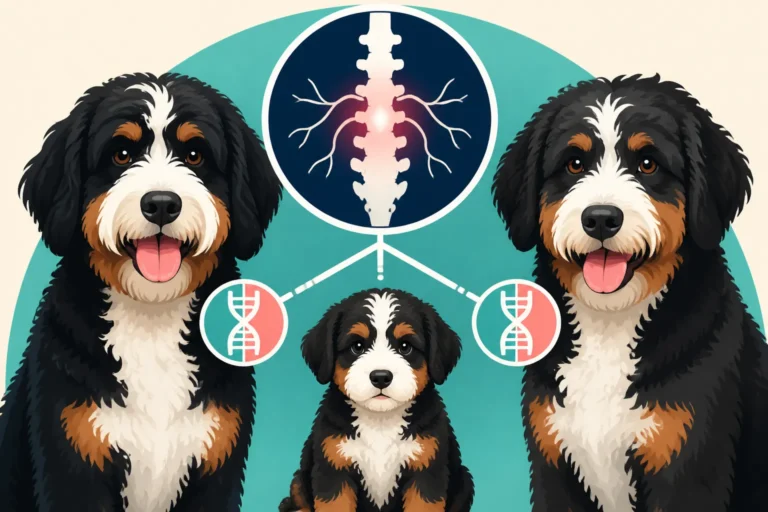
The genetic link to Von Willebrand's Disease in Bernedoodles comes directly from their Bernese Mountain Dog heritage. While Poodles can also carry vWD, it's less prevalent or a different type (Type II or III, which are more severe) than the Type I typically seen in Berners. The Bernese Mountain Dog is known to have a higher incidence of Type I vWD, making it a key concern for any Bernedoodle owner. When you cross a Bernese with a Poodle, you introduce the possibility of inheriting this trait.
It's a classic example of why choosing a reputable breeder who performs comprehensive health testing is so crucial. A responsible breeder will screen their parent dogs for genetic conditions like vWD, aiming to reduce the risk of passing them on to puppies. Even if one parent is a carrier, if the other parent is clear, the puppies might only be carriers themselves and typically won't express the disease, but they can still pass it on. This is why understanding "The Bleeding Disorder a Bernedoodle Gets From the Bernese" is so important for every Bernedoodle owner.
The Critical Question: Does vWD Show Before Surgery?
This is the million-dollar question that causes so much stress. For many Bernedoodle parents, the idea that their vibrant, playful dog could have a serious bleeding disorder without any outward signs is baffling and deeply worrying.
The Silent Threat: When Symptoms Are Absent
One of the most challenging aspects of Von Willebrand's Disease, especially Type I, is that it can be completely asymptomatic under normal circumstances. Your Bernedoodle might romp, play, and live their life without ever showing a single sign of a clotting issue. They might have a small cut that bleeds a bit more than average, or a tiny bruise, but these are often dismissed as normal bumps and scrapes of an active dog. This "silent carrier" or "mildly affected" status is precisely why so many owners are caught off guard when a pre-surgical screening reveals the diagnosis.
Imagine preparing your happy-go-lucky Bernedoodle puppy for their spay or neuter, a procedure you've been told is routine. You’ve gotten all the pre-op instructions, you’re mentally preparing for the recovery, and then the vet calls with unexpected news from the blood work. It's a common and distressing scenario, highlighting that visible symptoms are often not a reliable indicator for vWD. It really underscores why proactive testing is not just a recommendation, but a necessity, especially if you're unaware of your dog's parents' genetic health history.
Identifying Potential Bleeding Issues
While many dogs with vWD show no signs, there are subtle clues that might indicate a problem, though they are easily overlooked or attributed to other causes. Keep an eye out for:
- Nosebleeds: Spontaneous nosebleeds that seem to happen for no reason and are difficult to stop.
- Bruising: Easy bruising, or larger, more persistent bruises than you'd expect from minor bumps.
- Prolonged bleeding: After a minor cut, a lost baby tooth, or even a nail trim, the bleeding just seems to go on and on, much longer than a typical dog.
- Blood in urine or stool: This can be a sign of internal bleeding, which is a more serious manifestation of vWD.
- Excessive bleeding during heat cycles or after puppy delivery: For intact females, this can be a crucial indicator.
However, these signs are not exclusive to vWD and can be caused by numerous other conditions. This ambiguity further complicates the picture, leaving owners in a state of uncertainty. Without specific testing, it’s nearly impossible to definitively link these symptoms to Von Willebrand’s, and many dogs simply don't exhibit them at all. This lack of clear signals before a major event is a primary source of anxiety for Bernedoodle owners.
The Surgical Stressor
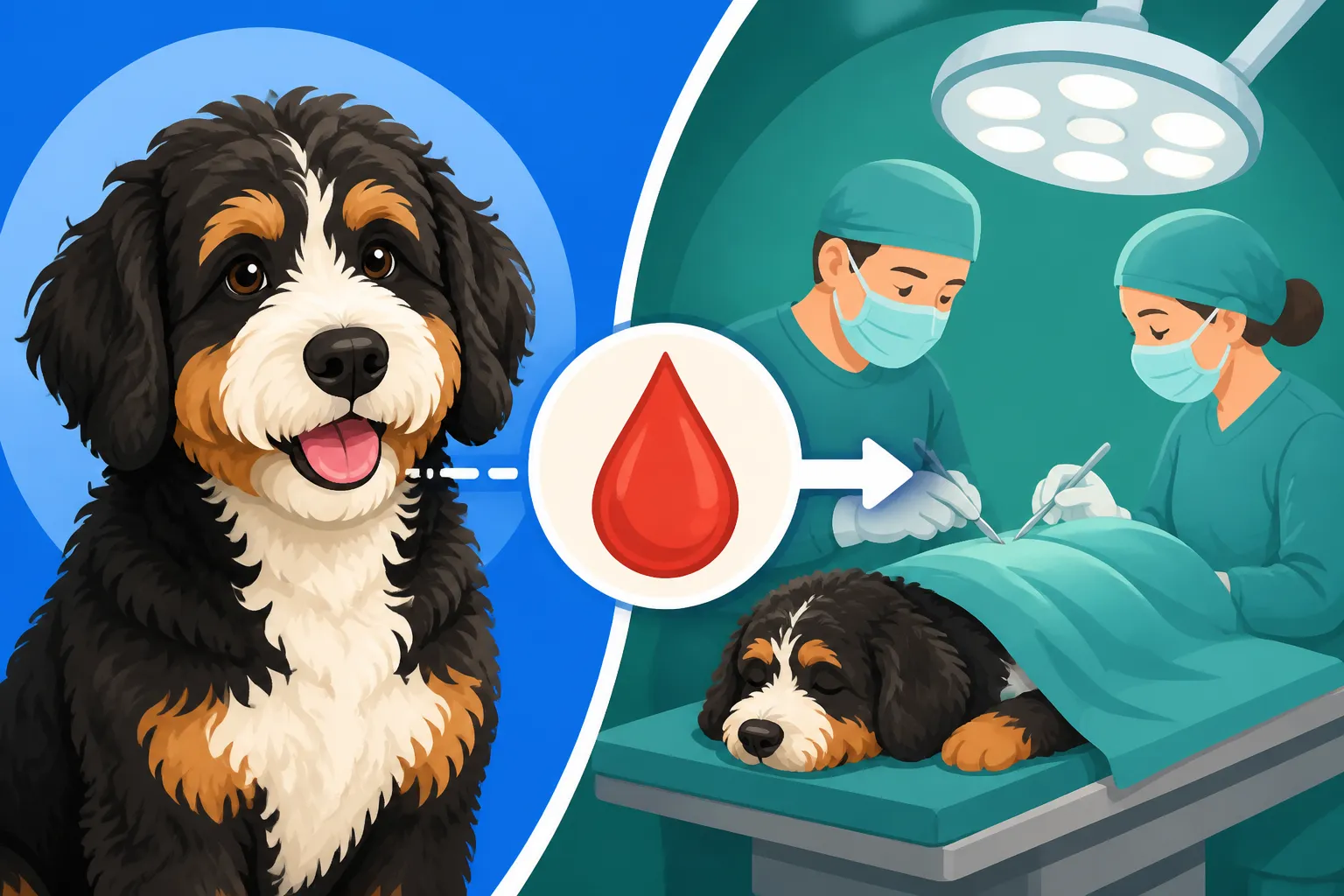
Surgery, even a routine one, places significant stress on a dog's body, particularly their clotting system. Anesthesia can sometimes influence blood pressure and circulation, and the surgical incision itself is a form of trauma that demands a robust clotting response. For a Bernedoodle with vWD, this is where the hidden disorder can become critically apparent. What would be a manageable amount of blood loss for a healthy dog can become dangerous or even life-threatening for a dog with insufficient Von Willebrand factor.
A dog that has never shown a single sign of bleeding issues in its life might experience prolonged and excessive bleeding during or after surgery. This could lead to complications like the need for blood transfusions, extended recovery times, or, in severe cases, could be fatal. The risk is magnified during procedures like spaying or neutering, which involve significant incisions and blood vessels. This profound risk makes pre-surgical screening not just advisable, but a crucial step in ensuring your Bernedoodle's safety. It's a sobering thought that a preventative procedure could uncover a hidden and serious genetic condition.
Pre-Surgical Screening for Von Willebrand's Disease
Given the "silent" nature of Von Willebrand's Disease, relying on observable symptoms is a gamble you absolutely do not want to take, especially when surgery is involved. This is why pre-surgical screening is paramount.
Why Testing is Absolutely Essential
The core of the issue is that you simply cannot know if your Bernedoodle is affected by vWD without proper testing. Waiting for symptoms to appear is like playing Russian roulette with your dog's health, particularly when a planned surgery carries inherent risks, even for healthy dogs. By testing beforehand, you're not just identifying a potential problem; you're gaining the knowledge to equip your veterinary team with the information they need to mitigate risks and plan a safer procedure.
Imagine the relief of knowing your Bernedoodle is clear, or the empowerment of being prepared if they do test positive. This knowledge allows your vet to take specific precautions, such as having necessary blood products on hand or administering medication to improve clotting before the first incision is even made. It’s an investment in peace of mind and, more importantly, in your Bernedoodle's safety and well-being. This proactive approach can literally be a lifesaver, transforming a potentially dangerous situation into a managed risk.
Types of Tests Available
There are several reliable ways to screen for Von Willebrand's Disease, each offering a different piece of the diagnostic puzzle. Understanding these options will help you have an informed conversation with your veterinarian.
DNA Testing
This is often considered the gold standard for identifying genetic predisposition to vWD. A DNA test, usually performed on a cheek swab or blood sample, looks directly for the specific gene mutation associated with Von Willebrand's Disease. It's highly accurate and can determine if your Bernedoodle is "clear" (no mutation), a "carrier" (carries one copy of the mutation, usually doesn't show symptoms but can pass it on), or "affected" (carries two copies of the mutation and is likely to develop the disease).
The beauty of DNA testing is that it can be done at any age, even on puppies, and only needs to be done once in a dog's lifetime. It provides a definitive answer about genetic status. If your breeder did their due diligence, they would have likely performed these tests on the parent dogs. If not, or if you acquired your Bernedoodle from a less-than-transparent source, a DNA test is an excellent first step. Knowing "Which Von Willebrand Type the Bernese Carries" can also inform the type of DNA test your vet might recommend.
Buccal Mucosal Bleeding Time BMBT
The Buccal Mucosal Bleeding Time (BMBT) test is a functional test that assesses how quickly a small incision on the inside of the dog's lip stops bleeding. It directly measures the ability of platelets to form a plug, which is often impaired in dogs with vWD. The vet makes a very small, standardized incision and then gently blots the site until bleeding stops, recording the time.
While useful, the BMBT test has its limitations. It can be influenced by other factors (like certain medications or other platelet disorders) and can be somewhat subjective depending on the operator. It's a good screening tool for current clotting function, but a normal BMBT doesn't definitively rule out vWD, especially in dogs with mild Type I, as their vWF levels might be sufficient for a minor surface wound but not for major trauma. However, a prolonged BMBT is a strong indicator that further investigation for a bleeding disorder, including vWD, is warranted.
vWF:Ag Von Willebrand Factor Antigen Test
The vWF:Ag test is a blood test that quantitatively measures the actual amount of Von Willebrand factor protein present in your dog's blood plasma. Unlike the DNA test which identifies the potential for vWD, this test measures the expression of the factor. The results are usually reported as a percentage of normal levels. Dogs with Type I vWD will have reduced but detectable levels of vWF.
This test is excellent for confirming a vWD diagnosis and determining the severity of the deficiency. It complements DNA testing by showing the actual impact of the genetic mutation. It's often recommended if a DNA test indicates a carrier or affected status, or if a BMBT is prolonged. It's also something that might be part of the general health screening a responsible breeder provides, often included in a panel that might also include "What the SOD1 Test Costs on a Bernedoodle".
Discussing Testing with Your Vet and Breeder
The best time to discuss vWD testing is well before any planned surgery. Don't wait until the last minute! Schedule a pre-surgical consultation with your veterinarian to talk about all necessary screenings. If your Bernedoodle is still a puppy, this conversation should ideally happen as part of their initial wellness exams. Your vet can advise you on the most appropriate tests based on your dog's breed, your knowledge of their parents' health history, and the specific procedure planned.
It’s also crucial to revisit your breeder's health clearances. A reputable Bernedoodle breeder should provide proof of genetic testing for both parent dogs, including for vWD. If you have a health guarantee, review "What a Bernedoodle Health Guarantee Covers" to understand what conditions might be included. Don’t be afraid to ask your breeder direct questions about vWD in their lines. This transparency is a hallmark of responsible breeding practices and helps ensure you have all the information needed to make informed decisions for your Bernedoodle's future. Remember, understanding their history can help prevent future heartaches.
Managing a Bernedoodle with Von Willebrand's Disease During Surgery
Discovering your Bernedoodle has Von Willebrand's Disease can feel overwhelming, especially with surgery looming. However, with prior knowledge and a well-prepared veterinary team, the risks can be significantly managed.
Proactive Measures and Veterinary Protocols
If your Bernedoodle is diagnosed with vWD before surgery, your vet will implement a specific protocol to minimize bleeding risks. This isn't a "one size fits all" approach, but rather a tailored plan based on the severity of the vWD and the type of surgery. Common proactive measures include:
- Desmopressin (DDAVP): This synthetic hormone can be administered before surgery. It stimulates the release of stored Von Willebrand factor from the dog's endothelial cells (the lining of blood vessels), temporarily increasing vWF levels in the blood and improving clotting. It's not effective for all types of vWD or all affected dogs, but it's a first-line treatment for many with Type I.
- Cryoprecipitate or Fresh Frozen Plasma (FFP) Transfusions: These blood products contain high levels of Von Willebrand factor and other clotting factors. They can be administered before, during, or after surgery to directly supply the missing clotting proteins, ensuring adequate hemostasis (blood clotting). Your vet will likely ensure these are readily available, even if not immediately needed.
- Careful Surgical Technique: The surgical team will employ meticulous surgical techniques to minimize tissue trauma and bleeding. This includes careful ligation (tying off) of blood vessels and thorough inspection of the surgical site.
- Medication Review: Certain medications, like NSAIDs (non-steroidal anti-inflammatory drugs) such as carprofen or meloxicam, can interfere with platelet function and thus worsen bleeding in vWD dogs. Your vet will carefully review all medications your Bernedoodle is on and adjust or discontinue them as necessary before surgery.
The importance of this pre-operative planning cannot be overstated. It transforms a potentially life-threatening situation into a manageable surgical event, prioritizing your Bernedoodle's safety. This is also a good time to consider pet insurance from providers like Healthy Paws, which can help cover unexpected costs associated with managing complex conditions like vWD, ensuring you can always make the best decisions for your dog without financial strain.
Post-Operative Care and Monitoring
The vigilance doesn't end when the surgery is over. Post-operative care for a Bernedoodle with vWD requires heightened attention to ensure a smooth recovery and detect any delayed bleeding complications. Your vet will likely recommend:
- Extended Hospital Stay: Your Bernedoodle might need to stay at the veterinary hospital longer than a typical patient to allow the veterinary team to closely monitor for signs of excessive bleeding, such as swelling at the incision site, bruising, or pale gums.
- Strict Rest and Activity Restriction: Limiting activity is crucial to prevent internal or external hemorrhages. This means no jumping, running, or strenuous play. Leash walks for bathroom breaks will be the extent of their activity for a period, potentially longer than for a healthy dog.
- Monitoring for Bruising or Swelling: You'll be instructed to regularly check the incision site and surrounding areas for any unusual bruising, swelling, or oozing. Any concerns should be immediately reported to your vet.
- Pain Management: Managing pain is important for recovery, but your vet will be careful to select pain medications that do not interfere with clotting. They may opt for opioids or other non-NSAID options.
- Follow-up Appointments: More frequent follow-up appointments may be scheduled to ensure proper healing and continued absence of bleeding complications.
It’s a commitment, but one that ensures the best possible outcome for your furry family member. While the idea of a ninety-pound Bernedoodle requiring this kind of careful management might seem daunting, especially if you've heard about "Whether Anesthesia Is Riskier on a Ninety Pound Bernedoodle", with a prepared vet and your diligent care, they can absolutely navigate it successfully.
Comparing Von Willebrand's Disease Tests
To help you visualize the different testing options for Von Willebrand's Disease, here’s a quick comparison:
| Test Type | What It Measures | When It's Done | Pros | Cons |
|---|---|---|---|---|
| DNA Test | Presence of genetic mutation | Any age, only once | Highly accurate, definitive genetic status (clear, carrier, affected) | Doesn't measure current vWF levels, genetic status doesn't always equal severity |
| Buccal Mucosal Bleeding Time (BMBT) | Time for a small incision to stop bleeding | Immediately before surgery | Quick, inexpensive, measures functional clotting | Can be affected by other factors, operator-dependent, not always definitive for mild vWD |
| vWF:Ag Test | Amount of Von Willebrand factor in blood | Before surgery, often with blood work | Quantifies actual vWF levels, indicates severity, confirms diagnosis | More expensive than BMBT, can fluctuate with stress/illness |
This table should help you understand the role of each test and how they can be used individually or in combination to get the most complete picture of your Bernedoodle's vWD status. When you factor in all the potential health issues and the general expenses of dog ownership, from food to yearly check-ups, it's clear that "What a Bernedoodle Costs Over Its Whole Life" can be substantial, making proactive health management even more crucial. Investing in a good pet insurance plan from a company like Healthy Paws can truly alleviate some of the financial burden if a complex condition arises.
Ultimately, dealing with Von Willebrand's Disease in your Bernedoodle, especially in the context of surgery, comes down to preparedness. By understanding the disorder, advocating for thorough pre-surgical screening, and working closely with your veterinarian, you can ensure your Bernedoodle receives the safest and most effective care possible, allowing them to continue living a long, happy, and healthy life. Don't let the unknown cause unnecessary stress; get informed and take action!
Disclaimer
Please note that the information provided in this article is intended for general informational purposes only and does not constitute veterinary advice. Always consult with a qualified veterinarian for any health concerns or before making any decisions related to your pet's medical care, diet, or treatment. Each animal is unique, and a veterinarian can provide personalized advice based on their specific health history and needs.