What a Bernedoodle Health Guarantee Covers
Bringing a Bernedoodle puppy home is a dream come true for many, filled with visions of cuddles and playful antics. But beneath that initial joy, there's often a quiet, underlying worry for new owners: what if they get sick? That's where a solid health guarantee from a reputable breeder becomes not just a piece of paper, but a huge sigh of relief, offering crucial protections against inherited health issues and giving you some peace of mind as you embark on this wonderful journey. This guide will walk you through what these guarantees typically cover, what they often exclude, and how to navigate the process if you ever need to make a claim.
Understanding Your Bernedoodle's Health Guarantee
When you bring a Bernedoodle puppy into your home, you're not just getting a furry friend; you're also taking on a significant responsibility for their health and well-being. A health guarantee is essentially a written agreement from the breeder, outlining the specific health conditions they will stand behind and for how long. It’s their way of assuring you that they’ve done their due diligence in breeding healthy dogs and that they’re willing to take some responsibility if serious genetic issues arise that were beyond your control as an owner.
What Exactly Is a Health Guarantee?
Think of a health guarantee as a promise. It's a contractual assurance from your Bernedoodle breeder that the puppy you're bringing home is free from certain severe, inheritable diseases at the time of sale, and often for a specified period afterward. These guarantees aren't standardized across the board; they vary widely from breeder to breeder. Some might offer a guarantee for one year, while others might extend it to two or even three years, particularly for conditions that manifest later in a dog's life, like certain orthopedic issues. The specifics – what conditions are covered, the length of the guarantee, and the remedies offered – will all be detailed in your purchase contract. It's absolutely vital to read this document thoroughly before you finalize your purchase, not just skim it. Understanding these terms can save you significant heartache and financial strain down the line.
Why Reputable Breeders Offer Them
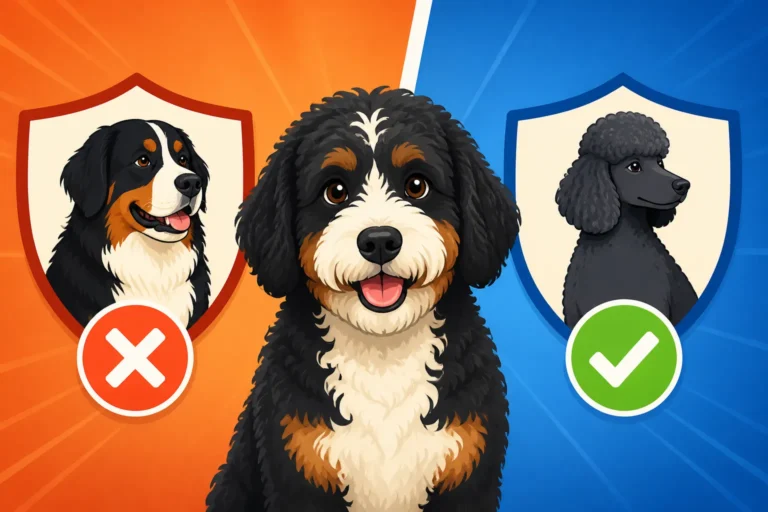
Reputable Bernedoodle breeders aren't just in it for the puppies; they are deeply invested in the long-term health and success of their lines. They understand the genetic predispositions of both Bernese Mountain Dogs and Poodles, and they actively work to mitigate these risks through careful health testing of their parent dogs. The Five Clearances a Bernedoodle Breeder Should Have is an excellent resource to understand the extent of this proactive testing. Offering a health guarantee demonstrates their confidence in their breeding program and their commitment to the puppies they produce. It shows they're not just selling a dog, but partnering with you in its future. For them, it’s about ethical breeding practices and the reputation they build within the Bernedoodle community. They want to ensure you have a happy, healthy companion, and they want to be there if something unexpected and inheritable crops up.
Common Health Conditions Typically Covered
Bernedoodles, like all breeds and crosses, have certain health predispositions. A good health guarantee from a responsible breeder will focus on the most common and serious genetic conditions relevant to the breed. It's important to remember that this isn't a comprehensive list of every possible ailment your dog could ever face, but rather a focus on those that are genetic and often debilitating.
Orthopedic Concerns: Hips and Elbows
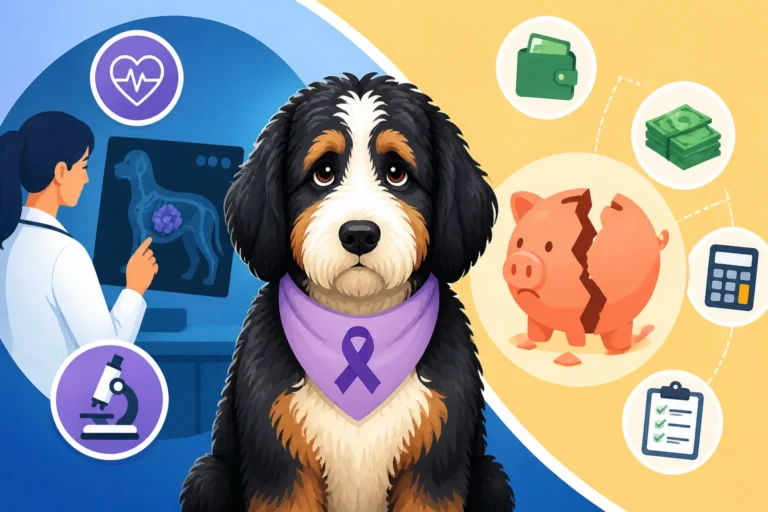
Perhaps the most common and critical conditions covered by health guarantees are hip and elbow dysplasia. These are painful, inheritable joint disorders that can severely impact a Bernedoodle's mobility and quality of life, especially given their large size. A Bernedoodle, particularly a standard-sized one, carries significant weight on its joints, making these conditions particularly impactful. A strong guarantee will typically cover these issues for at least the first two years of the dog's life, as this is often when symptoms become evident enough for diagnosis, though the underlying genetic issue would have been present from birth. Hips on a Ninety Pound Bernedoodle and Elbow Dysplasia in a Growing Bernedoodle delve deeper into these specific challenges. If a severe case of hip or elbow dysplasia is diagnosed by a qualified veterinarian and confirmed by specialist radiographs within the guarantee period, the breeder might offer a partial refund, a replacement puppy, or other agreed-upon compensation, depending on the terms of your contract.
Genetic Diseases and Screenings
Beyond orthopedic issues, many guarantees will also cover other significant genetic diseases common in Bernese Mountain Dogs and Poodles. This is where the careful screening of parent dogs becomes paramount. For instance, reputable breeders test for conditions like Von Willebrand's Disease (a bleeding disorder) and Degenerative Myelopathy (a progressive neurological disease), both of which can be serious. The SOD1 Test Both Bernedoodle Parents Need and Von Willebrand's Disease in a Bernedoodle provide more information on these specific tests and conditions. A good guarantee should specify which genetic conditions are covered, often requiring a diagnosis from a board-certified veterinary specialist. The wording might refer to specific DNA test results for the parent dogs, indicating they are "clear" or "non-carriers" for these diseases, thereby minimizing the risk for the puppies.
Eye and Cardiac Health
While less frequently the primary focus of a guarantee compared to hips and elbows, some breeders will also include provisions for serious congenital eye or cardiac conditions. This might include issues like progressive retinal atrophy (PRA), which can lead to blindness, or severe congenital heart defects. These conditions are usually covered for a shorter period, often just the first year of life, as they tend to manifest early or are detectable through initial veterinary screenings. Whether a Bernedoodle Inherits PRA From the Poodle is a good read if you're concerned about eye health. The guarantee usually stipulates that these conditions must be diagnosed by a veterinary ophthalmologist or cardiologist, respectively, to ensure an accurate and unbiased assessment. It's a sign of a truly comprehensive guarantee when these areas are also addressed, showing the breeder's commitment to overall puppy health.
What a Health Guarantee Might NOT Cover
Understanding what is excluded from a Bernedoodle health guarantee is just as important as knowing what's included. No breeder can guarantee a dog will never get sick or have any health problems, just as no human doctor can guarantee a child will never face a medical issue. Guarantees are typically focused on preventable genetic issues, not every sniffle or scraped knee.
General Veterinary Care and Accidents
Your health guarantee will almost certainly not cover routine veterinary care like vaccinations, deworming, spaying/neutering, or annual check-ups. These are considered normal costs of pet ownership, and you should budget for them from day one. Similarly, accidents such as broken bones, injuries from falls, ingesting foreign objects, or getting into a tussle with another dog are never covered by a breeder's guarantee. These incidents are entirely outside the breeder's control and fall under your responsibility as the dog's owner. This is where pet insurance, from providers like Healthy Paws or similar companies, really shines, stepping in to cover unexpected medical emergencies and routine wellness if you choose a comprehensive plan. It's a smart idea to explore options for Insuring a Bernedoodle Against the Bernese Half early on.
Conditions Related to Owner Neglect or Lifestyle
A breeder's guarantee is built on the premise that you, the owner, will provide appropriate care for your Bernedoodle. This means conditions that arise due to neglect, improper diet, lack of exercise, or failure to follow veterinary advice are typically excluded. For example, if your Bernedoodle develops severe arthritis due to obesity, the breeder would not be responsible. Similarly, if you fail to maintain proper hygiene and your Bernedoodle develops severe ear infections, that's generally not covered. The guarantee is usually void if the puppy is abused, neglected, or not kept in appropriate living conditions. This also extends to certain diseases that could be prevented by vaccination, so staying up-to-date on your puppy's shots is crucial.
Limitations on Reimbursement and Duration
Most health guarantees come with specific limitations on the remedies offered and the timeframe in which a claim can be made. For instance, a guarantee might state that the breeder will only cover veterinary costs up to the purchase price of the puppy, or they might offer a replacement puppy but not a cash refund. The duration of the guarantee is also key; a two-year guarantee for hips and elbows means that if a condition is diagnosed on day 731, it might fall outside the coverage period. It's also rare for guarantees to cover minor, non-life-threatening cosmetic issues or conditions that are easily manageable without significant impact on quality of life, such as mild allergies or certain benign skin lumps. Always clarify these terms with your breeder.
Here's a quick overview of what's often covered versus what's typically excluded:
| Feature/Condition | Typically Covered (Genetic) | Typically Excluded (Non-Genetic/Owner Responsibility) |
|---|---|---|
| Duration | 1-3 years for major conditions, shorter for others | Beyond specified timeframe |
| Orthopedic Issues | Severe Hip & Elbow Dysplasia (often requires specialist diagnosis) | Mild, manageable joint issues; injuries from accidents or overuse |
| Genetic Diseases | Von Willebrand's, Degenerative Myelopathy, certain eye conditions | Non-genetic illnesses, environmental diseases (e.g., tick-borne) |
| Cardiac/Organ Issues | Severe congenital heart defects, kidney/liver disease (early onset) | Acquired heart disease, organ failure from toxins or age |
| Vet Visits | Costs directly related to covered genetic diagnosis & treatment | Routine exams, vaccinations, deworming, spay/neuter |
| Behavioral Issues | Rarely covered | Never covered (training is owner's responsibility) |
| Owner Responsibility | N/A | Accidents, neglect, poor diet, lack of vet care |
Navigating a Health Guarantee Claim
Hopefully, you'll never need to use your Bernedoodle's health guarantee. But life happens, and sometimes, despite everyone's best efforts, a health issue may arise. Knowing the steps to take can make a potentially stressful situation a little bit easier.
The Process: From Diagnosis to Resolution
If you suspect your Bernedoodle has a condition covered by the health guarantee, the very first step is to get a professional veterinary diagnosis. This usually involves a visit to your regular vet, who might then refer you to a specialist (e.g., an orthopedic surgeon for joint issues, a veterinary ophthalmologist for eye problems, or a geneticist). The guarantee will almost certainly stipulate that the diagnosis must come from a licensed veterinarian, and often a board-certified specialist, to be valid. You'll need to provide all veterinary records, test results, and any official reports to your breeder. It's crucial to document everything – dates, symptoms, treatments, and costs. Your breeder will then review the documentation against the terms of your contract. Depending on the guarantee, the resolution could involve a partial refund, assistance with treatment costs (up to a certain amount), or a replacement puppy from a future litter.
Communicating with Your Breeder
Open and honest communication with your breeder is paramount throughout this process. They are often genuinely invested in the well-being of their puppies and want to know if one of their pups is experiencing a serious genetic issue. Contact them as soon as you have a diagnosis, or even if you just have strong suspicions and are beginning the diagnostic process. Provide them with all the information they request, respectfully and promptly. Understand that they may also want to consult with their own veterinarian or geneticist, and they may ask for specific tests or second opinions. While it can be an emotional time, maintaining a calm and clear dialogue will lead to the best outcome. Remember, they may have a vested interest in learning about genetic issues in their lines to prevent them in future litters. Asking a Breeder About Cancer in the Bernese Line or other specific health concerns should be part of the initial conversation when choosing a puppy.
Considering Pet Insurance as a Companion to Guarantees
While a health guarantee is a valuable safety net for specific genetic conditions, it's not a substitute for comprehensive pet insurance. Pet insurance, from companies like Healthy Paws or even plans offered through major pet retailers like Chewy or specialized options like Ollie, covers a much broader range of veterinary expenses. This includes accidents, unexpected illnesses (like infections, allergies, or even cancers that aren't genetic), and often emergency care. Many Bernedoodle owners find that pairing a health guarantee with a robust pet insurance policy provides the most complete financial protection for their beloved companion. A guarantee helps with severe, specific inheritable issues, while insurance tackles the vast majority of other unforeseen medical costs that can arise over a dog's lifespan. Considering What a Bernedoodle Costs Over Its Whole Life, the monthly premium for pet insurance is a small price for significant peace of mind.
Disclaimer
This article is for general informational purposes only and does not constitute professional advice. Laws, prices and regulations vary by location and change over time. Consult a qualified professional for guidance on your specific situation.