What the SOD1 Test Costs on a Bernedoodle
The moment you welcome a Bernedoodle into your family, you commit to their well-being, and a huge part of that is understanding their health risks. It's incredibly disheartening to think about a beloved dog facing a debilitating neurological condition like Degenerative Myelopathy (DM). This guide aims to thoroughly explain what the SOD1 test is, why it's so vital for Bernedoodle owners, and the financial considerations involved in getting your furry friend tested, so you can make informed choices for their future.
Understanding Degenerative Myelopathy and the SOD1 Gene
The thought of your vibrant, playful Bernedoodle slowly losing the use of their back legs is a nightmare no owner wants to contemplate. Yet, for many breeds, including the Bernese Mountain Dog side of our beloved Bernedoodles, this is a very real, heartbreaking possibility due to a condition called Degenerative Myelopathy (DM). It's a progressive disease of the spinal cord, similar in many ways to ALS in humans, and it can steal a dog's mobility and quality of life in their senior years. The crucial thing to understand is that DM is primarily a genetic condition, and that’s where the SOD1 test comes into play.
The Role of the SOD1 Gene in Bernedoodles
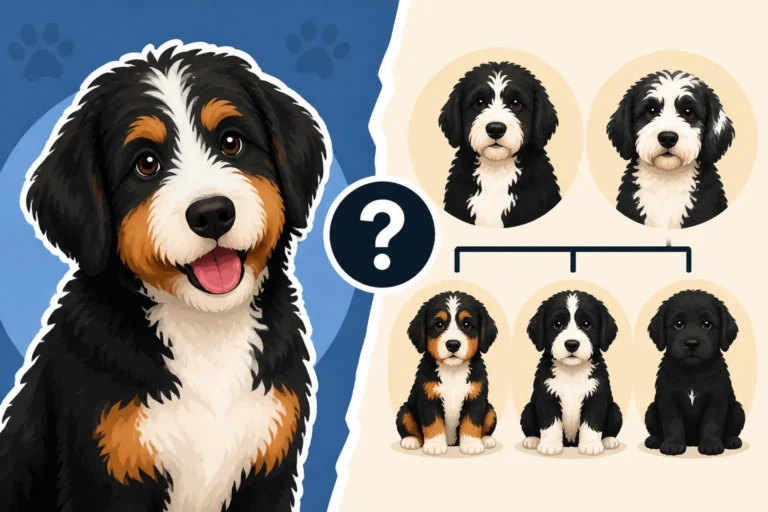
Degenerative Myelopathy is caused by a mutation in the SOD1 gene. Dogs inherit two copies of every gene, one from each parent. If a dog inherits two copies of the mutated SOD1 gene (meaning they are "at-risk"), they are highly likely to develop DM at some point in their lives, typically starting in middle to older age. If they inherit one mutated copy and one normal copy (making them a "carrier"), they won't develop the disease themselves, but they can pass that mutated gene on to their offspring. A dog with two normal copies is considered "clear" and neither develops DM nor passes on the mutation. It’s a bit like a genetic puzzle, and understanding the pieces is critical for our Bernedoodles.
This genetic inheritance pattern means that even if a Bernedoodle has one Poodle parent (a breed not typically associated with DM) and one Bernese Mountain Dog parent (a breed known for carrying the mutation), the risk isn't eliminated. The Bernese parent can absolutely pass on that SOD1 mutation, making the Bernedoodle either a carrier or, if unlucky enough to get a mutated copy from both sides (unlikely in an F1 cross, but possible in later generations if breeders aren't careful), an at-risk individual. This is why testing both parents is so important. The SOD1 Test Both Bernedoodle Parents Need isn't just a suggestion; it's a cornerstone of responsible breeding and ownership, offering invaluable foresight into your puppy's potential health trajectory.
For owners, knowing your dog's SOD1 status offers incredible peace of mind or, conversely, the chance to prepare and plan. If your Bernedoodle tests as a carrier, you know they won't develop DM, which is a huge relief. If they test as at-risk, while it's tough news, it allows you to be proactive. You can monitor them closely for signs like The Age Degenerative Myelopathy Appears in a Bernedoodle, work with your vet on supportive care strategies, and truly savor every moment of their active life, knowing what might lie ahead. It turns uncertainty into preparation, and that's an invaluable gift you can give your dog and yourself.
Why Early Testing is a Game-Changer for Health Planning
Waiting for symptoms to appear with DM is not an option for prevention, because by the time clinical signs manifest, the neurological damage is already underway. Symptoms typically begin with weakness and uncoordination in the hind limbs, slowly progressing until the dog eventually loses the ability to walk. What Degenerative Myelopathy Looks Like in a Bernedoodle can be heartbreaking, and while there's no cure, understanding the genetic predisposition early allows for comprehensive health planning. Imagine the stress and diagnostic costs you could incur trying to figure out what's wrong if you didn't have that genetic information upfront.
Knowing your Bernedoodle's SOD1 status as a puppy, or even before bringing them home if you're working with a responsible breeder, empowers you immensely. It means you can engage in conversations with your veterinarian about things like optimal exercise routines, weight management, and nutritional support that might help delay the onset of symptoms or simply ensure your dog has the best quality of life possible for as long as possible. While pet insurance providers like Healthy Paws might help mitigate costs associated with diagnostics and supportive care once symptoms arise, proactively identifying risks through genetic testing is a foundational step in preventative health. It's about being prepared, not just reacting, and for conditions as serious as DM, that foresight is priceless.
Moreover, if you have a dog that is a carrier of the SOD1 gene, it's particularly important to be aware of their status for breeding purposes. A carrier doesn't show signs of DM themselves, but if bred with another carrier or an at-risk dog, they could produce puppies that are at-risk for developing the disease. This is why Degenerative Myelopathy Both Bernedoodle Parents Can Carry is a serious concern for ethical breeders. By testing, breeders can make informed decisions to avoid passing on this devastating mutation, thus reducing the prevalence of DM in future Bernedoodle generations. It's a testament to responsible breeding practices that prioritize the long-term health and well-being of the entire breed.
Breaking Down the Cost: What Influences SOD1 Testing Prices
When you start looking into genetic testing for your Bernedoodle, you’ll quickly realize that "cost" isn't a single, fixed number. It’s a spectrum, influenced by various factors that range from where you get the test done to what other information you're seeking. It's not always a straightforward purchase, and that can certainly be a source of frustration for owners who just want clear answers for their beloved companions. Understanding these variables can help you budget appropriately and choose the best option for your situation.
Individual Labs vs. Comprehensive Panels
One of the biggest factors in the price of a SOD1 test is whether you're ordering it as a standalone test or as part of a larger genetic health panel. Many reputable veterinary genetics laboratories offer comprehensive panels that screen for dozens, sometimes hundreds, of genetic conditions relevant to your dog's breed makeup. For a Bernedoodle, such a panel might include tests for hip and elbow dysplasia indicators, Von Willebrand's Disease, and even eye conditions, in addition to DM. These comprehensive panels often represent a better value per test than ordering individual tests one by one.
For example, a standalone SOD1 test might be a certain amount, but a panel that includes SOD1 along with several other critical Bernedoodle-specific health tests might only cost a little more. It's like buying in bulk; you get more for your money. Think about the potential for other issues, such as Von Willebrand's Disease in a Bernedoodle, which can also be detected through genetic screening. While you might initially only be concerned about DM, a comprehensive panel provides a much broader picture of your dog's genetic health, offering peace of mind across multiple fronts. Many services, including those you might find advertised on sites like Chewy that promote various pet care solutions, partner with labs offering these panels. It’s always worth comparing the cost of a single test against a full panel to see which offers the best long-term value for your Bernedoodle's overall health profile.
Breeder-Provided Testing vs. Owner-Initiated Testing
The cost can also differ significantly depending on whether the testing is performed by your breeder before you even bring your puppy home, or if you, as the owner, decide to have it done later. Responsible breeders understand the importance of genetic health screening and often invest in testing the parent dogs for SOD1 and other conditions. They should be able to provide you with clear documentation of these test results for both the sire and dam. In such cases, the "cost" of the test is usually factored into the puppy's purchase price, rather than being an additional line item you pay for separately.
If a breeder has already tested the parents and can confirm their SOD1 status (e.g., both are clear, or one is a carrier and the other is clear), then technically, your puppy’s SOD1 status is predictable. They would either be clear or a carrier, but not at-risk. However, if you've adopted an adult Bernedoodle, or if your breeder didn't provide comprehensive genetic testing information, you might need to initiate the testing yourself. This typically involves purchasing a DNA collection kit directly from a genetics lab, collecting a saliva sample from your dog (usually a cheek swab), and mailing it back. The cost here is direct to you, covering the kit, laboratory analysis, and reporting. While some breeders might test just the parents, it is crucial that Whether Both Bernedoodle Parents Should Be SOD1 Tested is addressed to ensure the health of the puppies.
This table illustrates some common scenarios and how testing costs might be handled:
| Scenario | Who Pays Directly? | Typical Cost Implication | Benefits |
|---|---|---|---|
| Responsible Breeder (Parents) | Breeder | Included in puppy price | Peace of mind from day one, informed breeding |
| Owner (After Purchase) | Owner | Direct lab fees | Gain information on untested dogs, personal choice |
| Comprehensive Health Panel | Breeder/Owner | Often better value | Broad health overview, multiple risks identified |
| Emergency/Diagnostic | Owner | Potentially higher | Confirm diagnosis amidst symptoms |
It's important to ask breeders upfront about their genetic testing protocols. A breeder who transparently shares results for SOD1 and other relevant tests is demonstrating a commitment to their dogs' health and preventing heartache down the line. If you find yourself needing to do the testing as an owner, rest assured, it's a relatively straightforward process with clear benefits, and many direct-to-consumer labs make it accessible.
The Value Beyond the Dollar: Why Investing in SOD1 Testing Matters
While we've discussed the various financial aspects of SOD1 testing, it’s truly important to step back and consider the immense value it brings that simply cannot be quantified in dollars and cents. The emotional toll of a debilitating disease, the peace of mind that comes with knowledge, and the ethical implications for future generations of Bernedoodles far outweigh the initial investment. This isn't just about a test; it's about responsible pet ownership and contributing to a healthier breed.
Peace of Mind and Preventing Heartbreak
For many Bernedoodle owners, the most significant "return on investment" from SOD1 testing is the profound peace of mind it offers. Knowing your dog's genetic status regarding DM means you don't have to live with the nagging worry of whether every stumble or slight change in gait is the beginning of something terrible. If your dog tests "clear" or "carrier," you can breathe a huge sigh of relief, knowing they won't develop this specific, devastating neurological disease. This allows you to focus purely on enjoying their vibrant life, without that particular cloud hanging over your head.
Conversely, if your Bernedoodle tests as "at-risk," while the initial news might be difficult to hear, it provides an invaluable opportunity for preparation. You can learn more about What an At Risk SOD1 Result Means for a Bernedoodle, discuss proactive measures with your vet, and put a plan in place for supportive care. This advanced notice can prevent the shock and despair of a sudden diagnosis later in life, allowing you to emotionally prepare and make practical arrangements. It shifts the narrative from a sudden crisis to a managed journey, giving you the power to advocate for your dog's best possible quality of life. This kind of preparation, even when dealing with tough news, can significantly reduce the potential for emotional heartbreak down the line.
Supporting a Long, Healthy Life for Your Bernedoodle
Investing in SOD1 testing is more than just getting a diagnosis; it’s an active step in advocating for your Bernedoodle's long-term health and well-being. Knowing their genetic predispositions empowers you to make informed decisions throughout their life. For an at-risk dog, this might mean being particularly diligent about maintaining a healthy weight to reduce stress on their joints, ensuring regular, appropriate exercise without overdoing it, and providing a supportive home environment with non-slip surfaces as they age. Brands that focus on overall canine wellness, like Ollie, which offers fresh, balanced meal plans, complement this holistic approach to health. It's about combining genetic knowledge with excellent daily care to maximize their comfort and mobility.
While there isn't a cure for DM, early knowledge means you can discuss potential therapies and aids with your vet well in advance. Things like physical therapy, hydrotherapy, or even the eventual consideration of Wheelchairs and Carts for a Bernedoodle With DM can be planned rather than rushed. This proactive approach ensures that if DM does develop, you're not scrambling for solutions but rather implementing a thoughtful, pre-considered care plan. This foresight minimizes suffering for your dog and stress for you, allowing you to fully support your furry family member through every stage of their life, ensuring their golden years are as comfortable and joyful as possible, even with challenges.
Contributing to Responsible Breeding Practices
Perhaps one of the most significant, yet often overlooked, benefits of SOD1 testing is its impact on the broader Bernedoodle community and responsible breeding practices. When owners prioritize testing, and especially when breeders proactively test their breeding stock, it directly contributes to reducing the incidence of genetic diseases like DM in future generations. Every "clear" dog identified, and every "carrier" responsibly bred only to "clear" mates, helps dilute the presence of the SOD1 mutation within the Bernedoodle gene pool. This collective effort is what truly moves the needle towards healthier puppies and healthier adult dogs for everyone.
Think about the bigger picture: breeders who consistently test their dogs and remove at-risk or carrier dogs from their breeding programs (or carefully manage their pairings) are acting as stewards of the breed. They are actively working to improve the genetic health of Bernedoodles, preventing other families from experiencing the devastation of DM. This commitment is a hallmark of an ethical breeder and one of the reasons why the demand for transparent health testing has grown so much. By supporting breeders who test, or by testing your own Bernedoodle if you plan to breed, you're becoming part of the solution. It’s a powerful way to ensure that the charming, intelligent, and loving Bernedoodles we adore continue to thrive for years to come, free from preventable genetic burdens.
Practical Steps to Getting Your Bernedoodle Tested
Deciding to get your Bernedoodle tested for the SOD1 mutation is a fantastic step towards proactive health management. The process is generally quite straightforward, but knowing what to expect can help ease any apprehension. Whether you're a first-time dog owner or a seasoned enthusiast, navigating genetic testing can seem daunting at first, but with a few simple steps, you'll have valuable information in hand.
Choosing a Reputable Genetic Testing Laboratory
The first and most crucial step is selecting a reputable genetic testing laboratory. You want a lab that specializes in canine genetics, has clear protocols, and provides understandable results. There are several well-established companies offering these services. Many are easily found online and cater directly to pet owners. When researching, look for labs that:
- Are transparent about their testing methods and accuracy rates.
- Offer clear instructions for sample collection.
- Provide comprehensive reports that are easy for both you and your veterinarian to interpret.
- Have good customer support in case you have questions.
While your veterinarian can certainly guide you, many owners choose to order test kits directly. Popular options often include labs recommended by breed clubs or veterinary associations. Some online pet retailers, such as Chewy, also facilitate access to these testing kits, sometimes through partnerships with leading genetic laboratories, making the process even more convenient. Always ensure the lab specifically tests for the SOD1 gene mutation related to Degenerative Myelopathy. Don't be shy about asking questions before you commit; a good lab will be happy to provide clarity.
The Simple Process of Sample Collection and Submission
Once you've chosen a laboratory and ordered your kit, the actual sample collection is surprisingly easy and can be done right at home. Most genetic tests for dogs use a buccal swab, which is essentially a fancy cotton swab that you rub inside your dog's cheek. The goal is to collect cells from the inside of their mouth. It’s painless, quick, and non-invasive, making it stress-free for your Bernedoodle.
Here's a general outline of the process:
- Read Instructions Carefully: Every kit comes with detailed instructions. Follow them precisely to ensure a good sample. This usually involves avoiding food or drink for a short period before collection.
- Collect Sample: Gently rub the sterile swab(s) provided firmly against the inside of your dog's cheek and gums for the recommended time, typically 30-60 seconds per swab. You’re trying to gather cells, not just saliva.
- Air Dry: Allow the swab(s) to air dry completely for several minutes before placing them back into the provided packaging. Moisture can compromise the sample.
- Package and Mail: Place the dried swabs into the return envelope or box, complete any necessary paperwork, and mail it back to the lab.
It’s truly a DIY process that empowers you to take an active role in your Bernedoodle’s health. The hardest part is often just waiting for the results, which usually arrive electronically within a few weeks. The convenience of this at-home testing means no stressful vet visits just for a sample, though you'll definitely want to discuss the results with your vet.
Understanding and Acting on Your Bernedoodle's Results
Once your results arrive, you'll typically receive a report indicating your Bernedoodle's SOD1 status: "Clear," "Carrier," or "At-Risk." It's important to review this report carefully and ideally, discuss it with your veterinarian. They can help you understand the implications of the results for your individual dog and answer any questions you might have.
- Clear: Your Bernedoodle has two normal copies of the SOD1 gene. They will not develop DM and cannot pass the mutation to offspring. This is fantastic news!
- Carrier: Your Bernedoodle has one normal copy and one mutated copy of the SOD1 gene. They will not develop DM themselves, but they are a carrier and could pass the mutation to their offspring if bred.
- At-Risk: Your Bernedoodle has two mutated copies of the SOD1 gene. They are at high risk of developing DM later in life.
If your Bernedoodle is found to be at-risk, it's natural to feel concerned. But remember, this knowledge is a powerful tool. It allows you to become proactive. You and your vet can discuss strategies to promote spinal health, monitor for early signs of the disease, and prepare for potential supportive care measures. Even if your Bernedoodle tests clear, this information is valuable for their overall health record and provides a baseline. Genetic testing is a foundational piece of their health puzzle, and integrating this knowledge with comprehensive care, from a balanced diet (like what you might find from Ollie) to regular vet check-ups, is key to giving your Bernedoodle the happiest, healthiest life possible. It’s an investment in their future, well worth the time and thought.
Disclaimer
This article is for general informational purposes only and does not constitute professional advice. Laws, prices and regulations vary by location and change over time. Consult a qualified professional for guidance on your specific situation.