Wheelchairs and Carts for a Bernedoodle With DM
It's absolutely heartbreaking when you see your beloved Bernedoodle, once a bundle of boundless energy, start to struggle with their back legs. Degenerative Myelopathy, or DM, is a cruel disease that slowly robs our dogs of their mobility, and for many owners, watching that decline is one of the hardest things they’ll ever face. This guide is here to walk you through how wheelchairs and carts can give your Bernedoodle a new lease on life, offering practical steps and emotional support as you navigate this challenging journey.
Understanding Degenerative Myelopathy in Bernedoodles
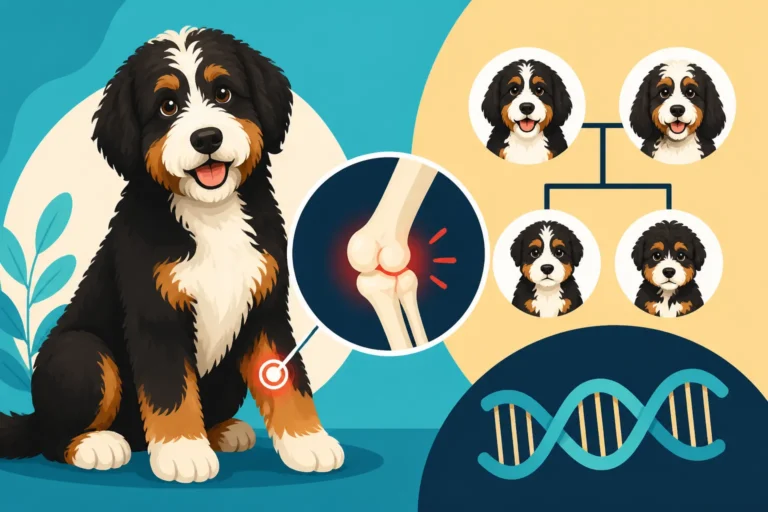
Degenerative Myelopathy is a progressive neurological disease affecting the spinal cord, leading to weakness and eventual paralysis of the hind limbs. While it’s not exclusively a Bernedoodle issue, it's a condition we Bernedoodle parents need to be keenly aware of, given its prevalence in breeds like the Bernese Mountain Dog and the Standard Poodle – the very foundation of our furry friends. It’s a genetic condition, often linked to the SOD1 gene, and it doesn't discriminate based on size or generation.
The Progression of DM and Its Impact
The journey with DM often begins subtly, almost imperceptibly, making it incredibly frustrating to diagnose and manage in its earliest stages. You might first notice your Bernedoodle starting to drag a back foot ever so slightly, or perhaps their nails on one hind paw seem to wear down faster than the others. This is often the first tell-tale sign of "knuckling," where they're not quite picking up their paw fully. Over time, this progresses to more pronounced weakness, poor coordination, and a wobbling gait.
Imagine your once agile companion, who used to bound through the yard, now struggling to push themselves up after a nap. This loss of hind leg strength isn't just a physical challenge; it's an emotional one for them, too. They lose their independence, their ability to play and interact as they once did. Unlike painful conditions such as hip dysplasia or arthritis, DM is generally not painful, which can be a small comfort, but it doesn't make the loss of function any easier to bear. It's often diagnosed in older dogs, typically past the age of eight, though the onset can vary. The Age Degenerative Myelopathy Appears in a Bernedoodle can sometimes surprise owners with how young their dog is. It's crucial to understand that What Degenerative Myelopathy Looks Like in a Bernedoodle involves a gradual, often asymmetrical, weakening, where one leg might be more affected than the other initially. This differentiation is important because Telling DM From Hip Disease in a Bernedoodle can be tricky for the untrained eye, but a vet will look for specific neurological signs.
When to Consider Mobility Aids
Deciding when to introduce a mobility aid like a wheelchair or cart is a deeply personal choice, but there are clear indicators that your Bernedoodle is ready. Once they begin consistently dragging their back feet, struggling to stand without assistance, or losing their balance frequently, it's time to start thinking seriously about wheels. You'll observe them relying heavily on their front legs, possibly even using them to pull their hindquarters around. This can lead to increased strain on their front joints and muscles, which is something we want to avoid.
The goal isn't to wait until they are fully paralyzed, but rather to intervene when their quality of life is starting to be significantly impacted. Are they missing out on walks? Are they unable to get outside to relieve themselves without falling? Are they showing signs of frustration or sadness because they can't move around freely? These are all strong signals. Introducing a cart earlier can help preserve their muscle mass in the front limbs, maintain their mental well-being, and keep them engaged in the activities they love for longer. It’s about giving them back a piece of their independence, even if it comes in a slightly different package.
Navigating the World of Bernedoodle Wheelchairs and Carts
When you're facing the reality of a progressive condition like DM, the thought of researching and investing in specialized equipment can feel overwhelming. But I promise you, the joy you’ll see in your Bernedoodle once they’re mobile again makes it all worthwhile. There's a whole world of assistive devices out there, and finding the right one is key to your dog's comfort and continued happiness.
Types of Carts and How They Work
For Bernedoodles with DM, there are primarily two types of wheelchairs or carts to consider, each designed for different stages of mobility loss:
-
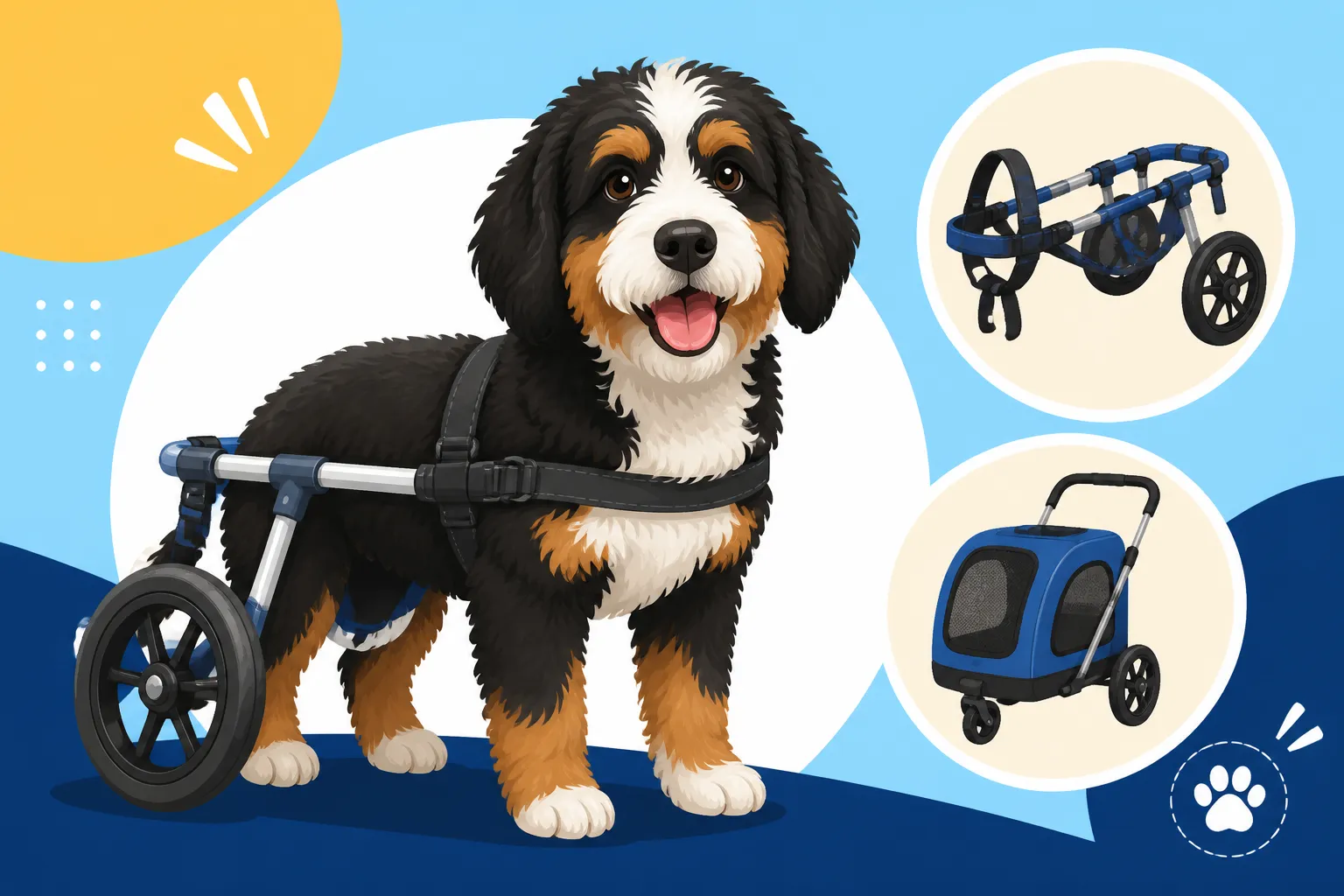
Two-Wheel Carts (Rear Support): These are the most common type and are designed for dogs who still have full use of their front legs but have significant weakness or paralysis in their hind legs. The cart supports the rear of their body, allowing their hind legs to be either strapped up, removing weight bearing, or allowed to touch the ground if they still have some use. This setup lets them "walk" using their strong front legs to pull themselves along while the cart provides stability and propulsion for their back end. Think of it as a rolling support system. This is often the first step when a Bernedoodle dragging a back foot has DM, and it can make a world of difference in their daily walks and outdoor adventures.
-
Four-Wheel Carts (Full Support): Sometimes called "quad carts," these are for Bernedoodles who have weakness not just in their hind legs but also in their front limbs, or those who need full support due to more advanced DM. These carts provide stability and support for all four legs, essentially becoming a mobile platform that allows them to move around with minimal effort. While less common for the initial stages of DM, they are invaluable for dogs whose condition has progressed significantly, or for those with additional orthopedic issues in their front limbs.
Both types of carts usually feature lightweight aluminum frames, adjustable harnesses, and durable wheels designed to navigate various terrains. For a large breed like a Bernedoodle, which can easily reach 70-90 pounds, the robust construction and quality of materials are paramount. You need a cart that can withstand their size and enthusiasm, and that won't buckle under their weight.
Customization and Sizing for Your Bernedoodle
Getting the right fit is absolutely non-negotiable for a Bernedoodle wheelchair. An ill-fitting cart can cause discomfort, rub sores, or even worsen their condition. This isn't a "one size fits all" situation; it’s like tailoring a suit for a specific individual.
First and foremost, accurate measurements are critical. Reputable manufacturers will provide detailed guides on how to measure your dog's height, length, and width to ensure a proper fit. Don’t rush this step, and if possible, have a vet or experienced technician assist you. Because Bernedoodles vary so much in size, from Mini to Standard, each measurement needs to be precise. Standard Bernedoodles, in particular, need larger, stronger frames, while a Tiny Bernedoodle might need a more compact design.
Many high-quality carts offer extensive adjustability. This is fantastic because it means the cart can be fine-tuned to your Bernedoodle's unique physique and can even accommodate slight changes over time. Look for options that allow you to adjust the height, length, and even the angle of the stirrups that hold their hind legs (if using a two-wheel cart). Comfort features are also essential: padded harnesses prevent chafing, especially around the chest and groin areas, and breathable materials help prevent overheating. Some companies like Walkin’ Pets are well-known for their modular designs, offering flexibility that’s crucial for a breed with such variable sizing and build. Other custom-built options, like those from Eddie's Wheels, are meticulously crafted to fit your dog perfectly, providing exceptional support.
| Feature / Cart Type | Two-Wheel (Rear Support) | Four-Wheel (Full Support) |
|---|---|---|
| Primary Use | Hind leg weakness/paralysis | Weakness in all four limbs |
| Dog's Front Legs | Fully weight-bearing & mobile | Supported, reduced weight-bearing |
| Support Provided | Posterior body, hips, hind legs | Full body support, all four legs |
| Maneuverability | Generally easier to turn, lighter | More stable, but wider turning radius |
| Typical Stage | Early to moderate DM progression | Advanced DM or multiple limb issues |
| Weight | Lighter overall | Heavier, more substantial frame |
| Cost | Generally lower | Generally higher |
Introducing Your Bernedoodle to Their New Wheels
This is often where owners feel the most anxiety, but it’s important to approach it with patience and a positive attitude. Your Bernedoodle will pick up on your emotions, so try to make it an exciting new adventure!
The key is gradual introduction. Start by letting them sniff and investigate the cart in a calm environment. Don't force them into it immediately. Once they seem comfortable, gently place them in the harness without attaching the wheels. Let them wear just the harness for short periods, associating it with treats and praise.
When you finally attach the wheels, start with very short sessions in a familiar, flat, and open space, like your living room or a quiet part of your backyard. Use high-value treats and enthusiastic praise. The first few steps might be awkward or hesitant, and that's completely normal. They’re learning a whole new way to move their body. Gently guide them, encouraging forward motion. Think of it like teaching a child to ride a bike – they need a little push and a lot of encouragement. Many dogs quickly realize the freedom the cart offers and adapt surprisingly fast. Some owners find that a little physical therapy, even gentle range-of-motion exercises, before and after using the cart can help their Bernedoodle adjust and build necessary supporting muscle strength. It's truly amazing to witness them rediscover the joy of movement, often zooming around as if they’d been using wheels their whole lives.
The Benefits and Challenges of Using a Mobility Cart
Bringing a wheelchair into your Bernedoodle's life is a significant step, one that promises renewed freedom but also introduces new practicalities. It's a journey filled with incredible moments of joy and, let's be honest, a few logistical puzzles to solve.
Enhancing Quality of Life and Maintaining Independence
The primary and most profound benefit of a mobility cart is the dramatic improvement in your Bernedoodle's quality of life. Watching a dog who was struggling to stand suddenly take off across the park, tail wagging furiously, is an indescribable feeling.
-
Physical Benefits: A cart allows your Bernedoodle to continue exercising, which is vital for maintaining muscle mass in their front legs and core. While their hind legs might not be active in the same way, the exercise helps their cardiovascular health and overall physical condition. It prevents the muscle atrophy that would otherwise occur if they were fully sedentary. Furthermore, continued movement helps stimulate blood flow and can reduce the risk of secondary issues like pressure sores, especially for a large breed like a Bernedoodle. Even if the DM has progressed to where a Bernedoodle with DM can be kept comfortable with pain management, active mobility is key to their holistic well-being.
-
Mental and Emotional Benefits: This might be the most impactful aspect. Dogs thrive on routine, interaction, and the ability to explore. When they lose mobility, they often lose their zest for life. A cart gives them back their independence. They can join family walks, chase squirrels (albeit at a slightly different pace), and interact with other dogs and people on their terms. This mental stimulation and social engagement are crucial. The sight of your Bernedoodle looking joyful and engaged again, rather than frustrated or withdrawn, is the ultimate reward. It reinforces that keeping a Standard Bernedoodle sound past ten isn't just about physical health, but mental vitality too.
-
Impact on the Owner's Daily Life: Let's be real, caring for a Bernedoodle with limited mobility is physically demanding. Lifting a 90-pound dog multiple times a day for potty breaks or walks takes a toll on your back and energy. A cart significantly eases this burden. It allows you to continue enjoying activities with your dog without the constant strain of manual support, transforming daily struggles into shared adventures.
Practical Considerations and Potential Hurdles
While the benefits are immense, it’s also important to be realistic about the practical challenges that come with a Bernedoodle in a wheelchair.
-
Navigating Spaces: Bernedoodles are large dogs, and adding a cart to their frame means they suddenly become much wider and longer. This can make navigating tight doorways, narrow hallways, or crowded spaces a bit of a dance. You might need to rearrange furniture, install ramps where stairs once were, or simply be more mindful of obstacles. Car travel also becomes a consideration; a large cart might not fit easily into every vehicle. You might need a larger car or a special ramp to help them get in and out.
-
Maintenance and Hygiene: The cart itself requires regular cleaning and maintenance. Wheels can get dirty, especially after outdoor adventures, and parts may need occasional lubrication or adjustment. Additionally, a dog using a cart, particularly if they have limited bladder or bowel control due to DM, might need more frequent cleaning. Protecting their skin from rubbing and ensuring the harness is always clean and dry is paramount to prevent sores and infections.
-
Cost Implications: Mobility carts are an investment. High-quality, durable carts built for a large breed like a Bernedoodle can range from several hundred to over a thousand dollars, depending on customization and features. This is where pet insurance, such as Healthy Paws, can be a real lifesaver. Policies often cover significant portions of rehabilitation costs, vet visits, and even assistive devices when prescribed by a veterinarian. It's definitely worth checking if your Healthy Paws policy, or any other pet insurance, offers this kind of support. Beyond the initial cost, consider potential ongoing expenses for replacement parts or vet check-ups related to their mobility.
-
The Emotional Toll: Even with the joy of renewed mobility, living with a dog with DM is emotionally taxing. There will be good days and bad days. You'll mourn the dog they once were while celebrating the dog they are now. It's okay to feel overwhelmed, frustrated, or sad. Lean on support groups, your vet, and your loved ones. Remember, you're doing an amazing job giving your Bernedoodle the best possible life.
Supporting Your Bernedoodle Beyond the Cart
The wheelchair is a fantastic tool, but it's just one piece of the puzzle when caring for a Bernedoodle with Degenerative Myelopathy. A holistic approach that includes complementary therapies, home modifications, and abundant emotional support will ensure your furry friend lives their best possible life.
Complementary Therapies and Home Modifications
Think of the cart as their primary mode of transportation, and these other elements as the infrastructure that supports their entire journey.
-
Physical Therapy and Hydrotherapy: These can be incredibly beneficial. Physical therapy, under the guidance of a certified canine rehabilitation therapist, focuses on maintaining muscle strength in the front limbs, improving core stability, and promoting flexibility. Even gentle range-of-motion exercises can prevent stiffness in their hind legs. Hydrotherapy, or exercising in water, is particularly wonderful because the buoyancy reduces weight-bearing stress on their joints, allowing them to move their legs more freely and build muscle without impact. This can be especially helpful for a heavy Bernedoodle, giving their body a much-needed break from gravity.
-
Ramps and Non-Slip Flooring: As your Bernedoodle's mobility changes, their home environment needs to adapt. Ramps are invaluable for helping them access cars, beds, or even a few steps in the house. This reduces strain on their body and yours. If you have slippery hardwood or tile floors, consider laying down runners or rugs. This provides traction and prevents slips and falls, which can be detrimental to a dog with compromised balance. Something as simple as a few yoga mats or strategically placed throw rugs can make a world of difference. You might also find that beds that support a heavy old Bernedoodle become increasingly important, offering orthopedic support and making it easier for them to rise.
-
Easy Access to Food and Water: Ensure their food and water bowls are easily accessible without them having to strain or walk too far. Raised bowls can be helpful, though some studies suggest they may increase bloat risk in deep-chested breeds, so discuss this with your vet. The key is comfort and convenience.
Daily Care and Emotional Support
Your presence and consistent care are the anchors in your Bernedoodle’s life. With DM, some aspects of daily care become more hands-on.
-
Bladder and Bowel Management: Dogs with advanced DM often lose control of their bladder and bowels. This is a common and challenging aspect of care. Regular potty breaks are essential to prevent accidents and maintain hygiene. Your vet might recommend a schedule, or even manual expression of the bladder if your dog loses the ability to empty it completely. Diapers or belly bands can be useful for managing accidents indoors, but consistent cleaning is vital to prevent skin irritation. Don't be afraid to ask your vet for guidance on this; it's a common issue and they can provide practical tips and resources.
-
Skin Care to Prevent Sores: Even with a well-fitting cart, areas that come into contact with the harness or the ground can be susceptible to pressure sores. Regularly check your Bernedoodle's skin, especially around their armpits, groin, and any areas where their hind legs might drag. Keep these areas clean and dry, and use soothing balms or protective layers if needed. Good grooming habits, keeping their coat tidy, also play a role. When supporting an old Bernedoodle that cannot rise, attention to skin care is even more crucial.
-
Maintaining Mental Engagement: Don't let their physical limitations diminish their mental world. Continue to engage them with toys, puzzle feeders, gentle play, and lots of cuddles. Scent games or chew toys can be excellent ways to keep them entertained and mentally stimulated. Just because they can't run doesn't mean they can't still enjoy life and interact with you. Your ongoing love and attention are the most important therapies of all. Remember, your vet and a reliable pet insurance provider like Healthy Paws can offer ongoing support and cover for these evolving care needs, allowing you to focus on loving your Bernedoodle.
Disclaimer
This article is intended for informational purposes only and is not a substitute for professional veterinary advice. Always consult with a qualified veterinarian regarding your Bernedoodle's specific health condition and treatment options. Medical decisions should be made in consultation with a veterinary professional.