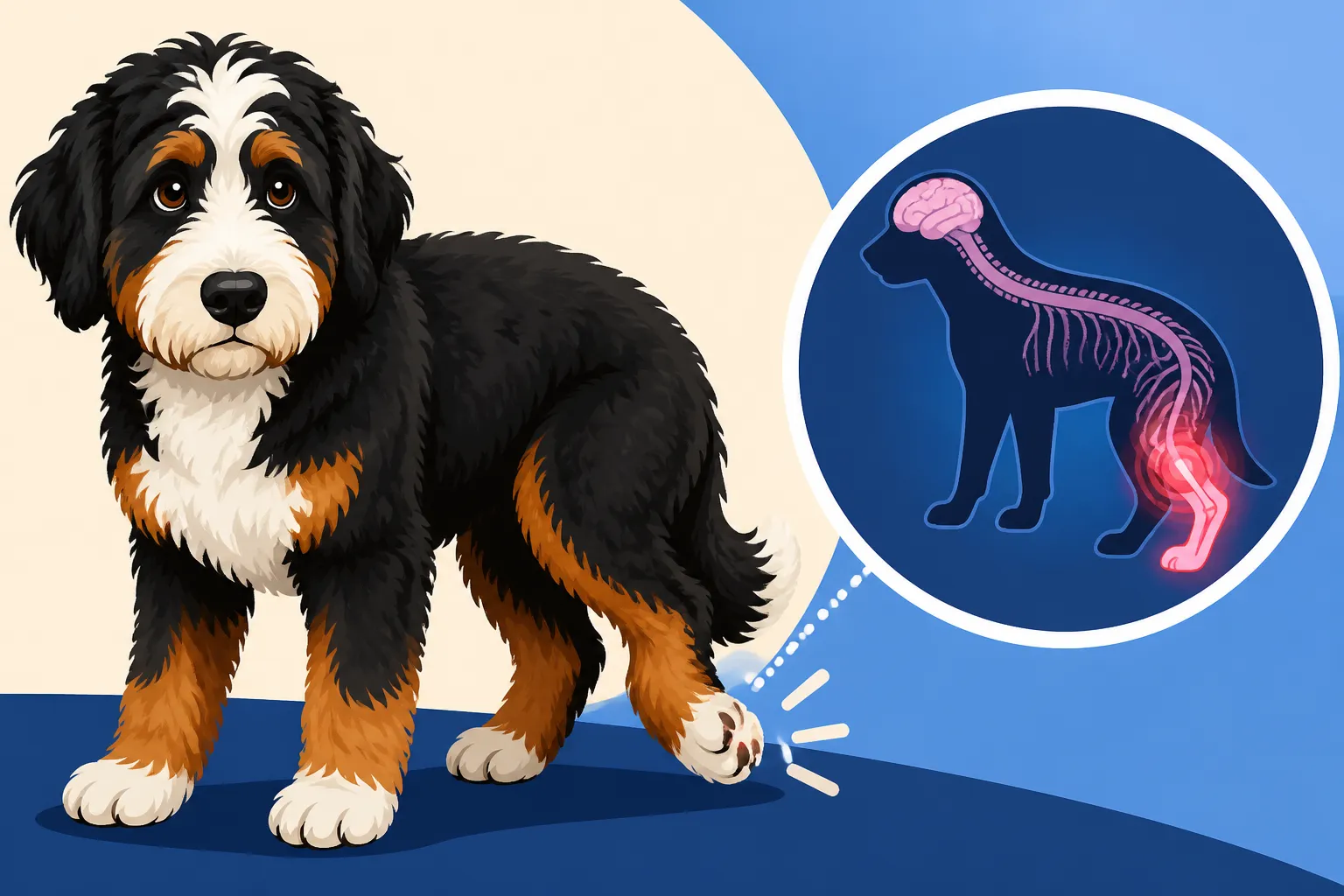
Whether a Bernedoodle Dragging a Back Foot Has DM
Seeing your beloved Bernedoodle suddenly drag a back foot is an incredibly frightening experience that can send any pet parent into an immediate spiral of worry. It's not just a clumsy step; it's a profound change in gait that instantly signals something serious is amiss, often leaving you wondering if this is the dreaded Degenerative Myelopathy. This comprehensive guide is here to walk you through the various possibilities behind such a concerning symptom, focusing particularly on DM, and equipping you with the knowledge to understand, manage, and proactively address your Bernedoodle's hind limb health.
Understanding the Worry Behind a Dragging Back Foot in Bernedoodles
The moment you notice your Bernedoodle's back foot scuffing the ground or dragging even slightly, a wave of panic is a completely natural reaction. Our dogs are family, and seeing them struggle with something as fundamental as walking is heartbreaking. It’s easy to jump to the worst conclusions, especially with a breed like the Bernedoodle, which carries genetic predispositions to certain conditions from its Bernese Mountain Dog lineage.
The Initial Panic and Common Misconceptions
When that unexpected limp or drag appears, your mind probably races through a litany of possibilities. Is it just a sprain from playing too hard in the yard? Did they step on something sharp? Maybe they just slept in an awkward position? These are all common, hopeful initial thoughts, because the alternative—a serious, progressive disease—is something no one wants to contemplate. Many owners might try to rest their dog for a day or two, hoping it's a temporary issue that will resolve itself.
However, a persistent dragging of a back foot, especially without an obvious acute injury like a cut or swelling, warrants immediate attention. For Bernedoodle owners, the words "Degenerative Myelopathy" (DM) often surface quickly in discussions about hind limb weakness, given the breed’s Bernese heritage. This association, while valid, can sometimes lead to premature self-diagnosis, causing undue stress. While DM is a critical consideration, it's just one of several possibilities, and understanding the full spectrum is key to advocating for your dog's health. It’s a common misconception that any dragging back foot must be DM, but the reality is more nuanced.
Other Potential Causes for Hind Limb Weakness
Before settling on DM as the primary suspect, it's crucial to acknowledge that a dragging back foot can stem from a variety of other conditions. Many of these are far more common and, importantly, often more treatable than DM.
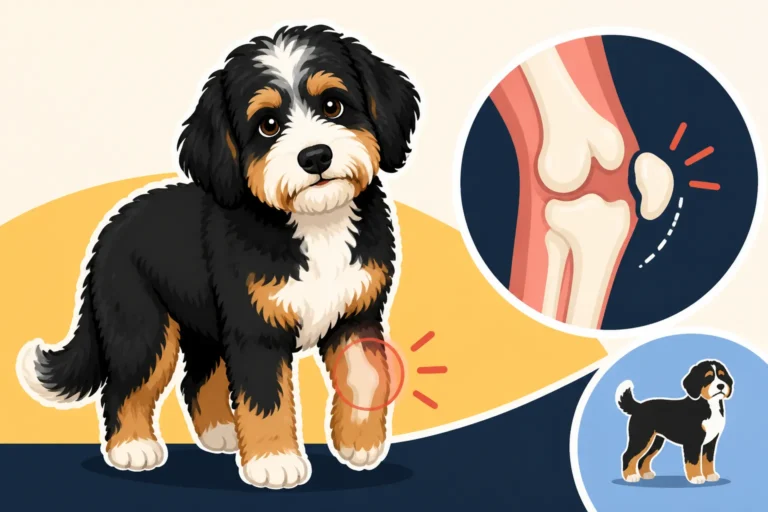
One of the most frequent culprits, especially in larger breeds like Standard Bernedoodles, is Hips on a Ninety Pound Bernedoodle. Hip dysplasia, a genetic condition where the hip joint doesn't form correctly, can lead to pain, instability, and a reluctance to bear weight, manifesting as a dragging or bunny-hopping gait. Similarly, Elbow Dysplasia in a Growing Bernedoodle, though affecting the front limbs, can alter a dog's overall posture and gait to compensate for discomfort, subtly influencing how they use their hind legs. Arthritis, whether primary or secondary to conditions like hip dysplasia, is another major factor, especially in older dogs. Arthritis in a Bernedoodle at Eight can make every step painful, leading to weakness and dragging as the dog tries to avoid discomfort.
Beyond joint issues, neurological problems that aren't DM can also cause hind limb deficits. A slipped or bulging disc in the spine (intervertebral disc disease, IVDD) can compress nerves, leading to pain, weakness, or paralysis in the back legs. Nerve damage from an injury or even certain types of tumors can also present with similar symptoms. Muscle strains or tears, though often more acute, can sometimes cause a chronic dragging if not properly healed. Even seemingly unrelated issues like Lyme disease or other tick-borne illnesses can sometimes cause lameness or neurological symptoms. The point is, while DM is a serious concern, it's vital to let a qualified veterinarian thoroughly investigate all avenues. Without a proper diagnosis, you can't begin effective treatment, and guessing can delay critical interventions for conditions that are treatable.
Degenerative Myelopathy: What Bernedoodle Owners Need to Know
For many Bernedoodle owners, the fear of Degenerative Myelopathy (DM) is a significant one. It's a devastating disease, and understanding its nature, how it relates to your Bernedoodle, and how it differentiates from other conditions is essential for proactive care and peace of mind.
The Genetics and Progression of DM in Bernedoodles
Degenerative Myelopathy is a cruel, progressive neurological disease that affects the spinal cord, specifically the white matter pathways. These pathways are responsible for transmitting motor commands from the brain to the limbs and sensory information back to the brain. When these nerves degenerate, the communication breaks down, leading to uncoordinated movements, weakness, and eventually paralysis.
The heartbreaking truth for Bernedoodle owners is that this disease has a strong genetic link, primarily associated with a mutation in the SOD1 gene. This gene mutation is prevalent in breeds like the Bernese Mountain Dog, one of the foundational parents of the Bernedoodle. While Poodles are generally not prone to DM, the Bernese contribution means that Bernedoodles can inherit this genetic predisposition. If a Bernedoodle inherits two copies of the mutated SOD1 gene (one from each parent), they are considered "at-risk" for developing DM.
The progression of DM is typically slow and insidious, often starting with subtle signs. You might first notice slight scuffing of the back paws, especially on rough surfaces, or perhaps an uneven wear pattern on the nails. This can progress to a wobbly gait, difficulty rising, and eventually, the noticeable dragging of one or both back feet. The dog might also cross their hind legs when standing or walking, or stumble frequently. Eventually, it leads to paralysis of the hind limbs and can then affect the front limbs and even breathing. It's a non-painful disease, which can be both a blessing and a curse; while your dog isn't in pain from the nerve degeneration itself, the physical limitations and eventual paralysis are profoundly impactful. This makes it crucial for breeders to perform The SOD1 Test Both Bernedoodle Parents Need to minimize the risk of producing at-risk puppies.
Differentiating DM from Other Conditions
Distinguishing DM from other causes of hind limb weakness is one of the most significant challenges for veterinarians and owners alike. Because many symptoms overlap with conditions like Hips on a Ninety Pound Bernedoodle or spinal cord compression, a definitive diagnosis of DM often involves a process of exclusion. This can be frustrating, time-consuming, and emotionally draining for families.
Here's how a vet typically approaches it:
- Comprehensive Neurological Exam: The vet will assess reflexes, proprioception (awareness of limb position), muscle mass, and gait. Dogs with DM often show loss of proprioception (knuckling over their paws), absent withdrawal reflexes in the hind limbs, and general hind limb weakness.
- Orthopedic Exam: This helps rule out joint issues like hip or knee problems. X-rays are often performed to visualize the hips, knees, and spine, checking for arthritis, fractures, or signs of hip dysplasia. Telling DM From Hip Disease in a Bernedoodle can be particularly tricky, as both present with hind leg issues. DM often lacks pain in the early stages, while hip dysplasia usually involves pain upon manipulation of the joint.
- Advanced Imaging: An MRI (Magnetic Resonance Imaging) or CT (Computed Tomography) scan of the spine can rule out other spinal cord issues such as disc herniations, tumors, or malformations that could be compressing the spinal cord and causing similar symptoms. These imaging techniques are crucial because if a compressive lesion is found, it might be treatable, which DM is not.
- Genetic Testing: A DNA test for the SOD1 mutation can determine if your Bernedoodle is a carrier, at-risk, or clear. However, it's vital to understand that a positive "at-risk" result (meaning two copies of the mutated gene) does not automatically confirm a diagnosis of active DM. It merely indicates a genetic predisposition. Many dogs that are genetically at-risk never develop clinical signs of DM in their lifetime. On the flip side, some dogs may develop DM-like symptoms without having the SOD1 mutation, pointing to other underlying causes. This is why What an At Risk SOD1 Result Means for a Bernedoodle needs careful interpretation in conjunction with clinical signs and other diagnostic findings. The genetic test is a piece of the puzzle, not the sole determinant of a clinical DM diagnosis.
The diagnostic process is designed to systematically eliminate treatable conditions, leading to DM as a diagnosis of exclusion. This thoroughness is crucial because misdiagnosing DM when another condition is present could mean missing an opportunity for effective treatment.
Managing and Supporting a Bernedoodle with Hind Limb Issues
Discovering your Bernedoodle has hind limb issues, whether it's DM or another condition, is a daunting moment. However, there are many ways to manage symptoms, support your dog, and ensure they maintain the best possible quality of life. The key is prompt veterinary partnership and a commitment to ongoing care.
Early Intervention and Veterinary Diagnosis
The absolute first step when you notice any persistent dragging or weakness in your Bernedoodle’s back feet is to schedule an immediate appointment with your veterinarian. Do not try to self-diagnose based on internet research alone, as many conditions share similar symptoms but require vastly different treatments. Your vet is the best resource to differentiate between a simple sprain, an orthopedic issue, or a more complex neurological disease.
During the visit, expect your vet to perform a thorough physical and neurological examination, which might involve observing your dog's gait, checking reflexes, and assessing pain response. They may recommend diagnostic tests such as X-rays of the hips and spine to look for orthopedic problems like hip dysplasia or spinal anomalies. Blood tests might be run to rule out inflammatory conditions or other systemic illnesses. In some cases, your vet might suggest a referral to a veterinary neurologist for more specialized diagnostics, such as an MRI of the spine, which provides detailed images of soft tissues and nerves, or an The SOD1 Test Both Bernedoodle Parents Need if genetic predisposition is a strong suspicion.
The benefit of early and accurate diagnosis cannot be overstated. Even for conditions like DM, where there is no cure, an early diagnosis allows you to plan for the future, implement supportive therapies, and make informed decisions about your dog's care. For other conditions like disc disease or certain types of arthritis, early diagnosis can lead to interventions that significantly slow progression or even resolve the issue. Pet insurance, like a policy from Healthy Paws, can be incredibly valuable at this stage. It can help offset the potentially high costs of diagnostics, consultations with specialists, and various tests, ensuring you can pursue the most thorough investigation without financial strain becoming a barrier.
Supportive Care and Quality of Life
Regardless of the underlying cause, once a diagnosis is made, the focus shifts to supportive care and maintaining your Bernedoodle's quality of life. This involves a multi-faceted approach tailored to their specific needs.
For Bernedoodles diagnosed with Degenerative Myelopathy, while there's no cure, proactive management can significantly enhance their comfort and mobility for as long as possible. Physical therapy is often recommended, including exercises to maintain muscle mass, improve balance, and stimulate nerve pathways. This can involve hydrotherapy, controlled walks, and specific stretches. As the disease progresses, assistive devices become invaluable. Non-slip booties can help prevent paw scuffing and protect sensitive paws. A supportive harness, especially one that lifts the hindquarters, can assist with standing and walking. Eventually, many DM dogs benefit immensely from Wheelchairs and Carts for a Bernedoodle With DM, allowing them to remain active and enjoy their lives even after they lose the ability to walk independently. It's about adapting, not giving up.
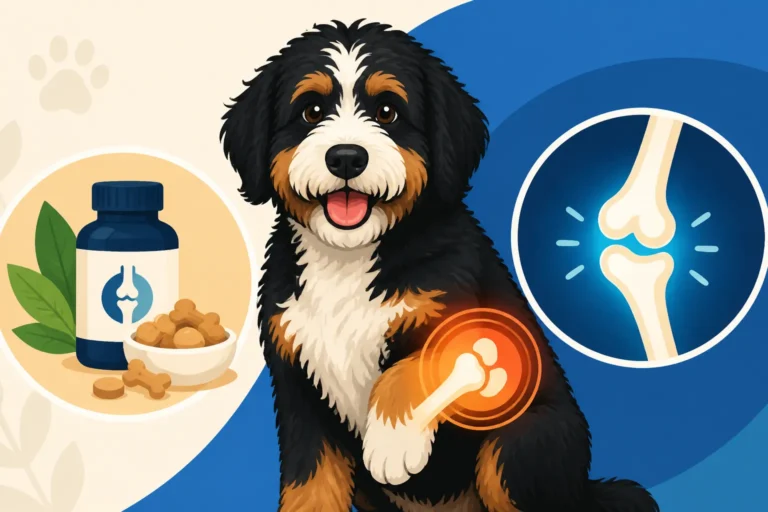
For other hind limb issues, such as severe hip dysplasia or arthritis, pain management is paramount. This can include non-steroidal anti-inflammatory drugs (NSAIDs), other pain medications, and joint supplements containing ingredients like glucosamine, chondroitin, and MSM. Weight management is also critical; even a few extra pounds can put immense strain on compromised joints. Maintaining a healthy weight can drastically reduce pain and improve mobility. For dogs with joint pain, soft orthopedic beds can provide crucial comfort, and strategically placed rugs can help them navigate slippery floors. Ramps are also excellent for helping large Bernedoodles get in and out of cars or onto furniture without straining their joints. Again, having a robust pet insurance plan from Healthy Paws can be a game-changer. It can cover the ongoing costs of medications, supplements, physical therapy sessions, and even specialized equipment, allowing you to focus on your Bernedoodle's well-being without constant worry about the financial burden.
Proactive Steps for Bernedoodle Owners
While it's impossible to guarantee a Bernedoodle will never face health challenges, there are significant proactive steps owners can take to minimize risks and promote a long, healthy, and happy life for their furry family member. Responsible choices, from puppyhood onwards, truly make a difference.
The Importance of Responsible Breeding and Genetic Testing
One of the most impactful decisions you can make as a prospective Bernedoodle owner is choosing a reputable breeder. A responsible breeder is transparent, knowledgeable, and prioritizes the health and well-being of their dogs above all else. They will conduct extensive health screenings on both parent dogs to rule out inheritable conditions common to Bernese Mountain Dogs and Poodles.
For Bernedoodles, this absolutely includes genetic testing for conditions like Degenerative Myelopathy (DM). A good breeder will proudly share the results of their parent dogs' SOD1 gene tests, ensuring that at least one parent is "clear" of the mutation to prevent producing "at-risk" puppies. While a carrier can be bred to a clear dog without producing at-risk puppies, breeding two carriers together is a huge red flag, as it significantly increases the likelihood of puppies being at-risk for developing DM. Whether Both Bernedoodle Parents Should Be SOD1 Tested is a non-negotiable question for any potential buyer.
Beyond DM, look for breeders who perform The Five Clearances a Bernedoodle Breeder Should Have, including evaluations for hip and elbow dysplasia, eye conditions, and Von Willebrand's Disease. These clearances are crucial indicators of a breeder's commitment to reducing inheritable health problems. Don't be afraid to ask for official documentation, such as OFA (Orthopedic Foundation for Animals) or PennHIP certificates. Choosing a puppy from parents with these clearances greatly reduces the risk of your Bernedoodle developing these painful and costly conditions later in life. An unknown pedigree, or one lacking proper health testing, inherently increases the risk of unforeseen health issues, potentially costing your Bernedoodle years of healthy living. Whether an Unknown Pedigree Costs a Bernedoodle Years is a real concern that can be mitigated by choosing wisely.
Maintaining Overall Joint and Neurological Health
Beyond genetic predisposition, daily care and lifestyle choices play a monumental role in your Bernedoodle's long-term health, particularly concerning their joints and neurological system.
Nutrition: Proper nutrition is foundational. For Bernedoodle puppies, especially Standard sizes, it's critical to feed a high-quality large breed puppy food. These formulas are specifically designed with controlled calcium and phosphorus levels to promote slow, steady growth, which is vital for proper bone and joint development. Rapid growth on a standard puppy food can exacerbate conditions like hip and elbow dysplasia. Growing a Standard Bernedoodle Slowly on Purpose is a widely accepted practice to protect their developing skeletal system. Once they reach maturity, transition them to a large breed adult formula appropriate for their activity level.
Exercise: While Bernedoodles are energetic, especially when young, appropriate exercise is key. Avoid high-impact activities like excessive jumping, long runs on hard surfaces, or strenuous agility work during their crucial growth phases. The Exercise a Bernedoodle Puppy Should Not Do includes forced, repetitive movements that can stress developing joints. Instead, opt for moderate, controlled exercise like leash walks, supervised play in a soft yard, and swimming. As they mature, ensure they get consistent daily exercise to maintain muscle tone and a healthy weight, which supports joint health.
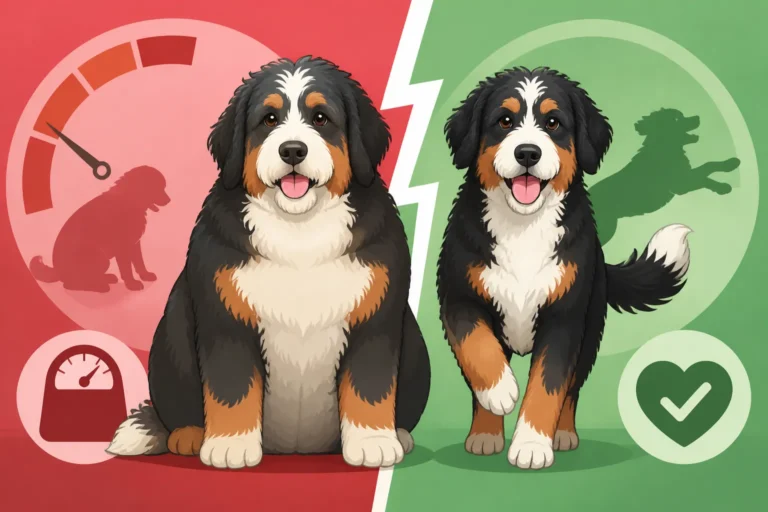
Weight Management: Keeping your Bernedoodle at a lean, healthy weight is perhaps one of the most critical factors in preventing and managing joint issues. Excess weight puts tremendous strain on hips, elbows, and spines, accelerating the onset and severity of conditions like arthritis and hip dysplasia. Whether an Overweight Bernedoodle Loses Years is not an exaggeration; obesity significantly impacts a dog's lifespan and quality of life. Work with your vet to determine the ideal weight for your Bernedoodle and adjust their diet and exercise accordingly.
Regular Veterinary Check-ups: Routine vet visits are not just for vaccinations. They allow your veterinarian to monitor your Bernedoodle's overall health, catch subtle changes early, and address any concerns before they escalate. Early detection of joint stiffness, changes in gait, or neurological signs can lead to prompt intervention and better outcomes. This is also where a pet insurance policy, such as one from Healthy Paws, really shines. Establishing coverage when your Bernedoodle is young and healthy means that should any unexpected health issues arise, including those affecting mobility or neurological function, you'll have the financial support to provide the best possible care throughout their life. It's an investment in their future health and your peace of mind.
Disclaimer
The information provided in this article is for general informational purposes only and is not a substitute for professional veterinary advice, diagnosis, or treatment. Always seek the advice of your veterinarian or other qualified animal health provider with any questions you may have regarding a medical condition. Never disregard professional veterinary advice or delay in seeking it because of something you have read in this article.