Whether Joint Supplements Help a Bernedoodle
It's heartbreaking to see your bouncy Bernedoodle puppy or your seasoned companion start to slow down, struggle with stairs, or hesitate before jumping into the car. Many of us Bernedoodle parents are constantly wondering how to best support our furry family members, especially when it comes to their precious joints. This guide aims to thoroughly explore whether joint supplements can truly make a difference in your Bernedoodle's joint health, what to look for, and when it might be the right time to start.
The Bernedoodle's Joint Predicament: Why They're Prone to Problems
Let's be real, Bernedoodles are magnificent dogs, a lovely blend of the stoic Bernese Mountain Dog and the intelligent Poodle. But with that wonderful lineage comes a predisposition to certain health challenges, especially concerning their musculoskeletal system. It's not a scare tactic; it's just the reality of their genetics and growth patterns.
Inherited Susceptibilities from Parent Breeds
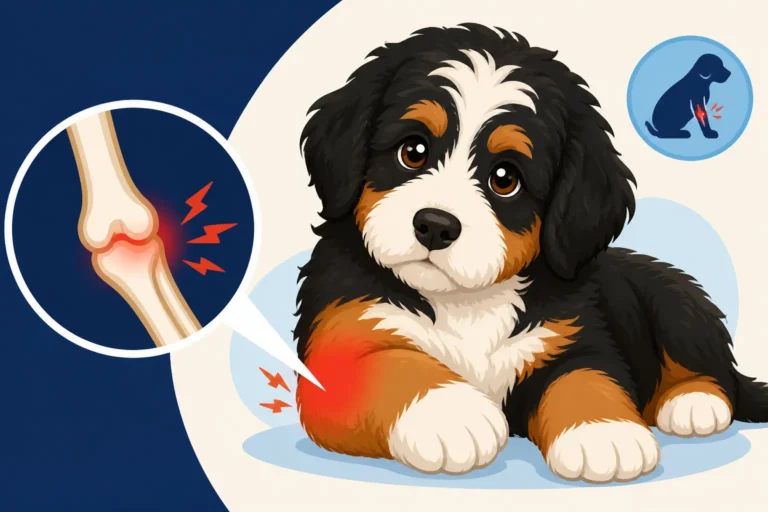
When you combine two large-to-standard sized breeds, you inherit a blend of their genetic traits – the good, the goofy, and sometimes, the not-so-great. Both the Bernese Mountain Dog and the Standard Poodle, the most common parent breeds for Bernedoodles, are known to carry genes for conditions like hip and elbow dysplasia. Hip dysplasia is a malformation of the hip joint, where the ball and socket don't fit together properly, leading to grinding and eventual arthritis. Elbow dysplasia is similar, affecting the elbow joint and manifesting as lameness or pain. It's a cruel twist of fate for these otherwise robust dogs, and it’s something many breeders diligently screen for. If you're looking at a puppy, always ask about The Five Clearances a Bernedoodle Breeder Should Have.
While ethical breeders do their absolute best to screen parent dogs and avoid passing on these traits, genetics aren't always a perfect science. Even with clear parentage, a puppy can still develop issues due to the complex inheritance patterns of these polygenic diseases. This uncertainty is a major source of anxiety for many Bernedoodle owners, making them seek out every possible way to give their dogs the best chance at a pain-free life.
Rapid Growth and Strain on Developing Joints
Another significant factor contributing to joint concerns in Bernedoodles, particularly the standard and even mini sizes, is their incredibly rapid growth. These puppies pack on pounds at an astonishing rate, sometimes gaining several pounds a week in their first few months. This explosive growth puts immense stress on their still-developing bones, cartilage, and ligaments. Imagine a building being constructed at double speed – the foundational elements need to be incredibly strong to keep up.
This rapid development can exacerbate any underlying genetic predispositions. Over-exercising a young Bernedoodle, letting them jump off high furniture, or even allowing them to repeatedly climb stairs at too young an age can put undue strain on their soft, growing joints. This is why many vets and experienced Bernedoodle owners advocate for Growing a Standard Bernedoodle Slowly on Purpose and adhere to strict guidelines like The Five Minute Rule on a Bernedoodle Puppy's Walks to protect those vulnerable joints during their crucial developmental period. The concern isn't just about avoiding obvious injuries but also about preventing subtle microtraumas that can lead to problems later in life.
Decoding Joint Supplements: What's Inside and What It Does
So, you've identified the potential risks, and now you're wondering about prevention and support. Joint supplements are often the first thing that comes to mind for proactive owners. But what exactly are these supplements, and what are their key ingredients supposed to do? It can feel like walking into a labyrinth of confusing scientific terms and marketing claims, so let’s break it down.
Key Ingredients and Their Purported Benefits
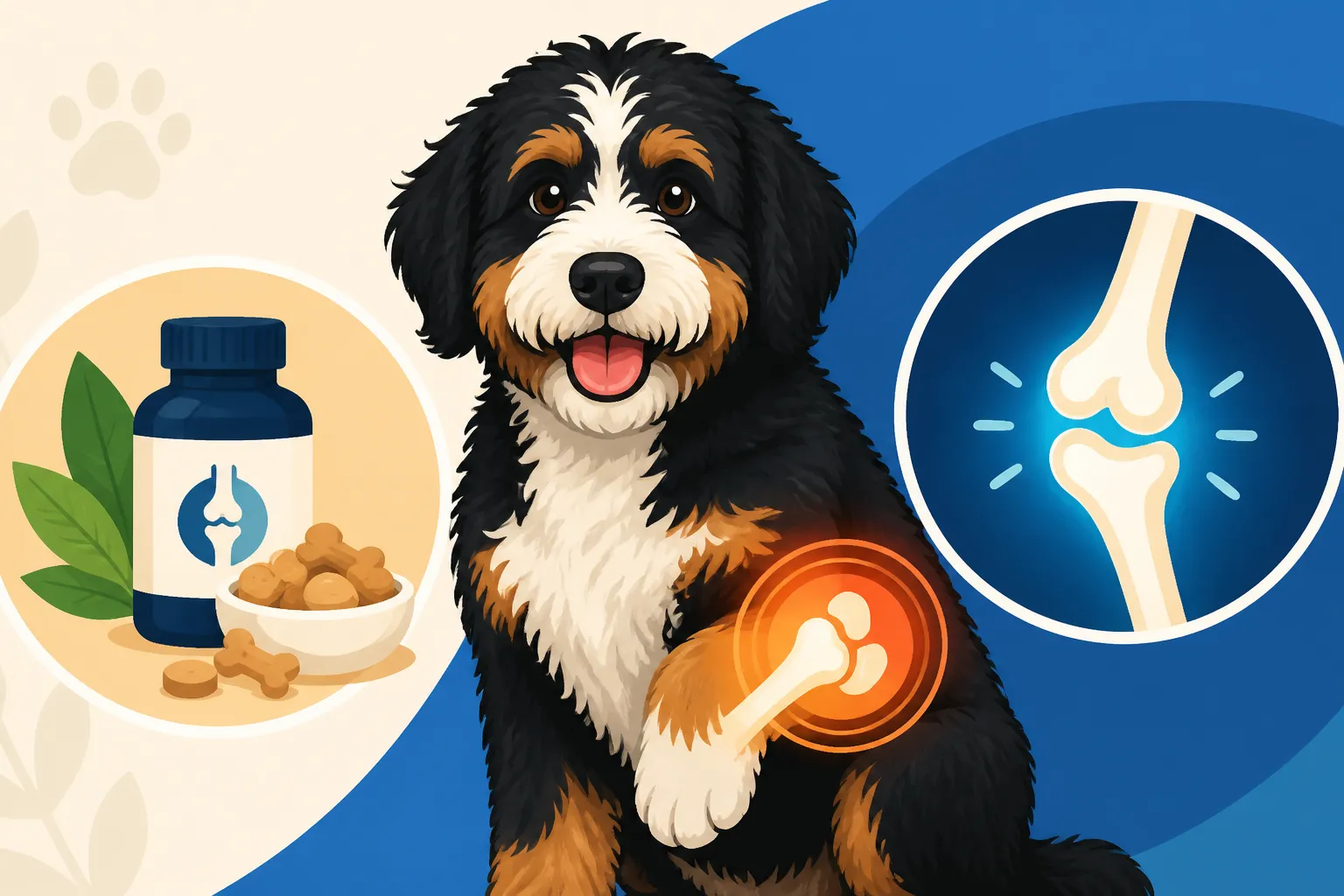
Most joint supplements for dogs contain a cocktail of ingredients aimed at supporting cartilage, reducing inflammation, and improving overall joint function. Here's a look at the most common players you'll find on the label:
- Glucosamine: This is arguably the most well-known ingredient. Glucosamine is an amino sugar that plays a crucial role in building and repairing cartilage, which acts as a cushion between bones in a joint. The theory is that by providing supplemental glucosamine, you give the body the building blocks it needs to maintain healthy cartilage, potentially slowing down its breakdown and supporting its repair. It's often sourced from shellfish.
- Chondroitin Sulfate: Frequently paired with glucosamine, chondroitin is another natural component of cartilage. It's believed to help cartilage retain water, improving its elasticity and shock-absorbing properties. Chondroitin is also thought to inhibit enzymes that can break down cartilage and stimulate its repair mechanisms. Together, glucosamine and chondroitin are considered a powerful duo in many formulations.
- MSM (Methylsulfonylmethane): MSM is a naturally occurring sulfur compound with anti-inflammatory and pain-reducing properties. Sulfur is essential for connective tissue formation, and MSM is thought to help reduce pain and inflammation associated with arthritis and other joint conditions. It’s often included to provide relief from discomfort.
- Omega-3 Fatty Acids (EPA & DHA): These are usually sourced from fish oil (like salmon or sardine oil). Omega-3s, particularly EPA (eicosapentaenoic acid) and DHA (docosahexaenoic acid), are renowned for their potent anti-inflammatory effects throughout the body, including the joints. While not directly building cartilage, they help reduce the inflammatory processes that contribute to joint pain and degeneration. This can be a huge benefit for dogs suffering from stiffness and discomfort.
- Hyaluronic Acid (HA): Hyaluronic acid is a key component of synovial fluid, the lubricating fluid found in joints. It helps maintain the viscosity of this fluid, allowing for smooth movement and acting as a shock absorber. Supplements containing HA aim to support healthy joint lubrication and reduce friction.
- Ascorbic Acid (Vitamin C): Often included as an antioxidant, Vitamin C plays a role in collagen production, a vital protein for healthy cartilage and connective tissues. While dogs can produce their own Vitamin C, extra supplementation might be included for its antioxidant and collagen-supportive properties.
These ingredients work synergistically, meaning they often have a greater effect when combined than when given individually. The goal is to address multiple aspects of joint health, from structural support to inflammation reduction.
The Science Behind the Claims
It's important to approach joint supplements with a realistic perspective. While anecdotal evidence from countless dog owners and some veterinarians is overwhelmingly positive, the scientific community has had a more nuanced view. Studies on the efficacy of glucosamine and chondroitin in particular have yielded mixed results in dogs, with some showing significant improvement in pain and mobility, and others finding no statistical difference compared to a placebo.
This variability can be due to several factors: the quality and purity of the supplements used in studies, the dosage, the duration of treatment, and the severity of the joint condition being treated. What is clear, however, is that these supplements are generally considered safe with very few side effects, especially when compared to prescription anti-inflammatory medications.
Think of it this way: joint supplements are often seen as nutraceuticals, bridging the gap between nutrition and pharmaceuticals. They are not a cure-all, especially for severe cases of Hips on a Ninety Pound Bernedoodle or Elbow Dysplasia in a Growing Bernedoodle that might require surgery. However, for many dogs, particularly those with mild to moderate osteoarthritis or those at high risk due to their breed, they can offer significant supportive benefits, improving comfort and mobility over time. The consensus is that while the evidence isn't always perfectly "gold standard" clinical trial level, the potential benefits often outweigh the minimal risks, particularly for long-term proactive care.
Here’s a quick overview of some common joint supplement ingredients:
| Ingredient | Primary Role | Potential Benefit for Bernedoodles |
|---|---|---|
| Glucosamine | Building block for cartilage, stimulates cartilage repair | Supports healthy cartilage, may slow degeneration |
| Chondroitin Sulfate | Maintains cartilage elasticity, inhibits degrading enzymes | Improves shock absorption, helps cartilage retain water |
| MSM | Anti-inflammatory, pain-reducing, essential for connective tissue | Reduces joint pain and inflammation, supports tissue health |
| Omega-3 Fatty Acids | Potent anti-inflammatory, antioxidant | Alleviates pain and stiffness, reduces inflammatory response |
| Hyaluronic Acid | Component of synovial fluid, joint lubrication | Improves joint lubrication, reduces friction and wear |
| Vitamin C | Antioxidant, essential for collagen production | Supports connective tissue health, overall joint integrity |
Timing and Selection: When to Start and How to Choose
Deciding when to start joint supplements and which one to pick can feel like a big responsibility. With so many products on the market, each claiming to be the best, it's easy to get overwhelmed. The most crucial first step is always to consult with your veterinarian. They know your Bernedoodle's individual health history, breed predispositions, and can help you make an informed decision based on their professional judgment.
Proactive vs. Reactive: When to Introduce Supplements
This is a common question among Bernedoodle owners. Do you wait until you see signs of stiffness, or do you start earlier as a preventative measure?
- Proactive Approach (Prevention): Many vets and experienced breeders advocate for starting joint supplements early, often around 1-2 years of age, or even earlier in puppies with known predispositions or particularly rapid growth. The idea here is to provide the joints with continuous support before significant wear and tear or degenerative changes begin. For a large, active breed like the Bernedoodle, which is prone to conditions like hip and elbow dysplasia, this proactive approach can be quite appealing. It’s about building and maintaining healthy cartilage and joint fluid from the outset. You might find yourself asking Whether a Bernedoodle Needs Glucosamine From a Year Old, and for many, the answer is a cautious yes, under vet guidance.
- Reactive Approach (Treatment/Management): If your Bernedoodle is already showing signs of joint pain, stiffness, difficulty getting up, or lameness – symptoms that might indicate Arthritis in a Bernedoodle at Eight or even earlier issues – supplements can be introduced as part of a treatment plan. In these cases, the goal is often to alleviate pain, reduce inflammation, and slow the progression of joint degeneration. Supplements alone might not be enough, and your vet might recommend combining them with other therapies like anti-inflammatory medications, physical therapy, or even surgery for severe conditions.
The best time to start is a discussion tailored to your individual dog. A giant Bernedoodle puppy from a line with known joint issues might benefit from a gentle, vet-approved regimen earlier than a smaller, less predisposed individual.
What to Look For in a Quality Joint Supplement
Navigating the supplement aisle can be daunting. Here’s what discerning Bernedoodle owners should prioritize:
- Veterinarian Recommendation: Seriously, this is number one. Your vet can guide you to reputable brands they trust and that have shown efficacy in their practice. They can also advise on appropriate dosages for your dog's size and age.
- Active Ingredients and Potency: Check the label for the specific ingredients discussed above (glucosamine, chondroitin, MSM, omega-3s, etc.) and their concentrations. Different brands will have varying amounts, and potency matters, especially for a larger dog. Look for products where these ingredients are listed clearly, ideally with an analysis of guaranteed amounts.
- Source and Purity: Quality matters. Look for supplements from reputable manufacturers that source high-quality ingredients. Some companies offer certificates of analysis (COAs) from third-party testing, which verify the product's purity and ingredient content. This helps ensure you’re getting what’s advertised and not unwanted contaminants.
- Formulation (Chews, Powders, Liquids): Supplements come in various forms. Chewable tablets or treats are often easiest for most dogs, but powders can be mixed into food, and liquids can be squirted directly. Consider what your Bernedoodle will most readily accept – consistency is key for efficacy.
- Brand Reputation and Reviews: While not a substitute for vet advice, positive reviews from other large dog owners can offer insights. Brands that have been around for a while and specialize in pet health often have more rigorous quality control. When considering brands, it's good to know which ones are often recommended by vets or supported by pet insurance providers like Healthy Paws, who often see the long-term benefits of preventative care.
- Absence of Fillers and Allergens: Be wary of supplements packed with unnecessary fillers, artificial colors, or flavors. If your Bernedoodle has food sensitivities, carefully check for common allergens like corn, wheat, or soy.
- NSF or NASC Seal: In the United States, look for products that carry the National Animal Supplement Council (NASC) seal. This indicates that the manufacturer adheres to certain quality control standards and manufacturing practices, though it doesn't guarantee efficacy.
Remember, a higher price doesn't always guarantee a better product, but extremely cheap options might cut corners on ingredient quality or concentration. Always prioritize transparency and veterinary trust.
Beyond the Bottle: A Holistic Approach to Joint Health
While joint supplements can be a fantastic tool in your Bernedoodle's health arsenal, they are just one piece of a much larger puzzle. Optimal joint health is a holistic endeavor that involves nutrition, appropriate exercise, weight management, and sometimes, environmental adjustments. Relying solely on a supplement without addressing these other areas is like patching a leaky roof while the foundation is crumbling.
The Role of Diet and Weight Management
What goes into your Bernedoodle's bowl has a profound impact on their entire body, including their joints. A high-quality diet provides the essential nutrients for strong bones, healthy cartilage, and overall vitality. For a rapidly growing Bernedoodle puppy, feeding a large-breed specific formula is often recommended. These diets are typically formulated with controlled calcium and phosphorus levels to support slower, more even bone growth, which can help prevent developmental orthopedic diseases.
Weight management is perhaps one of the most critical, yet often overlooked, factors in joint health. An overweight Bernedoodle carries extra strain on every single joint – their hips, elbows, knees, and spine. Even a few extra pounds can significantly exacerbate conditions like arthritis or accelerate the degeneration of already compromised joints. Imagine carrying a heavy backpack all day, every day – that's what being overweight feels like for your dog's joints. If your Bernedoodle is carrying too much weight, not only does it stress their joints, but it also increases systemic inflammation throughout their body. This is why Whether an Overweight Bernedoodle Loses Years is a valid concern; excess weight genuinely impacts longevity and quality of life. Regular body condition scoring, portion control, and healthy treats are crucial. If you're unsure, ask your vet to assess your dog's ideal weight and help you create a plan.
Tailored Exercise and Physical Therapy
Exercise is vital for maintaining muscle mass, which in turn supports and stabilizes joints. However, the type and amount of exercise are paramount for a Bernedoodle. Over-exercising a puppy or a dog with existing joint issues can be detrimental, but under-exercising can lead to weak muscles and weight gain. It's a delicate balance.
For puppies, short, controlled play sessions are better than long, strenuous runs. As they mature, a combination of walks, swimming, and gentle play can be ideal. Swimming is particularly excellent for joint health as it provides a low-impact workout that builds muscle without stressing the joints. For older Bernedoodles or those with known joint problems, your vet might recommend specific exercises or even a course of physical therapy. A certified canine rehabilitation therapist can develop a tailored program, including therapeutic exercises, hydrotherapy, and modalities like laser therapy, to improve strength, flexibility, and reduce pain. They can also teach you Exercise That Suits a Bernedoodle With Bad Elbows or other specific conditions.
Think about supportive care too – things like orthopedic beds, ramps to avoid jumping, or even elevated food bowls for deep-chested breeds at risk of bloat, which also benefits those with joint pain by not forcing them to stoop low. Managing Arthritis in an Old Bernedoodle often involves a multi-pronged approach that includes supplements, pain management, and environmental adaptations. When dealing with ongoing health concerns like joint issues, remember that a good pet insurance plan from a provider like Healthy Paws can offer peace of mind, covering a significant portion of these varied and often costly treatments, allowing you to focus on your dog's health rather than the bills.
Regular Veterinary Care and Monitoring
Finally, consistent veterinary care is non-negotiable. Regular check-ups allow your vet to monitor your Bernedoodle's weight, gait, and overall joint health. They can catch subtle changes early, recommend diagnostics like X-rays if needed, and adjust your dog's health plan. This includes discussing the ongoing efficacy of any joint supplements you're using and making recommendations for stronger medications if the condition progresses.
Sometimes, especially with older dogs or those struggling with severe mobility, your vet might suggest interventions like pain medication (NSAIDs), injections (like Adequan or Librela), or even surgery. The conversation around Supporting an Old Bernedoodle That Cannot Rise is a tough one, but having a trusted veterinary partner to navigate these decisions is invaluable. Remember, supplements are aids, not replacements for professional medical care. Working closely with your vet ensures that you're providing the most comprehensive and effective care for your beloved Bernedoodle's joints throughout their life.
Disclaimer
The information provided in this article is for general informational purposes only and is not intended as a substitute for professional veterinary advice, diagnosis, or treatment. Always seek the advice of your veterinarian or other qualified animal health provider with any questions you may have regarding a medical condition or treatment for your pet. Never disregard professional veterinary advice or delay in seeking it because of something you have read here.