Whether a Bernedoodle Needs Glucosamine From a Year Old
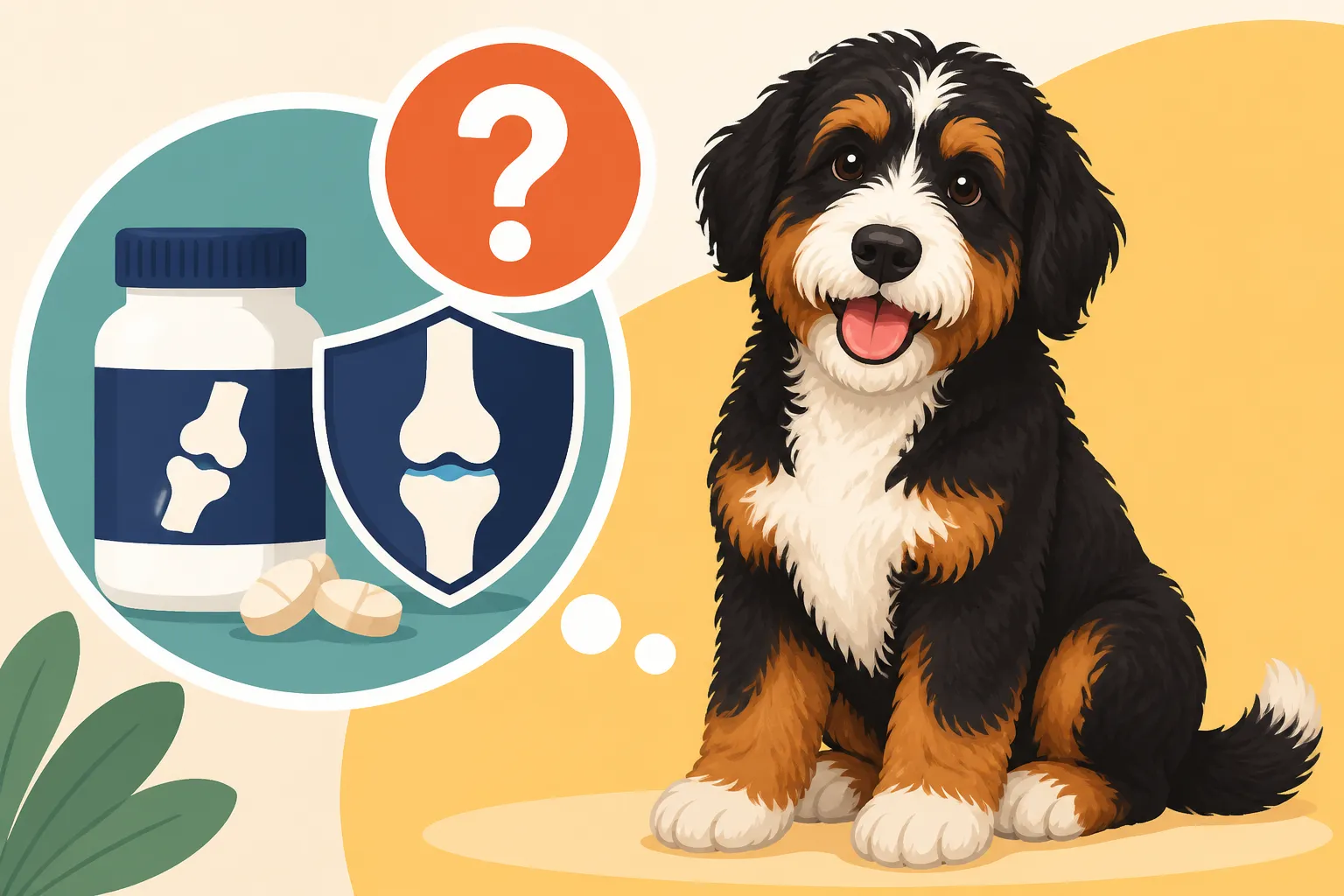
It's a common worry for Bernedoodle parents, isn't it? You look at your beautiful, often large, furry companion and think about their future. Given their Bernese Mountain Dog lineage, joint health is often at the forefront of our minds, and the question of when—or even if—to start preventative measures like glucosamine can feel overwhelming. This guide is here to cut through the confusion and give you a clear, empathetic look at whether a Bernedoodle needs glucosamine from a year old, and what else you can do to support their precious joints.
The Bernedoodle's Joint Predisposition: Why Glucosamine is on Your Radar
Let's be honest, part of the immense appeal of the Bernedoodle is that wonderful, gentle giant persona inherited from the Bernese Mountain Dog. But with that comes the awareness of certain health predispositions, especially concerning their joints. It’s not just a casual thought; it's a genuine concern for their long-term comfort and mobility.
Inheriting the Bernese Joint Challenges
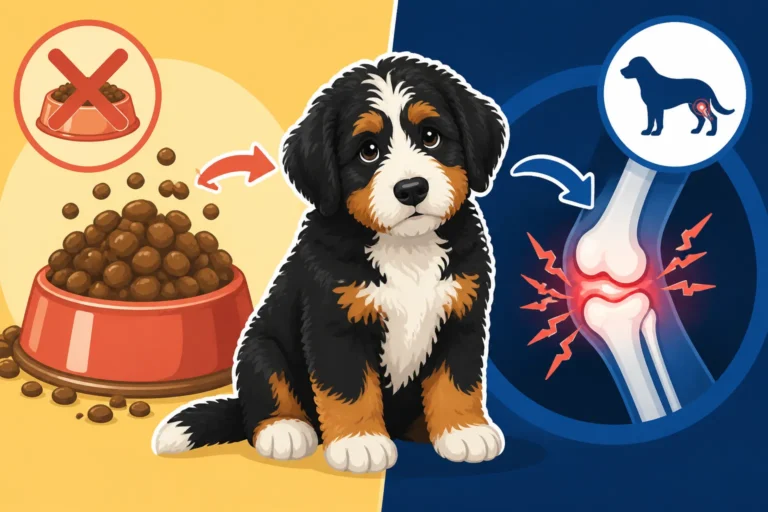
The Bernese Mountain Dog, while magnificent, is unfortunately known for a few significant orthopedic issues. Hip dysplasia and elbow dysplasia are at the top of that list. These conditions aren't just minor aches and pains; they are debilitating developmental abnormalities of the joints that can lead to chronic pain, arthritis, and significantly impact a dog's quality of life. When you bring a Bernedoodle into your home, you're embracing a dog that carries a percentage of this genetic predisposition. It's why responsible breeders are so diligent about screening their parent dogs for these conditions, and it's why you, as an owner, are wise to be proactive. You want to give your Bernedoodle every possible advantage against these potential challenges. For more on specific issues, you might find Hips on a Ninety Pound Bernedoodle and Elbow Dysplasia in a Growing Bernedoodle insightful reads.
The Poodle Influence and "Hybrid Vigor"
Now, on the other side of the Bernedoodle equation, you have the Poodle. Poodles, particularly Standard Poodles, are generally a healthier breed with a longer average lifespan. They still have their own orthopedic concerns, like patellar luxation (slipping kneecaps), but they are not as widely afflicted by hip and elbow dysplasia to the same degree as the Bernese. The hope with a crossbreed like the Bernedoodle is often that "hybrid vigor" will step in, reducing the incidence of these inherited diseases. While hybrid vigor can indeed lead to increased genetic diversity and sometimes improved health outcomes, it's not a magic bullet. Your Bernedoodle still carries genes from both parents, meaning the potential for Bernese-related joint issues remains. It doesn't disappear just because they're a "designer dog." It’s a nuanced balance, and understanding that your dog might still be at risk, even with the Poodle genetics, is crucial for effective care.
What's Happening in Your One-Year-Old Bernedoodle's Joints?
Your Bernedoodle at one year old is truly in a unique stage of development. They might look fully grown on the outside, a substantial fluffy dog running around the house, but their skeletal system might tell a different story. This is a critical period for their joint health, and it's where much of the discussion about early intervention with supplements like glucosamine comes into play.
The Nuances of Growth Plates and Skeletal Maturity
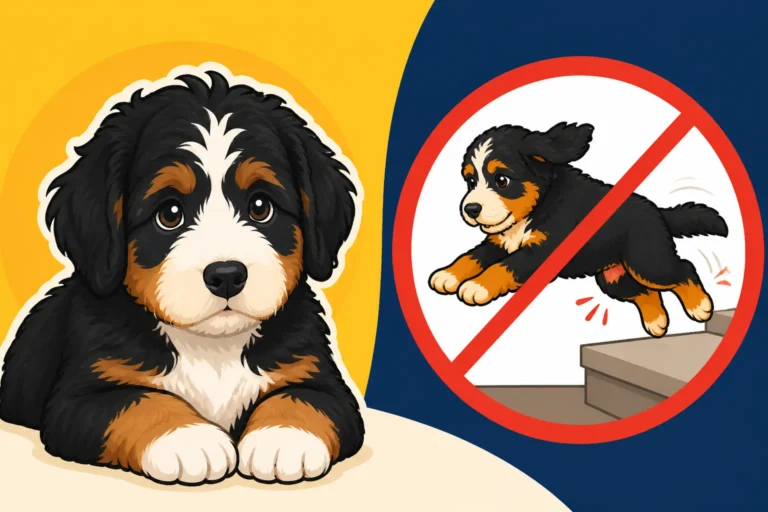
For many large and giant breeds like the Bernedoodle, skeletal maturity isn't reached until they're 18 months to two years old, sometimes even a bit later for the largest individuals. This means that at one year old, while your Bernedoodle might be at or near their adult height, their growth plates—the areas of cartilage at the end of long bones where new bone is produced—are likely still open or have only very recently closed. These growth plates are incredibly vulnerable to injury, stress, and abnormal development. Too much strenuous exercise, jumping from heights, or even excessive weight can cause damage that impacts their long-term joint health. It's a delicate balance; you want them to be active and happy, but you also need to protect these still-developing structures. This is why conversations about The Five Minute Rule on a Bernedoodle Puppy's Walks and Whether Stairs Hurt a Standard Bernedoodle Puppy are so important.
Distinguishing Normal Puppy Antics from Subtle Discomfort
At one year old, your Bernedoodle still has a lot of puppy energy, even if they're quite large! They're often clumsy, enthusiastic, and sometimes seem oblivious to their own size. It can be incredibly hard to tell if a slight limp, a hesitant jump, or a slower pace after a play session is just part of normal puppy clumsiness or a genuine sign of joint discomfort. This ambiguity is a source of real frustration for many owners. Are they just tired, or is something hurting? Are they simply being a goofy Bernedoodle, or is there an underlying issue starting to brew? It’s a gray area that emphasizes the importance of knowing your dog's normal behavior and watching for persistent or worsening signs. Early detection, even of subtle issues, can make a world of difference in managing potential conditions like Loose Hips in a Growing Standard Bernedoodle.
Deciding on Glucosamine: When, What, and How
The decision to start a joint supplement like glucosamine isn't one-size-fits-all. There are passionate arguments on both sides: those who advocate for early, preventative use, and those who prefer to wait for clear signs of need. Understanding the different components of these supplements and how to choose them is key.
The Argument for and Against Early Supplementation
Starting glucosamine at around a year old for a Bernedoodle often stems from the proactive mindset of trying to prevent or mitigate the severity of joint issues later in life. Glucosamine is a natural compound found in healthy cartilage, and the idea is that supplementing it can support cartilage health, improve joint lubrication, and reduce inflammation. For a breed predisposed to conditions like hip and elbow dysplasia, giving their bodies extra building blocks might sound like a no-brainer.
However, some veterinarians and experts suggest waiting. They argue that if a dog isn't showing signs of joint issues, their body might be perfectly capable of producing enough glucosamine naturally. They also highlight that there isn't always robust scientific evidence proving that preventative supplementation in perfectly healthy, young dogs definitively prevents dysplasia or other genetic conditions. Some even worry about over-supplementation or giving too much of a good thing when it's not truly needed. It's a classic case of balancing the desire for prevention with the practicalities and scientific backing.
Ultimately, this is a conversation you absolutely need to have with your veterinarian. They know your individual dog, their lineage (if you have breeder information), and can assess their current joint health. They can help you weigh the potential benefits against any concerns.
Understanding Different Joint Supplement Ingredients
When you start looking at joint supplements, you'll quickly realize that glucosamine rarely stands alone. It's often combined with other beneficial ingredients. Here’s a quick rundown of what you'll typically find:
- Glucosamine: The star player, believed to help repair and form cartilage. It comes in various forms, like glucosamine hydrochloride and glucosamine sulfate.
- Chondroitin Sulfate: Often paired with glucosamine, it helps maintain cartilage elasticity and can inhibit enzymes that break down cartilage.
- MSM (Methylsulfonylmethane): A natural anti-inflammatory that can help reduce pain and swelling in joints.
- Omega-3 Fatty Acids (EPA & DHA): These healthy fats, often derived from fish oil, are powerful anti-inflammatories that support overall joint health and can be beneficial for skin and coat too.
- Hyaluronic Acid (HA): A component of synovial fluid, which lubricates the joints. Supplementing HA can improve joint fluid viscosity.
| Ingredient | Primary Benefit | Common Pairing |
|---|---|---|
| Glucosamine | Supports cartilage repair and formation | Chondroitin, MSM |
| Chondroitin Sulfate | Maintains cartilage elasticity, inhibits breakdown | Glucosamine |
| MSM | Natural anti-inflammatory, pain and swelling reduction | Glucosamine, Chondroitin |
| Omega-3 Fatty Acids | Powerful anti-inflammatory, overall joint and skin health | Often stand-alone or with multi-vitamins |
| Hyaluronic Acid | Improves joint lubrication and fluid viscosity | Often with other joint support |
Choosing and Sourcing Quality Supplements
If you and your vet decide to move forward with joint supplements, quality matters immensely. Look for products from reputable brands that specifically formulate for dogs. You want to ensure the ingredients are high-quality and the dosages are appropriate for your Bernedoodle's size. Read labels carefully and check for third-party certifications if possible, which indicate that the product has been tested for purity and potency.
You'll find a vast array of options, from chewable tablets and soft chews to powders that you can sprinkle over their food. The best one is ultimately the one your Bernedoodle will actually eat! Many owners find great options on platforms like Chewy, which offers a wide selection of veterinary-approved brands, or Amazon, where you can read reviews and compare products. Some dog food brands, like Ollie, might even incorporate joint-supporting ingredients into their recipes, though often at lower, maintenance levels. Always discuss the specific product with your vet before introducing it, especially if your Bernedoodle is on any other medications or has other health concerns.
More Than Just a Pill: Comprehensive Joint Care for Your Bernedoodle
While glucosamine can be a valuable tool, it's really just one piece of a much larger puzzle when it comes to supporting your Bernedoodle's joint health. A truly comprehensive approach integrates several key lifestyle factors that work in harmony to keep those joints happy and healthy for years to come.
Maintaining an Ideal Weight: The Cornerstone of Joint Health
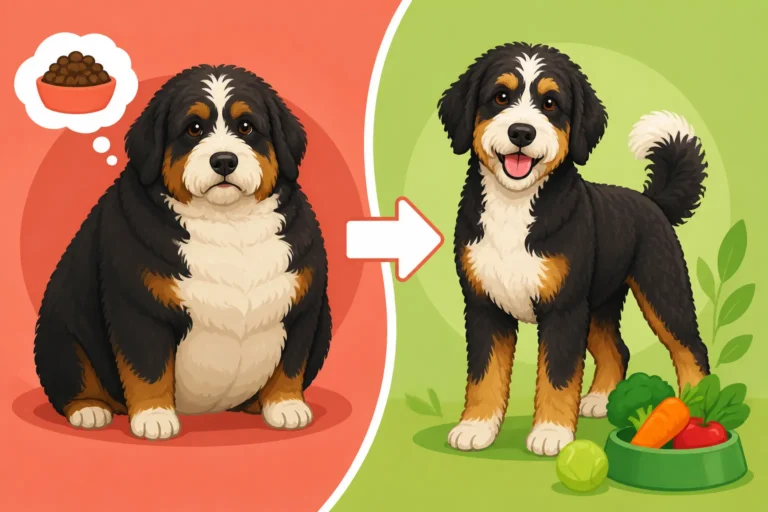
This cannot be stressed enough: keeping your Bernedoodle at a lean, healthy weight is perhaps the single most impactful thing you can do for their joints. Every extra pound your dog carries adds significant stress to their hips, elbows, and knees. Imagine carrying a backpack filled with bricks all day, every day – that's what excess weight feels like to your dog's joints. Even if your Bernedoodle is genetically predisposed to hip dysplasia, maintaining an ideal body condition can drastically reduce the pain and progression of arthritis.
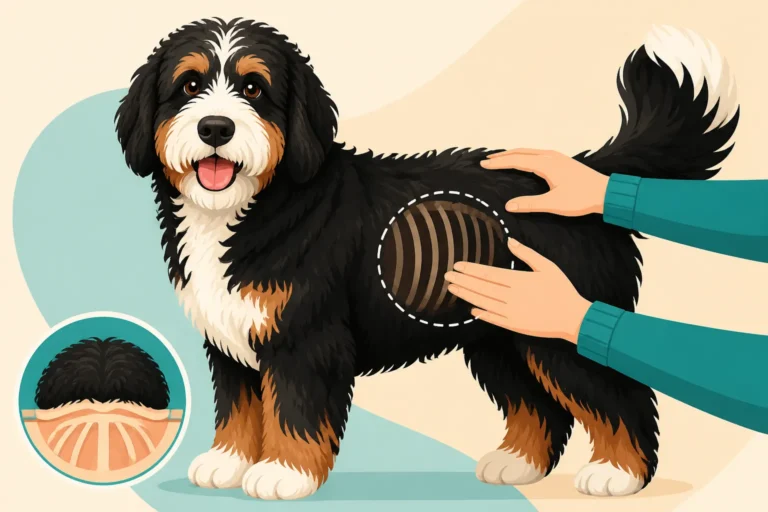
This means being diligent about their diet, measuring their food accurately, and being mindful of treats. It’s so easy to overfeed these lovable, often food-motivated dogs, especially when they give you those soulful Bernedoodle eyes. But resisting the urge to over-indulge is an act of love for their long-term health. Regularly feel for their ribs – you should be able to feel them easily without seeing them, and they should have a discernible waist. If you’re unsure, ask your vet or vet tech during their check-ups; they can give you an honest assessment and guidance on portion control. Learn more about preventing this with Whether an Overweight Bernedoodle Loses Years.
Balanced Exercise: Avoiding Too Much, Too Little, or the Wrong Kind
Exercise is vital for a Bernedoodle’s physical and mental well-being, but for growing or at-risk joints, the type and amount of exercise are critical. At one year old, while they're full of energy, their joints are still vulnerable. High-impact activities like intense fetch sessions involving sudden stops and turns, jumping repeatedly off furniture, or long-distance running on hard surfaces should be minimized or avoided, especially while their growth plates are still closing.
Instead, focus on moderate, consistent exercise. Leash walks on soft surfaces like grass or trails are excellent. Swimming is a fantastic low-impact activity that builds muscle without stressing joints. Short, controlled play sessions are good, but don't let them overdo it. The goal is to build strong muscles around the joints, which provides natural support, without causing excessive wear and tear. As your Bernedoodle matures, you can gradually increase activity, but always monitor them for any signs of lameness or discomfort afterward. For guidance on how much activity is appropriate, check out The Exercise a Standard Bernedoodle Needs Daily.
Creating a Joint-Friendly Home Environment
Think about your Bernedoodle's daily life at home. Are there ways you can make it easier on their joints?
- Ramps and Stairs: For larger Bernedoodles, ramps can be a lifesaver. Using a ramp to get into and out of the car or to access high furniture can prevent significant impact on their joints. Even just a few stairs daily can add up over time, especially for a heavy dog.
- Supportive Bedding: Invest in a high-quality orthopedic dog bed. These beds provide excellent support, cushioning their joints and preventing pressure points, which is particularly beneficial for large, heavy breeds who spend a lot of time resting. You can find excellent options on Chewy or Amazon.
- Non-Slip Flooring: If you have hardwood or tile floors, consider placing rugs or runners in high-traffic areas. Slipping and sliding on slick surfaces can cause unnecessary strain and potential injury to joints.
Taking these steps helps to reduce the cumulative stress on their joints throughout their day, making their home a haven of comfort and support.
Regular Veterinary Check-ups and Monitoring
Finally, never underestimate the power of regular veterinary care. Your vet is your best partner in monitoring your Bernedoodle's joint health. During annual check-ups, they can perform physical examinations to assess joint mobility, listen to your concerns, and provide tailored advice. If there are any early signs of issues, your vet can recommend further diagnostics, such as X-rays, to get a clearer picture.
Early detection of conditions like hip or elbow dysplasia means you can intervene sooner, potentially with physical therapy, medication, or even surgical options, which can significantly improve their long-term prognosis and comfort. Don't hesitate to bring up any subtle changes you notice in your Bernedoodle's gait, activity level, or willingness to play, even if they seem minor. Your observations are invaluable to your vet.
Disclaimer
This article is for general informational purposes only and does not constitute professional advice. Laws, prices and regulations vary by location and change over time. Consult a qualified professional for guidance on your specific situation.