Whether an Old Bernedoodle’s Coat Thins
One of the many changes that can catch you by surprise as your beloved Bernedoodle enters their golden years is what happens with that gorgeous, thick coat. We spend so much time brushing, grooming, and admiring their luxurious fur, so it can be truly disconcerting to notice that it doesn't seem quite as dense or vibrant as it once was. This guide will delve into why an old Bernedoodle's coat might thin, what's normal, what's a cause for concern, and how you can best support your senior companion's skin and fur health.
The Natural Process of Coat Thinning in Senior Bernedoodles
It's a common, if often unspoken, worry among Bernedoodle owners: "Is my dog losing their luxurious coat?" The truth is, just like us, our furry friends experience a natural aging process that can lead to visible changes in their hair. For a breed known for its dense, often wavy or curly coat, these changes can be particularly noticeable and sometimes a bit alarming. But before you panic, understand that some degree of coat thinning is a normal, physiological part of aging for many dogs, including Bernedoodles.
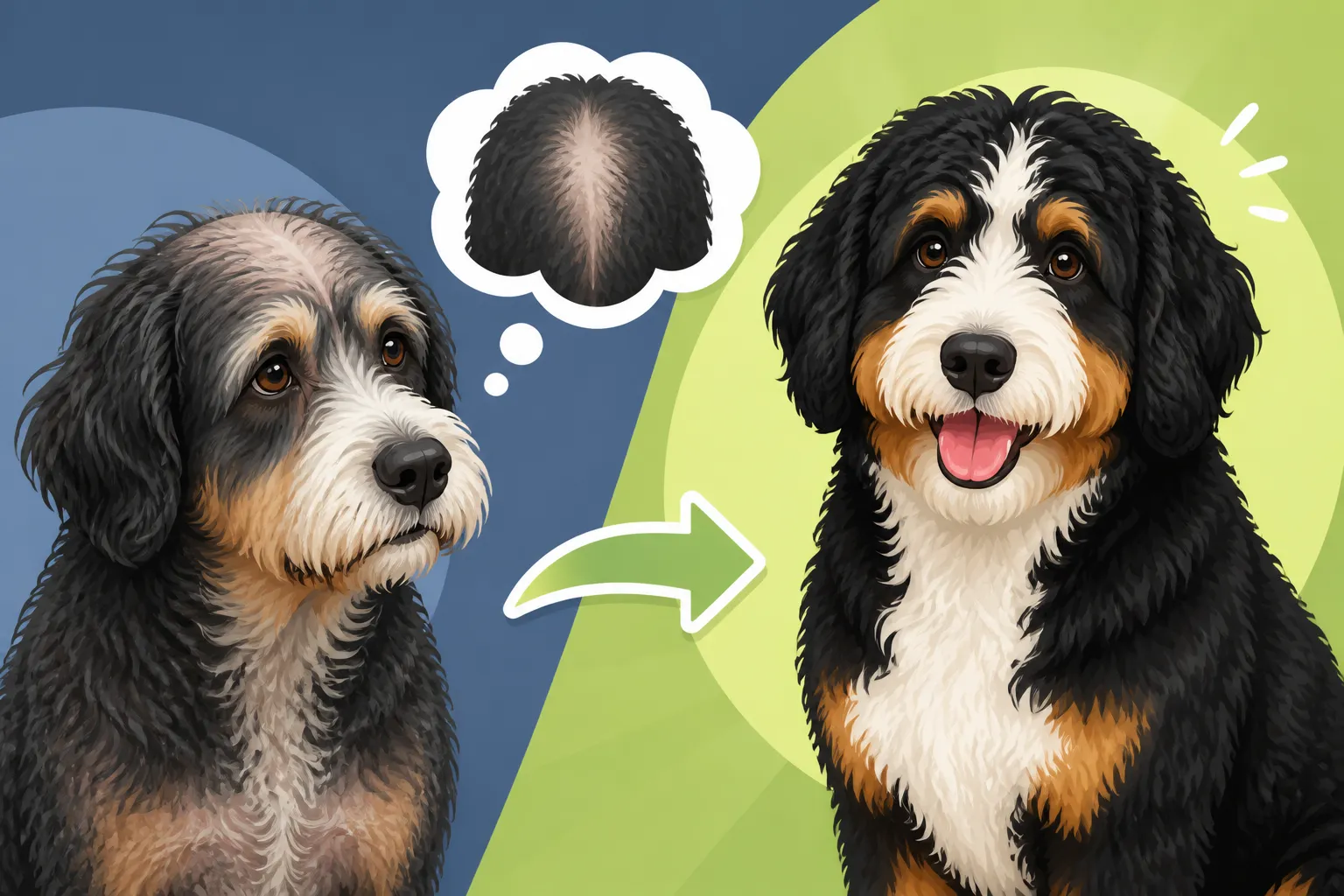
Think about it: as dogs get older, their metabolism slows down, and their bodies just aren't as efficient at regenerating cells, including hair follicles. The hair growth cycle, which has distinct phases of growth, rest, and shedding, can become shorter or less robust. This means that new hairs might not grow in as quickly, or they might be finer and less strong than the hairs they're replacing. The result is a coat that gradually loses some of its former thickness and perhaps its vibrant luster. You might notice areas that seem a bit sparser, or that their usual fluffy texture feels a little less substantial. It's not usually a dramatic bald patch overnight, but rather a subtle, creeping change over months or even years. This is part of the broader picture of What Changes in a Bernedoodle After Eight.
It's similar to how our own hair might thin or become finer as we age. The hair follicles themselves might shrink, producing thinner strands. This isn't necessarily a sign of illness, but simply a hallmark of time passing. The Poodle side of your Bernedoodle's lineage is known for its constantly growing hair, and even that can slow down and thin with age. While you might have initially wondered Whether a Bernedoodle's Coat Gets Thicker With Age, the reality is often the opposite as they mature into their senior years. Observing these changes can be tough, as it's another reminder that our pups aren't puppies forever, but understanding the biological reasons behind it can bring some peace of mind.
Factors Influencing Coat Changes in Senior Bernedoodles
While some thinning is normal, a Bernedoodle's coat changes in old age aren't solely due to the passage of time. Several factors can either accelerate, worsen, or cause coat thinning that goes beyond typical aging. It's crucial for us as owners to be attuned to these possibilities, as some indicate underlying health issues that need veterinary attention.
Nutritional Deficiencies and Absorption Issues
Just like their human companions, older dogs often have different nutritional needs. Their digestive systems might not absorb nutrients as efficiently, or their bodies might require more of certain vitamins and minerals to maintain healthy skin and coat. If your senior Bernedoodle isn't getting adequate protein, essential fatty acids (like Omega-3 and Omega-6), or key vitamins (like B vitamins and zinc), their coat will be one of the first places to show it. A dull, dry, or thinning coat can be a big red flag for dietary shortcomings.
This is especially true if you haven't adjusted their diet as they've aged. A diet that was perfect for a rambunctious adult might not be optimal for a less active senior. You might need to look into senior-specific formulas that are often richer in easily digestible proteins and joint-supporting nutrients. Some owners even consider adding supplements to their dog's diet, often found on sites like Chewy or Amazon, after consulting with their vet. Brands like Ollie, known for fresh dog food, also offer formulations that can be tailored to an older dog's needs, focusing on high-quality ingredients that support overall health, including skin and coat. Ensuring proper nutrition is a cornerstone of Feeding a Bernedoodle Past Eight.
Hormonal Imbalances and Systemic Diseases
This is where coat thinning can shift from a normal sign of aging to an indicator of a more serious health concern. Hormonal imbalances, particularly hypothyroidism (an underactive thyroid gland), are a very common cause of symmetrical hair loss and a dull, brittle coat in older dogs. If your Bernedoodle's thyroid isn't producing enough hormones, you might also notice weight gain, lethargy, and an intolerance to cold, alongside the coat changes. Whether a Bernedoodle Gets Thyroid Disease is a question worth exploring with your vet if these symptoms appear.
Beyond thyroid issues, other systemic diseases can manifest with coat problems. Kidney disease, liver disease, Cushing's disease (overproduction of cortisol), and even diabetes can all lead to poor coat quality and thinning. These conditions impact the body's overall health and its ability to maintain healthy skin and hair. If the coat thinning is rapid, patchy, accompanied by skin irritation, or combined with other symptoms like increased thirst, changes in appetite, or behavioral shifts, it's absolutely time for a veterinary check-up. These types of symptoms are precisely why The Screening a Bernedoodle Should Have Yearly becomes even more vital as they age.
Parasites, Allergies, and Skin Conditions
Even in old age, pesky problems like fleas, mites, and other external parasites can wreak havoc on a Bernedoodle's coat. The constant itching, scratching, and biting they cause can lead to localized hair loss, irritation, and secondary skin infections. An older dog might have a weaker immune system, making them more susceptible to these infestations or less able to fight them off quickly.
Similarly, allergies can worsen or even develop in older dogs. Environmental allergies (pollen, dust mites) or food allergies can trigger intense itching, leading to self-trauma that causes hair loss and inflammation. You might notice persistent licking, chewing, or scratching, particularly in certain areas. Skin Problems Under a Bernedoodle's Heavy Coat can be tricky to spot due to the density of their fur, so regular, thorough examinations are key. Don't dismiss excessive itching as just "old dog habits"; it could be a treatable condition.
Chronic Stress and Anxiety
While less common as a direct cause of overall coat thinning, chronic stress and anxiety can certainly play a role in poor coat health and even localized hair loss due to excessive licking or chewing. Older Bernedoodles can sometimes become more anxious or stressed by changes in their environment, routine, or even discomfort from age-related pain. Just as stress can affect human hair, it can impact our dogs. This might manifest as dullness, dryness, or even patchy hair loss in areas they repeatedly groom themselves. Addressing the root cause of stress, whether it's through environmental enrichment, routine consistency, or even vet-prescribed anti-anxiety medications, can contribute to overall well-being, including coat health.
Distinguishing Normal Aging Thinning from Problematic Hair Loss
It can be really hard to tell if what you're seeing on your senior Bernedoodle is just part of the natural aging process or if it's a symptom of something more serious. The subtle changes of aging often blend seamlessly into the larger picture of their lives, making it easy to overlook early signs of trouble. However, there are some key distinctions to look for.
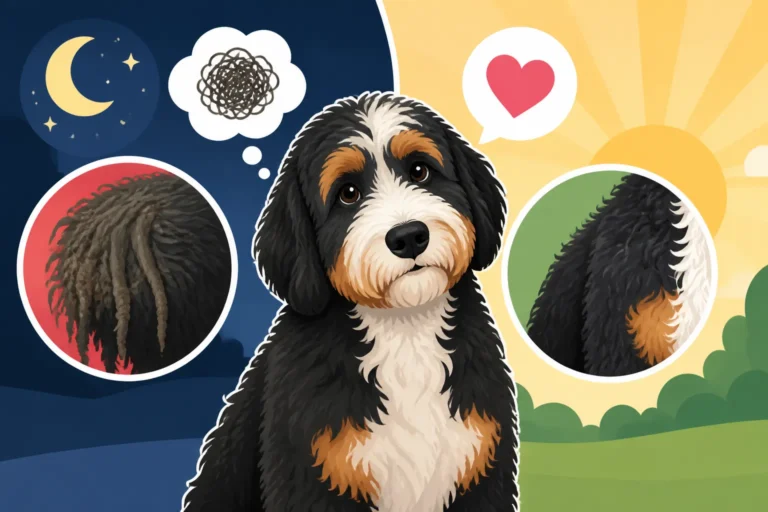
Normal age-related coat thinning usually involves a general decrease in density across the body, or perhaps some specific areas that tend to rub more, like under the collar or along the flanks. The hairs themselves might appear finer, and the coat might feel less voluminous. It's usually a slow, gradual process, and the skin underneath typically remains healthy-looking, without redness, flakes, or sores. You might also notice a general dulling of the coat, or perhaps some graying, especially around the muzzle and eyes, which is definitely just a sign of wisdom!
However, if you observe any of the following, it's a good idea to schedule a visit with your veterinarian sooner rather than later:
- Rapid or sudden hair loss: If large clumps of hair are falling out, or bald patches appear quickly, this is usually a red flag.
- Asymmetrical hair loss: Hair loss that occurs on one side of the body but not the other, or in very specific, distinct patches, often points to an underlying issue.
- Associated skin changes: Redness, inflammation, scabs, crusts, flakes, bumps, or any signs of infection on the skin beneath the thinning coat are concerning.
- Itching or excessive licking/chewing: If your Bernedoodle is constantly scratching, biting, or licking at their coat, something is irritating them.
- Changes in hair texture: If the remaining hair feels brittle, oily, extremely dry, or breaks easily.
- Other systemic symptoms: Lethargy, weight changes (gain or loss), increased thirst or urination, changes in appetite, vomiting, diarrhea, or any other noticeable shift in their overall health and behavior alongside the coat changes are strong indicators that something is amiss.
Here's a quick reference table to help differentiate:
| Feature | Normal Aging Coat Thinning | Problematic Hair Loss (Alopecia) |
|---|---|---|
| Pace of Loss | Gradual, subtle, over months/years | Rapid, sudden, noticeable over days/weeks |
| Pattern of Loss | General decrease in density, symmetrical, some graying | Patchy, asymmetrical, distinct bald spots, often symmetrical with endocrine issues |
| Skin Appearance | Healthy, normal color, no irritation | Red, inflamed, scabby, flaky, oily, dry, bumps, sores |
| Itching/Licking | Minimal to none | Moderate to severe, constant scratching, licking, chewing |
| Hair Texture | Finer, less dense, may be duller | Brittle, coarse, greasy, very dry, easy breakage |
| Associated Symptoms | Generally none, possibly reduced activity | Lethargy, weight change, increased thirst, appetite changes, behavioral shifts, pain |
| Common Underlying Cause | Natural cell turnover slowdown | Hormonal imbalance (thyroid, Cushing's), parasites, allergies, infection, nutritional deficiency, cancer |
If you're ever in doubt, a quick call to your vet is always the best course of action. They can perform diagnostic tests, such as blood work (to check thyroid levels, for example), skin scrapes (to look for parasites), or biopsies, to get to the bottom of any unusual coat changes. Early detection of conditions like The Cancers That Take Bernedoodles Most Often or other serious illnesses can make a huge difference in treatment outcomes.
Supporting Your Senior Bernedoodle's Coat Health
Even if your old Bernedoodle's coat thinning is just a normal part of aging, there's a lot you can do to support their skin and existing fur, keeping them as comfortable and healthy as possible. This isn't just about aesthetics; a healthy coat acts as a protective barrier for their skin.
Adapting Grooming Routines
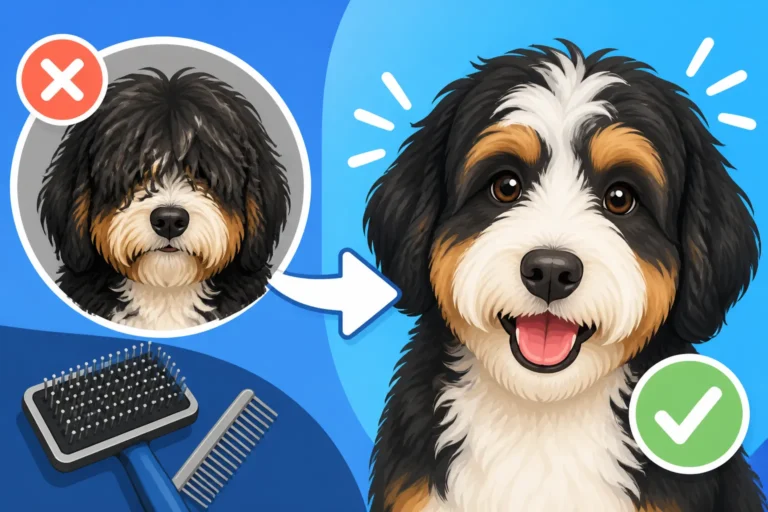
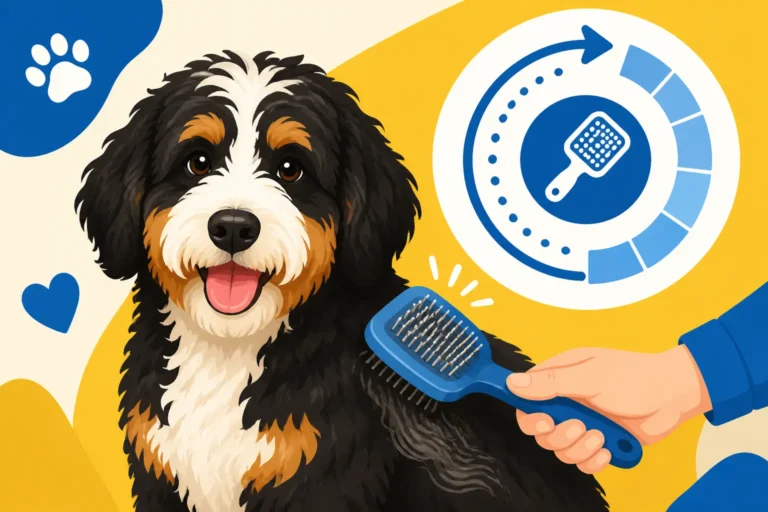
As Bernedoodles age, their skin can become more delicate, and they might develop arthritis, making long grooming sessions uncomfortable. This is why Grooming an Old Bernedoodle That Cannot Stand Long often requires adjustments. Instead of marathon sessions, opt for shorter, more frequent brushing sessions. Use a softer brush, like a pin brush or a gentle slicker, to avoid irritating their sensitive skin. Be especially careful around bony areas and any existing lumps or bumps.
Regular brushing is still incredibly important, perhaps even more so. It helps distribute natural skin oils, removes loose hair and dander, and stimulates blood flow to the skin, which can encourage healthier hair growth. It also helps prevent matting, which can be incredibly painful on delicate skin and easily hide underlying skin issues. You might find that your senior Bernedoodle enjoys the gentle massage of a good brush, turning it into a bonding experience. If your dog struggles to stand, try grooming them while they're lying down comfortably, or break up the session with rests.
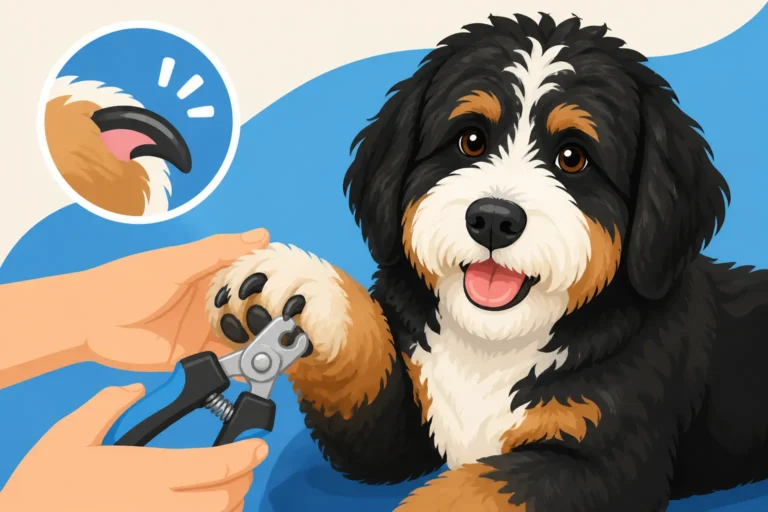
Pay close attention to their paws and ears. Older dogs might not clean themselves as thoroughly, making them more prone to Ear Infections in a Bernedoodle's Drop Ear or issues between their paw pads. Keeping these areas clean and trimmed is vital. You can find specialized gentle grooming tools on Amazon or Chewy that are perfect for older dogs.
Enhancing Nutrition and Supplementation
As discussed, diet plays a huge role. Ensure your senior Bernedoodle is on a high-quality senior dog food, or a fresh food diet like that offered by Ollie, specifically formulated for their changing metabolism and needs. Look for foods rich in Omega-3 and Omega-6 fatty acids, which are fantastic for skin and coat health. Ingredients like fish oil, flaxseed, and even coconut oil (in moderation and with vet approval) can contribute to a lustrous coat.
Supplements can also make a difference. Glucosamine and chondroitin are often given for joint health, but sometimes a good skin and coat supplement containing fish oil, biotin, and other vitamins can visibly improve coat quality. Always discuss any dietary changes or new supplements with your vet, as they can advise on the best options and appropriate dosages for your specific dog. Getting their nutrition right is key to Keeping a Standard Bernedoodle Sound Past Ten.
Regular Veterinary Check-Ups
This cannot be stressed enough. Regular vet visits are crucial for Caring for a Bernedoodle Past Eight. What might seem like normal coat thinning could be the first sign of an underlying health condition that your vet can diagnose and treat. As mentioned earlier, conditions like hypothyroidism, kidney disease, or even early signs of Whether a Bernedoodle Develops Malignant Histiocytosis can first show up through coat changes. Your vet can perform blood tests and other diagnostics to rule out medical causes for hair loss.
During these check-ups, bring up any changes you've noticed, no matter how minor they seem. Describe the pattern of hair loss, any itching, redness, or other symptoms. Your keen observation as an owner is invaluable to your vet in putting together a complete picture of your Bernedoodle's health.
Environmental Comfort and Stress Reduction
An older Bernedoodle might become more sensitive to temperature extremes. Ensuring they have a comfortable, temperature-controlled environment can indirectly support their coat and skin health by reducing stress on their system. During colder months, their thinning coat might mean they feel the cold more, so a cozy bed and perhaps a dog sweater on walks could be beneficial. Conversely, in warmer climates, keeping them cool is paramount, especially for a breed prone to overheating.
Reduced stress also contributes to overall well-being. Keeping a consistent routine, providing comfortable resting spots, and offering gentle exercise that suits their capabilities can help mitigate anxiety. Remember, a happy, comfortable dog is more likely to have a healthier appearance overall.
By combining these strategies, you can help ensure your older Bernedoodle's coat, even if a little thinner, remains as healthy and comfortable as possible throughout their golden years.
Disclaimer
This article is for general informational purposes only and does not constitute professional advice. Laws, prices and regulations vary by location and change over time. Consult a qualified professional for guidance on your specific situation.