Ear Infections in a Bernedoodle’s Drop Ear
It’s a frustrating reality for many Bernedoodle owners: one minute your furry friend is happy and playing, the next they’re shaking their head constantly, scratching at an ear that looks red and swollen, and giving you a look that clearly says, "Help me!" Ear infections are a common bane for our beloved Bernedoodles, largely thanks to those adorable, floppy ears that just look so cozy but can actually be a breeding ground for trouble. This guide is here to walk you through everything you need to know about why your Bernedoodle might be prone to ear infections, how to spot the signs early, and what you can do to prevent and treat these uncomfortable ailments, saving both you and your pup a lot of heartache.
Why Bernedoodles Are Prone to Ear Infections
Those lovely, velvety drop ears that give our Bernedoodles so much character are unfortunately also a primary culprit when it comes to ear infections. It’s not just about the floppiness; there’s a whole combination of anatomical and genetic factors at play that makes them more susceptible than many other breeds.
The Anatomy of a Drop Ear
Imagine living in a house with no windows and poor ventilation – that's pretty much what a drop ear is like for your Bernedoodle. Unlike dogs with erect, upright ears, which allow for plenty of air circulation, a Bernedoodle's pendulous (hanging) ears create a warm, dark, and often moist environment deep inside the ear canal. This lack of airflow means that any moisture that gets trapped inside, whether from bathing, swimming, or even just humidity in the air, doesn't evaporate easily.
This stagnant, damp warmth is the perfect party spot for bacteria and yeast, which naturally live in small numbers in a dog's ear. When conditions become ideal, these microorganisms multiply rapidly, leading to an overgrowth that causes inflammation, irritation, and eventually, a full-blown infection. It's a classic case of what looks cute on the outside causing a real headache on the inside.
The Role of the Bernedoodle's Coat in Ear Health
Beyond the structure of the ear itself, the Bernedoodle’s glorious coat plays another significant role in their susceptibility to ear issues. Bernedoodles inherit their unique coat characteristics from both the Bernese Mountain Dog and the Poodle. While the Poodle side often brings that desirable low-shedding quality, it also contributes to a thick growth of hair inside the ear canal. This hair acts like a net, trapping wax, debris, and moisture even more effectively than just the floppy ear structure alone.
This dense hair can make it incredibly difficult for air to reach the deeper parts of the ear, further exacerbating the warm, moist environment. If this hair isn't regularly managed through careful plucking or trimming, it becomes a literal barrier to ear hygiene, making cleaning less effective and creating more nooks and crannies for infection-causing agents to hide. It's a double-edged sword: we love their soft, fluffy coats, but that density requires vigilant care, especially around their ears.
Contributing Factors: Moisture and Allergies
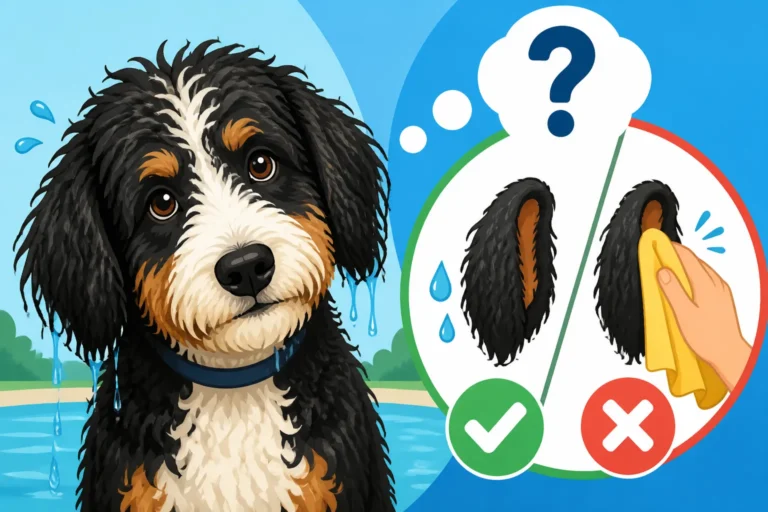
Beyond the anatomical predispositions, external factors like moisture and underlying allergies frequently tip the scales towards infection. Many Bernedoodles absolutely adore water, whether it's splashing in a lake, playing in a kiddie pool, or simply enjoying a good bath. While this can be wonderful enrichment, if their drop ears aren't thoroughly dried afterward, that trapped moisture provides the perfect petri dish for bacteria and yeast to flourish. It’s not enough for the outside of the ear to feel dry; you really need to ensure the canal itself is clear of excess water. If you're wondering, you'll find great tips in "Whether a Bernedoodle's Ears Need Drying After Swimming."
Furthermore, Bernedoodles, like their Poodle ancestors, can be prone to various allergies—environmental allergies (atopy) from pollen, dust mites, or grass, and even food allergies. When a dog experiences an allergic reaction, their immune system often overreacts, leading to widespread inflammation, including in the ear canals. This inflammation changes the microenvironment of the ear, making it more hospitable for opportunistic bacteria and yeast to take hold. A Bernedoodle that's constantly itching and scratching elsewhere might also be battling internal inflammation that manifests as recurrent ear infections. It’s a holistic issue, where skin problems under a Bernedoodle's heavy coat often correlate with ear health struggles.
Recognizing the Signs of a Bernedoodle Ear Infection
Detecting an ear infection early can make a world of difference in your Bernedoodle's comfort and the ease of treatment. Sometimes the signs are subtle, other times they're impossible to ignore. As a dedicated owner, being attuned to these cues is your first line of defense.
Common Behavioral Indicators
Your Bernedoodle's behavior is often the first giveaway that something is amiss with their ears. The most obvious sign is frequent and vigorous head shaking. It’s not just a casual shake after a swim; it’s often persistent, almost frantic, as if they’re trying to dislodge something annoying from deep inside. This is usually accompanied by excessive ear scratching, where they might use a hind paw to dig relentlessly at the affected ear, sometimes to the point of causing secondary trauma to the skin around the ear.
You might also notice them rubbing their ear against furniture, carpets, or even your leg, seeking relief from the itch and discomfort. If you try to touch their head or ears, especially the affected one, they might become unusually sensitive, pull away, or even yelp in pain. Some dogs might even appear a bit disoriented or off-balance if the infection is severe enough to affect their inner ear. Don't dismiss these behaviors as just quirks; they're your dog's way of communicating distress.
Physical Symptoms to Watch For
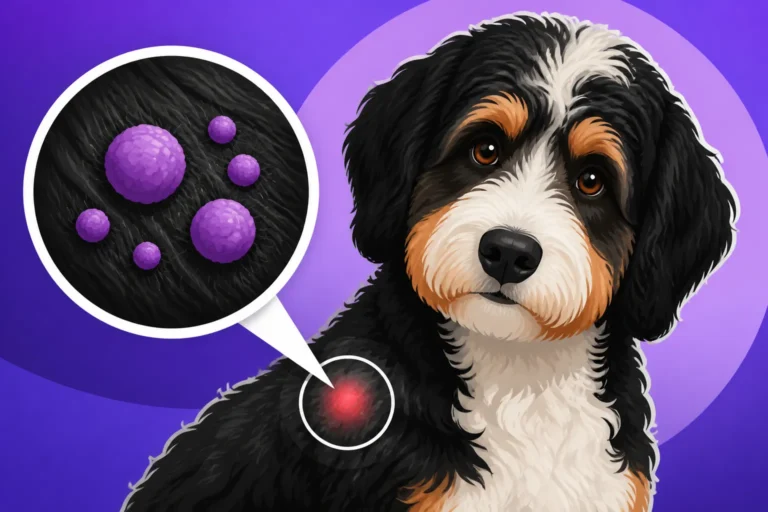
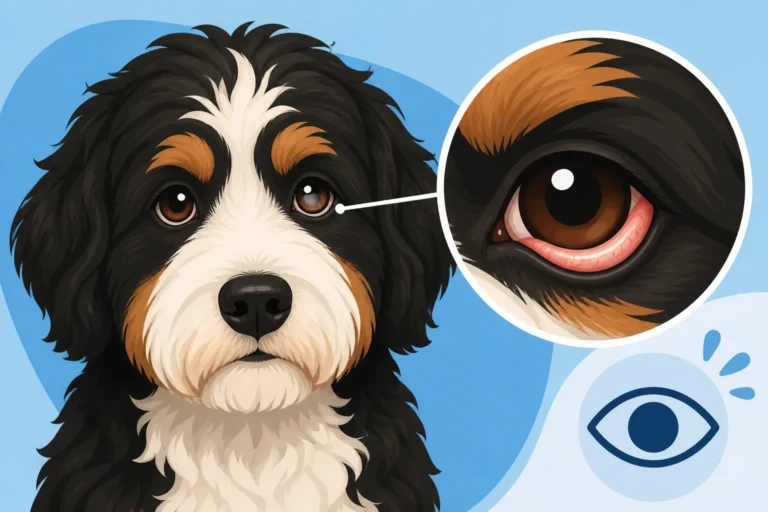
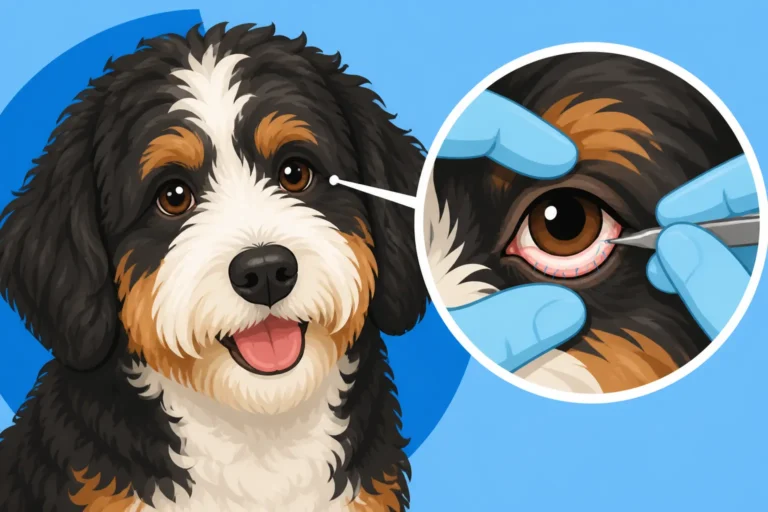
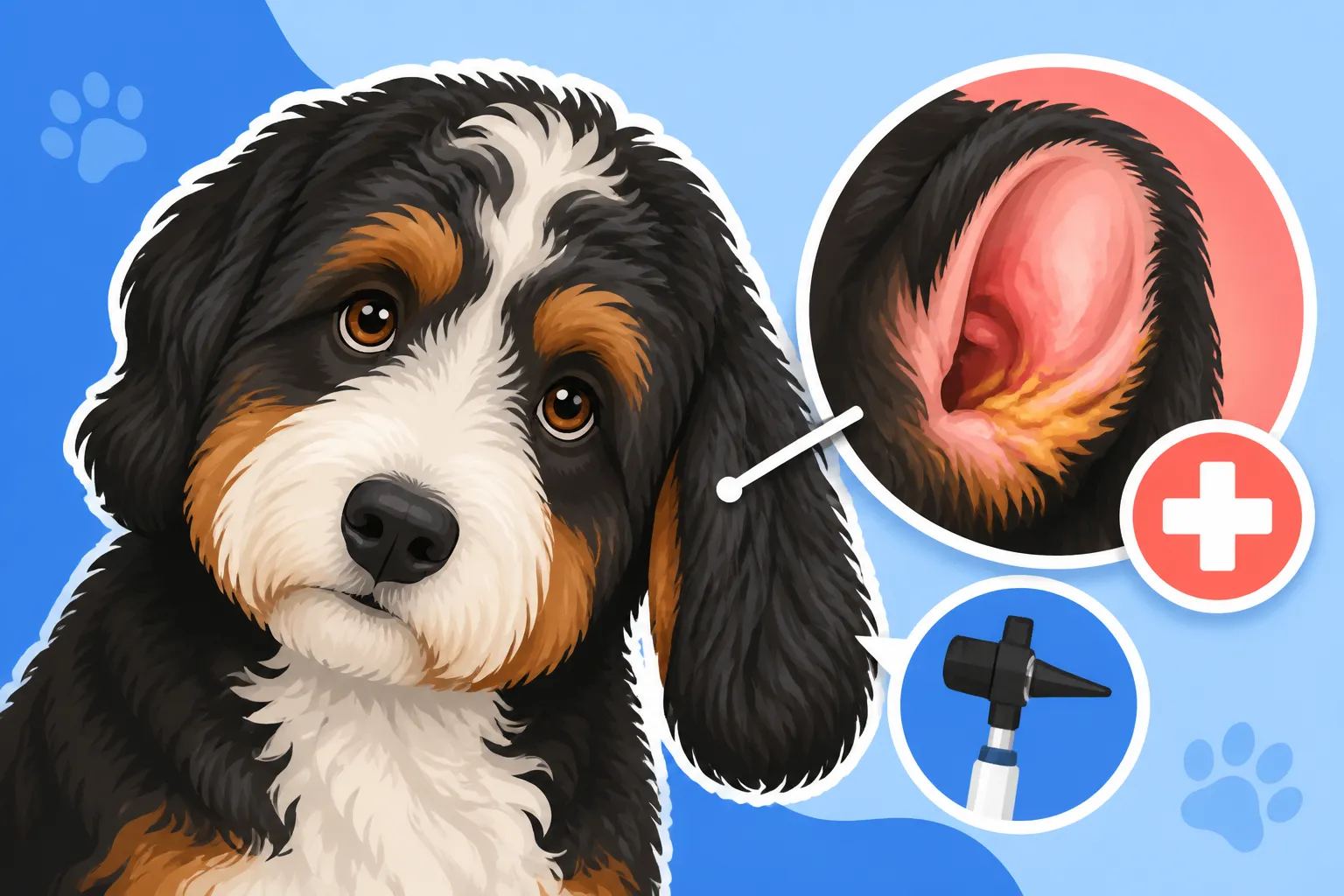
Beyond behavioral changes, there are several key physical symptoms that clearly point to an ear infection. Carefully lift your Bernedoodle's drop ear flap and take a good look and sniff. A healthy ear canal should be clean, pale pink, and relatively free of odor. With an infection, you'll likely see redness and swelling inside the ear flap and canal. The skin might look inflamed or even raw.
One of the most telling signs is discharge. This can range from a dark, waxy buildup that looks like coffee grounds (often indicative of yeast or ear mites, though mites are less common in adult dogs) to a yellow, greenish, or pus-like discharge that usually signals a bacterial infection. Critically, pay attention to the smell. A foul, yeasty, or overtly unpleasant odor emanating from the ear is a strong indicator of an infection. In some cases, you might also notice crusts or scabs around the opening of the ear canal, or even localized hair loss due to constant scratching and irritation. The ear flap itself might feel warm to the touch compared to the other ear or the surrounding skin.
When to Seek Veterinary Attention
Knowing when to call the vet is crucial. If you observe any of the behavioral or physical symptoms mentioned above, especially if they are persistent, severe, or accompanied by a foul odor, it’s time to schedule an appointment. Don't wait hoping it will clear up on its own. Untreated ear infections can quickly escalate from uncomfortable to excruciating, potentially leading to more serious conditions like middle or inner ear infections, ruptured eardrums, or chronic, painful ear issues that are much harder to resolve.
Early intervention is always best. Your veterinarian can accurately diagnose the type of infection (bacterial, yeast, or both), rule out other underlying causes like foreign bodies or polyps, and prescribe the appropriate medication. Delaying treatment often means a longer, more complicated recovery for your Bernedoodle, and potentially higher vet bills down the line. Remember, even if you’ve dealt with ear infections before, each one can be different, so professional assessment is vital.
Effective Prevention Strategies for Bernedoodle Ears
Preventing ear infections is far easier, and certainly more comfortable for your Bernedoodle, than treating them. Given their predispositions, a proactive approach to ear care is simply a must for Bernedoodle owners.
Regular Ear Cleaning Routines
Establishing a consistent ear cleaning routine is paramount for Bernedoodles. The goal isn't to sterilize the ear, but to remove excess wax, debris, and moisture, thereby preventing the buildup that leads to infections. First, you'll need a vet-approved ear cleaner. Avoid using alcohol, hydrogen peroxide, or human ear drops, as these can be irritating or even damaging to your dog’s delicate ear canals. Look for pH-balanced, gentle solutions specifically designed for canine ears, often containing drying agents.
To clean, gently lift your Bernedoodle's ear flap and squirt the cleaner directly into the ear canal until it's full. Don't worry, their ear canal makes a sharp bend, so you won't hit their eardrum. Massage the base of the ear for about 20-30 seconds – you should hear a satisfying squishing sound! This helps break up wax and debris. Then, let your Bernedoodle shake their head (they will!), which brings the loosened gunk to the surface. Finally, use cotton balls or gauze wrapped around your finger to gently wipe away any visible discharge and debris from the outer part of the ear canal and ear flap. Never use cotton swabs deep inside the ear, as this can push debris further in or damage the eardrum. The frequency of cleaning depends on your individual dog; some may need it weekly, others bi-weekly, or just after swimming. Knowing how often a Bernedoodle gets ear infections can guide your routine.
Grooming Practices to Minimize Risk
The Bernedoodle's unique coat, a blend of the Bernese Mountain Dog and Poodle, requires specialized grooming, particularly around the ears. Many Bernedoodles have hair that grows deep into their ear canals, which, as we've discussed, traps moisture and debris. Gently plucking or trimming this excess hair can significantly improve air circulation within the ear and make cleaning more effective. However, this is a delicate task that should ideally be performed by a professional groomer or under veterinary guidance, as improper plucking can cause irritation or damage. Discuss this with your groomer during their regular "The Seventy to Hundred Fifty Dollar Bernedoodle Groom" appointments.
Beyond internal ear hair, keeping the hair on the outside of the ear flap trimmed can also help. Longer hair around the ear opening can hold moisture against the skin and even dip into water bowls or puddles, drawing moisture into the ear. A tidy, well-groomed ear area is not just for aesthetics; it's a crucial part of preventative health. Regular professional grooming can keep this under control, but also be sure to regularly brush and check for mats, as these can also cause discomfort and skin issues.
Managing Moisture and Environmental Factors
Water is a common culprit in ear infections. If your Bernedoodle loves to swim, or even just gets enthusiastic during bath time, it’s critical to thoroughly dry their ears afterward. Use a soft towel to dry the outer ear flap and a cotton ball to gently absorb any visible moisture from the opening of the ear canal. For dogs prone to recurrent infections, a few drops of a veterinarian-recommended ear drying solution after water exposure can be a game-changer.
Beyond direct water exposure, addressing underlying environmental and food allergies is often key to breaking the cycle of recurrent ear infections. If your Bernedoodle constantly itches their ears and skin, or develops redness and inflammation without obvious external moisture, allergies could be the driving force. This might involve working with your vet to identify specific allergens, implementing dietary changes if food allergies are suspected, or managing environmental triggers with medication or avoidance strategies. Just as you'd monitor for signs of "Whether a Bernedoodle Itches From Atopy or Fleas," remember that ear issues are often part of a broader allergic picture.
Treating and Managing Bernedoodle Ear Infections
Once an ear infection has taken hold, a trip to the veterinarian is almost always necessary. Self-treating can worsen the problem, mask symptoms, or lead to complications. Professional diagnosis ensures your Bernedoodle gets the right treatment for their specific issue.
Veterinary Diagnosis and Treatment Plans
When you visit your vet, they will conduct a thorough examination of your Bernedoodle’s ears using an otoscope, a specialized tool that allows them to look deep into the ear canal and check the integrity of the eardrum. This is crucial because if the eardrum is ruptured, certain medications cannot be used. They'll also typically take a sample of any discharge from the ear for cytology – examining it under a microscope. This allows them to identify whether the infection is bacterial, yeast, or a combination of both, and sometimes even determine the specific type of bacteria or yeast involved.
Based on these findings, your vet will prescribe a targeted treatment plan. This usually involves topical medications (ear drops or ointments) that contain antibiotics, antifungals, and/or anti-inflammatory agents. In more severe cases, or if the infection is widespread, oral antibiotics or anti-inflammatory medications might also be prescribed. It is incredibly important to follow your veterinarian's instructions precisely and complete the entire course of medication, even if your Bernedoodle's ears appear to be improving. Stopping treatment too early is a common reason for infections to recur, often stronger and more resistant. A follow-up visit is often recommended to ensure the infection has completely cleared.
Dealing with Recurrent or Chronic Infections
For Bernedoodles who seem to get ear infections over and over again, the frustration for both pet and owner is immense. If your dog is experiencing recurrent or chronic ear infections, it’s a clear signal that there's an underlying issue that needs to be identified and addressed. This often involves a deeper dive into diagnostics. Your vet might recommend a culture and sensitivity test, which helps pinpoint the exact type of bacteria or yeast and determines which medications will be most effective against it. They might also explore potential anatomical abnormalities, such as polyps or tumors within the ear canal, or a structural narrowing that impedes drainage and airflow.
In these challenging cases, the primary focus shifts to identifying and managing the root cause. This could mean extensive allergy testing (both environmental and food), or even consultations with a veterinary dermatologist. For very severe, chronic infections that don't respond to medical management, especially those leading to significant pain or hearing loss, surgical options might be considered. Procedures like Total Ear Canal Ablation (TECA) are a last resort but can provide a definitive solution for dogs suffering from debilitating, end-stage ear disease.
Supporting Ear Health with Lifestyle Adjustments
Beyond specific treatments, certain lifestyle adjustments can significantly support your Bernedoodle’s long-term ear health, especially if they are prone to issues. If food allergies are suspected as a trigger for inflammation that leads to ear infections, working with your vet to implement a novel protein or hydrolyzed protein diet can be very beneficial. This involves feeding a specialized diet that excludes common allergens, often for a trial period, to see if symptoms improve.
Environmental allergen control can also play a huge role. Depending on your Bernedoodle's specific sensitivities, this might mean more frequent vacuuming, using air purifiers, wiping down their paws and coat after outdoor excursions, or even limiting exposure to certain pollens during peak seasons. Regular, consistent general health monitoring is vital. This includes scheduling "The Screening a Bernedoodle Should Have Yearly" to catch any subtle health changes that might predispose them to ear issues. Always ensure their overall health, including their weight and dental hygiene, is in tip-top shape, as a healthy body is better equipped to fight off localized infections.
| Symptom | Healthy Ear | Infected Ear |
|---|---|---|
| Appearance | Pale pink, clean, minimal hair | Red, swollen, discharge visible |
| Odor | No discernible odor | Foul, yeasty, or unpleasant smell |
| Discharge | None or minimal light wax | Dark waxy, yellow, green, or pus-like |
| Pain/Sensitivity | Tolerates touch, no reaction | Resists touch, yelps, flinches |
| Behavior | No head shaking or scratching | Frequent head shaking, ear scratching, rubbing |
| Temperature | Normal to touch | Warm to hot to touch |
Common Misconceptions and What to Avoid
When it comes to treating your Bernedoodle’s ear infections, there’s a lot of well-meaning advice out there that can actually do more harm than good. It's crucial to separate fact from fiction and avoid common pitfalls.
The Dangers of Self-Diagnosis and Home Remedies
One of the biggest mistakes owners make is trying to diagnose and treat an ear infection themselves using home remedies or over-the-counter products intended for humans. While you might mean well, applying things like apple cider vinegar, essential oils, or hydrogen peroxide to your dog's ear can be incredibly irritating, painful, and even damaging to the delicate tissues inside the ear canal. What works for a human ear is rarely safe or effective for a canine ear.
Furthermore, self-diagnosis can lead to incorrect treatment. Is it a yeast infection? Bacterial? Ear mites? Each requires a specific type of medication. Without a proper veterinary diagnosis, you could be using the wrong treatment, which not only delays effective care but can also make the infection worse or lead to antibiotic resistance. Delaying a vet visit to try home remedies only prolongs your Bernedoodle’s discomfort and increases the risk of the infection becoming more severe or chronic, making it harder and more expensive to treat in the long run.
Over-Cleaning vs. Under-Cleaning
There's a delicate balance when it comes to cleaning your Bernedoodle's ears. On one hand, neglecting regular cleaning for a Bernedoodle with drop ears and abundant hair can quickly lead to a buildup of wax and debris, creating that ideal environment for infection. This is the "under-cleaning" scenario, which is a common contributor to recurrent issues.
On the other hand, some owners, in an attempt to prevent infections, might actually go overboard with cleaning. "Over-cleaning" can be just as problematic. Excessive cleaning, especially with harsh solutions or too much vigor, can irritate the sensitive skin lining the ear canal. This irritation can strip away the natural protective barriers, leading to inflammation that actually makes the ear more susceptible to infection. It’s like scrubbing your own skin raw – it doesn’t make it healthier. The key is to find a routine that’s appropriate for your individual Bernedoodle, often guided by your vet, usually involving gentle cleaning a few times a month, or as needed after water exposure. You'll want to avoid making a painful situation even worse.
Ignoring Subtle Signs
Bernedoodles are often quite stoic, and sometimes the early signs of an ear infection can be subtle. It's easy to dismiss an occasional head shake or a brief scratch as just "being a dog." However, ignoring these seemingly minor cues can be a costly mistake. What starts as a mild irritation can rapidly progress into a full-blown, painful infection if left unaddressed.
By the time your Bernedoodle is constantly shaking their head, crying out when you touch their ear, or producing copious, foul-smelling discharge, the infection is likely well-established and causing significant discomfort. Catching the problem when you first notice a slight increase in head shaking, a bit more scratching than usual, or a faint, unusual odor from the ear can mean the difference between a simple course of ear drops and a more complicated, prolonged treatment plan. Vigilance and proactive attention to any change in your Bernedoodle's ear health are your best tools.
Financial Considerations and Insurance for Ear Health
No one wants to think about the cost when their beloved Bernedoodle is in pain, but understanding the financial aspects of ear infections is an important part of responsible pet ownership. These issues can become surprisingly expensive, especially if they are chronic.
The Cost of Treating Ear Infections
A single, straightforward ear infection might seem manageable. An initial vet visit, ear exam, cytology, and a bottle of ear drops could cost a couple of hundred dollars. However, the costs can quickly add up. If the infection is severe, requires oral medications, or needs follow-up visits and rechecks, that price tag climbs. For recurrent or chronic infections, the expenses skyrocket. Diagnosing underlying allergies, for example, can involve specialized tests, prescription diets, and ongoing medications. If the infection becomes so severe it leads to a ruptured eardrum or requires surgery, you're looking at potentially thousands of dollars.
It’s not uncommon for owners of Bernedoodles with chronic ear issues to spend hundreds, if not thousands, of dollars each year on veterinary care, special diets, and preventative products. This constant financial drain, on top of the emotional stress of seeing your dog suffer, can be overwhelming. Understanding these potential costs upfront can help you make informed decisions about your Bernedoodle's care.
How Pet Insurance Can Help
This is where pet insurance can be a real lifesaver, providing a crucial safety net for unexpected and ongoing health issues like ear infections. Plans from providers like Healthy Paws can cover a significant portion of the costs associated with diagnosing and treating ear infections, from the initial vet consultation and cytology to prescription medications and even more advanced diagnostics like allergy testing or specialist visits. If your Bernedoodle ends up needing long-term management or even surgery for chronic ear issues, having insurance can protect your wallet from a major financial hit.
When choosing a policy, it's important to understand what's covered, especially regarding pre-existing conditions. Most policies won't cover conditions that began before your coverage started, so enrolling your Bernedoodle when they are young and healthy is ideal. Look into policies that cover chronic conditions, as ear infections can certainly fall into this category. Exploring "Insuring a Bernedoodle Against the Bernese Half" might also shed light on broader health coverage considerations for your breed. Having that peace of mind, knowing that you can afford the best care without financial strain, is invaluable.
Long-Term Savings Through Prevention
While pet insurance helps manage treatment costs, the smartest financial strategy is always prevention. Investing in proper preventative care for your Bernedoodle's ears can actually save you a substantial amount of money in the long run. This means spending a little bit on quality ear cleaner and cotton balls, ensuring regular professional grooming that includes ear hair management, and promptly addressing any underlying issues like allergies.
Consider it this way: a bottle of vet-approved ear cleaner and a few minutes of your time each week or two costs far less than an emergency vet visit, multiple prescriptions, and potential specialty consultations for a full-blown, painful ear infection. Proactive care also means a happier, more comfortable Bernedoodle, which is priceless. By staying on top of their ear health, diligently drying their ears after swimming, and being observant of any changes, you're not just being a good pet parent, you're also being a financially savvy one. It's truly a win-win situation.
Disclaimer
Please note that the information provided in this article is for educational purposes only and should not be considered a substitute for professional veterinary advice. Always consult with a qualified veterinarian for any health concerns or before making any decisions related to your Bernedoodle's health and treatment.