Skin Problems Under a Bernedoodle’s Heavy Coat
It's incredibly frustrating, isn't it, when you know your beloved Bernedoodle is struggling with something, but their magnificent, fluffy coat keeps the secret hidden? So many of us have faced that sinking feeling when we finally part the hair and discover an angry red patch, a nasty rash, or even a persistent odor that signals a deeper problem beneath all that fluff. This guide is here to unravel the mysteries of common skin problems that plague our Bernedoodles and equip you with the knowledge to spot, treat, and prevent them, ensuring your furry friend stays comfortable and healthy from the inside out.
Understanding the Bernedoodle Coat and Why It's Prone to Skin Issues
The Bernedoodle's coat is undeniably one of its most charming features – soft, often wavy or curly, and in many cases, low-shedding. However, these very characteristics, a wonderful blend from their Bernese Mountain Dog and Poodle parents, can also create a perfect storm for skin problems if not managed diligently. It's a unique coat that requires a unique approach to care.
The Double-Edged Sword of the Poodle and Bernese Coats
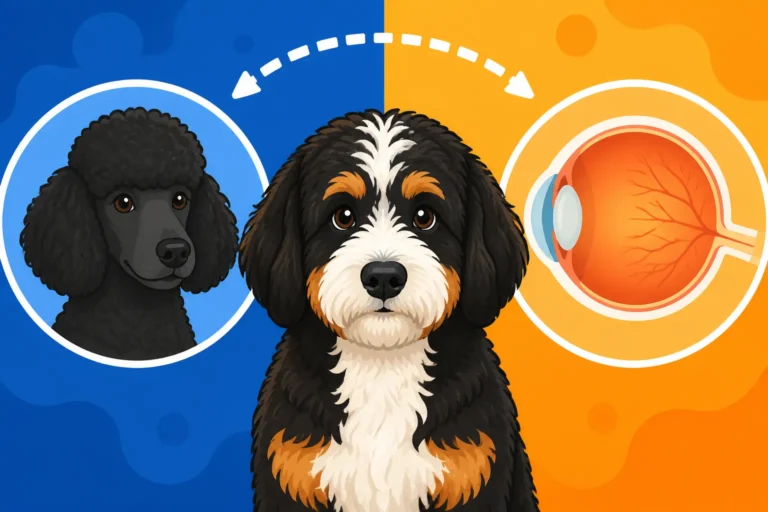
Think about the genetic lottery your Bernedoodle won: on one side, you have the Bernese Mountain Dog, known for its thick, double coat designed for cold mountain climates. It's dense, straight to slightly wavy, and sheds seasonally. On the other side, the Poodle brings its iconic curly, non-shedding (or very low-shedding) single coat, which is fantastic for allergy sufferers but also acts like a natural sponge, trapping moisture and debris.
When these two coats combine, you often get something magnificent but also complex. Many Bernedoodles inherit a wavy coat, which is dense and prone to tangles, or a more curly coat that, while often described as "hypoallergenic," still collects everything from dust and pollen to moisture. A lesser common, but equally challenging, is the straight coated Bernedoodle that sheds. This density and texture mean less air circulation against the skin. Imagine wearing a heavy, insulated jacket all the time; it’s great for warmth but not so good for letting your skin breathe, especially when it gets wet or humid. This environment beneath the coat becomes an ideal incubator for bacteria, yeast, and other irritants, setting the stage for various skin woes.
How Matting Creates a Breeding Ground for Trouble
If there’s one enemy to a Bernedoodle's skin health, it's matting. Matting occurs when loose hair (even in low-shedding dogs, some hair still sheds) gets tangled with live hair, forming dense, felt-like clumps. These mats aren't just an aesthetic problem or a minor discomfort; they are a serious health hazard.
Firstly, mats pull at the skin, causing constant irritation and pain. If you've ever had a knot in your hair that tugs your scalp, multiply that feeling across a large area of your dog's body. Secondly, and critically for skin health, mats create a barrier that severely restricts air flow to the skin. This lack of ventilation, especially in the warm, humid environment naturally created by a thick coat, makes the skin damp and creates a dark, stagnant pocket. This damp, airless condition is precisely what yeast and bacteria adore. A small scratch or insect bite in a matted area can quickly escalate into a full-blown infection because the skin cannot dry out or breathe. Furthermore, mats trap dirt, debris, and allergens directly against the skin, intensifying any existing irritation. This is why addressing Whether a Matted Bernedoodle Develops Skin Infections is so crucial – it's not just about aesthetics, it's about preventing serious health issues.
Common Skin Conditions Lurking Beneath the Fluff
Because of their dense coats, Bernedoodles are particularly susceptible to certain skin conditions that can often go unnoticed until they become quite advanced. Recognizing these common issues is the first step in keeping your furry friend healthy and happy.
Hot Spots Pyoderma and Yeast Infections
These three culprits often go hand-in-hand and thrive in the warm, moist environments created by a Bernedoodle's heavy coat, especially when matted or after swimming.
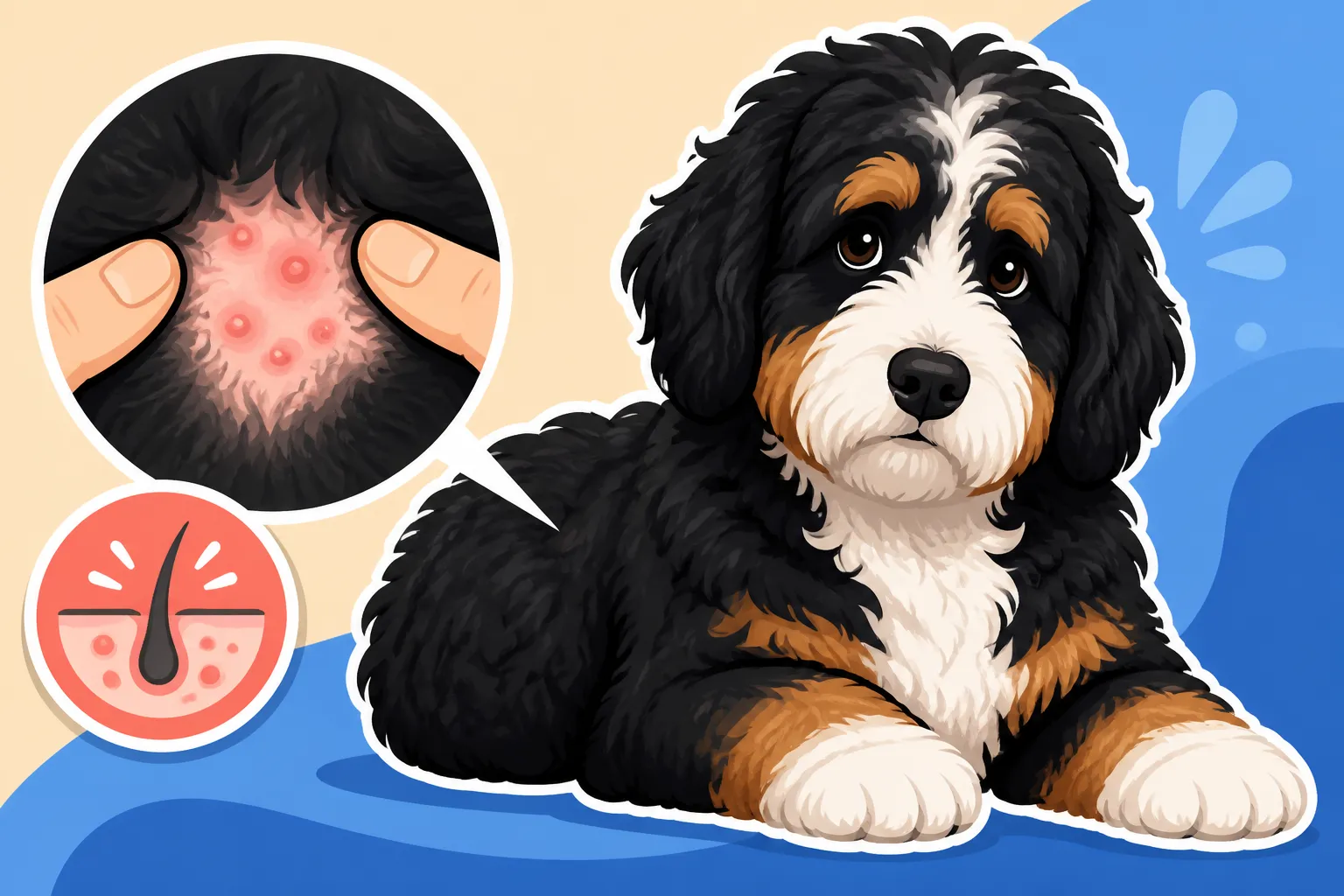
- Hot Spots (Acute Moist Dermatitis): These are acutely inflamed, red, raw, and often oozing skin lesions that appear suddenly. They're typically caused by self-trauma (licking, chewing, scratching) in response to an underlying itch. That itch could be anything from an insect bite, an allergy, or just irritation from matting. Once the skin is broken, bacteria rapidly colonize the area. Because the Bernedoodle's dense hair traps moisture, these lesions quickly spread and become very painful and itchy, creating a vicious cycle of licking and worsening the spot. You might notice a sudden patch of missing hair, or a clump of hair matted to an oozing lesion.
- Pyoderma: This is a bacterial skin infection, often a secondary complication of another issue like allergies, parasites, or even trauma. It can manifest as pustules (pus-filled bumps), crusts, scabs, or widespread redness. Superficial pyoderma can look like small red bumps or flaky skin, while deep pyoderma can involve painful abscesses and ulcers. The thick coat makes it hard to see these subtle changes, and a tell-tale sign is often a persistent, unpleasant odor, often described as musty or cheesy, emanating from beneath the coat.
- Yeast Infections (Malassezia Dermatitis): These are caused by an overgrowth of Malassezia pachydermatis, a yeast that is normally present on a dog's skin in small amounts. When conditions are right – usually warm, moist, and often accompanied by allergies or other skin issues – the yeast flourishes. Common signs include intense itching, greasy or flaky skin, redness, and a very distinct, sweet, often rancid odor, similar to old corn chips or moldy bread. You might also notice darkening of the skin (hyperpigmentation) and thickening of the skin (lichenification) in chronic cases, particularly in areas like the armpits, groin, and between the toes. This is often linked to Ear Infections in a Bernedoodle's Drop Ear, as yeast loves similar moist environments.
Allergic Dermatitis and Environmental Triggers
Just like humans, Bernedoodles can suffer from allergies, and their skin is often the first place these reactions show up. Whether a Bernedoodle Itches From Atopy or Fleas is a question many owners grapple with, and rightly so, as these conditions often present similarly.
- Environmental Allergies (Atopy): This is one of the most common causes of chronic itching in dogs. Bernedoodles can be allergic to airborne particles like pollen (from trees, grasses, weeds), dust mites, and molds. When exposed, their immune system overreacts, leading to intense itchiness, particularly on the paws, ears, belly, and face. Dogs will often lick their paws compulsively, rub their face, or scratch their ears until they are raw. Over time, this constant irritation can lead to secondary bacterial or yeast infections, further compounding the problem and making it even more challenging to identify the root cause.
- Food Allergies: While less common than environmental allergies, food allergies can also cause significant skin problems. Unlike food sensitivities, which cause digestive upset, food allergies trigger an immune response that manifests as chronic itching, skin inflammation, and sometimes ear infections or gastrointestinal issues. Common culprits include proteins like beef, chicken, dairy, and wheat. Identifying food allergies usually requires a strict elimination diet under veterinary guidance.
- Contact Dermatitis: This occurs when a Bernedoodle's skin comes into direct contact with an irritating substance. This could be anything from certain cleaning products, lawn chemicals, specific plants (like poison ivy), or even materials in their bedding. The reaction usually occurs on areas with less hair, like the belly or paws, and presents as redness, itching, and sometimes small bumps or blisters where the irritant touched the skin.
Parasites and Their Sneaky Hideouts
The thick, dense coat of a Bernedoodle provides ample hiding spots for parasites, making them notoriously difficult to detect until an infestation is well established or the dog is severely itchy.
- Fleas: These tiny, reddish-brown insects are perhaps the most common external parasite. They feed on blood and their bites cause intense itching. In a Bernedoodle's thick coat, fleas can be incredibly hard to spot directly. Instead, you're more likely to find "flea dirt" – tiny black specks, which are actually flea feces. If you place these specks on a wet paper towel, they'll dissolve into a reddish-brown stain (digested blood). Flea infestations can quickly lead to widespread itching, redness, and even allergic reactions in dogs sensitive to flea saliva.
- Mites: There are several types of mites that can affect a Bernedoodle's skin:
- Sarcoptic Mites (Scabies): These highly contagious mites burrow into the skin, causing excruciating itching, redness, hair loss, and scabs. The itching is often so intense that dogs will self-mutilate. It's notoriously difficult to find these mites on a skin scrape, so diagnosis is often based on symptoms and response to treatment.
- Demodex Mites (Demodectic Mange): These mites live in hair follicles and are usually harmless, as most dogs have a small number of them. However, in puppies with immature immune systems or adult dogs with compromised immunity, they can multiply rapidly, leading to hair loss (often in patches), redness, and sometimes secondary infections. Unlike sarcoptic mange, it's typically not itchy unless a secondary infection is present.
- Cheyletiella Mites ("Walking Dandruff"): These mites live on the surface of the skin and can cause flaking, itching, and scabs, particularly along the back. They are larger than other mites and sometimes visible as moving dandruff.
- Ear Mites: While primarily affecting the ears, these can cause intense itching around the ear flaps. They produce a characteristic dark, crumbly discharge that looks like coffee grounds.
The sheer volume of hair on a Bernedoodle provides excellent camouflage for these microscopic invaders, allowing them to establish a foothold before detection.
Early Detection and Daily Care Strategies
Because skin problems can be so easily masked by a Bernedoodle's lush coat, proactive care and vigilant observation are absolutely essential. Think of yourself as a detective, always on the lookout for subtle clues.
The Art of the Thorough Coat Check and Skin Examination
This isn't just a quick pat on the head; a proper skin and coat check requires dedication and technique. Make it a regular part of your routine – ideally, a few times a week, or even daily if your Bernedoodle loves to romp outdoors or swim.
Start by gently parting the coat with your fingers, section by section, starting from the head and working your way down to the tail. Don't forget the often-overlooked areas: behind the ears, armpits, groin, paw pads, and under the tail. Feel for any lumps, bumps, scabs, or changes in skin texture. Look closely at the skin itself – is it red, flaky, oily, or discolored? Are there any small wounds or insect bites? Pay attention to any unusual odors; a healthy dog's skin should smell relatively neutral. As you part the hair, also check for any signs of parasites, like flea dirt or actual fleas quickly scurrying away. Teaching your Bernedoodle to be comfortable with this kind of handling from a young age will make these essential checks much easier as they grow, especially as A Bernedoodle That Will Not Stand for Brushing can make it difficult to inspect their skin.
Remember to use your nose as well. That classic "corn chip" smell on paws, for example, is a dead giveaway for yeast. Any persistent, strong odor should prompt a closer look and potentially a call to your vet. Being proactive can save you a lot of worry and your Bernedoodle a lot of discomfort down the line.
Grooming as a Preventative Measure
Consistent and proper grooming is your most powerful weapon against many Bernedoodle skin problems. It's not just about keeping them looking good; it's about maintaining skin and coat health.
- Line Brushing: This technique is crucial for reaching the skin and preventing mats. Instead of just brushing over the top coat, you part the hair in small sections and brush from the skin outwards, systematically working through the entire body. A good quality slicker brush and a metal comb are indispensable tools. Dedicate time each week to this task – for a standard Bernedoodle, this might mean 30-60 minutes several times a week, especially for The Weekly Hours a Standard Bernedoodle's Coat Takes. Regular brushing helps remove loose hair, prevents mats, and stimulates blood circulation to the skin. It also allows you to find potential issues before they become severe.
- Proper Bathing and Drying: Bathing your Bernedoodle too frequently with harsh shampoos can strip their skin of natural oils, leading to dryness and irritation. On the other hand, not bathing often enough or, critically, not drying thoroughly, can lead to moisture trapping and skin infections. Use a veterinarian-recommended shampoo formulated for dogs, especially if your Bernedoodle has sensitive skin or allergies. After bathing, thorough drying is paramount. A high-velocity force dryer is a game-changer for a Bernedoodle's dense coat, ensuring the undercoat is completely dry to the skin. Air drying or incomplete drying can leave moisture trapped, inviting yeast and bacteria to proliferate. If you're wondering about Bathing and Drying a Ninety Pound Bernedoodle, especially with their sheer volume of fur, a professional groomer or dedicated home drying station is almost a must.
- Regular Professional Grooming: Even with diligent home care, professional grooming every 6-8 weeks is highly recommended. Groomers have specialized tools and expertise to manage thick coats, deal with tricky areas, and catch potential skin issues you might miss. They can also recommend clips that may help with air circulation in warmer months, or for dogs prone to matting. This routine is key for preventing many issues before they require costly veterinary interventions.
Nutritional Support for Skin and Coat Health
What goes into your Bernedoodle's bowl has a profound impact on the health of their skin and coat. A high-quality diet provides the building blocks for healthy skin, a strong immune system, and a luxurious coat that is more resilient to problems.
Look for dog foods that list real meat as the first ingredient and contain a balanced blend of essential fatty acids. Omega-3 and omega-6 fatty acids are particularly vital for skin health, reducing inflammation and promoting a strong skin barrier. Many premium dog foods include these, often from sources like fish oil, flaxseed, or sunflower oil. You might also consider supplementing your Bernedoodle's diet with additional omega fatty acids, especially if they have dry, flaky, or itchy skin. Products like fish oil supplements or specially formulated skin and coat supplements can make a noticeable difference. Discussing [[Whether a Bernedoodle Needs Omega Oils From a Young Age]] with your vet is a great idea to ensure you're providing appropriate supplementation.
Beyond fatty acids, a diet rich in vitamins (especially Vitamin E and A), zinc, and biotin supports skin integrity and hair growth. Avoid foods with excessive fillers, artificial colors, or vague ingredient lists, as these can sometimes contribute to sensitivities or a lack of overall nutritional value. Always ensure your Bernedoodle has access to fresh, clean water, as hydration is just as important for skin health as it is for overall well-being.
| Skin Condition | Common Symptoms | Primary Causes | First Aid / Next Steps |
|---|---|---|---|
| Hot Spots | Red, moist, oozing sores; sudden onset; intense itching. | Licking/chewing due to insect bite, allergy, matting, ear infection. | Gently clip hair around lesion, clean with mild antiseptic, prevent further licking (e-collar). Vet visit essential. |
| Pyoderma | Pustules, crusts, scabs, redness; often foul odor. | Secondary bacterial infection from allergies, parasites, trauma. | Keep area clean, prevent licking. Vet visit for diagnosis and antibiotics/topicals. |
| Yeast Infection | Intense itching, greasy/flaky skin, redness, "corn chip" odor. | Overgrowth of Malassezia due to allergies, moisture, compromised immunity. | Medicated shampoos. Vet visit for diagnosis and antifungal treatment. |
| Allergic Dermatitis | Persistent itching (paws, ears, belly), redness, hair loss. | Environmental allergens (pollen, dust mites), food ingredients, contact irritants. | Identify/remove allergen, antihistamines (vet-approved). Vet visit for diagnosis and long-term management. |
| Fleas | Intense itching, "flea dirt" (black specks), red bumps. | Flea infestation. | Topical/oral flea preventatives, thorough cleaning of environment. Vet for strong treatments. |
| Mites (Scabies) | Extreme itching, hair loss, scabs (often ears/elbows). | Sarcoptic mites burrowing in skin. | Isolate pet. Urgent vet visit for diagnosis and specific miticide treatment. |
When to Seek Professional Veterinary Help
While diligent home care can prevent many issues, some skin problems are persistent, severe, or require professional medical intervention. Knowing when to call your veterinarian is crucial for your Bernedoodle's health and comfort. Ignoring subtle signs can lead to conditions worsening and becoming much harder, and more expensive, to treat.
Recognizing Red Flag Symptoms
As devoted Bernedoodle parents, you are the first line of defense. Becoming intimately familiar with your dog's normal skin and coat will help you spot deviations quickly. Here are some red flag symptoms that should immediately prompt a call to your vet:
- Persistent or Intense Itching: If your Bernedoodle is scratching, licking, or chewing themselves constantly, or to the point of breaking the skin, it's a clear sign of distress. Occasional scratching is normal, but relentless itching is not.
- Significant Hair Loss: While some seasonal shedding is normal, unexplained patches of baldness, thinning hair, or widespread hair loss point to an underlying problem. This could be due to parasites, allergies, infection, or even hormonal issues like Whether Thyroid Explains a Bernedoodle's Coat Loss.
- Skin Lesions that Won't Heal: Any open sores, scabs, pustules, or crusts that don't improve within a few days of gentle cleaning, or that appear to be spreading, need professional attention. Hot spots, especially, can escalate rapidly.
- Foul Odor: A strong, unpleasant, or persistent odor emanating from the skin, despite bathing, is almost always indicative of a bacterial or yeast infection brewing beneath the surface. Don't dismiss it as just "dog smell."
- Lethargy, Loss of Appetite, or Behavioral Changes: If skin issues are accompanied by a noticeable change in your Bernedoodle's energy levels, interest in food, or overall demeanor (e.g., hiding, aggression when touched), it suggests systemic illness or severe discomfort.
- Swelling or Pain: Any areas of swelling, warmth to the touch, or obvious pain when the skin is gently manipulated, require immediate veterinary assessment.
- Repeated Ear Infections: While not strictly a "skin" problem on the body, recurrent ear infections in Bernedoodles are often a strong indicator of underlying allergies, as the skin lining the ear canal is part of the overall integumentary system.
Don't ever feel like you're overreacting by calling your vet. It's always better to be safe than sorry, and early intervention can make all the difference.
Diagnostic Tools and Treatment Options
Once you're at the vet, they have a range of diagnostic tools to get to the bottom of your Bernedoodle's skin troubles. This process can sometimes be a bit like detective work, as many conditions present with similar symptoms.
- Physical Examination: Your vet will conduct a thorough physical exam, carefully parting your Bernedoodle's dense coat to inspect the skin for any lesions, redness, swelling, or parasites.
- Skin Scrapes: For suspected mite infestations (like Demodex or Sarcoptes), the vet will gently scrape a small amount of superficial skin cells and debris with a blade (often after numbing the area slightly) and examine it under a microscope.
- Cytology: This involves taking a swab or impression of the affected skin area and examining the cells under a microscope to identify the presence of bacteria, yeast, or inflammatory cells. This is a quick and valuable tool for diagnosing pyoderma and yeast infections.
- Fungal Cultures: If ringworm (a fungal infection) is suspected, hair and skin samples will be sent to a lab for culture.
- Blood Tests: In cases of chronic, recurrent skin issues, blood tests might be recommended to check for underlying systemic conditions like hypothyroidism or to rule out other internal diseases.
- Allergy Testing: If allergies are suspected, your vet might recommend either intradermal skin testing (a referral to a veterinary dermatologist) or blood tests to identify specific environmental allergens. For food allergies, a strict elimination diet, where your dog eats a novel protein or hydrolyzed protein diet for 8-12 weeks, is the gold standard for diagnosis.
Treatment will vary greatly depending on the diagnosis. It could involve:
- Medications: Antibiotics for bacterial infections, antifungals for yeast or ringworm, corticosteroids to reduce inflammation and itching, antihistamines for allergies, or antiparasitic medications.
- Topical Treatments: Medicated shampoos, conditioners, sprays, and ointments can be highly effective, especially for localized issues.
- Dietary Changes: For food allergies or to support overall skin health.
- Allergy Management: This can include environmental controls, immunotherapy (allergy shots or oral drops), or regular medicated bathing.
Be prepared for the cost associated with these diagnostics and treatments. Pet insurance, like Healthy Paws, can be a lifesaver when dealing with chronic or unexpected health issues like severe skin conditions, helping to alleviate the financial burden.
Long-Term Management and Prevention
Many skin conditions in Bernedoodles, especially allergies, aren't a one-time fix but require ongoing management. Establishing a consistent routine is key to keeping your dog comfortable and preventing flare-ups.
- Routine Veterinary Check-ups: Regular vet visits allow your vet to monitor chronic conditions, adjust medications, and catch any new issues early. This is part of The Screening a Bernedoodle Should Have Yearly.
- Consistent Grooming Schedule: Stick to your regular brushing and professional grooming appointments. This ensures the coat stays mat-free, clean, and allows for proper skin ventilation. If you often wonder How Often a Bernedoodle Should Be Brushed, the answer is usually daily or every other day, with thorough line brushing at least weekly.
- Specialized Shampoos and Conditioners: Your vet might prescribe or recommend specific medicated shampoos or conditioners for maintenance, especially for dogs prone to yeast or bacterial infections. These can help balance skin microflora and manage inflammation.
- Flea and Tick Prevention: Year-round flea and tick prevention is non-negotiable, even if your dog spends most of their time indoors. A single flea bite can trigger a severe reaction in allergic dogs.
- Dietary Management: Continue with any prescribed hypoallergenic diets if your Bernedoodle has food allergies. Even without diagnosed allergies, feeding a high-quality diet with good omega fatty acid content can bolster skin health.
- Environmental Controls: If environmental allergies are a factor, try to reduce exposure to allergens. This might mean frequent vacuuming, washing bedding weekly, using air purifiers, or wiping down your dog's paws and coat after outdoor excursions, especially during high pollen seasons.
- Supplementation: Continue with vet-approved supplements like omega-3 fatty acids, probiotics, or specific skin and coat supplements as directed.
- Proactive Addressing of Moisture: After swimming or getting wet, ensure your Bernedoodle is thoroughly dried to the skin, especially in warmer weather. This can significantly reduce the risk of yeast and hot spots.
By staying vigilant, proactive, and working closely with your veterinarian, you can effectively manage skin issues and ensure your Bernedoodle enjoys a comfortable, itch-free life under their beautiful, heavy coat.
Disclaimer
This article is for general informational purposes only and does not constitute professional advice. Laws, prices and regulations vary by location and change over time. Consult a qualified professional for guidance on your specific situation.