The Weekly Hours a Standard Bernedoodle’s Coat Takes
Ah, the beautiful, fluffy Bernedoodle coat! It's one of the things that draws so many of us to these wonderful dogs, often with the promise of "low shedding" or "hypoallergenic" qualities. But let's be real, that luxurious, often non-shedding fur comes with a significant trade-off: a serious time commitment for grooming. Many new Bernedoodle parents are completely blindsided by the sheer volume of coat and the constant battle against mats. If you're wondering just how many hours a week you'll actually spend keeping your standard Bernedoodle looking its best and, more importantly, feeling comfortable, this guide is here to give you a realistic breakdown.
Understanding the Bernedoodle Coat Types and Why They Demand Time
Before we dive into the hours, it's crucial to understand what you're dealing with. The Bernedoodle coat isn't a one-size-fits-all affair, even within the standard size. The genetic lottery of mixing a Bernese Mountain Dog with a Poodle means you can get a range of textures, all of which come with their own unique grooming demands. What unites them, however, is the presence of "furnishings" – that distinctive facial hair, beard, and longer leg hair – which are key to the low-shedding claim, but also key to the matting nightmare.
The Wavy Wonder: The Most Common Bernedoodle Coat
This is often what people envision when they think of a Bernedoodle – a soft, flowing, wavy coat that's a beautiful blend of both parent breeds. This type of coat is typically seen in F1 Bernedoodles (first generation, direct Bernese x Poodle cross) and can be absolutely stunning. It has enough curl to trap shed hair and prevent it from falling out, which is fantastic for allergy sufferers and those tired of fur tumbleweeds.
However, this wavy texture is also a prime candidate for matting. Think of it like a finely spun wool sweater that loves to tangle. The hairs interlock easily, especially in high-friction areas or if left unbrushed. Humidity, rolling around in the yard, even just wearing a harness can quickly create tight knots close to the skin. This coat often requires the most diligent and consistent brushing to prevent it from becoming a felted mess, demanding regular, thorough attention throughout the week.
The Curly Q: Poodle Dominance in a Bernedoodle Coat
On the other end of the spectrum, some Bernedoodles lean more heavily towards their Poodle heritage, resulting in a tighter, curlier coat. This is often more prevalent in F1b (backcross to a Poodle) or multi-generational Bernedoodles, though you can see it in F1s too. This coat type is almost universally non-shedding, making it a dream for those with severe allergies.
While you might think a curlier coat is easier because it doesn't shed visibly, it actually brings its own set of challenges. The tight curls can form dense mats incredibly quickly, often right down to the skin, making them hard to spot until they become significant. It's like trying to comb through tightly packed springs. This coat requires meticulous, section-by-section brushing to ensure you're getting all the way to the skin. If neglected, these mats can become painful, restricting movement and even leading to skin infections underneath.
The Flat Coat: The Unpredictable Shedder
Every now and then, a Bernedoodle will surprise its owners with a "flat" or straight coat, resembling more of its Bernese Mountain Dog parent. This is less common, especially in well-bred lines, but it does happen. For owners who were sold on the low-shedding promise, this can be a real disappointment, as these coats will shed, often quite a bit, similar to a Bernese.
While this coat type might not mat as intensely as the wavy or curly varieties, it still requires regular attention to manage the shedding and prevent tangles, especially with its often thick undercoat. You won't be battling tight knots as much, but you'll be dedicating time to brushing out loose hair to keep your home cleaner and your dog comfortable. The maintenance here shifts from mat prevention to shed management, which can still be a significant weekly commitment, particularly during seasonal coat blows. It's a different kind of challenge, but a challenge nonetheless.
Breaking Down the Weekly Grooming Chores
Now that we understand the coats, let's get into the nitty-gritty of what those weekly hours actually entail. This isn't just about making your Bernedoodle look pretty; it's about their health, comfort, and preventing costly trips to the vet or emergency groomer.
Dedicated Brushing Sessions
This is where the bulk of your time will go, and it's non-negotiable for most Bernedoodle coats. We're not talking about a quick run-through with a brush; we're talking about thorough, methodical sessions. The goal is to get all the way to the skin to prevent matting, not just to brush the top layer of fur. This is often called "line brushing," where you section off the coat and brush in small lines, ensuring you can run a comb freely through the hair from root to tip.
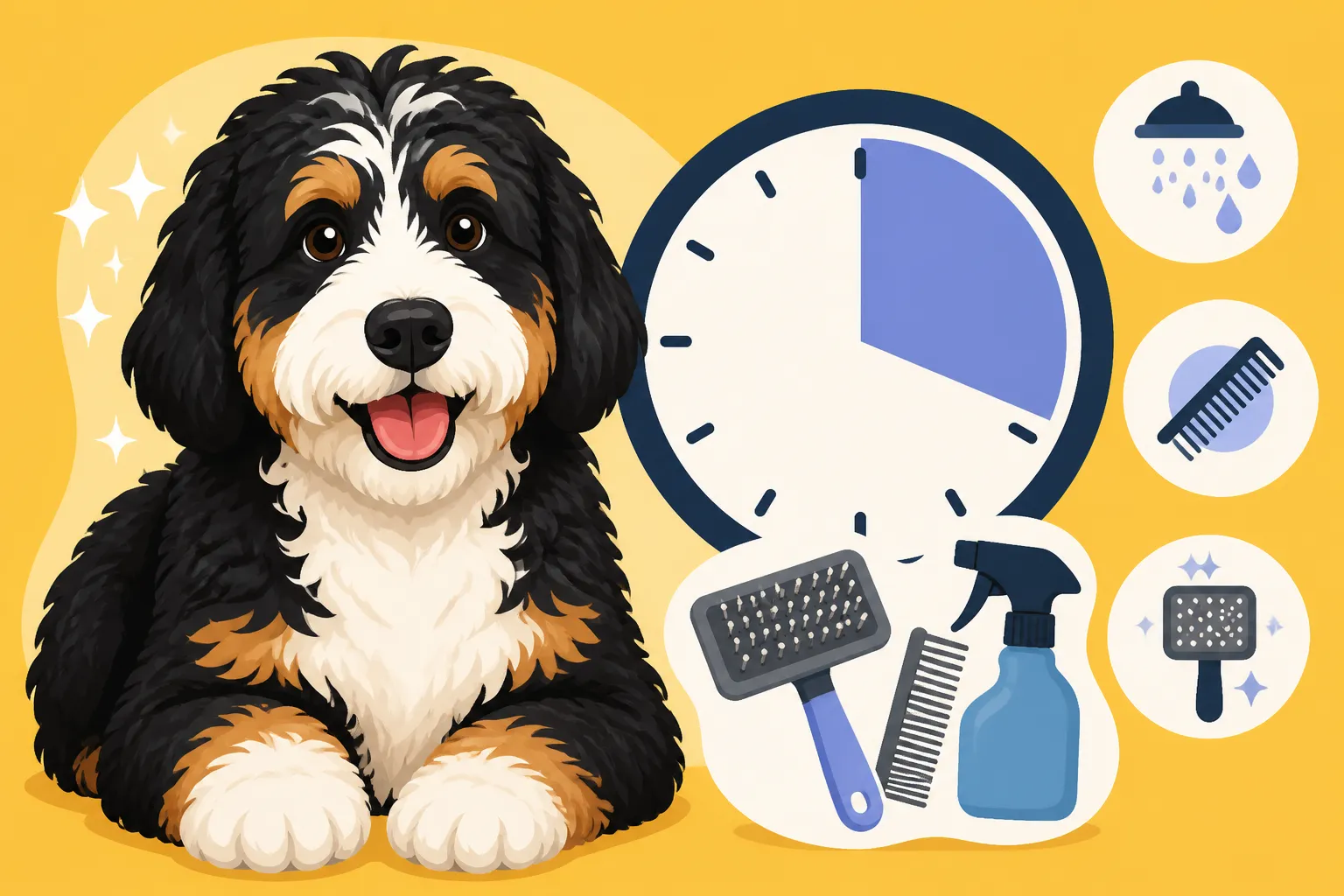
For a standard Bernedoodle, with its substantial size and volume of coat, you should plan for at least 3-4 dedicated brushing sessions per week. Each session, if done properly, will take anywhere from 30 to 60 minutes. That's a minimum of 1.5 to 4 hours just for brushing. You'll want a good quality slicker brush and a sturdy metal comb. Pay extra attention to common matting zones like behind the ears, in the armpits, under the collar or harness, and the "britches" (the long fur on their hindquarters). Neglecting these areas will quickly lead to painful, skin-tight mats. Proper technique and consistent effort during these sessions are paramount to keeping their coat healthy. For more on preventing these stubborn knots, you might want to read Mats in a Bernedoodle's Armpits and Britches.
Spot Checks and Quick Fixes
Beyond the full brushing sessions, daily spot checks are incredibly important. These are quick, 5-10 minute checks, often done while petting your dog or after a walk. This is your chance to catch small tangles before they escalate into full-blown mats. Did they just roll in a pile of leaves? Snag a burr on their leg? Splash through a puddle? These are all prime opportunities for mats to start forming.
A quick comb-through of their ears, tail, and paws can prevent a lot of headaches. This daily vigilance is particularly important during the "coat change" phase, usually between 6 and 18 months, when their soft puppy fur is being replaced by the denser adult coat. During this period, you might find yourself doing short, intensive brushing sessions every single day just to keep up. It's a frustrating time for many owners, but pushing through it with consistent care will save you a world of trouble and expense later.
Ear Cleaning and Eye Care
Bernedoodles, with their adorable floppy Poodle-like ears, are prone to ear infections. These ears trap moisture and reduce air circulation, creating a warm, dark environment perfect for yeast and bacteria to thrive. Weekly ear cleaning is essential to prevent discomfort and costly vet visits. This involves using a veterinarian-approved ear cleaner to gently wipe out the ear canal, removing wax and debris. Some Bernedoodles also grow a lot of hair inside their ear canals, which might need to be plucked by a groomer or vet to further improve air flow.
Eye care is also part of the routine, especially for lighter-colored Bernedoodles or those with abundant facial hair. Tear stains can accumulate, leading to irritation and discoloration. A gentle wipe around the eyes with a damp cloth or a specialized pet eye wipe a few times a week can keep this under control. If your Bernedoodle's hair is constantly getting into their eyes, a quick trim of the fringe between professional grooms might be necessary, though this is often best left to a pro to avoid injury.
Nail Trims and Paw Pad Maintenance
Don't forget those paws! Long nails can cause discomfort, affect your Bernedoodle's gait, and lead to serious joint problems over time, especially for a large dog. Aim for nail trims every 1-2 weeks. If you start this early with your puppy and make it a positive experience, it becomes much easier. If their nails are clicking on the floor when they walk, they're too long. This might take 10-15 minutes, depending on your dog's cooperation. If you're nervous about trimming, your vet or groomer can do it, but that adds to your overall cost and time commitment outside the home.
The hair between their paw pads also needs attention. This fur can grow quite long, collecting dirt, debris, and even ice balls in winter. It can also cause them to slip on hard floors, potentially leading to injuries like torn ligaments. Trimming this hair regularly (every 2-4 weeks) with blunt-nosed scissors or small clippers is crucial. This step also helps prevent painful mats from forming between their toes, which can make walking incredibly uncomfortable.
| Grooming Task | Frequency | Estimated Time Per Session (Standard Bernedoodle) | Weekly Total (Minimum) | Tools Needed |
|---|---|---|---|---|
| Dedicated Brushing | 3-4 times/week | 30-60 minutes | 1.5 – 4 hours | Slicker brush, Metal comb, Detangling spray |
| Spot Checks/Quick Fixes | Daily | 5-10 minutes | 35 – 70 minutes | Metal comb |
| Ear Cleaning | 1-2 times/week | 5-10 minutes | 5 – 20 minutes | Ear cleaner, Cotton balls |
| Eye Wipes | 2-3 times/week | 1-2 minutes | 2 – 6 minutes | Soft cloth, Pet eye wipes |
| Nail Trimming | Every 1-2 weeks | 10-15 minutes | 5 – 15 minutes | Nail clippers/grinder |
| Paw Pad Trimming | Every 2-4 weeks | 5-10 minutes | 2 – 5 minutes | Small scissors/clippers |
| Total Estimated Weekly Time | (Excluding professional grooms) | 2 hours 49 minutes – 5 hours 56 minutes | (Varies greatly by coat type & condition) |
Note: This table excludes professional grooming visits, which typically occur every 6-8 weeks and add significant time and cost.
Factors That Increase Weekly Grooming Time
It's not just about the coat type; various lifestyle and health factors can significantly impact how much time you'll spend battling tangles and keeping your Bernedoodle pristine. Understanding these can help you anticipate the demand.
Environmental Influences and Lifestyle
Does your Bernedoodle love to dive into every muddy puddle it sees? Is it a forest explorer, coming back with burrs and twigs tangled in its fur? Do you live in a humid climate that seems to make mats appear out of thin air? All these things will drastically increase your grooming time. A Bernedoodle that spends most of its time indoors, on clean surfaces, with minimal outdoor adventures, will naturally require less intense daily maintenance than an active, outdoor-loving companion.
Swimming, for example, is a wonderful activity for dogs, but for a Bernedoodle, it means a full-body dry and brush-out session immediately afterward to prevent mats from cementing as the coat dries. Just letting them air dry is a recipe for disaster. Whether a Bernedoodle Swims to Cool Off is a good read, but remember the post-swim grooming! Regular walks on dusty trails or playing in tall grass will also mean more frequent detangling and brushing to remove foreign objects and prevent their coat from becoming a knotted mess. Think about your dog's typical week and how much "messy" activity they're likely to get into.
Coat Condition and Matting Severity
The single biggest factor that can balloon your weekly grooming hours is allowing mats to form. A small tangle takes minutes to brush out. A tight, neglected mat takes much longer, can be painful for your dog, and might even require professional intervention or shaving. If your dog comes back from the groomer with a short "fresh start" shave, it usually means their coat was too matted to brush out. This is a common and understandable frustration for owners who expected an easier coat.
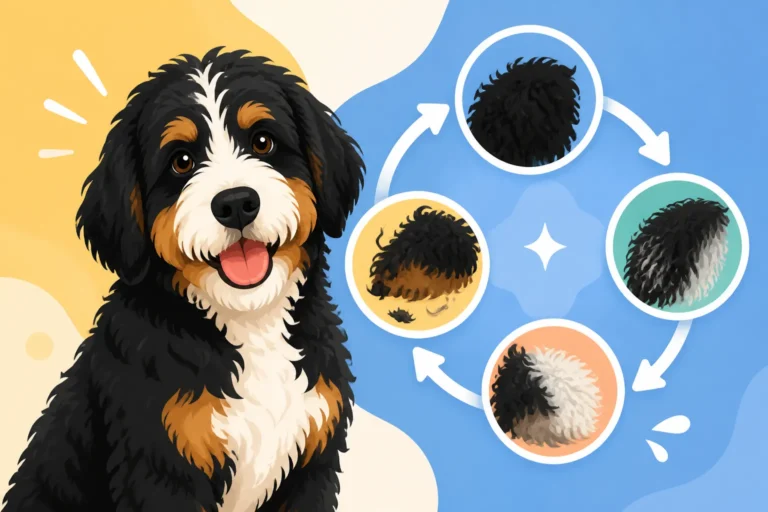
The infamous "coat change" period, usually between 6 to 18 months of age, is a prime example of increased matting severity. During this time, the soft, easy-to-manage puppy coat sheds out while the denser, more mat-prone adult coat grows in. The puppy hair gets trapped in the adult hair, forming incredibly tight, difficult-to-remove mats, often right at the skin level. This period can easily double or triple your regular weekly grooming time, sometimes requiring daily, hour-long sessions to prevent the coat from becoming a solid pelt. It's a temporary but intense phase that many Bernedoodle owners find challenging. To avoid a shave-down, consistent daily brushing during this time is essential.
Dietary Health and Skin Issues
What goes into your Bernedoodle's body can also impact its coat health and, consequently, your grooming time. A dog on a high-quality, nutritious diet (like those offered by brands such as Ollie) will often have a healthier, stronger coat that is less prone to breakage and matting. A dry, brittle coat, often a symptom of poor nutrition, can tangle more easily and be harder to brush through without causing discomfort. Healthy skin, supported by good nutrition, is also less prone to flakiness or irritation that might make grooming difficult.
Conversely, skin issues like allergies, hot spots, or dry skin can make grooming a nightmare. A Bernedoodle that is constantly itching or has irritated patches will resist brushing, and the act of scratching can create mats. Grooming these sensitive areas requires extra patience and gentleness, adding to the time commitment. If you notice persistent skin issues or a dull coat, consult your vet; addressing underlying health problems can indirectly reduce your grooming burden by improving coat quality and your dog's comfort during brushing.
Maximizing Efficiency and Enjoyment in Bernedoodle Grooming
Alright, so we've established that Bernedoodle grooming is a time commitment. But it doesn't have to be a dreaded chore! With the right approach and tools, you can make the process more efficient and even a bonding experience for you and your dog.
The Right Tools Make All the Difference
Trying to brush a Bernedoodle with a cheap, ineffective brush is like trying to cut steak with a butter knife – frustrating for everyone involved. Investing in high-quality grooming tools is not an extravagance; it's a necessity. You'll need:
- A sturdy slicker brush: This is your primary weapon against tangles. Look for one with firm, bent pins that can penetrate the dense coat without scratching the skin.
- A strong metal comb: Essential for line brushing and for finding any hidden mats the slicker brush might have missed. A comb with both wide and narrow teeth is ideal.
- A good detangling spray: This helps loosen knots and reduces static and breakage, making brushing smoother and more comfortable.
- A high-velocity force dryer: If you bathe your Bernedoodle at home, this is a game-changer. It blasts water out of the coat, significantly reducing drying time and preventing mats from forming as the coat air dries. It's a big investment but pays for itself by saving you hours.
You can find excellent options for all these tools on platforms like Amazon or specialized pet supply stores like Chewy. Don't skimp on quality here; it will save you time, frustration, and money in the long run.
Building a Positive Grooming Routine
Just like with any training, consistency and positive reinforcement are key. Start grooming your Bernedoodle puppy from day one, even if it's just a few minutes of gentle brushing with lots of treats and praise. Make it a fun, calm experience. Break sessions into manageable chunks if your dog gets antsy. The goal is to build a positive association with grooming, so they learn to tolerate and even enjoy the process.
If you struggle, consider enrolling in a puppy class that includes handling exercises or asking your professional groomer for tips on how to make home grooming more pleasant. Many groomers are happy to provide guidance on tools and techniques. Remember, your groomer is your partner in maintaining your Bernedoodle's coat, not just someone you drop them off with every few months when things get out of hand. Regular professional grooms (typically every 6-8 weeks) coupled with consistent home maintenance will keep your Bernedoodle comfortable and looking fabulous. For more on helping your Bernedoodle get comfortable with grooming, check out Getting a Bernedoodle Used to the Grooming Table.
The Grooming Table: A Game Changer
For a standard Bernedoodle, which can easily weigh 70-90 pounds, bending over to brush them on the floor or trying to keep them still on your lap is simply not practical or good for your back. A dedicated grooming table, even a simple foldable one, can revolutionize your home grooming routine. It elevates your dog to a comfortable working height, allowing you to easily access all areas of their coat without straining yourself.
More importantly, a grooming table teaches your Bernedoodle to stand still and associate grooming with a specific, elevated space. Many come with a grooming arm and loop that can safely secure your dog, preventing them from jumping off and making the process much safer for both of you. Once they learn that "table time" means quiet grooming, your sessions will become significantly more efficient and less stressful. It's another investment, but one that drastically improves the quality and ease of your home grooming efforts.
Disclaimer
This article is for general informational purposes only and does not constitute professional advice. Laws, prices and regulations vary by location and change over time. Consult a qualified professional for guidance on your specific situation.