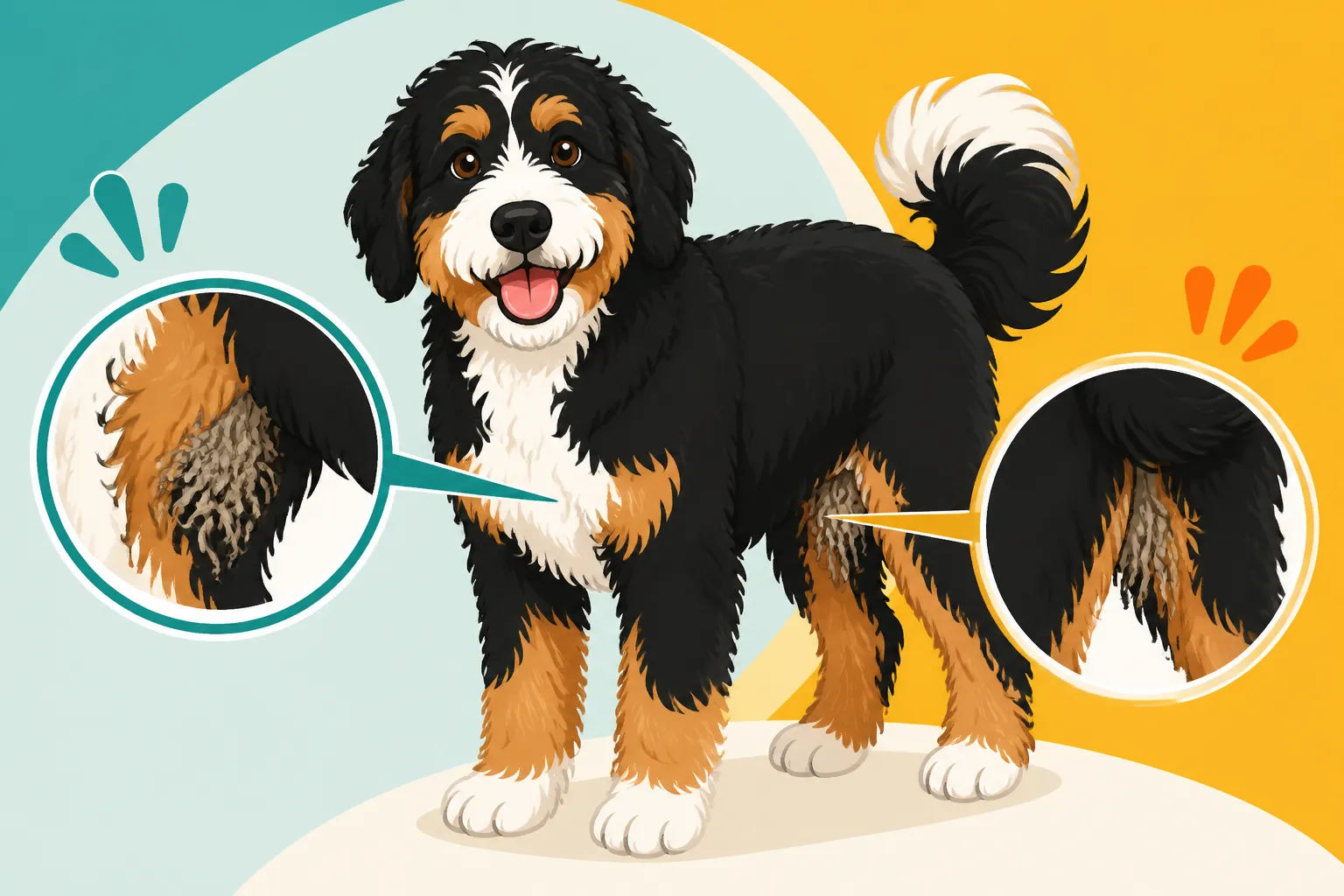
Mats in a Bernedoodle’s Armpits and Britches
Oh, the dreaded mats! If you've got a Bernedoodle, you know the absolute horror of running your fingers through that gorgeous, fluffy coat only to hit a solid, unyielding clump, especially in those tricky spots like the armpits and britches. It's a universal Bernedoodle owner frustration, and you are definitely not alone in feeling overwhelmed by it. This guide is here to walk you through exactly why these areas are such problem zones, how to prevent those mats, and what to do when they inevitably appear.
Why Armpits and Britches Are Mat Magnets
Let's be real, Bernedoodles are walking, talking, cuddly masterpieces of engineering, but that beautiful coat comes with its own set of challenges. Certain areas on their bodies are just naturally more prone to matting, and the armpits and britches are practically magnets for them. Understanding why this happens is the first step in tackling the problem head-on.
The Anatomy of a Mat-Prone Area: Friction and Movement
Think about your own clothing – where does it wear out first? Usually, it's where there's a lot of friction and movement. The same applies to your Bernedoodle's coat.
- Armpits: These are high-friction zones. Every step your Bernedoodle takes, every stretch, every wriggle – their front legs are constantly rubbing against their torso. This constant motion causes the individual hairs to intertwine, knot, and eventually felt together. Add to that the fact that these areas are often damp from sweat or external moisture (like a romp in dewy grass), and you have a perfect storm for mat formation. It's also a spot that often gets overlooked during quick brushes because it's awkward to reach and sensitive for many dogs.
- Britches (Rear Legs): This area, around the upper thighs and hindquarters, is similarly a hotspot for mats. When your Bernedoodle sits, lies down, runs, or even just walks, their hind legs are in constant motion, creating friction. Furthermore, urine and feces can sometimes get caught in the long hair here, making it sticky and even more prone to clumping if not kept meticulously clean. It's also an area where the coat can be particularly dense and fine, making it extra susceptible to tangling.
The Bernedoodle's Unique Coat Challenge
The Bernedoodle's coat, a glorious mix of Bernese Mountain Dog and Poodle, is often the very thing we adore about them, but it's also the root of many grooming woes. You might have a wavy coat, a curly coat, or even a straighter coat, but they all share common characteristics that lead to matting in these high-friction areas.
- Mixed Coat Types: Unlike a purebred Poodle with a consistently curly, non-shedding coat, or a Bernese with a thick, shedding double coat, the Bernedoodle often has a blend. This blend means you might have softer, finer hairs intertwined with coarser ones, or a mix of wavy and curly textures. This variety in hair types makes the coat incredibly prone to tangling because hairs don't shed out cleanly; instead, they get trapped within the existing coat, creating knots. For more on this, you can read about The Coat a Bernedoodle Gets From Two Heavy Coated Parents.
- Density and Undercoat: Many Bernedoodles, especially those with more Bernese influence, have a dense coat, sometimes even with a soft undercoat that wants to shed but can't escape the Poodle-like topcoat. This trapped hair quickly turns into felted mats, especially in those areas where gravity and movement pull the hairs together. For specific details on common coat types, check out The Wavy Coat Most Bernedoodles Carry and The Curly Coat Bernedoodle and Its Upkeep.
- "Puppy Fluff" Transition: If you have a younger Bernedoodle, you'll notice a particularly challenging period when their soft, fluffy puppy coat transitions to the denser, coarser adult coat. This "coat change" typically happens between 6 and 18 months of age and is a prime time for matting, as the old puppy hair gets entangled with the new adult hair. Understanding this transition is crucial for managing their coat effectively during this phase. When a Bernedoodle's Puppy Fluff Becomes an Adult Coat delves into this in more detail.
Preventing Mats Before They Start
The old adage "an ounce of prevention is worth a pound of cure" couldn't be truer when it comes to Bernedoodle mats. It's far easier to prevent them than to battle them once they've set in. Consistent, proactive grooming is your best defense against those stubborn tangles, especially in the armpits and britches.
Daily Brushing Habits for High-Traffic Zones
The key word here is "daily." For a Bernedoodle, especially in those problem areas, daily attention is non-negotiable if you want to keep them mat-free.
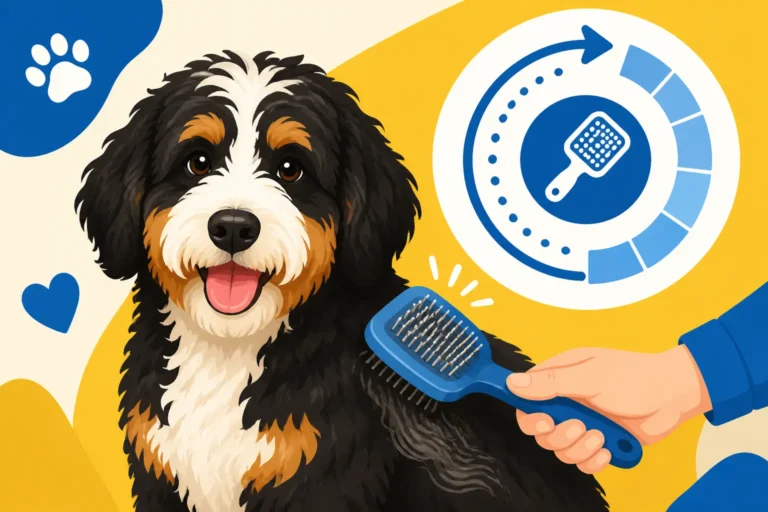
- Establish a Routine: Try to make brushing a positive, calm experience for your dog. A few minutes every day, perhaps while you're watching TV or winding down, can make a huge difference. Start with short sessions and reward generously with treats and praise. This isn't just about getting the knots out; it's about building trust and cooperation for future grooming.
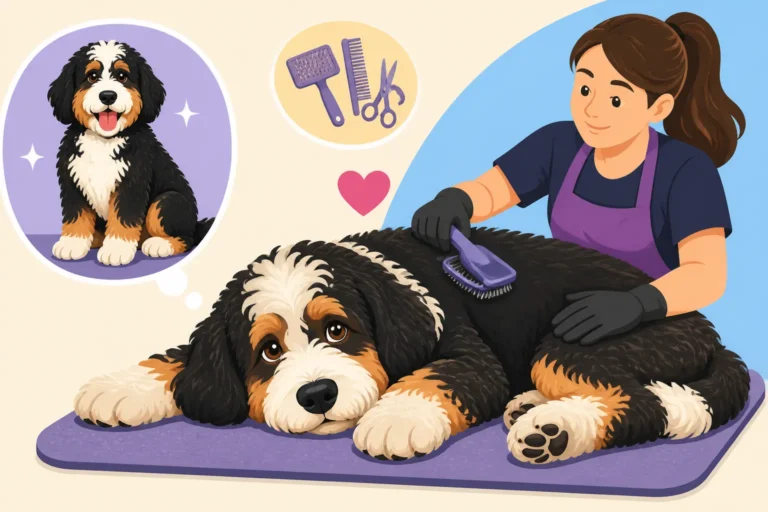
- Line Brushing Technique: This is the most effective way to ensure you're getting down to the skin, which is where mats start. Don't just skim the top of the coat. Part the hair in small sections, using one hand to hold the unbrushed hair out of the way, and brush from the skin outwards. Work your way across the entire body, section by section. For the armpits, you'll need to gently lift your dog's leg to expose the area, being careful not to pull the skin. For the britches, have your dog stand, or gently lay them on their side if they're comfortable. Pay extra attention to these sensitive areas.
- Targeted Tools: While a good slicker brush is your primary tool for overall coat care, a metal comb is indispensable for checking for mats in the armpits and britches. After using the slicker brush, run a fine-toothed metal comb through the hair in these areas. If the comb snags, you've found a tangle that needs more attention. For a deeper dive into essential tools, check out The Brushes a Bernedoodle Owner Actually Needs.
Smart Grooming Choices and Tools
Beyond daily brushing, the right approach to grooming and selecting the right products can significantly reduce matting.
- High-Quality Grooming Products: Invest in a good quality detangling spray. Before you start brushing, lightly mist the coat, especially in mat-prone areas. This helps lubricate the hair, making it easier for the brush to glide through and preventing breakage. Brands like Chris Christensen or Cowboy Magic offer excellent detangling sprays. You can find many of these on platforms like Chewy or Amazon.
- Regular Trimming: Keeping the hair in the armpits and britches a bit shorter can drastically reduce matting potential. You don't need a full shave, but a shorter clip in these specific areas means less hair to tangle and less friction. Discuss this with your professional groomer, or if you're comfortable with clippers, learn how to do maintenance trims yourself. This is a common strategy to mitigate The Places a Ninety Pound Bernedoodle Mats First.
- The Right Collar/Harness: While not directly related to armpits and britches, ill-fitting collars or harnesses can create friction on other parts of the body, leading to mats around the neck or chest. Ensure any gear fits properly and is removed when not needed to give the coat a break.
| Grooming Tool | Primary Use | Best For | Why It Helps in Problem Areas |
|---|---|---|---|
| Slicker Brush | Removing loose hair, detangling | Overall coat, gentle dematting | Grabs loose hair before it forms mats; effective for line brushing |
| Metal Comb | Checking for tangles, finishing | Detecting small knots, finishing | Confirms if brushing reached the skin; precise mat finding |
| Dematting Rake/Tool | Cutting through tight mats | Established, smaller mats (use with care!) | Helps break up mats without shaving, but can pull if used improperly |
| Blunt-Tip Scissors | Carefully cutting out small mats | Small, stubborn mats close to the skin | Allows precise removal of mats too tight for tools, extreme caution needed |
| Detangling Spray | Lubricating hair, reducing static | All coat types, especially before brushing | Makes hair slicker, easier to brush, prevents breakage |
Dealing with Existing Mats in Sensitive Areas
Despite your best efforts, sometimes mats happen. The important thing is to address them promptly and gently. Ignoring a mat, especially in the armpits or britches, will only make it worse, pulling on the skin, causing discomfort, and potentially leading to skin infections.
Assessing the Mat Situation
Before you dive in, take a moment to evaluate the mat. This will help you decide the best course of action.
- Tightness and Size: How close is the mat to the skin? Can you still get a comb underneath it, or is it completely felted against the skin? Is it a small knot or a large, pancake-flat mat? Small, loose tangles are much easier to handle at home than tight, skin-pulling mats.
- Location: Mats in the armpits and britches are in sensitive areas. The skin here is thin and easily nicked, and your dog will likely be more sensitive to pulling or discomfort. Be extra cautious.
- Dog's Comfort Level: Is your Bernedoodle tolerant of grooming, or do they squirm and snap? If they're showing signs of pain or extreme stress, attempting to remove a tight mat at home could make them fearful of grooming in the future. Their comfort and safety should always be your top priority.
Gentle Detangling Techniques and Products
For small, loose mats, you can try to work them out at home. Always prioritize gentleness and never pull hard.
- Gather Your Tools: You'll need a slicker brush, a metal comb, a detangling spray (as mentioned earlier, you can find excellent options on Amazon or Chewy), and possibly a mat splitter or blunt-tip scissors. A sturdy grooming table or a non-slip surface where your dog feels secure is also helpful.
- Mist with Detangler: Liberally spray the mat and the surrounding hair with detangling spray. Let it sit for a minute or two to penetrate the hair. This will help loosen the fibers.
- Finger Pick First: Gently try to tease apart the edges of the mat with your fingers. Start from the very outermost edge and work your way in. This helps to break the mat into smaller, more manageable sections.
- Small Sections with a Comb: Once you've finger-picked a bit, use the very tip of your metal comb or a mat splitter to gently work on small sections of the mat. Always work from the outside of the mat inwards, and from the tip of the hair towards the skin. Hold the hair at the base of the mat (closest to the skin) with your fingers to prevent pulling on the skin. This "anchoring" technique minimizes discomfort for your dog.
- Brush, Comb, Repeat: Alternate between using the slicker brush to smooth out the loosened hair and the comb to work through smaller tangles. If the mat is particularly wide, you can try to "split" it with blunt-tip scissors (pointing them away from the skin, cutting along the direction of hair growth) to break it into narrower strips, which are easier to brush out. BE EXTREMELY CAREFUL with scissors near the skin; the skin can get pulled into the mat.
- Patience is Key: This process can take time. If your dog gets antsy, take a break and come back to it later. Never force it or try to rush, as this can cause pain and damage the coat.
When to Call in the Professionals
Sometimes, a mat is just too big, too tight, or too close to the skin for safe home removal. This is where a professional groomer becomes your best friend.
- Large, Tight Mats: If you can't get a comb under the mat, or if it's pulling the skin visibly, it's time for professional help. Attempting to cut or brush out a severe mat can cause serious injury to your dog's skin.
- Multiple Mats or Matting "Pancakes": If the armpit or britches area is completely matted into a solid sheet, a groomer will likely recommend shaving it out. It's often the kindest and safest solution. They have specialized clippers and techniques to get under the mats safely, without cutting the skin.
- Dog's Discomfort: If your Bernedoodle is in pain, stressed, or shows aggression when you try to brush out a mat, a professional groomer is better equipped to handle the situation calmly and efficiently. They have experience with nervous dogs and tools that can make the process quicker.
- "Shaving Down" is Not a Failure: Don't feel guilty if your groomer recommends shaving down matted areas. It's not a reflection of your care, but sometimes the only humane option. Your Bernedoodle will feel immense relief once those tight mats are gone. Remember, a fresh start allows you to implement better preventative care. For more on this, consider What a Matted Bernedoodle Costs to Shave and Whether a Matted Bernedoodle Must Be Shaved Down.
Long-Term Care for Mat-Free Bernedoodle Armpits and Britches
Keeping those tricky areas mat-free is an ongoing commitment. It requires a consistent routine, the right tools, and an understanding of your Bernedoodle's specific coat needs. It's about integrating grooming into their regular care, just like feeding or walking.
Regular Professional Grooming Schedules
Partnering with a professional groomer is one of the smartest decisions you can make as a Bernedoodle owner.
- Establish a Schedule: Most Bernedoodles benefit from professional grooming every 6-8 weeks, sometimes even more frequently for those with particularly challenging coats or if you prefer a longer style. During these appointments, your groomer can address any budding mats, trim those tricky armpit and britches areas, and give your dog a thorough bath and blow-dry that you might struggle to achieve at home.
- Communicate with Your Groomer: Talk openly with your groomer about your concerns regarding matting in specific areas. They can offer advice, demonstrate techniques, and adjust the clipping style to help manage these problem spots. For instance, they might suggest keeping the hair shorter in the armpits year-round to prevent issues. Discussing the ideal clip for different seasons, like The Clip a Bernedoodle Owner Should Ask For in July, can be very helpful.
- Beyond the Bath: A professional groomer does more than just make your dog look pretty. They can check for skin issues hidden by mats, ensure nails are trimmed, and ears are clean. It's a comprehensive health check-up for their coat and skin.
Lifestyle Adjustments to Minimize Matting
Your Bernedoodle's daily life can also impact matting, especially in those high-friction zones. A few simple adjustments can go a long way.
- Avoid Wet Mats: Never let your Bernedoodle's coat air dry if it's matted or even slightly tangled. Moisture tightens mats, making them nearly impossible to remove without shaving. If your dog gets wet (after a bath, swimming, or playing in the rain), towel dry thoroughly and then use a force dryer if you have one, brushing as you go, to ensure the coat is completely dry down to the skin. How Long a Bernedoodle Takes to Dry Through is a good read for drying tips.
- Monitor Playtime: While you don't want to restrict your dog's fun, be mindful of activities that could exacerbate matting. Rough play with other dogs, rolling in burrs or sticky vegetation, or frequent swims without immediate thorough drying can all contribute to mats forming quickly. A quick brush-through after these activities can prevent small tangles from becoming big problems.
- Bedding Choices: Consider the type of bedding your Bernedoodle uses. Rough, abrasive fabrics can create friction, leading to mats, especially if they love to burrow or move around a lot while sleeping. Smooth, soft bedding can be a gentler option for their coat.
- Consistent Home Care: Even with professional grooming, daily maintenance at home is crucial. Remember the "ounce of prevention" rule. dedicate a few minutes each day to brush through those armpits and britches, even if it's just a quick check with a metal comb. This consistent effort will save you headaches, time, and potentially expensive dematting fees down the line. It really does come down to How Often a Bernedoodle Should Be Brushed and dedicating The Weekly Hours a Standard Bernedoodle's Coat Takes to keeping it in top condition.
Keeping your Bernedoodle's armpits and britches mat-free might seem like a never-ending battle, but with consistent effort, the right tools, and a good relationship with your groomer, it's absolutely achievable. Your furry friend will be much more comfortable, and you'll be able to enjoy that soft, fluffy coat without the hidden horrors of felted tangles.
Disclaimer
This article is for general informational purposes only and does not constitute professional advice. Laws, prices and regulations vary by location and change over time. Consult a qualified professional for guidance on your specific situation.