The Wavy Coat Most Bernedoodles Carry
If you've welcomed a Bernedoodle into your family, you've probably noticed that beautiful, flowing coat. It's often one of the first things people adore, but it also comes with its own set of questions and, let's be honest, sometimes a few frustrations. That distinct wavy texture that most Bernedoodles carry isn't just pretty; it dictates a lot about their daily care, from how often you need to brush to what kind of products you should be using. This guide is here to walk you through everything you need to know about managing and loving that gorgeous wavy Bernedoodle coat, ensuring your furry friend stays comfortable, healthy, and mat-free.
Understanding the Bernedoodle Wavy Coat Phenomenon
The Bernedoodle's coat is a wonderful tapestry woven from the genetics of two distinct breeds: the majestic Bernese Mountain Dog and the elegant Poodle. This blend is what gives us the popular wavy coat, a sort of happy medium that many owners find irresistible. It’s not just by chance that so many Bernedoodles sport this particular look; there's a fascinating scientific reason behind it, and breeders often work towards achieving it.
The Genetics Behind the Wave
To truly understand the wavy coat, we have to talk a little bit about genetics, but don't worry, it won't be like a high school science class! The Bernese Mountain Dog typically has a thick, straight, double coat, designed to protect them from cold mountain climates. The Poodle, on the other hand, is known for its dense, curly, non-shedding single coat. When these two breeds are crossed, their genes combine in interesting ways.
The wavy coat in Bernedoodles is primarily influenced by genes related to hair type and curl. There's a specific gene, often referred to as the "furnishings" gene (imaginatively named, right?), that gives Poodles their distinct facial hair, eyebrows, and mustache, and more generally contributes to their low-shedding qualities. When a Bernedoodle inherits one copy of this gene from their Poodle parent and another copy of the normal hair gene from their Bernese parent, the result is often that beautiful wavy texture. It's not quite straight, not quite curly, but a delightful, flowing compromise that sits somewhere in the middle.
Why Wavy is So Common
You might wonder why it seems like every Bernedoodle you see has that signature wavy coat. It's no accident! Many breeders intentionally aim for this coat type because it strikes a desirable balance between the shedding of the Bernese and the intense curl maintenance of a purebred Poodle. The wavy coat tends to shed less than a Bernese, making it a more appealing option for those with mild allergies or who simply prefer less dog hair around the house.
Moreover, the wavy coat is often perceived as being easier to maintain than a tightly curled Poodle coat, which can be prone to matting if not brushed daily. While still requiring diligent grooming, the looser wave can sometimes be a bit more forgiving for owners new to doodle coats. Breeders also know that the wavy look is aesthetically pleasing and aligns with the popular "teddy bear" appearance that so many prospective Bernedoodle owners are looking for. It's a sweet spot, combining reduced shedding with a charming, manageable texture, making it a highly sought-after characteristic in the Bernedoodle world.
Characteristics of the Wavy Bernedoodle Coat
The wavy Bernedoodle coat is often considered the best of both worlds, inheriting some of the Bernese's softness and the Poodle's low-shedding qualities. However, understanding its specific texture and what that means for shedding is crucial for any owner. It's not a "set it and forget it" kind of coat, but with the right knowledge, it's incredibly rewarding.
Texture and Appearance
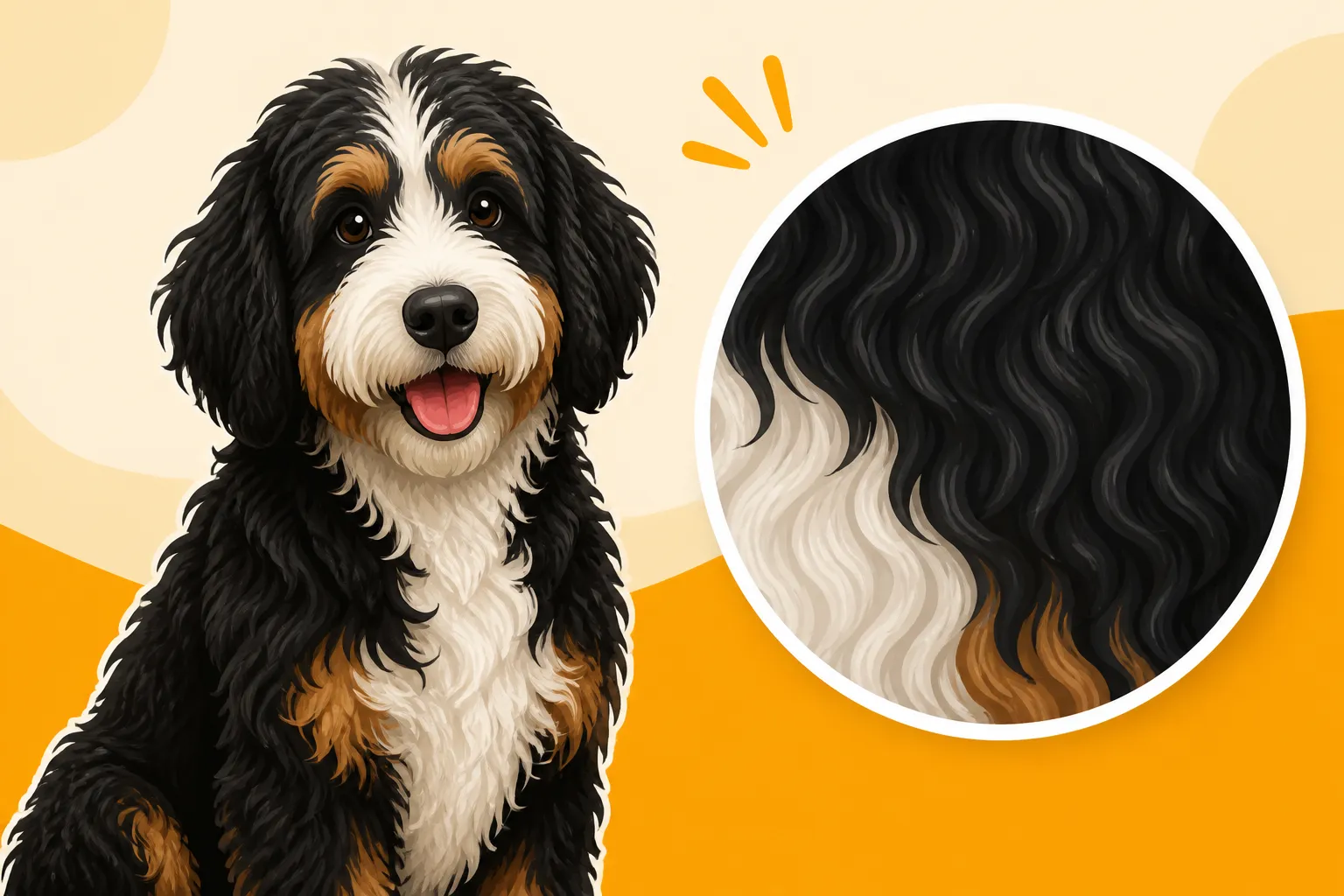
When you run your hands through a wavy Bernedoodle coat, you’ll typically find it incredibly soft and luxurious, almost like fine wool or a soft fleece blanket. The waves can vary from loose, gentle ripples to tighter, more pronounced curls that still have a distinct wave pattern rather than a tight coil. It’s rarely completely straight and almost never as tightly curled as a purebred Poodle.
Imagine a soft, slightly tousled look, where the hair flows rather than stands stiffly. This texture gives Bernedoodles that adorable, friendly appearance so many people fall in love with. Unlike the Bernese Mountain Dog's thick, often coarser double coat, the wavy Bernedoodle coat is generally a single layer, though some might have a denser undercoat if they lean more heavily on their Bernese side. This means it feels lighter and softer, and often has a lovely sheen, especially when well-cared for. It's truly a unique blend, offering a fluffy, inviting look without the heavy shedding or super-tight curls that require specialized brushing techniques.
Shedding Levels and Hypoallergenic Claims
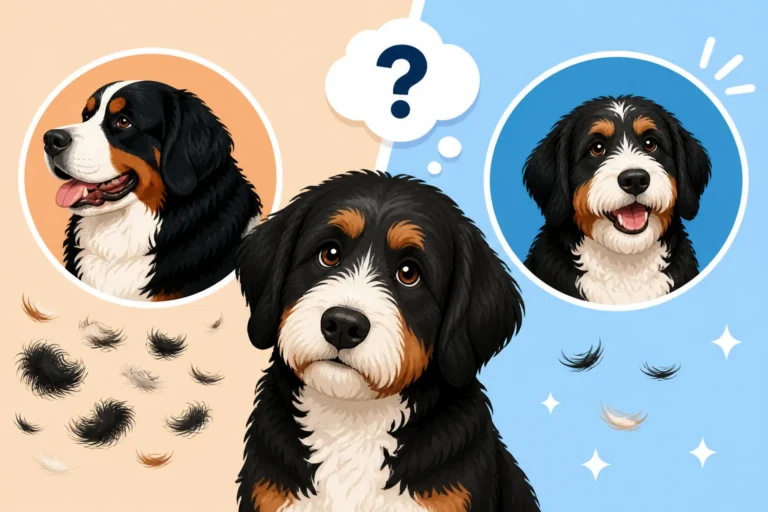
One of the main reasons people are drawn to Bernedoodles, especially those with wavy coats, is the promise of reduced shedding. Let's be realistic here: no dog is 100% non-shedding. If someone tells you that, they're probably stretching the truth a bit. However, a wavy Bernedoodle coat does typically shed significantly less than a purebred Bernese Mountain Dog. Instead of hair scattering all over your home, the loose hairs tend to get caught within the wavy texture of the coat itself. This is why regular brushing is so important – it removes these trapped hairs before they can fall out and create a mess.
Regarding the "hypoallergenic" claim, it's also a bit of a nuanced topic. While Bernedoodles are often marketed this way, particularly the wavy or curly-coated varieties, it's more accurate to say they are "allergy-friendly" or "low-shedding." Allergies in humans are usually triggered by dander (microscopic flakes of skin), saliva, and urine, not just the hair itself. Because wavy Bernedoodles shed less dander into the environment compared to a heavy-shedding breed, they can be a much better option for individuals with mild dog allergies. However, if someone has severe allergies, even a low-shedding Bernedoodle might still trigger a reaction. It's always a good idea for anyone with allergies to spend time with a Bernedoodle before committing, just to see how they react. You can read more about this in Whether a Bernedoodle Is Hypoallergenic.
Daily Care and Grooming for a Wavy Coat
Maintaining a wavy Bernedoodle coat isn't just about keeping them looking good; it's essential for their health and comfort. Neglecting this beautiful coat can quickly lead to painful mats and skin issues. It's a commitment, but one that strengthens the bond between you and your furry companion.
Brushing Routines to Prevent Mats
Consistent brushing is the cornerstone of wavy Bernedoodle coat care. Think of it as a daily or every-other-day ritual, especially during their puppy coat change phase, which we'll discuss a bit later. Without it, those lovely waves will quickly become a tangled mess. For a wavy coat, you'll need a few key tools: a good quality slicker brush and a metal comb (preferably with both wide and fine teeth). A detangling spray can also be a game-changer.
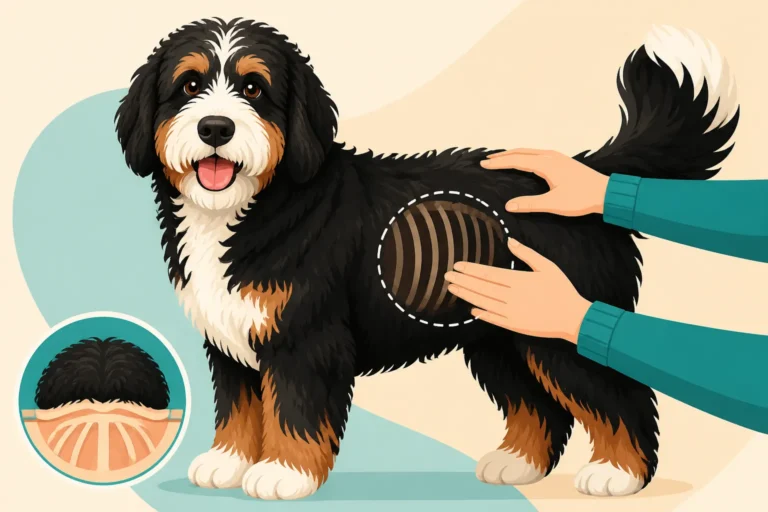
The most effective technique is called "line brushing." This involves parting the coat, usually starting from the bottom of a leg or flank, and brushing small sections from the skin outwards. You lift a layer of hair, brush the hair underneath, and then lay the next section down and repeat. This ensures you're getting all the way to the skin, where mats often begin, rather than just skimming the surface. Pay extra attention to common matting areas like behind the ears, armpits, britches (the hair on their hind legs), and where a harness or collar rubs. Even if their coat doesn't look matted on top, skipping brushing to the skin means tiny tangles are forming at the base of the hair follicles, which will eventually become a large, painful mat. I go into more detail on how much effort this takes in The Volume of Coat a Bernedoodle Owner Brushes Weekly. It's a task that builds patience in both of you!
Bathing and Drying Best Practices
Bathing a Bernedoodle, especially a larger standard size, can feel like a wrestling match with a giant, fluffy mop. But it's a vital part of coat maintenance. The frequency depends on their lifestyle – a city dog might need a bath more often than one who spends most of their time indoors. Generally, every 4-8 weeks is a good starting point, or whenever they get particularly dirty. Always brush your Bernedoodle thoroughly before bathing them. Water can tighten existing tangles and mats, making them nearly impossible to remove once wet.
Use a dog-specific shampoo and conditioner, as human products can dry out their skin and coat. Lather thoroughly, making sure to work the shampoo down to the skin. Rinse, rinse, and rinse again until the water runs clear and there's no soapy residue left, as residue can cause skin irritation. The drying process is just as, if not more, important than the bathing itself. Leaving a wavy coat to air dry is a recipe for disaster and massive matting. You'll need a high-velocity dog dryer, which dramatically reduces drying time and helps straighten the hair, making it easier to brush while drying. As you dry, continue to brush the coat with your slicker brush and comb, ensuring every single layer is completely dry down to the skin. This prevents fungal growth and those pesky mats. It's a labor of love, but proper drying means a happier dog and less work for you in the long run. Learn more about the critical importance of this step in Drying a Bernedoodle to the Skin.
Common Wavy Coat Challenges and Solutions
Even with the best intentions and a consistent grooming routine, wavy Bernedoodle coats present unique challenges. Matting is a constant battle, and their coat changes throughout their life can surprise even experienced owners. Being prepared for these hurdles makes all the difference.
Tackling Matting and Tangles
Mats are the bane of every Bernedoodle owner's existence. They are dense clumps of tangled hair that can pull on the skin, causing discomfort, pain, and even skin infections if left untreated. Wavy coats are particularly prone to matting because the individual hairs tend to hook into each other, especially where there's friction or moisture. Common culprits for matting include behind the ears, in the armpits, the groin area, under the collar or harness, and around the tail. These are areas your Bernedoodle might scratch or rub, or places where the fur is naturally finer and more prone to tangles.
If you find a small mat, the key is patience and the right tools. Never try to cut out a mat with scissors unless you are absolutely sure what you are doing, as it's incredibly easy to cut the skin underneath. Instead, use a good detangling spray and work at the mat gently with your fingers, teasing it apart from the outside in. A mat splitter or a seam ripper can be helpful for larger, flatter mats to carefully slice through them before you can comb them out. For deep or widespread matting, the most humane and safest solution is often a professional groomer. They have the expertise and specialized tools to either demat safely or, if necessary, shave the dog down. Remember, severe matting is painful for your dog, and sometimes a fresh start with a short shave is the kindest option. You can find out more about specific trouble spots in Mats in a Bernedoodle's Armpits and Britches.
Seasonal Coat Changes and Management
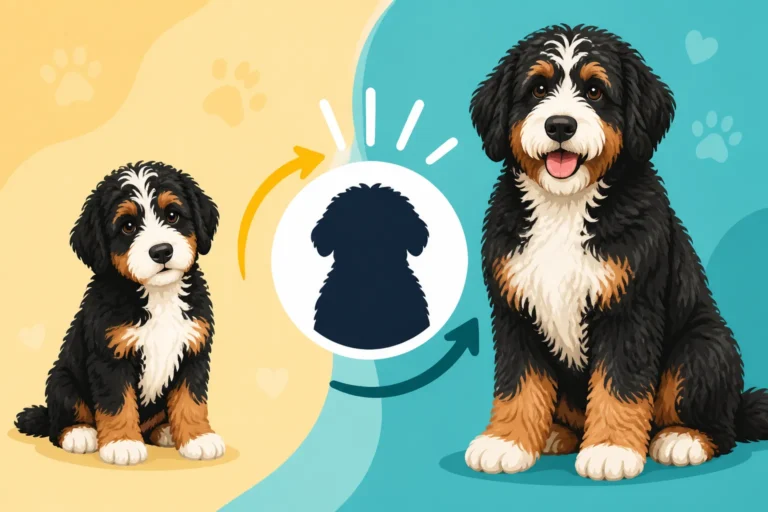
A Bernedoodle's coat isn't static; it evolves throughout their life. The most significant change you'll notice is the transition from their soft, fluffy puppy coat to their denser adult coat, typically between 6 to 18 months of age. During this "coat change" period, their puppy fur starts to shed out while the adult coat grows in, and the two textures can intertwine and mat at an alarming rate. What was once easy to brush suddenly becomes a daily struggle. This is when many owners, even those who thought they were diligent, find themselves overwhelmed by mats. Being prepared for this phase is crucial. When a Bernedoodle's Puppy Fluff Becomes an Adult Coat goes into more detail about this often-challenging period.
Beyond the puppy stage, you might notice subtle seasonal changes. While Bernedoodles don't "blow" their coat like double-coated breeds, some may develop a slightly denser coat in winter and shed a bit more of it in the spring. Humidity can also play a role, sometimes making their waves more pronounced or prone to frizz. During hotter months, many owners opt for shorter clips to help their Bernedoodle stay cooler and reduce the risk of overheating. Regular grooming appointments or a more frequent home brushing schedule can help manage these natural fluctuations. Don't be surprised if your Bernedoodle's coat requires slightly different care at various times of the year or stages of their life.
Professional Grooming and Styling Options
While diligent home grooming is non-negotiable for a wavy Bernedoodle coat, there will come a time—or rather, a regular schedule—when professional grooming becomes essential. These skilled professionals not only keep your Bernedoodle looking sharp but also address issues that are hard to manage at home.
When to Seek Professional Help
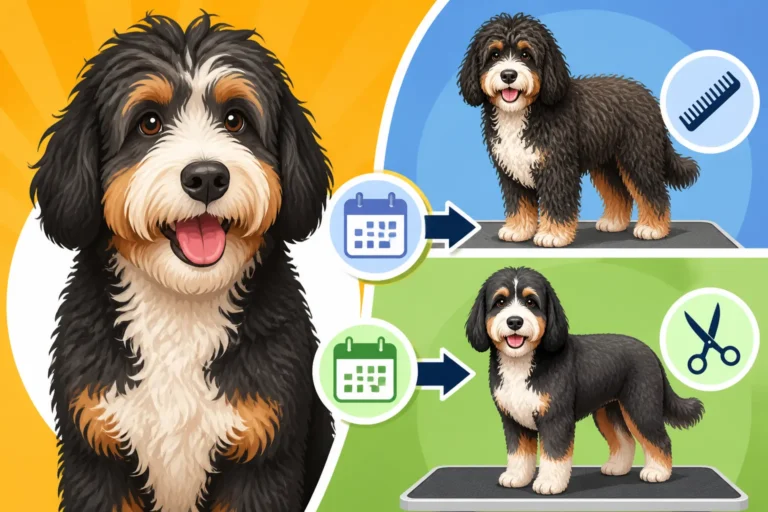
Recognizing when to call in the pros is important. For a wavy Bernedoodle, a professional groomer should be part of your routine from early puppyhood, not just when things get out of control. Most Bernedoodles benefit from a full groom every 6-8 weeks. This schedule helps maintain coat length, prevents severe matting, and allows the groomer to keep an eye on skin health, ear cleanliness, and nail length – tasks that can be challenging for owners, especially with a large, wiggly dog.
You should definitely seek professional help if:
- Mats become widespread or tight to the skin: A groomer has specialized tools and experience to safely remove them, often saving your dog from discomfort or a trip to the vet for sedation.
- You're struggling with regular brushing: They can help you reset the coat with a good shave and then offer advice on home maintenance.
- Your dog is difficult to bathe or dry: Professional tubs and high-velocity dryers make the process much more efficient and effective than at home.
- You notice skin issues: Groomers often spot hot spots, rashes, or other skin problems hidden under the coat.
- You want a specific style: Achieving that perfect "doodle cut" often requires a professional touch.
Even if you’re a stellar home groomer, those regular appointments are invaluable for keeping your Bernedoodle in tip-top shape.
Popular Wavy Coat Styles and Clips
The beauty of a wavy Bernedoodle coat is its versatility when it comes to styling. Unlike some breeds with very specific breed cuts, Bernedoodles can sport a wide range of looks, from shaggy and natural to neatly trimmed and polished. The most common request is often the "teddy bear" cut, which leaves the body hair relatively short (1-2 inches) but keeps the face, head, and tail a bit longer to enhance that adorable, fluffy look. This cut is popular because it's both cute and relatively easy to maintain between grooms.
For warmer months, many owners opt for a shorter summer clip, where the body hair is taken down to a quarter or half an inch. This can help prevent overheating and significantly reduces daily brushing needs, making it ideal for active dogs or those living in hot climates. You can explore The Summer Clip Length for a Bernedoodle for more specific advice. Another option is the "kennel clip," which is an even shorter, uniform length all over, often chosen for very active dogs or those who enjoy swimming. Longer styles, while stunning, require much more diligent home brushing to prevent matting. Discuss your lifestyle and your Bernedoodle's activity level with your groomer. They can recommend a style that not only looks great but is also practical for you and comfortable for your dog.
| Clip Style | Description | Maintenance Level (Between Grooms) | Best For |
|---|---|---|---|
| Teddy Bear | Body 1-2 inches, slightly longer on face/head. | Moderate | Classic "doodle" look, moderate activity. |
| Summer Clip | Body 1/4 – 1/2 inch, often with a slightly longer face. | Low | Hot weather, active dogs, minimal brushing. |
| Kennel Clip | Uniform short length all over (e.g., 1/4 inch). | Very Low | Extreme activity, frequent swimmers, easy care. |
| Long & Flowy | Retains several inches of length throughout the body and legs. | Very High | Show aesthetics, requires daily, thorough brushing. |
Health Considerations Related to Wavy Coats
Beyond aesthetics, a Bernedoodle's wavy coat plays a significant role in their overall health. Its density and texture mean that certain health considerations, particularly regarding skin, need to be carefully monitored. A healthy coat often reflects a healthy dog, and part of that equation includes what they eat.
Skin Health Under the Coat
The wavy, dense nature of a Bernedoodle's coat creates a warm, sometimes humid environment close to the skin. While this is great for keeping them cozy, it also makes their skin susceptible to certain issues if not properly managed. Hot spots, for instance, are common. These are intensely itchy, red, inflamed skin lesions that can appear seemingly overnight. They're often triggered by an underlying irritant—like an insect bite, an allergy flare-up, or even excessive moisture trapped against the skin after a swim—that the dog then licks or chews compulsively, making it worse.
To prevent such issues, ensure your Bernedoodle is thoroughly dried after baths or swimming, and inspect their skin regularly during brushing sessions. Lift the coat and check for any redness, flakiness, bumps, or unusual odors. Areas prone to matting are also prone to skin issues, as mats can trap moisture and debris. If you spot any problems, address them quickly. A clean, well-brushed coat allows air to circulate, reducing the risk of skin infections. Regular vet check-ups also allow your veterinarian to catch any underlying skin conditions. It's truly a case of "out of sight, out of mind" leading to bigger problems, so be proactive about checking that skin beneath the beautiful waves. For more detailed information, check out Skin Problems Under a Bernedoodle's Heavy Coat.
Impact of Nutrition on Coat Health
Just like with humans, what your Bernedoodle eats has a direct impact on the quality of their skin and coat. A dull, dry, or brittle coat, or excessive shedding, can sometimes be a sign of nutritional deficiencies. A high-quality diet provides the essential nutrients, vitamins, and minerals needed to grow strong, healthy hair and maintain supple skin. Look for dog foods that list a named meat source (like chicken, beef, or salmon) as the first ingredient. Many reputable brands, available from places like Chewy or your local pet store, offer formulas specifically designed for large breeds or those with sensitive skin.
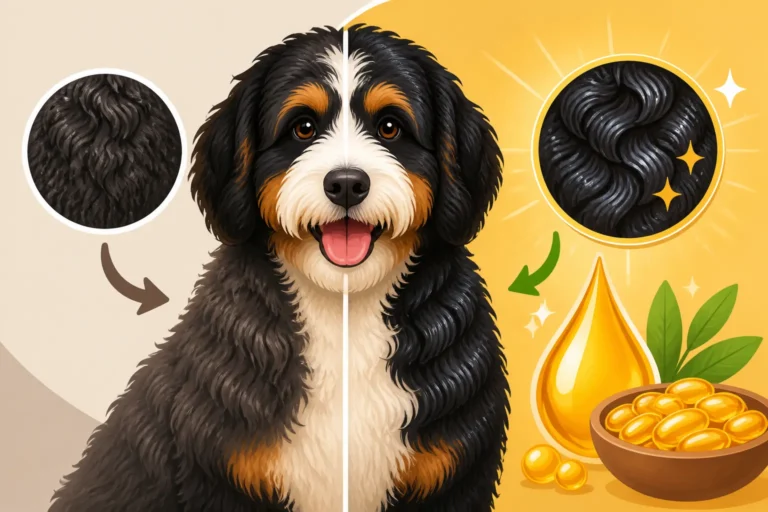
Key nutrients for coat health include omega-3 and omega-6 fatty acids. These healthy fats help produce the natural oils that keep skin hydrated and coats shiny and soft. Many dog foods incorporate these, often from sources like fish oil or flaxseed. If your Bernedoodle’s coat still seems a bit lackluster, your vet might recommend a supplement. Fish oil supplements, for example, are a popular choice to boost omega fatty acid intake and improve coat luster. However, always consult your veterinarian before adding any supplements to your dog's diet, as too much of a good thing can sometimes be detrimental. Companies like Ollie, which focus on fresh dog food, also emphasize ingredients that support skin and coat health. A healthy diet from stores like Amazon can truly make a visible difference in the vibrancy and health of your Bernedoodle’s wavy coat. Consider reading Whether Omega Oils Help a Bernedoodle's Coat Density for more insights on this.
Disclaimer
This article is for general informational purposes only and does not constitute professional advice. Laws, prices and regulations vary by location and change over time. Consult a qualified professional for guidance on your specific situation.