Whether a Bernedoodle Is Hypoallergenic
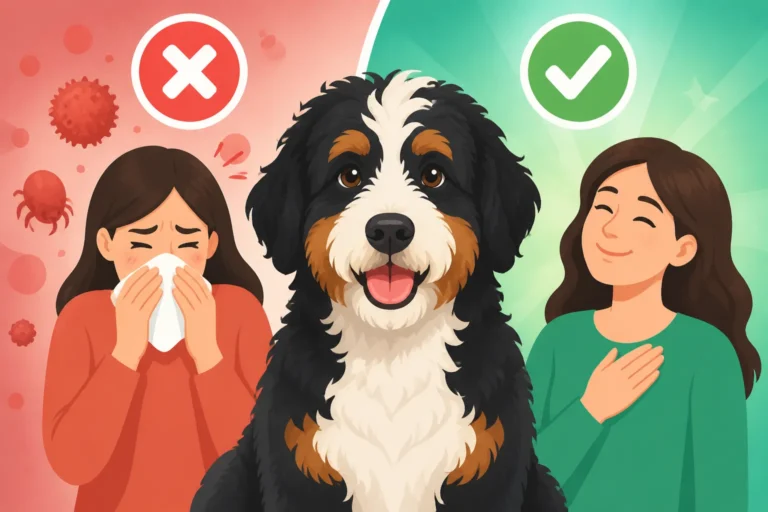
One of the biggest heartbreaks for prospective Bernedoodle owners is discovering that their dreams of a "hypoallergenic" dog might not be entirely accurate. Many people fall in love with these charming, intelligent dogs hoping to alleviate allergy symptoms, only to find themselves still struggling with sneezes and sniffles. This guide is here to shed some realistic light on the Bernedoodle's coat, what truly causes allergies, and what you can actually expect when bringing one of these beloved doodles into an allergy-sensitive home.
The Truth About "Hypoallergenic" Dogs
Let's get one thing straight from the start: the term "hypoallergenic" for dogs is a bit of a misnomer, a marketing term more than a scientific one. It implies a complete absence of allergens, which simply isn't true for any dog breed, including those famous for being "allergy-friendly." If you've been told a Bernedoodle is 100% hypoallergenic, you've been given some wishful thinking.
What Causes Allergies in the First Place?
The common misconception is that dog hair itself causes allergies. While hair can certainly carry allergens, it's not the primary culprit. The real issue lies with proteins found in a dog's dander (dead skin cells), saliva, and urine. These microscopic particles flake off and become airborne, settling on surfaces and triggering allergic reactions in sensitive individuals. Dogs that shed less are often considered "hypoallergenic" because they release fewer dander-laden hairs into the environment, which in turn means less airborne dander. But the dander is always there, regardless of how much hair falls out.
Think about it this way: even a completely hairless dog produces dander, saliva, and urine. A dog that is truly 100% hypoallergenic would have to produce none of these things, which is impossible. It's not about the hair, but what the hair (and skin, and mouth) carries. This understanding is crucial for managing expectations and preparing an allergy-friendly home.
Why No Dog is Truly 100% Hypoallergenic
Because all dogs produce dander, saliva, and urine, no dog can be absolutely, entirely free of allergens. What breeders and enthusiasts mean by "hypoallergenic" is actually "low-shedding" or "allergy-friendly." These breeds, like the Poodle, tend to have coats that trap shedding hair and dander, preventing it from dispersing widely into the environment. This significantly reduces the amount of airborne allergens, making them much more tolerable for many allergy sufferers.
However, "much more tolerable" is not "zero reaction." For someone with very severe allergies, even a low-shedding dog might still trigger symptoms. It's a spectrum, not an on/off switch. This is why it's so important for families with allergies to approach dog ownership with caution and realistic expectations, rather than believing a "hypoallergenic" label is a magic bullet.
The Allure of the Poodle's Coat
The Poodle is the foundation for the "hypoallergenic" claim in Bernedoodles and other "doodle" breeds. Poodles have a single coat of hair, much like human hair, that continuously grows and sheds minimally. Instead of falling out onto your furniture and floating through the air, their shed hair tends to get caught within their curly coat. This means less dander is released into the environment, making them a popular choice for those with allergies.
When Poodles are groomed regularly, this trapped hair and dander are brushed out, further minimizing allergen spread. The hope with a Bernedoodle is that it will inherit this wonderful, low-shedding Poodle coat. Unfortunately, genetics are a complex lottery, and not every Bernedoodle hits the jackpot.
Unpacking the Bernedoodle's Coat
The Bernedoodle is a crossbreed of a Bernese Mountain Dog and a Poodle. This blend creates a wide range of coat types, and with those different coats come varying levels of shedding and allergenicity. It's not as simple as just getting a "doodle" and expecting no issues.
The Bernese Mountain Dog's Contribution
The Bernese Mountain Dog, one half of the Bernedoodle equation, is a beautiful but heavy-shedding breed. They possess a thick double coat: a short, dense undercoat for insulation and a longer, silken topcoat. This coat is designed to protect them from harsh winter weather, but it also means they "blow coat" seasonally, shedding profusely. Their dander production is typical for a dog, and when combined with heavy shedding, it can easily trigger allergies.
The Bernese contribution is often the wildcard in the Bernedoodle's coat. If a Bernedoodle puppy inherits more of the Bernese coat characteristics, it will shed more and therefore be more likely to cause allergic reactions. This is why you might hear the phrase Whether the Bernese Half Ruins the Allergy Claim when discussing Bernedoodle coats. It's a very real concern for allergy sufferers.
The Poodle's Influence
On the other side of the genetic coin is the Poodle, famous for its low-shedding, curly coat. The Poodle's coat is what gives the Bernedoodle its potential for being allergy-friendly. This tightly curled hair traps dead hairs and dander, preventing them from scattering throughout your home. Regular grooming is essential for Poodle coats to prevent matting and keep them healthy, which also serves the purpose of removing trapped allergens.
Breeders aim to maximize the Poodle influence in the Bernedoodle's coat when trying to produce "hypoallergenic" puppies. This is often achieved through multi-generational breeding, but even then, there are no absolute guarantees.
The Bernedoodle's Genetic Lottery of Coats
When you cross a Bernese Mountain Dog with a Poodle, you get a beautiful mix, but also a genetic crapshoot when it comes to coats. Bernedoodles can have three primary coat types:
- Wavy Coat (Fleece): This is the most common and often desired coat type. It's a loose curl or wave, soft and low-shedding, but still requires significant grooming to prevent matting. Many Bernedoodles will have The Wavy Coat Most Bernedoodles Carry, and while generally good for allergy sufferers, it's not entirely allergen-free.
- Curly Coat (Wool): This coat strongly resembles the Poodle's tight curls. It is typically the least shedding of the Bernedoodle coats and is often considered the most allergy-friendly. However, it demands the most intensive grooming to prevent severe matting. You'll find many insights on The Curly Coat Bernedoodle and Its Upkeep.
- Straight Coat (Hair): This coat is less common and can be a heartbreaker for allergy sufferers. It often looks more like the Bernese coat, sometimes with a slight wave, and sheds the most among Bernedoodle coats. If a Bernedoodle has The Straight Coated Bernedoodle That Sheds, it will likely trigger allergies just like a Bernese Mountain Dog would.
The generation of the Bernedoodle can also influence the coat. An F1 Bernedoodle (50% Bernese, 50% Poodle) has the most unpredictable coats. F1b Bernedoodles (75% Poodle, 25% Bernese, bred back to a Poodle) tend to have curlier, more Poodle-like coats, and are generally considered more allergy-friendly. This is why the question of Whether an F1 Bernedoodle Sheds More Than an F1b is a common one for prospective owners.
Some breeders even offer Whether a Coat Test Tells You If a Bernedoodle Will Shed, which can give you an idea of the likelihood of a low-shedding coat by analyzing genetic markers. It's a valuable tool, but again, it's about likelihood, not a guarantee.
| Coat Type | Shedding Level | Allergen Potential | Grooming Needs | Typical Appearance |
|---|---|---|---|---|
| Straight (Hair) | High | Moderate to High | Moderate (daily brushing to manage shedding) | More Bernese-like, flat or slightly wavy |
| Wavy (Fleece) | Low to Moderate | Low to Moderate | High (regular brushing, professional grooming) | Soft, loose waves or curls |
| Curly (Wool) | Very Low | Low | Very High (daily brushing, frequent professional grooming) | Tight, dense curls like a Poodle |
Living With a Bernedoodle and Allergies
If you or a family member has allergies, choosing a Bernedoodle means you need to be proactive in managing the environment. It’s not just about the dog; it’s about creating a living space that minimizes allergen exposure. This requires dedication and a consistent routine.
Managing Dander and Shedding in Your Home
Even with a low-shedding Bernedoodle, dander will still be present. To keep it at bay, regular cleaning is paramount. Vacuuming frequently with a HEPA filter vacuum cleaner can make a huge difference, as can washing pet beds, blankets, and your own bedding on a regular basis. Consider replacing carpet with hard flooring, as carpet acts as a reservoir for allergens. You might also want to invest in high-quality air purifiers with HEPA filters for rooms where your Bernedoodle spends a lot of time.
Creating "allergy-free zones" in your home can also be helpful. This usually means keeping your Bernedoodle out of the bedroom of the allergic individual. This simple step ensures that at least one space is relatively free of pet allergens, allowing for restful, symptom-free sleep. Many owners find effective air purifiers on Amazon to help with these zones.
Grooming Practices to Minimize Allergens
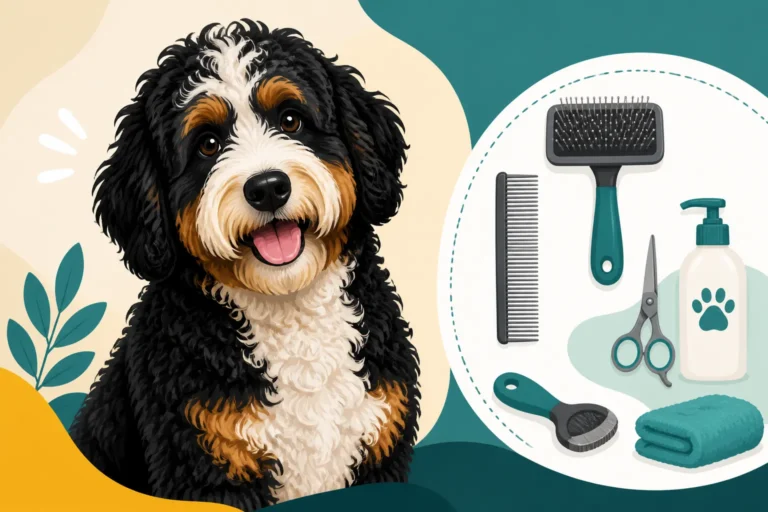
Grooming is your best friend when it comes to managing allergens with a Bernedoodle. Because their coats (especially wavy and curly ones) trap shed hair and dander, you need to actively remove it. This means brushing your Bernedoodle several times a week, ideally daily, with the right tools. A slicker brush and a metal comb are usually essential for The Brushes a Bernedoodle Owner Actually Needs. Doing this outside can prevent allergens from being released indoors.
Regular baths are also important. Bathing helps wash away dander and loose hair. Just be sure to use a dog-specific shampoo and condition to avoid drying out their skin, which can actually increase dander production. After bathing, thoroughly Drying a Bernedoodle to the Skin is critical to prevent skin issues and matting. Professional grooming every 6-8 weeks is often a necessity for these coats, not just for aesthetics but for allergy management. Many great grooming supplies and foods can be found on Chewy.
Remember, consistency is key. Skipping grooming sessions will lead to more accumulated dander and hair, increasing the likelihood of an allergic reaction.
What to Do Before Bringing a Bernedoodle Home
Before you commit to bringing a Bernedoodle home, especially if allergies are a concern, there are critical steps you should take. First and foremost, spend time with a few different Bernedoodles. Visit breeders, rescue organizations, or friends who own Bernedoodles of various coat types. See how you react over a period of an hour or more. Don't just rely on a quick pat; sit on their couch, let them lean on you, and see if symptoms arise.
It's also wise to ask the breeder if you can spend time with the specific puppy you are considering, as well as its parents. This can give you a better indication of how you might react to that particular dog's dander. Some families even go as far as taking a small sample of hair or a blanket from the puppy to rub on their skin or keep in their home for a few days to gauge a reaction. This kind of pre-exposure is invaluable. Also, ensure you ask breeders about their health testing and look for comprehensive information, such as The Five Clearances a Bernedoodle Breeder Should Have.
Real-World Experiences and Expectations
The experience of living with a Bernedoodle when you have allergies can vary wildly from person to person. What works for one family might not work for another. It’s important to understand this variability and adjust your expectations accordingly.
Testimonials and Anecdotes from Bernedoodle Owners
Many Bernedoodle owners with mild to moderate allergies report great success. They find that their wavy or curly-coated Bernedoodles trigger far fewer symptoms than other breeds they've been exposed to. They often credit diligent grooming, air purifiers, and regular cleaning for making it possible. Stories abound of children who were previously unable to be around dogs, now happily coexisting with their Bernedoodles.
However, there are also stories of disappointment. Some individuals with severe allergies find that even the curliest Bernedoodle still causes a reaction. Others discover that as their puppy's coat changes from soft puppy fluff to a denser adult coat (around 6-12 months), their allergies flare up. This highlights the unpredictable nature of hybrid vigor and coat genetics. It's often about finding your personal threshold. Regular daily maintenance like exercise and proper nutrition are also important for the dog's overall health and coat quality, so keep in mind What a Bernedoodle Needs Every Day. Some owners even explore fresh food options like Ollie to support overall skin and coat health, which might indirectly help with dander.
Setting Realistic Expectations
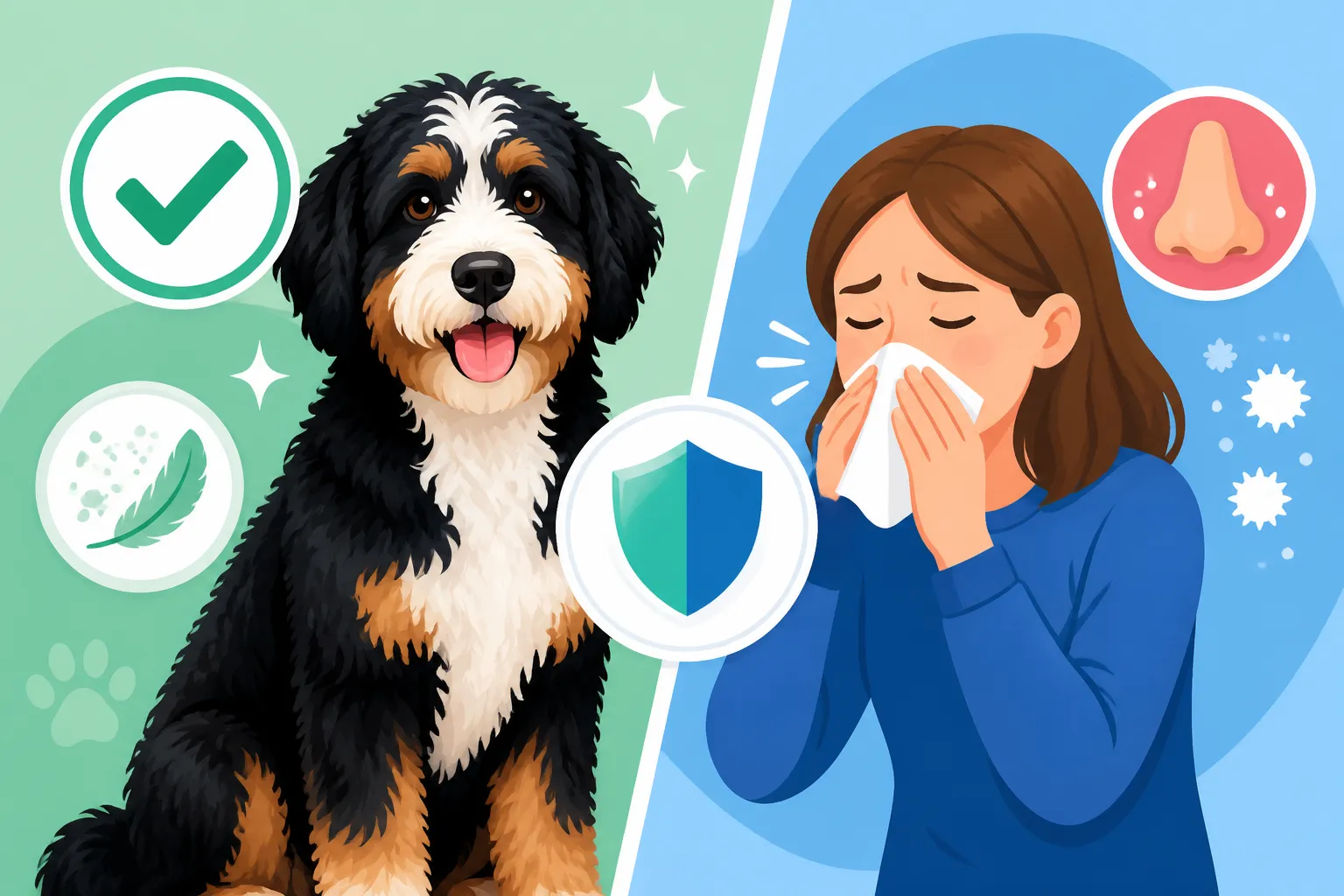
Given all of this, the most realistic expectation to set when considering a Bernedoodle with allergies is this: a Bernedoodle is less likely to trigger allergic reactions than a heavy-shedding breed, but they are not guaranteed to be allergen-free. Your personal sensitivity level is the biggest variable.
If you have severe, life-threatening allergies, a Bernedoodle might still be too risky. For those with milder allergies, a wavy or curly-coated Bernedoodle, combined with a rigorous cleaning and grooming routine, could be a wonderful fit. Be prepared for regular professional grooming appointments, as well as daily brushing at home. These dogs are high-maintenance in terms of their coats, and neglecting grooming will quickly turn a low-shedding dog into an allergen-distributor. Understanding this commitment upfront is crucial for a successful partnership with your Bernedoodle.
Disclaimer
This article is for general informational purposes only and does not constitute professional advice. Laws, prices and regulations vary by location and change over time. Consult a qualified professional for guidance on your specific situation.