Caring for a Bernedoodle Past Eight
It feels like just yesterday your Bernedoodle was a clumsy, rambunctious puppy, full of boundless energy and a mischievous glint in their eyes. Now, you're noticing a few more gray hairs, a slower pace, and maybe a bit more stiffness after a long nap. Watching our beloved Bernedoodles age can be bittersweet, but it also brings a new chapter of dedicated care to ensure their golden years are as comfortable, happy, and healthy as possible. This guide is all about navigating that journey, understanding the changes, and adapting your care routine to meet the evolving needs of your senior Bernedoodle.
Recognizing the Signs of Aging in Your Bernedoodle
The transition into senior years for a Bernedoodle, typically starting around age eight, isn't always a sudden switch. It's more of a gradual process, like the subtle fading of a favorite blanket. You might start noticing small shifts that, when put together, paint a picture of an aging friend. These signs are your cue to adjust their care, ensuring their comfort and happiness as they enter this new phase of life. Being attuned to these changes is the first step in providing the best possible care.
Subtle Changes in Mobility and Activity Levels
One of the most common and noticeable signs that your Bernedoodle is entering their senior years is a change in their physical capabilities. That once tireless energy might give way to shorter bursts, or they might simply prefer to curl up on their Beds That Support a Heavy Old Bernedoodle for longer naps. You might observe them being a little more hesitant to jump into the car or climb the stairs, or perhaps they just take a bit longer to get up after lying down. This isn't necessarily a sign of severe pain, but rather a general stiffening of joints and muscles that comes with age.
It’s crucial not to dismiss these subtle changes as just "getting old." While age is a factor, underlying conditions like arthritis or hip dysplasia can become more pronounced. Pay attention to how they walk, looking for any limping, stiffness, or a general slowing down. Perhaps they're not quite as eager for those long walks they once adored, opting instead for shorter, meandering strolls around the block. These minor hesitations are often the first whispers of joint discomfort, and understanding them early can help you manage their comfort proactively.
Even their sleeping patterns might change. A senior Bernedoodle might sleep more deeply or wake up feeling stiffer. They might pace at night or seem restless, which could be a sign of discomfort or even cognitive changes. Observing these subtle shifts in their daily rhythm, from how they move to how they rest, provides invaluable insight into their aging body. Remember, your Bernedoodle relies on you to interpret these silent cues and advocate for their comfort.
Shifts in Appetite and Weight Management
As Bernedoodles age, their metabolism often slows down, much like ours. This can lead to a delicate balancing act when it comes to their diet and weight. You might notice they aren't quite as ravenous as they once were, or perhaps they’re gaining weight despite seemingly eating the same amount. An overweight senior Bernedoodle faces increased strain on already aging joints and is at higher risk for various health complications, making careful weight management paramount.
Conversely, some senior Bernedoodles might experience a decrease in appetite. This could be due to dental issues, where chewing becomes painful, or a dulling sense of smell and taste. It might also be a symptom of an underlying medical condition, so any significant drop in appetite warrants a conversation with your vet. Feeding a Bernedoodle Past Eight is about more than just filling a bowl; it's about providing nutrient-dense, palatable food that supports their changing body without adding unnecessary pounds.
Maintaining an ideal weight is one of the kindest things you can do for your aging Bernedoodle. It directly impacts their mobility and overall quality of life. Regular weight checks are a must, along with adjusting their food portions and type as needed. Don't be afraid to experiment with different senior-specific formulas or even consult with your vet about specialized diets that might better suit their metabolic and activity levels. This careful attention to their plate can make a world of difference in how they feel day-to-day.
Cognitive and Behavioral Indicators
Aging doesn't just affect the body; it can also bring about changes in your Bernedoodle's mind. Canine Cognitive Dysfunction (CCD), sometimes referred to as "doggy dementia," is a real and often heartbreaking part of aging for some dogs. You might start to see them get disoriented in familiar surroundings, stare blankly at walls, or forget commands they've known their whole lives. These moments can be confusing and distressing for both you and your loyal companion. An Old Bernedoodle That Stares at Walls is a clear sign to look further into their cognitive health.
Other behavioral shifts can include changes in sleep-wake cycles, where they might be restless at night and sleep more during the day. They might also become more irritable, less tolerant of younger, boisterous pets, or even more clingy. Accidents in the house, despite being fully house-trained for years, can also be a sign of cognitive decline, not just bladder control issues. It’s important to approach these changes with patience and empathy, understanding that your Bernedoodle isn't being "naughty" but is experiencing an internal shift they can't control.
Keeping their minds active is as important as keeping their bodies moving. Puzzle toys, gentle training sessions, and consistent routines can help. While there's no cure for CCD, early recognition and management can slow its progression and improve your Bernedoodle's quality of life. Talk to your vet about any noticeable cognitive or behavioral changes, as there are often medications or supplements that can help support brain health. Remember, their minds deserve as much care and attention as their bodies do in these golden years.
Adapting Your Bernedoodle's Diet for Senior Years
Just like humans, a Bernedoodle's nutritional needs change dramatically as they enter their golden years. What fueled their puppy antics or sustained their adult energy might not be the best choice for a slower, older dog. Adapting their diet is crucial to supporting their overall health, managing their weight, and providing relief for common senior ailments like joint stiffness. It's not just about reducing calories; it's about optimizing nutrient intake for longevity and comfort.
Choosing the Right Senior Dog Food
When your Bernedoodle crosses that eight-year threshold, it's time to seriously consider a transition to a high-quality senior dog food. These formulas are specifically designed with the aging canine in mind. They typically feature a lower calorie count to prevent unwanted weight gain, as your Bernedoodle is likely less active. However, "lower calorie" doesn't mean "less nutritious." Instead, these foods are packed with easily digestible proteins to maintain muscle mass, crucial for supporting joints, and often have a carefully balanced fat content.
Look for senior dog foods that are fortified with ingredients beneficial for aging joints. Glucosamine and chondroitin sulfate are excellent examples, as they support cartilage health and can help reduce the discomfort associated with arthritis. Omega-3 fatty acids, like EPA and DHA, are also vital, offering anti-inflammatory properties that benefit not only joints but also skin, coat, and cognitive function. Brands often highlight these additions on their packaging, making it easier to select a suitable option. You can find a wide range of these specialized foods on platforms like Chewy, offering convenience and variety.
It’s always a good idea to consult your veterinarian before making a drastic dietary change. They can help you assess your Bernedoodle's individual needs, considering any existing health conditions like kidney disease or diabetes that might require an even more specialized diet. Gradually transitioning to the new food over seven to ten days, by slowly mixing it with their old food, will help prevent digestive upset. This thoughtful approach ensures a smooth and beneficial dietary shift for your aging companion.
Managing Weight and Nutritional Needs
Weight management becomes a paramount concern for a senior Bernedoodle. Even a few extra pounds can exacerbate joint pain, increase the risk of diabetes, and put added strain on their heart and other organs. Their slower metabolism and reduced activity mean they simply don't burn as many calories as they used to. Therefore, strict portion control is essential. Don't rely solely on the feeding guidelines on the bag; these are general recommendations and might be too generous for your less active senior.
Instead, monitor their body condition regularly. You should be able to easily feel their ribs without seeing them, and they should have a discernible waist when viewed from above. If you're unsure, your vet can help you assess their ideal weight and body condition score. If they are overweight, reducing calorie intake through appropriate senior food and portion control is key. This might mean fewer treats or swapping high-calorie treats for healthier, low-calorie options like small pieces of steamed green beans or carrots.
On the other hand, some senior Bernedoodles might struggle to maintain weight due to decreased appetite or underlying medical conditions. In these cases, focus on highly palatable, nutrient-dense foods. Warming their food slightly can enhance its aroma and appeal, or adding a little low-sodium chicken broth can tempt a picky eater. For those seeking fresh options, services like Ollie provide customizable meal plans that can be tailored to a senior dog's specific caloric and nutritional requirements, ensuring they get all the good stuff without the fillers. Regular vet check-ups will help catch any weight loss or gain early, allowing for timely dietary adjustments.
Considering Supplements for Joint and Cognitive Health
Beyond a balanced senior diet, targeted supplements can play a significant role in enhancing your Bernedoodle's comfort and quality of life. Joint supplements are almost universally recommended for large breeds like Bernedoodles as they age, given their predisposition to conditions like arthritis and hip dysplasia. Ingredients like glucosamine, chondroitin, MSM, and green-lipped mussel can help reduce inflammation, support cartilage repair, and improve joint lubrication, leading to better mobility and less pain. [Joint Supplements for an Old Bernedoodle] can truly make a difference.
For cognitive health, especially if you're noticing signs of Canine Cognitive Dysfunction, supplements containing antioxidants, Omega-3 fatty acids (DHA and EPA), and medium-chain triglycerides (MCTs) can be beneficial. These ingredients are thought to support brain function, improve memory, and reduce oxidative stress in the brain. Some formulations also include L-carnitine or specific B vitamins, which play roles in energy metabolism and neurological health. Think of it as brain food for their golden years.
Always discuss any supplements with your veterinarian before introducing them. They can advise on appropriate dosages, potential interactions with existing medications, and recommend reputable brands. Not all supplements are created equal, and your vet can help you sift through the options to find what's truly beneficial for your individual Bernedoodle. While supplements aren't a magic bullet, they can be a valuable addition to a holistic senior care plan, helping to keep your cherished companion feeling their best, both physically and mentally. Many trusted brands offer these supplements, readily available on marketplaces like Amazon.
Rethinking Exercise and Physical Activity
The notion that an aging Bernedoodle needs no exercise is a myth we need to debunk. While their days of long, strenuous hikes might be behind them, appropriate physical activity is still absolutely vital for their physical and mental well-being. It helps maintain muscle tone, supports joint health, prevents obesity, and provides crucial mental stimulation. The key isn't to stop exercising, but to rethink it, adapting to their changing capabilities and making sure every movement is comfortable and enjoyable.
Gentle Movement for Aching Joints
As a Bernedoodle ages, those once-robust joints can start to ache. Arthritis is a common companion in senior dogs, making high-impact activities like jumping, running, and extended rough-and-tumble play more painful and potentially damaging. Instead, shift your focus to gentle, low-impact movements that keep their body moving without causing undue stress. Think of it as a senior stretching class for dogs. Exercise for a Bernedoodle With Arthritis focuses on exactly this.
Swimming is often hailed as a fantastic option for senior dogs because it provides excellent cardiovascular exercise and builds muscle without putting any strain on their joints. If you have access to a safe pool or a calm body of water, encourage short, supervised swimming sessions. Even just wading can be beneficial. If swimming isn't an option, short, frequent walks on soft surfaces like grass or dirt trails are preferable to long stints on hard pavement. The goal is consistent, gentle movement, not exhaustion.
Consider physical therapy or hydrotherapy if your Bernedoodle has significant mobility issues. These specialized treatments, often administered by trained professionals, can significantly improve comfort and range of motion through tailored exercises and water-based therapy. Even gentle massage at home can increase blood flow and soothe stiff muscles. The idea is to keep their body supple and prevent muscles from atrophying, which can further destabilize joints and lead to more discomfort.
Tailoring Walks and Playtime
The days of a Bernedoodle puppy tearing across the park might be a distant memory, but that doesn't mean playtime has to end. You simply need to adjust the type and intensity of their activities. Instead of one long, arduous walk, consider several shorter, more frequent strolls throughout the day. This reduces strain and allows them to stretch their legs and sniff around without getting overtired. Pay close attention to their cues; if they're lagging behind or showing signs of discomfort, it's time to head home.
Their preferred mode of play might also shift. Fetch games that involve rapid sprints and sudden stops might be too much. Instead, opt for gentler games that still engage them. A slow game of "find the treat" in the living room, or a puzzle toy that dispenses kibble, can provide mental stimulation without physical exertion. Soft toys for gentle tugging, or simply rolling a ball instead of throwing it far, can still bring joy without pain. Remember, the goal is quality engagement, not quantity.
It's also important to be mindful of environmental factors. On hot days, a Bernedoodle, especially a dark-coated one, can overheat easily. Whether a Bernedoodle Should Be Walked in Summer is a crucial consideration. Stick to early mornings or late evenings when it's cooler, or opt for indoor activities entirely. On cold, icy days, protect their paws and be wary of slippery surfaces that could lead to falls. Always be their advocate, prioritizing their comfort and safety above all else, and don't push them past what their body can comfortably handle.
The Importance of Mental Stimulation
While physical activity needs to be adjusted, mental stimulation becomes even more important as your Bernedoodle ages. A sharp mind can often compensate for a slower body, and keeping their brain engaged can help mitigate the effects of cognitive decline. Just like a crossword puzzle for humans, mental challenges help keep those neural pathways firing. This can be especially true for a breed with the Poodle's intelligence, which needs an outlet even in old age.
Interactive puzzle toys, sniff games, and short, positive reinforcement training sessions are excellent ways to engage their minds. Hide treats around the house and let them use their powerful noses to find them. Revisit basic commands like "sit" or "stay" with a gentle, patient approach, offering plenty of praise and low-calorie rewards. Even learning a new, simple trick can provide a sense of accomplishment and keep their minds limber. These activities don't require much physical effort but provide immense mental satisfaction.
Consider diversifying their routine with new smells and sounds during their walks. Let them take their time sniffing every lamppost and bush, as this is a natural form of mental enrichment for dogs. Introducing them to new, calm environments (if they enjoy it and it's not overstimulating) can also offer fresh experiences. The key is variety and novelty within a predictable routine. A mentally stimulated senior Bernedoodle is a happier, more engaged Bernedoodle, regardless of how many gray hairs they might be sporting.
Grooming a Senior Bernedoodle: A Gentle Approach
Grooming a Bernedoodle has always been an undertaking, thanks to their magnificent, often curly coats. But as they age, this routine takes on new importance and requires an even more gentle, empathetic approach. What was once a routine task can become a source of discomfort if not handled with care, especially if arthritis or other ailments are present. The goal is to keep them clean, comfortable, and free of mats without causing undue stress or pain.
Making Grooming Sessions More Comfortable
For a senior Bernedoodle, standing on a grooming table for an extended period can be genuinely painful, especially if they suffer from arthritis or joint stiffness. Think about modifying your approach. Instead of a single, marathon grooming session, break it down into several shorter, more manageable sessions throughout the week. This allows them to rest and avoids prolonged stress on their joints. Grooming an Old Bernedoodle That Cannot Stand Long often requires creative solutions.
Consider grooming them on the floor on a soft mat or their orthopedic bed, where they can lie down or shift positions more easily. You might even find success by grooming them while they are relaxing on the couch with you. Use plenty of positive reinforcement—gentle praise, soothing words, and small, soft treats can make the experience much more pleasant. If you notice them tensing up or showing signs of discomfort, take a break. Patience is paramount.
If professional grooming is part of your routine, communicate openly with your groomer about your Bernedoodle's age and any specific health concerns. A good groomer will be experienced with senior dogs and can adapt their techniques, such as using shorter grooming times, allowing breaks, or even grooming them on the floor if necessary. They can also advise on appropriate cuts that are easier to maintain between visits, reducing the overall time your dog needs to spend being handled.
Addressing Coat Changes and Skin Sensitivities
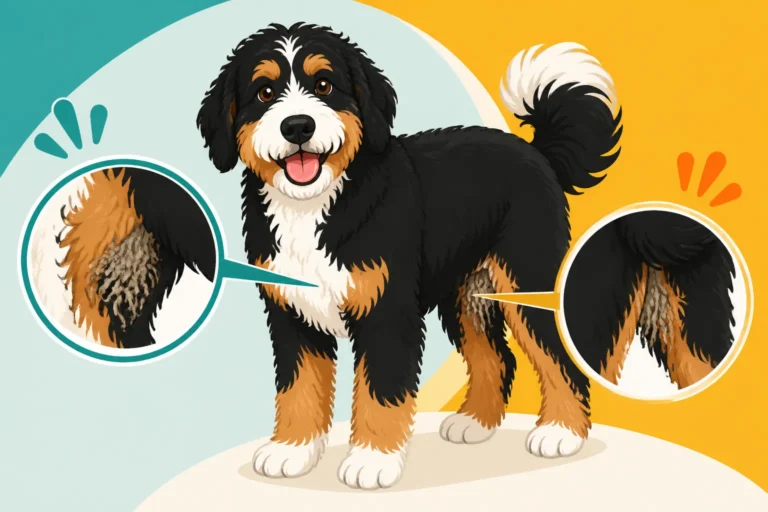
As Bernedoodles age, their coat texture can sometimes change. It might become thinner in places, coarser, or even more prone to matting as their skin loses elasticity. Regular brushing remains critical to prevent painful mats, which can pull on their skin and even hide skin infections. A good quality slicker brush and a metal comb are still your best friends, used with extreme gentleness. Pay extra attention to common matting spots like behind the ears, in the armpits, and on their "britches." Mats in a Bernedoodle's Armpits and Britches are especially common.
Their skin can also become more delicate and sensitive, prone to dryness, lumps, or hot spots. Be on the lookout for any new lumps, bumps, or skin irritations during your grooming sessions. These should always be checked by a vet, as early detection is key for many senior health issues. Use a gentle, moisturizing shampoo specifically formulated for sensitive skin when bathing, and ensure you rinse thoroughly to avoid any residue that could cause itching.
When drying, avoid harsh, hot air that could irritate sensitive skin. A gentle force dryer on a low, cool setting is ideal, or simply towel drying as much as possible and allowing them to air dry in a warm, draft-free room. Keeping their coat clean and free of mats not only makes them look good but also allows air to circulate, preventing skin issues and keeping them much more comfortable overall.
Nail Care and Paw Health
Nail care, often overlooked, becomes incredibly important for senior Bernedoodles. Overgrown nails can make walking painful, alter their gait, and even contribute to joint issues. As their mobility decreases, they might not wear down their nails as effectively as they once did. Regular, gentle trimming is crucial. If their nails are dark, making it hard to see the quick, use a Dremel tool or take them to a professional for trims.
Beyond nails, pay close attention to their paw pads. Senior dogs might develop thicker pads, or conversely, their pads might become dry and cracked. Regularly moisturizing their paw pads with a dog-specific balm can prevent cracking and discomfort. Also, ensure the hair between their paw pads is trimmed short. Long hair in this area can collect debris, cause slipping on smooth floors, and contribute to mats. Trimming Between a Bernedoodle's Pads can prevent a lot of problems.
The health of their paws directly impacts their ability to move comfortably. If you notice any limping, licking, or sensitivity around their feet, investigate. It could be an overgrown nail, a foreign object embedded, or even a symptom of underlying joint pain. Keeping their paws in top condition is a small but significant way to support their overall mobility and comfort in their golden years, allowing them to confidently navigate their world.
Proactive Health Monitoring and Veterinary Care
As our Bernedoodles age, regular and proactive veterinary care shifts from routine vaccinations to comprehensive health monitoring. Think of your vet as a partner in managing your Bernedoodle's aging journey, helping you to catch potential issues early and maintain their quality of life. This isn't just about reacting to illness; it's about staying ahead of the curve.
Regular Check-ups and Early Detection
For senior Bernedoodles, yearly vet visits should ideally become bi-annual. These more frequent check-ups allow your veterinarian to closely monitor for age-related changes and catch potential health issues in their earliest, most treatable stages. During these visits, your vet will perform a thorough physical examination, checking their teeth, eyes, ears, skin, and feeling for any new lumps or bumps. The Screening a Bernedoodle Should Have Yearly is a vital conversation to have.
Beyond the physical exam, blood work and urine analysis become even more critical. These diagnostic tests provide invaluable insights into the functioning of their internal organs, such as kidneys, liver, and thyroid. Early detection of conditions like kidney disease, diabetes, or hypothyroidism (a common ailment in Bernedoodles inherited from the Bernese side) can allow for prompt intervention and management, often significantly improving their prognosis and extending their comfortable years.
Don't hesitate to prepare a list of questions or observations before your appointment. Note down any changes in behavior, appetite, mobility, or bathroom habits, no matter how minor they seem. You are their primary observer, and your detailed feedback is crucial for your vet to get a complete picture of their health. Early detection through vigilant observation and regular vet visits is truly the cornerstone of good senior Bernedoodle care.
Understanding Common Senior Ailments
Senior Bernedoodles, unfortunately, become more susceptible to a range of health conditions. While their Poodle genetics might offer some protection against certain Bernese Mountain Dog predispositions, they are still at risk for many age-related ailments. Understanding these common issues can empower you to recognize symptoms and seek timely veterinary attention.
| Ailment | Common Signs | Potential Impact on Bernedoodle |
|---|---|---|
| Arthritis | Stiffness, limping, difficulty rising, reluctance to move | Pain, reduced mobility, decreased quality of life |
| Cancer | Lumps, unexplained weight loss, lethargy, loss of appetite | Severe illness, pain, reduced lifespan |
| Kidney Disease | Increased thirst and urination, vomiting, weight loss, lethargy | Toxins build up, organ failure |
| Heart Disease | Coughing, lethargy, difficulty breathing, fainting | Reduced exercise tolerance, organ failure |
| Cognitive Dysfunction | Disorientation, altered sleep cycles, house soiling, anxiety | Confusion, behavioral changes |
| Dental Disease | Bad breath, difficulty eating, pawing at mouth, swollen gums | Pain, infection, spread to other organs |
Cancer, tragically, remains a significant concern. Bernedoodles, with their Bernese heritage, are still at risk for various types of cancer, including histiocytic sarcoma, lymphoma, and mast cell tumors. The Cancers That Take Bernedoodles Most Often are a heartbreaking reality. Regular palpation for lumps and bumps, along with annual screenings, can help with early detection. Joint issues like arthritis are also very common, leading to pain and reduced mobility. Your vet can discuss pain management strategies, including anti-inflammatory medications and joint supplements, to keep them comfortable.
Other prevalent conditions include heart disease, often manifesting as a cough or reduced stamina, and kidney disease, which might show up as increased thirst and urination. Dental disease is also rampant in older dogs and can lead to systemic infections if left untreated. Dental Disease in a Tiny Bernedoodle is as much a concern as in a standard size. And as mentioned, cognitive dysfunction can impact their mental clarity and daily routine. Being aware of these possibilities allows you to partner effectively with your vet to diagnose and manage any issues that arise.
Managing Medications and Chronic Conditions
As your Bernedoodle ages, it's increasingly likely they'll be on some form of medication to manage chronic conditions. This could range from daily joint supplements to prescription pain relief, thyroid medication, or even heart medications. Consistent and accurate medication administration is crucial for their effectiveness. Create a clear schedule, use pill pockets or disguise medication in treats, and always follow your vet's instructions precisely.
For Bernedoodles with chronic pain, such as from severe arthritis, pain management becomes a daily consideration. This might involve a combination of non-steroidal anti-inflammatory drugs (NSAIDs), other pain medications, and possibly adjunctive therapies like acupuncture or laser therapy. The goal is to keep them as comfortable as possible, allowing them to enjoy their remaining years with dignity.
Living with a senior Bernedoodle often means adapting to ongoing medical needs. It's a commitment that requires patience, vigilance, and often, significant financial planning. Discuss prognosis, treatment options, and quality of life regularly with your vet. They can help you navigate the complexities of chronic illness, ensuring your Bernedoodle receives the best possible care tailored to their specific needs and your family's capabilities. Remember, you're their advocate, ensuring their golden years are as peaceful and comfortable as they deserve.
Creating a Senior-Friendly Home Environment
Just as we might make adjustments to our homes as we age, our Bernedoodles also benefit immensely from a living space tailored to their senior needs. A senior-friendly home isn't just about comfort; it's about safety, accessibility, and reducing the physical strain on their aging bodies. Every small change can contribute to a significant improvement in their daily life and independence.
Accessibility Aids and Comfort Solutions
One of the biggest challenges for an aging Bernedoodle is navigating stairs or jumping onto furniture they once easily scaled. Investing in ramps or dog stairs can dramatically reduce strain on their joints and prevent injuries. Place ramps leading to your bed, the couch, or even into the car. This not only eases their movement but also allows them to continue enjoying their favorite spots without pain or struggle. Whether an Old Bernedoodle Needs a Ramp is a question many owners face.
Orthopedic beds are no longer a luxury but a necessity for senior Bernedoodles. These beds are designed with supportive foam that cradles their body, relieving pressure points and providing superior comfort compared to traditional dog beds. Place them in several key areas around the house where your Bernedoodle likes to nap, ensuring they always have a comfortable, supportive place to rest. Look for beds with washable covers for easy cleaning.
Consider elevated food and water bowls. While there's some debate about bloat risk, for many senior dogs, not having to bend all the way down can make eating and drinking more comfortable, especially if they have neck or back pain. Non-slip mats under their bowls and in other areas where they eat or rest can also prevent accidental slips. These small adjustments create a kinder, more accessible environment.
Ensuring Safety and Preventing Falls
Slippery floors are a major hazard for senior Bernedoodles whose balance and strength might be compromised. Hardwood, tile, and laminate floors can be incredibly difficult for them to navigate, leading to slips, falls, and potential injuries. Lay down non-slip rugs or runners in high-traffic areas, especially where they eat, sleep, or get up from a resting position. Even placing carpet squares strategically can make a huge difference.
Adequate lighting is also important, especially if your Bernedoodle's vision is starting to dim or if they're experiencing cognitive changes. Ensure hallways and areas where they might get up at night are well-lit to prevent disorientation and bumping into objects. Nightlights can be particularly helpful for middle-of-the-night potty breaks. Removing clutter from pathways further reduces the risk of tripping or falling.
If your Bernedoodle is experiencing significant mobility issues or vision loss, you might need to reconsider barriers. Baby gates can prevent access to stairs or dangerous areas, but ensure they are secure and won't be easily pushed over by a ninety-pound dog. For dogs prone to wandering or getting stuck, especially those with cognitive decline, consider a fenced yard or supervised outdoor time to prevent them from getting lost. Their safety is paramount, and adapting their environment is a crucial part of providing that security.
Adjusting Daily Routines for Predictability
Consistency and predictability become incredibly reassuring for a senior Bernedoodle, particularly if they are experiencing cognitive decline. A consistent daily routine—feeding times, walk times, and bedtime—helps reduce anxiety and confusion. They thrive on knowing what to expect, and deviations can be unsettling. Try to stick to a schedule as closely as possible, even on weekends or holidays.
Potty breaks should be more frequent, even if your Bernedoodle has always been reliable. Their bladder and bowel control may not be what it once was, and more frequent opportunities to go outside can prevent accidents and maintain their dignity. Take them out first thing in the morning, after every meal, before bed, and several times throughout the day. Accidents are rarely intentional at this stage; they are usually a sign that they physically couldn't hold it or forgot where to go.
Enrichment activities, like gentle play or puzzle toys, should also be incorporated into their daily routine at consistent times. This provides mental stimulation and a sense of purpose. While their pace might slow down, their need for engagement doesn't disappear. By making their world predictable, safe, and comfortable, you help your senior Bernedoodle navigate their golden years with confidence and peace of mind, knowing they are loved and cared for every step of the way.
Emotional Support and Quality of Life
Beyond the physical aspects of care, providing strong emotional support is perhaps the most profound way to care for your Bernedoodle as they age. Their emotional well-being is intrinsically linked to their physical comfort and overall quality of life. This stage of life calls for immense patience, understanding, and an unwavering commitment to their happiness and dignity.
Maintaining Connection and Affection
Even as their bodies slow down, your senior Bernedoodle's need for connection and affection remains as strong as ever, if not stronger. They still crave your presence, your gentle touch, and your reassuring voice. Spend quality time together, whether it's cuddling on the couch, gentle petting sessions, or simply being in the same room. These moments reinforce your bond and provide immense comfort and security.
Talk to them, even if they don't seem to respond as readily. Your voice is a familiar comfort. Maintain eye contact, offer soft smiles, and let them lean on you, literally and figuratively. A Bernedoodle That Leans on Everyone may be an even more common sight in their older years. Physical contact helps reduce anxiety and loneliness, which can sometimes increase in senior dogs, especially if they are experiencing sensory decline. Their world may be shrinking, but your love should remain a constant.
Involve them in family activities in ways that are comfortable for them. If family gatherings become too overwhelming, create a quiet, safe space where they can retreat. If they can no longer join you on long walks, invite them to sit with you in the garden. The goal is to keep them feeling like a cherished member of the family, valued and loved, even as their capabilities change. Your unwavering affection is their anchor in a changing world.
Recognizing Pain and Discomfort
One of the hardest parts of caring for an aging Bernedoodle is recognizing and managing their pain. Dogs are masters at hiding discomfort, a survival instinct that doesn't serve them well as pets. Subtle changes in behavior are often the only clues you'll get. A decrease in enthusiasm for walks, reluctance to play, changes in posture, or even unusual aggression or irritability can all be signs of pain.
Watch for specific physical indicators: lip licking, panting more than usual when at rest, restlessness, difficulty settling, trembling, or persistent licking of a particular joint. They might stand with their back hunched, shift their weight constantly, or struggle to get comfortable. Any deviation from their normal demeanor, especially if it persists, warrants a conversation with your veterinarian. Your vet can provide guidance on Supporting an Old Bernedoodle That Cannot Rise.
It's vital to work closely with your vet to develop an effective pain management plan. This might involve medication, physical therapy, weight management, and environmental modifications. The goal isn't just to alleviate pain, but to improve their overall quality of life. A Bernedoodle free from chronic pain can eat better, sleep better, and engage more fully with their family. Being vigilant and proactive about pain relief is a profound act of love.
Making Difficult Decisions with Love
The most painful part of caring for an aging pet is inevitably facing the decisions about their end-of-life care. This is a journey no pet owner ever wants to take, but it's a profound responsibility rooted in love. As your Bernedoodle's health declines, you'll need to continuously assess their quality of life. This isn't just about the absence of pain, but also their ability to experience joy, comfort, and engagement.
Questions to consider include: Are they still eating and drinking? Are they able to move comfortably enough to relieve themselves outside? Do they still enjoy their favorite activities, even if modified? Are they having more good days than bad? This is a highly personal and often agonizing assessment, and there are no right or wrong answers, only what feels right for your unique Bernedoodle and your family.
Your veterinarian is an invaluable resource during this time. They can offer objective assessments, discuss palliative care options, and help you understand when medical interventions are no longer serving your pet's best interest. When the time comes, making the decision to say goodbye is the ultimate act of love, sparing them from prolonged suffering. It is a decision made with a heavy heart but with the deep understanding that you are prioritizing their peace and comfort above your own grief.
Disclaimer
This article is for general informational purposes only and does not constitute professional advice. Laws, prices and regulations vary by location and change over time. Consult a qualified professional for guidance on your specific situation.