The Cancers That Take Bernedoodles Most Often
It's a heartbreaking reality for many dog owners: the word "cancer." For us Bernedoodle parents, that fear often feels amplified by the breed's Bernese Mountain Dog heritage, which sadly carries a significant predisposition to certain aggressive cancers. We all bring these sweet, goofy pups into our homes hoping for a long, healthy life, and the thought of cancer stealing precious years is truly devastating. This guide is here to shed some light on the cancers Bernedoodles face most often, helping you understand the risks, recognize the signs, and know what steps you can take to protect your beloved companion.
The Uncomfortable Truth About Cancer in Bernedoodles
When you choose a Bernedoodle, you're hoping for the best of both worlds: the gentle, loving nature of the Bernese and the intelligence and potential longevity of the Poodle. But it's crucial to understand that while hybrid vigor can offer some health advantages, it doesn't entirely erase the genetic predispositions inherited from either parent breed, especially when it comes to something as complex as cancer.
Why the Bernese Line Casts a Long Shadow
Let's be frank: the Bernese Mountain Dog is an incredible breed, known for its majestic appearance and incredibly devoted, affectionate personality. However, it also has one of the shortest average lifespans among dog breeds, often tragically cut short by cancer. This isn't just a random occurrence; it's a deeply rooted genetic susceptibility within the breed that responsible Bernese breeders work tirelessly to combat. Specific aggressive cancers, particularly histiocytic sarcoma and lymphoma, are far too common in Bernese Mountain Dogs.
When a Bernedoodle is bred, they inherit 50% of their DNA from their Bernese parent. This means that the genetic blueprint for increased cancer risk is undeniably passed down. While we hope for the "best genes" from both sides, the reality is that the Bernese predisposition for cancer remains a very real and present concern for Bernedoodle owners. It's not something to be ignored or wished away simply because there's a Poodle in the mix.
This shared genetic vulnerability is a heavy burden, and it's completely understandable to feel anxious about it. Many owners, myself included, have experienced the profound grief of losing a dog too soon to cancer, and the knowledge that our Bernedoodles carry this particular risk can be a constant worry.
Decoding Hybrid Vigor: Not a Miracle Cure
The concept of hybrid vigor, also known as heterosis, is often cited as a reason why mixed-breed dogs, including Bernedoodles, might be healthier than their purebred counterparts. In essence, it suggests that crossing two genetically distinct breeds can lead to a more robust offspring, reducing the incidence of recessive genetic diseases because it's less likely for a puppy to inherit two copies of the same faulty gene from diverse parents. This is generally true for certain conditions, especially if both parent breeds have been thoroughly health-tested for common inherited ailments like hip and elbow dysplasia or specific eye conditions.
However, it's vital to understand that hybrid vigor is not a magic shield against all health problems, particularly complex diseases like cancer. Cancer often involves multiple genes, environmental factors, and even just sheer bad luck. While the incidence of some specific cancers might be slightly reduced compared to a purebred Bernese, the underlying genetic tendencies, particularly those related to the incredibly aggressive histiocytic sarcoma, are still very much present. It's a nuanced discussion, and the question of Whether the Bernedoodle Cross Actually Reduced Cancer is one that many researchers and breeders continue to explore, with no definitive "yes" or "no" answer for every type of cancer.
For many Bernedoodle families, despite the Poodle genetics, the unfortunate reality is that Whether Cancer Is Still the Leading Cause in Bernedoodles remains a pressing concern. The notion that Whether Half Bernese Means Half the Cancer Risk is often an oversimplification. Genetic inheritance isn't always a straightforward 50/50 split when it comes to complex diseases. A Bernedoodle can still inherit significant risk factors, and their immune systems, while potentially slightly more diverse, are not impervious to cancer. This means we, as owners, need to remain vigilant and proactive.
The Most Prevalent Cancers Impacting Bernedoodles
While any dog can develop any type of cancer, Bernedoodles, because of their lineage, do have a higher propensity for certain aggressive forms. Knowing what these are and how they often present can be invaluable for early detection and better outcomes.
Histiocytic Sarcoma: The Silent, Aggressive Killer
Histiocytic sarcoma (HS) is perhaps the most dreaded cancer associated with the Bernese Mountain Dog, and by extension, the Bernedoodle. It's a truly cruel disease because it often strikes relatively young dogs, sometimes as early as four or five years old, and progresses incredibly rapidly. This cancer arises from histiocytes, which are immune cells, and it can affect almost any organ in the body. It’s particularly aggressive, often forming multiple tumors simultaneously (multifocal) or spreading quickly from one primary site.
This cancer can manifest in several ways. It commonly affects the lungs, spleen, lymph nodes, liver, bone marrow, and even the skin. The signs can be incredibly subtle at first – a general lethargy that you might chalk up to a lazy day, a slight loss of appetite, or an unexplained, intermittent lameness. What Histiocytic Sarcoma Does to a Bernese is equally devastating when it appears in a Bernedoodle. By the time clear, undeniable symptoms emerge, the disease is often advanced, making treatment a desperate race against time.
Diagnosis often requires biopsies of affected tissues, which can be challenging depending on the tumor location. For instance, lung involvement might require specialized imaging and procedures. Even with aggressive interventions like surgery, chemotherapy, and sometimes radiation, the prognosis for histiocytic sarcoma remains grim. These treatments might buy a few precious months, but a cure is rare. The rapid progression and diffuse nature of the disease make it incredibly difficult to manage, highlighting why awareness of early, vague symptoms is so critical.
Lymphoma: A Cancer of the Lymphatic System
Lymphoma is another highly common and often aggressive cancer found in dogs, and Bernedoodles are certainly not immune. This cancer affects lymphocytes, a type of white blood cell, and can occur wherever lymphatic tissue is present in the body – which is virtually everywhere. Because it's a systemic cancer, it often requires systemic treatment.
The most common form seen in dogs is multicentric lymphoma, where the peripheral lymph nodes (those you can feel) become enlarged. You might notice swollen glands under your dog's jaw (submandibular), in front of their shoulders (prescapular), or behind their knees (popliteal). These are often non-painful, which can lull owners into a false sense of security, thinking it's just an infection. However, Lymphoma in a Middle Aged Bernedoodle is a common diagnosis, so any persistent swelling should be checked.
Other forms of lymphoma include gastrointestinal lymphoma, leading to chronic vomiting, diarrhea, and weight loss; mediastinal lymphoma, which affects lymph nodes in the chest and can cause coughing or difficulty breathing; and cutaneous lymphoma, presenting as skin lesions that might be itchy or scaly. Diagnosis typically involves a fine needle aspirate (FNA) or biopsy of an affected lymph node or tissue, followed by pathological examination. Chemotherapy is the primary treatment for most types of lymphoma and can often lead to a good remission, sometimes for months or even a couple of years, but it's rarely a permanent cure. The goal is to extend a good quality of life for as long as possible.
Mast Cell Tumors: The Unpredictable Skin and Internal Threat
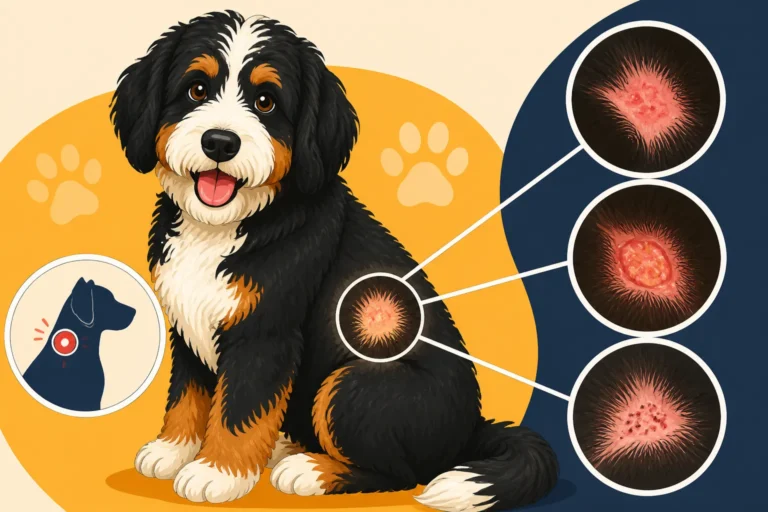
Mast cell tumors (MCTs) are one of the most frequently diagnosed skin tumors in dogs, and they demand particular attention in Bernedoodles due to their unpredictable nature. These tumors arise from mast cells, which are immune cells involved in allergic and inflammatory responses. What makes MCTs so tricky is that they can literally look like anything: a benign fatty lump (lipoma), a wart, a bug bite, or a red, inflamed area that doesn't heal. This makes it incredibly easy to overlook them or dismiss them as something innocuous.
Because Mast Cell Tumors Hidden in a Bernedoodle's Coat can be easily missed or mistaken for other bumps, it is absolutely critical to have any new lump, bump, or skin lesion checked by your veterinarian, especially in a breed like the Bernedoodle with a dense, often curly coat. A fine needle aspirate (FNA), a simple, quick, and relatively inexpensive procedure, can often provide a diagnosis. This test is vital because MCTs are graded (Grade I, II, or III) based on their aggressiveness, which directly impacts treatment and prognosis.
The primary treatment for MCTs is aggressive surgical removal with wide margins to ensure all cancer cells are taken out. For higher-grade tumors or those in difficult locations, additional therapies like radiation or chemotherapy might be recommended to prevent recurrence or metastasis. The earlier an MCT is identified and treated, the better the prognosis, so never hesitate to ask your vet to aspirate any new growth, no matter how insignificant it may seem.
Osteosarcoma: Bone Cancer in Larger Dogs
Osteosarcoma is a highly aggressive bone cancer that, while not as directly linked to the Bernese side as histiocytic sarcoma, is a significant concern for any large or giant breed dog, which includes many Standard Bernedoodles. This is a primary bone tumor that typically affects the long bones of the limbs (e.g., above the knee, below the elbow), though it can occur in other bones like the ribs or jaw.
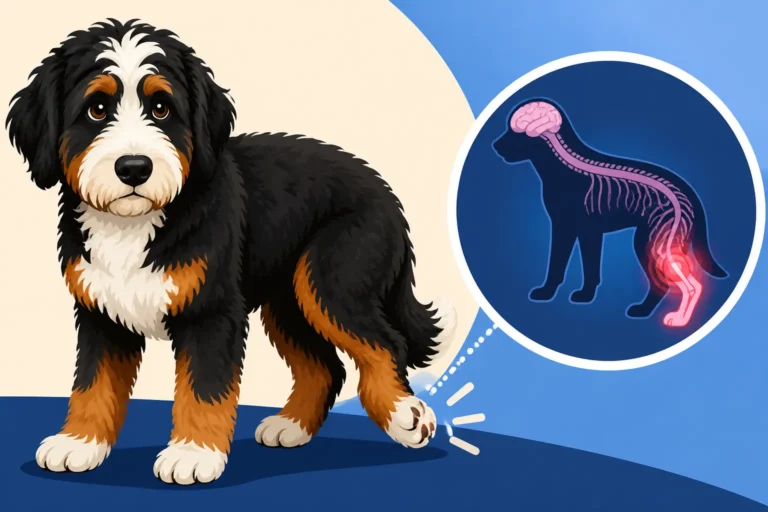
The classic first sign of osteosarcoma is persistent lameness or limping that doesn't improve with rest or anti-inflammatory medication. Your Bernedoodle might also show swelling or pain in the affected limb, sometimes even a sudden fracture because the tumor weakens the bone. This lameness can be mistaken for arthritis or a soft tissue injury, delaying diagnosis. Given the size and active nature of Bernedoodles, it’s easy to dismiss a limp, but any non-resolving lameness, especially in a larger dog, warrants an immediate vet visit. Whether a Bernedoodle Gets Osteosarcoma is definitely a concern for owners of standard-sized dogs.
Diagnosis involves X-rays of the affected bone, which often show characteristic changes, followed by a bone biopsy for definitive confirmation. Unfortunately, by the time osteosarcoma is diagnosed, it has often already microscopic spread to other parts of the body, most commonly the lungs. Treatment typically involves amputation of the affected limb (if feasible) to alleviate pain, often followed by chemotherapy to target metastatic disease. While aggressive treatment can extend life and significantly improve comfort, the prognosis for osteosarcoma remains guarded, with many dogs succumbing to the disease within a year or two due to metastasis.
Proactive Steps: Early Detection and Prevention
While the thought of cancer is frightening, Bernedoodle owners are not powerless. Being proactive, vigilant, and working closely with your veterinarian are your best tools in managing this challenging aspect of their health.
Vigilance: Knowing Your Bernedoodle's Normals
As a Bernedoodle owner, you are your dog's primary advocate and often the first line of defense against illness. Nobody knows your dog's quirks, habits, and normal behaviors better than you do. This intimate knowledge is absolutely paramount when it comes to detecting the subtle, early signs of cancer. Cancer doesn't always announce itself with dramatic symptoms; it often creeps in with vague changes that, when combined, paint a concerning picture.
Take the time each day to observe your Bernedoodle. Is their appetite still enthusiastic, or have they been picking at their food? Are they as energetic for their walks, or are they lagging behind? Are they drinking more water than usual? Any persistent change in eating or drinking habits, unexplained weight loss or gain, lethargy, or a decrease in their usual playfulness warrants attention. Remember, The First Signs of Cancer in a Bernedoodle are often subtle and can easily be dismissed as just "getting older" or a temporary off day.
Beyond general behavior, make it a habit to perform a "touch test" regularly. Gently run your hands over your Bernedoodle's entire body, feeling for any new lumps, bumps, or areas of swelling. Pay close attention to areas like their neck, armpits, groin, and along their sides, as their thick coat can easily hide abnormalities. Note any sores that don't seem to heal, or any persistent lameness that doesn't resolve after a day or two of rest. These small acts of vigilance can make a huge difference in catching cancer early, which dramatically improves treatment options and prognosis.
The Power of Regular Veterinary Care and Screening
While your daily observations are crucial, they are best complemented by consistent, thorough veterinary care. It’s easy to fall into the trap of only visiting the vet when something is obviously wrong, but annual wellness exams are absolutely non-negotiable for a breed like the Bernedoodle. These routine check-ups allow your veterinarian to establish a baseline for your dog's health, catch subtle changes you might have missed, and perform screenings that can detect disease before it becomes clinically apparent.
As your Bernedoodle moves into their middle-aged and senior years (often starting around 6-8 years old for a Standard Bernedoodle), your vet may recommend age-appropriate screenings that go beyond a basic physical exam. This might include routine blood work, such as a complete blood count (CBC) and a chemistry panel, which can reveal subtle changes in organ function or blood cell counts that could indicate underlying issues, including certain cancers. Urinalysis is another simple yet powerful diagnostic tool. More advanced screenings like chest X-rays or abdominal ultrasounds might also be recommended as part of The Screening a Bernedoodle Should Have Yearly, especially for breeds with higher cancer risks.
The value of these diagnostic tools cannot be overstated. Catching an elevated enzyme or an abnormal cell count in the blood, or a suspicious shadow on an X-ray, can prompt further investigation and lead to an early diagnosis when treatment is most effective. Your vet can also discuss a personalized screening plan tailored to your Bernedoodle's specific age, health history, and breed predispositions, giving you peace of mind that you're doing everything possible.
The Importance of a Good Breeder
While no breeder can guarantee a cancer-free dog, responsible breeding practices play a significant role in mitigating, though not entirely eliminating, risk. A reputable Bernedoodle breeder will prioritize the health and longevity of their breeding lines, meaning they're not just breeding for cute colors or fluffy coats. They are actively trying to improve the health of the breed.
When looking for a Bernedoodle puppy, it is absolutely essential to inquire about the health history of both parent lines, especially concerning cancer. Don't be shy about asking about the lifespan of the parent dogs' relatives and if any cancers have appeared in their Bernese or Poodle lines. Asking a Breeder About Cancer in the Bernese Line is not an impertinent question; it's a critical one that speaks to your due diligence as a future owner. A good breeder will be transparent and open, willing to discuss the challenges of the Bernese side and the measures they take to select healthier breeding stock.
While there isn't a single "cancer gene" test for Bernedoodles, responsible breeders will perform a full battery of genetic health clearances for other common inherited conditions like hip and elbow dysplasia, Von Willebrand's disease, and eye conditions. While these don't directly test for cancer, they demonstrate a commitment to breeding healthy dogs. Avoid any breeder who dismisses health testing or seems secretive about the health history of their dogs, as transparency is a hallmark of ethical breeding aimed at producing the healthiest possible puppies.
Supporting Your Bernedoodle Through a Cancer Diagnosis
Receiving a cancer diagnosis for your Bernedoodle is undeniably one of the most challenging experiences a pet parent can face. The initial shock can be overwhelming, followed by a torrent of questions about treatment, prognosis, and quality of life. Remember, you are not alone in this journey, and there are many resources and options available to help you navigate this difficult time.
Understanding the Landscape of Treatment Options
Once a cancer diagnosis is confirmed, your veterinary team will present you with a range of treatment options. It's an incredibly emotional moment, and it's important to understand that the goal of treatment in veterinary oncology is often to extend a good quality of life rather than necessarily achieving a permanent cure. The best approach is always a collaborative decision made with your veterinary oncologist, considering the specific type and stage of cancer, your Bernedoodle's overall health, and your family's circumstances.
Surgical intervention is often the first line of defense for solid tumors, such as mast cell tumors or osteosarcoma. The goal is to completely remove the tumor with wide, healthy margins of surrounding tissue to prevent recurrence. Depending on the tumor's location, surgery can be curative, but it may also be part of a multi-modal approach.
Chemotherapy is another common treatment, particularly for systemic cancers like lymphoma, or as an adjunct therapy after surgery for aggressive tumors. Unlike human chemotherapy, which often aims for aggressive cures, veterinary chemotherapy is typically administered at lower doses with a primary focus on maintaining a good quality of life. This means that while side effects can occur (like mild nausea or temporary appetite loss), they are generally less severe than in humans. What Chemotherapy Achieves for a Bernedoodle varies significantly based on the cancer type; it can induce remission, slow progression, or reduce tumor size, buying valuable extra time with your beloved pet.
Radiation therapy is used for localized cancer control, often when surgery is not an option or when clean margins could not be achieved. Newer targeted therapies and immunotherapies are also emerging, offering exciting possibilities. Navigating these options is complex, and your vet will guide you through the pros and cons of each, helping you make informed decisions that prioritize your Bernedoodle's comfort and well-being.
The Financial Realities and the Role of Pet Insurance
Let's be candid: cancer treatment for dogs can be incredibly expensive. Diagnostic tests (biopsies, imaging, lab work), surgical procedures, and ongoing chemotherapy or radiation sessions can quickly accumulate into thousands, even tens of thousands of dollars. The emotional toll of a cancer diagnosis is already immense, and the added financial stress can feel overwhelming. What Cancer Treatment Costs a Bernedoodle Owner is a significant consideration that, unfortunately, can sometimes dictate the course of treatment.
This is where pet insurance becomes an absolute lifesaver. Pet insurance works by having you pay a monthly premium, and in return, the insurer reimburses a percentage of your eligible veterinary bills after your deductible is met. A comprehensive pet insurance policy can significantly mitigate the financial burden of cancer treatment, allowing you to focus on your Bernedoodle's health rather than worrying about the escalating costs.
Many pet owners find companies like Healthy Paws to be invaluable in these situations. A robust plan from Healthy Paws, for example, can cover everything from the initial diagnostics to surgery, chemotherapy, and even emergency care for cancer-related complications. Having pet insurance in place, ideally before any health issues arise, means you can make treatment decisions based on what’s best for your Bernedoodle's medical needs, rather than being constrained by your budget. It's crucial to enroll in pet insurance when your Bernedoodle is young and healthy, as pre-existing conditions are typically not covered. Take the time to research different plans, understand deductibles, reimbursement rates, and annual limits, as this proactive step can provide immense peace of mind should you ever face a cancer diagnosis.
Ensuring Comfort and Quality of Life
Beyond aggressive treatments, an equally important aspect of supporting a Bernedoodle with cancer is maintaining their comfort and quality of life. There will come a point where prolonging life at any cost might not be the most compassionate choice, and shifting focus to palliative care becomes paramount. This phase is about ensuring your Bernedoodle is as comfortable, pain-free, and happy as possible for their remaining time.
Supportive care might include a combination of pain management medications, which can be crucial for alleviating discomfort from tumors or treatment side effects. Nutritional support is also vital; some dogs with cancer benefit from specialized diets, and appetite stimulants may be necessary to encourage eating. Maintaining hydration is always important, and your vet can advise on ways to keep your Bernedoodle well-hydrated. Gentle exercise, if appropriate, and maintaining a comforting routine can help them feel more "normal."
Throughout this journey, your emotional support is invaluable. Dogs are incredibly attuned to their owners' feelings, so trying to maintain a positive, loving environment, even when you're heartbroken, can make a difference. Pet hospice care can provide resources and support for managing your Bernedoodle's symptoms at home, focusing on comfort and dignity. Ultimately, deciding when to say goodbye is one of the hardest decisions a pet owner will ever make. Knowing that you've provided a life full of love and a peaceful, pain-free passing, when the time comes, is the greatest gift you can give your cherished Bernedoodle.
Common Bernedoodle Cancers at a Glance
Here's a quick summary of the cancers most often seen in Bernedoodles, along with their key characteristics:
| Cancer Type | Primary Origin/Location | Common Signs | Aggressiveness | Treatment Approaches |
|---|---|---|---|---|
| Histiocytic Sarcoma | Immune cells (histiocytes), often multifocal | Lethargy, weight loss, lameness, loss of appetite, coughing | High | Chemotherapy, palliative care |
| Lymphoma | Lymphatic system (lymph nodes, spleen, liver) | Enlarged, non-painful lymph nodes, lethargy, weight loss, GI upset | Moderate-High | Chemotherapy, sometimes radiation |
| Mast Cell Tumors | Mast cells (skin, internal organs) | New lumps/bumps (can look like anything), redness, swelling, itching | Variable | Surgical removal, radiation, chemotherapy |
| Osteosarcoma | Bone (long bones of limbs) | Persistent lameness, swelling, pain in limb, unexplained fracture | High | Amputation, chemotherapy (to delay metastasis) |
Disclaimer
The information provided in this guide is intended for general educational purposes only and should not be considered a substitute for professional veterinary advice. Always consult with a qualified veterinarian for any health concerns or before making any decisions related to your Bernedoodle's health and treatment.