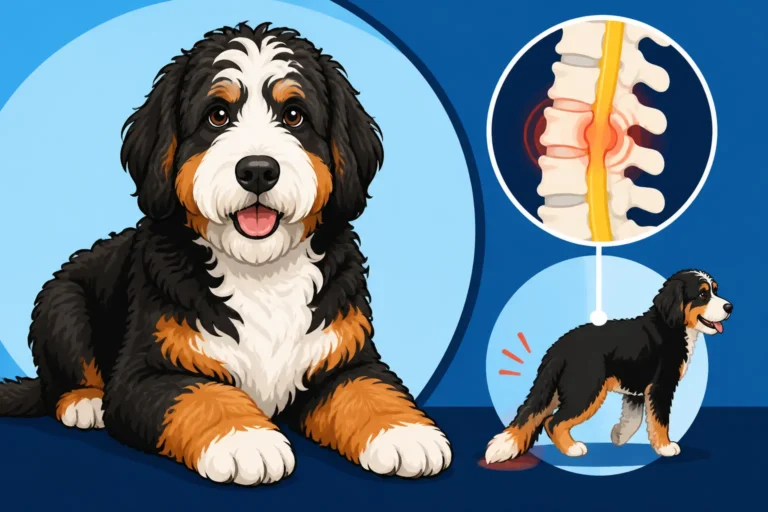
The Seven Years a Bernese Lives and the Twelve a Bernedoodle Might
One of the hardest truths to face when you fall head over heels for the gentle giant that is the Bernese Mountain Dog is their heartbreakingly short lifespan. Many owners grapple with the painful reality that their beloved companion might only be with them for a precious few years. This guide dives deep into the longevity challenges faced by Bernese Mountain Dogs and explores whether the Bernedoodle, a charming crossbreed, truly offers the gift of more time, and what we as owners can do to maximize their health and happiness every single day.
Understanding the Bernese Mountain Dog's Lifespan
Bringing a Bernese Mountain Dog into your life is an experience filled with boundless love, gentle companionship, and often, an underlying current of sadness because their time with us is typically far too brief. It's a heavy thought to carry, but understanding this reality is the first step in appreciating every moment and making informed decisions if you're considering this wonderful breed, or their doodle cousins.
The Unfortunate Reality of a Short Life
Let's not sugarcoat it: the average lifespan for a Bernese Mountain Dog is notoriously short. We're talking about a typical range of 7 to 8 years, sometimes even less. It's a stark contrast to many other large breeds, and it's something that tugs at the heartstrings of every Berner enthusiast. Imagine falling completely in love with a dog, watching them grow from a clumsy puppy into a magnificent, loyal adult, only to realize that your time together is measured in single digits. It's truly devastating for families who invest so much love, time, and resources into their furry companions.
This abbreviated lifespan isn't just a statistic; it's a profound emotional journey for owners. Many describe the experience as "never enough time," and it leaves a unique void that's hard to reconcile. Knowing this upfront doesn't lessen the pain, but it does emphasize the importance of cherishing every single day and being vigilant about their health from day one. It also highlights why many people seek out breeds like the Bernedoodle, hoping for a different outcome.
Key Health Issues Shortening Bernese Lives
So, what exactly contributes to this shortened lifespan in Bernese Mountain Dogs? Unfortunately, it's often a combination of genetic predispositions to certain serious health conditions. Cancer stands out as the leading cause of death in the breed, with several aggressive forms being particularly prevalent. Histiocytic Sarcoma, a highly aggressive and fast-spreading cancer, is tragically common. Lymphoma, mast cell tumors, and osteosarcoma (bone cancer) also feature prominently in their health profile. It's a cruel twist of fate for such a sweet-natured dog.
Beyond cancer, Bernese Mountain Dogs are also prone to orthopedic issues. Hip and elbow dysplasia are widespread, causing pain, lameness, and reduced mobility. While not directly fatal, these conditions can significantly impact a dog's quality of life and may lead to euthanasia if pain becomes unmanageable. Other concerns include bloat (gastric dilatation-volvulus), a life-threatening emergency common in deep-chested breeds, and certain heart conditions. These genetic vulnerabilities mean that even with the best care, a Bernese owner is often on high alert for signs of illness, making every vet visit a nerve-wracking experience.
The Emotional Toll on Bernese Owners
The weight of knowing your beloved Bernese has a statistically short life can be incredibly heavy. It changes how you experience their puppyhood, their prime years, and their eventual senior stage. Instead of simply enjoying the journey, many owners find themselves constantly monitoring for any subtle change, any new lump, any slight limp. This hyper-vigilance, while born of love, can be emotionally exhausting.
The anticipatory grief can be profound. It's like knowing, almost from the moment you bring them home, that your time is finite in a way that feels unfair. When the time does come, often unexpectedly or far too soon, the grief is amplified by the feeling that you were robbed of years. Many Bernese owners talk about the unique bond they form with their dogs and the profound heartbreak when that bond is severed prematurely. This emotional toll is precisely why the promise of a longer-living hybrid like the Bernedoodle holds so much appeal and offers a glimmer of hope to those who adore the Bernese temperament but wish for more time.
The Bernedoodle: A Hybrid Vigor Hope
Enter the Bernedoodle. This delightful cross between a Bernese Mountain Dog and a Poodle was specifically bred with the hope of creating a dog with the Bernese's wonderful temperament but with an improved health profile and, crucially, a longer lifespan. It's a goal born out of the love and heartbreak many experienced with purebred Bernese, aiming to leverage the best of both worlds.
The Premise of Hybrid Vigor
The concept of "hybrid vigor," or heterosis, is at the heart of the Bernedoodle's appeal for improved health. In simple terms, it suggests that when you cross two genetically distinct purebreds, the resulting offspring tend to be healthier and more robust than either parent. This isn't just a marketing gimmick; it's a recognized biological phenomenon. The idea is that by diversifying the gene pool, you reduce the chances of a puppy inheriting two copies of a specific recessive gene that might cause a disease.
Think of it this way: if a Bernese parent carries a gene for a certain type of cancer and a Poodle parent carries a gene for another, different condition, their Bernedoodle offspring might only inherit one copy of each gene. As long as the disease requires two copies of the gene to manifest (a recessive trait), the Bernedoodle puppy won't develop that specific illness, though they might be a carrier. This genetic dilution, if done correctly with health-tested parents, can lead to a stronger immune system, better overall health, and yes, a longer lifespan. It's not a magic bullet, but it offers a statistical advantage.
The Poodle's Contribution to Longevity
The Poodle half of the Bernedoodle equation is instrumental in the quest for increased longevity. Poodles, especially Standard Poodles, are generally known for their robust health and impressive lifespans, often reaching 12 to 15 years, and sometimes even longer. This is a significant jump from the Bernese's 7-8 years. Poodles are typically less prone to the aggressive cancers that plague Bernese Mountain Dogs.
While Poodles have their own breed-specific health concerns, such as Addison's disease, bloat (which they share with the Bernese), and certain eye conditions, their overall genetic profile tends to contribute to a longer life. They are also known for good orthopedic health, especially when bred responsibly. By introducing the Poodle's healthier, longer-living genetics into the Bernese line, breeders aim to dilute the genetic predispositions of the Bernese, thereby extending the expected lifespan of the offspring. This blend isn't just about looks or temperament; it's fundamentally about health improvement.
Expectations for Bernedoodle Lifespan
So, what can you realistically expect for a Bernedoodle's lifespan? While every dog is an individual, and there are no guarantees in life or genetics, the general consensus among breeders and owners is that Bernedoodles typically live longer than their Bernese parents. Most sources cite an average lifespan of 10 to 12 years for Bernedoodles, with many living to 14 or even 15 years, much closer to the Poodle's longevity. This represents a significant gain—potentially doubling the time you get to spend with your furry family member.
It's important to remember that this isn't universally true for every Bernedoodle. A puppy from poorly bred parents, regardless of hybrid vigor, may still face significant health challenges. However, for a well-bred Bernedoodle from health-tested lines, the expectation of a longer, healthier life is a strong and justifiable one. This improved outlook is a huge part of why the Bernedoodle has captured so many hearts, offering the warmth and charm of the Bernese with the hope of more cherished years together.
Common Health Concerns in Bernedoodles and Their Impact on Lifespan
While the Bernedoodle benefits from hybrid vigor and a Poodle parent known for longevity, it's crucial to understand that they aren't immune to health problems. They can still inherit predispositions from both sides of their family tree. Being aware of these potential issues is key to proactive care and ensuring your Bernedoodle lives the longest, happiest life possible.
Inherited Cancers from the Bernese Side
Despite the hope for reduced cancer risk, Bernedoodles can unfortunately still inherit a predisposition to certain cancers from their Bernese Mountain Dog lineage. While the incidence might be lower due to the dilution of the gene pool, the risk is not entirely eliminated. This means vigilance for lumps, changes in appetite, lethargy, or any unusual symptoms remains incredibly important for Bernedoodle owners. It's a stark reminder that Whether the Bernedoodle Cross Actually Reduced Cancer is a complex question with nuances.
For instance, Histiocytic Sarcoma, a devastating cancer common in Bernese, can still appear in Bernedoodles. While you might hope for complete evasion, the reality is that Histiocytic Sarcoma and Whether a Bernedoodle Escapes It often means they have a lower statistical chance, not a zero chance. Lymphoma and mast cell tumors are also possibilities. This is why a responsible breeder will still prioritize health testing for cancer markers and will have a thorough understanding of the cancer history in their Bernese lines. As owners, we must remain proactive with regular veterinary check-ups and open communication with our vets about any concerns, no matter how small they seem.
Orthopedic Challenges: Hips and Elbows
Orthopedic issues are another area where Bernedoodles can inherit vulnerabilities from both their Bernese and Poodle parents. Hip and elbow dysplasia are unfortunately common in large and giant breeds, and while Poodles tend to have better orthopedic health than Bernese, the genes for these conditions can still be present on both sides. This means that problems like Elbow Dysplasia in a Growing Bernedoodle or concerns about Hips on a Ninety Pound Bernedoodle are real possibilities that owners need to be prepared for.
These conditions, if severe, can lead to chronic pain, decreased mobility, and significantly impact a dog's quality of life. In some cases, expensive surgeries like hip replacement might be necessary. To mitigate these risks, it's absolutely vital to choose a breeder who performs comprehensive orthopedic screenings like OFA (Orthopedic Foundation for Animals) or PennHIP on their breeding dogs. Furthermore, proper nutrition, especially during puppyhood (think Growing a Standard Bernedoodle Slowly on Purpose), and avoiding excessive high-impact exercise can help protect developing joints.
Other Genetic Conditions to Watch For
Beyond cancer and orthopedic problems, Bernedoodles can also be susceptible to other genetic conditions that can affect their health and lifespan. Degenerative Myelopathy Both Bernedoodle Parents Can Carry is a serious neurological disease that affects the spinal cord, leading to progressive paralysis. While typically appearing later in life, it's devastating. Responsible breeders will test for the SOD1 gene to ensure they are not breeding two carriers, which would put puppies at high risk.
Another important consideration is Von Willebrand's Disease in a Bernedoodle, a hereditary bleeding disorder that can range from mild to severe. It affects the blood's ability to clot, making even minor injuries or surgeries potentially dangerous. Again, genetic testing of parent dogs is crucial to avoid passing this on. Other conditions like certain eye diseases (e.g., progressive retinal atrophy, cataracts) and thyroid issues (hypothyroidism) can also occur. Awareness of these possibilities allows owners to choose their breeders wisely and work with their veterinarians to monitor for early signs, ensuring prompt treatment if any issues arise.
Factors Influencing a Bernedoodle's Longevity
While genetics lay the foundation for a Bernedoodle's potential lifespan, it's far from the only factor. As owners, we hold significant power in influencing how long and how well our furry companions live. From the breeder we choose to the food we put in their bowl, every decision contributes to their overall health trajectory. It’s an investment of time, effort, and love that truly pays off in precious years.
Breeder Responsibility and Health Testing
This is arguably the single most critical factor in setting your Bernedoodle up for a long and healthy life. A reputable, ethical breeder is not just selling puppies; they are guardians of the breed's health. They will conduct extensive genetic health testing on both parent dogs to screen for conditions prevalent in Bernese Mountain Dogs and Poodles. This includes, but isn't limited to, OFA or PennHIP certifications for hips and elbows, cardiac clearances, eye exams (CAER), and genetic tests for conditions like Degenerative Myelopathy (DM), Von Willebrand's Disease (vWD), and certain types of progressive retinal atrophy (PRA). You can learn more about The Five Clearances a Bernedoodle Breeder Should Have to ensure you're asking the right questions.
A breeder who is transparent about their health testing results, willing to discuss the health history of their lines (including ancestors), and provides a robust health guarantee demonstrates their commitment. Avoid breeders who claim "hybrid vigor" alone negates the need for testing, or those who produce puppies without verifiable clearances. Investing in a well-bred puppy means investing in a solid genetic foundation, which is the best starting point for a long life.
Nutrition and Weight Management
What you feed your Bernedoodle and how much is paramount for their longevity, especially as large breed dogs. High-quality nutrition from puppyhood through their senior years provides the building blocks for strong bones, healthy organs, and a robust immune system. During their rapid growth phase, it's particularly important to feed a large-breed specific puppy food that supports slow, steady growth. Overfeeding a puppy can lead to excessively fast growth, putting undue stress on developing joints and exacerbating conditions like hip and elbow dysplasia.
Once they reach adulthood, maintaining a healthy weight is absolutely critical. An overweight Bernedoodle puts unnecessary strain on their joints, heart, and other organs, significantly increasing the risk of arthritis, diabetes, and other serious health problems. Even a few extra pounds can shave years off their life. Work with your veterinarian to determine the ideal weight for your individual Bernedoodle and adjust their food portions and exercise accordingly. Treats should be given in moderation, and calorie intake should match their activity level.
Exercise and Mental Stimulation
Regular, appropriate exercise is vital for a Bernedoodle's physical and mental well-being, directly contributing to a longer life. For puppies, the focus should be on controlled, low-impact exercise to protect growing joints. Overdoing it with forced runs or excessive jumping on a young Bernedoodle can lead to orthopedic damage. The common "five-minute rule" (five minutes of exercise per month of age, twice a day) is a good guideline.
As adults, Bernedoodles need consistent daily exercise to maintain muscle tone, cardiovascular health, and a healthy weight. This can include walks, playtime in a securely fenced yard, hiking, or even swimming. However, their thick coats mean Why a Black Tri Bernedoodle Overheats is a real concern, so exercise must be carefully managed in warm weather. Beyond physical activity, mental stimulation is equally important. Engaging their intelligent Poodle brain with puzzle toys, training sessions, and interactive games keeps them happy and reduces stress, which indirectly supports overall health. A bored Bernedoodle can develop destructive behaviors, which while not directly health-related, can lead to other issues.
Preventative Veterinary Care
A strong partnership with a trusted veterinarian is non-negotiable for ensuring your Bernedoodle's longevity. Regular preventative care, starting from puppyhood and continuing throughout their life, is key to catching potential issues early before they become serious or untreatable. This includes annual wellness exams, vaccinations, and consistent parasite prevention (fleas, ticks, heartworm). Your vet will monitor their weight, listen to their heart and lungs, check their teeth, and discuss any changes in behavior or health.
As your Bernedoodle ages, these annual check-ups become even more crucial, often including bloodwork and urinalysis to screen for conditions like thyroid disease, kidney issues, or early signs of cancer. Early detection of many diseases, from dental problems to early-stage organ dysfunction, can make a huge difference in treatment success and quality of life. Remember, dogs are masters at hiding pain and discomfort, so your vet's trained eye is an invaluable asset in keeping your Bernedoodle healthy. This proactive approach is a cornerstone of responsible Bernedoodle ownership.
The Role of Environment and Lifestyle
Beyond genetics and direct care, the environment in which a Bernedoodle lives and the lifestyle choices we make for them play a significant role in their overall health and potential lifespan. Creating a safe, comfortable, and stimulating environment minimizes stress and physical risks, allowing them to thrive and enjoy every precious year to the fullest.
Managing Heat and Environmental Stress
Bernedoodles, particularly those with thicker, denser coats, or dark-colored fur like a black tri, are not well-suited to extreme heat. Their Bernese heritage means they often retain a substantial undercoat, making them prone to overheating. This isn't just about discomfort; severe overheating can quickly lead to heatstroke, a life-threatening emergency that can cause organ damage and even death. It’s important to understand Whether a Bernedoodle Should Be Walked in Summer and plan accordingly.
Owners must be hyper-aware of temperatures and humidity. In warmer climates or during summer months, walks should be restricted to early mornings or late evenings. Providing plenty of shade, fresh water, and cooling mats or vests can help. Never leave a Bernedoodle in a parked car, even for a few minutes, as temperatures can soar rapidly. Proper grooming, while not a solution to overheating, can also help manage their coat. Ensuring access to air conditioning indoors is often a necessity for these dogs. Reducing environmental stress also means providing a calm home, consistent routines, and minimizing exposure to loud, startling noises where possible, as chronic stress can also impact long-term health.
Accident Prevention and Safety
It might seem obvious, but preventing accidents is a huge, often underestimated, factor in a dog's lifespan. Accidents, unfortunately, are a common cause of premature death or severe injury in dogs. This means being vigilant about their surroundings, both inside and outside the home. Secure fencing is paramount to prevent them from wandering into traffic or encountering other dangers. When out on walks, a sturdy leash and harness are essential, especially with a large, strong Bernedoodle who might otherwise pull you over or dart into harm's way.
Childproofing your home for a curious puppy or even an adult Bernedoodle means securing toxic substances, small ingestible items, and dangerous chemicals. Be mindful of food left within reach on counters, as many human foods are toxic to dogs. Consider your flooring type, especially for large breeds. Slippery floors can lead to slips and falls, which can be particularly damaging to a heavy Bernedoodle's joints over time. A ramp for getting in and out of cars or onto furniture can also prevent serious orthopedic injuries. Every effort to create a safe environment directly contributes to their longevity.
Mental Well-being and Enrichment
A dog's mental health is just as important as their physical health for overall longevity. A happy, well-adjusted Bernedoodle experiences less chronic stress, which can have tangible positive effects on their immune system and overall physical health. Bernedoodles are intelligent dogs, inheriting smarts from the Poodle and a desire to please from the Bernese. They thrive on interaction, purpose, and mental challenges.
Regular training sessions, even short ones, reinforce good behavior and keep their minds active. Puzzle toys, snuffle mats, and engaging games provide mental enrichment and combat boredom. Socialization from a young age is also vital, ensuring they are comfortable and confident in various situations and around different people and other animals. A Bernedoodle that is isolated, bored, or anxious can develop behavioral issues that might strain the owner-dog bond and lead to rehoming or, in severe cases, euthanasia due to unmanageable problems. Investing in their mental well-being is an investment in their entire life, fostering a resilient, joyful companion.
Preparing for a Long and Healthy Life Together
Bringing a Bernedoodle into your home is a commitment to their entire life, and with the hope of an extended lifespan, that commitment becomes even more significant. Proactive planning, regular monitoring, and a willingness to adapt care as they age are all part of the journey to ensuring they live out their full potential in health and happiness.
Early Detection and Ongoing Screening
One of the greatest advantages in modern veterinary medicine is the ability for early detection of diseases. For your Bernedoodle, this means regular veterinary check-ups are non-negotiable. Beyond vaccinations and parasite control, these visits are opportunities for your vet to perform comprehensive physical exams, looking for subtle changes that might indicate an underlying issue. As your Bernedoodle matures, your vet will likely recommend routine bloodwork, urinalysis, and potentially other diagnostic tests. These screenings, often performed annually, can catch problems like kidney disease, liver disease, diabetes, or even certain cancers in their earliest, most treatable stages.
For example, checking thyroid levels is important, as both parent breeds can be prone to hypothyroidism. Monitoring for dental disease is also crucial, as untreated oral infections can lead to serious systemic health problems. Discussing any changes in appetite, energy levels, drinking habits, or lumps you might find with your vet immediately can make a world of difference. Being proactive with The Screening a Bernedoodle Should Have Yearly means you're giving your beloved companion the best chance to combat health challenges effectively and maintain a good quality of life for as long as possible.
Understanding Senior Bernedoodle Care
As your Bernedoodle approaches their senior years (typically around 7-8 for a standard size, earlier for larger individuals), their needs will change, and your care routine will need to adapt. Understanding What Changes in a Bernedoodle After Eight is important so you can recognize the signs of aging and provide appropriate support. Common issues in older dogs include arthritis, decreased vision or hearing, cognitive dysfunction (similar to dementia), and a general slowing down.
Managing arthritis often involves joint supplements, pain medication, and potentially physical therapy. Creating an environment that supports their mobility, such as providing comfortable orthopedic beds, ramps, or non-slip rugs on slick floors, can make a huge difference. Regular, gentle exercise is still important, but the intensity and duration may need to be reduced. Keep their minds active with gentle puzzle toys or short training sessions. It's also vital to continue with regular vet check-ups, as senior dogs are more prone to developing chronic conditions. Your vet can help you tailor a care plan that addresses their specific senior needs, focusing on comfort and maintaining their quality of life.
The Value of Pet Insurance
Let's be realistic: even with the best breeding and care, health issues can arise, and veterinary care, especially for serious conditions like cancer or orthopedic surgeries, can be incredibly expensive. This is where pet insurance becomes an invaluable tool for preparing for a long and healthy life with your Bernedoodle. It provides a financial safety net, allowing you to make medical decisions based on what's best for your dog, rather than being limited by cost. Many owners express immense relief when unexpected emergencies or chronic conditions occur, knowing that a significant portion of the bill will be covered.
Consider a company like Healthy Paws. They offer comprehensive coverage that can help with everything from accident and illness treatments to emergency care, surgeries, and even alternative therapies. Imagine your Bernedoodle suddenly needing extensive diagnostics for a mysterious illness, or facing a potential hip surgery—these situations can quickly run into thousands of dollars. A policy from Healthy Paws can reimburse you for a large percentage of these costs, making advanced veterinary treatments accessible. This peace of mind means you can focus on your dog's recovery and well-being, rather than being overwhelmed by financial stress. It truly allows you to provide the best possible care throughout their potentially longer life, ensuring they don't miss out on necessary treatments due to cost.
Conclusion
The journey with a Bernedoodle, whether you're welcoming a new puppy or cherishing an older companion, is one filled with unique joys and responsibilities. While the Bernese Mountain Dog's notoriously short lifespan is a heartache many seek to mitigate, the Bernedoodle offers a genuine hope for more years of companionship through the benefits of hybrid vigor. However, this extended potential isn't a given; it's a partnership between responsible breeding practices and dedicated, informed ownership.
By understanding the genetic predispositions, choosing an ethical breeder committed to health testing, providing excellent nutrition and appropriate exercise, and committing to proactive veterinary care, you significantly empower your Bernedoodle to reach their full lifespan potential. Factors like managing environmental stressors and ensuring a safe, stimulating home environment also play crucial roles. Ultimately, the desire for "more time" with these magnificent dogs is universally understood, and by embracing the knowledge and resources available, we can strive to give our Bernedoodles not just more years, but more years filled with health, happiness, and an abundance of love.
Disclaimer
This article is intended for informational purposes only and does not constitute professional veterinary advice. Always consult with a qualified veterinarian for any health concerns or before making any decisions about your Bernedoodle's care, diet, or treatment. Individual results may vary, and no guarantees are made regarding the lifespan or health outcomes of any specific dog.