Growing a Standard Bernedoodle Slowly on Purpose
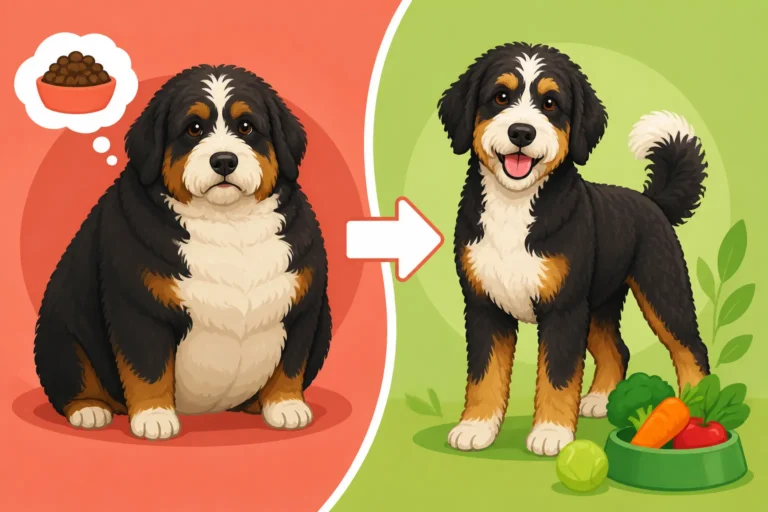
Bringing home a standard Bernedoodle puppy is an absolute joy, but it also comes with the unique responsibility of nurturing a large, rapidly growing dog. Many new owners, eager to see their fluffy companions grow into majestic adults, might unknowingly contribute to issues by allowing them to grow too quickly. This guide is all about understanding why a slow, deliberate growth rate is paramount for your standard Bernedoodle's long-term health and how you can achieve it intentionally.
The Critical Importance of Slow Growth for Standard Bernedoodles
It's natural to want your puppy to grow big and strong, but for large and giant breeds like the standard Bernedoodle, rapid growth can actually be a wolf in sheep's clothing. While they might appear impressive with their rapid weight gain, this accelerated development puts immense stress on their developing skeletal system, leading to a host of potential health problems down the road. Our goal isn't to stunt their growth, but rather to ensure it happens at a pace their bones and joints can safely manage.
Understanding Growth Plates and Joint Development
Let's talk about growth plates, often referred to as epiphyseal plates. These are areas of soft, developing cartilage located at the ends of the long bones in puppies and young dogs. They're basically the engine room for bone lengthening. As a puppy grows, these plates produce new bone cells, gradually hardening and closing as the dog approaches maturity. For standard Bernedoodles, who are on the larger end of the canine spectrum, these growth plates don't fully close until they are typically between 12 and 18 months old, sometimes even a bit later for the biggest individuals.
During this entire period, these growth plates are incredibly vulnerable. They are structurally weaker than the surrounding bone and can be easily damaged by excessive force, impact, or simply carrying too much weight too quickly. Think of them like soft clay that's still being molded; any undue pressure can deform them permanently. If a Bernedoodle puppy gains weight too rapidly, or is subjected to too much high-impact exercise, the pressure on these delicate plates increases exponentially. This can lead to abnormal bone development, affecting the overall structure and integrity of their joints for life. It's not about how big they can get, but how soundly they get there.
The Inherited Risks from Bernese Mountain Dogs
When we talk about Bernedoodles, we're combining the best of the Bernese Mountain Dog and the Poodle. While Poodles contribute a generally robust genetic profile, the Bernese side of the equation brings with it certain predispositions, particularly concerning orthopedic health. Bernese Mountain Dogs are unfortunately prone to conditions like hip dysplasia and elbow dysplasia. Hip dysplasia is a malformation of the hip joint, where the ball and socket don't fit together properly, leading to grinding and eventual arthritis. Similarly, elbow dysplasia encompasses several developmental abnormalities in the elbow joint, causing pain and lameness.
While selective breeding aims to reduce these genetic tendencies, and a responsible breeder will perform The Five Clearances a Bernedoodle Breeder Should Have on parent dogs, no guarantee is absolute. This is where controlled growth becomes a powerful tool in mitigating these inherited risks. If a Bernedoodle puppy is genetically predisposed to loose hips or poorly formed elbows, allowing them to gain weight too quickly, or engaging them in strenuous activities that jar these developing joints, drastically increases the likelihood of these conditions manifesting, and often in a more severe form. We can't change their genes, but we can profoundly influence how those genes express themselves through careful management. Protecting Hips on a Ninety Pound Bernedoodle and addressing Elbow Dysplasia in a Growing Bernedoodle starts long before they reach their adult size.
Nutritional Strategies for Controlled Growth
Nutrition is arguably the most powerful lever you have in influencing your Bernedoodle's growth rate. It's not about feeding less, but about feeding smart. The goal is to provide all the necessary nutrients for healthy development without pushing the accelerator too hard, leading to unnaturally fast weight gain that outpaces skeletal maturation. This balance is crucial for a large breed puppy.
Choosing the Right Large Breed Puppy Food
This is where many well-meaning owners can go astray. Not all puppy foods are created equal, especially when it comes to large and giant breeds. Standard puppy formulas are often too high in calories, protein, and critically, calcium, for a Bernedoodle. These formulations are designed for smaller breeds that mature much faster. Feeding such a diet to a Bernedoodle can lead to an explosion of growth that places immense strain on their still-developing bones and joints.
Instead, you need to seek out a high-quality "large breed puppy formula." These foods are specifically engineered with a lower caloric density, a controlled protein level, and a carefully balanced calcium-to-phosphorus ratio. Brands like Purina Large Breed Puppy, Royal Canin Large Breed Puppy, Eukanuba Large Breed Puppy, and Hill's Science Diet Large Breed Puppy are popular choices that adhere to these specific guidelines. They are designed to support a slow, steady growth curve, allowing your Bernedoodle's skeletal system to develop at a more natural and resilient pace. When you're shopping, whether online at Chewy or Amazon, always double-check the label to ensure it explicitly states "large breed puppy" and pay attention to the guaranteed analysis for calcium and phosphorus levels. Look for reputable brands that have undergone AAFCO feeding trials for large breed growth.
The Role of Calcium and Phosphorus in Puppy Diets
Let's dive a little deeper into calcium and phosphorus because their balance is absolutely critical for large breed puppies. Too much calcium, in particular, can be incredibly detrimental. While calcium is essential for strong bones, excessive amounts in a rapidly growing large breed puppy can disrupt the normal process of bone mineralization and cartilage development. This can lead to serious skeletal deformities and conditions like osteochondritis dissecans (OCD), where cartilage fails to convert into bone correctly, leading to painful flaps in the joints.
Large breed puppy foods are formulated to have a precise calcium-to-phosphorus ratio, typically around 1.1:1 to 1.5:1 calcium to phosphorus, with calcium levels generally not exceeding 1.5% on a dry matter basis. The danger often comes when owners add supplements, such as calcium powders, bone broth, or even excessive dairy, to an already balanced diet. Unless explicitly instructed by your veterinarian for a specific medical reason, never supplement your Bernedoodle puppy's diet with additional calcium. A high-quality large breed puppy food already contains the optimal amount, and adding more can throw this delicate balance completely off, causing more harm than good. Trust the science behind these specialized formulas.
Appropriate Feeding Schedules and Portions
Once you've chosen the right food, the next step is managing how much and how often your Bernedoodle puppy eats. Free-feeding, where food is left out all day, is a definite no-go for large breed puppies. It encourages overeating and rapid weight gain. Instead, establish a consistent feeding schedule. For very young puppies (8-12 weeks), three to four meals a day are common. As they grow older, you'll typically transition to two meals a day, usually around 6 months of age, though your vet might advise slightly differently based on your individual dog.
The feeding guide on the dog food bag is a starting point, but it's crucial to understand that it's a general recommendation. Individual puppies have different metabolisms and activity levels. You need to adjust the portion size based on your puppy's body condition. The goal is to keep them lean, not chubby. You should be able to Feeling for a Bernedoodle's Ribs Under All That Coat without seeing them, and your puppy should have a visible waist tuck when viewed from above. Regularly checking their weight (weekly for young pups, then bi-weekly or monthly) is a good practice. If you find your puppy is gaining weight too quickly, or becoming too chunky, slightly reduce their portion size. Conversely, if they seem too lean, you might need to slightly increase it. Some owners prefer fresh, portion-controlled meals, and while brands like Ollie can offer excellent nutrition, it's still vital to ensure the formula specifically caters to the growth needs of a large breed, with appropriate calorie and calcium/phosphorus levels, and that you're not overfeeding.
Exercise: Balancing Activity and Protecting Joints
Exercise is vital for a growing puppy's physical and mental well-being, but for a standard Bernedoodle, there's a fine line between beneficial activity and harmful overexertion. The "more is better" mentality can be incredibly damaging to their developing joints and bones. Our aim is to build strength and coordination gradually, without putting undue stress on their vulnerable growth plates.
Age-Appropriate Exercise Guidelines
The golden rule for large breed puppies is often called the "five-minute rule." This suggests that a puppy should only engage in structured exercise for five minutes per day per month of age. So, a 4-month-old puppy would get no more than 20 minutes of structured exercise per day, while a 6-month-old would get 30 minutes. This structured exercise includes things like walks on a leash or training sessions. It does not include free play in the yard, which your puppy can engage in more spontaneously and usually self-regulates.
Focus on short, gentle walks on soft surfaces like grass or dirt trails rather than pavement. These walks should be exploratory and allow for sniffing, not forced marches. Controlled play sessions in a fenced yard are excellent, allowing the puppy to set its own pace. Engage in light fetch with soft toys, but keep it brief and low-impact. The idea is to build muscle and stamina gradually, supporting the joints without overwhelming them. Remember, until those growth plates close, every high-impact step is a potential risk. This rule is a great starting point for The Five Minute Rule on a Bernedoodle Puppy's Walks.
Avoiding High-Impact Activities
While your Bernedoodle puppy might have bursts of energy that make them seem like they can conquer anything, certain activities are strictly off-limits during their critical growth period. High-impact activities put excessive strain on their developing joints and should be avoided until they are at least 18-24 months old, and sometimes even longer, depending on your vet's advice and your dog's individual development.
This list includes:
- Jumping off furniture: Even a seemingly small jump can exert significant force on their elbows, hips, and knees. If your puppy loves to be on the couch, teach them to use a ramp or help them up and down.
- Long runs or jogging: Their bones and joints are simply not ready for repetitive, high-impact motion over long distances.
- Intense, prolonged fetching or frisbee: These activities involve sudden stops, turns, and jumps that are very hard on developing joints. Keep fetch sessions short and on soft ground.
- Agility training: While Bernedoodles can excel at agility later in life, the sharp turns, jumps, and weaving are too demanding for a young dog.
- Excessive stair climbing: Repeatedly going up and down stairs, especially steep ones, can put stress on hips and elbows. Consider blocking access or carrying your puppy if possible, especially during their younger months. This helps prevent issues like Whether Stairs Hurt a Standard Bernedoodle Puppy.
It's about safeguarding their future mobility, which means exercising restraint now.
The Dangers of Overtraining
Beyond specific high-impact activities, there's also the danger of simply overtraining or overexercising your puppy in general. A puppy that is constantly pushed to exercise beyond its natural limits isn't getting stronger; it's getting injured and exhausted. Signs of an overtired or overexercised puppy can include excessive panting, lagging behind on walks, reluctance to play, lameness, or even increased nipping and crabbiness due to fatigue.
Overtraining can lead to micro-traumas in the bones and cartilage that, over time, can accumulate and contribute to orthopedic issues. It can also lead to muscle strains or pulls as their growing bodies are not yet equipped for sustained strenuous activity. Remember, puppies need a lot of sleep – often 18-20 hours a day – for proper physical and mental development. If you're consistently pushing them to the point of exhaustion, you're depriving them of this crucial recovery time. Always err on the side of caution when it comes to exercise for your standard Bernedoodle puppy. Listen to your puppy, watch for signs of fatigue, and prioritize gentle, consistent activity over intense bursts.
Environmental Considerations for a Growing Bernedoodle
While diet and exercise are primary factors in controlled growth, your Bernedoodle's everyday environment also plays a significant role. The surfaces they walk on, the way they navigate your home, and even the quality of their rest can all contribute to, or detract from, healthy skeletal development. It's about creating a safe and supportive space for their growing bodies.
Managing Stairs and Slippery Surfaces
Your home environment, particularly the flooring and accessibility to stairs, can have a surprisingly large impact on a growing Bernedoodle's joints. Stairs, especially frequently used ones, can be a major culprit for putting stress on developing hips and elbows. For young puppies, every time they bound up or down a flight of stairs, their joints absorb impact that their still-soft growth plates aren't designed to handle. Consider blocking access to stairs with baby gates or carrying your puppy up and down until they are older, ideally around 6 months or more, and even then, limit repetitive use.
Slippery surfaces are another common household hazard. Hardwood, tile, or laminate floors, while beautiful, offer little to no traction for a clumsy, rapidly growing puppy. When a Bernedoodle puppy slips and slides, their legs splay out, twisting and jarring their joints in unnatural ways. This can contribute to laxity in the joints over time and put unnecessary stress on tendons and ligaments. To combat this, consider placing non-slip rugs or runners in high-traffic areas where your Bernedoodle spends time. Paw grips or special booties can also be an option for especially slippery homes or for puppies that struggle significantly. Protecting them from uncontrolled slips and falls is a simple yet effective way to support healthy joint development and prevent issues like those discussed in Whether Hardwood Floors Are Bad for a Bernedoodle.
The Importance of Proper Rest and Sleep
It's easy to overlook the importance of rest when you have a bouncy, playful puppy, but adequate sleep is absolutely fundamental for a growing Bernedoodle. Puppies, especially large breeds, need a significant amount of sleep – often 18 to 20 hours a day – to allow their bodies to recover, repair, and grow. It's during these periods of rest that crucial developmental processes occur, not just physically, but mentally as well.
Think of sleep as vital recovery time for their joints and muscles after even normal daily activities. If a puppy is constantly overstimulated or not given enough quiet time, their body doesn't get the opportunity to properly rebuild and strengthen. Crate training can be a fantastic tool here, providing a safe, quiet den where your Bernedoodle puppy can retreat and get uninterrupted sleep. Ensure their sleeping area includes a comfortable, supportive bed that cushions their heavy, growing bodies and prevents pressure points. A good quality orthopedic bed, even for a puppy, can be a worthwhile investment. Prioritizing rest helps to ensure that all the energy from their carefully balanced diet goes into healthy, controlled growth, rather than being burned up by an overactive, under-rested body.
Monitoring Your Bernedoodle's Growth and Health
You're their primary caregiver and advocate, and that means being vigilant about their development. Regular checks and knowing what to look for can help you catch potential issues early and ensure your slow growth strategy is working effectively. This isn't about being overly anxious, but about being an informed and proactive owner.
Regular Weight Checks and Body Condition Scoring
One of the most effective ways to monitor your Bernedoodle's growth rate and overall health is through regular weight checks and body condition scoring (BCS). For the first year, weigh your puppy weekly or bi-weekly. This isn't to hit arbitrary weight targets, but to track the rate of gain. A steady, gradual increase is ideal, rather than sudden jumps. You want to see consistent, moderate progress.
Body condition scoring is equally important. This involves looking at and feeling your dog to assess their fat reserves. You want your Bernedoodle puppy to be lean, with a visible waist and palpable ribs, but not bony. A good visual guide can be:
| Score | Description | What You Feel/See |
|---|---|---|
| 1 | Emaciated | Ribs, spine, pelvic bones easily visible, no fat. |
| 2 | Underweight | Ribs easily felt, minimal fat, obvious waist. |
| 3 | Ideal | Ribs easily felt with slight fat cover, visible waist tuck. |
| 4 | Overweight | Ribs difficult to feel, no waist, some fat over spine. |
| 5 | Obese | Ribs very hard to feel, heavy fat deposits, no waist. |
Aim for a BCS of 3 for your growing Bernedoodle. If they are consistently scoring a 4 or 5, it's a clear sign you're likely overfeeding, and adjustments to diet and exercise are needed. Keeping them lean significantly reduces the stress on their developing joints and can contribute to Whether an Overweight Bernedoodle Loses Years.
Recognizing Signs of Joint Discomfort or Overgrowth
Despite your best efforts, it's essential to recognize the subtle signs that your Bernedoodle puppy might be experiencing joint discomfort or issues related to rapid growth. Early detection can make a huge difference in management and outcome. Be observant of their gait, their willingness to play, and any changes in their normal behavior.
Look out for:
- Limping or lameness: Any persistent limp, even a subtle one, should be investigated by a vet.
- Reluctance to play or engage in activity: If your normally playful puppy seems less enthusiastic, it could be a sign of discomfort.
- Difficulty rising or lying down: Stiffness or pain during these movements is a red flag.
- Changes in gait: A bunny hop when running, dragging a back foot, or an awkward stance can indicate hip or elbow issues.
- Sensitivity to touch: If your puppy flinches or cries when a specific area, especially a joint, is touched.
- Excessive licking or chewing: Over-grooming a specific joint area can indicate pain.
- Swelling or heat: Any noticeable swelling or warmth around a joint warrants immediate veterinary attention.
Sometimes, puppies experience "growing pains," known as panosteitis, which is typically self-limiting and resolves on its own. However, distinguishing this from more serious conditions like hip or elbow dysplasia requires a veterinary diagnosis. Never assume a limp will just "work itself out."
Partnering with Your Veterinarian
Your veterinarian is your most important partner in ensuring your Bernedoodle's healthy growth. Regular check-ups are non-negotiable, and during these visits, don't hesitate to discuss your specific concerns about growth rate. Your vet can provide tailored advice on diet, exercise, and monitoring based on your puppy's individual needs, genetics, and environment.
They can confirm your puppy's body condition score, adjust feeding recommendations if necessary, and advise on appropriate exercise levels as your Bernedoodle ages. More importantly, they are the best resource for diagnosing any potential orthopedic issues. They can perform physical examinations, and if concerns arise, suggest imaging such as X-rays to assess joint health. Proactive discussions about future screenings, like hip and elbow evaluations when your dog is older, can also be beneficial. Don't be afraid to ask questions; your vet's expertise is invaluable in navigating the complexities of large breed puppy development.
Common Misconceptions About Bernedoodle Growth
There are a lot of old wives' tales and well-meaning but ultimately misguided advice floating around about how to raise a big, strong dog. For a Bernedoodle owner committed to slow, healthy growth, it's crucial to distinguish fact from fiction. Falling prey to these misconceptions can unintentionally undermine all your efforts to protect your puppy's developing joints.
The Myth of "More Food, Bigger Dog"
This is perhaps one of the most persistent and damaging myths for large breed dog owners. The idea that feeding a puppy extra food or supplementing their diet will make them grow into a larger, more impressive adult is simply false. A dog's adult size is primarily determined by its genetics – what its parents and ancestral lines pass down. You can't make a Bernedoodle grow larger than its genetic blueprint dictates by overfeeding it.
What overfeeding will achieve is forcing your puppy to grow at an unnaturally rapid rate, laying down fat faster than its skeletal system can keep up. This accelerated growth puts enormous strain on developing bones and cartilage, dramatically increasing the risk of developmental orthopedic diseases like hip and elbow dysplasia. Instead of a bigger, healthier dog, you'll end up with a puppy that is overweight, at a higher risk for joint issues, and potentially setting the stage for obesity-related health problems later in life. Our goal isn't to push for maximum size, but for maximum soundness and resilience. Stick to the appropriate large breed puppy food and careful portion control, aiming for that lean body condition.
Why Early Spay/Neuter Isn't Always the Answer for Growth
The timing of spaying or neutering a dog is a topic with a lot of debate, and it's especially pertinent for large breeds like the Bernedoodle. Traditionally, many veterinarians recommended spaying or neutering around six months of age. However, recent research, particularly concerning large and giant breeds, suggests that delaying these procedures until a dog is more physically mature can have significant orthopedic benefits.
The reason lies in hormones. Sex hormones (estrogen and testosterone) play a crucial role in the closure of growth plates. When a dog is spayed or neutered early, these hormones are removed before they've had a chance to signal the growth plates to close naturally. This can lead to delayed closure of the growth plates, resulting in longer bones and a taller, sometimes lankier dog. While a taller dog might seem desirable to some, this altered bone length can change joint angles and biomechanics, potentially increasing the risk of certain orthopedic conditions, including hip and elbow dysplasia and even cranial cruciate ligament (CCL) tears (the equivalent of an ACL tear in humans).
For a standard Bernedoodle, many vets and specialists now recommend waiting until the dog is at least 12-18 months old, or even 24 months for some giant breeds, to allow those growth plates to fully close and for the dog to achieve full skeletal maturity before altering hormone levels. This doesn't mean spay/neuter should be entirely avoided, as there are other health and behavioral considerations, but the timing is important. It's a complex decision that should be made in close consultation with your veterinarian, weighing the risks and benefits for your individual dog. This is certainly a discussion worth having with your vet, especially concerning When to Neuter a Standard Bernedoodle.
Long-Term Benefits of Intentional Slow Growth
Making the conscious choice to manage your Bernedoodle's growth rate isn't just about avoiding problems in puppyhood; it's an investment in their entire life. The dividends of this careful approach will pay off in spades, contributing to a healthier, happier, and more active adult dog. It's about ensuring those precious years are filled with comfort and joy, not pain and limitations.
Reduced Risk of Orthopedic Issues
The most immediate and significant long-term benefit of intentional slow growth is the dramatically reduced risk of developing debilitating orthopedic issues. Conditions like hip dysplasia, elbow dysplasia, and osteochondritis dissecans (OCD) are multi-factorial, meaning they are influenced by both genetics and environmental factors. While you can't change your Bernedoodle's genetic predisposition entirely, you have immense control over the environmental factors that either exacerbate or mitigate these risks.
By controlling calorie intake, ensuring proper nutrient balance, and implementing age-appropriate exercise, you allow your Bernedoodle's bones and joints to develop at a natural, unhurried pace. This gives their cartilage and bone structure the time it needs to harden and mature correctly, creating stronger, more stable joints. A Bernedoodle raised with a slow growth philosophy is less likely to suffer from chronic joint pain, lameness, and the need for expensive and invasive surgeries like those for Torn Cruciates in a Heavy Bernedoodle or hip replacements. This preventative care is far more effective and compassionate than treating problems after they've already taken hold.
Enhanced Lifespan and Quality of Life
Ultimately, a Bernedoodle free from the burden of chronic joint pain and orthopedic disease will enjoy a much higher quality of life. Imagine an adult dog that can run, play, and explore without discomfort, well into their senior years. This is the promise of slow growth. A dog that is sound and comfortable is a happier, more engaged companion. They are able to participate in family activities, go on adventures, and generally enjoy their existence to the fullest.
Furthermore, reducing the incidence of severe orthopedic issues can also contribute to an enhanced lifespan. Dogs suffering from chronic pain or severe mobility limitations often experience a decline in overall health and activity levels, which can lead to other health complications or even influence difficult end-of-life decisions earlier than necessary. By giving your Bernedoodle the best possible start with healthy, controlled growth, you are setting them up for a long, vibrant life, full of joy and movement. It's about Keeping a Standard Bernedoodle Sound Past Ten and beyond, allowing them to remain active and comfortable for as many years as possible.
Practical Tips for Everyday Slow Growth Management
Implementing a slow growth strategy is a daily commitment, but it doesn't have to be overwhelming. It's about making conscious choices in your routine and being mindful of your Bernedoodle's developmental stage. Incorporating these practical tips into your daily life can make a big difference in supporting their healthy skeletal development.
Smart Toy Choices and Playtime
The types of toys you choose and how you engage in playtime with your Bernedoodle puppy can significantly impact their joint health. While high-energy fetch can be tempting, focus on toys that encourage gentle, controlled play rather than sudden stops, jumps, or aggressive tugging. Soft rubber toys, puzzle feeders, and snuffle mats are excellent for mental stimulation without physical impact. Interactive play that encourages sniffing and problem-solving, like hiding treats for them to find, is also fantastic.
When playing fetch, keep throws short, low, and on soft ground. Avoid long-distance throws that encourage all-out sprinting and abrupt stops. If your puppy is playing with other dogs, supervise closely to ensure the play doesn't become too rough or involve excessive jumping or wrestling that could jar their developing joints. Remember, puppies often don't know their own limits, so it's up to you to manage their play to prevent injury. Mental enrichment activities are wonderful alternatives that tire them out without stressing their bodies.
Grooming Considerations for Joint Health
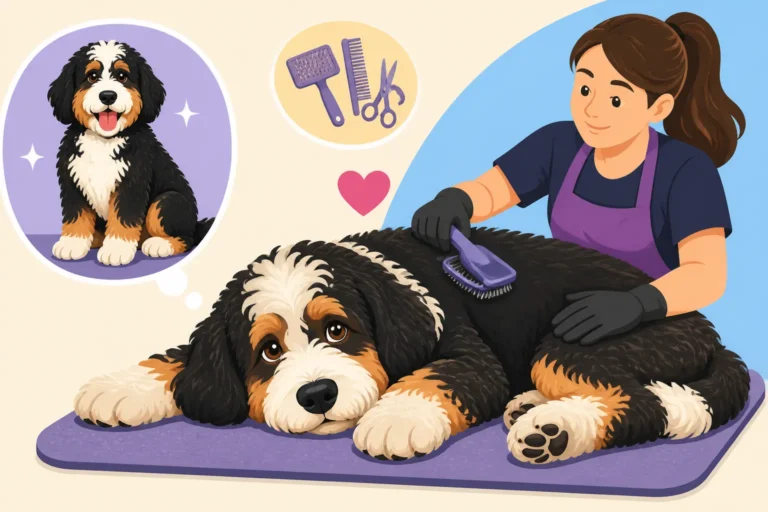
Grooming a Bernedoodle is a regular, essential task, and it's another area where you can support healthy joint development. Early, positive grooming experiences are vital, as a Bernedoodle will require lifelong grooming, which can be a long process (often 2-3 hours for a full groom). Getting them comfortable with standing, lying down, and being handled from a young age will make future grooming less stressful for both of you, and crucially, for their joints.
Consider using a sturdy grooming table, even for a puppy. This helps prevent them from jumping off the floor or squirming excessively, which could twist a joint. Start with short sessions, gradually increasing the duration as they get older and more accustomed to it. Teach them to tolerate being brushed, having their paws handled for nail trims, and eventually, the sound of a dryer. This foundational training, as discussed in Getting a Bernedoodle Used to the Grooming Table, ensures that when they're older and need those longer, more involved grooming sessions, they're not putting undue stress on their body by constantly shifting or fighting the process.
For tools, durable brushes, combs, and a grooming table can be easily found on platforms like Amazon. Investing in quality equipment and dedicating time to positive grooming training will not only keep their beautiful coat in good condition but also contribute to their overall comfort and joint longevity.
Disclaimer
This article is for general informational purposes only and does not constitute professional advice. Laws, prices and regulations vary by location and change over time. Consult a qualified professional for guidance on your specific situation.