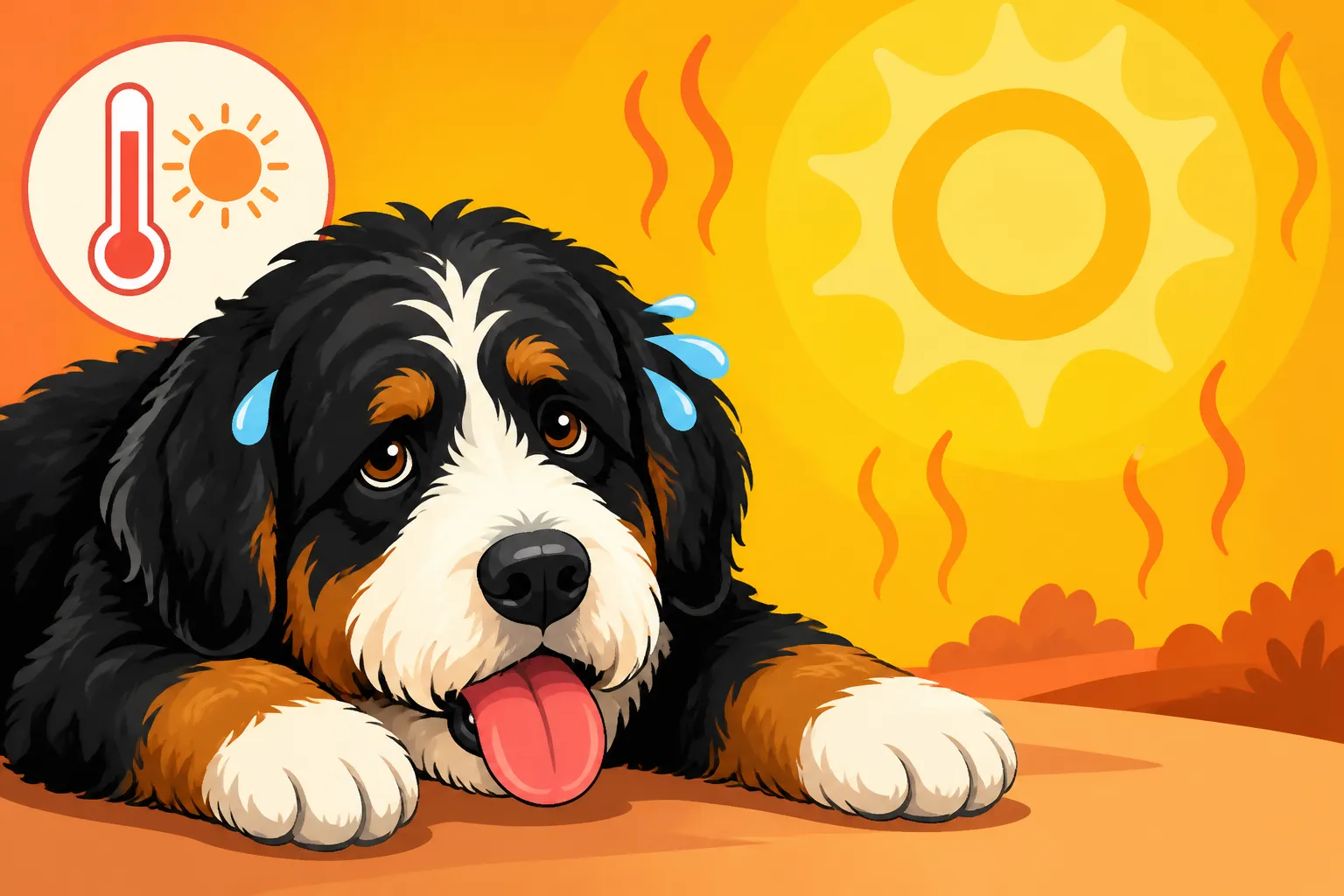
Why a Bernedoodle Cannot Cope With Heat
Many Bernedoodle owners find themselves constantly monitoring their furry companions in warm weather, often frustrated by how quickly these otherwise robust dogs seem to struggle. It's a valid concern, and it stems from a combination of their unique genetic makeup and physical characteristics that just aren't designed for high temperatures. This guide will walk you through the specific reasons why your beloved Bernedoodle finds summer so challenging and, more importantly, equip you with practical strategies to keep them safe and comfortable when the mercury rises.
The Bernedoodle's Ancestral Roots and Their Climate Connection
To truly understand why Bernedoodles struggle with heat, we need to dig into their family tree. This wonderful hybrid dog brings together two distinct breeds, each with a rich history tied to very different climates. The combination of these genetic blueprints, while offering many desirable traits, also creates a predisposition to heat sensitivity that owners must acknowledge.
The Bernese Mountain Dog's Alpine Heritage
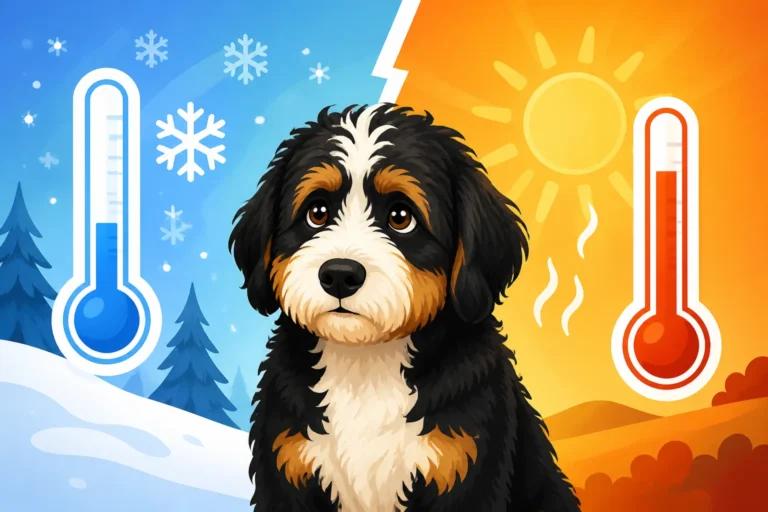
Think about the majestic Bernese Mountain Dog. What comes to mind? A thick, luxuriant triple coat, a sturdy build, and a gentle demeanor. These dogs hail from the chilly, mountainous regions of Switzerland, where they historically worked as farm dogs, herding cattle, guarding property, and pulling carts. Their dense coat, complete with a thick undercoat, was a crucial adaptation for surviving harsh winters and frigid alpine temperatures. It's an incredible insulator, designed to keep warmth in, which is fantastic when snow is falling but problematic when the sun is beating down. Their ancestors thrived in environments where overheating simply wasn't a concern; indeed, keeping warm was a matter of survival. This deep-seated genetic programming for cold weather is a huge factor in why your Bernedoodle might start panting heavily on a moderately warm day. They're built for the mountains, not the beach. For a deeper dive into the lifespan of their Bernese parent, you might want to read The Seven Years a Bernese Lives and the Twelve a Bernedoodle Might.
The Poodle's Water-Retriever Background
Now, let's look at the Poodle side. Poodles, particularly Standard Poodles, were originally bred in Germany as water retrievers. Their curly, dense coat, while often perceived as less "fluffy" than a Bernese, is incredibly efficient at protecting them from cold water. It's also single-layered, meaning it doesn't have the same insulating undercoat as a Bernese, which gives it a slight advantage in shedding heat compared to a double coat. However, it's still a thick coat designed for protection. Poodles are agile and active, accustomed to exertion, but typically in cooler European climates or water where they can cool down. Their leaner build helps them dissipate heat somewhat better than the more heavily built Bernese, but it doesn't make them immune to overheating, especially when their coat is long.
How the Blend Affects Heat Tolerance
When you cross these two breeds, you get the Bernedoodle, a dog that inherits a mix of these characteristics. Unfortunately, when it comes to heat tolerance, it often feels like they got the short end of the stick. They typically inherit a dense, often wavy or curly coat that can retain a significant amount of heat. Even if their coat is more Poodle-like in texture, its sheer volume, combined with the Bernese tendency for a heavier build, means they often struggle. Their bodies are working harder to cool down, panting more, and becoming exhausted faster in warm conditions. It's a constant battle against their own biology. You might notice your Bernedoodle seeking out cool tiles or refusing walks much earlier in the day than other breeds, and that's often a direct result of this genetic blend. They simply don't have the natural mechanisms to efficiently offload heat when temperatures climb, making proactive management absolutely vital.
The Bernedoodle Coat: A Double-Edged Sword in Summer
The Bernedoodle's luscious coat is one of their most defining features and often a major draw for prospective owners. It's soft, often beautiful, and can come in a delightful array of colors and textures. However, this same beautiful coat becomes a significant challenge when the weather turns warm, acting less like a fashion statement and more like a heavy winter blanket your dog can't take off.
Understanding the Bernedoodle's Varied Coat Types
Bernedoodle coats are wonderfully diverse, ranging from wavy to curly, and sometimes even straight.
- Wavy Coats: This is perhaps the most common Bernedoodle coat. It's a mix of the Bernese's straight hair and the Poodle's curl. It often has a soft, flowing texture but still carries significant density. This type of coat is prone to matting if not regularly brushed, which further traps heat.
- Curly Coats: More Poodle-like, these coats are dense, tight curls. While often less prone to shedding, they can be incredibly insulating. Airflow is key, and if the curls become matted or too long, they create a thick barrier that makes it nearly impossible for air to reach the skin.
- Straight Coats: Less common, these coats tend to shed more and can be more Bernese-like. While they might seem less problematic for heat due to potentially less density, they can still have a thick undercoat that provides significant insulation.
Regardless of the specific texture, the common denominator is volume and density. Even a wavy coat, like the one often seen on Bernedoodles, as discussed in The Wavy Coat Most Bernedoodles Carry, contributes to heat retention.
The Insulating Properties of a Thick Coat
Imagine wearing a heavy wool sweater in the middle of summer. That's essentially what your Bernedoodle's coat feels like. Their fur, especially if it has a dense undercoat (a trait inherited from the Bernese side), is designed to trap a layer of warm air close to the body, protecting against cold. This is fantastic in a snowy Swiss mountain pasture, but a nightmare on a hot July afternoon. This trapped air layer, which works so well in winter, becomes a barrier against cooling in summer. It prevents cooler air from reaching the skin, where much of a dog's heat exchange takes place (mostly through panting, but also to a lesser extent through their paw pads). The result is a dog that heats up quickly and struggles to cool down.
Furthermore, a darker coat, especially common in black tri Bernedoodles, can absorb even more solar radiation. If your Bernedoodle sports a beautiful black coat, like many do, this becomes an additional factor in their heat struggle. For more on this, check out Why a Black Coat Makes a Bernedoodle Suffer in Summer.
The Challenges of Matting and Airflow
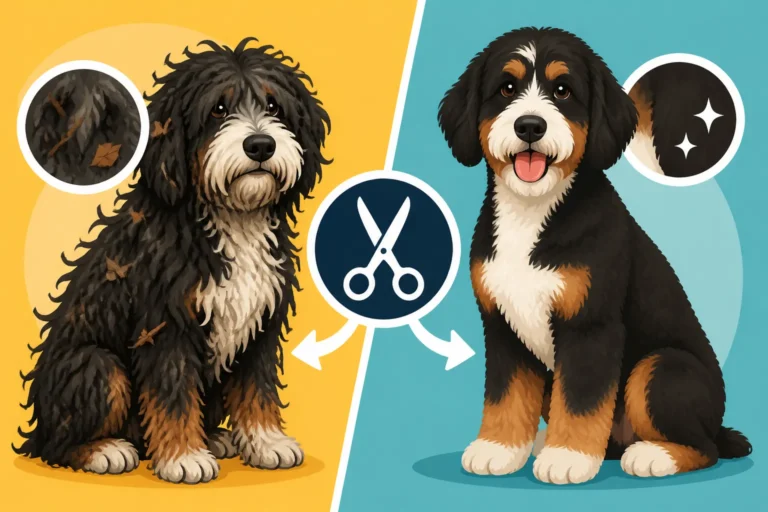
Matting is a Bernedoodle owner's nemesis, and it exacerbates the heat problem dramatically. When a Bernedoodle's coat mats, it clumps together, forming dense tangles close to the skin. These mats prevent any air from circulating through the coat, essentially creating an impenetrable thermal barrier. Not only is matting painful for the dog, pulling at their skin with every movement, but it also traps moisture and heat against their body, creating a perfect storm for overheating. A matted coat also makes it harder for groomers to perform proper summer clips, as shaving through mats can be dangerous and cause skin irritation. Regular, thorough brushing is not just for aesthetics; it's a vital part of heat management, ensuring that whatever airflow can penetrate the coat actually reaches the skin.
Body Type and Physiology: More Than Just Hair Deep
Beyond their gorgeous, insulating coats, the Bernedoodle's overall physical structure and how their body functions also play a significant role in their limited ability to cope with heat. It's not just about the fur; it's about the entire package.
Size and Weight: Larger Dogs and Heat
Bernedoodles, especially the Standard variety, are large dogs, often weighing between 70 and 90 pounds, sometimes even more. This considerable body mass generates a lot of internal heat simply through metabolic processes. Larger dogs also have a smaller surface area-to-volume ratio compared to smaller dogs. Think of it this way: a tiny dog has a lot of skin relative to its overall weight, allowing for more heat to escape from its body surface. A large dog, conversely, has a lot of bulk for its skin area, making it harder to dissipate that internal heat efficiently. This means a big Bernedoodle carries more "thermal load" and has fewer ways to dump it. Their larger muscles also generate more heat during activity, making exercise in warm weather particularly risky. Trying to keep a ninety pound Bernedoodle sound past ten years will involve careful weight and activity management, especially in summer.
Respiration and Heat Exchange
Dogs don't sweat like humans do across their entire body. Their primary mechanism for cooling down is panting. When a dog pants, they rapidly exchange warm, moist air from their lungs with cooler, drier air from the environment. This evaporative cooling, similar to sweating, helps lower their body temperature. However, for a Bernedoodle, this mechanism can be less efficient than for other breeds.
Their deep chests, a trait often inherited from the Bernese Mountain Dog, are fantastic for lung capacity and endurance in cooler climates, but they don't necessarily aid in rapid heat exchange. If a Bernedoodle is struggling to cool down, their panting will become more rapid and shallow, a sign of distress. They might also drool excessively as their body tries to expel heat. If the air itself is hot and humid, the efficiency of evaporative cooling through panting dramatically decreases. This is why a humid 80-degree day can feel much more dangerous to a Bernedoodle than a dry 80-degree day – there's less evaporation happening, so their panting isn't as effective. Understanding The Chest That Puts a Standard Bernedoodle at Bloat Risk is important for overall health, but also for realizing that this build isn't optimized for heat shedding.
Overall Build and Energy Levels
Many Bernedoodles inherit the sturdy, somewhat heavy-boned build of the Bernese Mountain Dog. While delightful for cuddling and providing a sense of gravitas, this build isn't exactly streamlined for heat dissipation. Combined with their often high energy levels (thanks, Poodle genes!), it means they can easily overexert themselves in warm weather. A playful Bernedoodle might not "feel" the heat until it's too late, driven by their desire to interact and move. This makes owner vigilance even more critical, as their enthusiasm can override their physical limitations. Owners need to be the responsible party, monitoring for even the earliest signs of overheating and intervening well before serious issues arise.
Recognizing the Red Flags: Signs Your Bernedoodle Is Overheating
As a Bernedoodle owner, it's absolutely crucial to be hyper-aware of the signs that your dog is getting too hot. Unlike humans who can vocalize discomfort, dogs rely on us to interpret their physical cues. Missing these signs can quickly escalate into a life-threatening emergency. Early detection and intervention are key to preventing serious harm.
Early Warning Signs to Watch For
When a Bernedoodle is starting to feel the heat, they will often exhibit subtle changes in behavior and appearance. These are your first clues that it's time to act:
- Increased Panting: This is the most obvious sign. While some panting is normal for cooling, excessive, rapid, or deeper panting than usual, especially when at rest, is a red flag.
- Seeking Shade or Cool Surfaces: Your Bernedoodle might instinctively lie down on cool tile, concrete, or try to get into any patch of shade available.
- Bright Red Gums and Tongue: A healthy dog's gums should be pink. If they become unusually red or even dark pink, it indicates increased blood flow as the body tries to cool.
- Excessive Thirst: They'll gulp water more frequently and eagerly.
- Slight Lag in Movement: They might seem a little less enthusiastic on a walk, dragging behind, or moving more slowly than usual.
- Restlessness: Unable to get comfortable, they might shift positions frequently.
At this stage, you need to intervene immediately. Get them to a cooler spot, offer water, and cease any activity. For more specific indicators, check out Signs a Bernedoodle Is Overheating.
Progressing Symptoms of Heatstroke
If the early warning signs are missed, or if the dog continues to be exposed to heat, the situation can rapidly deteriorate into heatstroke, a medical emergency. These symptoms are much more severe and require immediate, decisive action:
- Loud, Labored Panting: The panting will become more exaggerated, possibly with gasping or struggling for breath.
- Thick, Ropy Saliva and Excessive Drooling: As the body overheats, saliva production changes, becoming sticky and difficult to swallow, often leading to pools of drool.
- Wobbly or Disoriented Gait: The dog may stumble, appear confused, or have difficulty standing or walking. Their legs might give out.
- Vomiting and Diarrhea: This is a serious sign, indicating internal organ distress. The vomit or diarrhea may contain blood.
- Lethargy and Weakness: They may collapse, be unresponsive, or seem extremely weak and unwilling to move.
- Dark Red or Purple Gums/Tongue: This is a critical indicator of poor oxygen circulation.
- Glazed Eyes: Their eyes may appear unfocused or glassy.
- Elevated Body Temperature: While you can't always take their temperature, their body will feel extremely hot to the touch.
At this point, you are dealing with a critical situation. Every minute counts.
When to Seek Immediate Veterinary Care
If your Bernedoodle is exhibiting any of the progressing symptoms of heatstroke, do not hesitate. This is an emergency that requires immediate veterinary attention.
- Cool Them Down Safely (En Route): While on your way to the vet, begin cooling efforts. Apply cool (not ice cold) water to their belly, armpits, and groin area. Use a fan if available. Do not use ice water, as this can cause blood vessels to constrict and actually hinder cooling, or even induce shock.
- Call Ahead: Alert your veterinarian that you are bringing in a dog with suspected heatstroke so they can be prepared for your arrival.
- Do Not Force Water: Offer water, but do not force them to drink, especially if they are disoriented or vomiting.
- Monitor Closely: Continue to observe their breathing, gum color, and responsiveness.
Heatstroke can cause permanent organ damage, brain damage, or even death. Early recognition and swift action are absolutely vital for your Bernedoodle's survival and long-term health. Don't underestimate how quickly a Bernedoodle can go from slightly warm to critically overheated.
Proactive Measures: Creating a Cooler Environment for Your Bernedoodle
Knowing why Bernedoodles struggle with heat is one thing; actively working to mitigate that struggle is another. As their guardian, it's your responsibility to create an environment that minimizes their exposure to heat and helps them stay comfortable and safe. This involves conscious planning, smart use of tools, and a deep understanding of their needs.
Strategic Exercise Planning and Outdoor Activities
This is perhaps one of the most critical areas where you can protect your Bernedoodle.
- Timing is Everything: Avoid walks and strenuous play during the hottest parts of the day. In most places, this means between 10 AM and 4 PM, but it can extend earlier and later depending on your local climate. Aim for early mornings (sunrise is often best) and late evenings once the sun has set and surfaces have cooled. Even on cooler days, if the sun is intense, shade can be deceiving. The Temperature a Bernedoodle Should Not Be Walked In article offers more specific guidelines.
- Pavement Burns: Remember that asphalt and concrete absorb and retain heat, reaching temperatures that can easily burn your dog's paw pads. If it's too hot for your bare hand for five seconds, it's too hot for their paws. Stick to grassy areas, dirt trails, or walk on cooler surfaces.
- Lower Intensity: Even during cooler times of day, adjust the intensity and duration of exercise. Instead of a long, vigorous jog, opt for a leisurely sniff walk in the shade. Swimming can be a great alternative, but ensure easy entry/exit and monitor them closely.
- Short Potty Breaks: On truly hot days, only let your Bernedoodle out for quick potty breaks, directly into a shaded area of the yard if possible.
Hydration and Cooling Aids
Keeping your Bernedoodle hydrated and providing access to cooling options is paramount.
- Constant Water Access: Always ensure fresh, cool water is available indoors and outdoors. Consider multiple water bowls.
- Portable Water: When you go for walks or any outdoor excursion, always carry water and a collapsible bowl for your Bernedoodle. Don't rely on finding water sources.
- Cooling Mats and Vests: These can be lifesavers. Cooling mats contain a gel that activates when pressure is applied, providing a cool surface for your dog to lie on. Cooling vests, soaked in water, can help lower core body temperature through evaporation. Brands like Amazon offer a wide variety of these cooling products that can make a real difference.
- Kiddie Pools: A shallow plastic kiddie pool with a few inches of water in a shaded spot can be a fantastic way for your Bernedoodle to cool off. Many Bernedoodles love to splash and wade. Just ensure they don't drink too much chlorinated water if it's a treated pool.
- Frozen Treats: Ice cubes in their water bowl, frozen Kongs stuffed with dog-safe purees (like pumpkin or yogurt), or frozen fruits like blueberries can be a refreshing and hydrating treat.
- Damp Towels: Drape cool, damp towels over your Bernedoodle's back and sides, especially their armpits and groin, for quick relief.
Indoor Climate Control and Safe Spaces
Your home environment is your Bernedoodle's ultimate sanctuary from the heat.
- Air Conditioning is a Must: For Bernedoodles, especially in warmer climates, air conditioning isn't a luxury; it's a necessity. Keep your home comfortably cool when temperatures outside are high. If you don't have AC, consider window units for the rooms your dog spends time in. You might be surprised at how vital this is, as explored in Whether a Bernedoodle Needs the House Air Conditioned.
- Fans: Strategic placement of fans can help circulate air, especially where your Bernedoodle rests. Ceiling fans are also very effective.
- Shaded Windows: Close curtains or blinds on windows that receive direct sunlight to prevent your home from heating up.
- Designated Cool Spot: Ensure your Bernedoodle has a designated spot in the coolest part of the house, away from direct sunlight, where they can relax undisturbed. This might be a tiled floor in a basement or a quiet corner with a cooling mat.
- Never in a Car: I cannot stress this enough: never leave your Bernedoodle in a parked car, not even for a few minutes with the windows cracked. Car interiors can reach lethal temperatures within minutes, even on mild days. This is non-negotiable for their safety.
By implementing these proactive measures, you can significantly reduce the risk of heat-related illness and ensure your Bernedoodle enjoys a comfortable, safe summer.
Grooming Strategies for Summer Comfort
A Bernedoodle's coat is beautiful, but it requires diligent care, especially when the weather warms up. Proper grooming can make a huge difference in their ability to regulate body temperature, transforming their insulating winter coat into something more manageable for summer.
The Debate Around Summer Shaves
This is a common dilemma for Bernedoodle owners: to shave or not to shave? There are strong opinions on both sides.
- Arguments for Shaving: Many owners find that a shorter coat dramatically improves their Bernedoodle's comfort in summer. It reduces the insulating layer, allows air to circulate closer to the skin, and makes it easier for heat to escape. It also significantly cuts down on matting, which is a major heat trap. A practical, shorter clip can allow your dog to enjoy outdoor activities more safely. For examples of appropriate lengths, consider reading The Summer Clip Length for a Bernedoodle.
- Arguments Against Shaving (Close to the Skin): Some argue that shaving a double-coated dog (and some Bernedoodles retain a significant undercoat from their Bernese side) too short can actually hinder cooling. The theory is that the topcoat provides a layer of insulation against the sun's direct rays, and shaving it off exposes the skin, making them more prone to sunburn and potentially causing the coat to grow back incorrectly or "ruined."
- The Balanced Approach: The consensus for Bernedoodles usually falls in the middle. Instead of shaving down to the skin, a moderate "summer cut" or "kennel clip" is often recommended. This leaves about 1-2 inches of hair, enough to offer some sun protection but short enough to allow for much better airflow and cooling. It also prevents the coat from growing back patchy or damaged, which can happen with extremely short shaves on certain coat types. Regular professional grooming is a fantastic option to achieve this, as they can assess your Bernedoodle's specific coat type and recommend the best approach. More detail on this topic can be found in Whether a Shaved Bernedoodle Handles Heat Better.
Regular Brushing to Enhance Airflow
Regardless of whether you choose to shave or not, consistent and thorough brushing is non-negotiable for a Bernedoodle, especially in warmer months.
- Remove Dead Undercoat: If your Bernedoodle inherited any degree of a Bernese-like undercoat, regular brushing helps remove loose, dead hair. This dead hair, if left in the coat, acts as an additional insulating layer, trapping heat against the body. A good slicker brush and a metal comb are your best friends here.
- Prevent Matting: As mentioned earlier, mats are severe heat traps. Daily brushing, or at least every other day, is essential to prevent mats from forming, particularly in high-friction areas like armpits, behind the ears, and in the "britches" (the fur on their hind legs). Keeping the coat free of tangles ensures that air can move through the fur and reach the skin, which is crucial for cooling.
- Circulate Air: Even just brushing helps to lift and separate the hairs, creating micro-channels for air circulation. Think of it as "fluffing" their insulation so it's less dense and more breathable.
Professional Grooming Considerations
A professional groomer is an invaluable partner in managing your Bernedoodle's coat for summer comfort.
- Expert Advice: They can assess your Bernedoodle's specific coat type, density, and condition, and recommend the best clip for their comfort and health. They know how to work with different textures and how to avoid damaging the coat.
- Thorough Dematting/Shaving: If your Bernedoodle's coat is already matted, a professional groomer has the tools and expertise to safely and painlessly remove the mats or perform a necessary shave-down. Attempting to de-mat a heavily matted coat at home can be painful for your dog and frustrating for you.
- Specialized Tools and Techniques: Groomers use high-velocity dryers that can blow out loose undercoat and ensure the coat is completely dry after a bath, preventing matting and hot spots. They also use sharp, professional clippers and scissors for a clean, even cut.
- Frequency: During warmer months, you might need to schedule grooming appointments more frequently, perhaps every 4-6 weeks, to keep the coat at an optimal length for cooling and manage any new growth or matting. Regular grooming isn't just about looking good; it's a critical component of your Bernedoodle's health and comfort.
Nutritional Support and Lifestyle Adjustments
Beyond managing their physical environment and coat, how you feed and generally care for your Bernedoodle plays a significant role in their ability to handle heat. Thoughtful adjustments to their diet and daily routines can help them maintain optimal health and resilience during warm weather.
Diet Adjustments in Warmer Weather
While a complete diet overhaul isn't usually necessary, some tweaks can be beneficial:
- Consistent Hydration: This can't be stressed enough. Ensure your Bernedoodle is consistently drinking enough water. If they're not a big drinker, consider adding a little dog-safe broth (low sodium) to their water bowl or mixing some wet food into their kibble to increase fluid intake.
- Meal Timing: Just like humans, a large meal can feel heavy and make a dog feel warmer as their body works to digest it. Consider feeding meals during cooler parts of the day – early morning and late evening – rather than midday.
- Avoid Overfeeding: During periods of reduced activity due to heat, it's easy for Bernedoodles to gain weight. Adjust portion sizes if their exercise levels decrease. An overweight dog will struggle significantly more with heat tolerance. Monitoring their weight and adjusting their diet accordingly is key to their long-term health, as discussed in Whether an Overweight Bernedoodle Loses Years.
- Nutrient-Rich Foods: Continue to feed a high-quality, balanced diet. Brands like Ollie or high-quality kibbles available on Chewy provide excellent options that support overall health, which in turn helps their body function optimally, including temperature regulation.
Maintaining a Healthy Weight
This point is crucial for Bernedoodles, as their large size can sometimes mask extra pounds.
- Weight as a Heat Factor: Excess weight acts as another layer of insulation, trapping heat and making it much harder for your Bernedoodle to cool down. It also puts extra strain on their cardiovascular system, which is already working harder during hot weather to circulate blood and cool the body.
- Impact on Joints: Beyond heat, being overweight puts immense stress on a Bernedoodle's joints, which are already susceptible to issues like hip and elbow dysplasia. Keeping them at a lean, healthy weight supports their joint health, especially as they age.
- Regular Monitoring: Routinely check your Bernedoodle's weight and body condition score. You should be able to feel their ribs easily without pressing hard, and they should have a discernible waist when viewed from above. If you're unsure, consult your veterinarian for guidance on appropriate weight and feeding amounts for your individual dog.
Travel and Hot Weather Precautions
Traveling with a Bernedoodle in warm weather requires careful planning and constant vigilance.
- Car Safety: As reiterated, never leave a dog in a parked car. Even on a relatively mild 70°F day, the temperature inside a car can soar to over 100°F in minutes. Always take your Bernedoodle with you when you leave the car, or leave them at home if you know you'll be making stops where they can't join you.
- Ventilation in Vehicles: If driving for an extended period, ensure your car's air conditioning is working effectively and that cool air reaches the back of the vehicle where your Bernedoodle might be. Consider window shades to block direct sun.
- Breaks and Hydration: Plan frequent stops during long trips to offer water and allow for potty breaks in shaded areas. Bring plenty of fresh water from home.
- Avoid Peak Heat Travel: If possible, schedule long drives during cooler parts of the day or even at night.
- Watch for Car Sickness/Stress: The stress of travel combined with heat can compound the risk of overheating. Monitor your Bernedoodle for signs of stress or motion sickness, which can exacerbate their heat response.
By proactively managing their diet, weight, and travel plans, you're not just reacting to the heat; you're building a more resilient and comfortable Bernedoodle who can better navigate the warmer seasons.
Comprehensive Heat Management Strategies
Here’s a summary of key strategies to keep your Bernedoodle cool and safe in warm weather:
| Strategy Category | Key Actions | Why It Helps Your Bernedoodle |
|---|---|---|
| Environmental Control | – Schedule walks for early morning/late evening. – Provide constant access to fresh, cool water. – Use cooling mats, vests, or damp towels. – Offer a kiddie pool for wading. – Keep indoor spaces air-conditioned and use fans. – Close curtains/blinds to block direct sun. – Never leave in a parked car. |
Directly reduces exposure to heat, promotes evaporative cooling, and prevents heat absorption. Ensures a safe retreat from rising temperatures. |
| Grooming & Coat Care | – Regular, thorough brushing to prevent mats and remove dead undercoat. – Consider a moderate "summer clip" (1-2 inches) by a professional groomer. – Avoid shaving down to the skin unless medically necessary. |
Enhances air circulation close to the skin, reduces the insulating layer, prevents painful and heat-trapping mats, and allows for better overall temperature regulation. |
| Exercise & Activity | – Drastically reduce intensity and duration of exercise in heat. – Stick to shaded, grassy areas; avoid hot pavement. – Consider indoor games or swimming (supervised) as alternatives. – Monitor for any signs of discomfort and stop immediately if observed. |
Prevents dangerous internal heat buildup from exertion, protects paw pads, and reduces strain on their cardiovascular system. |
| Diet & Hydration | – Ensure continuous access to water; encourage drinking with broth or wet food. – Adjust meal timing to cooler parts of the day. – Maintain a healthy weight to reduce insulating fat and cardiovascular strain. – Offer frozen, dog-safe treats for hydration and cooling. |
Supports essential bodily functions for temperature regulation, reduces metabolic heat generation from digestion during peak heat, and prevents the added burden of excess body fat. |
| Vigilance & Awareness | – Learn to recognize early and progressing signs of overheating. – Know your nearest emergency vet and their contact information. – Act immediately if signs of heatstroke appear. |
Empowers you to intervene quickly, potentially saving your Bernedoodle's life or preventing severe health complications. Early detection is paramount for a positive outcome. |
Conclusion
Understanding why your Bernedoodle struggles with heat isn't about finding fault; it's about empowerment. It's about recognizing the inherent traits they've inherited from their Bernese and Poodle ancestors and taking proactive steps to ensure their comfort and safety. From their thick, insulating coats to their larger body mass, these wonderful dogs are simply not built for sweltering temperatures.
As responsible Bernedoodle parents, our job is to be their advocate. This means planning ahead, adjusting our routines, and constantly monitoring their well-being when the mercury rises. By implementing smart grooming practices, ensuring they stay hydrated, providing a cool sanctuary, and always being on the lookout for signs of overheating, you can help your Bernedoodle navigate the warmer months without distress. Your vigilance makes all the difference in keeping your cherished companion happy, healthy, and safe through every season.
Disclaimer
This article is for general informational purposes only and does not constitute professional advice. Laws, prices and regulations vary by location and change over time. Consult a qualified professional for guidance on your specific situation.