The Temperature a Bernedoodle Starts Struggling At
It’s a heartbreaking sight: your big, fluffy Bernedoodle, usually so full of joy and energy, suddenly lagging behind, panting heavily, and looking utterly miserable on a warm day. Many Bernedoodle owners, especially those new to the breed, struggle to understand just how vulnerable these wonderful dogs can be to heat and at what point casual warmth turns into a real danger. This comprehensive guide will walk you through the precise temperatures where your Bernedoodle begins to struggle, the tell-tale signs of overheating, and crucial strategies to keep them safe and comfortable when the mercury rises.
Understanding Your Bernedoodle's Heat Sensitivity
Bernedoodles are undeniably adorable, with their plush coats and goofy personalities, but those very characteristics that make them so appealing also make them particularly susceptible to overheating. It's not just about their fur; it's a combination of genetics, body structure, and even personality that can turn a pleasant day into a health risk. Ignoring these factors can lead to serious, even life-threatening, situations.
The Double Whammy: Bernese Mountain Dog and Poodle Coats
Let's be honest, that beautiful, thick coat is one of the main attractions of a Bernedoodle. It's soft, often wavy or curly, and just begs for snuggles. However, that luscious fur comes with a significant drawback when temperatures climb. Bernedoodles inherit a dense coat from both their Bernese Mountain Dog and Poodle parents, designed to keep them warm in colder climates, not cool in heat. The Bernese Mountain Dog has a double coat – a thick, woolly undercoat for insulation and a longer, coarser outer coat to repel water and dirt. While Poodles have a single, dense, curly coat, it's incredibly efficient at trapping air and, consequently, heat.
When these two coat types combine, you often get a Bernedoodle with a very thick, insulating coat that struggles to dissipate heat. Imagine wearing a heavy wool sweater and a down jacket in the summer; that's essentially what your Bernedoodle is experiencing. This dense insulation acts like a blanket, trapping their body heat and making it incredibly difficult for them to cool down naturally through panting. This is especially true for dogs with darker coats, as they absorb more solar radiation. If you have a Why a Black Tri Bernedoodle Overheats or even just a solid black one, you'll notice they get hot faster than their lighter-colored siblings, even under the same conditions. It’s a constant battle against their own beautiful insulation, and as their owner, you’re their first line of defense against the heat.
Beyond the Coat: Other Factors in Heat Tolerance
While the coat is a huge player, it’s not the only factor contributing to your Bernedoodle’s heat sensitivity. Their overall body structure, especially in standard-sized Bernedoodles, also plays a role. These are generally large, sometimes very stout dogs, meaning they have a larger body mass to cool down compared to smaller breeds. A ninety-pound Bernedoodle generates a lot of internal heat just from existing and moving around.
Beyond their physical build, individual activity levels and even underlying health conditions can affect how well your Bernedoodle handles heat. A young, energetic Bernedoodle puppy might be so excited to play that they push themselves too hard without realizing they’re overheating, while an older dog with Arthritis in a Bernedoodle at Eight might have reduced mobility, making it harder for them to seek shade or find a cooler spot. Keep in mind that older dogs or those with cardiac or respiratory issues will struggle more intensely. It's not just about what the thermometer says; it's about what your specific dog can handle. You have to be their advocate, constantly assessing their comfort and adjusting accordingly.
Pinpointing the Danger Zone: Specific Temperatures and Signs of Struggle
Understanding when heat becomes dangerous for your Bernedoodle is critical. It's not a single magical number, but rather a spectrum where various factors converge to create risk. Being proactive and recognizing the subtle cues your dog gives you is key to preventing a serious situation.
The "Comfort Zone" vs. "Caution Zone"
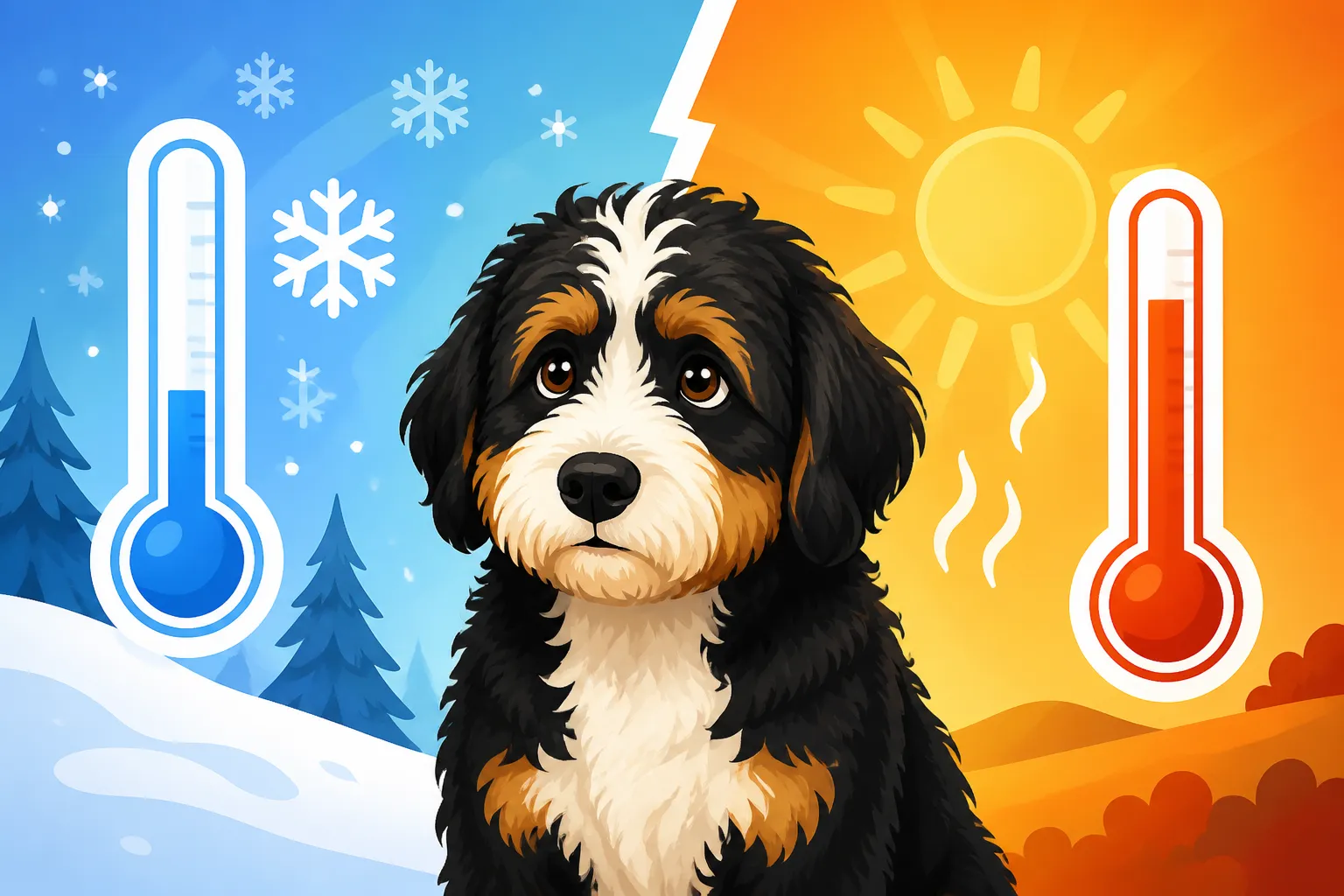
Generally speaking, Bernedoodles are most comfortable in cooler temperatures, typically ranging from 45°F to 70°F (7°C to 21°C). In this range, with proper hydration and access to shade, most Bernedoodles can enjoy outdoor activities without excessive worry.
However, as soon as the ambient temperature starts creeping above 70°F (21°C), you should enter the "caution zone." This doesn't mean you can't go outside, but it demands increased vigilance. Pay close attention to humidity levels too, as high humidity makes it much harder for dogs to cool themselves through panting. When temperatures push past 75°F (24°C) with moderate to high humidity, or clearly above 80°F (27°C) even with lower humidity, you are squarely in the "danger zone." At these temperatures, even short periods of activity can be risky, and direct sun exposure should be strictly avoided. I always tell people, if it feels too hot for you to wear a thick winter coat, it's definitely too hot for your Bernedoodle's natural fur coat. This is when you absolutely need to adjust your routine, as discussed in Whether a Bernedoodle Should Be Walked in Summer.
| Temperature Range | Bernedoodle Comfort Level | Recommended Action |
|---|---|---|
| Below 45°F (7°C) | Comfortable/Cool | Normal activity; monitor for shivering in extremely cold. |
| 45-70°F (7-21°C) | Comfortable | Enjoy outdoor activities; ensure water access. |
| 70-75°F (21-24°C) | Caution Zone | Increased vigilance; monitor for panting; shade, water. |
| 75-80°F (24-27°C) | Danger Zone | Limit strenuous activity; seek shade; frequent water. |
| Above 80°F (27°C) | Extreme Danger | Avoid outdoor activity; stay in A/C; close monitoring. |
Recognizing the Early Warning Signs of Overheating
Your Bernedoodle can't tell you in words that they're too hot, so it's up to you to recognize the signs. The most obvious, of course, is excessive panting. While some panting is normal after exercise, if your Bernedoodle is panting heavily and continuously, even when resting, it’s a red flag. Their breathing might become labored or noisy. You might also notice their tongue getting wider and longer than usual, looking a bit like a flat paddle. Their gums may appear brighter red than normal as blood rushes to the surface to try and cool.
Beyond panting, keep an eye out for changes in behavior. They might become lethargic, slow down, or even stop wanting to walk altogether. They might seek out cool surfaces like tile or concrete to lie on, trying to get some relief from their warm fur. Drooling excessively is another common sign, as is glazed eyes or a slightly dazed look. As things escalate, they might stagger, stumble, or even collapse. If you notice any of these more severe Signs a Bernedoodle Is Overheating, particularly staggering or collapsing, it's an emergency. Don't wait; get them to a vet immediately. Knowing these cues can literally save your dog's life.
Practical Strategies for Keeping Your Bernedoodle Cool
Once you understand the risks and how to spot trouble, implementing proactive strategies becomes second nature. It's all about creating an environment where your Bernedoodle can thrive, even when the weather isn't ideal for their fluffy coats.
Adjusting Your Daily Routine and Environment
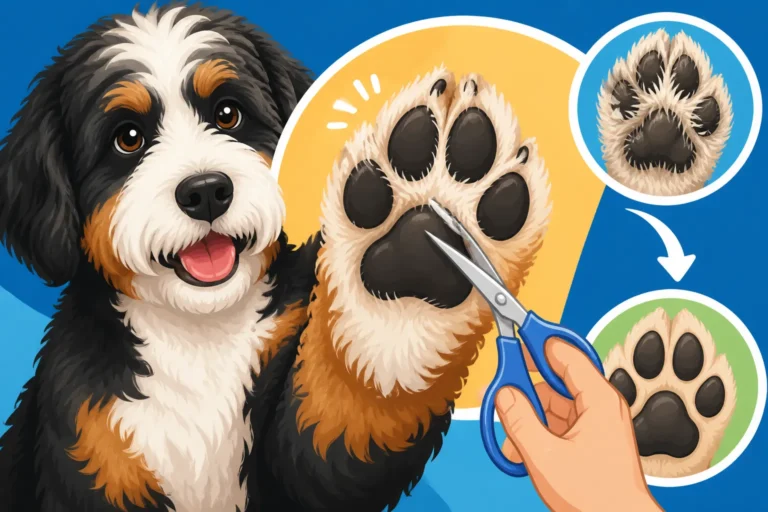
The easiest and most effective way to prevent overheating is to modify your daily routine during warmer months. This primarily means adjusting when you take your Bernedoodle outside for walks and playtime. Instead of midday strolls, plan walks for the early morning, just after sunrise, or late in the evening, well after sunset, when temperatures have dropped significantly. Remember that pavement can hold heat for hours, so even if the air feels cooler, test the asphalt with your hand; if it’s too hot for your palm, it’s too hot for your dog's paws. The Temperature a Bernedoodle Should Not Be Walked In is often lower than you might think, especially when you factor in radiant heat from surfaces.
At home, ensure your Bernedoodle always has access to shade if they're outdoors, and ideally, air conditioning indoors. If you don't have central AC, consider a portable unit or even just a strong fan directed at their favorite resting spot. Keep blinds and curtains closed during the hottest parts of the day to keep your home naturally cooler. Providing a designated cool spot, like a tiled bathroom floor or a basement, can offer immense relief. Also, be mindful of car rides; the interior of a car can heat up incredibly quickly, even with windows cracked, making it a serious Heatstroke Risk in a Dark Coated Bernedoodle. Never leave your Bernedoodle unattended in a vehicle, not even for a minute.
Essential Cooling Tools and Hydration Tips
Beyond adjusting routines, there are plenty of products and simple hacks to help keep your Bernedoodle comfortable. First and foremost, always, always have fresh, cool water available. Consider adding ice cubes to their water bowl to keep it cooler longer, or even investing in a large, stable water fountain to encourage continuous drinking. For on-the-go hydration, a portable water bottle with an attached bowl is invaluable for walks and car trips.
Cooling mats are absolute game-changers for many Bernedoodles. These gel-filled mats activate with pressure, providing a cool surface for your dog to lie on. You can find excellent options on Amazon or Chewy. Some dogs also benefit from cooling vests or bandanas that you soak in water and then put on them. These help mimic the evaporative cooling process. For the especially heat-sensitive, or those who love water, a shallow kiddie pool in the shade can be a wonderful way for your Bernedoodle to Whether a Bernedoodle Swims to Cool Off and simply splash around to bring their body temperature down. Just ensure it's shallow enough for them to stand comfortably and supervise them closely. If your Bernedoodle has a deep chest, like many Bernese-descended dogs, always be mindful of water intake and activity around meals to reduce the risk of Bloat in a Standard Bernedoodle's Deep Chest.
When to Seek Veterinary Help
Knowing when to act is crucial. If your Bernedoodle is exhibiting severe signs of overheating – uncontrollable panting, struggling to breathe, weakness, staggering, collapse, vomiting, diarrhea, or even seizures – it is a medical emergency. Do not try to cool them down yourself too rapidly, as this can cause other issues. Instead, get them to the nearest veterinary clinic immediately. On the way, you can start some gentle cooling efforts: apply cool (not ice cold) wet towels to their groin, armpits, and neck, and offer small sips of water if they are conscious and willing to drink. Using a fan on them can also help.
Even if the signs aren't quite so severe, but your Bernedoodle seems unusually distressed and your home cooling methods aren't working quickly, a call to your vet is always a good idea. They can advise you on the best course of action and let you know if a visit is warranted. It’s always better to be overly cautious than to wait too long. Remember, quick action in cases of heatstroke can significantly improve your Bernedoodle's prognosis. For more details on what to do, check out Cooling a Bernedoodle Down Safely.
Common Misconceptions About Cooling a Bernedoodle
There's a lot of well-meaning but sometimes misguided advice out there when it comes to keeping dogs cool. Let's debunk a couple of common myths specific to Bernedoodles so you can make informed decisions for your furry family member.
The Shave or Not to Shave Debate
One of the most common questions I hear from Bernedoodle owners in the summer is, "Should I shave my dog down to help them stay cool?" It seems logical, right? Less fur, less heat. However, the answer is often more nuanced and, for many Bernedoodles, a full shave might not be the best solution. While a very short, professional summer clip can be beneficial, shaving down to the skin can actually be detrimental.
A dog's coat, especially one with a Poodle component, provides a layer of insulation, not just against cold, but also against heat and harmful UV rays. Shaving a Bernedoodle completely removes this natural protection, exposing their delicate skin to sunburn, which can be painful and increase the risk of skin cancer. Furthermore, if their coat is shaved too short, it can sometimes grow back unevenly or change texture, a condition often referred to as "clipper alopecia." Instead of a full shave, consider a "summer cut" where the body hair is left about 1-2 inches long. This significantly reduces the bulk of the coat while still offering some protection. Talk to your groomer about options; a good professional will know how to thin and trim the coat effectively without compromising its protective qualities. For more information, you can read Whether a Shaved Bernedoodle Handles Heat Better and weigh the pros and cons for your specific dog.
The Myth of the "Water-Loving" Bernedoodle in Extreme Heat
Many Bernedoodles enjoy water, whether it's a dip in a lake or a splash in a kiddie pool. This can lead owners to believe that if their dog loves water, they're inherently better at handling extreme heat, or that simply providing water access is enough. This isn't necessarily true. While swimming and splashing can certainly help cool a Bernedoodle down, it's not a foolproof solution, especially in truly dangerous temperatures.
Just because your Bernedoodle enjoys a swim doesn't mean they won't overheat if they're overexerting themselves in high heat or if the water itself isn't cool enough. Furthermore, the sheer density of a Bernedoodle's coat means that once they're out of the water, they can stay damp for a long time, and if that dampness is trapped against their skin in warm, humid conditions, it can actually create a breeding ground for skin issues and make it harder for their skin to breathe and release heat effectively. Always towel-dry your Bernedoodle thoroughly after a swim, especially in warm weather, and ensure they have a cool, shaded place to relax and fully dry. Water can be part of the solution for Cooling a Bernedoodle Down Safely, but it's just one piece of the puzzle, and it doesn't negate the need for vigilance and other heat management strategies.
Disclaimer
This article is for general informational purposes only and does not constitute professional advice. Laws, prices and regulations vary by location and change over time. Consult a qualified professional for guidance on your specific situation.