Whether a Bernedoodle Should Be Walked in Summer
The summer months, with their long, sunny days, often bring a familiar dilemma for Bernedoodle owners: how do you give your fluffy, fun-loving companion the exercise and mental stimulation they need without putting them at serious risk in the heat? It's a real struggle, especially when you have a dog built for cooler climates, and this guide is here to walk you through the essential considerations and actionable strategies for keeping your Bernedoodle safe, comfortable, and happy when the temperatures rise.
Understanding Your Bernedoodle's Heat Sensitivity
Many Bernedoodle owners quickly learn that while their dogs might adore a romp in the snow, warm weather is a completely different ball game. This isn't just about their luxurious coat; it's a combination of inherited traits that make them particularly susceptible to overheating. It can be heartbreaking to see your usually vibrant dog struggling, and understanding why they struggle is the first step in prevention.
The Double-Edged Sword of Their Coat
Let's be honest, one of the biggest draws of a Bernedoodle is that magnificent, fluffy coat! Whether it's the shaggy wave or the tighter curl, it's undeniably beautiful and wonderfully soft. But this beauty comes with a significant challenge when the mercury climbs. The Bernese Mountain Dog parent contributes a dense, often double coat, designed to protect them from the harsh cold of the Swiss Alps. The Poodle parent brings a thick, curly, insulating coat. When you combine these, you get a Bernedoodle with a coat that, while often low-shedding, acts like a very effective personal blanket.
This thick insulation, which is a blessing in winter, becomes a major heat trap in summer. It prevents air from circulating close to their skin, making it incredibly difficult for their body to release excess heat. Imagine wearing a heavy wool sweater on a hot summer day – that's a bit like what your Bernedoodle experiences. Owners often feel torn: you love their fluffy look, but you also want them to be comfortable. The constant battle against matting adds another layer of stress, pushing owners towards shorter cuts, which then leads to concerns about sun exposure. It's a cycle of worry that many of us know all too well.
Brachycephalic Concerns and Respiration
While Bernedoodles are generally not considered a brachycephalic (short-nosed) breed like Bulldogs or Pugs, their larger size and inherited predispositions can still make heat regulation a challenge. Dogs don't sweat like humans do; their primary method of cooling down is through panting. This involves rapidly exchanging warm air in their lungs for cooler air from outside.
However, when the ambient air itself is hot and humid, this system becomes far less efficient. The already warm, moist air they're breathing in doesn't provide enough cooling, and the humidity reduces the evaporative effect of panting. A Bernedoodle with a denser coat already struggles to dissipate heat from their body surface, and then their internal cooling system (panting) is compromised by the environment. This puts an immense strain on their cardiovascular system, elevating their heart rate and potentially leading to dangerous scenarios if not managed carefully. Even if your Bernedoodle isn't severely short-nosed, the sheer volume of their body and insulating coat means they have a larger internal "furnace" to cool down, making efficient respiration critical and easily overwhelmed in the heat.
Identifying the Dangers of Hot Weather Walks
Knowing that your Bernedoodle struggles with heat is one thing, but understanding the specific dangers that hot weather walks present is crucial for proactive protection. It's not just about feeling a little warm; it's about life-threatening risks that can sneak up on you and your beloved companion faster than you'd think.
The Silent Threat of Pavement Burns
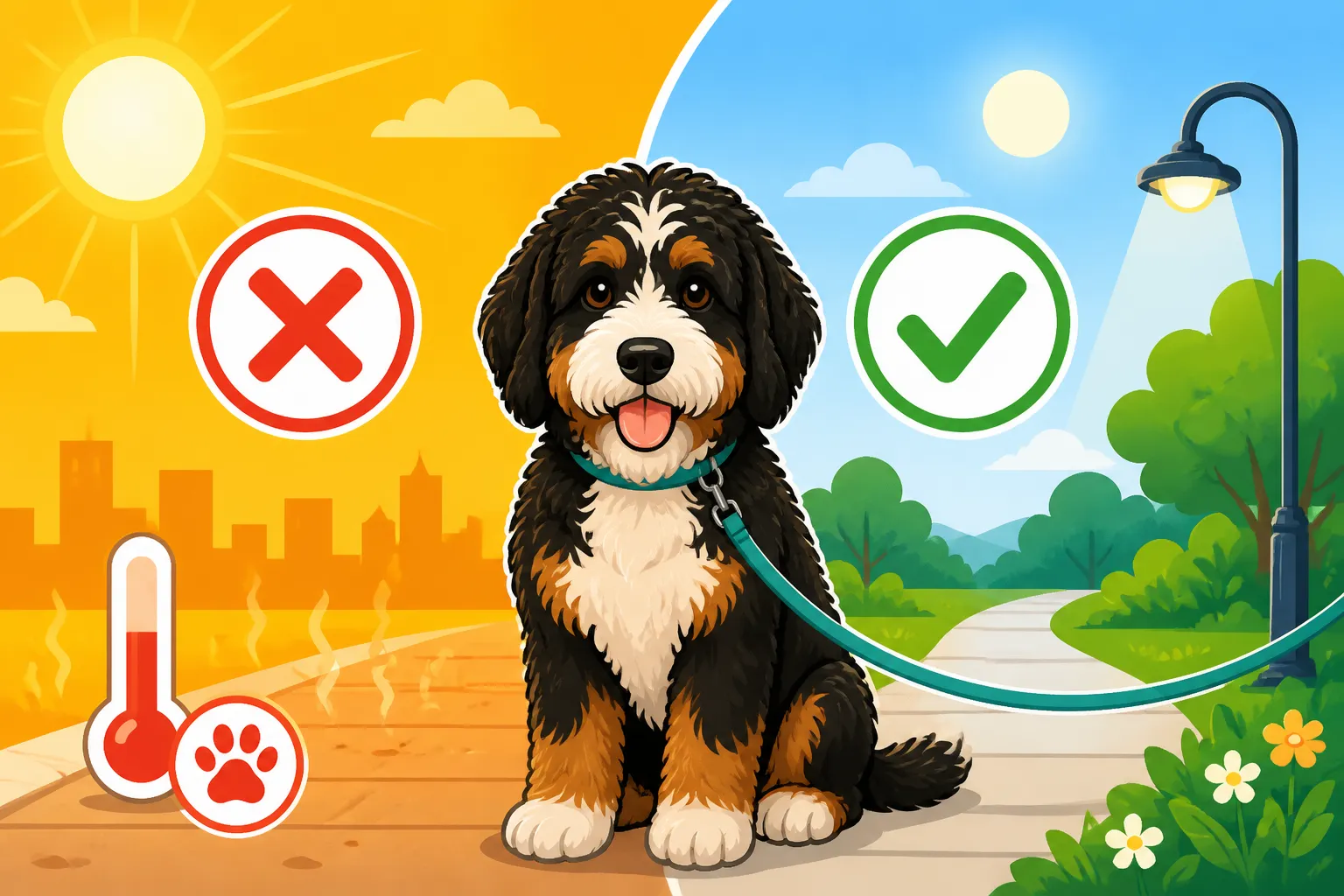
This is a danger that often gets overlooked, but it's incredibly serious. While you might feel the air temperature is manageable, asphalt, concrete, and even artificial turf can absorb and retain an alarming amount of heat, reaching temperatures far exceeding the air temperature. Think about walking barefoot on pavement on a sunny day – it's unbearable. Your Bernedoodle's paw pads, while tough, are not immune to this kind of scorching heat.
Studies and even simple kitchen thermometer tests show that when the air temperature is just 77°F (25°C), asphalt can be as hot as 125°F (52°C). At 87°F (30°C) air temperature, asphalt can hit a blistering 143°F (62°C). These temperatures are more than enough to cause second-degree burns in a matter of minutes, sometimes even seconds. The damage can be severe, leading to painful blisters, peeling skin, and infections that require extensive veterinary care, weeks of recovery, and constant bandaging. Imagine trying to keep a big, active Bernedoodle off their feet with sore paws – it's a nightmare for everyone involved. To really understand the severity, take a look at our article, Whether Pavement Burns a Bernedoodle's Pads, which dives deeper into this often-underestimated hazard.
Recognizing the Signs of Overheating and Heatstroke
Being able to spot the early warning signs of overheating is literally life-saving. Your Bernedoodle can't tell you they're feeling too hot, so it's up to us, their human companions, to be vigilant. The earliest indicators are often subtle:
- Excessive Panting: While normal after exercise, it becomes concerning if it's unusually heavy, rapid, and doesn't subside quickly even when you stop.
- Increased Drooling: This is a byproduct of heavy panting.
- Lethargy or Weakness: Your normally energetic Bernedoodle might seem unusually tired, slow, or unwilling to move.
- Bright Red Gums: Check their gums; they might appear darker red than usual as blood vessels dilate to try and cool the body.
- Rapid Heart Rate: You might feel their heart beating faster than normal.
If these signs are ignored, the condition can quickly escalate to full-blown heatstroke, a medical emergency. The progression is terrifying:
- Vomiting and Diarrhea: Often with blood.
- Staggering or Loss of Coordination: They might appear drunk.
- Collapse or Inability to Stand.
- Seizures.
- Unconsciousness.
At this stage, brain damage, kidney failure, and death can occur rapidly. Remember, Bernedoodles, especially those with darker coats like a black tri Bernedoodle or larger sizes, are particularly vulnerable. Don't wait to see if they "perk up." If you see these signs, immediate action is required to Cooling a Bernedoodle Down Safely. For a more detailed look at what to watch for, check out our guide on Signs a Bernedoodle Is Overheating, and if you have a darker coated dog, it's worth reading Why a Black Tri Bernedoodle Overheats to understand their specific risks.
Safe Summer Walking Strategies for Bernedoodles
It's clear that summer walks can be hazardous, but that doesn't mean your Bernedoodle has to become a couch potato for three months! With smart planning and adjustments, you can still ensure they get their much-needed mental and physical exercise. It's all about being strategic and prioritizing their well-being above all else.
Timing is Everything: Early Mornings and Late Evenings
This is perhaps the most critical adjustment you can make. The midday sun is simply too intense for a Bernedoodle, even on days that don't feel scorchingly hot to you. Your internal thermometer is different from theirs.
The safest windows for walks are typically early mornings, right after sunrise, or late evenings, well after the sun has gone down and given the ground time to cool. These times offer several advantages:
- Lower Ambient Air Temperature: The air itself is cooler, making it easier for your dog to breathe and regulate their body temperature through panting.
- Reduced Pavement Temperature: Crucially, the surfaces your Bernedoodle walks on will have had hours to dissipate the day's heat. This dramatically reduces the risk of paw pad burns.
- Lower Humidity: Early mornings often have lower humidity levels, which further aids their natural cooling process.
Always make it a habit to check the weather forecast, not just for the temperature, but also for humidity levels. More importantly, before stepping out, always perform the "seven-second pavement test": place the back of your hand on the pavement. If you can't comfortably hold it there for seven seconds, it's too hot for your dog's paws. Seriously, do it every single time. Our article, The Temperature a Bernedoodle Should Not Be Walked In, provides more context on safe temperature thresholds.
Hydration, Gear, and Shortening the Stroll
Even with perfect timing, you need to be prepared. A short, brisk walk in cooler times is still exercise, and your Bernedoodle will need support to stay hydrated and comfortable.
- Water is Non-Negotiable: Always, always carry a water bottle specifically for your dog, along with a portable collapsible bowl. Offer water frequently, even if they don't seem thirsty. Dehydration can happen quickly and makes them even more susceptible to heatstroke. You might even consider bringing an extra bottle of water to wet their fur around their chest and belly if you notice them getting a bit warm, though be careful not to soak them completely if you're far from home as a wet coat can sometimes trap heat if not properly dried.
- Consider Cooling Gear: While not a magic bullet, some Bernedoodles benefit from cooling vests or bandanas. These work by holding water that slowly evaporates, providing a cooling effect. Ensure they fit well and don't restrict movement or air circulation. Some dogs tolerate them, others find them cumbersome. Always test it out on a cooler day first.
- Shorten and Diversify Walks: Instead of one long, drawn-out walk, opt for several shorter, snappier excursions. A 15-20 minute focused walk is often much safer and more effective than a 45-minute slog where they spend half the time panting heavily. Prioritize areas with natural shade, like wooded trails, or grassy parks, and avoid wide-open paved areas.
Alternative Exercise Options
When outdoor walks are simply too risky, or even during those short summer showers, you absolutely need alternative ways to tire out your intelligent and often energetic Bernedoodle. Mental stimulation can be just as tiring as physical exercise!
- Indoor Brain Games: Engage their Poodle brain with puzzle toys that dispense treats, sniffari games where you hide treats around the house, or even learning new tricks. Obedience training sessions in an air-conditioned space can burn a surprising amount of mental energy. Try a flirt pole if you have the space indoors; it's a great way to get them moving in short, intense bursts.
- Swimming and Water Play: This is often a Bernedoodle's favorite summer activity! If you have access to a safe, dog-friendly body of water, a kiddie pool in the backyard, or even a sprinkler, water play is an excellent way for them to cool down and get exercise without overheating. Always supervise your dog around water, and ensure they have a safe exit point. After swimming, make sure to rinse their coat to remove any chlorine or lake debris, and dry them thoroughly to prevent skin issues. We have a great piece on Whether a Bernedoodle Swims to Cool Off if you're considering this.
- Air-Conditioned Adventures: A trip to a pet-friendly store (like Petco or HomeGoods, if they allow dogs) where they can practice good leash manners and experience new sights and smells in a cool environment can be a fun outing. Some indoor dog training facilities also offer open play sessions or specialized classes that provide a safe, climate-controlled space for exercise.
Grooming and Lifestyle Adjustments for Summer
Beyond careful planning of walks, there are other crucial aspects of summer care for your Bernedoodle. Their thick coat, while part of their charm, demands special attention during hot months, and how you manage their living environment can make all the difference to their comfort and safety.
The Great Summer Shave Debate
This is a topic that sparks a lot of discussion among Bernedoodle owners: should you shave your dog down for summer? There's no single "right" answer, and it often depends on your dog's specific coat type, lifestyle, and your grooming commitment.
Arguments for a Shorter Cut:
- Reduced Matting: A shorter coat is significantly easier to maintain, dramatically reducing the frequency of brushing needed to prevent painful mats, especially in active dogs who swim or roll in damp grass.
- Easier to Keep Clean: Mud, burrs, and allergens are less likely to get tangled in a shorter coat.
- Perceived Cooling: Many owners feel their dog is much cooler with less fur. While a very matted coat certainly traps heat, a properly maintained longer coat actually provides insulation against heat as well as cold.
Arguments Against a Shave-Down (Extremely Short Cut):
- Sunburn Risk: A very short clip (shorter than an inch) can expose your Bernedoodle's skin to harmful UV rays, leading to sunburn and increasing the risk of skin cancer. This is especially true for areas with thinner hair or lighter pigmentation.
- Coat Damage: Repeated shaving with very short blades can sometimes damage the Bernedoodle's soft undercoat, causing it to grow back unevenly, coarser, or in some cases, not at all, leading to what's sometimes called "clipper alopecia."
- Loss of Natural Insulation: A healthy coat, even a longer one, provides a layer of insulation against both cold and heat. It helps regulate body temperature, keeping the sun's direct rays from reaching the skin. Shaving too short removes this natural protection.
The Middle Ground: The "Summer Cut"
Most groomers and experienced Bernedoodle owners advocate for a "summer cut" that leaves about 1-2 inches of hair length. This offers the best of both worlds:
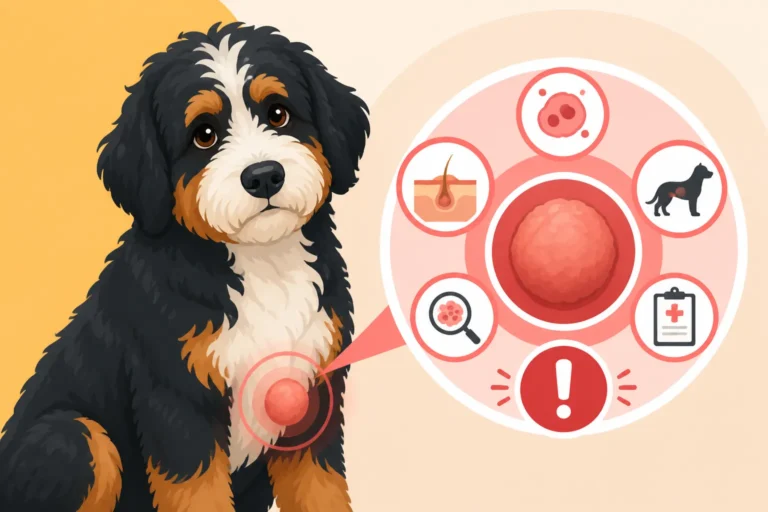
- It's short enough to be much easier to maintain, reducing matting and making it easier for you to feel for lumps a Bernedoodle owner should not wait on.
- It provides enough hair to protect their skin from sunburn.
- It allows for better air circulation closer to the skin than a very long, dense coat, without completely removing their natural insulation.
Discuss your options with a professional groomer who has experience with Bernedoodles. They can help you decide on the best length and style for your dog's individual coat type and activity level. If you're pondering this decision, our comprehensive article The Summer Shave Argument on a Bernedoodle offers even more insights.
Creating a Cool Home Environment
Your home should be a sanctuary from the heat for your Bernedoodle. This isn't just a comfort issue; it's a critical part of preventing heat stress.
- Air Conditioning is Key: If you live in a warm climate, air conditioning is almost a necessity for a Bernedoodle. Keep your home comfortably cool, especially during the hottest parts of the day. If you don't have AC, consider portable units for the rooms your dog spends the most time in. This also ties into the bigger question of Whether a Bernedoodle Belongs in a Hot State or Whether a Bernedoodle Needs the House Air Conditioned at all.
- Strategic Fan Use: Place fans at ground level to help circulate air and create a breeze for your dog.
- Cooling Mats and Elevated Beds: Invest in cooling mats, which use gel or water to provide a cool surface for your Bernedoodle to lie on. Elevated beds (like cot beds) are fantastic because they lift your dog off the floor, allowing air to circulate underneath them, preventing heat from radiating up from the floor.
- Shade and Hydration Indoors: Ensure there are always shaded, cool spots indoors for them to retreat to. Keep multiple bowls of fresh, cool water available around the house. You can even add ice cubes to their water bowl to keep it cooler longer.
- NEVER, EVER Leave Them in a Car: This cannot be stressed enough. Even on a mild day, the temperature inside a car can skyrocket to dangerous levels in minutes. Cracking a window does almost nothing. This is a fatal mistake that tragically happens every summer. Our article, Why a Bernedoodle Must Never Wait in a Parked Car, details just how quickly this danger becomes critical.
| Condition/Strategy | Safety for Bernedoodles in Summer | Notes |
|---|---|---|
| Midday Paved Walks | Extremely Dangerous | High risk of paw burns and heatstroke. Avoid entirely. |
| Early Morning/Late Evening Walks | Safest Walking Times | Pavement is cooler, ambient temperature lower. Still, check pavement! |
| Long, Strenuous Hikes | Dangerous | Even in cooler parts of the day, prolonged exertion can lead to overheating. Keep it short. |
| Shaved Coat (very short) | Risk of Sunburn | Removes natural sun protection. Consider a 1-2 inch 'summer cut' instead. |
| Cooling Vests/Bandanas | Generally Safe & Helpful | Aids evaporation cooling. Ensure fit and dog's comfort. Not a substitute for avoiding heat. |
| Car Rides (unattended) | Lethal | Temperatures rise extremely fast. Never leave a dog in a parked car, even for "a minute." |
| Access to Fresh Water | Essential | Constant hydration is critical, whether at home or on a short walk. |
| Swimming/Water Play | Very Safe & Beneficial | Excellent way to cool down and exercise. Always supervise. Rinse and dry thoroughly after. |
| Indoor Brain Games | Very Safe & Beneficial | Great alternative for mental stimulation when it's too hot outside. |
| Air-Conditioned Home | Essential | Provides a crucial escape from outdoor heat, allowing their body to recover. |
Health Considerations and Proactive Care
Summer heat isn't just about discomfort; it can exacerbate existing health conditions or trigger new ones in a vulnerable Bernedoodle. Being aware of these potential links and having a plan in place for emergencies is part of responsible pet ownership. It's truly a comprehensive approach to their well-being.
Impact of Heat on Bernedoodle Health Issues
A Bernedoodle's health, like any dog's, is a complex tapestry, and extreme heat can pull at the threads, making underlying conditions worse or even initiating acute problems.
For instance, the stress of overheating, even if it doesn't lead to full-blown heatstroke, can contribute to other serious conditions. Standard Bernedoodles, with their deep chests, are genetically predisposed to bloat (Gastric Dilatation-Volvulus, or GDV). While the exact causes are still being researched, stress and rapid ingestion of air (which can happen with heavy panting during overheating) are considered potential risk factors. You can learn more in Bloat in a Standard Bernedoodle's Deep Chest. Keeping your Bernedoodle calm and cool, especially around meal times, can be part of a holistic approach to managing this risk.
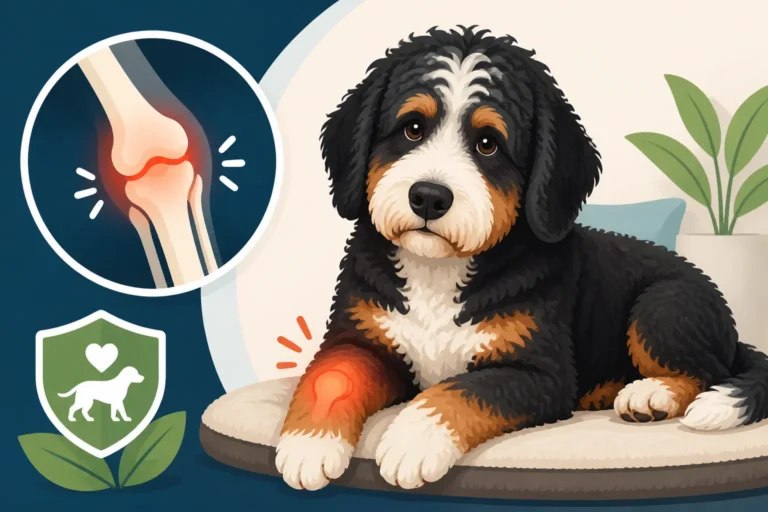
Similarly, an older Bernedoodle who might already be struggling with Arthritis in a Bernedoodle at Eight can find their joint pain exacerbated by excessive heat and subsequent overexertion. Trying to push through a walk in the heat when they are already stiff can lead to inflammation and increased discomfort. Dehydration, a common issue in hot weather, can also impact kidney function and overall organ health, especially in older dogs or those with pre-existing conditions. It's a cascading effect that we, as owners, need to be acutely aware of and mitigate with careful management.
The Role of Pet Insurance in Unexpected Emergencies
Even with the most meticulous planning and diligent care, accidents and unexpected health crises can happen. No matter how many precautions you take, a sudden heatwave or an unseen danger can lead to an emergency. This is where having a reliable pet insurance plan can be a true lifesaver, not just for your Bernedoodle, but for your peace of mind.
Imagine despite all your best efforts, your Bernedoodle suddenly shows severe signs of heatstroke during an unusually hot summer evening, requiring an emergency visit to the veterinary ER. The immediate diagnosis, IV fluids, cooling measures, blood work, and potential overnight stay can quickly accumulate into a bill of hundreds, if not thousands, of dollars. In that moment of panic and worry for your beloved companion, the last thing you want to be stressing about is the financial burden.
This is precisely why companies like Healthy Paws exist. They offer comprehensive coverage that can help alleviate the financial strain of unexpected illnesses and accidents. While you should always review the specifics of any policy, many plans from providers like Healthy Paws cover emergency treatments, diagnostics, and hospitalization for conditions like heatstroke. Knowing you have that safety net allows you to make the best medical decisions for your Bernedoodle without being held back by cost concerns. It's a proactive step in ensuring that if your Bernedoodle does face a heat-related emergency, or any other health challenge, you're prepared to give them the best possible care.
Disclaimer
Please remember that this article offers general information and recommendations. Every Bernedoodle is an individual, and health needs can vary. Always consult with your veterinarian for personalized advice regarding your dog's specific health conditions and care requirements, especially when making decisions about exercise and grooming in warm weather.