The Summer Shave Argument on a Bernedoodle
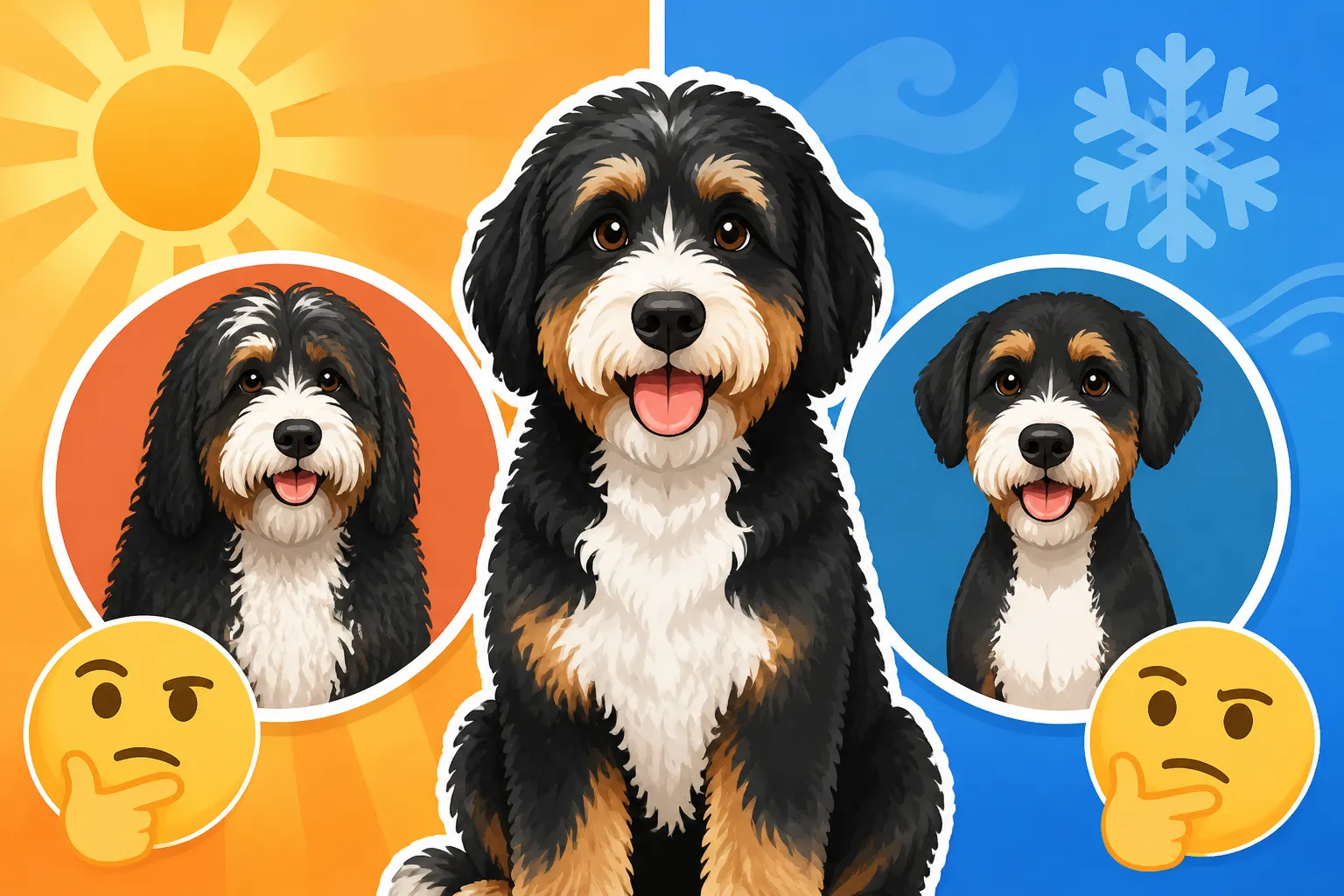
It's summer, the sun is blazing, and your beautiful Bernedoodle, with their thick, fluffy coat, looks utterly miserable. You see them panting, seeking out every patch of shade, and you can't help but wonder: "Wouldn't it be kinder to just shave all that hair off?" It's a common thought, a natural instinct to try and bring relief, and it sparks one of the most persistent debates in the Bernedoodle community: the summer shave. This guide is here to walk you through the nuances of this decision, debunk some myths, and help you understand what's truly best for your furry friend when the temperatures soar.
Understanding the Bernedoodle Coat: More Than Just Fluff
Before we dive into the shaving debate, it's crucial to understand what kind of coat your Bernedoodle actually has and how it functions. Unlike a single-coated breed that might genuinely benefit from a shave, a Bernedoodle's coat is a blend, inheriting traits from both the Bernese Mountain Dog and the Poodle. This makes it a complex beast, and its purpose extends far beyond just looking adorable.
The Unique Blend of Bernese and Poodle Coats
The Bernedoodle's coat is a fascinating genetic lottery. On one side, you have the Bernese Mountain Dog, a breed designed for harsh, cold Swiss mountain environments. They boast a dense, double coat: a soft, insulating undercoat and a longer, weather-resistant outer coat. This combination is superb at trapping warm air in winter and, perhaps counterintuitively, creating a barrier against heat in summer. On the other side is the Poodle, famous for its curly, single layer coat that grows continuously and sheds minimally. This coat is also quite effective at insulation, keeping them warm in cold water and cool in hot weather if maintained properly.
When these two breeds come together, you get a Bernedoodle, and their coat can manifest in several ways. Most commonly, you'll see a wavy coat, which is a lovely mix, but some might have a straighter, more Bernese-like coat that sheds more, while others could inherit a very curly, Poodle-dominant coat. The Coat a Bernedoodle Gets From Two Heavy Coated Parents explains this in more detail. Regardless of the exact texture, the crucial takeaway is that this coat, in its natural state, is designed for insulation and protection. It's not just a decorative layer; it's a vital part of their thermoregulation system, a natural defense against both heat and cold.
How a Bernedoodle's Coat Naturally Regulates Temperature
It might seem counterintuitive to think that a thick coat helps a dog stay cool, especially when we humans shed layers to beat the heat. But a Bernedoodle's coat isn't like our clothing. Their fur, particularly the undercoat if present, creates an insulating layer. Imagine a thermos: it keeps hot drinks hot and cold drinks cold. A healthy dog coat works similarly, helping to maintain a stable body temperature. In summer, this means the coat helps prevent the sun's intense rays from directly hitting the skin and traps a layer of cooler air close to their body, acting as a shield against the external heat.
This protective layer also guards against sunburn, which is a very real risk for dogs with exposed skin, especially those with lighter pigmentation or thinner coats. It's a marvel of natural engineering, fine-tuned over generations to help these dogs thrive in various climates. When we intervene without understanding this fundamental function, we can inadvertently remove their built-in cooling system and expose them to new dangers. The idea that all fur is simply "hot" is a misconception that often leads owners down the shaving path, often with unintended consequences.
The "Summer Shave" Debate: Why Owners Consider It
The desire to shave a Bernedoodle for summer comes from a place of love and concern. Owners see their dogs struggling in the heat and want to provide relief, often assuming that less hair equals more comfort. It's a perfectly understandable thought, especially when you're battling temperatures yourself.
Perceived Heat Relief and Comfort
One of the biggest drivers behind the summer shave is the belief that removing all that fur will make the dog instantly cooler. We often project our own experiences onto our dogs – if we feel hot in a sweater, surely they feel hot in their fur coat, right? This line of thinking leads many to believe that a bare skin is a cool skin. Owners envision their Bernedoodle frolicking freely, no longer burdened by their heavy winter attire, and sleeping soundly without panting. The visual of a shaved dog just seems lighter, airier, and therefore, cooler. This perception is incredibly powerful and is often reinforced by anecdotal evidence from other owners who tried it.
This instinct is amplified when you have a dark-coated Bernedoodle, especially a black tri Bernedoodle, where the dark fur seems to absorb every ray of sunshine. It truly looks like they're wearing a heavy, dark blanket in the middle of July. You just want to strip it off and make them comfortable. Why a Black Tri Bernedoodle Overheats touches on this very real concern.
Reducing Matting and Ease of Grooming
Let's be honest, grooming a Bernedoodle is a commitment. Their luscious, often wavy or curly coats are prone to matting, especially in high-friction areas like armpits, behind the ears, and in their britches. Summer activities like swimming, romping through wet grass, or just general humidity can make matting even worse. Many owners contemplate a full shave as a way to hit the "reset" button on grooming. Imagine: no more wrestling with a stubborn brush every other day, no more painful mat removal sessions, and a much quicker bath time.
A shaved coat seems like the ultimate low-maintenance solution. It cuts down on brushing, drying, and general upkeep, giving owners a much-needed break from the constant battle against tangles. For those who find the weekly grooming routine daunting, or whose dog actively dislikes being brushed, a short summer cut can feel like a godsend. It's not just about the dog's comfort in heat; it's also about the owner's sanity and the desire for a simpler, less time-consuming care routine during a season often associated with outdoor fun and less indoor chore time.
Addressing Skin Issues or Allergies
Sometimes, the decision to shave goes beyond just perceived comfort or convenience. For Bernedoodles prone to skin allergies, hot spots, or persistent ear infections, a very short cut can be a way to manage these issues. When a Bernedoodle develops hot spots, especially under their thick coat, it can be incredibly hard to treat them effectively without exposing the skin to air and medication. Shaving around these areas, or even a full body shave, might be recommended by a vet to allow the skin to breathe, dry out, and heal.
Similarly, dogs with severe, untreated matting might require a full shave by a professional groomer. Mats pull on the skin, causing discomfort, pain, and even skin infections. In such extreme cases, a humane shave-down is often the only option, even if it's not ideal for heat regulation. This isn't a preventative measure but a reactive one, a medical necessity rather than a lifestyle choice. What a Matted Bernedoodle Costs to Shave illustrates the financial and practical considerations that can come with severe matting.
Arguments Against the Summer Shave: Protecting the Bernedoodle's Coat and Skin
While the motivations for a summer shave are understandable, there are significant downsides and risks that many owners aren't aware of. What seems like a helpful act can, in reality, compromise your Bernedoodle's natural defenses and lead to other problems.
Risk of Sunburn and Skin Damage
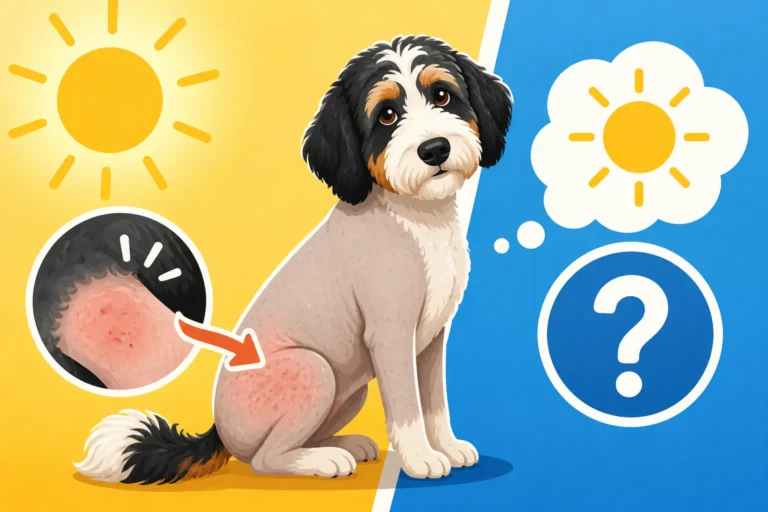
One of the most immediate dangers of shaving a Bernedoodle down to the skin is severe sunburn. Their coat, even a lighter-colored one, acts as a natural sunblock. When you remove this protective layer, their delicate skin is suddenly exposed to harsh UV rays, something it's not designed to handle. Just like humans, dogs can get sunburned, and it can be painful, leading to redness, blistering, and peeling. Repeated sunburns also increase the risk of skin cancer, especially in breeds with lighter skin or thin coats. Imagine spending a day at the beach without sunscreen; that's essentially what you're subjecting your Bernedoodle to.
This risk is particularly high for dogs with pink skin or those that will be spending significant time outdoors. While there are dog-specific sunscreens available, applying them over a large, furry body multiple times a day is a monumental task and often impractical. The coat is the best and most consistent protection they have. Without it, their skin is vulnerable, making them more susceptible to not just sunburn, but also insect bites, scrapes, and other environmental irritants that their fur would normally deflect. Whether a Shaved Bernedoodle Sunburns highlights this critical point.
Impaired Natural Insulation and Poor Regrowth
This is perhaps the most misunderstood aspect of the summer shave. As we discussed, a Bernedoodle's coat is a natural insulator. It's not just for keeping warm; it's also for keeping cool by trapping a layer of air against the skin and preventing direct sun exposure. When you shave off this coat, you remove their built-in air conditioning system. This can actually make them hotter because their body has to work harder to regulate temperature without that insulating layer. The direct sun on their bare skin can quickly elevate their core temperature, increasing the risk of heatstroke. Whether Shaving Actually Cools a Bernedoodle delves into this myth.
Furthermore, shaving a Bernedoodle's coat, especially if they have an undercoat, can lead to problems with regrowth. The Poodle side of the Bernedoodle has continuously growing hair, but the Bernese side often contributes an undercoat. Shaving can disrupt the natural growth cycle, sometimes leading to "coat funk" or "post-clipping alopecia," where the hair grows back patchy, unevenly, or with a different texture. The undercoat might grow back faster and thicker than the coarser guard hairs, resulting in a cottony, dense coat that is even more prone to matting and less effective at regulating temperature in the future. This can make subsequent grooming even more challenging and might require professional intervention to restore the coat's health.
Increased Risk of Overheating
Contrary to popular belief, shaving often increases a Bernedoodle's risk of overheating, rather than reducing it. Without their natural insulation, their skin is directly exposed to the sun's radiant heat. This means their body absorbs more heat, and they have fewer natural defenses to dissipate it. Dogs primarily cool themselves by panting and through the pads of their feet, not by sweating through their skin like humans. Their coat helps manage their internal temperature by acting as a buffer against external temperature extremes.
If their coat is shaved too short, especially during peak summer heat, their body has to work harder to cool down, putting more strain on their cardiovascular system. This is a serious concern, particularly for active Bernedoodles or those in very hot climates. Symptoms of overheating can escalate quickly, from excessive panting to lethargy, vomiting, and even collapse. Signs a Bernedoodle Is Overheating is a crucial read for any Bernedoodle owner, as is understanding Heatstroke Risk in a Dark Coated Bernedoodle. Preventing overheating is about more than just trimming hair; it's about managing their environment and activity levels responsibly.
The Science Behind a Double Coat (or Poodle-Mix Coat) and Heat Regulation
To truly understand why the summer shave is generally discouraged, we need to dive a little deeper into the physiology of a Bernedoodle's coat and how dogs regulate their body temperature. It's a complex system that a simple clipper can easily disrupt.
How Dog Coats Insulate Against Both Heat and Cold
Think of a dog's coat not just as a blanket, but as a dynamic thermal system. In winter, the dense undercoat traps warm air close to the body, preventing heat loss. In summer, that same principle applies but in reverse: it acts as a barrier to the external heat. The outer guard hairs, if present, are coarser and repel water and dirt, while also shading the skin from direct sunlight. The undercoat, especially on a Bernese-influenced Bernedoodle, creates an air pocket. This layer of air is what insulates. It doesn't just keep the warmth in; it also keeps the heat out.
Imagine wearing a well-ventilated, loose-fitting shirt in hot weather. It shields your skin from the sun and allows air to circulate, keeping you cooler than if your skin were directly exposed to the sun's rays. A dog's coat works similarly. When the coat is healthy and well-maintained – meaning it's brushed out, free of mats, and allowing for air circulation – it facilitates this natural cooling process. Mats, on the other hand, prevent air flow and do trap heat, which is why regular brushing is so vital.
The Role of Panting and Paw Pads in Canine Cooling
Unlike humans, who primarily cool themselves by sweating all over their bodies, dogs have a very different, and much more limited, mechanism. Their primary way to dissipate heat is through panting. When a dog pants, they rapidly breathe in and out, evaporating moisture from their tongue, mouth, and upper respiratory tract. This evaporative cooling helps lower their body temperature. The efficiency of panting can be reduced by extreme humidity, as the air is already saturated with moisture.
Additionally, dogs have sweat glands only in their paw pads. While these do contribute to some cooling, it's a very minor factor compared to panting. This limited ability to sweat means their fur coat plays an even more critical role in regulating their body temperature. They don't have the same capacity to cool down actively through their skin as we do. Therefore, compromising their natural coat, which manages passive heat absorption and insulation, can be far more detrimental to them than a similar action would be to a human. This scientific understanding underscores why shaving a thick-coated dog like a Bernedoodle is usually not the best approach for summer comfort.
The Problem with "Coat Funk" and Improper Regrowth
Shaving a Bernedoodle down can have lasting effects on their coat quality, a phenomenon sometimes referred to as "clipper alopecia" or "coat funk." This happens because Bernedoodles, especially those with more Bernese influence, often have a soft undercoat and a coarser outer coat. When shaved, the undercoat tends to grow back faster and can become much denser and cottony, while the outer guard hairs might take a very long time to grow back, or in some cases, never return to their original texture and length.
This uneven and altered regrowth creates a problematic coat that can become even more prone to matting than before. The new, dense undercoat can trap heat more effectively than a properly structured coat, defeating the original purpose of the shave. It also makes future grooming more difficult for both the owner and professional groomers. The coat can look dull, feel rough, and lose its natural protective qualities, becoming less effective at repelling water and dirt. Reversing "coat funk" can take a significant amount of time, patience, and professional grooming, sometimes requiring years for the coat to potentially return to its original state, if ever. It's a risk that many owners aren't fully aware of when they opt for a very short summer shave.
Alternative Ways to Keep Your Bernedoodle Cool in Summer
Instead of reaching for the clippers, there are numerous safe and effective strategies to keep your Bernedoodle comfortable and cool during the hot summer months. These methods work with their natural physiology rather than against it.
Strategic Grooming: Trimming, Not Shaving
The key here is trimming, not shaving. A proper summer haircut for a Bernedoodle involves shortening the coat to a manageable length without stripping away its insulating and protective properties. This often means a one to two-inch length all over, which still provides sun protection and allows air circulation, while greatly reducing matting potential and making daily brushing easier. Whether a Bernedoodle Should Be Clipped Short in Summer can offer more insight into the specific lengths and styles that are appropriate.
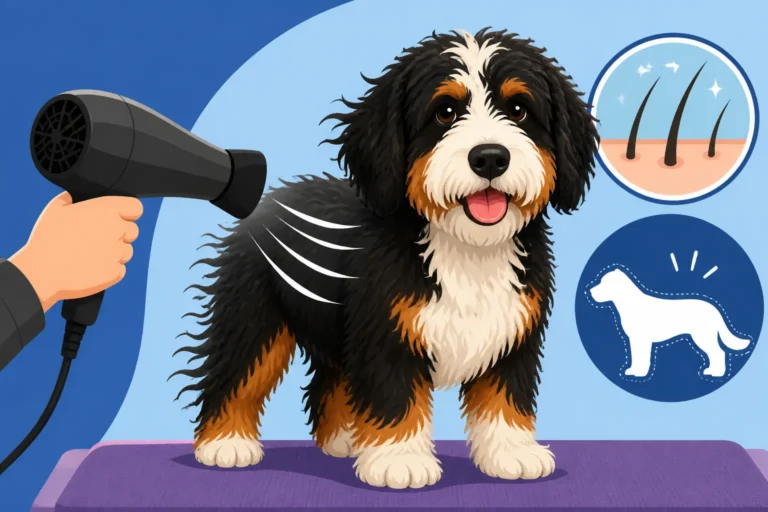
Regular brushing is paramount, regardless of length. It removes loose undercoat, prevents mats, and allows air to flow freely through the coat, enhancing its natural cooling abilities. A good slicker brush and a metal comb, available on sites like Amazon or Chewy, are essential tools. Focus on line brushing to ensure you reach down to the skin. During humid weather, you might even need to brush daily. Additionally, keeping the hair around their paw pads trimmed can help with heat dissipation, as dogs do have some sweat glands there. A professional groomer can achieve a healthy summer trim that balances practicality with protection, often called a "summer cut" or "kennel clip" (not to be confused with a shave).
Cooling Products and Accessories
The market is full of ingenious products designed to help dogs stay cool. Cooling mats, for instance, often contain a gel that activates when pressure is applied, providing a cool spot for your Bernedoodle to lie on. These are fantastic for both indoor use and for travel. Cooling vests or bandanas, which you soak in water and then wring out, work on the principle of evaporative cooling, much like how dogs pant. When the water evaporates from the fabric, it draws heat away from the dog's body. These can be particularly helpful for walks or outdoor activities. You can find a wide variety of these products on Amazon, with options to suit different sizes and budgets.
Another simple but effective tool is a kiddie pool filled with a few inches of water. Many Bernedoodles love to splash and cool their paws and bellies in shallow water. For darker-coated Bernedoodles, a light-colored cooling vest can also reflect sunlight, reducing heat absorption. Always ensure your Bernedoodle has access to fresh, cool water, perhaps even adding ice cubes to their bowl to encourage drinking.
Environmental Management: Shade, Water, and Timing
The most effective way to keep your Bernedoodle cool is by managing their environment and activity levels. Limit walks and strenuous exercise to the coolest parts of the day – early mornings and late evenings. Avoid walking them during midday heat, especially if the pavement is hot enough to burn your hand (and their paw pads!). Whether a Bernedoodle Should Be Walked in Summer offers practical advice on this.
Ensure they always have access to shade, both outdoors and indoors. If they're outside, a shady spot under a tree or an umbrella is crucial. Indoors, keep curtains closed on sun-facing windows and consider using fans or air conditioning. For homes without AC, creating a "cool room" with a fan and water bowls can make a big difference. Never, ever leave your Bernedoodle in a parked car, even for "just a minute" with the windows cracked. Car interiors heat up incredibly fast, creating a deadly oven in minutes. Remember, their heavy coat means they start struggling at temperatures that might feel only mildly warm to us. The Temperature a Bernedoodle Starts Struggling At explains the specific temperature ranges to watch out for.
When a Shave Might Be Necessary (and How to Do It Safely)
While a full summer shave is generally not recommended, there are specific circumstances where it might be necessary or beneficial. In these cases, it's about minimizing harm and prioritizing your dog's welfare.
Severe Matting or Medical Necessity
The most common and legitimate reason for a full shave is severe, irreversible matting. If a Bernedoodle's coat is so matted that brushing is impossible or excruciatingly painful, or if the mats are pulling on their skin and causing sores or infections, a shave-down is the most humane course of action. Groomers will often use very short blades to get under the mats, as attempting to de-mat severely matted fur can cause extreme discomfort and trauma to the dog. In these situations, the goal is immediate relief and to allow the skin to heal, not necessarily to cool the dog down.
Similarly, a veterinarian might recommend shaving a specific area or even the entire dog for medical reasons. This could be to prepare for surgery, to treat widespread skin infections, to allow medication to reach the skin, or for diagnostic purposes. In these cases, the health and well-being of the dog outweigh the concerns about coat regrowth or sun protection, as the medical issue is more pressing. Always follow your vet's advice in such scenarios.
Consult a Professional Groomer
If a shave-down is unavoidable due to matting or medical reasons, or if you still feel a shorter cut is necessary, always seek out a professional groomer experienced with Bernedoodle coats. They understand the intricacies of different coat types and can advise on the shortest safe length that still offers some protection. They can also execute the shave humanely and efficiently, minimizing stress for your dog. A good groomer will use appropriate blades and techniques to reduce the risk of clipper burn and promote healthier regrowth.
Avoid attempting a full shave at home with inexperienced hands or improper tools, as this can lead to uneven cuts, skin irritation, and even accidental cuts. A professional groomer can also discuss future coat maintenance strategies to prevent severe matting, helping you get back on track with a healthy grooming routine after the shave. They are your best resource for ensuring your Bernedoodle's coat is cared for correctly.
Post-Shave Care: Sun Protection and Hydration
After a full shave, your Bernedoodle's skin is extremely vulnerable. Immediate and ongoing sun protection is absolutely critical. Limit their time outdoors, especially during peak sun hours, and always ensure they have access to deep shade. Consider dressing them in a lightweight, UV-protective dog shirt for outdoor excursions. Dog-specific sunscreen should be applied to any exposed skin, particularly on the nose, ears, and belly.
Monitor their skin for any signs of sunburn, irritation, or dryness. Keep them well-hydrated, offering plenty of fresh, cool water throughout the day. Their body will be working harder to regulate temperature without the coat, so extra vigilance is needed to prevent overheating. It's also important to moisturize their skin if it appears dry, using vet-approved products. As the coat starts to grow back, maintain a diligent brushing routine to encourage even growth and prevent new mats from forming in the potentially altered coat texture. This post-shave period is a critical time for extra care and attention.
Maintaining a Bernedoodle's Coat Year-Round: Beyond Just Summer
The "summer shave argument" often overshadows the importance of consistent, year-round coat care for a Bernedoodle. A well-maintained coat is their best defense against all seasons, and it requires dedication no matter the temperature.
Regular Brushing to Prevent Mats and Promote Airflow
This is perhaps the single most important aspect of Bernedoodle coat care. Their coats, especially the wavy and curly types, are prone to matting if not brushed regularly and thoroughly. "Regular" means at least every other day for most Bernedoodles, and daily during puppy coat changes or high humidity. How Often a Bernedoodle Should Be Brushed details this commitment.
The goal of brushing isn't just to make them look neat; it's to get down to the skin, removing loose hair and preventing tangles from forming. Mats create a dense barrier that traps heat, pulls on the skin, and can lead to skin infections. By consistently brushing, you ensure that air can circulate freely through their coat, allowing it to function as the natural insulator it's meant to be. This is particularly crucial in warmer months when trapped heat can quickly become dangerous. Tools like a good quality slicker brush and a long-toothed metal comb are indispensable for effective line brushing.
Professional Grooming Schedule
Even with diligent home brushing, most Bernedoodles benefit immensely from professional grooming every 6-8 weeks. A professional groomer can give your Bernedoodle a proper bath, ensuring their thick coat is thoroughly cleaned and dried to the skin (a process that can take hours for a ninety-pound Bernedoodle!). They can also perform sanitary trims, clean ears, and trim nails, all of which contribute to overall health and comfort.
Crucially, a professional groomer can maintain a healthy coat length, especially a functional "summer cut" that is shorter but still protective, rather than a full shave. They can identify and address early signs of matting, perform dematting if necessary (when not severe), and shape the coat to prevent future issues. This regular schedule prevents mats from getting out of control and ensures your Bernedoodle always has a coat that supports their health and well-being. What a Standard Bernedoodle Groom Costs gives an idea of the investment involved in this essential care.
Nutrition and Hydration for a Healthy Coat
A healthy coat starts from within. Feeding your Bernedoodle a high-quality diet that is rich in essential fatty acids (like Omega-3 and Omega-6) can significantly improve coat health and skin condition. Look for dog foods that list real meat as the first ingredient and contain beneficial oils. Some owners opt for fresh food delivery services like Ollie, which prioritize high-quality, human-grade ingredients that can contribute to a lustrous coat.
Adequate hydration is also vital. Water is essential for every bodily function, including skin and coat health. Ensure your Bernedoodle always has access to fresh, clean water. A well-hydrated dog with good nutrition is more likely to have a healthy, resilient coat that grows back properly and functions effectively as a temperature regulator. If you notice persistent skin issues or a dull, brittle coat despite good grooming, it's always worth consulting your vet about dietary adjustments or supplements.
Being Mindful of Their Environment Year-Round
Beyond grooming and diet, being aware of your Bernedoodle's needs in their environment is critical throughout the year. In winter, their thick coat makes them well-suited for cold weather, but they still need shelter and shouldn't be left outdoors indefinitely. Winter With a Bernedoodle expands on this. In summer, as we've discussed, it's about providing shade, cool water, and limiting activity during peak heat.
This consistent mindfulness helps you understand when your Bernedoodle is truly comfortable and when they might be struggling, allowing you to respond appropriately. It also means investing in accessories like dog beds that provide orthopedic support and insulation, or car crates that ensure safe and comfortable travel. Ultimately, a Bernedoodle's coat is a living, breathing part of them that requires respect and informed care, not just a quick fix with clippers.
Conclusion
The "summer shave argument" on a Bernedoodle is a prime example of how our human instincts, though well-intentioned, can sometimes work against what's best for our furry companions. While the thought of stripping away all that fur seems like a logical solution to summer heat, a Bernedoodle's coat is a sophisticated natural system designed for insulation and protection against both cold and heat. Shaving it off can expose them to sunburn, impair their natural cooling mechanisms, and potentially lead to long-term coat damage.
Instead of a full shave, embrace strategic grooming that involves regular brushing to prevent mats and allow airflow, and professional trims that shorten the coat without compromising its protective qualities. Couple this with smart environmental management – providing ample shade, plenty of cool water, and adjusting activity times – and utilize helpful cooling products like mats and vests. By understanding and working with your Bernedoodle's unique physiology, you can ensure they stay comfortable, safe, and happy, all summer long, without the need for a risky shave.
Disclaimer
This article is for general informational purposes only and does not constitute professional advice. Laws, prices and regulations vary by location and change over time. Consult a qualified professional for guidance on your specific situation.