Whether a Shaved Bernedoodle Sunburns
It's a common dilemma we Bernedoodle parents face as summer rolls around: "My fluffy companion looks so hot, maybe I should just shave them right down!" We want our dogs to be comfortable, especially with those thick, gorgeous coats. But what many folks don't realize is that taking the clippers too short can actually expose your beloved Bernedoodle to a very real and painful danger: sunburn. This guide will dive deep into why shaving your Bernedoodle too aggressively can lead to uncomfortable and potentially harmful sun exposure, and how to best protect their delicate skin.
The Role of Your Bernedoodle's Coat in Sun Protection
Before we even think about touching those clippers, it's crucial to understand what your Bernedoodle's coat is actually doing for them. It's not just for looks; it's a vital part of their natural defense system, and that includes protecting them from the sun's harsh rays.
Understanding the Bernedoodle's Unique Coat
The Bernedoodle is a delightful blend, inheriting traits from both the majestic Bernese Mountain Dog and the elegant Poodle. This means their coat can be a bit of a genetic lottery, but it typically lands somewhere between the two parents. The Bernese Mountain Dog boasts a dense, thick double coat designed for cold mountain climates, complete with a soft, woolly undercoat and a longer, weatherproof outer coat. The Poodle, on the other hand, has a dense, curly, single layer coat that grows continuously and offers excellent insulation, both from cold and surprisingly, from heat.
Your Bernedoodle often gets a wavy or curly coat that can be incredibly thick. While many Bernedoodles might not have a true double coat like a Bernese, their fur density, even if it's a single layer, is usually substantial. This creates a natural barrier, a kind of built-in shield that has evolved over generations to protect their skin from the elements. Think of it like wearing a well-made garment; it keeps the sun off your skin. We talk more about the different types of coats and their needs in The Coat a Bernedoodle Gets From Two Heavy Coated Parents.
How a Natural Coat Offers Sunscreen
Imagine walking out into the hot summer sun without a shirt on versus wearing a light, breathable long-sleeved shirt. Your Bernedoodle's natural coat acts much like that shirt. The hair follicles, regardless of whether they are a true double coat or a dense single coat, provide a physical obstruction that prevents harmful ultraviolet (UV) radiation from reaching their skin directly.
This physical barrier is incredibly effective. The denser the coat, the more protective it generally is. While a Bernedoodle's coat might seem like it would trap heat, it actually creates an insulating layer. Air circulates within the coat, helping to regulate body temperature. Removing this layer, especially by shaving too close to the skin, strips away this essential protection. Their skin, which has always been shielded, is suddenly exposed and incredibly vulnerable, much like human skin that hasn't seen the light of day all winter. It's a common misconception that a shaved coat always keeps them cooler; in fact, it can disrupt their natural thermoregulation and leave them prone to burns.
The Risks of Shaving a Bernedoodle Too Short
So, while the idea of a fully shaved Bernedoodle might seem appealing for summer, it comes with significant downsides. The consequences of removing that protective layer can range from immediate discomfort to serious, long-term health concerns.
Exposing Sensitive Skin to UV Rays
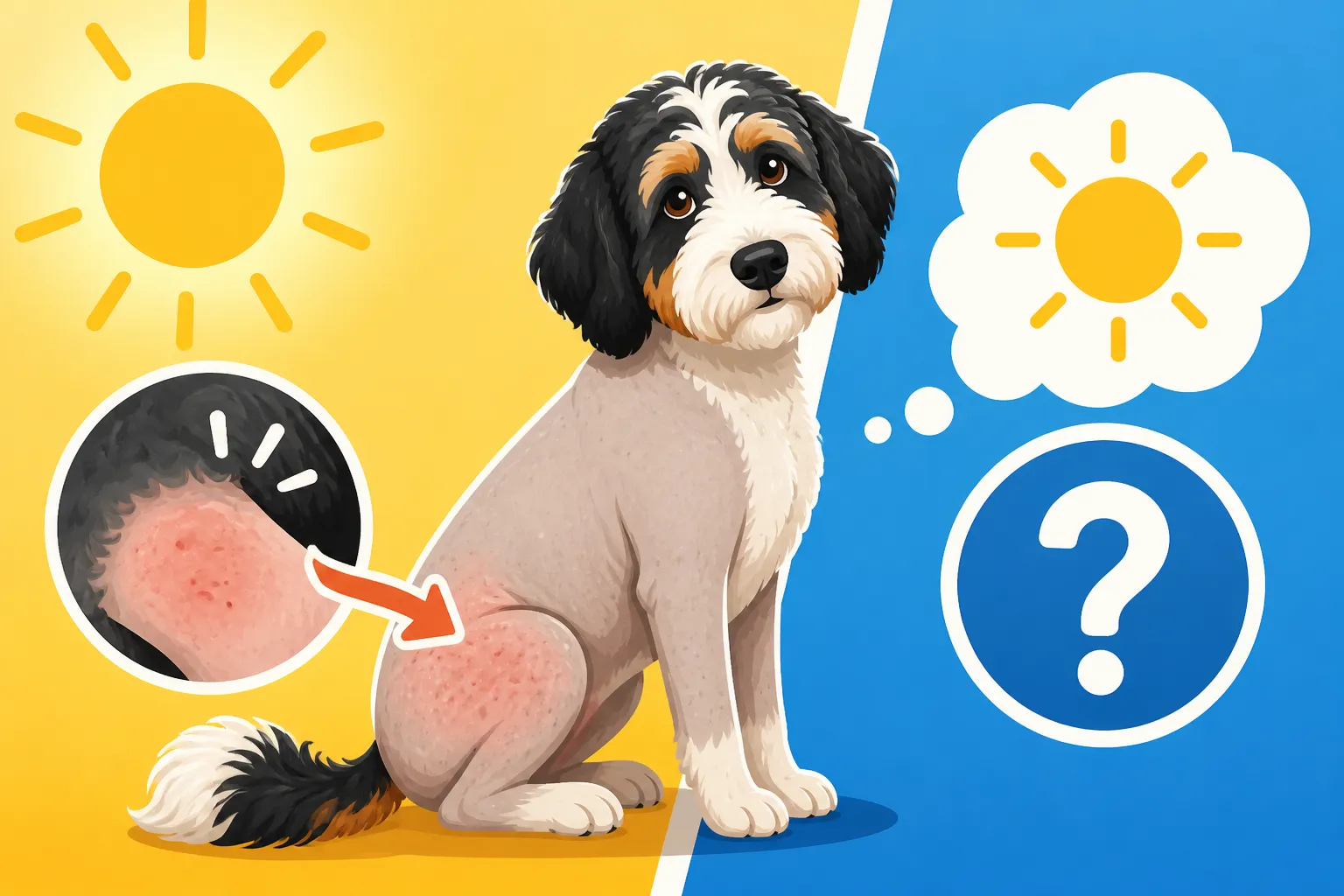
When you shave your Bernedoodle down to a very short length, say a quarter-inch or less, you effectively remove their primary defense against the sun. Their skin, which has lived its entire life under a protective blanket of fur, is suddenly laid bare. This exposed skin is remarkably sensitive and has no natural acclimation to direct sunlight. It's not like human skin that gradually tans; it's more like the tender skin under your swimsuit that only sees the sun during a quick change on the beach.
Certain areas are especially vulnerable: the thin skin on their belly, the tips of their ears, their nose, around their eyes, and any areas where the coat is naturally thinner, or where their skin pigment might be lighter. Even dogs with dark skin can get sunburned, though light-skinned or white-coated Bernedoodles are at an even higher risk. The sun's UV rays penetrate this unprotected skin, causing damage. Many owners assume that shaving is the answer to keeping cool, but as we explore in Whether a Shaved Bernedoodle Handles Heat Better, it's not always the case, and can even be counterproductive in terms of sun protection. The very topic of this discussion, Whether a Shaved Bernedoodle Sunburns, highlights this critical concern.
The Dangers of Canine Sunburn
A dog's sunburn looks and feels very similar to a human's. You might notice redness, tenderness to the touch, and swelling in the affected areas. Your Bernedoodle might seem unusually itchy, try to lick or chew at the burned spots, or even whine if you try to pet them there. In severe cases, the skin can blister, peel, and become incredibly painful. These open sores can then become entry points for bacteria, leading to secondary skin infections, which only add to your dog's misery and necessitate a trip to the vet.
Beyond the immediate discomfort, repeated or severe sunburns carry a more sinister long-term risk: an increased likelihood of developing skin cancer. Just as with humans, prolonged UV exposure can damage skin cells and lead to various forms of canine skin cancer, including squamous cell carcinoma, malignant melanoma, and hemangiosarcoma. These conditions can be aggressive and require extensive, costly treatment. While we often think about their thick coats and ignore skin issues, Bernedoodles can experience various Skin Problems Under a Bernedoodle's Heavy Coat, and sun damage can certainly contribute to or exacerbate these. Protecting your Bernedoodle from sunburn isn't just about comfort; it's a proactive step in preventing serious health issues down the line.
Practical Strategies for Sun Protection and Cooling
So, if shaving your Bernedoodle down to the skin isn't the best idea for sun protection, what can you do to ensure they're comfortable and safe during warmer months? It's all about striking a balance with smart grooming and proactive sun safety measures.
Smart Grooming for Summer Comfort and Safety
The key here is moderation. Instead of a full shave, opt for a shorter, but still protective, cut. A good rule of thumb is to leave at least one to two inches of coat length. This provides enough hair to offer a physical barrier against the sun's UV rays while still being short enough to feel lighter and allow for better air circulation. Talk to your groomer about a "kennel clip" or a "summer trim" that prioritizes both comfort and sun safety. They'll know exactly what you mean when you ask for a practical, rather than purely aesthetic, summer cut. We delve deeper into appropriate lengths in The Summer Clip Length for a Bernedoodle.
Regular brushing is also paramount, regardless of length. A thick, matted coat traps heat and prevents air from circulating properly against the skin. Regular brushing, especially line brushing down to the skin, helps remove dead hair and any potential undercoat, allowing for better airflow and insulation. This helps your Bernedoodle's natural cooling system work more efficiently without stripping their natural sun protection. A Bernedoodle's coat is a lot of work, but it's work that pays off in their comfort and health!
Auxiliary Sun Protection Measures
Even with a sensible haircut, certain areas of your Bernedoodle's body might still be vulnerable. Their nose, the tips of their ears, and any areas with very thin hair or light pigmentation (like a white belly) can still get sunburned. This is where canine-specific sunscreen comes in. It's absolutely crucial to use sunscreen formulated for dogs, as human sunscreens often contain zinc oxide or PABA, which are toxic if ingested by dogs. Look for brands that are zinc-oxide free and labeled as safe for pets. Apply it liberally to those sensitive, exposed areas before heading out, especially if you plan on extended outdoor activities. You can often find reputable brands for canine sunscreen on platforms like Amazon or through pet supply retailers like Chewy.
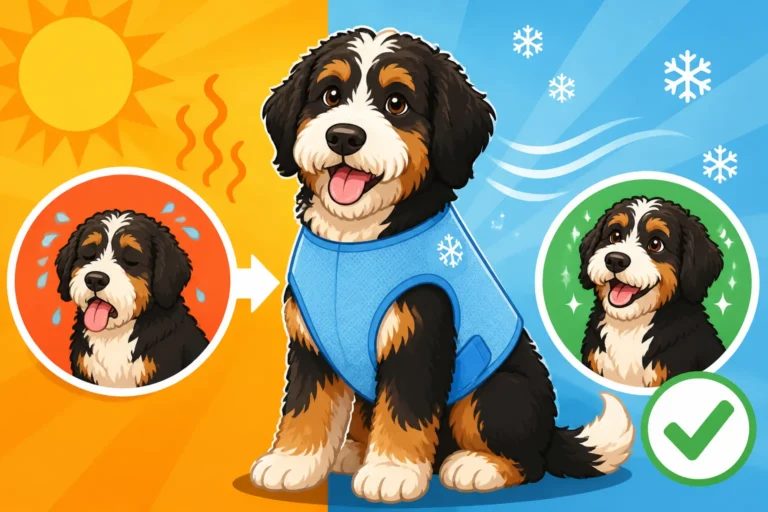
Another fantastic option, especially for very fair-skinned Bernedoodles or those who simply love to lounge in the sun, is protective clothing. Lightweight, UV-blocking dog shirts or vests can provide an extra layer of defense for their backs and torsos. These breathable fabrics are designed to block UV rays without causing them to overheat. Remember, limiting sun exposure during peak hours (typically 10 AM to 4 PM) is always the best defense. Seek out shady spots for walks and playtime, and ensure your Bernedoodle always has access to fresh water.
Beyond the Shave: Holistic Heat Management
While coat management is important, a truly comprehensive approach to keeping your Bernedoodle cool and sun-safe involves more than just a trip to the groomer. Think about their entire environment and daily routine.
Here's a quick breakdown of additional strategies:
| Strategy | Description | Benefits |
|---|---|---|
| Cooling Mats & Vests | These items absorb body heat or use evaporative cooling to help lower your dog's temperature. You can find excellent options on Amazon. | Provides immediate relief, especially indoors or in shaded outdoor areas. |
| Frozen Treats | Offer ice cubes, frozen broth, or specially made dog-safe frozen treats. Some fresh dog food brands, like Ollie, can also be frozen into molds for a cooling snack. | Hydrating and entertaining, helps cool them from the inside out. |
| Kiddie Pools | A shallow pool of water offers a fun way for your Bernedoodle to cool off, especially if they enjoy splashing. | Allows for full-body cooling and physical activity without overheating. |
| Timing Walks | Schedule walks and outdoor playtime for early mornings or late evenings when temperatures are much cooler. Avoid the midday heat completely. | Prevents overheating and paw pad burns on hot pavement. For more, see Whether a Bernedoodle Should Be Walked in Summer. |
| Indoor Activities | On scorching days, shift exercise indoors with puzzle toys, training sessions, or play in an air-conditioned space. | Keeps them mentally and physically stimulated without risking heatstroke. |
| Hydration | Always ensure constant access to fresh, cool water. Consider adding ice cubes to their bowl. | Essential for body temperature regulation and overall health. |
Remember, your Bernedoodle's comfort and safety are paramount. While a shorter coat can certainly help manage heat, it's crucial to ensure you're not inadvertently exposing them to the harmful effects of the sun. A thoughtful approach combining smart grooming with proactive sun protection and cooling strategies will keep your furry friend happy and healthy all summer long.
Shaving a Bernedoodle down to the skin, while often done with the best intentions, unfortunately strips them of their natural defense against the sun. Their formerly protected skin becomes highly susceptible to painful sunburn, which, over time, can significantly increase their risk of developing skin cancer. Instead of a drastic shave, focus on smart grooming choices that leave a protective layer of coat, utilize dog-specific sunscreens for vulnerable areas, and employ a variety of cooling strategies to keep them comfortable. By taking these thoughtful steps, you can ensure your Bernedoodle enjoys the sunny seasons safely and without risk to their delicate skin.
Disclaimer
This article is for general informational purposes only and does not constitute professional advice. Laws, prices and regulations vary by location and change over time. Consult a qualified professional for guidance on your specific situation.