Whether Shaving Actually Cools a Bernedoodle
It’s a scorching summer day, and you look at your beautiful, fluffy Bernedoodle panting in the shade, seemingly miserable. The first thought that often pops into a loving owner's mind is, "Should I just shave them? Wouldn't that be a relief?" It’s a completely natural instinct to want to help our furry companions beat the heat, especially when they're sporting such a thick, luxurious coat. However, the truth about whether shaving truly cools a Bernedoodle, or any double-coated breed, is far more nuanced than it appears, and sometimes, our well-intentioned actions can actually do more harm than good. This guide will dive deep into your Bernedoodle's unique coat, explore the common misconceptions about shaving, and offer practical, effective ways to keep them comfortable and safe all summer long.
Understanding Your Bernedoodle's Unique Coat
Bernedoodles, being a mix of Bernese Mountain Dog and Poodle, inherit a fascinating combination of coat characteristics. This blend is often what draws people to the breed, promising a lower-shedding companion with a teddy bear look. But this unique coat also requires a particular understanding, especially when it comes to temperature regulation. It's not just hair; it's a finely tuned system designed by nature.
The Double Coat Myth and Reality
One of the biggest misconceptions circulating among dog owners, and particularly among those with Bernedoodles, is whether their dog actually has a "double coat" in the traditional sense, like a Bernese Mountain Dog, or if it's more like a Poodle's single coat. A true double coat consists of a harsh outer layer of guard hairs and a soft, dense undercoat that provides insulation. Bernese Mountain Dogs definitely have this, and it protects them from both cold and heat. Poodles, on the other hand, have a single, non-shedding, continuously growing coat that is often described as hair rather than fur.
Bernedoodles exist on a spectrum. Some Bernedoodles, especially F1 generations (first cross), might lean more towards the Bernese side and have a thicker, wavier coat with a noticeable undercoat, making them closer to a traditional double-coated dog. Others, particularly F1b or multigen Bernedoodles, often inherit more of the Poodle's curly, single-layer coat. This variation means that while many Bernedoodles don't have a textbook double coat that "blows" seasonally like a Bernese, their dense, continuously growing hair still serves vital insulating purposes. Regardless of the exact genetics, their coat is certainly designed to protect them, not just look pretty.
How a Bernedoodle's Coat Actually Regulates Temperature
Whether your Bernedoodle's coat leans more towards the Bernese fluff or the Poodle curl, it plays a crucial role in thermoregulation. It’s like the insulation in your house – it keeps the heat out in summer and in during winter. The dense hair creates an air barrier against the skin. In cooler weather, this trapped air warms up, keeping your dog toasty. In warmer weather, the same principle applies, but in reverse. It acts as a shield, preventing external heat from reaching the skin and also allowing air to circulate, carrying away excess body heat.
This natural insulation is far more sophisticated than we often give it credit for. When your Bernedoodle is well-groomed, with no mats obstructing airflow, their coat helps maintain a stable body temperature. This protective layer also guards against UV radiation, much like sunscreen, preventing sunburn, which can be a real issue for dogs with short or shaved coats. It’s a delicate balance, and interfering with it without understanding the implications can disrupt their natural cooling mechanisms, potentially making them hotter and more susceptible to other issues. Many owners wonder Whether a Black Bernedoodle Absorbs More Heat, and while dark colors do absorb more radiant heat, the coat's insulating properties are still at play.
The Downsides of Shaving a Bernedoodle's Coat Short
It seems counterintuitive, doesn't it? To think that removing all that hair could actually make your dog less comfortable in the heat. But when we talk about shaving a Bernedoodle down to the skin, or very close, we're discussing more than just a haircut. We're potentially removing their primary defense against environmental elements.
Compromising Natural Insulation
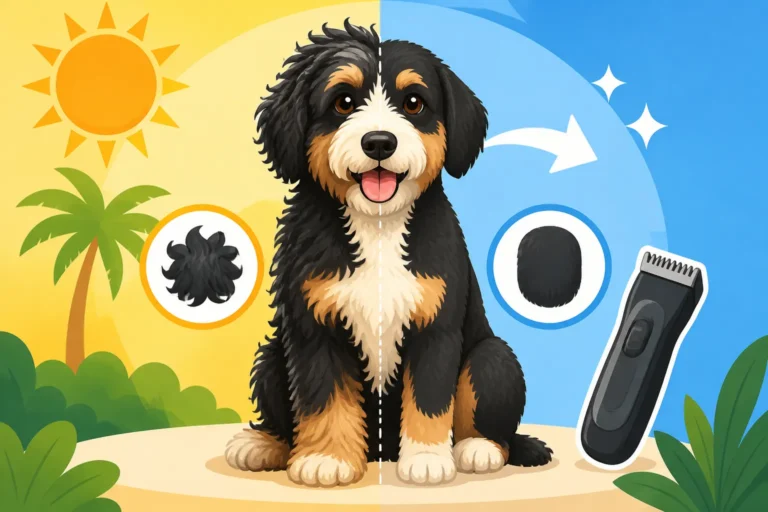
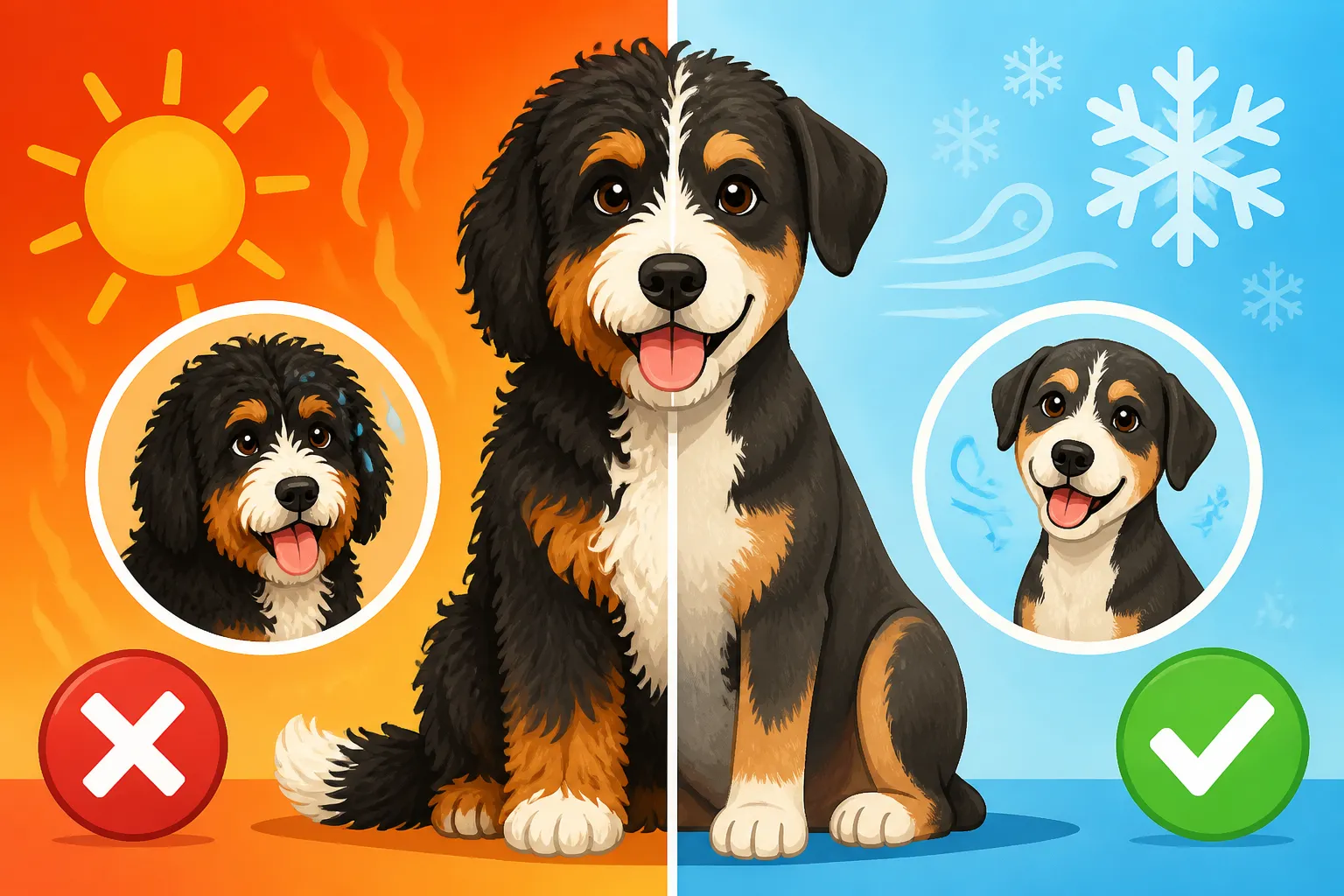
When you shave a Bernedoodle's coat very short, you strip away that vital layer of insulation. Imagine removing the insulation from your attic in the middle of summer – suddenly, all that scorching heat from the sun beats down directly onto the roof, and your house becomes an oven. Similarly, a shaved dog's skin is now directly exposed to the sun's rays and the ambient hot air. This can lead to them absorbing more heat, not less, and struggling even harder to cool down. Their body has to work overtime to regulate its temperature without its natural buffer.
Furthermore, shaving can disrupt the natural cycle and texture of the coat. For Bernedoodles, especially those with a Poodle-like coat, shaving too short repeatedly can sometimes lead to a change in texture – it might grow back coarser, patchier, or even more prone to matting than before. This phenomenon, often called "clipper alopecia" or "post-clipping alopecia," can be temporary or, in some cases, lead to permanent changes in the coat, making future grooming more challenging and potentially compromising its protective qualities. It's a risk many owners aren't aware of when they decide on a drastic summer shave.
Skin Irritation and Sunburn Risk
Another significant concern with shaving a Bernedoodle is the increased risk of skin irritation and sunburn. That dense coat isn't just for insulation; it's a physical barrier that protects their delicate skin from scrapes, insect bites, and the sun's harmful UV rays. When you remove this protection, their skin becomes vulnerable. Just like humans, dogs can get sunburned, and light-skinned dogs are especially susceptible. Sunburn isn't just painful in the short term; prolonged exposure can lead to more serious conditions like skin cancer over time. This is especially pertinent for breeds or mixes that might have pink skin underneath a dark coat.
Beyond sunburn, a closely shaved coat can leave the skin exposed to environmental allergens and irritants, potentially leading to rashes, hot spots, or other skin infections. Imagine going outside with no clothes on; you'd be exposed to everything! For a dog whose skin is used to being covered and protected, this sudden exposure can be quite a shock, causing discomfort and potentially leading to a host of dermatological issues. Owners often worry about The Skin Tumors a Bernedoodle Develops, and while not directly caused by shaving, increased UV exposure certainly doesn't help skin health.
The Potential Impact on Coat Regrowth
Many Bernedoodle owners hope that a summer shave will result in a fresh, even coat that grows back beautifully. While some Poodle-mixes bounce back perfectly, for others, especially those with a strong Bernese influence in their coat type, the regrowth can be unpredictable. The undercoat and guard hairs can grow back at different rates, leading to a patchy, uneven, or even "blown" appearance that can take months to rectify. This can make the coat even harder to manage than before the shave, increasing the likelihood of matting or requiring more frequent, professional grooming.
Think about it: the Bernese Mountain Dog side of the family has a genetic predisposition for a rich, dense double coat. While the Poodle's influence often softens this, a drastic shave can sometimes confuse the hair follicles. Instead of growing back uniformly, the coat might return with a woolly, cotton-like texture that mats almost instantly, or the guard hairs might struggle to re-establish, leaving a less protective, duller coat. This is a common frustration, and many pet parents ask Whether a Bernedoodle's Coat Grows Back After Shaving with the same texture and thickness, and the answer isn't always a simple yes.
| Aspect | Shaving Short | Strategic Trimming/Grooming |
|---|---|---|
| Cooling Effect | Often counterproductive: Removes insulation, increases heat absorption, risk of sunburn. | Effective: Maintains natural insulation, allows airflow, protects skin. |
| Skin Protection | Reduced: High risk of sunburn, insect bites, skin irritation. | Maintained: Natural barrier against UV, irritants, minor injuries. |
| Coat Health | Risk of damage: Uneven regrowth, texture changes, potential for clipper alopecia. | Preserved: Promotes healthy coat growth and natural texture. |
| Grooming Frequency | Initially less, but can lead to more intensive future grooming due to regrowth issues. | Regular maintenance, typically every 6-8 weeks for a professional trim. |
| Aesthetics | Can appear scraggly or patchy during regrowth phase. | Maintains a tidy, healthy, and characteristic Bernedoodle look. |
Effective Strategies for Keeping Your Bernedoodle Cool
So, if shaving isn't the best answer, what can you do to help your beloved Bernedoodle stay comfortable when the temperatures rise? There are plenty of smart, effective strategies that work with their natural coat, rather than against it, ensuring they are both cool and healthy. It's all about proactive care and making intelligent choices.
Smart Grooming Choices for Summer
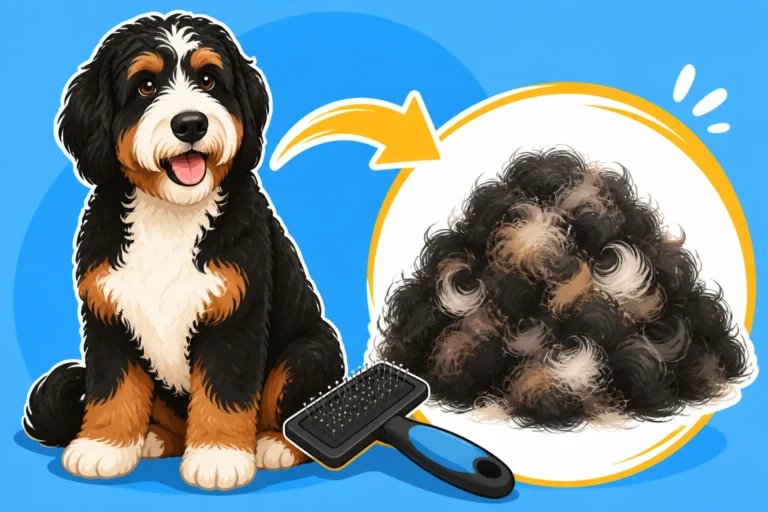
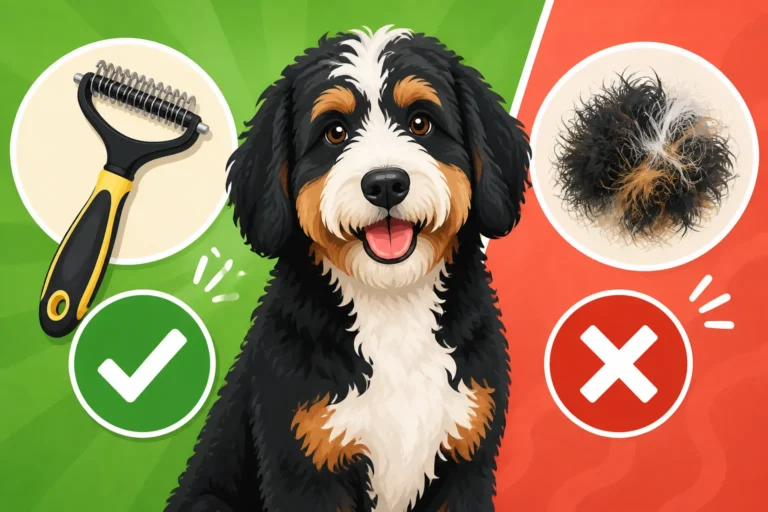
Instead of reaching for the clippers to shave them bald, focus on consistent and strategic grooming. Regular brushing is paramount, especially during warmer months. This removes loose fur and prevents mats, which can trap heat against the skin and impede air circulation. Invest in good quality brushes, like a slicker brush and a metal comb, to get deep into the coat without irritating the skin. Daily line brushing will be your best friend. The Weekly Hours a Standard Bernedoodle's Coat Takes can be substantial, but it's an investment in their comfort. You can find excellent grooming tools on platforms like Amazon or Chewy.
When it comes to professional grooming, ask your groomer for a "summer cut" or a "teddy bear cut" that leaves at least an inch or two of hair. This length is long enough to maintain the insulating and protective qualities of their coat while still being short enough to be manageable and allow for better airflow. A good groomer understands the nuances of different coat types and can advise on the best length for your individual Bernedoodle, taking into account their specific coat texture and lifestyle. Regular trims, along with keeping areas like paw pads, armpits, and sanitary areas neatly clipped, will make a huge difference. The Clip a Bernedoodle Owner Should Ask For in July will likely involve leaving some length, not shaving to the skin.
Environmental Adjustments and Cooling Aids
Beyond grooming, creating a cool environment for your Bernedoodle is essential. During the hottest parts of the day, keep them indoors in air-conditioned spaces. If you don't have AC, consider using fans, or even placing frozen water bottles in front of a fan to circulate cooler air. You might also want to explore options like cooling mats, which absorb body heat and provide a cool surface for them to lie on. These are readily available from retailers like Chewy and Amazon and can be a real game-changer. Cooling a Bernedoodle Down Safely often involves a multi-pronged approach like this.
Outside, provide ample shade and access to fresh, cool water. A kiddie pool with a few inches of water can be a fantastic way for your Bernedoodle to cool off; many love to wade or splash. Make sure outdoor surfaces, like pavement or artificial turf, aren't too hot for their paws. Remember, if it's too hot for your bare hand to touch for five seconds, it's too hot for their paws. Consider dog booties for walks on hot surfaces if necessary.
Hydration and Exercise Management
Proper hydration is critical for all dogs, especially in warm weather. Always ensure your Bernedoodle has access to fresh, cool water, both indoors and out. You might even add ice cubes to their water bowl to keep it cooler longer, or offer frozen treats. Some owners get creative with frozen Kongs filled with dog-safe purees or special hydrating fresh food options from brands like Ollie (check with your vet first for any dietary changes). Carrying a portable water bottle and bowl is a must when you’re out and about.
Adjusting their exercise schedule is equally important. Avoid walking or playing with your Bernedoodle during the hottest hours of the day. Early mornings and late evenings are usually much cooler and safer. Keep walks shorter and less intense when the heat is on. High-intensity exercise in warm weather can quickly lead to overheating and even heatstroke, which is a serious emergency. Understanding Signs a Bernedoodle Is Overheating is crucial, including excessive panting, lethargy, drooling, or wobbly legs. Being mindful of The Temperature a Bernedoodle Should Not Be Walked In can literally save their life. Always prioritize their safety and comfort over sticking to a rigid exercise routine.
Disclaimer
This article is for general informational purposes only and does not constitute professional advice. Laws, prices and regulations vary by location and change over time. Consult a qualified professional for guidance on your specific situation.