The Skin Tumors a Bernedoodle Develops
Finding a new lump or bump on your beloved Bernedoodle can send any dog parent into a spiral of worry. One moment you're enjoying a cuddle session, the next your fingers brush against something unfamiliar beneath that fluffy coat, and your heart sinks. It's a common and incredibly unsettling experience, leaving you wondering if it's just a harmless wart or something far more serious. This comprehensive guide is here to walk you through everything you need to know about the various skin tumors Bernedoodles can develop, from identifying potential issues to understanding diagnosis, treatment, and proactive care.
Understanding Common Bernedoodle Skin Lumps and Bumps
Bernedoodles, like all dogs, are prone to developing various types of skin growths throughout their lives. It's an inevitable part of aging for many, but some appear much earlier. The sheer variety can be overwhelming, making it hard to discern what's benign and what requires immediate veterinary attention. Knowing the most common types can empower you to have a more informed conversation with your veterinarian, even though a professional diagnosis is always essential.
Benign Growths: Lipomas and Sebaceous Cysts
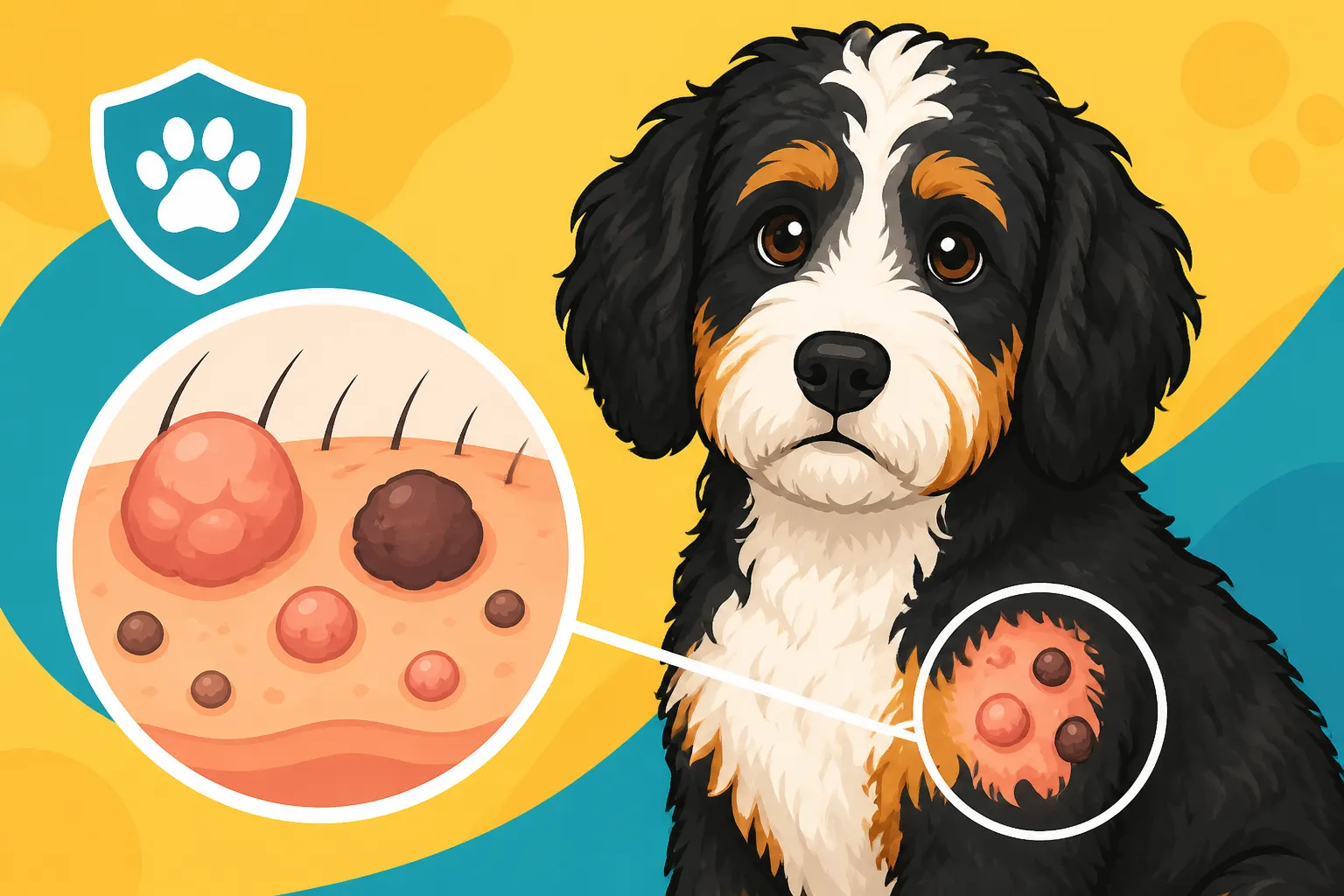
Let's start with some of the more common, less concerning lumps you might encounter. Lipomas are fatty tumors that typically feel soft, movable, and non-painful under the skin. They're basically just collections of fat cells and are incredibly common, especially in older or overweight dogs. While they can grow quite large, they rarely cause problems unless they're in an awkward location, like pressing on a joint or interfering with movement. I remember a client whose Bernedoodle, Charlie, had a massive lipoma on his chest that honestly looked like he was smuggling a small football. It never bothered him, but it certainly raised eyebrows at the dog park!
Sebaceous cysts are another frequent benign finding. These form when a sebaceous gland (which produces oil for the skin) becomes blocked, leading to a build-up of sebum. They often feel like a firm, sometimes slightly squishy, bump, and you might even notice a cottage cheese-like discharge if they rupture. These can sometimes be mistaken for something more serious, so always get any new lump checked out. While generally harmless, a ruptured cyst can lead to infection and discomfort, so keeping an eye on them is important.
Worrisome Growths: Mast Cell Tumors and Histiocytomas
Now, let's talk about the ones that truly demand attention. Mast cell tumors are unfortunately one of the most common skin cancers in dogs, and Bernedoodles, with their Bernese Mountain Dog lineage, can be predisposed. These tumors arise from mast cells, which are part of the immune system and involved in allergic reactions. They are notorious for being "the great imitators" because they can look and feel like almost anything – a wart, an insect bite, a fatty lump. They can change in size, sometimes seeming to shrink and then swell again, often after being irritated. This fluctuating nature, known as Darier's sign, is a significant red flag. You really shouldn't wait on these, as early detection is key for a better prognosis. We've talked before about Mast Cell Tumors Hidden in a Bernedoodle's Coat, and it truly emphasizes the importance of thorough checks.
Histiocytomas are another common type of skin growth, particularly in younger Bernedoodles, usually under two years old. These often appear suddenly as a small, firm, hairless, red bump, almost like a "button" on the skin. While they can look alarming, they are typically benign and often resolve on their own within a few months, usually without any intervention. However, because they can resemble other, more aggressive tumors, it’s always best to have your vet confirm the diagnosis. You don't want to assume it's a harmless histiocytoma when it could be something worse.
Other Less Common Skin Issues to Watch For
Beyond the most frequent culprits, there are other skin growths your Bernedoodle might develop. Basal cell tumors, while generally benign, can be locally invasive if left untreated. They usually appear as firm, solitary masses, sometimes ulcerated. Squamous cell carcinomas are malignant tumors often found in areas with less pigment or sun exposure, though they can occur anywhere. These can be aggressive and tend to spread locally.
Another, more complex issue related to the Bernese side of your Bernedoodle is histiocytic sarcoma. While it primarily affects internal organs, it can manifest on the skin, often presenting as rapidly growing nodules. This is a particularly aggressive cancer. If you've ever heard about What Histiocytic Sarcoma Does to a Bernese, you'll know why any rapidly growing or unusual lump needs immediate attention, especially in breeds with this predisposition. It's a stark reminder that some lumps are not just skin deep.
Spotting Trouble: What Does a Bernedoodle Skin Tumor Look Like?
The sheer amount of floof on a Bernedoodle can make spotting skin tumors a real challenge. Their luxurious coats, while beautiful, are excellent at hiding new growths, making diligent, hands-on checks an absolute must. It's not just about what you see, but what you feel. Training yourself to regularly inspect your dog's skin can make all the difference in catching something early.
Size, Shape, and Texture: The Visual Clues
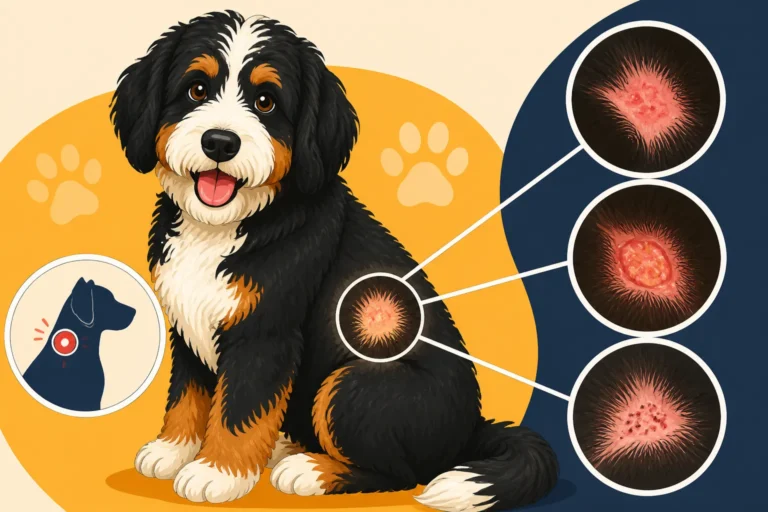
When you find a lump, take a moment to observe its characteristics. Is it small like a pea or large like a golf ball? Is its shape regular and well-defined, or is it irregular with indistinct borders? How does it feel to the touch? Is it soft and squishy, movable under the skin like a lipoma, or hard and fixed to the underlying tissue? Does it feel like a firm, round button, or is it crusty and irregular? Pay attention to the skin covering the lump: Is it red, inflamed, ulcerated, or losing hair?
Some lumps might be dark or pigmented, resembling moles, while others might be the same color as the surrounding skin. For instance, a small, pink, hairless growth on a young Bernedoodle might well be a histiocytoma. But a rapidly growing, ulcerated, or irregularly shaped mass, particularly one that feels firmly attached, should immediately trigger a call to your vet. The key is to notice changes or new things.
Location Matters: Where Tumors Often Appear
While skin tumors can appear anywhere on a Bernedoodle's body, certain locations are more common for specific types. For example, mast cell tumors frequently show up on the trunk and limbs, but can also be found on the head and neck. Lipomas, those harmless fatty lumps, are often found on the chest, abdomen, or armpits. Sebaceous cysts are common on the head, neck, and back.
Don't forget to check less obvious places too, like between the paw pads, inside the ears, or around the mouth and genitals. A thorough check involves systematically going over every inch of your dog's body. During your regular grooming sessions, make it a habit to run your hands over your Bernedoodle, not just brushing the coat but feeling the skin beneath. This tactile examination is crucial for finding those hidden growths that the eye might miss.
Behavioral Changes and Other Symptoms
Sometimes, a skin tumor isn't just a visible lump; it's accompanied by other subtle changes in your Bernedoodle's behavior or overall health. If a tumor is painful, inflamed, or itchy, your dog might excessively lick, chew, or scratch at the area, leading to irritation, redness, or even open sores. This self-trauma can complicate the situation and make diagnosis harder.
Beyond localized signs, some malignant tumors can cause more generalized symptoms. If a tumor has metastasized (spread to other parts of the body), your Bernedoodle might show signs like lethargy, loss of appetite, weight loss, vomiting, diarrhea, or difficulty breathing. While these symptoms could be indicative of many different conditions, if they occur alongside a suspicious skin growth, it significantly raises the level of concern. Always mention any and all changes, no matter how small, to your veterinarian. These details can be vital clues.
The Road to Diagnosis: From Vet Visit to Lab Results
Once you've spotted a suspicious lump, the most critical step is getting your Bernedoodle to the veterinarian. It's easy to get anxious, but remember that most vets are highly experienced in assessing skin growths and will guide you through the diagnostic process. Try to stay calm and focus on getting the best care for your furry friend.
Initial Examination and Your Vet's Role
During the initial vet visit, your veterinarian will perform a thorough physical examination, paying close attention to the lump you found. They'll assess its size, shape, consistency, mobility, and any associated inflammation or pain. They'll also check other areas of your Bernedoodle's body for additional lumps and swollen lymph nodes, which can be a sign of spreading cancer.
Don't be shy about providing all the details you've observed. When did you first notice it? Has it changed in size or appearance? Does your Bernedoodle seem bothered by it? Has there been any discharge? The more information you can give, the better your vet can narrow down the possibilities. This is also a good time to discuss your Bernedoodle's overall health history and any relevant family history of cancer, as some of The Cancers That Take Bernedoodles Most Often have genetic predispositions.
Fine Needle Aspirate vs. Biopsy: Getting Answers
To definitively diagnose a skin tumor, your vet will usually recommend one of two primary procedures: a fine needle aspirate (FNA) or a biopsy.
An FNA is a quick, minimally invasive procedure often done right in the exam room. The vet uses a very fine needle to collect a sample of cells from the lump. These cells are then spread onto a slide and sent to a pathologist to examine under a microscope. It's relatively inexpensive and can often differentiate between fatty tumors, cysts, and some types of mast cell tumors. However, an FNA isn't always conclusive, especially for certain types of cancer or if the sample isn't adequate. It's like taking a snapshot – sometimes you get a clear picture, sometimes it's blurry. This is why when you ask Whether a Bernedoodle Lump Should Be Aspirated, the answer is almost always yes, but with the caveat that it might not be the final word.
A biopsy provides a more definitive diagnosis. This involves surgically removing a piece of the tumor, or sometimes the entire tumor (excisional biopsy), and sending it to a histopathologist for detailed examination. Biopsies give a clearer architectural view of the tissue, allowing for more accurate grading of tumors (especially mast cell tumors) and assessment of how aggressive they might be. While it's more invasive and requires sedation or general anesthesia, a biopsy offers the most reliable information, which is crucial for determining the best treatment plan.
Staging and Further Diagnostics for Malignancy
If the biopsy reveals a malignant tumor, the next step is often "staging." Staging helps determine if the cancer has spread beyond the original site. This might involve additional diagnostics such as blood tests, urine tests, chest X-rays (to check for lung metastasis), abdominal ultrasound (to check internal organs and lymph nodes), or even bone marrow aspirates, depending on the type of cancer. For aggressive cancers like mast cell tumors, the vet may specifically check regional lymph nodes and abdominal organs like the spleen and liver.
Understanding the stage of the cancer is paramount because it directly influences the prognosis and the recommended course of treatment. A localized tumor, for example, might be cured with surgery alone, whereas a tumor that has spread will require a more comprehensive, multi-modal approach. Your vet will explain the findings and discuss what they mean for your Bernedoodle's health.
Navigating Treatment Options for Bernedoodle Skin Tumors
Getting a diagnosis of a skin tumor, especially a malignant one, is terrifying. But remember, a diagnosis is the first step towards a plan. There are many effective treatment options available, and your veterinary team will work with you to choose the best path forward for your unique Bernedoodle.
Surgical Removal: The Most Common Approach
For most skin tumors, especially those that are localized and accessible, surgical removal is often the first and most effective line of defense. The goal of surgery is to remove the entire tumor with clean margins, meaning a border of healthy tissue around the growth to ensure all cancerous cells are gone. For benign tumors like lipomas or cysts, this is often curative.
For malignant tumors, achieving wide, clean margins is even more critical. Your vet might recommend removing more tissue than you expect, even if the visible lump seems small. This is because cancerous cells can extend invisibly into the surrounding tissue. If a tumor is in a difficult location, like on a leg or face, achieving wide margins can be challenging, and reconstructive surgery might be necessary. Your vet will discuss the procedure, potential risks, and recovery time, which is usually quite manageable for skin tumors.
Beyond Surgery: Chemotherapy and Radiation Therapy
For certain types of aggressive cancers, or if surgical margins are not clean, or if the cancer has already spread, your Bernedoodle's treatment plan might extend beyond surgery to include chemotherapy or radiation therapy.
Chemotherapy uses drugs to kill cancer cells throughout the body. It can be given orally or intravenously. The good news is that chemotherapy in dogs is generally less aggressive than in humans; the goal is usually to improve quality of life and slow disease progression rather than eliminate every last cell, so side effects are often milder. However, it can still be a difficult journey, and questions like Whether a Bernedoodle Tolerates Chemotherapy Well are completely valid. Your vet will discuss the specific drugs, potential side effects, and monitoring requirements.
Radiation therapy uses high-energy rays to destroy cancer cells in a specific area. It's often used when surgery isn't possible, when margins are incomplete, or to target microscopic disease that might remain after tumor removal. Radiation treatments require multiple sessions and daily visits to a specialized veterinary oncology center, usually under anesthesia, making it a significant commitment in terms of time and cost. It's important to weigh these factors with your vet.
Supportive Care and Quality of Life
Regardless of the primary treatment path chosen, supportive care plays a crucial role in ensuring your Bernedoodle's comfort and quality of life throughout their journey. This can include pain management with medications, anti-inflammatory drugs, antibiotics for any secondary infections, and nutritional support. For some older Bernedoodles, or those with underlying health conditions, palliative care might be the focus – managing symptoms and ensuring they remain comfortable for as long as possible, rather than pursuing aggressive cures.
Maintaining open communication with your veterinary team is essential. Don't hesitate to ask questions, voice your concerns, and discuss how your Bernedoodle is doing at home. They can adjust medications or therapies as needed to optimize comfort.
Living with a Bernedoodle Skin Tumor: Prognosis and Long-Term Care
Receiving a diagnosis, undergoing treatment, and then settling into a routine of monitoring can be emotionally taxing. It's a marathon, not a sprint, and understanding the long-term outlook and how to best support your Bernedoodle is key to managing expectations and providing continuous, loving care.
Understanding the Outlook for Different Tumor Types
The prognosis for a Bernedoodle with a skin tumor varies widely depending on several factors: the type of tumor (benign vs. malignant), its grade (how aggressive it looks under the microscope), its stage (whether it has spread), the completeness of surgical removal, and your Bernedoodle's overall health.
Benign tumors generally have an excellent prognosis once removed, with recurrence being rare. For malignant tumors, the outlook is more guarded but still often positive, especially with early detection and aggressive treatment. For example, a low-grade mast cell tumor removed with wide, clean margins might have a very good prognosis, whereas a high-grade tumor with incomplete margins or evidence of spread would have a much poorer one. Your veterinary oncologist will be able to give you the most accurate prognosis based on all the diagnostic information gathered. It's a heavy conversation, but an important one.
Ongoing Monitoring and Early Detection of Recurrence
Even after successful treatment, ongoing monitoring is essential, especially for malignant tumors. This typically involves regular follow-up appointments with your veterinarian, which might include physical examinations, palpation of the surgical site and regional lymph nodes, and potentially repeat diagnostic tests like blood work, X-rays, or ultrasounds. The frequency of these check-ups will depend on the type and aggressiveness of the tumor.
At home, you become a crucial part of the monitoring team. Continue your regular, thorough skin checks, feeling for any new lumps or bumps, not just at the original site but all over your Bernedoodle's body. Pay attention to any changes in behavior, appetite, or energy levels. Early detection of recurrence or new tumor development can significantly impact the success of further treatment. It's a vigilant dance you'll perform together.
Financial Considerations and Pet Insurance
Let's be realistic: diagnosing and treating skin tumors, especially malignant ones, can be incredibly expensive. From initial vet visits, FNAs, biopsies, potentially more advanced imaging, surgery, chemotherapy, or radiation, the costs can quickly add up. Understanding What a Cancer Diagnosis Costs Before Treatment Starts can be an eye-opener for many pet parents. This financial burden can add immense stress during an already difficult time.
This is where pet insurance can be a literal lifesaver. Companies like Healthy Paws offer comprehensive plans that can cover a significant portion of unexpected veterinary bills, including those for cancer diagnosis and treatment. Having a good pet insurance policy in place before a diagnosis occurs can provide immense peace of mind and allow you to make treatment decisions based on what's best for your Bernedoodle, rather than solely on your wallet. While no one wants to think about their furry family member getting sick, having that safety net can make all the difference. Many Bernedoodle owners find great relief in knowing that Healthy Paws can help them manage the unpredictable costs that come with serious health issues.
| Tumor Type | Common Appearance | Typical Behavior/Prognosis | Common Locations |
|---|---|---|---|
| Lipoma | Soft, movable, non-painful lump under skin | Benign, generally harmless unless large or in awkward spot | Trunk, abdomen, armpits |
| Sebaceous Cyst | Firm/squishy bump, may rupture with discharge | Benign, can get infected if ruptured | Head, neck, back |
| Histiocytoma | Small, firm, hairless, red "button" | Benign, usually resolves spontaneously (esp. in young dogs) | Head, ears, limbs |
| Mast Cell Tumor | Highly variable: wart-like, red, firm, soft, ulcerated | Malignant, can be aggressive and metastasize; grade matters | Trunk, limbs, head, neck |
| Basal Cell Tumor | Firm, solitary mass, sometimes ulcerated | Generally benign, but locally invasive if left untreated | Head, neck, shoulders |
| Squamous Cell Carcinoma | Firm, raised, red, sometimes ulcerated lesions | Malignant, can be aggressive and spread locally | Areas with less pigment, sun-exposed areas |
Proactive Measures: Minimizing Risk and Staying Vigilant
While you can't prevent all skin tumors, especially those with a genetic component, there are many proactive steps you can take as a Bernedoodle owner to minimize risk, promote overall health, and drastically improve the chances of early detection and successful treatment.
Regular Grooming and At-Home Skin Checks
Your Bernedoodle's beautiful, dense coat is a double-edged sword when it comes to skin health. It's gorgeous, but it's also a perfect hiding spot for lumps and bumps. This makes regular, thorough grooming sessions absolutely critical. Don't just brush the top layer of hair; make sure you're getting down to the skin with a slicker brush and metal comb. While doing this, systematically run your hands over every part of their body.
Think of it as a weekly or bi-weekly "pat-down" where you're feeling for anything new, different, or suspicious. Pay extra attention to areas prone to matting, like behind the ears, armpits, and groin, as these spots can also hide growths. If you feel any lump, note its size, shape, and exact location, and monitor it. For many, this process becomes part of their regular routine, ensuring they're always aware of their dog's body. If you're going for a full professional groom, remember that What a Full Groom Costs on a Ninety Pound Bernedoodle is an investment in both their appearance and health, as professional groomers often spot things owners miss.
Diet, Environment, and General Wellness
While there's no magic diet that prevents cancer, a high-quality, balanced diet rich in antioxidants and appropriate for your Bernedoodle's age and activity level can support overall health and a strong immune system. Be mindful of maintaining a healthy weight for your Bernedoodle, as obesity can be linked to certain health issues, and Whether an Overweight Bernedoodle Loses Years is a valid concern for long-term well-being. Good nutrition is foundational to good health.
Minimizing exposure to environmental toxins and chemicals, such as certain lawn care products, pesticides, and household cleaners, can also be beneficial. Ensure your Bernedoodle has a clean, safe living environment. Regular exercise, appropriate for their age and joint health, also contributes to overall wellness and a robust immune system. Think of it as creating the healthiest possible internal environment for your furry friend.
The Importance of a Good Relationship with Your Vet
Finally, and perhaps most importantly, foster a strong, trusting relationship with your veterinarian. They are your primary partner in your Bernedoodle's health journey. Regular wellness check-ups, typically once a year for adult dogs and twice a year for seniors, are essential. During these visits, your vet will perform a comprehensive physical exam, which includes palpating for lumps and bumps.
Don't hesitate to bring up any concerns you have, no matter how minor they seem. It's far better to have a benign lump checked than to ignore a potentially malignant one. Your vet can provide tailored advice on diet, supplements, and screening protocols that are specific to your Bernedoodle's age, breed predispositions, and individual health history. These annual appointments, which include The Screening a Bernedoodle Should Have Yearly, are invaluable opportunities for preventative care and early detection, allowing you to catch issues before they become advanced. Investing in that relationship and listening to their advice is truly one of the best things you can do for your Bernedoodle.
Disclaimer
The information provided in this article is for general informational purposes only and is not a substitute for professional veterinary advice, diagnosis, or treatment. Always seek the advice of your veterinarian or other qualified animal health provider with any questions you may have regarding a medical condition.