Whether a Kiddie Pool Helps a Bernedoodle
Living with a Bernedoodle means embracing their playful spirit and incredibly dense coat, which can unfortunately turn those glorious sunny days into a real challenge for your furry friend. Many Bernedoodle owners find themselves frantically searching for ways to keep their big, fluffy companions cool and comfortable when the temperatures climb, worried about heatstroke and general discomfort. This guide is dedicated to exploring how a simple kiddie pool can become a summer lifesaver for your Bernedoodle, offering practical advice on choosing, setting up, and maximizing its benefits for cooling and fun.
Understanding Your Bernedoodle's Heat Sensitivity
Bernedoodles are absolutely wonderful dogs, full of life and love, but their genetic makeup comes with a built-in air conditioner problem when the weather gets warm. Understanding why they struggle in the heat is the first step to keeping them safe and happy. It's not just about them being "fluffy"; there are real physiological reasons at play.
The Double Whammy: Bernese Mountain Dog and Poodle Coats
Let's talk about that coat, shall we? Your Bernedoodle inherits traits from both the Bernese Mountain Dog and the Poodle, and when it comes to heat management, this can be a tricky combination. The Bernese Mountain Dog hails from the chilly Swiss Alps, bred for farm work in cold climates. They have a thick, dense double coat designed to insulate them from extreme cold, keeping them warm even in snow. This undercoat is especially good at trapping air, which is fantastic in winter but becomes a major burden in summer, essentially acting like a heavy winter parka in July.
Then you have the Poodle side. While Poodles are often lauded for their "hypoallergenic" and non-shedding coats, it's still a very dense, single layer of hair that continues to grow. This coat, even when clipped short, can hold heat close to the body, much like a thick blanket. So, when you combine these two, you often end up with a Bernedoodle that has a wonderfully soft, wavy, or curly coat that provides excellent insulation – sometimes even a proper undercoat like their Bernese parent. This means heat gets trapped against their skin, making it incredibly difficult for them to release excess body heat. You can read more about The Coat a Bernedoodle Gets From Two Heavy Coated Parents to understand this better.
Physical Exertion and Body Temperature
Beyond their coats, Bernedoodles are often quite active and muscular dogs, especially the standard-sized ones. A dog that loves to run, play fetch, and zoom around the yard generates a lot of internal body heat through muscle activity. Imagine trying to run a marathon in a winter coat – that's a bit what it's like for a Bernedoodle on a warm day. Their eagerness to please and their natural exuberance can sometimes make them push past their limits, leading to dangerous internal temperature spikes.
Even a moderate walk can become too much. We often feel great when out for a stroll, but our Bernedoodles are carrying that thick coat and working harder to dissipate heat. This is why you need to be extremely careful about when and how long you exercise them, especially during the warmer months. Thinking about taking a walk? Consider Whether a Bernedoodle Should Be Walked in Summer very carefully.
Signs Your Bernedoodle Is Overheating
It's crucial to be vigilant about the signs of overheating, because once it progresses to heatstroke, it can be life-threatening. Early detection is key. When your Bernedoodle starts to get too warm, you'll typically notice excessive panting – much heavier and faster than usual. Their tongue might hang out further than normal, looking wider and redder, and you might see thick, ropey drool.
As they get hotter, they might become lethargic, less responsive, or even stumble. Their gums can become bright red or even purple. In severe cases, they might collapse, have seizures, or vomit. These are emergency situations requiring immediate veterinary attention. Don't ever wait to act if you suspect heatstroke. Being aware of Signs a Bernedoodle Is Overheating can truly save their life. A kiddie pool isn't just for fun; it's a vital tool in preventing these serious health risks.
The Benefits of a Kiddie Pool for Bernedoodles
Now that we understand why Bernedoodles struggle in the heat, let's dive into how a simple kiddie pool can be a fantastic solution. It's more than just a novelty; it’s a practical and enjoyable way to combat the summer sizzle.
Effective and Immediate Cooling
The most obvious, and arguably most important, benefit of a kiddie pool is its ability to provide rapid and effective cooling. Dogs don't sweat all over their bodies like humans do; instead, they primarily cool themselves through panting and by dissipating heat through their paw pads and ears. When a Bernedoodle steps into cool water, that contact with their paw pads and belly offers an immediate and significant drop in body temperature.
The water acts as a heat sink, drawing warmth away from their body. As they splash and play, the wet fur allows for evaporative cooling, which also helps lower their core temperature. This direct cooling mechanism is far more efficient than simply sitting in the shade or lying on a cool floor, especially for a dog with such a dense coat. It's a quick reset button for an overheating pup, allowing them to cool down safely and comfortably without overexertion.
Enrichment and Fun in the Heat
Beyond the practical cooling aspects, a kiddie pool provides incredible mental and physical enrichment for your Bernedoodle during periods when outdoor activities might be limited due to heat. When it's too hot for a long walk or a vigorous game of fetch in the park, the kiddie pool offers a safe and engaging alternative.
Toss in some floating toys, rubber ducks, or even some ice cubes, and watch your Bernedoodle enjoy a new kind of play. Splashing, pawing at the water, and retrieving toys can be incredibly stimulating. This kind of supervised water play helps prevent boredom, which, as many Bernedoodle owners know, can lead to destructive behaviors if their intelligent dogs aren't given enough outlets. It's a fantastic way to keep them happy and engaged when the asphalt is too hot to touch and long romps are out of the question.
A Safe Alternative to Natural Water Bodies
While some Bernedoodles adore swimming in lakes or rivers, a kiddie pool offers a controlled and inherently safer environment for water play. Natural water bodies can hide all sorts of hazards: strong currents, sharp rocks, submerged debris, unknown bacteria or algae blooms, and even wildlife. For Bernedoodles who are not strong swimmers or those with developing joints, like puppies, or older dogs with Arthritis in a Bernedoodle at Eight, a kiddie pool provides a gentle introduction to water or a safer way to enjoy it.
You control the depth, the cleanliness of the water, and the surrounding environment. There’s no risk of them getting swept away, encountering harmful parasites, or struggling against currents. It's particularly beneficial for Bernedoodles with health concerns, ensuring they can enjoy the cooling benefits of water without any added risks. While some Bernedoodles are great swimmers, it's always good to consider Whether a Bernedoodle Swims to Cool Off in a controlled manner first.
Choosing the Right Kiddie Pool and Setup
So, you're convinced a kiddie pool is a great idea. But which one? And how do you set it up properly? Not all kiddie pools are created equal, especially when you have a large, playful Bernedoodle with strong claws and a penchant for chewing.
Material Matters: Hard Plastic vs. Foldable PVC
When it comes to kiddie pools for dogs, you generally have two main, viable options: hard plastic and foldable PVC.
-
Hard Plastic Pools: These are the classic, rigid plastic shell pools you often see.
- Pros: They are incredibly durable, very difficult for even the most determined Bernedoodle to chew through or puncture. If your dog likes to dig or is particularly rambunctious, these will stand up to the challenge. They’re also super easy to clean – just dump the water and scrub.
- Cons: They are bulky. They don't fold or collapse, so storing them can be an issue if you have limited space. Moving them around is also more cumbersome.
- Best for: Owners with ample storage space, Bernedoodles who are prone to chewing or digging, and those looking for a permanent summer fixture in the yard. You can find robust hard plastic options at pet stores or online retailers like Chewy.
-
Foldable PVC Pools: These are made of sturdy PVC material, often with internal support boards that allow them to stand up when filled, but collapse flat for storage.
- Pros: Highly portable and incredibly easy to store, taking up minimal space when folded down. They are quicker to set up and take down, making them great for occasional use or if you want to bring it to a friend's house.
- Cons: While durable, they are not entirely puncture-proof. A very determined Bernedoodle's claws could potentially snag and tear the material, especially if they are enthusiastic diggers in the water.
- Best for: Owners with limited storage, those who need portability, or Bernedoodles who are generally gentle with their toys and surroundings. You can find many popular foldable PVC pools on Amazon.
-
Avoid Inflatable Pools: Seriously, just skip these. While they might seem like a cheap and easy option, your Bernedoodle's claws are guaranteed to puncture them within minutes, if not seconds. It's a waste of money and potentially frustrating for both you and your dog.
Size and Depth Considerations
The "kiddie" in kiddie pool doesn't mean it has to be tiny! For a Bernedoodle, especially a standard-sized one that can weigh 70-90 pounds or more, you need a pool that's substantial enough for them to truly benefit.
- Length and Width: The pool should be large enough for your Bernedoodle to comfortably lie down and stretch out a bit. If they can only curl up, they won't get the full body cooling effect. Think about their adult size, not their puppy size.
- Depth: This is crucial. The water should be shallow enough for them to stand comfortably, with their head well above the water line, but deep enough to cover their paws, legs, and ideally, their belly. For most standard Bernedoodles, 6-10 inches of water is usually a good starting point. A deeper pool might be okay for strong swimmers, but for cooling, direct contact with their underside is key. For puppies or timid dogs, start with just a few inches and gradually increase it. The goal is to cool, not to make them feel unsafe or overwhelmed.
Location and Water Management
Setting up the pool isn't just about the pool itself; it's about the environment.
- Shade, Shade, Shade: This cannot be stressed enough. Placing the kiddie pool in direct sunlight defeats the purpose of cooling. The water will heat up quickly, and your Bernedoodle will still be exposed to harmful UV rays and heat from above. Find a spot under a large tree, an awning, or use a patio umbrella to create ample shade. Why a Black Coat Makes a Bernedoodle Suffer in Summer is especially relevant here, as darker coats absorb more heat.
- Easy Access to Water and Drainage: You'll be filling and emptying this pool regularly. Make sure it's near a hose for easy filling and in an area where draining a large amount of water won't cause issues or harm plants. Regular cleaning is essential to prevent the buildup of algae, bacteria, and mosquito larvae. Aim to empty and scrub the pool every few days, or daily if your Bernedoodle uses it frequently.
Making Kiddie Pool Time Fun and Safe
Once you have your perfect kiddie pool, it's time to introduce your Bernedoodle to their new summer oasis! But remember, not all dogs take to water instantly. Patience, positive reinforcement, and safety are key.
Introduction and Encouragement
Some Bernedoodles will dive in headfirst, quite literally! Others might be a bit more hesitant. If your Bernedoodle is unsure:
- Start Small: Only put a few inches of water in the pool initially. It's less intimidating.
- Lead by Example: If you don't mind getting your feet wet, step into the pool yourself (if it's sturdy enough for an adult). Your Bernedoodle might follow your lead.
- Tempt with Toys: Toss in their favorite waterproof toys. Floating toys are great for encouraging them to wade in and retrieve. Brands like Chuckit! have excellent water-friendly toys available on Chewy or Amazon.
- Treats and Praise: Lavishly praise and reward them with high-value treats every time they get a paw in the water, then two paws, then step in fully. Make it a super positive experience.
- No Pressure: Never force your Bernedoodle into the pool. This can create a negative association and make them fear it. Allow them to explore at their own pace.
Supervision and Safety Rules
Even a shallow kiddie pool requires supervision. Here’s how to keep things safe:
- Always Supervise: Never leave your Bernedoodle unattended around the pool, no matter how shallow. Accidents can happen quickly.
- Fresh Water: Ensure the water is always clean and fresh. Stagnant water can become a breeding ground for bacteria and mosquitoes. Regularly change the water, especially if your dog drinks from it.
- Prevent Excessive Drinking: While a few sips of clean pool water are fine, discourage your Bernedoodle from drinking large quantities. Ingesting too much water, even clean tap water, can lead to gastrointestinal upset or, in rare cases, a dangerous condition called water intoxication. Keep a separate bowl of fresh drinking water nearby.
- Watch for Overexertion: Even though the pool is for cooling, vigorous play in the water can still be tiring. Keep an eye on your Bernedoodle for signs of fatigue or renewed overheating. Rotate between active play and calm splashing.
Post-Pool Routine: Drying and Health Checks
The fun doesn't stop when your Bernedoodle exits the pool. A proper post-pool routine is essential to maintain their health and coat.
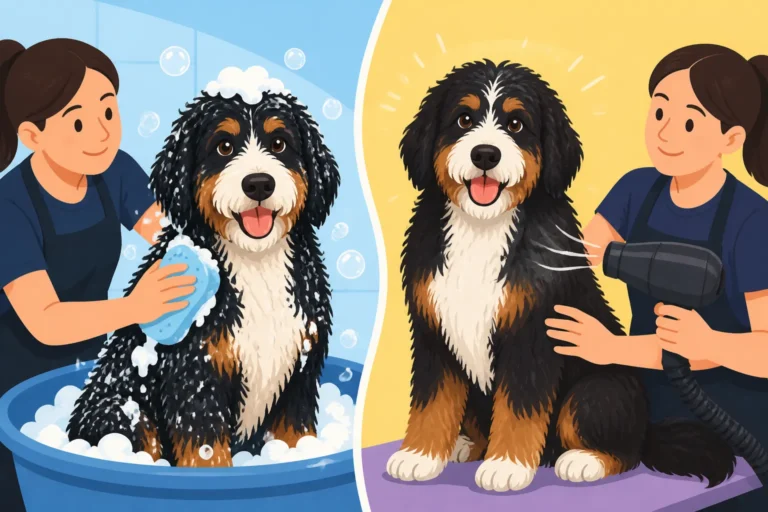
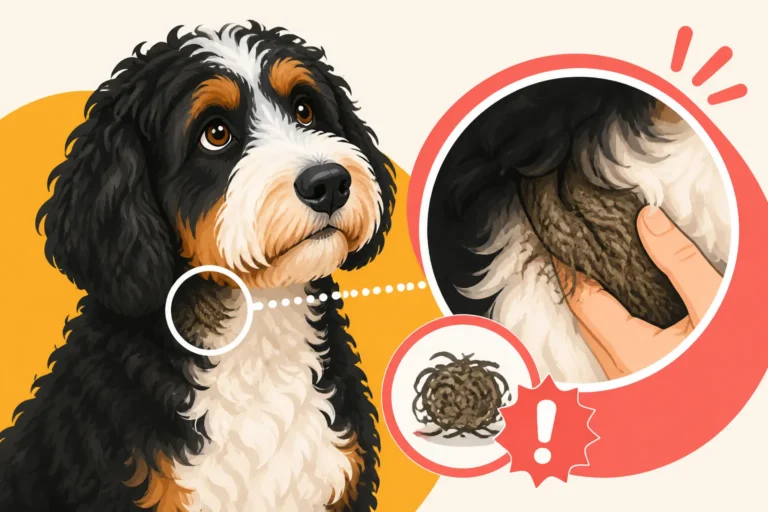
- Thorough Drying: Bernedoodles have thick coats that can take a long time to dry naturally, especially if they have that dense Bernese undercoat. Damp fur, particularly in warm weather, creates a perfect environment for bacterial and fungal growth, leading to painful hot spots or other skin irritations. Towel dry them thoroughly, focusing on areas like their armpits, groin, and behind their ears. For a deeper dry, especially if they have a very dense or curly coat, a force dryer can be a game-changer. These blowers quickly remove water from the coat down to the skin, drastically reducing drying time and preventing skin issues. This is especially important if you want to avoid Skin Problems Under a Bernedoodle's Heavy Coat.
- Ear Checks: Bernedoodles have floppy ears, which restrict airflow to the ear canal, making them prone to ear infections. Water trapped in the ear canal after swimming or splashing is a common culprit. After every pool session, gently clean and dry their ears with a cotton ball or a vet-approved ear cleaning solution. Regularly checking for Ear Infections in a Bernedoodle's Drop Ear is a good habit.
- Paw Pad Inspection: Check their paw pads for any signs of irritation, cuts, or excessive softness that could lead to injury. While a kiddie pool is generally safer than rough terrain, prolonged wetness can soften pads.
Alternatives and Complementary Cooling Methods
While a kiddie pool is a fantastic tool, it might not always be available or sufficient on its own. Integrating other cooling strategies can provide a comprehensive approach to keeping your Bernedoodle comfortable during hot weather.
Cooling Mats and Vests
Sometimes, your Bernedoodle needs relief indoors, or perhaps you're out on a patio where a pool isn't feasible. That's where cooling mats and vests come in handy.
- Cooling Mats: These mats are often gel-filled and designed to absorb and dissipate body heat without needing refrigeration or electricity. Your Bernedoodle just lies on them, and the mat's material draws heat away, providing a comfortable, cool spot. They are excellent for indoor use, crates, or even in the car. You can find a variety of styles and sizes on Amazon or Chewy.
- Cooling Vests: These vests typically work by being soaked in water and then worn by your dog. As the water evaporates from the vest, it cools your Bernedoodle's core. They are great for walks during slightly cooler parts of the day, or for keeping them comfortable when outdoors for short periods. However, always ensure they don't impede movement or cause discomfort.
You can explore a range of options for Cooling Mats, Vests and Water for a Bernedoodle to see which best suits your lifestyle and your Bernedoodle's needs.
Frozen Treats and Hydration
Keeping your Bernedoodle hydrated and offering internal cooling are simple yet effective methods.
- Ice Cubes: A classic for a reason! Many Bernedoodles love to crunch on ice cubes. You can add them to their water bowl or offer them as a treat.
- Frozen Kongs and Lick Mats: Fill a Kong with dog-safe peanut butter, plain yogurt, canned pumpkin, or even wet dog food, then freeze it. This provides a long-lasting, cooling treat that also offers mental stimulation. Similarly, a lick mat smeared with frozen broth or pureed fruit can keep them occupied and cool. Brands like Ollie offer healthy, fresh dog food options that can be used in these ways, or you can create your own with safe ingredients.
- Constant Access to Fresh Water: This is non-negotiable. Always ensure your Bernedoodle has access to a bowl of fresh, cool water, both indoors and outdoors. Consider placing multiple water bowls around the house and yard. During hot weather, adding a few ice cubes to their water can encourage them to drink more.
Strategic Exercise and Grooming Adjustments
Modifying daily routines and grooming habits can significantly impact your Bernedoodle's comfort in the heat.
- Timing is Everything for Exercise: Avoid walks or strenuous play during the hottest parts of the day, typically late morning to late afternoon. Stick to early mornings and late evenings when temperatures are much lower. Always check the pavement temperature with the back of your hand – if it's too hot for you, it's too hot for their paws.
- Grooming for Comfort: While it's tempting to shave your Bernedoodle down completely in summer, that can actually expose their skin to sunburn and disrupt the natural insulation their coat provides, paradoxically making it harder for them to regulate temperature. Instead, opt for a shorter, functional clip that reduces bulk while still providing some protection. A good groomer can advise on a "summer cut" that keeps them comfortable. Regular brushing also helps remove loose hair and promotes airflow. We have a detailed guide on Whether a Bernedoodle Should Be Clipped Short in Summer that you might find helpful. Also, consider the nuances of Whether a Shaved Bernedoodle Handles Heat Better – it's not always a straightforward yes!
By combining the cooling benefits of a kiddie pool with these other thoughtful strategies, you can ensure your Bernedoodle enjoys a safe, comfortable, and fun summer, no matter how high the mercury climbs.
Disclaimer
This article is for general informational purposes only and does not constitute professional advice. Laws, prices and regulations vary by location and change over time. Consult a qualified professional for guidance on your specific situation.