The Foods That Are Dangerous to a Bernedoodle
One of the biggest worries for any Bernedoodle parent is making sure our furry family members stay healthy and safe. It's especially true when it comes to what they eat. With so many human foods around, it's easy to accidentally offer something that could be harmful, or for our curious Bernedoodles to sneak a bite. This guide is here to shed light on common foods that are surprisingly dangerous for your Bernedoodle, helping you keep their wagging tail happy and their tummy safe.
Common Household Foods That Are Surprisingly Toxic
It’s astonishing how many everyday items we consume without a second thought can be incredibly dangerous for our canine companions. Our Bernedoodles, with their perpetually hungry eyes and often indiscriminate appetites, don’t know the difference between a tasty human treat and a trip to the emergency vet. Understanding these common culprits is the first step in prevention.
Chocolate and Caffeine: More Than Just a Sugar Rush
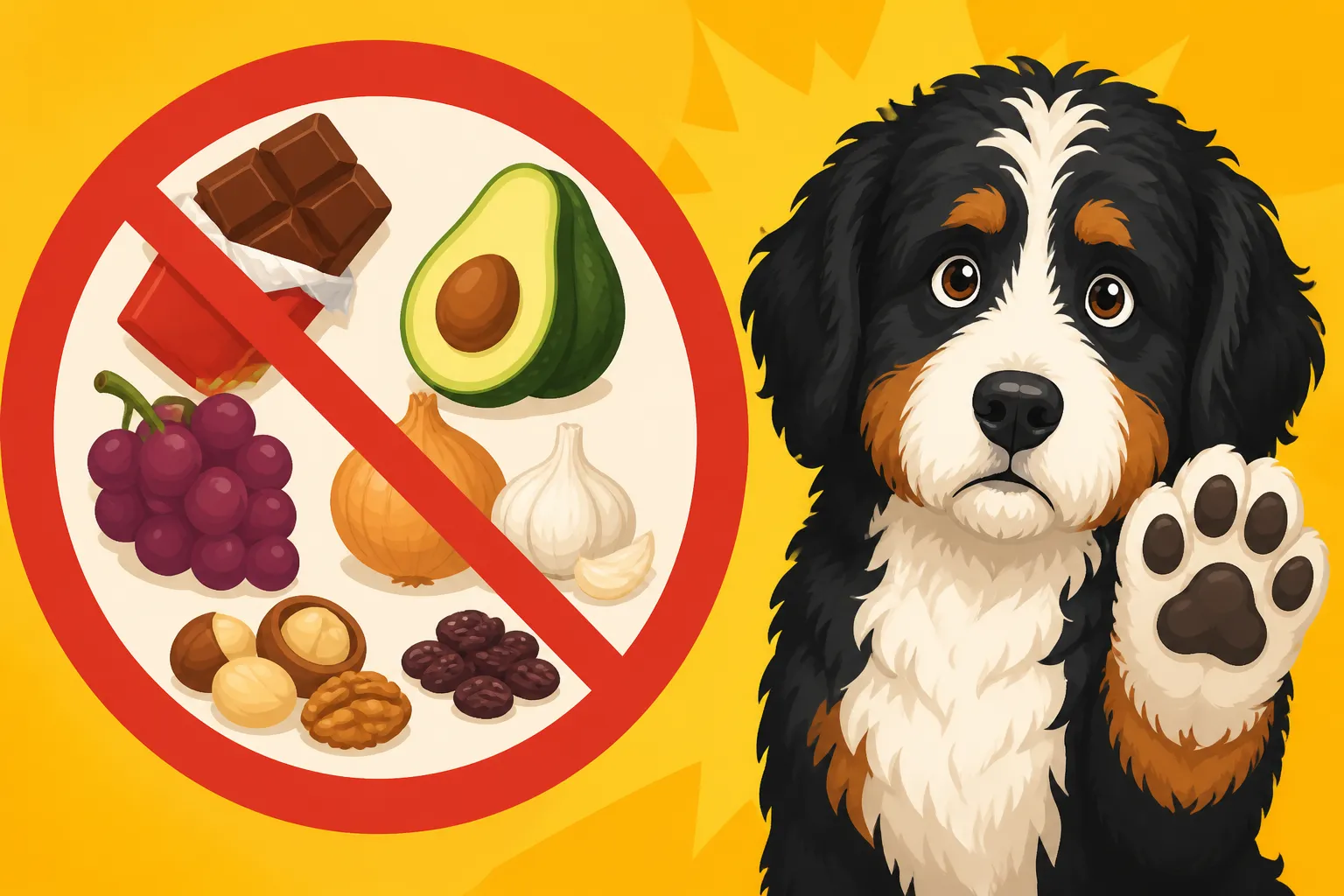
We all know chocolate is bad for dogs, but do we truly understand why and just how dangerous it can be? The culprit is a substance called theobromine, which Bernedoodles and other dogs metabolize much slower than humans. This means it stays in their system for longer, accumulating to toxic levels. Caffeine, found in coffee, tea, and even some sodas, works similarly and can also be very harmful.
Symptoms of chocolate or caffeine poisoning can range from mild digestive upset like vomiting and diarrhea to more severe issues such as hyperactivity, tremors, seizures, and even cardiac arrest. The darker the chocolate, the higher the concentration of theobromine, making baker's chocolate and dark chocolate particularly deadly. Even a small amount of dark chocolate can be enough to cause serious problems for a large Bernedoodle, let alone a smaller one. Always ensure chocolate is stored securely and out of reach. Think about all the places chocolate might hide – cookies, brownies, candy bars, cocoa powder in your pantry, and even chocolate-covered espresso beans. It's a pervasive threat, and vigilance is key. If you suspect your Bernedoodle has ingested chocolate, contact your vet immediately.
Grapes, Raisins, and Currants: A Mysterious Menace
This one is truly baffling because the exact toxic agent in grapes, raisins, and currants is still unknown, but the effect on dogs is clear and terrifying: acute kidney failure. What makes it even scarier is that there’s no clear correlation between the amount ingested and the severity of the reaction. Some dogs can eat a handful and be fine, while others can consume just a few and develop life-threatening kidney issues. Because of this unpredictable nature, it's always best to treat them as highly toxic.
Symptoms can include vomiting, lethargy, diarrhea, and decreased appetite, often appearing within hours of ingestion. As kidney function deteriorates, dogs may show signs of increased thirst and urination, eventually leading to a lack of urine production. It's a slow and agonizing process if left untreated. Be especially mindful during holiday seasons when items like fruitcake, raisin bread, or even a dropped handful of grapes could pose a risk. These are tricky because they often show up in unexpected places. If your Bernedoodle gets into any of these fruits, seek veterinary attention without delay.
Xylitol: The Sweetener Hidden Everywhere
Xylitol is arguably one of the most dangerous toxins for dogs, precisely because it’s a silent killer hidden in so many common household products. It’s a sugar substitute that, when ingested by dogs, causes a rapid and profound release of insulin from their pancreas. This leads to a sudden and severe drop in blood sugar (hypoglycemia), which can be fatal. In higher doses, xylitol can also cause liver failure.
You’ll find xylitol in sugar-free gum, mints, candies, chewable vitamins, toothpaste, mouthwash, and many diet and "sugar-free" baked goods. It’s even present in some brands of peanut butter – a staple treat for many dog owners! Always, always check the ingredient list of any human food you plan to share with your Bernedoodle, especially peanut butter. If you see xylitol, it's an absolute no-go. Symptoms of xylitol poisoning can appear within 15-30 minutes and include vomiting, weakness, staggering, collapse, and seizures. Time is of the essence if ingestion is suspected. Many pet-safe treats available on platforms like Chewy or Amazon ensure they are xylitol-free, so stick to those trusted sources.
Produce and Pantry Staples to Avoid
Beyond the obvious dangers, there are several seemingly innocuous fruits, vegetables, and pantry items that can also cause significant health problems for your Bernedoodle.
Onions, Garlic, Leeks, and Chives: The Allium Family
This entire family of plants (known as Alliums) contains compounds that can damage a dog’s red blood cells, leading to anemia. While garlic and onions are often celebrated for their health benefits in human diets, for dogs, they are strictly off-limits. The damage isn't always immediate; sometimes, it's a cumulative effect from repeated small exposures over time.
Symptoms of allium toxicity can include lethargy, weakness, pale gums, increased heart rate, rapid breathing, and reddish-brown urine. It’s not just the raw forms that are dangerous; cooked, powdered, or dehydrated onions and garlic are just as toxic. Think about common ingredients in many human meals: onion powder in spice blends, garlic in sauces and gravies, even baby food if it contains onion. Your Bernedoodle's sensitive system simply cannot process these compounds safely. Always be wary of table scraps that might contain these ingredients, even in small amounts.
Avocado: A Debatable Danger
Avocado is a bit of a tricky one, and you might hear conflicting advice. While some sources say the flesh itself is safe in small quantities, the primary concern comes from a fungicidal toxin called persin, which is present in the pit, skin, and leaves of the avocado plant. For dogs, persin can cause gastrointestinal upset, including vomiting and diarrhea.
However, even if the flesh is theoretically "safe," the large pit presents a significant choking hazard and can cause an obstruction if swallowed. A standard or mini Bernedoodle could easily attempt to swallow an avocado pit, leading to an emergency situation that might require surgery. Bloat in a Standard Bernedoodle's Deep Chest is a serious concern for many larger breeds, and while avocado isn't a direct cause, any obstruction or severe GI upset can exacerbate existing health vulnerabilities. Therefore, it's usually best to simply avoid feeding avocado to your Bernedoodle altogether to eliminate both the persin risk and the choking/obstruction hazard.
Nuts, Especially Macadamias
While many nuts are high in fat and can cause stomach upset or pancreatitis in dogs, macadamia nuts are uniquely toxic. Even a small number of macadamia nuts can lead to severe symptoms in Bernedoodles, including weakness, tremors, vomiting, fever, and depression. The exact toxin is unknown, but the effects are clear and can be quite distressing to witness.
Other nuts, while not directly toxic like macadamias, still pose risks. Walnuts, pecans, and almonds are high in fat, and a sudden influx of rich, fatty foods can trigger pancreatitis – a painful inflammation of the pancreas. Pancreatitis in a Bernedoodle is a serious condition that requires immediate veterinary attention. Furthermore, all nuts present a choking hazard, especially for a large dog who might inhale them rather than chewing thoroughly. The hard shells of some nuts can also cause internal damage or blockages. For these reasons, it's best to keep all nuts away from your Bernedoodle.
Raw and Risky: Foods That Carry Hidden Dangers
While some people advocate for raw feeding, there are inherent risks with certain raw or undercooked items that every Bernedoodle owner should be aware of. The dangers often outweigh the perceived benefits, especially when it comes to bones, yeast, and alcohol.
Raw or Undercooked Meat, Eggs, and Bones
The concept of a raw diet can sound appealing, conjuring images of ancestral wolves, but domesticated Bernedoodles have different needs and risks. Raw or undercooked meats and eggs can harbor dangerous bacteria like Salmonella and E. coli, which can cause severe gastrointestinal illness in dogs and can even be transmitted to humans in the household. Symptoms include vomiting, diarrhea, lethargy, and fever. While some commercial raw food diets are formulated to mitigate these risks, simply feeding raw meat from the grocery store is not advisable.
Raw bones, too, are often debated. While some claim they are natural dental aids, they come with significant risks. Bones can splinter, causing internal punctures or blockages. They can also get lodged in the throat, stomach, or intestines, leading to a life-threatening emergency. Cooked bones are even more dangerous as they are more brittle and prone to splintering. It's always safer to opt for veterinarian-approved chew toys or dental treats instead of offering bones. As for eggs, while cooked eggs can be a nutritious treat, raw egg whites contain avidin, an enzyme that can interfere with biotin absorption, though this is usually only a concern with large quantities over a long period. The primary risk with raw eggs is again salmonella.
Yeast Dough: The Expanding Problem
If you're a baker, keep your rising dough well away from your Bernedoodle! Raw yeast dough is incredibly dangerous. Once ingested, the warm, moist environment of your Bernedoodle's stomach acts as an incubator, causing the yeast to ferment and the dough to expand. This expansion can lead to bloat, a life-threatening condition where the stomach twists (gastric dilatation-volvulus or GDV). Bernedoodles, especially standard sizes, are already a deep-chested breed, making them particularly susceptible to bloat. The Chest That Puts a Standard Bernedoodle at Bloat Risk is a serious anatomical predisposition that owners must be aware of.
Beyond the physical expansion, the fermenting yeast also produces alcohol, which can be absorbed into the bloodstream, leading to alcohol poisoning. Symptoms can include vomiting, abdominal pain, disorientation, staggering, weakness, and even respiratory failure or coma. This is an urgent veterinary emergency. Ensure all bread doughs are kept securely covered and out of reach of curious noses.
Alcohol and Hops: Human Pleasures, Pet Peril
It might seem obvious, but any form of alcohol is extremely toxic to dogs, far more so than to humans. Even small amounts can lead to severe intoxication, respiratory depression, coma, and death. Alcohol can be found in beverages, raw yeast dough, and even some rotting fruits. Your Bernedoodle's liver simply isn't equipped to process alcohol safely.
Another lesser-known but equally dangerous item for dogs, especially for large breeds like Bernedoodles, is hops. Hops are used in brewing beer and can be found in gardens where people grow them for homebrewing. Ingestion of hops can cause a rapid and drastic rise in body temperature, known as malignant hyperthermia, along with panting, seizures, and death. If you brew at home or have hops in your garden, ensure your Bernedoodle has absolutely no access to them.
Long-Term Concerns and Prevention
Understanding immediate toxic threats is crucial, but it's also important to consider long-term health implications from inappropriate feeding and how to maintain a safe environment for your Bernedoodle.
High-Fat Foods and Pancreatitis
While specific toxins cause acute crises, a diet consistently high in fat or a single large fatty meal can lead to serious health issues, particularly pancreatitis. Your Bernedoodle might beg for a bite of bacon, some fatty meat trimmings, or a dollop of gravy, but these seemingly harmless treats can have dire consequences. The pancreas, responsible for producing digestive enzymes and hormones like insulin, can become inflamed, leading to excruciating abdominal pain, severe vomiting, diarrhea, and lethargy.
Repeated bouts of pancreatitis can cause lasting damage to the pancreas, potentially leading to diabetes or chronic digestive issues. It's not worth the risk, no matter how much those puppy dog eyes plead. Keeping your Bernedoodle at a healthy weight also significantly reduces their risk of various health problems, including joint issues and metabolic disorders. Whether an Overweight Bernedoodle Loses Years emphasizes the importance of a balanced diet and portion control for their overall longevity. Stick to lean, healthy treats that are specifically formulated for dogs or vet-approved fruits and vegetables like carrots or apple slices (without seeds).
Prevention: Keeping Your Bernedoodle Safe
Preventing accidental ingestion of dangerous foods is paramount. Here are some actionable steps you can take:
- Secure Trash Cans: Invest in sturdy trash cans with secure lids. A determined Bernedoodle can be surprisingly resourceful when food is involved.
- Educate the Household: Make sure everyone in your family, including children and guests, knows which foods are off-limits for your Bernedoodle. A simple chart on the fridge can be a great reminder.
- Proper Food Storage: Keep all human foods, especially toxic ones like chocolate and xylitol products, in high cabinets or secure containers. Don't leave groceries unattended on counters. Many secure food containers can be found on Amazon.
- "Leave It" Command: Teach your Bernedoodle a solid "leave it" command. This can be a lifesaver if they spot something dangerous on the floor during a walk or if you drop something in the kitchen. [Teaching a Bernedoodle Not to Steal Food] offers great tips for addressing this natural canine inclination.
- Emergency Plan: Know your veterinarian's emergency contact information and the location of the nearest 24-hour animal hospital. Keep the number for a pet poison control hotline (like the ASPCA Animal Poison Control Center) handy. Time is critical in cases of poisoning.
- Safe Treat Alternatives: Instead of sharing human food, offer your Bernedoodle safe and healthy treats. Many pet stores and online retailers like Chewy offer a wide variety of dog-specific treats. You can also give small amounts of plain, cooked chicken, green beans, carrots, or blueberries as healthy snacks. Products from brands like Ollie often emphasize whole, safe ingredients, making it easier to trust what you're feeding your pup. Remember, The Daily Cups a Standard Bernedoodle Needs should primarily come from their balanced dog food, with treats being a very small percentage of their overall intake.
By being mindful of what’s on your counters and educating everyone who interacts with your Bernedoodle, you can create a safe environment where your beloved companion can thrive without the hidden dangers of human food. The peace of mind knowing your Bernedoodle is safe is truly priceless, though the cost of an emergency vet visit, as discussed in What a Bernedoodle Costs Over Its Whole Life, certainly highlights the financial benefit of prevention too.
Dangerous Foods for Bernedoodles: A Quick Reference
| Food Item | Primary Danger | Symptoms | Urgency |
|---|---|---|---|
| Chocolate & Caffeine | Theobromine & caffeine toxicity | Vomiting, diarrhea, hyperactivity, tremors, seizures, cardiac issues | High |
| Grapes, Raisins, Currants | Unknown toxin, kidney failure | Vomiting, lethargy, diarrhea, increased thirst/urination, kidney failure | High |
| Xylitol (Artificial Sweetener) | Rapid insulin release, hypoglycemia, liver failure | Vomiting, weakness, staggering, collapse, seizures, liver failure | Critical |
| Onions, Garlic, Leeks, Chives | Red blood cell damage, anemia | Lethargy, weakness, pale gums, rapid breathing, reddish urine | Medium |
| Avocado (pit, skin, leaves) | Persin toxin, choking hazard (pit) | Vomiting, diarrhea, potential obstruction | Medium |
| Macadamia Nuts | Unknown toxin, neurological effects | Weakness, tremors, vomiting, fever, depression | Medium |
| Other High-Fat Nuts (e.g., Walnuts) | High fat content, pancreatitis, choking | Vomiting, diarrhea, abdominal pain, lethargy | Medium |
| Raw/Undercooked Meat & Eggs | Salmonella, E. coli, biotin deficiency (eggs) | Vomiting, diarrhea, lethargy, fever | Medium |
| Cooked Bones | Splintering, choking, internal damage | Choking, vomiting, constipation, internal bleeding | High |
| Raw Yeast Dough | Bloat, alcohol poisoning | Vomiting, abdominal distension, disorientation, staggering, collapse | Critical |
| Alcohol | Alcohol poisoning | Vomiting, disorientation, staggering, difficulty breathing, coma | Critical |
| Hops (used in beer brewing) | Malignant hyperthermia | Rapid rise in body temperature, panting, seizures, death | Critical |
| High-Fat Foods (e.g., bacon, gravies) | Pancreatitis | Vomiting, diarrhea, abdominal pain, lethargy | Medium |
Disclaimer
This article is for general informational purposes only and does not constitute professional advice. Laws, prices and regulations vary by location and change over time. Consult a qualified professional for guidance on your specific situation.