Pancreatitis in a Bernedoodle
One of the scariest calls a Bernedoodle parent can get from their vet is the one about pancreatitis. It's a sudden, intensely painful, and potentially life-threatening inflammation of the pancreas, and it can hit your beloved furry family member seemingly out of nowhere. We’re going to dive deep into what pancreatitis is, why it might affect your Bernedoodle, how to spot the signs, and most importantly, what you can do to help them through it and prevent future episodes.
Understanding Pancreatitis in Bernedoodles
Pancreatitis is a condition that really throws a wrench in your dog's digestive system. When it strikes, it's not just a minor tummy ache; it's a serious medical emergency that demands immediate attention. Understanding what's happening inside your Bernedoodle's body is the first step to being a proactive and informed owner.
What Exactly is Pancreatitis?
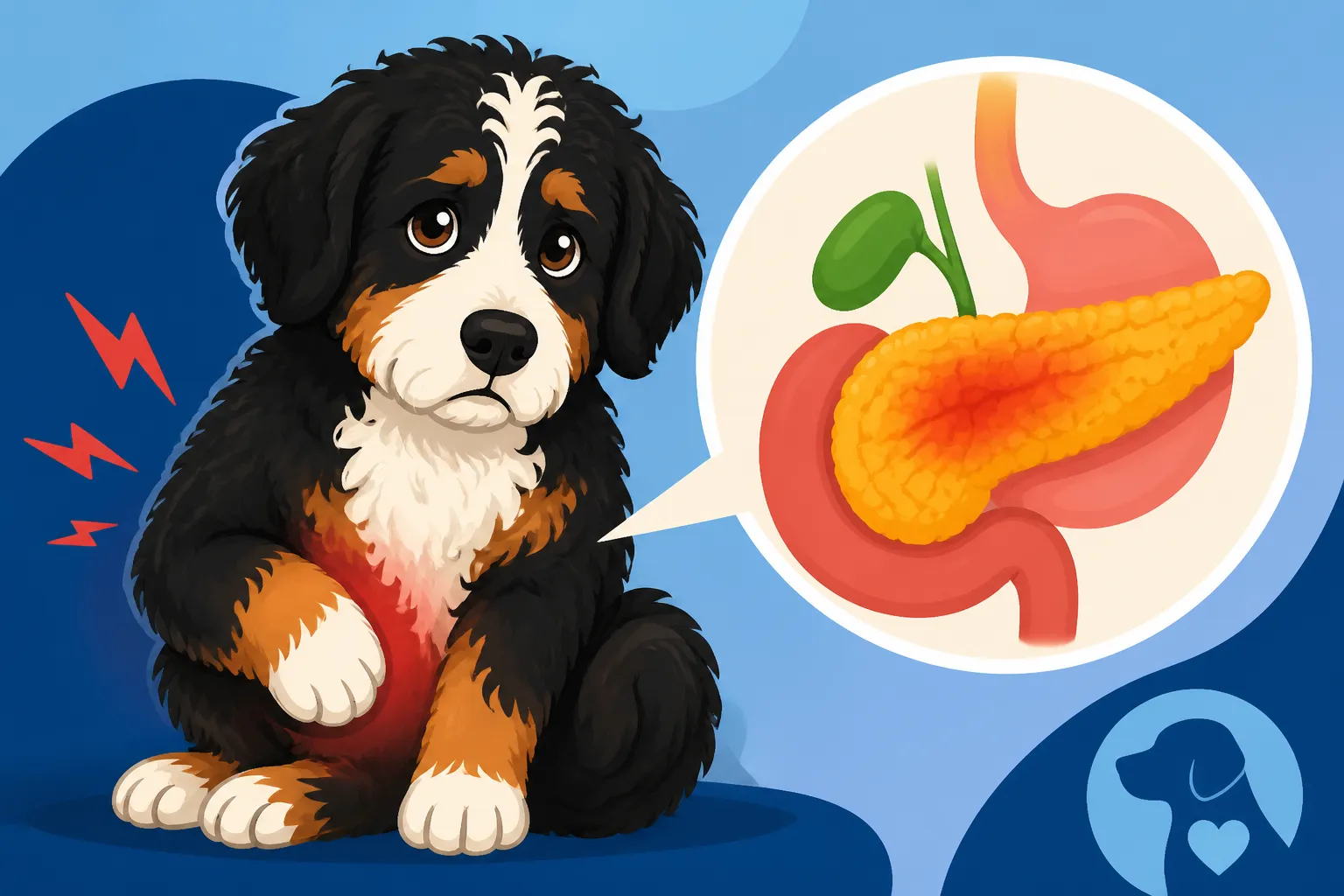
At its simplest, pancreatitis means inflammation of the pancreas. Now, the pancreas itself is a relatively small, leaf-shaped organ tucked away near the stomach and small intestine. It actually has two incredibly important jobs. First, it produces powerful digestive enzymes that break down fats, proteins, and carbohydrates in the food your Bernedoodle eats. These enzymes are normally inactive until they reach the small intestine, where they're needed. Its second critical role is producing hormones like insulin, which helps regulate blood sugar.
When pancreatitis occurs, these digestive enzymes activate prematurely while still inside the pancreas. Imagine highly corrosive chemicals being unleashed inside the organ itself – that's essentially what happens. These activated enzymes start to digest the pancreas, and sometimes even surrounding organs and tissues, leading to severe inflammation, pain, and damage. It’s a vicious cycle that can quickly escalate, causing systemic issues throughout the body if not addressed. The sudden onset and intense pain are truly heartbreaking to witness in your usually goofy, loving Bernedoodle.
Why Bernedoodles Might Be Prone
While pancreatitis can affect any dog breed, some breeds, or mixes like our wonderful Bernedoodles, might have certain predispositions or factors that increase their risk. It's not a direct genetic link unique to Bernedoodles in the same way some conditions are, but rather a combination of factors related to their parent breeds and lifestyle.
For instance, Miniature Poodles are sometimes cited as a breed with a higher incidence of pancreatitis, and since the Poodle is one half of your Bernedoodle's genetic makeup, this could potentially play a role. Bernese Mountain Dogs, the other half, are known for a predisposition to certain cancers and other health issues, so while not directly linked to pancreatitis, overall robust health and a balanced diet are always paramount. Obesity is a significant risk factor, and if your Bernedoodle is carrying too many pounds, their risk dramatically increases. We all love to spoil our pups, but understanding that Whether an Overweight Bernedoodle Loses Years of their life from conditions like pancreatitis really puts things into perspective. Rich, fatty foods, especially table scraps from a holiday meal, are notorious triggers for pancreatitis. Think about that greasy piece of bacon or that dollop of gravy – while a tiny bit might seem harmless, it can push a sensitive system over the edge.
Stress, certain medications (like some diuretics or anti-seizure drugs), and even blunt abdominal trauma can also be contributing factors. It's truly a multi-faceted condition, which can make pinpointing the exact cause in an individual Bernedoodle quite challenging for your vet.
Acute vs. Chronic Pancreatitis
Pancreatitis isn't a one-size-fits-all diagnosis; it can manifest in two main forms: acute and chronic. Understanding the difference is crucial for how the condition is managed and what you, as an owner, might face.
Acute pancreatitis is what most people typically think of when they hear the term. It's characterized by a sudden, severe onset of symptoms. Your Bernedoodle might go from perfectly fine to gravely ill in a matter of hours. The pain is intense, the vomiting is relentless, and they become lethargic and extremely unwell. This form often requires immediate, aggressive veterinary intervention, sometimes including hospitalization with intravenous fluids, pain medication, and anti-nausea drugs. The good news is that with prompt and proper treatment, many dogs can recover completely from an acute episode, though they'll likely need careful dietary management going forward to prevent recurrence.
Chronic pancreatitis, on the other hand, is a more insidious, long-standing inflammation of the pancreas. The symptoms tend to be milder, waxing and waning over weeks or months, and might not be as dramatic as an acute attack. Your Bernedoodle might have intermittent episodes of decreased appetite, mild vomiting, or just seem generally "off" without exhibiting the severe, obvious distress of acute pancreatitis. Because the symptoms are less pronounced, chronic pancreatitis can sometimes go undiagnosed for longer, leading to more subtle but progressive damage to the pancreas over time. This can eventually lead to complications like exocrine pancreatic insufficiency (EPI), where the pancreas can no longer produce enough digestive enzymes, or even diabetes, if the insulin-producing cells are permanently damaged. Managing chronic pancreatitis involves consistent dietary control and sometimes enzyme supplementation to support digestion.
Recognizing the Alarming Signs of Pancreatitis
Knowing your Bernedoodle's normal behavior is your superpower as an owner. When pancreatitis strikes, the signs can be quite obvious and distressing, but sometimes they can be subtle, especially in the early stages or with chronic forms. Don't wait if you suspect something is wrong; early intervention can make all the difference.
Common Symptoms and Their Urgency
When pancreatitis hits hard, your Bernedoodle will likely make it very clear they're in distress. These are the classic, urgent symptoms that scream "vet visit NOW":
- Repeated Vomiting: This isn't just one or two times; it's persistent, often unproductive retching even after there's nothing left in their stomach. It can quickly lead to dehydration.
- Severe Abdominal Pain: Your Bernedoodle might whimper, cry, or even snap if you try to touch their belly. Their abdomen might feel tense or bloated. You might notice them adopting a "prayer position" – front legs down, hind end up – which they do to try and relieve pressure on their painful abdomen.
- Loss of Appetite (Anorexia): Even their favorite treats won't tempt them. They'll refuse food and water, which further complicates dehydration.
- Profound Lethargy and Weakness: They'll be unusually tired, not wanting to move, and appear weak or listless. This is more than just being sleepy; it's a deep malaise.
- Diarrhea: Often, but not always, accompanied by vomiting. The stool might be loose, watery, and sometimes fatty or greasy in appearance, particularly in chronic cases.
- Dehydration: Sunken eyes, dry gums, and skin that doesn't snap back quickly when pinched are all indicators.
If you observe any combination of these symptoms, especially if they appear suddenly, consider it an emergency. Don't try to "wait and see" or treat it at home. Your Bernedoodle needs professional help.
Subtle Clues You Might Miss
Sometimes, especially with milder or chronic pancreatitis, the signs aren't as dramatic, and it's easy to dismiss them as just "a bad day." However, being observant can help you catch things earlier:
- Restlessness or Inability to Get Comfortable: They might pace, constantly shift positions, or struggle to lie down without groaning, indicating general discomfort.
- Hunched Back: Similar to the prayer position, a hunched posture can be a subtle sign of abdominal pain. They might stand with their back arched, trying to alleviate pressure.
- Fever: While not always present, a fever can accompany inflammation. You might notice your Bernedoodle feels unusually warm to the touch.
- Changes in Stool: Even without full-blown diarrhea, you might notice softer stools, or stools that appear greasy or light-colored due to undigested fat. This can be a sign of impaired pancreatic function.
- Reluctance to Play or Move: Your usually energetic Bernedoodle might suddenly seem uninterested in walks or games, preferring to lie down quietly. This could be pain or just a general feeling of unwellness.
- Intermittent Vomiting or Nausea: Instead of constant vomiting, they might have occasional bouts of throwing up, or just seem nauseous (lip licking, drooling) for short periods.
These subtle signs, especially if they recur or seem out of character for your Bernedoodle, warrant a call to your vet. It's always better to be safe than sorry, and getting a professional opinion can prevent a minor issue from becoming a major crisis.
When to Seek Emergency Veterinary Care
Let me be absolutely clear: if you suspect pancreatitis, especially if your Bernedoodle is actively vomiting, experiencing severe pain, or is extremely lethargic, you need to seek emergency veterinary care immediately. This is not a condition you can tackle at home with a bland diet and watchful waiting.
Pancreatitis can rapidly lead to severe dehydration, electrolyte imbalances, and in some cases, a cascade of systemic inflammatory responses that can affect other organs, including the kidneys and heart. It can progress to a condition called Disseminated Intravascular Coagulation (DIC), which is extremely serious and life-threatening. The pain itself is a welfare issue, and your dog deserves relief as quickly as possible. Don't hesitate. Call your regular vet if it's during business hours, or head straight to the nearest emergency veterinary hospital. Time is of the essence, and prompt, aggressive treatment significantly improves the prognosis for recovery.
Diagnosing Pancreatitis in Your Bernedoodle
When you arrive at the vet with a suspected case of pancreatitis, it can feel overwhelming. Knowing what to expect during the diagnostic process can help you feel a bit more prepared and understand the decisions your veterinary team is making.
The Vet Visit: What to Expect
Upon arrival, your vet will perform a thorough physical examination of your Bernedoodle. They’ll likely check their temperature, heart rate, respiratory rate, and hydration status. Palpating the abdomen (gently feeling their belly) is a critical part of this, as it often reveals the characteristic pain associated with pancreatitis. Your vet will also ask you a lot of questions about your Bernedoodle's recent history: what they’ve eaten, any new treats or table scraps, when symptoms started, frequency of vomiting or diarrhea, and any medications they might be on. This detailed history, combined with the physical exam, often raises the initial suspicion of pancreatitis.
It's also important for your vet to rule out other serious conditions that can present with similar symptoms, like a severe gastrointestinal upset, an intestinal foreign body, or even something as critical as Bloat in a Standard Bernedoodle's Deep Chest. The symptoms can overlap, so a comprehensive approach is necessary.
Diagnostic Tests Explained
To confirm a diagnosis of pancreatitis and assess its severity, your vet will typically recommend a series of diagnostic tests:
- Blood Work:
- Complete Blood Count (CBC): This checks red and white blood cell counts. With pancreatitis, you might see an elevated white blood cell count (indicating inflammation or infection) and possibly an elevated red blood cell count if your dog is dehydrated.
- Chemistry Panel: This evaluates organ function and electrolyte balance. Your vet will be looking at kidney and liver values, glucose, and electrolytes. Imbalances are common with vomiting and dehydration.
- Canine Pancreatic Lipase Immunoreactivity (cPLI) Test: This is considered the most specific blood test for diagnosing pancreatitis in dogs. The pancreas produces an enzyme called lipase, and in pancreatitis, levels of pancreatic-specific lipase increase significantly in the blood. A high cPLI result is a strong indicator of pancreatitis. Some vets have in-house tests for a quick screening, while others send out for a more quantitative result.
- Imaging:
- Abdominal Ultrasound: This is arguably the most valuable imaging tool for diagnosing pancreatitis. An ultrasound allows the vet to visualize the pancreas directly, looking for signs of inflammation, swelling, fluid accumulation around the pancreas, or even masses. It can also help rule out other abdominal issues.
- X-rays (Radiographs): While X-rays don't directly show the pancreas with much detail, they are important for ruling out other causes of abdominal pain and vomiting, such as an intestinal obstruction or the dreaded bloat (gastric dilatation-volvulus).
Ruling Out Other Conditions
As mentioned, many conditions can mimic the signs of pancreatitis. Your vet will be working to either confirm pancreatitis or rule out other possibilities:
- Dietary Indiscretion: Often called "garbage gut," this happens when a dog eats something they shouldn't, leading to vomiting and diarrhea. While it can be serious, it's typically less severe than pancreatitis and usually resolves with supportive care and a bland diet.
- Gastroenteritis: General inflammation of the stomach and intestines.
- Intestinal Blockage/Foreign Body: If your Bernedoodle has eaten something indigestible, it can cause severe vomiting, pain, and lethargy. X-rays are crucial here.
- Liver Disease or Kidney Disease: These can also cause nausea, vomiting, and lethargy.
- Addison's Disease: An adrenal gland disorder that can cause vague gastrointestinal signs and collapse.
- Cancer: Unfortunately, conditions like The Cancers That Take Bernedoodles Most Often can sometimes present with non-specific abdominal signs.
Your vet's comprehensive approach, combining clinical signs, blood tests, and imaging, helps to differentiate pancreatitis from these other potentially serious conditions, ensuring your Bernedoodle gets the correct and most effective treatment.
Managing and Treating Pancreatitis
Once pancreatitis is diagnosed, the focus immediately shifts to intensive management and supportive care. The goal is to reduce inflammation, manage pain, prevent complications, and give the pancreas a chance to heal.
Hospitalization and Supportive Care
For acute pancreatitis, especially moderate to severe cases, hospitalization is often necessary. Your Bernedoodle will receive:
- Intravenous (IV) Fluid Therapy: This is critical for combating dehydration from vomiting and for supporting circulation and kidney function. Fluids help flush out inflammatory mediators and maintain blood pressure.
- Pain Management: Pancreatitis is incredibly painful. Your Bernedoodle will likely receive strong opioid analgesics to keep them comfortable. Managing pain is not just about comfort; it's vital for their recovery, as stress and pain can worsen the condition.
- Anti-Nausea Medications: These drugs (antiemetics) are crucial to stop the vomiting, which in turn helps prevent further dehydration and electrolyte imbalances, and allows for the eventual reintroduction of food.
- Antibiotics (if indicated): While pancreatitis is not typically caused by bacteria, antibiotics may be used if there's a concern for secondary bacterial infection, especially in severe cases where pancreatic tissue might be damaged.
- Nutritional Support: Initially, the "resting" of the pancreas used to mean withholding all food and water. However, current veterinary thinking often emphasizes early nutritional support, sometimes through a feeding tube if the dog isn't eating on its own. This helps maintain the gut barrier and provides necessary nutrients for healing.
The length of hospitalization depends on the severity of the pancreatitis and how quickly your Bernedoodle responds to treatment. It can range from a few days to over a week in severe instances. It's an anxious time for any pet parent, but knowing your dog is receiving round-the-clock care is reassuring.
Dietary Management: The Cornerstone of Recovery
Once your Bernedoodle is stable and no longer vomiting, dietary management becomes the most crucial long-term strategy. This is not just about feeding them after recovery; it’s about preventing future flare-ups.
- Low-Fat Diet: The primary trigger for pancreatitis is often fat. Therefore, a very low-fat diet is essential. This usually means a prescription veterinary diet specifically formulated for pancreatic health, such as Royal Canin Gastrointestinal Low Fat or Hill's Prescription Diet i/d Low Fat. These diets are carefully balanced to be highly digestible while minimizing fat content.
- Frequent Small Meals: Instead of one or two large meals a day, feeding several small meals can be easier on the digestive system and less likely to overwhelm the pancreas. This is also a good strategy generally for large, deep-chested breeds to reduce the risk of other digestive issues like bloat.
- Strict Adherence: This means no table scraps, no fatty treats, and careful monitoring of anything else your Bernedoodle might ingest. Even small amounts of high-fat foods can trigger another attack. It’s hard to resist those puppy dog eyes, but it’s for their own good.
- Gradual Reintroduction: When your Bernedoodle is coming home, your vet will guide you on how to slowly reintroduce food. It will be a bland, low-fat diet, starting with tiny amounts and gradually increasing over several days.
Long-Term Management and Prevention
Bringing your Bernedoodle home after a pancreatitis scare means a commitment to vigilant long-term management to prevent recurrence.
- Ongoing Diet: The low-fat prescription diet will likely be your Bernedoodle's new normal for the foreseeable future, possibly for life. Deviating from it, even occasionally, carries significant risk. When considering Feeding a Bernedoodle That Will Reach Ninety Pounds, remember that quality, easily digestible, and appropriate food is paramount, especially for their sensitive systems.
- Weight Control: Maintaining a healthy weight is absolutely critical. Obesity is a major risk factor for pancreatitis. Work with your vet to ensure your Bernedoodle stays lean and fit. This might mean adjusting portion sizes or increasing appropriate exercise. You can find more tips on Keeping a Bernedoodle's Weight Down to help them maintain an ideal body condition.
- Avoidance of Fatty Treats and Scraps: This cannot be stressed enough. Those seemingly innocent bites of human food, especially cooked meats with fat, cheeses, or rich desserts, are like poison to a dog prone to pancreatitis. Stick to vet-approved, low-fat treats, or even better, non-food rewards.
- Regular Veterinary Check-ups: Consistent follow-up appointments with your vet are important to monitor your Bernedoodle's health, adjust medications if needed, and run blood tests to ensure their pancreatic enzyme levels are stable. The Screening a Bernedoodle Should Have Yearly is an important part of catching potential issues early.
- Medication Review: If your Bernedoodle is on any other medications, discuss with your vet whether any of them could potentially aggravate the pancreas.
By being diligent with these measures, you significantly reduce the risk of your Bernedoodle experiencing another painful episode of pancreatitis.
Living with a Bernedoodle Prone to Pancreatitis
Having a Bernedoodle with a history of pancreatitis can certainly change your daily routine and require a new level of awareness. But it doesn't mean you can't still enjoy a full and happy life together; it just means being a little smarter about certain things.
Adjusting Your Lifestyle
Your home environment and daily habits will likely need some adjustments to safeguard your Bernedoodle's health.
- Food Choices in the Home: Be extra careful about food left unattended on counters or in accessible trash cans. Bernedoodles are smart and can be quite adept at counter surfing! Secure all human food, especially during holidays or gatherings when richer dishes are present. Educate family members and guests about your Bernedoodle's dietary restrictions – explain that even a tiny bite of the wrong food can land them back at the emergency vet.
- Exercise Routines: While exercise is crucial for maintaining a healthy weight and overall well-being, listen to your Bernedoodle. During recovery from an acute episode, they’ll need rest. Once recovered, moderate, consistent exercise is great. Don't overdo it, especially if they are getting older. Think about What Changes in a Bernedoodle After Eight years old; their energy levels and joint health might mean less strenuous activities are more appropriate.
- Stress Reduction: Believe it or not, stress can sometimes contribute to physiological issues in dogs. A calm, consistent routine can be beneficial. If your Bernedoodle gets anxious in certain situations, discuss strategies with your vet or a certified dog behaviorist.
These small changes might seem like a lot at first, but they quickly become second nature when you know they are protecting your beloved companion.
The Role of Supplements and Medications
Beyond the low-fat diet, your vet might recommend certain supplements or medications to support your Bernedoodle's pancreatic health:
- Digestive Enzyme Supplements: If your Bernedoodle has developed Exocrine Pancreatic Insufficiency (EPI) as a result of chronic pancreatitis damage, they might not be producing enough of their own digestive enzymes. In these cases, pancreatic enzyme supplements are mixed with their food to help them digest nutrients. Without them, they can lose weight and suffer from malnutrition, even on a proper diet.
- Probiotics: Some vets suggest probiotics to support gut health, which can be beneficial during and after episodes of pancreatitis, as gut inflammation often accompanies the condition. Discuss specific strains and brands with your vet.
- Antacids/H2 Blockers: In some cases, to manage stomach upset or reduce stomach acid, your vet might prescribe medications like omeprazole or famotidine.
- Vitamin B12 Injections: Chronic pancreatitis can sometimes interfere with the absorption of Vitamin B12 (cobalamin), leading to deficiencies. Your vet might monitor B12 levels and recommend injections if needed.
- Omega-3 Fatty Acids: While fat in general is a concern, specific omega-3 fatty acids (like EPA and DHA found in fish oil) have anti-inflammatory properties and may be beneficial. However, the type and amount must be carefully selected and approved by your vet to ensure it doesn't trigger another attack. Avoid high-fat supplements without veterinary guidance.
Always consult your veterinarian before giving your Bernedoodle any supplements or over-the-counter medications to ensure they are safe and appropriate for their specific condition.
Financial Considerations and Pet Insurance
Let's be real: treating pancreatitis can be expensive. An acute episode requiring hospitalization, IV fluids, pain medication, anti-nausea drugs, blood tests, and ultrasound can easily run into thousands of dollars, especially if your Bernedoodle needs extended care. The thought of those costs on top of the worry for your dog's health can be incredibly stressful.
This is where pet insurance can be a literal lifesaver. Policies from providers like Healthy Paws can help cover a significant portion of these emergency veterinary bills. Imagine not having to make critical treatment decisions based on your wallet during such a distressing time. Many Bernedoodle owners find that investing in pet insurance, especially from a reputable provider like Healthy Paws, gives them immense peace of mind. It’s a way to ensure your Bernedoodle gets the best possible care without you having to choose between your savings and their health. The ongoing management, including prescription diets and potential long-term medications, also adds up, so having a good insurance plan in place before any health issues arise is definitely something to consider. What a Cancer Diagnosis Costs Before Treatment Starts highlights the general costs of diagnostics for severe conditions, and pancreatitis diagnostics are often in a similar range.
While no one wants to think about their dog getting sick, being prepared both medically and financially allows you to focus on what truly matters: your Bernedoodle's recovery and well-being.
Disclaimer
This article is for general informational purposes only and does not constitute professional advice. Laws, prices and regulations vary by location and change over time. Consult a qualified professional for guidance on your specific situation.