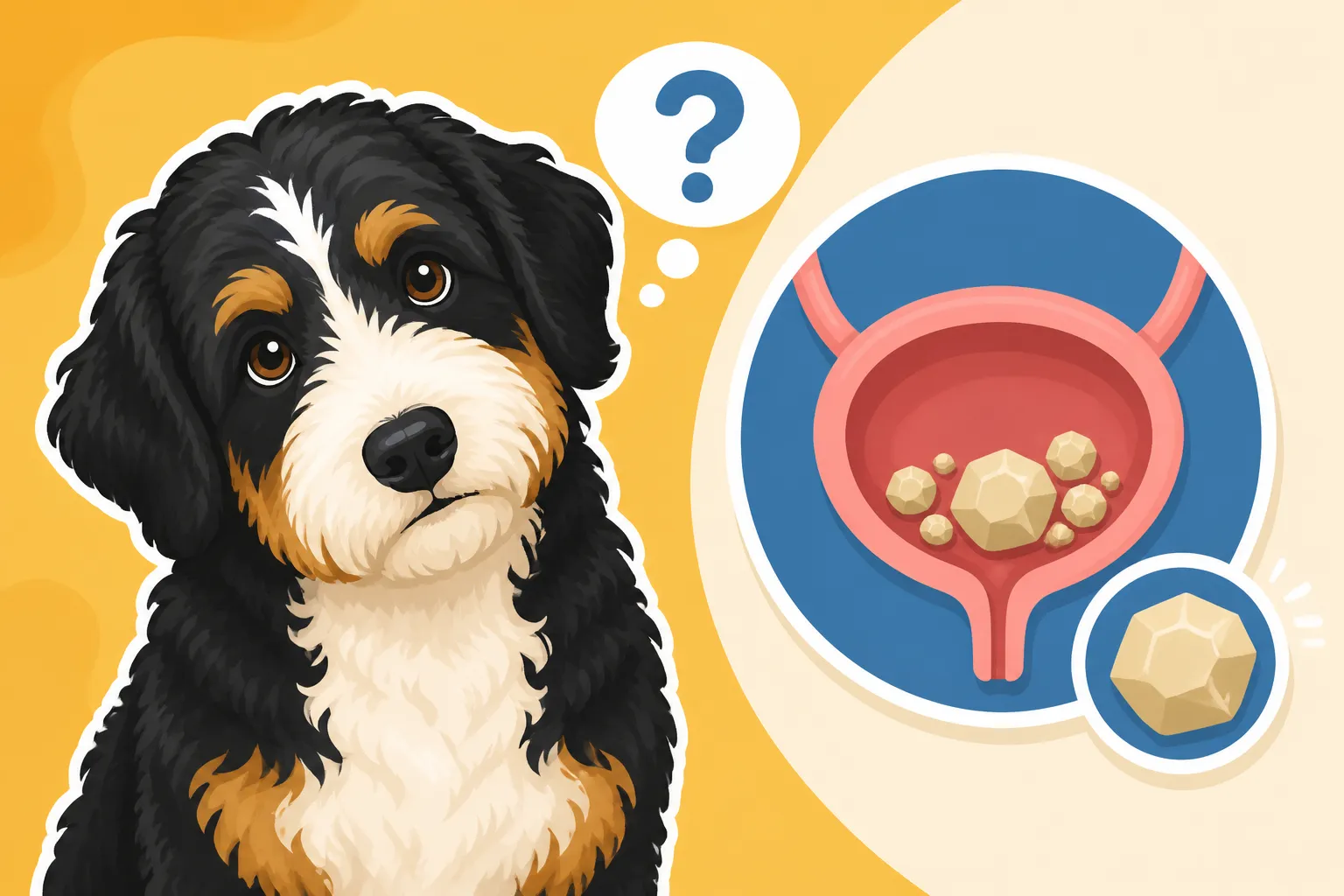
Whether a Bernedoodle Is Prone to Bladder Stones
As a Bernedoodle owner, or someone considering bringing one of these wonderful, fluffy companions into your life, you're constantly thinking about their well-being. It's natural to worry about all the potential health hiccups they might face, from joint issues to various cancers. One less common, but equally distressing, concern that often pops up in discussions is bladder stones. It's a question many ask: whether a Bernedoodle is specifically prone to bladder stones, and what you, as a loving owner, can do to prevent or manage them. This guide will walk you through everything you need to know, from formation to prevention.
Understanding Canine Bladder Stones and Their Formation
Bladder stones, known medically as uroliths or calculi, are solid mineral masses that can form in a dog's urinary bladder. Think of them like tiny, or sometimes not-so-tiny, pebbles that develop within the urinary tract. They can range from the size of a grain of sand to large, golf-ball-sized formations, and their presence can cause significant discomfort and serious health issues for your beloved Bernedoodle. It’s a frustrating and often painful condition that no pet parent wants their dog to endure.
What Exactly Are Bladder Stones?
At their core, bladder stones are concentrations of various minerals that crystallize out of a dog's urine. Imagine a situation where the urine becomes overly saturated with certain substances, or the pH balance shifts, creating an environment ripe for these crystals to form. Initially, these might just be microscopic crystals, often detectable only through a urinalysis during a routine vet visit. However, given enough time, the right conditions, and continued exposure to these factors, these tiny crystals can clump together, gradually growing larger and harder, eventually becoming the painful stones we’re talking about. It’s a bit like how stalagmites form in a cave, layer by layer, but much more concerning when it's happening inside your furry friend.
The Different Types of Urinary Calculi
It's not just one type of bladder stone; there are several, and knowing the specific type is crucial for effective treatment and prevention. The two most common culprits are struvite and calcium oxalate stones, making up the vast majority of cases seen in veterinary clinics. But don't let those two names be the only ones on your radar; other less common types include urate, cystine, and silicate stones. Each type forms under different conditions, often linked to specific dietary factors, urine pH, or underlying metabolic issues. For instance, struvite stones commonly form in alkaline urine and are frequently associated with urinary tract infections, whereas calcium oxalate stones tend to form in acidic urine. This distinction is paramount because what prevents one type of stone might actually encourage another, making a proper diagnosis from your vet absolutely essential.
Why Bladder Stones Develop in Dogs
The formation of bladder stones is a complex dance involving several factors, often a combination rather than a single cause. Diet plays a huge role; certain mineral levels in food can contribute to supersaturation in the urine. For example, diets high in magnesium, ammonium, and phosphorus are often linked to struvite stones, while high calcium or oxalate levels can lead to calcium oxalate stones. Hydration is another major player; dogs who don't drink enough water will have more concentrated urine, making it easier for crystals to form and clump. Urinary tract infections are frequently implicated, especially with struvite stones, as certain bacteria can alter urine pH, creating a prime environment for stone development. Genetics, as we’ll discuss, also contribute, with certain breeds having a predisposition. Furthermore, a dog's overall metabolism, any existing liver or kidney disease, and even the frequency of urination can all influence whether these frustrating stones take root. It's truly a multi-faceted problem that requires a holistic approach to address.
Pinpointing Bernedoodle Predisposition: Inherited Risk Factors
Now, let's get down to the core question: are Bernedoodles more prone to bladder stones than other dogs? It's easy to assume that because they're a "designer breed" or a cross, they might be either healthier or inherit a mixed bag of risks. The truth, as often is the case with canine health, is a bit more nuanced. While there isn't a specific "Bernedoodle bladder stone" risk, their parent breeds do carry some predispositions that are worth understanding.
The Poodle Connection to Bladder Stones
When we look at the Poodle side of the Bernedoodle equation, we do find a stronger genetic link to certain types of bladder stones. Standard Poodles, in particular, are among the breeds identified as having an increased risk for developing calcium oxalate stones. These stones are notoriously stubborn; they don't dissolve with diet changes and often require surgical removal. This genetic predisposition means that even if your Bernedoodle doesn't display any immediate symptoms, the genes for forming these crystals could be inherited from their Poodle parent. It's not a guarantee, of course, but it certainly raises the baseline level of vigilance for Bernedoodle owners. Knowing this upfront means you can be more proactive with preventative measures and regular health screenings as part of your Bernedoodle's overall care.
Considering the Bernese Mountain Dog Lineage
On the other hand, the Bernese Mountain Dog, while certainly prone to its own set of significant health concerns like certain cancers or joint problems, isn't typically highlighted as a breed with a strong, inherent predisposition to bladder stones. You won't find them topping the lists for calcium oxalate or struvite stones in the same way you might find Poodles or certain smaller breeds. However, that doesn't mean a Bernese-descended dog is entirely in the clear. Larger breeds, in general, can be susceptible to various health conditions, and factors like diet and overall health can always play a role. It's just that the specific genetic "flag" for bladder stones isn't as prominent on the Bernese side as it is with the Poodle. Still, when you're looking at The Twelve to Fifteen Years a Bernedoodle Is Sold On, understanding the full spectrum of inherited health traits from both parents is crucial for responsible ownership.
The Realities of Hybrid Vigor and Bladder Health in Bernedoodles
Many people choose Bernedoodles hoping for "hybrid vigor," the idea that crossing two purebreds will result in a healthier, more robust dog with fewer genetic issues. In some areas, like potentially reducing the incidence of certain single-gene diseases if the parent lines are carefully screened, this can hold true. However, hybrid vigor isn't a magic bullet that eradicates all inherited predispositions. If one parent breed, like the Poodle, carries a known genetic risk for calcium oxalate stones, there's a good chance that risk will be passed on to the Bernedoodle offspring. It's not about being more prone than a purebred Poodle, but rather carrying that same predisposition. Therefore, while your Bernedoodle might enjoy a longer, healthier life in many respects, you still need to be aware of the specific health risks inherited from both parent breeds. It means staying vigilant and ensuring that part of The Screening a Bernedoodle Should Have Yearly includes monitoring urinary health.
Spotting the Signs and Navigating Diagnosis & Treatment
Knowing that your Bernedoodle might have an inherited predisposition from their Poodle lineage means you need to be extra attentive to any signs that something might be amiss with their urinary health. It’s one of those things where early detection can make a world of difference in your dog's comfort and the ease of treatment. Missing these signs can lead to severe complications, including a life-threatening urinary blockage, especially in male dogs whose anatomy makes them more susceptible.
Recognizing the Subtle and Obvious Symptoms
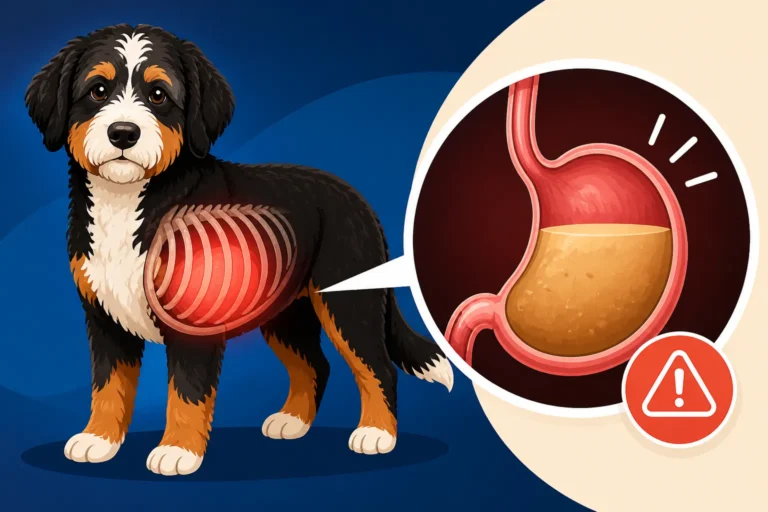
Your Bernedoodle can't tell you in words that their bladder hurts, so it's up to you to be their advocate and interpreter. The symptoms of bladder stones can range from subtle changes in behavior to very obvious signs of distress. You might notice them straining to urinate, often squatting repeatedly or holding their leg up for an extended period without much urine actually coming out. Increased frequency of urination is another common red flag; they might ask to go outside more often or even have accidents in the house, which is highly unusual for a house-trained dog. Keep an eye out for blood in their urine, which can appear as pinkish or reddish streaks. Other signs include excessive licking of their genital area, tenderness or pain in their abdomen, or a general lethargy and reluctance to play. If you observe any of these symptoms, even mild ones, it's not something to wait on. It could be a simple urinary tract infection, or it could be the beginnings of significant stone discomfort. Similarly, recognizing emergency signs like persistent retching that could indicate bloat (a risk for deep-chested dogs) is critical, as discussed in The Retching That Means a Bernedoodle Has Torsed.
The Veterinary Journey: From Suspicion to Diagnosis
Once you notice any suspicious symptoms, getting your Bernedoodle to the vet is the absolute next step. Your veterinarian will start with a thorough physical examination, likely feeling your dog's abdomen for any tenderness or an enlarged bladder. They'll also typically recommend a urinalysis, which involves analyzing a urine sample to check for blood, crystals, bacteria, and pH levels. This test is a crucial first step, often revealing the presence of microscopic crystals, which are the building blocks of stones.
However, a urinalysis alone isn't usually enough to confirm bladder stones or determine their type. The gold standard for diagnosis often involves imaging. X-rays can reveal most types of stones because their mineral content makes them visible. For stones that aren't radiopaque (meaning they don't show up on X-rays), or to get a clearer picture of their size and location, an ultrasound may be necessary. An ultrasound provides a real-time view of the bladder, allowing the vet to see the stones and assess the bladder wall for inflammation or other changes. In some cases, especially if a blockage is suspected, a contrast study might be performed. The accuracy of these diagnostic tools is paramount, allowing your vet to tailor the most effective treatment plan.
Treatment Pathways: Medical Management vs. Surgical Intervention
The treatment for bladder stones in your Bernedoodle depends heavily on the type of stone, its size, and whether there's an associated infection or blockage. For certain types of stones, like struvite, medical management can often be successful. This usually involves a combination of prescription therapeutic diets specifically formulated to dissolve the stones and antibiotics to clear up any underlying urinary tract infection. These specialized diets work by altering the urine's pH and reducing the concentration of the minerals that form the stones, essentially making the bladder a less hospitable environment for them. It’s a process that takes time, often several weeks to a few months, and requires regular rechecks with your vet, including repeat X-rays and urinalysis, to monitor progress.
Unfortunately, not all stones respond to dietary dissolution. Calcium oxalate stones, which Poodles are prone to, almost always require surgical removal, a procedure known as a cystotomy. This involves your vet surgically opening the bladder to physically remove the stones. While surgery can sound daunting, it's often the quickest and most definitive way to resolve the issue for non-dissolvable stones, providing immediate relief from pain and the risk of blockage. In very critical situations, especially with male dogs who develop a complete urinary blockage, emergency surgery is necessary to save their life. The financial aspect of these treatments can be a significant concern for many pet parents. It’s worth noting that comprehensive pet insurance, like a plan from Healthy Paws, can be incredibly helpful in covering a substantial portion of these unexpected veterinary bills, easing the burden during an already stressful time. Understanding What Cancer Treatment Costs a Bernedoodle Owner can give you an idea of the scale of expenses these major medical interventions can incur, making the case for early planning and insurance even stronger.
Lifelong Strategies for Preventing Bladder Stones in Your Bernedoodle
Dealing with bladder stones once is enough for any Bernedoodle owner, so the focus naturally shifts to prevention. The good news is that there's a lot you can do proactively to minimize the risk of these painful formations in your furry family member. Prevention is always better than cure, and with Bernedoodles, knowing their genetic predispositions means you can be particularly strategic in their care.
The Pivotal Role of Diet and Hydration
Diet is arguably the most powerful tool in your bladder stone prevention arsenal. Since different stone types form under specific conditions, tailoring your Bernedoodle's diet is critical. For dogs with a history of calcium oxalate stones, your vet might recommend a diet low in oxalates and proteins, while ensuring adequate moisture content. For struvite stones, a diet that acidifies the urine and is restricted in magnesium, ammonium, and phosphorus is usually prescribed. The key is to work closely with your veterinarian to choose the right therapeutic diet – these aren't just "special" foods you pick up at the pet store; they are carefully formulated prescription diets designed to manage urinary health. Feeding a large breed like a Bernedoodle means What Feeding a Ninety Pound Bernedoodle Costs can add up, but investing in the right diet is an investment in their health.
Beyond the specific formulation, hydration is paramount. Encouraging your Bernedoodle to drink plenty of water helps dilute their urine, making it harder for crystals to concentrate and form stones. Always have fresh, clean water available in multiple locations throughout your home. Some dogs respond well to water fountains, which entice them to drink more due to the moving water. Adding a little water or low-sodium broth to their kibble can also significantly increase their daily fluid intake. If your Bernedoodle has a history of stones, switching to an all wet food diet or at least supplementing their dry kibble with wet food can drastically increase their moisture consumption, which is a game-changer for urinary health.
Regular Monitoring and Proactive Veterinary Care
Consistent veterinary care is non-negotiable for preventing recurrent bladder stones, especially if your Bernedoodle has already experienced them. Regular check-ups, often every six months, should include a urinalysis to monitor urine pH, specific gravity, and check for crystals or bacteria. This proactive approach allows your vet to catch any changes early, before crystals have a chance to clump into full-blown stones. It's part of the comprehensive The Screening a Bernedoodle Should Have Yearly that every dog, especially larger breeds like Bernedoodles, truly benefits from.
For dogs prone to urinary tract infections, which can precipitate struvite stones, your vet might also recommend periodic urine cultures. These tests can identify specific bacteria and guide the appropriate antibiotic treatment. Don't underestimate the power of these routine screenings; they are your early warning system. By staying on top of your Bernedoodle's urinary health through regular vet visits, you can often intervene with dietary adjustments or medications before the problem escalates to a painful or dangerous stone formation. This kind of consistent, preventative care is often reimbursable through comprehensive pet health plans like those offered by Healthy Paws, further highlighting their value.
Lifestyle Choices to Support Urinary Health
Beyond diet and vet visits, several lifestyle factors contribute to overall urinary health in your Bernedoodle. One often overlooked aspect is providing ample opportunities for your dog to urinate. Holding urine for too long can allow crystals more time to settle and aggregate within the bladder. Aim for frequent potty breaks, especially after waking up, meals, and before bedtime. For instance, The Exercise a Standard Bernedoodle Needs Daily should also factor in frequent breaks.
Maintaining a healthy weight is another critical component. An Whether an Overweight Bernedoodle Loses Years is not only more prone to joint issues and other metabolic diseases but can also have a harder time with bladder function and mobility, potentially exacerbating urinary problems. Keeping a Bernedoodle's Weight Down through a balanced diet and appropriate exercise is essential for their overall well-being, including their urinary system. Stress management is also important; while not a direct cause, stress can impact a dog's immune system and overall health, potentially making them more susceptible to infections. Ensuring a calm, stable environment for your Bernedoodle contributes to their holistic health and helps them live a comfortable, full life well into their senior years, as we often think about when considering What Changes in a Bernedoodle After Eight.
| Stone Type | Common Causes | Urine pH Preference | Dietary Management (General) | Typical Treatment |
|---|---|---|---|---|
| Struvite | Urinary Tract Infection (UTI), Alkaline Urine | Alkaline (High) | Lower protein, phosphorus, magnesium; urine acidifying diet | Diet dissolution, antibiotics |
| Calcium Oxalate | Genetic predisposition (Poodles!), Acidic Urine, High calcium/oxalate | Acidic (Low) | Lower calcium/oxalate, moderate protein; urine alkalizing diet | Surgical removal (rarely dissolves with diet) |
| Urate | Genetic predisposition (e.g., Dalmatians), Liver shunts | Acidic (Low) | Lower purine diet, urine alkalizing medication | Diet dissolution, medication, surgical removal |
| Cystine | Genetic predisposition (Cystinuria) | Acidic (Low) | Low protein diet, urine alkalizing medication | Diet dissolution, medication, surgical removal |
| Silicate | Unknown, potentially diet high in corn gluten meal | Variable | Avoid high corn gluten meal (if implicated); wet food to dilute urine | Surgical removal |
Disclaimer
This article is for general informational purposes only and does not constitute professional advice. Laws, prices and regulations vary by location and change over time. Consult a qualified professional for guidance on your specific situation.