Dental Disease in a Tiny Bernedoodle
It’s a crushing feeling to realize that your adorable, tiny Bernedoodle, who fits so perfectly in your lap, might be silently suffering from dental issues. Many of us, myself included, assume that small dogs are less prone to health problems, only to be hit with the stark reality that their tiny mouths are actually breeding grounds for serious dental disease. This comprehensive guide is here to shed light on why dental problems are so common in tiny Bernedoodles, how to spot the early warning signs, and most importantly, what proactive steps you can take to protect your precious pup’s oral health and overall well-being.
Why Tiny Bernedoodles Are Prone to Dental Disease
You look at that sweet little face, and it's hard to imagine anything but perfection. But beneath that charming smile, tiny Bernedoodles, like many small breeds, face an uphill battle when it comes to dental health. It's not just bad luck; there are several anatomical and genetic reasons why they're predisposed to issues that can quickly escalate if not addressed.
The Anatomy of a Small Mouth
Imagine trying to fit a standard set of teeth into a much smaller jaw – that's often the reality for our tiny Bernedoodles. Their mouths are simply not scaled down perfectly; instead, they often have the same number of teeth as a much larger dog, just crammed into a more compact space. This crowding creates all sorts of nooks and crannies where food particles, plaque, and bacteria can hide.
These tight spaces are incredibly difficult to clean, even with diligent brushing. Think about how hard it is to floss your own teeth when they're tightly packed; it's a similar challenge for dogs. When plaque isn't regularly removed, it hardens into tartar, which is a rough, porous substance that attracts even more bacteria. This ongoing buildup not only looks unsightly but also acts like a sandpaper-like irritant against the gums, paving the way for gingivitis and eventually, periodontal disease. It's a silent threat that can start much earlier than you might expect, sometimes even before they've had their adult teeth fully come in.
Genetic Predispositions and Lifestyle Factors
Beyond just the cramped quarters, tiny Bernedoodles can inherit a predisposition to dental issues. While the Bernese Mountain Dog side generally has good oral health, the Poodle influence, especially from smaller lines, can bring a higher risk. Many small breeds are genetically wired to produce more plaque or have less resilient gum tissue, making them more susceptible to disease. This isn't their fault, of course, but it's a crucial piece of information for owners to be aware of.
Then there are the lifestyle factors we, as owners, inadvertently contribute to. Feeding a diet primarily consisting of soft, wet food can exacerbate dental problems. While delicious, soft food doesn't offer the abrasive action that kibble provides, which helps mechanically scrape away some plaque. Similarly, a lack of appropriate dental chews or chew toys that actually help clean teeth means there’s less opportunity for natural plaque removal. It's a combination of genetics and environment that sets the stage for rapid dental decline if we don't intervene proactively. Understanding these underlying causes is the first step in formulating a solid defense for your tiny Bernedoodle's oral health, which, incidentally, plays a significant role in their overall health and how long they live. You might be interested in whether a Tiny Bernedoodle Lives Longest, and good dental care certainly contributes to that longevity.
Early Onset and Rapid Progression
One of the most disheartening aspects of dental disease in tiny Bernedoodles is how early it can begin and how quickly it can progress. It's not uncommon to see significant plaque and gingivitis in dogs as young as two or three years old, sometimes even younger. In larger breeds, these issues often don't become noticeable until middle age. This rapid progression means that what starts as a minor case of bad breath can spiral into advanced periodontal disease, painful infections, and tooth loss in a surprisingly short amount of time.
This accelerated timeline means that waiting for obvious signs of pain or severe issues is often too late. By the time you notice a loose tooth or visible swelling, the disease has likely been present for a while, causing chronic discomfort and potentially affecting other bodily systems. Regularly checking their mouth, even from a young age, and establishing a consistent dental hygiene routine from puppyhood are paramount. Neglecting dental care in these formative years can set them up for a lifetime of pain and expensive veterinary bills, detracting from the joyful years you expect to share, and impacting whether a Bernedoodle beats its Bernese parent's lifespan.
Recognizing the Signs of Dental Problems
It's easy to assume your dog is fine if they're still eating and playing, but tiny Bernedoodles are masters at hiding pain. Their instinct is to appear strong, and dental discomfort can be surprisingly subtle until it's quite advanced. Learning to recognize these indicators early can save your pup a lot of suffering and prevent the disease from impacting their broader health.
Subtle Changes You Might Miss
The first and often most overlooked sign of dental trouble is simply bad breath. It's not just "dog breath"; a truly foul, persistent odor, often described as rotten or metallic, is a major red flag indicating a buildup of bacteria in the mouth. Don't dismiss it as normal. Another subtle cue might be your Bernedoodle pawing at their mouth more frequently, rubbing their face against furniture, or being unusually sensitive when you try to touch their muzzle or chin.
Observe their eating habits closely. Are they chewing on one side of their mouth? Are they dropping food, or showing a reluctance to eat harder kibble or treats they once loved? Perhaps they're suddenly more interested in wet food or softer snacks. These aren't just preferences; they could be telling you that chewing is painful. Even a slight change in how quickly they eat, or a new pickiness, could be their way of communicating discomfort. These small shifts in behavior are often the earliest indicators that something is amiss internally, long before visible signs appear.
Visible Indicators of Disease
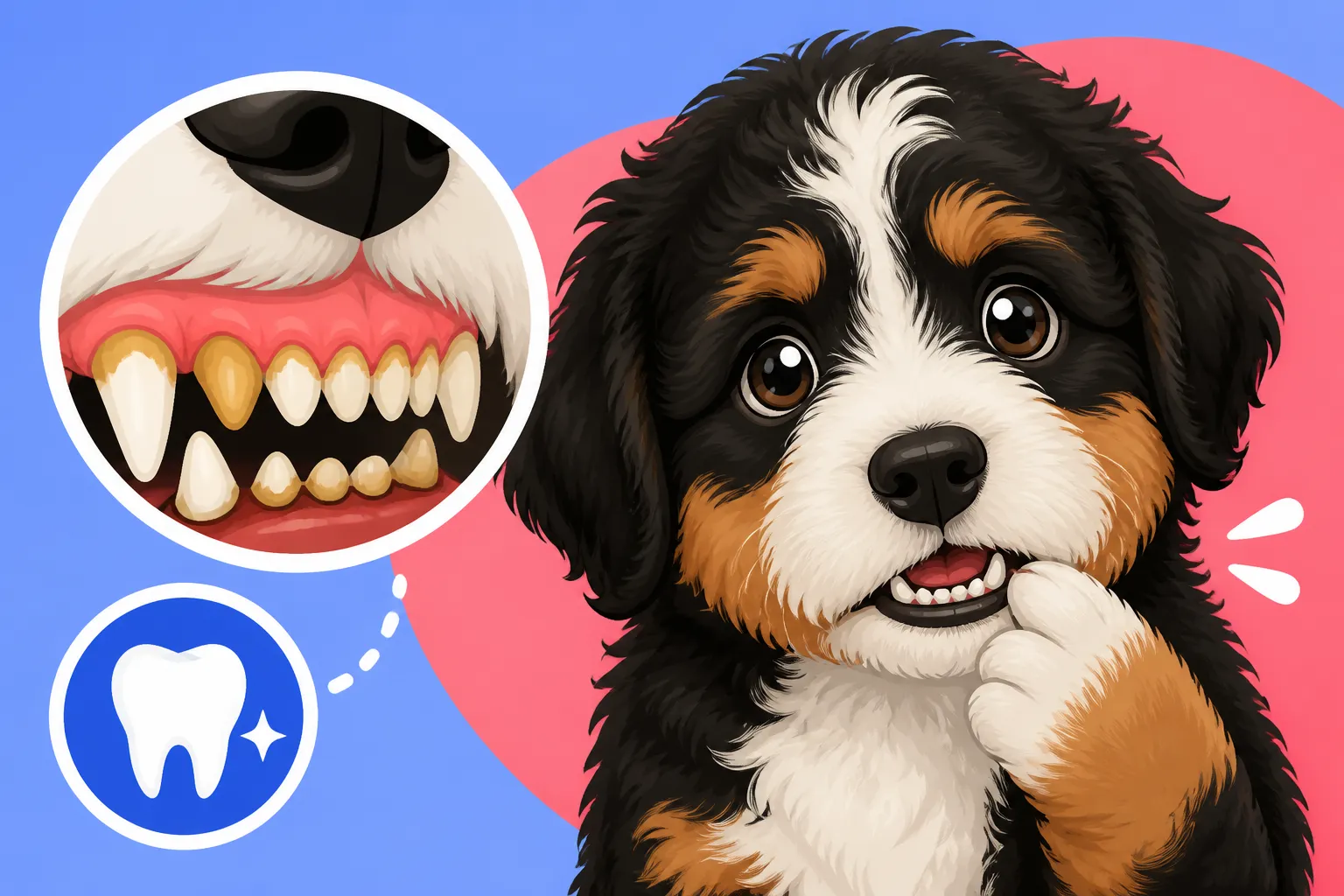
As dental disease progresses, the signs become more apparent, though still often overlooked by the untrained eye. Lift your tiny Bernedoodle's lips and examine their teeth and gums. You might notice a yellowish-brown crust (tartar) building up, especially on the back molars and along the gum line. The gums themselves might appear red, swollen, or even bleed easily when touched, which is a clear sign of gingivitis. Healthy gums should be a pale pink color.
In more advanced stages, you might see exposed tooth roots, pus around the gum line, or even teeth that are obviously loose or missing. Sometimes, there might be swelling on one side of their face, indicating an abscessed tooth or infection. If you notice any of these more overt signs, it's crucial to seek veterinary attention immediately. These are not just cosmetic issues; they are indicators of significant pain and infection that can have systemic consequences, potentially impacting their kidneys, heart, and other organs. Regular, gentle examinations of their mouth at home are vital to catch these issues.
Behavioral Shifts and Systemic Impact
Beyond the mouth itself, advanced dental disease can manifest as significant behavioral changes. A dog in chronic pain might become withdrawn, less playful, or even irritable when handled, particularly near their head. They might sleep more, lose interest in their favorite toys, or show general lethargy. This isn't just them getting older; it's a symptom of underlying discomfort. While you might wonder what changes in a Bernedoodle after eight, dental issues can start much younger and mimic signs of aging if left unaddressed.
The infection from severe dental disease doesn't stay confined to the mouth. Bacteria from infected gums and teeth can enter the bloodstream and travel to vital organs, leading to more serious health problems like heart disease, kidney disease, or liver complications. This systemic impact underscores why dental health is so much more than just fresh breath; it's a cornerstone of your tiny Bernedoodle's overall health and longevity. It can even be linked to other issues, so if your vet is investigating problems like whether a Bernedoodle is prone to bladder stones, they might also recommend a full dental check-up.
Proactive Dental Care: Prevention is Key
When it comes to dental health for your tiny Bernedoodle, an ounce of prevention is truly worth a pound of cure. Once periodontal disease sets in, it’s irreversible, but its progression can be halted and managed. The goal is to prevent it from ever reaching that stage, or at least to slow it down significantly. This involves a consistent, multi-faceted approach, starting from puppyhood.
Daily Brushing Techniques for Tiny Mouths
Yes, daily brushing is the gold standard for preventing dental disease, even for tiny Bernedoodles. I know, it sounds daunting, especially with a squirmy pup! But it's genuinely the most effective way to remove plaque before it hardens into tartar. Start slowly and make it a positive experience with lots of praise and treats. You'll need a small, soft-bristled toothbrush specifically designed for dogs, or even a finger brush. Use dog-specific toothpaste, as human toothpaste contains ingredients that are toxic to dogs.
Begin by just letting them lick the toothpaste off your finger, then gently introduce the brush. Focus on the outside surfaces of the teeth, especially where the gums meet the teeth, as this is where plaque accumulates most. You don't need to brush the inside surfaces as their tongue typically keeps those cleaner. Consistency is key; even a few minutes a day can make a huge difference. If you've ever wondered whether a Bernedoodle's teeth need weekly brushing, the answer is a resounding daily brushing for optimal health. It takes time and patience, but establishing this routine early will save you a lot of heartache and expense down the line.
Dental Chews, Water Additives, and Diet
While not a substitute for brushing, dental chews, water additives, and appropriate diet can complement your home care routine. When choosing dental chews, look for products that are Veterinary Oral Health Council (VOHC) approved. This seal indicates that the product has met specific scientific standards for reducing plaque and/or tartar. Be mindful of your tiny Bernedoodle's size and chewing style; a chew that's too hard can break teeth, and one that's too soft might offer no benefit. Products like Greenies or Oravet Chews are popular options.
Water additives containing ingredients like chlorhexidine can help reduce bacteria in the mouth, but they're a secondary measure. Always consult your vet before adding supplements or changing your dog's diet. As for diet, while dry kibble is generally better than soft food for dental health due to its abrasive action, simply feeding kibble isn't enough on its own. Some specialized dental diets are designed with unique kibble shapes and coatings to maximize plaque reduction. It’s about creating a holistic approach that targets dental health from multiple angles, ensuring your tiny Bernedoodle gets the best possible defense against disease as part of what a Bernedoodle needs every day.
| Dental Care Method | Description | Effectiveness | Pros | Cons |
|---|---|---|---|---|
| Daily Brushing | Manual cleaning with a dog toothbrush & toothpaste | High | Most effective at plaque removal | Requires owner consistency, dog cooperation |
| Dental Chews | Edible chews designed to scrape teeth | Moderate (VOHC seal) | Easy to administer, dogs usually enjoy | Can be calorie-dense, not all are effective |
| Water Additives | Liquids added to drinking water to reduce bacteria | Low-Moderate | Simple, no active effort from owner | Less effective than brushing, some dogs dislike taste |
| Dental Diets | Specially formulated kibble for dental health | Moderate | Easy to implement if feeding kibble | Can be more expensive, prescription often |
| Oral Rinses/Gels | Antiseptic rinses or gels applied to gums | Moderate | Can target specific problem areas | Requires direct application, dog cooperation |
Regular Veterinary Check-ups and Professional Cleanings
Even with the most diligent home care, professional veterinary dental cleanings are usually necessary for tiny Bernedoodles. These are not just "deep cleans" but medical procedures performed under general anesthesia. Why anesthesia? Because a thorough cleaning requires scaling plaque and tartar both above and below the gum line, polishing the tooth surface, and often taking full mouth dental X-rays to assess the health of the tooth roots and jawbone—things impossible to do on a conscious dog.
Before any anesthetic procedure, your vet will perform a thorough physical exam and recommend pre-anesthetic bloodwork to ensure your Bernedoodle is healthy enough for anesthesia. While the thought of anesthesia can be worrying, modern veterinary anesthesia is incredibly safe, especially with proper monitoring. Your vet can advise you on the appropriate frequency for these cleanings, which for many tiny Bernedoodles might be yearly, or even more often if they're particularly prone to buildup. These regular check-ups are also crucial for catching other issues, such as whether a Bernedoodle needs a CAER exam each year for their eyes, ensuring comprehensive care.
Dealing with Advanced Dental Disease
Sometimes, despite our best efforts, or if a tiny Bernedoodle comes into our lives with existing issues, dental disease can become advanced. At this stage, home care is no longer enough. Professional veterinary intervention becomes absolutely critical not just for comfort, but for their overall health and well-being.
The Necessity of Professional Intervention
When your vet diagnoses moderate to severe periodontal disease, a professional dental cleaning under anesthesia is no longer optional; it's a medical necessity. This procedure is far more involved than a simple cleaning you might imagine. It includes a thorough oral exam, complete with dental X-rays to check for issues beneath the gum line, such as abscesses, bone loss, or unerupted teeth. The visible tartar is removed using ultrasonic and hand scalers, followed by meticulous subgingival (below the gum line) cleaning.
Any diseased or fractured teeth will likely need to be extracted. This can be a tough decision for owners, but removing a painful, infected tooth is always in the best interest of your Bernedoodle. Leaving it in place allows infection to fester, causing chronic pain and serving as a continuous source of bacteria that can spread throughout the body. The procedure also includes polishing the teeth to smooth the enamel, making it harder for plaque to adhere. Your vet might also perform a full mouth evaluation, looking for any other abnormalities, tumors, or growths that might be present. This comprehensive approach is essential for truly resolving the problem and alleviating pain.
Managing Pain and Post-Procedure Care
After a professional dental procedure, especially if extractions were involved, your tiny Bernedoodle will likely need a bit of extra TLC. Your veterinarian will typically prescribe pain medication and possibly antibiotics to manage discomfort and prevent infection. It’s crucial to follow these instructions precisely, even if your dog seems to be feeling better. Keeping them comfortable aids in their recovery.
For a few days post-procedure, they'll need soft food to avoid irritating their healing gums. This could mean soaking their regular kibble or feeding canned food. Monitor their appetite and water intake closely. You might notice some minor swelling or a bit of drooling, but persistent bleeding, extreme lethargy, or refusal to eat should warrant a call to your vet. Most tiny Bernedoodles bounce back remarkably quickly once the source of their pain is removed, and you’ll likely see a noticeable improvement in their demeanor and energy levels. It’s a huge relief to see them return to their happy, comfortable selves.
Understanding the Costs and Insurance Considerations
Let's be real: veterinary dental care, especially advanced procedures, can be expensive. The cost will vary widely based on your location, the specific clinic, and the severity of the disease (e.g., how many extractions are needed, if specialist intervention is required). A basic cleaning might range from a few hundred dollars, but extensive extractions, advanced imaging, or complications can easily push the bill into the thousands. This financial burden is a very real concern for many pet owners.
This is where pet insurance can be a game-changer. Companies like Healthy Paws, for instance, offer coverage that can help offset the costs of accidents, illnesses, and often, advanced dental care (though usually not routine cleanings unless specific wellness plans are added). Researching pet insurance options early in your tiny Bernedoodle's life, before any pre-existing conditions develop, can provide invaluable peace of mind. While it might feel like an added expense, when you consider what a Bernedoodle costs over its whole life, including potential health issues, insurance can be a wise investment. Don't let the fear of cost deter you from seeking necessary treatment; discuss payment plans with your vet, or look into care credit options if needed.
Disclaimer
This article is for general informational purposes only and does not constitute professional advice. Laws, prices and regulations vary by location and change over time. Consult a qualified professional for guidance on your specific situation.