Whether Neutering Age Changes a Bernedoodle’s Lifespan
Deciding when to neuter your beloved Bernedoodle is one of those big choices that can feel overwhelming, with so much conflicting advice out there. Many of us worry if we’re making the right call, especially when it comes to how the timing might affect our dog's long-term health and the quality of their precious years. This guide will delve deeply into the current understanding of neutering age and its potential impacts on your Bernedoodle, helping you navigate this complex decision with confidence.
The Complexities of Neutering Timing for Large Breed Dogs
It's natural to think of neutering as a straightforward procedure, primarily about preventing unwanted pregnancies or addressing behavioral issues. However, for a large breed dog like a Bernedoodle, the timing of this surgery is far from simple. These dogs, with their significant size and rapid growth influenced by their Bernese Mountain Dog lineage, have unique considerations that warrant a closer look at their hormonal development.
Growth Plate Closure and Orthopedic Health
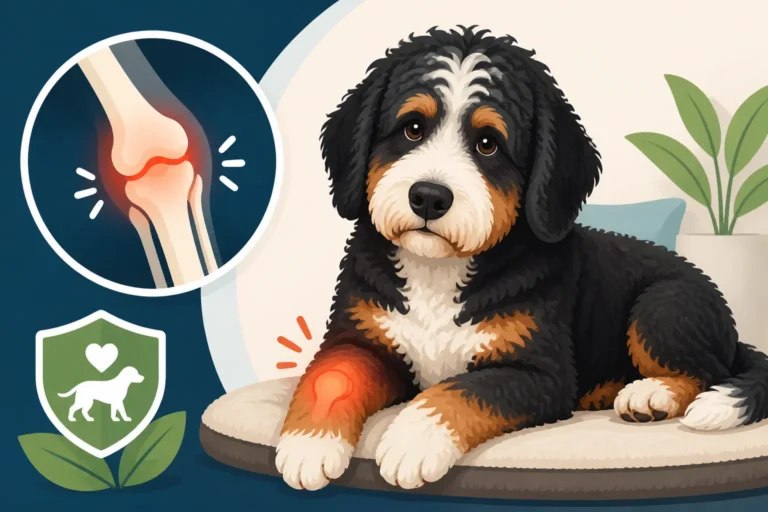
One of the most widely discussed factors regarding neutering age, especially in large and giant breeds, is its potential effect on skeletal development. Dogs, just like humans, have growth plates at the ends of their long bones. These plates are made of cartilage and are where new bone tissue is formed, allowing the bones to lengthen as a puppy grows. Eventually, these growth plates "close" or ossify, meaning they turn into solid bone, signaling the end of long bone growth.
What many owners don't realize is that sex hormones, specifically estrogen and testosterone, play a crucial role in signaling these growth plates to close. When a dog is neutered or spayed before these hormones have done their job, it can delay the closure of the growth plates. This means the long bones might continue to grow for a slightly extended period, potentially leading to dogs with longer limbs than they would have had if left intact until maturity. While a few extra inches might not sound like a big deal, this altered bone length can change the angle and mechanics of the joints, potentially placing increased stress on them.
For a Bernedoodle, a breed already predisposed to orthopedic issues like hip and elbow dysplasia from both the Bernese Mountain Dog and Poodle sides, this concern is amplified. A study published in the Journal of the American Veterinary Medical Association (JAVMA) on Golden Retrievers and Labrador Retrievers, for example, highlighted increased rates of certain orthopedic conditions in dogs neutered early. While Bernedoodles are a mixed breed, their large size and genetic predispositions mean these findings are highly relevant. If a Bernedoodle puppy is neutered at six months, before its growth plates have fully fused, it could potentially be at a slightly higher risk for conditions such as Elbow Dysplasia in a Growing Bernedoodle or even influence the severity of Loose Hips in a Growing Standard Bernedoodle. It's about giving their skeletal system the best possible chance to develop naturally.
The Role of Hormones Beyond Reproduction
Beyond merely preventing procreation, sex hormones are intricately involved in numerous bodily functions that extend far beyond the reproductive system. Testosterone in males and estrogen in females influence muscle mass and density, bone density, metabolic rate, and even the functioning of the immune system. They contribute to the overall physical robustness and maturity of a dog.
When a dog is neutered or spayed, these hormones are significantly reduced or eliminated. While this is often done with good intentions and necessary health benefits in mind (which we'll explore shortly), it means that the dog's body no longer benefits from their systemic effects. For instance, hormones contribute to maintaining a healthy body weight and muscle tone. Removing them prematurely can sometimes lead to a predisposition to weight gain, which itself is a risk factor for joint problems and other health issues. Owners often observe a shift in their dog's metabolism post-neutering, making diet and exercise adjustments crucial.
It's not just about bone growth; it's about the entire endocrine system adjusting to a new normal. Owners often express frustration because they've been told one thing for years – "spay/neuter at six months!" – only to now hear that there might be a more nuanced approach. This shift in understanding comes from a deeper appreciation of how deeply these hormones are interwoven with a dog's overall physiological development. The decision, therefore, isn't just about preventing puppies; it's about carefully considering the broader, lifelong implications of altering a dog's natural hormonal balance.
Balancing Health Risks: Early vs. Late Neutering
The conversation around neutering timing is essentially a balancing act between various health benefits and potential risks. There isn't a universally "correct" age, and what's best for one Bernedoodle might not be ideal for another. Understanding the trade-offs is key to making a decision that truly aligns with your dog's individual needs and your family's circumstances.
Potential Benefits of Delaying Neutering
Delaying neutering, particularly for large breeds like Bernedoodles, offers several potential advantages that have become a central focus of recent veterinary discussions.
Firstly, as we touched upon, there's the significant aspect of orthopedic health. By allowing your Bernedoodle to mature fully with their natural sex hormones, you give their growth plates the best chance to close at the appropriate time. This can lead to stronger, more proportionally developed bones and joints, potentially reducing the risk or severity of debilitating conditions like hip and elbow dysplasia, which are unfortunately common in breeds like the Bernese Mountain Dog and, by extension, the Bernedoodle. Many veterinarians now advocate for waiting until at least 12-18 months for large breeds, and even up to 24 months for giant breeds, to ensure complete skeletal maturity.
Secondly, there are complex considerations around cancer risks. While early spaying dramatically reduces the risk of mammary tumors in female dogs, some studies have indicated a potential increase in the risk of certain other cancers (like osteosarcoma, hemangiosarcoma, and lymphoma) in both sexes when neutered early. This is a particularly poignant point for Bernedoodle owners, given the Bernese Mountain Dog's unfortunate predisposition to certain aggressive cancers. The hope that the Poodle cross would reduce cancer risk, as discussed in articles like Whether the Bernedoodle Cross Actually Reduced Cancer, is a driving factor for many owners. The interplay is complicated; for example, intact female dogs have a higher risk of pyometra (a life-threatening uterine infection), while intact males are more prone to testicular cancer. It’s a delicate dance between mitigating some risks while potentially increasing others, and this is where personalized veterinary advice becomes invaluable.
Finally, behavioral development can also be influenced by neutering age. Hormones play a role in a dog's confidence, maturity, and how they navigate their world. Some research suggests that early neutering might be linked to an increased incidence of fear-based behaviors or shyness in some dogs, as the hormonal cues for confidence and maturity aren't fully developed. While a Bernedoodle is generally a friendly and outgoing dog, they can sometimes inherit The Shyness a Bernedoodle Gets From the Bernese, and allowing them to mature fully could potentially support a more robust and confident temperament.
Potential Risks of Delaying Neutering
While there are compelling reasons to consider delaying neutering, it's equally important to acknowledge the very real and well-documented risks associated with keeping a dog intact.
The most obvious and direct risk, of course, is unwanted pregnancies. An intact female can become pregnant during her heat cycles, and an intact male can sire puppies if given the opportunity. This not only adds to the heartbreaking problem of pet overpopulation but also brings significant costs and responsibilities if you find yourself with an accidental litter. For males, the drive to seek out females in heat can lead to escape attempts, getting lost, or even dangerous encounters with vehicles.
For females, mammary tumors are a major concern. It's a widely accepted and scientifically supported fact that spaying a female dog before her first heat cycle dramatically reduces her risk of developing mammary cancer later in life. The protective effect significantly decreases with each subsequent heat cycle. Delayed spaying also carries the risk of pyometra, a serious and potentially fatal uterine infection that requires emergency surgery.
In intact males, the primary concerns include testicular cancer, which is eliminated by neutering, and various prostatic issues. As intact males age, they are prone to benign prostatic hyperplasia (BPH), an enlargement of the prostate that can cause difficulty urinating and defecating. While typically benign, it can lead to discomfort and complications. Other prostate problems and perianal fistulas are also more common in intact males.
Behaviorally, intact males can sometimes exhibit behaviors that are challenging for owners, such as increased roaming, urine marking indoors or excessively outdoors, and potentially aggression towards other intact males. While not all intact males are aggressive, the hormonal drive can certainly contribute to conflict. Managing a powerful, large Bernedoodle, potentially weighing Leash Manners on a Bernedoodle Heading for Ninety Pounds, if they are driven to pull towards every scent or perceived rival, can be incredibly challenging. These behavioral tendencies can make day-to-day life more difficult and can even put the dog at risk.
It’s a balancing act, and owners need to weigh the potential long-term health benefits of delaying against the immediate, tangible risks of maintaining an intact dog, especially the commitment required to prevent accidental breeding. The costs associated with treating unexpected health issues like pyometra or certain cancers can be substantial, making pet insurance, like policies offered by Healthy Paws, a valuable consideration for peace of mind, regardless of your neutering decision.
Practical Considerations and Making an Informed Decision
Given the complex nature of neutering timing, it's clear that a one-size-fits-all approach doesn't really serve our Bernedoodles best. What works for a Chihuahua might not be optimal for a ninety-pound Bernedoodle. This is where personalized advice and careful consideration of various factors come into play.
Gathering Information and Consulting Your Vet
The first and most crucial step in making an informed decision is to engage in a detailed conversation with your veterinarian. Remember, your vet knows your Bernedoodle's individual health history, genetic predispositions (if you have information from your breeder about The Five Clearances a Bernedoodle Breeder Should Have), and the common health challenges seen in your local area. They can provide guidance that is tailored specifically to your dog.
When you speak with your vet, don't be afraid to ask probing questions. Inquire about:
- Breed-specific risks: Given the Bernese Mountain Dog's propensity for certain cancers and joint issues, and the Poodle's contributions, how does delaying neutering affect these particular risks for your Bernedoodle?
- Local prevalence: Are certain conditions, like specific cancers or orthopedic issues, particularly common in Bernedoodles in your region?
- Your dog's development: Has your Bernedoodle matured physically and behaviorally at a typical rate? Are there any indications that they are still actively growing or showing signs of immaturity?
- The latest research: Veterinarian understanding evolves with new research. Ask if there are any new studies or guidelines they recommend considering for large breeds.
It's important to remember that general recommendations from sources online or even older generations of vets might not reflect the most current understanding. A collaborative discussion with your vet, where you voice your concerns and explore the nuances, is essential. They might recommend specific diagnostic tests or a timeline unique to your dog.
The "Golden Window" and Individual Assessment
While there's no single perfect age, many veterinary professionals are now discussing a "golden window" for neutering large breed dogs, generally falling between 12 to 18 months of age, and sometimes even later for truly giant breeds (up to 24 months). The goal here is to allow the dog to reach close to full skeletal and hormonal maturity before undergoing the surgery. This allows bones to develop, growth plates to close naturally, and the dog to develop into a physically robust adult.
However, even within this "golden window," individual assessment is paramount. Every Bernedoodle is unique, influenced by their specific parents, genetics, and environment. Factors to consider for your Bernedoodle include:
- Size and Growth Trajectory: Is your Bernedoodle a Standard, Mini, or Tiny? Larger Bernedoodles will naturally take longer to mature. If your Bernedoodle is on a slow growth plan, as often recommended for Growing a Standard Bernedoodle Slowly on Purpose, their skeletal maturity might also be slightly delayed.
- Temperament: Is your Bernedoodle generally confident or more on the shy side? If they are timid, allowing for full hormonal development might support their confidence.
- Living Situation: Can you realistically manage an intact male (e.g., prevent roaming, manage marking) or an intact female (manage heat cycles, prevent accidental breeding) during this delayed period? If not, the risks of accidental breeding or behavioral challenges might outweigh the potential benefits of delaying.
- Physical Maturity: Is your Bernedoodle still looking "puppyish" in their gait or body proportions, or do they appear to be filling out into their adult form? You can feel for their ribs under all that glorious Bernedoodle coat, checking for a healthy weight, but observing their overall structure is also key.
This means you and your vet will need to look at the whole picture. For example, if you have a male Bernedoodle who is still very much a puppy at 12 months, perhaps pushing neutering closer to 18 months would be beneficial. Conversely, if your female Bernedoodle is displaying very strong heat cycles that are disruptive or pose a high risk for accidental breeding, an earlier spay might be a more practical and responsible choice, even if it falls slightly outside the "ideal" window for orthopedic development. The decision should reflect a thoughtful compromise between minimizing health risks and maximizing responsible pet ownership. Utilizing pet insurance like Healthy Paws can provide an extra layer of financial security, helping cover unexpected vet costs regardless of the path you choose.
| Feature | Early Neutering (e.g., <12 months) | Delayed Neutering (e.g., 12-24 months) |
|---|---|---|
| Orthopedic Health | Potential increased risk of certain joint conditions (e.g., hip/elbow dysplasia, CCL tears) due to delayed growth plate closure. | Potential decreased risk of certain joint conditions due to full hormonal skeletal maturation. |
| Mammary Tumors (F) | Significantly reduced risk if spayed before first heat. | Increased risk with each heat cycle. |
| Testicular Cancer (M) | Eliminated. | Eliminated once neutered, but present if intact. |
| Prostate Issues (M) | Reduced risk of BPH and other issues. | Higher risk of BPH if intact, but eliminated once neutered. |
| Other Cancers | Some studies suggest a potential increase in certain cancers (e.g., osteosarcoma, hemangiosarcoma) in some breeds. | Some studies suggest a potential decrease in certain cancers in some breeds. |
| Urinary Incontinence (F) | Some studies suggest a potential increased risk. | Potentially lower risk. |
| Behavioral | May be associated with increased shyness or fear in some individuals; reduced marking/roaming drive. | May support natural confidence and maturity; higher potential for roaming/marking if intact. |
| Unwanted Pregnancies | Eliminated. | Higher risk if not carefully managed during intact period. |
Lifespan and Overall Well-being: A Holistic View
When we talk about whether neutering age changes a Bernedoodle's lifespan, it's easy to get caught up in the details of hormones and growth plates. However, it's crucial to step back and view this decision within the broader context of a Bernedoodle's overall health and well-being. No single factor dictates a dog's longevity; it's a symphony of many elements playing together.
Beyond Neutering Age: Other Lifespan Factors
While neutering timing is a significant consideration, it’s just one piece of a much larger puzzle when it comes to your Bernedoodle's lifespan. The promise of The Twelve to Fifteen Years a Bernedoodle Is Sold On is an exciting one, but achieving it depends on a multitude of factors, many of which you have direct control over as an owner.
- Genetics and Responsible Breeding: This is perhaps the most foundational element. A Bernedoodle from health-tested parents, ideally with certifications like those outlined in The Five Clearances a Bernedoodle Breeder Should Have, starts life with a genetic advantage. This significantly reduces the likelihood of inheriting debilitating genetic diseases that can shorten a lifespan. An unknown pedigree can be a huge gamble.
- Nutrition: A high-quality, balanced diet appropriate for a large breed is vital from puppyhood through their senior years. This includes managing their caloric intake to prevent obesity, which is a major contributor to joint problems, diabetes, and other health issues. For a growing Bernedoodle, ensuring they are not overfed and grow slowly is paramount, as discussed in Growing a Standard Bernedoodle Slowly on Purpose.
- Appropriate Exercise: Bernedoodles need regular, moderate exercise to maintain muscle mass, joint health, and a healthy weight. However, it's equally important to avoid over-exercising a growing puppy, which can damage developing joints. Balancing activity levels, especially for a heavy dog, is key to Keeping a Ninety Pound Bernedoodle Off Its Joints. As they age, exercise may need to be adjusted to accommodate any arthritis or slowing down.
- Preventative Veterinary Care: Regular check-ups, vaccinations, parasite control, and dental care are non-negotiable. Catching potential health issues early, through routine screenings as mentioned in The Screening a Bernedoodle Should Have Yearly, can make a profound difference in outcome and longevity. This proactive approach is where pet insurance, such as Healthy Paws, really shines, making essential care more accessible and less financially daunting.
- Mental Stimulation and Environment: A Bernedoodle is an intelligent dog that thrives on engagement. A stimulating environment, consistent training, and plenty of positive interaction contribute to their mental health, which in turn supports their physical well-being. A happy, well-adjusted dog is often a healthier dog.
- Weight Management: Keeping your Bernedoodle at a healthy weight is one of the most impactful things you can do for their longevity. Excess weight strains joints, contributes to heart disease, diabetes, and even some cancers.
Ultimately, neutering age is a factor to consider, but it's not the sole determinant of how long your Bernedoodle will grace your life. A holistic approach that prioritizes excellent care across all these areas will likely have a far greater impact on their overall health and lifespan.
Making the Best Decision for Your Bernedoodle
When all is said and done, the decision of when to neuter your Bernedoodle is deeply personal and should be made in consultation with your trusted veterinarian. There is no universally "right" answer, and any choice involves a careful balancing act of risks and benefits unique to your dog and your circumstances.
- Individualized Approach: Recognize that your Bernedoodle is an individual. Factors like their size, genetics, temperament, and even your family's lifestyle all play a role. A mini Bernedoodle might have different considerations than a standard.
- Risk Mitigation: Consider which risks you are most comfortable mitigating. Are you more concerned about the potential for orthopedic issues with early neutering, or the practical challenges and risks of accidental pregnancy/roaming with delaying?
- Responsible Pet Ownership: If you choose to delay neutering, you must be absolutely committed to responsible pet ownership. This means constant vigilance to prevent accidental breeding, managing intact behaviors, and being prepared for potential health risks associated with leaving a dog intact.
- Continuous Monitoring: Whatever decision you make, continue to monitor your Bernedoodle's health, weight, and behavior closely. Regular vet check-ups are essential to catch any issues early.
Don't let the sheer volume of information paralyze you. The goal isn't to find a perfect answer that applies to every single dog, but to make the most informed and responsible choice for your cherished Bernedoodle. By working closely with your vet and considering all aspects of your dog's life, you can confidently move forward, knowing you’ve given their long-term health and happiness the serious thought and consideration they deserve.
Disclaimer
The information provided in this article is for general informational purposes only and is not a substitute for professional veterinary advice. Always consult with a qualified veterinarian regarding any health concerns or before making any decisions about your pet's medical care, including neutering. Individual outcomes may vary.