The Signs a Bernedoodle Is Slowing Down
It’s truly a bittersweet moment when you start to notice your once energetic, goofy Bernedoodle isn't quite the whirlwind they used to be. The boundless energy, the playful leaps, the eagerness for long walks – they all start to subtly shift as our beloved companions journey into their senior years. This guide is here to walk you through the tell-tale signs that your Bernedoodle is beginning to slow down, helping you understand what to look for and how to respond with the love and care they deserve during this natural stage of life.
Recognizing Physical Changes as Your Bernedoodle Ages
Just like us, our Bernedoodles experience physical transformations as they mature. These aren't always dramatic, sudden shifts; sometimes they creep up on you, becoming noticeable only when you reflect on how things used to be. It’s important to be observant and understand that while some changes are normal, others might warrant a chat with your veterinarian.
Shifts in Mobility and Gait
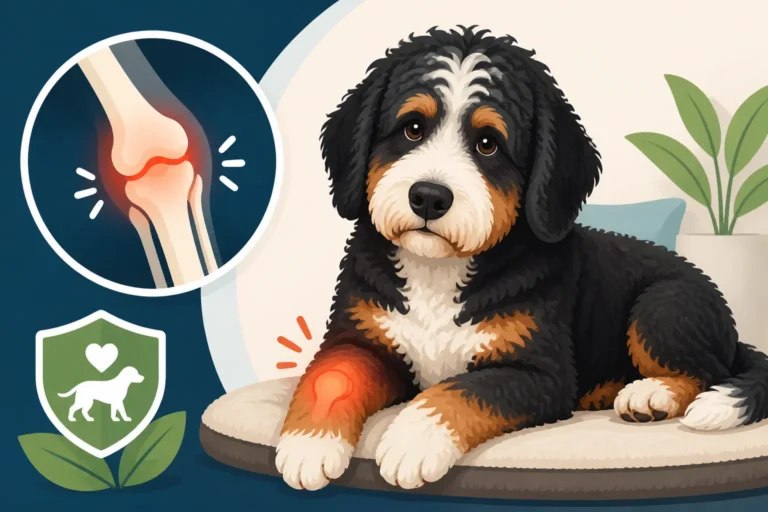
One of the most common and heartbreaking signs that a Bernedoodle is slowing down is a noticeable change in their movement. What was once a graceful, powerful stride might become more deliberate, even stiff. You might see this stiffness most acutely when they first wake up in the morning or after a long nap. They might hesitate before jumping onto the couch or into the car, activities they once performed with joyful abandon.
Perhaps you’ve noticed them taking shorter steps, or their back end seems to sway a little more than it used to. Sometimes, they might even develop a slight limp or seem to favor one leg, especially after a period of activity. These subtle changes in their gait can be early indicators of conditions like arthritis, which is unfortunately common in larger breeds like Bernedoodles as they age. A thorough examination can help differentiate between simple aging and a treatable orthopedic issue. It's a tough but important truth that our big, cuddly dogs can face challenges like Arthritis in a Bernedoodle at Eight.
It’s not just about pain, either. Sometimes, muscle mass naturally decreases with age, making it harder for them to support their large frames. This can lead to general weakness, making everyday movements more challenging. Think about how difficult it can be for us to move after a strenuous workout or when we haven't stretched properly – that can be an everyday reality for a senior Bernedoodle. Observing these mobility changes is key to providing early intervention and keeping them as comfortable as possible.
Coat and Skin Differences
A Bernedoodle's coat is often their crowning glory, a soft, wavy, or curly testament to their unique heritage. As they age, you might start to notice changes in its texture, thickness, and even color. Many Bernedoodles will begin to develop a distinguished sprinkle of gray around their muzzle and eyes, like a gentle frosting appearing overnight. This is a very normal sign of aging and often quite charming.
However, beyond just graying, the coat itself can thin, become coarser, or even drier. You might find more loose hair around the house, even in those Bernedoodles that are typically low-shedding. Their skin, too, can become less elastic and more prone to dryness or develop harmless fatty lumps called lipomas. While these are often benign, any new lump or bump should always be checked by your vet, just to be on the safe side.
These changes can sometimes make grooming a bit more challenging, especially if their skin becomes more sensitive. Regular brushing remains important not just for preventing mats, but also for stimulating circulation and distributing natural oils. Some owners might also notice their Bernedoodle is less tolerant of long grooming sessions, requiring adjustments to their routine, perhaps even leading to discussions about Grooming an Old Bernedoodle That Cannot Stand Long.
Sensory Decline
Our Bernedoodles rely heavily on their senses to navigate their world, and just like humans, their sight and hearing can diminish with age. You might notice your dog no longer responds to their name as readily as they once did, or they seem surprised when you approach them from behind. This could be a sign of gradual hearing loss, which is common in older dogs. They might startle more easily or seem confused in busy environments if they can't fully process the sounds around them.
Vision changes can also be subtle at first. Perhaps they bump into furniture in dimly lit rooms or seem less confident navigating unfamiliar spaces. Their eyes might develop a bluish, cloudy appearance due to lenticular sclerosis, a normal age-related change that doesn't usually impair vision significantly. However, cataracts, which can cause more profound vision loss, are also a possibility. Any significant change in your Bernedoodle's eyes or apparent vision should be checked by a vet.
Adjusting to these sensory declines means making some changes around the house to keep them safe and comfortable. Simple things like not rearranging furniture, using scent cues, or using gentle taps on the floor to get their attention can make a huge difference. A Bernedoodle losing some of its keen senses is a natural part of What Changes in a Bernedoodle After Eight, and patience becomes our greatest tool.
Behavioral Shifts in Senior Bernedoodles
It's not just their physical capabilities that change; a slowing Bernedoodle often shows shifts in their personality and daily routine. These behavioral cues can be just as important as physical ones in understanding their needs as they age.
Decreased Energy and Increased Sleep
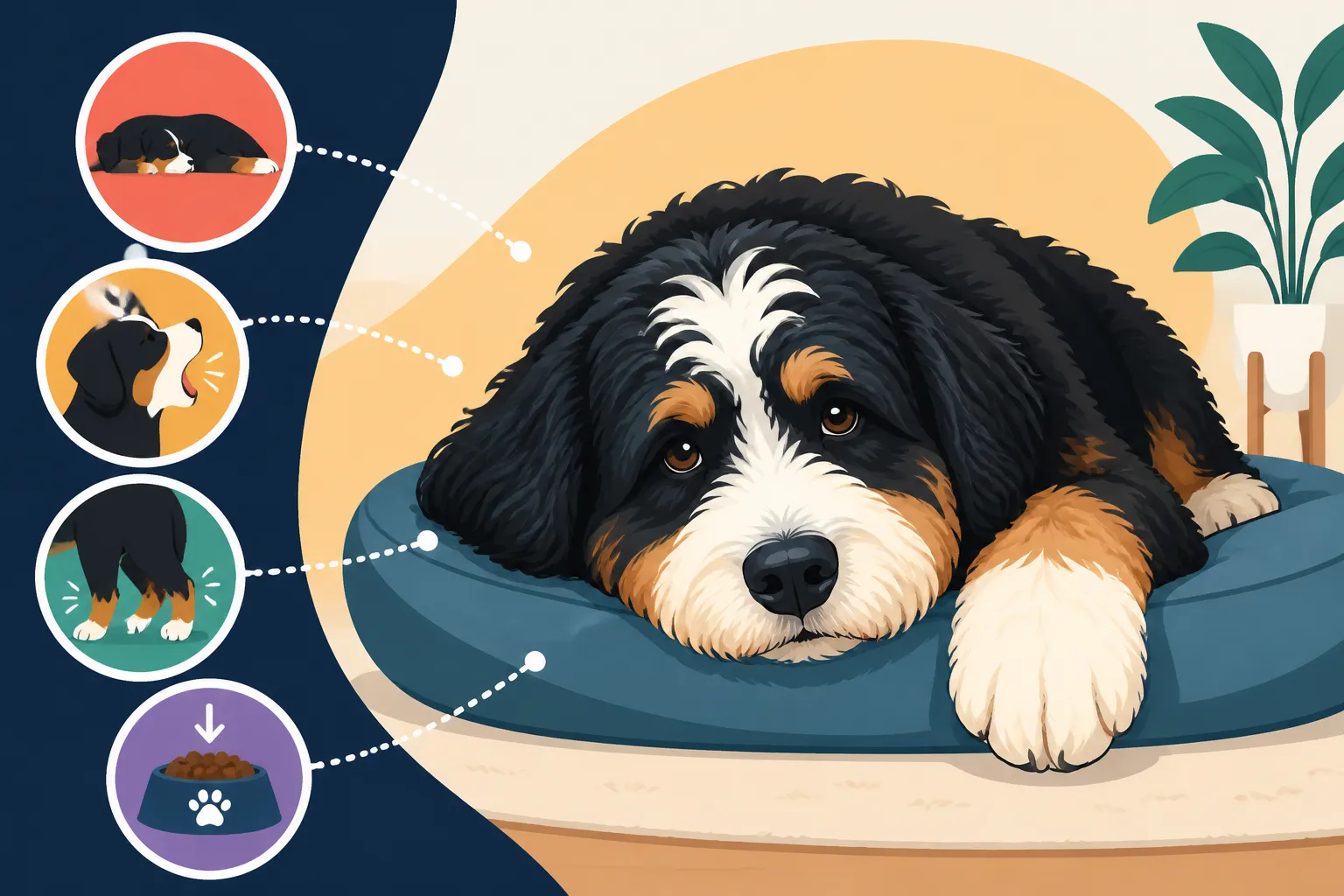
Remember those days when your Bernedoodle would race to the door, tail wagging uncontrollably, ready for any adventure you offered? As they get older, that enthusiasm might temper. You might notice them opting for a quiet nap over a boisterous play session, or they might seem less interested in chasing squirrels in the yard. Increased sleeping is one of the clearest indicators that your Bernedoodle is beginning to slow down.
They might sleep longer, deeper, and more frequently throughout the day. While a good nap is always welcome, a significant increase in lethargy or a reluctance to engage in activities they once loved warrants attention. It’s not necessarily a sign of illness, but it tells you their energy reserves aren't what they once were. This means adjusting your expectations for walks and playtime, focusing on quality over quantity.
These changes are often linked to a slower metabolism and the general wear and tear on their joints and muscles. What feels like a short stroll to you might be a considerable effort for them now. Understanding this is key to not pushing them too hard and instead finding gentler forms of exercise, as outlined in articles like Exercise for a Bernedoodle With Arthritis.
Cognitive Function Decline
One of the more challenging aspects of senior pet ownership can be observing changes in their cognitive function, sometimes referred to as Canine Cognitive Dysfunction (CCD). It's essentially doggy dementia, and it manifests in various ways. Your Bernedoodle might start to seem disoriented in familiar surroundings, sometimes getting stuck behind furniture or staring blankly at walls.
You might also notice changes in their sleep-wake cycles, becoming restless at night and sleeping more during the day. House-training might regress, with accidents happening indoors even in a previously perfectly trained dog. Some Bernedoodles might also become more anxious or irritable, exhibiting changes in their social interactions. They might seem less connected to you or other family members, or conversely, become clingier.
While there's no cure for CCD, early recognition and veterinary intervention can help manage symptoms and improve their quality of life. There are dietary supplements, prescription medications, and environmental enrichment strategies that can make a real difference. If you're seeing signs like a Bernedoodle that stares at walls, don't just dismiss it as "old age"—talk to your vet.
Changes in Social Interaction
A Bernedoodle's typical temperament is often described as friendly, goofy, and eager to be part of the family. As they age, however, their social dynamics might shift. A once outgoing dog might become more reserved, preferring quiet solitude to boisterous family gatherings. They might show less interest in greeting visitors or even other household pets.
Conversely, some senior Bernedoodles become clingier, seeking constant reassurance and physical contact from their primary caregivers. This can manifest as following you from room to room or becoming anxious when you leave their sight. This increased need for closeness can be a response to sensory decline, cognitive changes, or simply a greater need for comfort as their world shifts.
It’s crucial to respect these changes in their social preferences. Don't force interactions if they seem overwhelmed, but continue to offer gentle affection and maintain a predictable routine. Sometimes, a quiet cuddle on the couch or a gentle ear rub is all they need to feel loved and secure. These shifts in interaction are a profound part of What Changes in a Bernedoodle After Eight.
Appetite, Hydration, and Elimination Changes
Monitoring your Bernedoodle's daily habits around food, water, and potty breaks is incredibly important as they age. These routine aspects of their life can be early indicators of underlying health concerns.
Shifts in Eating Habits
A Bernedoodle who once devoured every meal with gusto might start to become a bit pickier or show a reduced appetite as they age. This isn't always cause for immediate alarm, as their metabolic needs naturally decrease. However, consistent refusal of food, significant weight loss, or difficulty chewing should always be investigated by your veterinarian.
Dental pain, for instance, can make eating uncomfortable, leading to a decreased appetite. Similarly, underlying illnesses affecting their organs can reduce their desire to eat. It's a fine line between a natural slowdown and a genuine health problem. You might need to adjust their diet, offering foods that are easier to chew or more palatable. Sometimes, enriching their food with warm water or a vet-approved topping can encourage them to eat. It's also a good time to reconsider Feeding a Bernedoodle Past Eight and ensure their nutritional needs are being met for their specific stage of life.
It's also worth noting that some older Bernedoodles might actually gain weight if their activity levels decrease but their food intake doesn't. Maintaining a healthy weight is vital for minimizing stress on aging joints. If you notice weight changes, whether loss or gain, consult your vet to adjust their diet appropriately. It's a key factor in ensuring they don't lose years unnecessarily, as explored in Whether an Overweight Bernedoodle Loses Years.
Increased Thirst or Urination
One of the less obvious but potentially serious signs of slowing down or underlying health issues in an aging Bernedoodle is a change in their water consumption and urination patterns. If you find yourself refilling their water bowl more often, or if they're asking to go outside for potty breaks more frequently than usual, it’s a red flag that warrants immediate veterinary attention.
Increased thirst and urination can be symptoms of several common senior dog ailments, including kidney disease, diabetes, and Cushing's disease, among others. Catching these conditions early can significantly improve the prognosis and allow for more effective management. Don't dismiss these changes as merely "getting old" or assume it's simply because they're drinking more water; there's often an underlying reason for the increased thirst.
Conversely, a decrease in water intake can also be concerning, potentially leading to dehydration, especially if they have less energy or difficulty reaching their water bowl. Ensure fresh water is always accessible, perhaps even in multiple locations if your Bernedoodle has mobility issues. Observe the color and volume of their urine if possible, as this information can be helpful to your vet.
Changes in Elimination Habits
Beyond frequency, changes in the quality and consistency of your Bernedoodle's bowel movements can also signal that something isn't quite right. Episodes of diarrhea, constipation, or straining to defecate should never be ignored. Digestive issues can arise from a variety of causes, from dietary intolerances to more serious gastrointestinal diseases or even tumors.
Constipation, for example, is common in older dogs due to decreased gut motility, lower activity levels, and sometimes dehydration. It can be quite uncomfortable for your dog and can be managed through dietary fiber, increased water intake, or veterinary-prescribed stool softeners. Loose stools or diarrhea can indicate infections, inflammatory bowel disease, or other internal issues.
It's helpful to keep a mental note, or even a diary, of these changes. Noticing patterns can assist your veterinarian in diagnosing and treating any underlying issues quickly. Regular vet check-ups can also help identify potential problems before they become severe, highlighting the importance of senior screening protocols for our furry friends.
Supporting Your Senior Bernedoodle's Health and Comfort
Once you start recognizing these signs, the next step is proactive care. Your Bernedoodle's golden years can still be filled with joy and comfort with the right support.
Regular Veterinary Check-ups and Proactive Care
This really can't be stressed enough: regular veterinary check-ups become even more critical as your Bernedoodle ages. Many veterinarians recommend twice-yearly wellness exams for senior dogs, starting around the time they hit their "senior" birthday, which for a standard Bernedoodle, often falls around the age of eight. This is when The Birthday a Standard Bernedoodle Counts as Senior typically arrives. These visits are not just about vaccinations; they are comprehensive health assessments designed to catch issues early when they are most treatable.
During these exams, your vet will perform a thorough physical, assess their mobility, check their teeth, and often recommend blood work and urinalysis. These diagnostic tests can uncover hidden conditions like kidney disease, liver issues, thyroid imbalances, or even early signs of certain cancers before they become outwardly apparent. Early detection allows for timely intervention, whether it's dietary changes, medication, or other treatments, which can significantly improve your Bernedoodle's quality of life and potentially extend it.
Don’t hesitate to bring up any changes you’ve noticed, no matter how minor they seem. You are your Bernedoodle's best advocate, and your observations are invaluable to your vet. Being proactive and having open communication with your veterinary team is the cornerstone of effective senior pet care. It’s also wise to consider how these increasing vet costs might impact your budget; having pet insurance, such as through Healthy Paws, can be a huge comfort, especially when dealing with the potential for chronic conditions that arise as our dogs age.
At-Home Comfort and Adjustments
Making adjustments to your home environment can dramatically improve your senior Bernedoodle's comfort and mobility. If they’re struggling with stiffness or arthritis, simple changes can make a world of difference. Consider investing in orthopedic beds that provide superior support for their joints; options like Beds That Support a Heavy Old Bernedoodle are designed with their specific needs in mind. Placing these beds in easily accessible, quiet spots where they feel secure can become their sanctuary.
For Bernedoodles with reduced mobility, ramps can be a game-changer. Whether it’s a ramp for getting into the car, onto a favorite couch, or even just navigating a few steps, reducing the strain on their joints is crucial. Slippery floors can also be a challenge, so consider placing non-slip rugs or runners in high-traffic areas to give them better traction and prevent falls. This can be especially important if you’re finding yourself Helping an Old Bernedoodle Get Up Off the Floor more often.
Little things, like raising their food and water bowls to a comfortable height to avoid stooping, can also ease discomfort. Providing easy access to the yard for frequent potty breaks and ensuring their favorite resting spots are warm and draft-free are all ways to show them extra love and care. These thoughtful adjustments allow them to maintain their dignity and comfort as they navigate their senior years, ensuring their quality of life remains high. When unexpected medical needs arise due to age-related changes, it's reassuring to know that your investment in a good pet insurance policy like Healthy Paws can help you provide the best comfort solutions without financial strain.
Table: Common Signs of a Slowing Bernedoodle and What They Might Mean
| Sign Observed | What You Might See | Potential Implication (Discuss with Vet) |
|---|---|---|
| Mobility Changes | Stiffness after resting, difficulty standing, limping, reluctance to jump or use stairs, slower gait, less enthusiasm for walks. | Arthritis, hip or elbow dysplasia flare-ups, muscle weakness, degenerative myelopathy (DM), pain from other conditions. Important to note that DM is a concern for the breed, and tests like the The SOD1 Test Both Bernedoodle Parents Can Carry are vital. |
| Increased Sleep/Lethargy | Napping more frequently and deeply, less interest in play, tiring quickly during activity, general reduced energy. | Normal aging, pain, heart disease, anemia, hypothyroidism, other metabolic illnesses. |
| Changes in Appetite | Eating less, being pickier, weight loss or gain, difficulty chewing. | Dental disease, internal organ issues (kidney, liver), cancer, metabolic diseases, simple reduction in caloric needs. |
| Increased Thirst/Urination | Constantly drinking, needing more frequent potty breaks, accidents indoors. | Kidney disease, diabetes, Cushing's disease, urinary tract infection (UTI). |
| Cognitive Shifts | Disorientation, getting "stuck," staring at walls, altered sleep-wake cycles, increased anxiety, changes in interaction. | Canine Cognitive Dysfunction (CCD), pain, sensory decline, brain tumor. |
| Coat/Skin Changes | Graying, thinning coat, dry skin, new lumps or bumps, matted fur in difficult-to-reach areas. | Normal aging, hypothyroidism, skin infections, tumors (benign lipomas or more serious), reduced grooming tolerance. |
| Sensory Decline | Not responding to name, startling easily, bumping into objects, cloudy eyes, less confident in new environments. | Hearing loss, vision impairment (cataracts, lenticular sclerosis), cognitive decline. |
| Changes in Elimination | Straining to defecate, diarrhea, frequent accidents, changes in stool consistency. | Digestive upset, constipation, dietary intolerance, parasites, inflammatory bowel disease, kidney issues, cognitive decline leading to house-training lapses. |
Disclaimer
The information provided in this article is for general educational purposes only and is not intended to be a substitute for professional veterinary advice, diagnosis, or treatment. Always seek the advice of your veterinarian or other qualified animal health provider with any questions you may have regarding a medical condition.