Whether Cancer Is Still the Leading Cause in Bernedoodles
One of the most heartbreaking worries for any Bernedoodle owner, or prospective owner, is the looming shadow of cancer. We all know the Bernese Mountain Dog, one of the parent breeds, has a notoriously short lifespan often cut short by aggressive cancers. So, it’s completely natural to wonder: does bringing in the Poodle side truly make a difference, or is cancer still the leading cause of death for our beloved Bernedoodles? This comprehensive guide dives deep into the realities of cancer risk in Bernedoodles, examining their genetic heritage, common cancer types, and what proactive steps you can take to give your furry family member the longest, healthiest life possible.
Understanding the Bernedoodle's Genetic Legacy with Cancer
When you welcome a Bernedoodle into your life, you're embracing a wonderful mix of two distinct breeds, each with its own health predispositions. It's a dance of genetics, and understanding this legacy is crucial to navigating the potential for cancer.
The Bernese Mountain Dog's High Cancer Incidence
Let's be blunt: the Bernese Mountain Dog faces a tough battle when it comes to cancer. It's an unfortunate truth that a significant percentage of Bernese Mountain Dogs succumb to various forms of cancer, often at a relatively young age. The average lifespan for a Bernese is often cited as 7-10 years, and cancer is frequently the culprit for that shorter range. We're talking about devastating diseases like histiocytic sarcoma, lymphoma, and mast cell tumors. Owners who adore the Bernese temperament and majestic appearance often grapple with this harsh reality, which is precisely why the Bernedoodle cross gained so much interest. People wanted to retain that wonderful Bernese personality but hoped to mitigate the health challenges.
The Poodle's Contribution to Health
On the other side of the genetic equation, we have the Poodle. Poodles, particularly Standard Poodles, are generally considered a longer-lived breed, with an average lifespan of 10-18 years. While they are not immune to cancer – no breed truly is – their overall incidence and specific cancer types differ from the Bernese. Poodles can be prone to certain issues like sebaceous adenitis, Addison's disease, and bloat, but they typically don't carry the same overwhelming predisposition to aggressive cancers as the Bernese. The hope in crossing the two breeds was that the Poodle's robust health and genetic diversity could dilute or reduce the higher cancer risk inherited from the Bernese side. It's a classic example of seeking "hybrid vigor" to improve overall health outcomes.
The "Hybrid Vigor" Debate in Bernedoodles
"Hybrid vigor," or heterosis, is the theory that crossbred animals can be healthier and more robust than their purebred parents due to increased genetic diversity. When it comes to Bernedoodles and cancer, the big question is: does this theory hold true? Many anecdotal reports suggest that Bernedoodles do tend to live longer than purebred Bernese Mountain Dogs, often reaching 12-15 years, which sounds fantastic. However, while the overall lifespan might see an increase, it doesn't mean that the Bernedoodle completely "escapes" the genetic lottery of cancer.
Some studies and veterinary observations indicate that while the incidence of certain highly aggressive cancers, like histiocytic sarcoma, might be reduced in F1 Bernedoodles (first-generation crosses), the risk isn't entirely eliminated. In fact, many Bernedoodles still face cancer diagnoses, albeit sometimes later in life than their Bernese ancestors, or with different types of cancer. It's a complex picture, and it's essential to understand that "hybrid vigor" is a spectrum, not a guarantee. While a Whether the Bernedoodle Cross Actually Reduced Cancer is a common hope, the reality is nuanced. Owners should still be vigilant and proactive, recognizing that their Bernedoodle still carries a degree of cancer risk.
Common Cancer Types Seen in Bernedoodles
Even with the potential benefits of hybrid vigor, Bernedoodles are still susceptible to several types of cancer. Knowing what to look for can make a significant difference in early detection and treatment success.
Histiocytic Sarcoma: Still a Concern?
Histiocytic sarcoma is a particularly aggressive and devastating cancer that is alarmingly prevalent in Bernese Mountain Dogs. It often affects multiple organ systems and progresses rapidly. Given that half of a Bernedoodle's genetic makeup comes from the Bernese, it's a valid and deeply concerning question for owners: can my Bernedoodle still get histiocytic sarcoma? The short answer is yes, they can. While the risk might be lower in a first-generation Bernedoodle compared to a purebred Bernese, they are not immune. We discuss Histiocytic Sarcoma and Whether a Bernedoodle Escapes It in depth in another post.
This cancer is notoriously difficult to treat once diagnosed, and early symptoms can be vague, making detection challenging. It's typically considered a highly malignant disease. Awareness of its potential, even with a Poodle parent, means keeping a close eye on any unexplained lethargy, weight loss, lameness, or respiratory issues in your Bernedoodle. Understanding What Histiocytic Sarcoma Does to a Bernese gives us critical insight into what to watch for in their Bernedoodle offspring.
Lymphoma and Mast Cell Tumors
Beyond histiocytic sarcoma, Bernedoodles can also be affected by other common canine cancers, including lymphoma and mast cell tumors. Lymphoma, a cancer of the lymphatic system, can manifest in various ways, from swollen lymph nodes (often felt in the neck, armpits, or groin) to gastrointestinal upset or lethargy. It's a cancer that responds to chemotherapy in many cases, offering a chance for remission, though it often requires ongoing management. For more details on this, you might want to look into Lymphoma in a Middle Aged Bernedoodle.
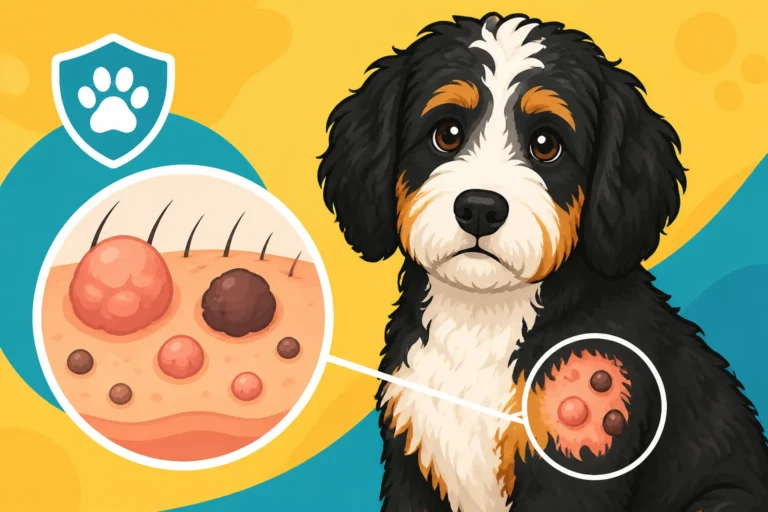
Mast cell tumors are another type of cancer frequently diagnosed in dogs, including Bernedoodles. These tumors can appear anywhere on or under the skin, or even internally. They can vary greatly in appearance, from a small lump that looks like a bug bite to a larger, more obvious mass. The tricky thing about mast cell tumors is their unpredictable nature; they can swell and shrink, making owners sometimes delay veterinary attention. Any new lump or bump, regardless of how innocuous it seems, should always be examined by a vet. This is why Lumps a Bernedoodle Owner Should Not Wait On is crucial advice.
Other Cancers to Be Aware Of
While histiocytic sarcoma, lymphoma, and mast cell tumors are often highlighted due to the Bernese predisposition, Bernedoodles can develop any cancer that affects dogs. This includes osteosarcoma (bone cancer), hemangiosarcoma (a highly aggressive cancer of the blood vessel lining), and various carcinomas. The key takeaway here is not to fixate on just a few types but to maintain a general vigilance for any unusual changes in your dog's health or behavior. This includes unexplained weight loss, changes in appetite, persistent coughing, difficulty breathing, new or changing lumps, changes in urination or defecation, or unusual lameness. Regularly running your hands over your Bernedoodle, checking their mouth, ears, and paws, can help you detect subtle changes early.
Here's a quick overview of common cancer types and what to watch for:
| Cancer Type | Common Location(s) | Key Signs to Watch For |
|---|---|---|
| Histiocytic Sarcoma | Spleen, lungs, lymph nodes, skin, bone, joints | Lethargy, weight loss, lameness, cough, difficulty breathing |
| Lymphoma | Lymph nodes (neck, armpit, groin), spleen, liver, GI | Swollen lymph nodes, lethargy, loss of appetite, vomiting |
| Mast Cell Tumors | Skin, internal organs (spleen, liver, GI) | New lumps/bumps (can change size), itching, redness |
| Osteosarcoma | Long bones (limbs), jaw, ribs | Persistent lameness, swelling at tumor site, pain |
| Hemangiosarcoma | Spleen, heart, skin, liver | Weakness, pale gums, abdominal distension, sudden collapse |
Proactive Steps and Early Detection for Bernedoodle Owners
While cancer risk can't be entirely eliminated, there's a lot you can do as a Bernedoodle owner to promote good health and increase the chances of early detection, which is often key to successful treatment.
The Importance of Responsible Breeding and Health Testing
Choosing a puppy from a responsible breeder is perhaps the single most impactful step you can take to mitigate cancer risk, and many other health issues. A reputable breeder will be transparent about the health history of their breeding lines, not just for the immediate parents but for several generations back. They should be able to provide clear documentation of health clearances for both the Bernese Mountain Dog parent and the Poodle parent. This typically includes certifications for hips, elbows, eyes, and cardiac health.
When discussing the Bernese parent's side, don't be shy about Asking a Breeder About Cancer in the Bernese Line. A good breeder will understand your concern and share any known incidences of cancer in their dogs, along with their strategies for minimizing risk in their breeding program. They'll actively work to avoid breeding dogs from lines with high incidences of early-onset, aggressive cancers like histiocytic sarcoma. While no test can predict cancer with 100% accuracy, genetic testing for other inheritable diseases shows a commitment to health. This meticulous approach significantly reduces the likelihood of passing on known genetic predispositions to serious health conditions, including some forms of cancer.
Lifestyle Factors: Diet, Exercise, and Environment
Beyond genetics, everyday lifestyle choices play a massive role in your Bernedoodle's overall health and may influence their cancer risk. A high-quality, balanced diet is fundamental. Feed a diet appropriate for large breeds, ensuring it meets all their nutritional needs without promoting excessive growth in puppies or obesity in adults. Obesity is a significant risk factor for many diseases, including certain cancers, as well as joint problems. Therefore, Whether an Overweight Bernedoodle Loses Years is a critical question for any Bernedoodle owner.
Regular, appropriate exercise is also vital. Bernedoodles need consistent activity to maintain a healthy weight and strong immune system. However, avoid over-exercising puppies, especially large ones, to protect their developing joints. Providing a stimulating, low-stress environment can also contribute to overall well-being. Additionally, minimizing exposure to environmental carcinogens, such as certain pesticides or secondhand smoke, is a common-sense step to protect your dog's health. You might also be interested in Whether Diet Affects a Bernedoodle's Cancer Risk.
Recognizing the Subtle Signs and Regular Vet Checks
As your Bernedoodle's primary caregiver, you are their first line of defense. Get to know what's normal for your dog. Pay attention to their eating habits, energy levels, breathing, and bathroom routines. Perform regular "at-home" checks, feeling for any new lumps or bumps, especially in areas like the neck, armpits, groin, and along their body. Look in their mouth, check their ears, and examine their paws. Early detection is paramount with cancer, so any persistent or unusual changes warrant a trip to the vet.
Routine veterinary check-ups are non-negotiable. As your Bernedoodle ages, these check-ups might become even more critical. Your vet can perform a thorough physical examination, looking for signs you might miss, and discuss age-appropriate screenings. For a comprehensive overview of regular health maintenance, you might consider The Screening a Bernedoodle Should Have Yearly. Many vets recommend annual blood work, urinalysis, and potentially imaging as dogs reach their senior years, which can help catch underlying issues, including cancer, before they become advanced.
Managing a Cancer Diagnosis in Your Bernedoodle
Receiving a cancer diagnosis for your beloved Bernedoodle is devastating. It's a moment filled with fear, uncertainty, and a desperate desire to do everything you can. But it's also a time for clear-headed decision-making about treatment options and quality of life.
Treatment Options and Quality of Life Considerations
The specific treatment plan for your Bernedoodle's cancer will depend entirely on the type of cancer, its stage, location, and your dog's overall health. Options can range from surgical removal of tumors, chemotherapy, radiation therapy, immunotherapy, or a combination of these. Some cancers, like certain lymphomas, can respond very well to chemotherapy, leading to remission and a good quality of life for an extended period. Other cancers, such as aggressive osteosarcoma, might involve amputation followed by chemotherapy to manage the disease. Your veterinary oncologist will guide you through the available options, explaining the pros, cons, potential side effects, and expected outcomes.
It's absolutely vital to discuss quality of life with your vet throughout the treatment process. Sometimes, the goal isn't necessarily to cure the cancer, but to manage symptoms and provide comfortable, happy months or even years. This might involve palliative care, which focuses on pain management and comfort, rather than aggressive treatment. Making these decisions is never easy, and it requires open and honest communication with your veterinary team about what's best for your individual Bernedoodle and your family.
The Emotional and Financial Impact
A cancer diagnosis is not just a medical challenge; it's an immense emotional and financial burden on families. The cost of cancer treatment can be substantial, ranging from a few thousand dollars for a straightforward surgical removal to tens of thousands for extensive chemotherapy or radiation. For example, What Cancer Treatment Costs a Bernedoodle Owner can be a shocking reality. This is where pet insurance can be a lifesaver. Policies from providers like Healthy Paws can significantly offset these costs, allowing you to focus on your dog's health rather than worrying about the bills. When considering a policy, always check Whether Cancer Is Covered on a Bernedoodle Policy.
Beyond the financial stress, the emotional toll is profound. Watching your dog go through treatment, managing their side effects, and coping with the uncertainty can be incredibly challenging. It's important to build a strong support system, whether that's through your family, friends, or online communities of pet owners facing similar situations. Remember, you're not alone in this journey, and there are resources available to help you navigate this difficult time.
Disclaimer
This article is for general informational purposes only and does not constitute professional advice. Laws, prices and regulations vary by location and change over time. Consult a qualified professional for guidance on your specific situation.