Whether Diet Affects a Bernedoodle’s Cancer Risk
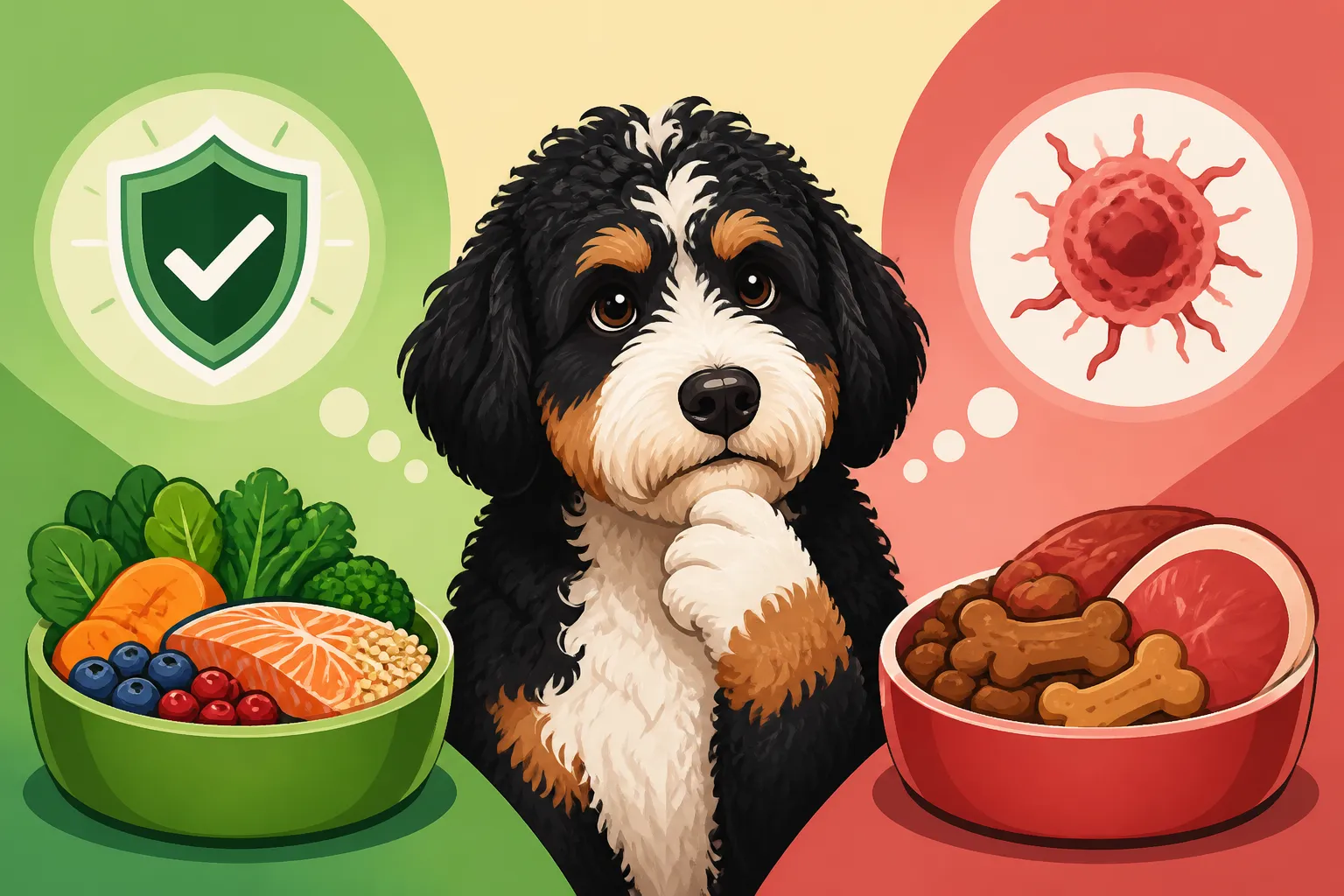
As Bernedoodle owners, we carry a unique mix of joy and deep-seated concern, especially when we know the health challenges our beloved furry family members can face. The worry about cancer, in particular, often leads us down endless rabbit holes of research, desperately seeking anything that might give our dogs a better, longer life. And at the heart of much of that searching is one crucial question: can what we feed them really make a difference in their fight against cancer? This guide is here to untangle the complex relationship between diet and cancer risk in Bernedoodles, offering realistic, evidence-backed insights to help you make informed choices.
The Deep Concern Over Cancer in Bernedoodles and the Role of Diet
It's no secret that the Bernese Mountain Dog, one half of our charming Bernedoodle mix, has a heartbreakingly short average lifespan, largely due to a high incidence of certain cancers, particularly histiocytic sarcoma. When we bring a Bernedoodle into our homes, there's often a quiet hope that the Poodle's genetics might dilute some of these predispositions, leading to a healthier, longer life. This hope naturally extends to every aspect of their care, and diet frequently emerges as a top contender for influencing health outcomes. We're bombarded with information, some scientific, some anecdotal, all promising to hold the key to preventing dreaded diseases. It’s enough to make any caring dog parent feel completely overwhelmed and unsure where to even begin.
Understanding the Genetic Landscape of Bernedoodle Cancer Risk
The very creation of the Bernedoodle was, in part, an attempt to introduce hybrid vigor and potentially reduce the incidence of certain breed-specific ailments, notably the devastating cancer rates seen in purebred Bernese Mountain Dogs. While many breeders suggest that Whether the Bernedoodle Cross Actually Reduced Cancer is a complex question with promising signs, it doesn't mean Bernedoodles are immune. They can still inherit predispositions from both parent breeds. The Poodle side, while generally healthier in terms of lifespan, can also bring its own set of concerns. This genetic backdrop is why owners are so passionate about finding every possible way to stack the odds in their dog's favor, and diet often feels like one of the most controllable variables.
Owners often grapple with questions about The Cancers That Take Bernedoodles Most Often, trying to understand the specific risks. This knowledge fuels the desire to find a diet that could act as a shield. The truth is, while genetics play a huge role, diet and environment are crucial modifiable factors that we can influence. Ignoring diet would be missing a significant piece of the wellness puzzle for our furry companions. The sheer number of options and the marketing surrounding them can make it incredibly difficult to discern what’s truly beneficial versus what’s just hype.
The Rise of "Natural" and Alternative Diets
In our human world, there's a strong trend towards organic, whole, and unprocessed foods, driven by a belief that these are inherently healthier and offer protective benefits against chronic diseases, including cancer. It's only natural that this philosophy extends to our pets. We see a growing number of Bernedoodle owners exploring raw food diets, often referred to as Biologically Appropriate Raw Food (BARF) or Prey Model Raw (PMR), or meticulously preparing home-cooked meals for their dogs. The appeal is clear: you know exactly what's going into their bowl, avoiding what you might perceive as "fillers," artificial ingredients, or heavily processed components found in many commercial kibbles.
Proponents of these diets often claim enhanced digestion, shinier coats, improved energy, and yes, a reduced risk of diseases like cancer. The theory often posits that these diets mimic what a dog's ancestors would have eaten, making them more "species-appropriate." For Bernedoodle owners, whose dogs might already be facing elevated cancer risks, the idea of a diet that could potentially boost their immune system and offer an anti-cancer advantage is incredibly compelling. The commitment and effort involved in preparing these meals speak volumes about the dedication owners have to their Bernedoodles' well-being. However, it's crucial to acknowledge that while the intentions are pure, the scientific evidence directly linking raw or home-cooked diets to reduced cancer incidence in dogs is still largely anecdotal and requires much more rigorous study.
Navigating the Commercial Dog Food Landscape
The vast majority of Bernedoodle owners rely on commercial dog food, and for good reason: it’s convenient, and reputable brands are formulated to be nutritionally complete and balanced, meeting all a dog's dietary needs. However, the world of commercial dog food is also a minefield of conflicting information, marketing claims, and genuine concerns that can make choosing the right option feel like a monumental task.
Deconstructing Ingredient Lists and Quality Concerns
When you pick up a bag of kibble, the ingredient list can be a bewildering array of terms. Many Bernedoodle owners are understandably wary of ingredients like "meat by-products," "corn," "soy," and artificial colors or preservatives. There's a widespread belief that these ingredients are detrimental to health and could contribute to inflammation, allergies, or even cancer over time. The desire is to see recognizable, whole food ingredients at the top of the list, such as specific animal proteins (chicken, beef, lamb), whole grains, and identifiable vegetables and fruits.
This scrutiny is amplified by the general understanding that chronic inflammation and poor nutrient absorption can weaken the immune system, theoretically making an animal more susceptible to disease. The idea is that a "clean" diet, free from highly processed or questionable ingredients, will naturally lead to better health and resilience. It's a challenging space, as what constitutes a "good" ingredient can be subjective and varies among different veterinary and nutritional philosophies. For instance, while some dismiss corn as a filler, it can be a valuable source of carbohydrates and nutrients when properly processed. The key lies in understanding the overall nutritional profile and quality, rather than demonizing single ingredients out of context.
The Grain-Free Dilemma and Heart Health
Perhaps one of the most significant and unsettling dietary shifts in recent years, particularly for those concerned about cancer, was the surge in popularity of grain-free dog foods. Many consumers, fueled by human dietary trends and concerns about allergies, embraced grain-free options with the belief that they were healthier, more "natural," and superior to grain-inclusive diets. For a while, some perceived grain-free as a component of a cancer-preventative diet.
However, the landscape dramatically changed with the emergence of a concerning link between certain grain-free, legume-rich diets and Dilated Cardiomyopathy (DCM) in dogs. The FDA's investigations brought to light that many diets high in ingredients like peas, lentils, and potatoes, especially those marketed as "boutique" or "exotic ingredient" formulas, were potentially contributing to this serious heart condition. This revelation forced a critical re-evaluation of dietary choices. Suddenly, a diet chosen for perceived health benefits was under suspicion for causing a different, equally devastating disease. For Bernedoodle owners, this presented a new layer of complexity: how do you balance the desire for a "clean" diet with the need to avoid other serious health risks? This highlights the importance of relying on scientific research and veterinary guidance over marketing trends.
Evidence-Based Nutritional Strategies for Cancer Prevention
While the definitive "anti-cancer diet" for dogs, including Bernedoodles, remains elusive and requires much more scientific investigation, there are clear, evidence-based nutritional strategies that absolutely support overall health and can indirectly contribute to reducing cancer risk. These focus on fundamental principles of good nutrition and healthy living.
The Foundational Importance of a Balanced and Complete Diet
The single most critical aspect of your Bernedoodle's diet, regardless of brand or type, is that it is nutritionally complete and balanced. This means it provides all the essential nutrients—proteins, fats, carbohydrates, vitamins, and minerals—in the correct proportions for their specific life stage (puppy, adult, senior) and activity level. Look for foods that meet the nutritional standards set by organizations like the Association of American Feed Control Officials (AAFCO). An AAFCO statement on the label ensures the food has either undergone feeding trials or is formulated to meet the established nutrient profiles.
Beyond just "complete and balanced," the quality of those nutrients matters immensely. High-quality protein sources support muscle maintenance and overall bodily function, while healthy fats provide energy and support cell integrity. Appropriate carbohydrates offer sustained energy. When a Bernedoodle receives consistent, high-quality nutrition, their immune system functions optimally, their cells are healthier, and their body is better equipped to repair damage and fight off disease processes. This foundational support can indirectly lower the risk of chronic illnesses, including certain cancers.
Furthermore, managing your Bernedoodle's weight is paramount. Whether an Overweight Bernedoodle Loses Years is a question that veterinarians answer with a resounding yes. Obesity is a known risk factor for various health issues, including inflammatory conditions, joint problems, diabetes, and certain types of cancer. Maintaining a lean body condition through controlled portions and appropriate exercise is one of the most powerful, evidence-based ways you can contribute to your Bernedoodle's long-term health and potentially reduce their cancer risk. It’s a simple concept, but one that often gets overlooked amidst the search for exotic ingredients.
The Role of Antioxidants, Omega-3s, and Other Functional Nutrients
Beyond basic macronutrients, certain "functional" nutrients have garnered attention for their potential roles in health and disease prevention.
- Antioxidants: Found in abundance in fruits, vegetables, and certain supplements, antioxidants like Vitamin E, Vitamin C, beta-carotene, and selenium help protect cells from damage caused by free radicals. This cellular damage is thought to play a role in the initiation and progression of cancer. While a diet rich in natural antioxidants is beneficial, massive doses of supplemental antioxidants aren't necessarily better and can sometimes be detrimental. A balanced diet with a variety of colorful fruits and vegetables (safe for dogs, of course) can provide a good source.
- Omega-3 Fatty Acids: Eicosapentaenoic acid (EPA) and docosahexaenoic acid (DHA), primarily found in fish oil, are renowned for their anti-inflammatory properties. Chronic inflammation is a known contributor to cancer development. Supplementing with high-quality omega-3s can reduce inflammation throughout the body, support immune function, and promote skin and coat health. Some studies have suggested that omega-3s might have direct anti-cancer effects, particularly in managing cachexia (muscle wasting) in cancer patients and potentially slowing tumor growth, though more research is needed for prevention.
- Other Potential Benefactors: Other nutrients and compounds often discussed include probiotics for gut health (a healthy gut microbiome is increasingly linked to overall immunity), specific fibers, and certain phytochemicals found in plants. However, the scientific evidence for their direct impact on preventing cancer in dogs is still developing. It's important to differentiate between general health benefits and specific anti-cancer effects.
It’s easy to get lost in the details of every micronutrient, but the overarching theme is balance and quality. A food that provides these nutrients naturally, or through thoughtful supplementation under veterinary guidance, is likely to offer more holistic benefits than focusing on one "miracle" ingredient.
Practical Dietary Decisions for Your Bernedoodle
Making informed dietary choices for your Bernedoodle, especially with cancer concerns in mind, doesn't have to be overwhelming. It involves a combination of responsible choices, professional guidance, and continuous observation.
Consulting with Your Veterinary Team
The most important step you can take is to discuss your Bernedoodle's diet with your veterinarian. They have a comprehensive understanding of your dog's individual health history, genetic predispositions, and current needs. If you have specific concerns about cancer risk, or are considering a specialized diet (like raw or home-cooked), ask for a referral to a board-certified veterinary nutritionist. These specialists have advanced training in animal nutrition and can formulate a perfectly balanced homemade diet or help you choose the best commercial option.
It's common for Bernedoodle owners to feel unsure about their current food choices or whether they're doing enough. Your vet can cut through the noise of internet advice and marketing hype, providing guidance based on science and your dog's unique situation. They can help you identify if your Bernedoodle might have sensitivities or allergies that influence diet, or if a particular health concern (like Pancreatitis in a Bernedoodle or Whether a Bernedoodle Is Prone to Bladder Stones) requires a specific dietary approach. Don't be afraid to ask detailed questions about ingredient quality, nutritional analysis, and feeding guidelines.
Prioritizing Weight Management and Body Condition
As mentioned, maintaining a healthy weight is one of the most impactful things you can do for your Bernedoodle's overall health and longevity. It reduces strain on their joints (something critical for a larger dog like a Bernedoodle, especially when considering issues like Hips on a Ninety Pound Bernedoodle), lowers the risk of conditions like diabetes, and is linked to a decreased incidence of certain cancers.
Regularly assess your Bernedoodle's body condition score. You should be able to feel their ribs easily under a thin layer of fat, and they should have a discernible waist when viewed from above and a tuck-up when viewed from the side. This can be tricky with a Bernedoodle's fluffy coat, so get hands-on! Feel along their sides. If you can't easily feel their ribs without pressing, they might be overweight. Use treats sparingly and factor them into their daily caloric intake. If your Bernedoodle is on the larger side, you might want to learn about The Birthday a Standard Bernedoodle Counts as Senior so you can adjust their caloric needs as they slow down.
Your vet can help you determine the ideal weight and body condition for your individual dog and provide a feeding plan to help them achieve or maintain it. This often involves precise measuring of food, avoiding free-feeding, and choosing appropriate, healthy treats.
Beyond the Bowl: Holistic Health Approaches
While diet is a significant piece of the puzzle, it's not the only factor in cancer prevention or overall health. A holistic approach encompasses several other critical areas:
- Regular Veterinary Check-ups and Screenings: Consistent veterinary care is vital. The Screening a Bernedoodle Should Have Yearly can catch potential issues early, including subtle signs of cancer. Early detection often leads to more effective treatment options.
- Appropriate Exercise: Regular, moderate exercise keeps your Bernedoodle fit, helps manage weight, and supports cardiovascular health.
- Stress Reduction: A happy, low-stress environment contributes to a robust immune system. Bernedoodles thrive on companionship and positive interactions.
- Environmental Toxin Reduction: While harder to control entirely, minimizing exposure to environmental toxins (pesticides, certain household chemicals, cigarette smoke) can also play a role.
- Pet Insurance: Despite all our best efforts with diet and lifestyle, serious health issues, including cancer, can still arise. Having pet insurance can significantly ease the financial burden of diagnosis and treatment, allowing you to focus on your Bernedoodle's care. Providers like Healthy Paws offer comprehensive plans that can cover a significant portion of veterinary bills for unexpected illnesses and accidents. This financial safety net allows you to pursue the best possible treatments, such as those that address What Cancer Treatment Costs a Bernedoodle Owner, without having to make heartbreaking decisions based solely on cost. It truly gives peace of mind knowing you're prepared. It's a critical component of ensuring The Twelve to Fifteen Years a Bernedoodle Is Sold On are as healthy as possible.
Consider the role of insurance in your comprehensive care plan. Knowing that you have support from a company like Healthy Paws can empower you to make health-first decisions without the crushing weight of unexpected medical expenses. It ensures that when your vet recommends a particular diagnostic test or treatment for your Bernedoodle, you can move forward confidently.
| Dietary Strategy | Potential Benefits (Scientific Support) | Common Misconceptions/Cautions |
|---|---|---|
| Balanced Commercial Diet | Complete nutrition, convenience, quality control (reputable brands) | Not all brands are equal; concerns about fillers, by-products (often unfounded if high-quality); risk of DCM with some grain-free |
| Raw/Home-Cooked Diets | Control over ingredients, perceived "natural" benefits | Risk of nutritional deficiencies, bacterial contamination, bone impaction; limited direct evidence for cancer prevention |
| Weight Management | Reduced risk of diabetes, joint issues, some cancers, improved longevity | Difficult with highly palatable foods; owners underestimate their dog's ideal weight |
| Omega-3 Fatty Acids | Anti-inflammatory, supports coat/skin, potential anti-cancer properties | Quality of supplement varies; proper dosage is crucial; can thin blood in high doses |
| Antioxidant-Rich Foods | Cellular protection against free radical damage | Excess supplementation can be harmful; best from whole food sources; not a cure-all |
The journey of dog ownership is filled with choices, and diet is one of the most impactful. While no diet can guarantee cancer prevention, making thoughtful, evidence-based decisions, guided by your veterinary team, will undoubtedly contribute to a healthier, happier life for your Bernedoodle. It’s about building a strong foundation for their health, year after year, recognizing that What Bernedoodles Are Most Often Put to Sleep For often includes health conditions that can be influenced by long-term care decisions.
Disclaimer
This article is for general informational purposes only and does not constitute professional advice. Laws, prices and regulations vary by location and change over time. Consult a qualified professional for guidance on your specific situation.