The First Signs of Cancer in a Bernedoodle
It’s a thought no Bernedoodle parent ever wants to entertain: cancer. Given their heritage, particularly the Bernese Mountain Dog side, this shadow often looms large, and the anxiety of potentially missing something critical can be overwhelming. As much as we adore their goofy personalities and fluffy cuddles, the reality is that Bernedoodles, like many beloved breeds, can be susceptible to various forms of cancer. This comprehensive guide is here to walk you through the subtle, and sometimes not-so-subtle, first signs of cancer in your Bernedoodle, empowering you to recognize them early and act swiftly. We'll delve into what to look for, why early detection matters, and when to seek professional veterinary advice without delay.
Understanding the Bernedoodle's Cancer Risk Profile
When you welcome a Bernedoodle into your life, you're embracing a wonderful mix of two distinct breeds, each bringing their own predispositions to the table. Understanding these genetic influences is the first step in being a proactive advocate for your dog's health, especially when it comes to cancer.
The Bernese Mountain Dog's Genetic Legacy
Let's be blunt: the Bernese Mountain Dog is heartbreakingly prone to cancer. It's a leading cause of death in the breed, significantly impacting their relatively short lifespan. Specific cancers like histiocytic sarcoma, lymphoma, and mast cell tumors are far too common. When you bring home a Bernedoodle, they inherit a portion of this genetic lottery. While the hope with crossing a Bernese with a Poodle is to introduce hybrid vigor and potentially dilute some of these risks, the unfortunate truth is that the predisposition to these aggressive cancers can absolutely be passed down. It's a stark reality that every Bernedoodle owner needs to acknowledge, not to live in fear, but to be vigilant. It makes you wonder, doesn't it, Whether the Bernedoodle Cross Actually Reduced Cancer?
Poodle Influence and Hybrid Vigor
On the other side of the equation, we have the Poodle, a generally healthier breed with a longer average lifespan. Poodles are not immune to cancer, of course; they can be prone to certain types like sebaceous adenomas, melanoma, and even some lymphomas. However, their overall cancer risk is lower than that of the Bernese. The concept of "hybrid vigor" suggests that crossbred dogs can sometimes benefit from a wider gene pool, potentially leading to fewer inherited health issues compared to purebreds with tighter breeding lines. While this is often cited as a benefit of designer breeds like the Bernedoodle, it's not a magic bullet. The degree to which hybrid vigor actually reduces cancer risk in Bernedoodles is a topic of ongoing discussion among breeders and vets alike. It's certainly a complex area, and one might legitimately ask Whether Hybrid Vigor Fades in Later Bernedoodle Generations given the multiple generations of Bernedoodles now being bred.
Why Early Detection is Crucial
The single most important factor in successfully treating many cancers in dogs is early detection. Think about it this way: a small, localized tumor is much easier to remove or treat effectively than one that has spread throughout the body. Catching cancer when it's just starting means more treatment options, a higher chance of remission, and potentially a better quality of life for your beloved companion. Many of the treatments available today for canine cancer, such as those discussed in What Chemotherapy Achieves for a Bernedoodle, are far more effective when the disease is caught in its initial stages. It truly highlights the importance of knowing what to look for and not dismissing subtle changes as "just old age" or a minor tweak.
Subtle Physical Changes That Warrant Attention
Our Bernedoodles can't tell us when something is wrong in words, so it's up to us to be attuned to their physical well-being. Regular grooming, petting, and even just watching them move are opportunities to spot anomalies.
Lumps, Bumps, and Skin Abnormalities
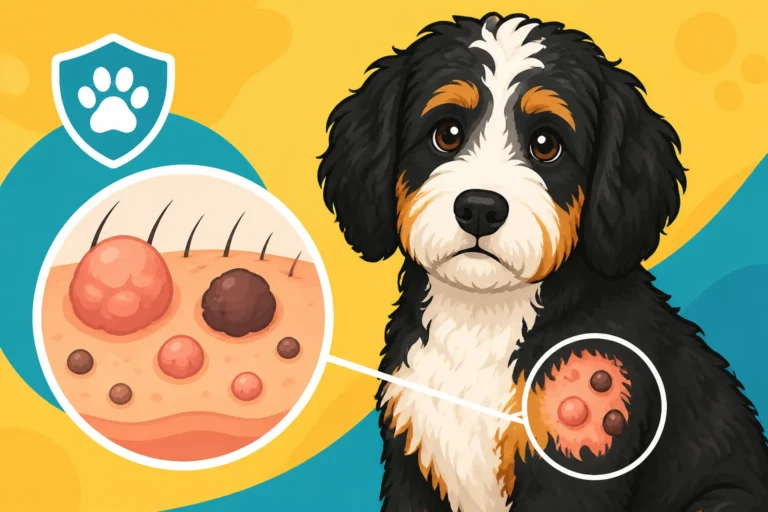
This is probably the most commonly recognized sign of potential cancer. As Bernedoodle owners, we spend so much time running our hands through their thick, often wavy or curly coats. This hands-on time is invaluable for discovering new lumps or bumps. Don't assume every lump is just a harmless fatty tumor (lipoma), though those are common too.
What to look for:
- New Lumps: Any new mass you discover, regardless of size, shape, or firmness, should be noted. Pay particular attention to areas like the armpits, groin, neck, and behind the knees, but literally anywhere on the body can develop a lump.
- Changes in Existing Lumps: If a lump you've known about suddenly grows, changes shape, becomes firmer, or feels warm or painful to the touch, that's a red flag.
- Skin Discoloration or Sores: Persistent sores that don't heal, scabs that keep returning, or areas of skin that are discolored, thickened, or bleeding are also concerning. These could indicate skin cancers like mast cell tumors, which can sometimes appear deceptively innocent.
Many vets will recommend a fine needle aspirate (FNA) for any new or changing lump. This simple procedure, often done in the exam room, involves inserting a small needle into the lump to collect cells for microscopic examination. It's non-invasive and provides crucial information. It's always best to be proactive and get a professional opinion, as detailed in Whether a Bernedoodle Lump Should Be Aspirated. Sometimes, these hidden dangers are tricky to spot, like Mast Cell Tumors Hidden in a Bernedoodle's Coat.
Weight Loss and Appetite Changes
This can be a really concerning sign because it often means something significant is going on internally.
What to look for:
- Unexplained Weight Loss: If your Bernedoodle is steadily losing weight without any changes to their diet or exercise routine, that's a major red flag. This isn't just about looking a little leaner; it's about a noticeable, consistent drop on the scale or a visible change in their body condition. Cancer cells can metabolize nutrients differently, essentially stealing calories from your dog, leading to muscle wasting and weight loss even if they're eating normally.
- Decreased Appetite or Pickiness: While some Bernedoodles can be notoriously food-motivated, a sudden or gradual decline in their interest in food, or becoming unusually picky, can signal underlying illness. This could be due to pain, nausea, or a general feeling of malaise caused by cancer.
- Difficulty Eating or Swallowing: Tumors in the mouth, throat, or esophagus can make eating painful or impossible. You might notice your dog dropping food, struggling to chew, or gagging.
If your usually food-loving Bernedoodle suddenly turns their nose up at their favorite treat, it's not just "being picky." It's a sign that warrants a closer look.
Changes in Bathroom Habits
Monitoring your Bernedoodle's potty habits might not be glamorous, but it provides valuable insights into their internal health.
What to look for:
- Blood in Urine or Stool: Any presence of blood, whether bright red or dark and tarry (which indicates digested blood), is a serious concern. It could point to tumors in the urinary tract, bladder, intestines, or colon.
- Straining or Difficulty Urinating/Defecating: If your dog is struggling to go, taking longer than usual, or seems uncomfortable during elimination, it could indicate a blockage or a mass.
- Increased Frequency or Accidents: A sudden increase in urination frequency, or accidents in the house from a previously house-trained dog, could be a sign of a bladder or kidney issue, sometimes tumor-related.
- Changes in Stool Consistency: Chronic diarrhea or constipation that doesn't resolve with minor dietary adjustments should also be investigated.
Keep an eye on these things. A routine walk can tell you a lot about what's happening inside.
Persistent Lameness or Swelling
Limping is a common complaint in larger, active breeds, often attributed to sprains or minor injuries. However, when lameness persists or is accompanied by swelling, cancer needs to be considered, especially bone cancer.
What to look for:
- Unexplained Limping: If your Bernedoodle develops a limp that doesn't improve with rest, or seems to worsen over time, and there's no clear injury, it's concerning.
- Swelling in a Limb or Joint: Bone tumors (osteosarcoma being one of the most aggressive) often present as a painful swelling on a limb, frequently near a joint like the shoulder, wrist, knee, or ankle. The area might also feel warm to the touch.
- Reluctance to Bear Weight: A dog with a painful bone tumor might try to avoid putting weight on the affected limb altogether.
It's a terrifying thought, but unfortunately, Whether a Bernedoodle Gets Osteosarcoma is a question many owners face. Don't dismiss persistent lameness, especially if it's not clearly linked to a known injury or if it doesn't get better.
Behavioral and Energy Shifts to Watch For
Sometimes, the first signs of cancer aren't physical lumps but rather a change in your Bernedoodle's usual zest for life. These can be easily mistaken for "just getting older," but it's important to look closer.
Lethargy and Decreased Stamina
Your Bernedoodle, whether a playful pup or a stately senior, has a certain level of energy. A noticeable dip in this energy can be an early indicator of something serious.
What to look for:
- Excessive Tiredness: Is your Bernedoodle sleeping more than usual, even during times they'd normally be active? Do they seem generally "low energy" or less enthusiastic about their favorite activities?
- Decreased Stamina: They might start flagging sooner on walks, opt out of playtime, or seem winded after minimal exertion. Where they once sprinted joyfully, they might now trot slowly.
- Loss of Interest in Activities: A Bernedoodle who suddenly has no interest in chasing a ball, going for a ride, or greeting family members with their usual enthusiasm is trying to tell you something.
It's tempting to think your Bernedoodle is just "slowing down" as they age, but a significant, unexplained change in energy levels needs a veterinary evaluation. This kind of "slowing down" can be a key indicator, and understanding The Signs a Bernedoodle Is Slowing Down can help differentiate normal aging from something more serious.
Unusual Pain or Discomfort
Dogs are incredibly stoic creatures, often hiding pain until it becomes severe. Learning to read their subtle cues for discomfort is vital.
What to look for:
- Vocalization: Whining, whimpering, growling, or yelping when touched or moving in certain ways can indicate pain.
- Guarding Behavior: If your Bernedoodle flinches, pulls away, or even snaps when you try to touch a particular area of their body, they might be in pain.
- Changes in Posture or Gait: A hunched back, stiff movements, or an altered way of walking can signal discomfort. They might be trying to alleviate pressure on a painful area.
- Restlessness or Inability to Get Comfortable: Pacing, frequently shifting positions, or struggling to find a comfortable spot to lie down could be a sign of internal pain.
If your normally cuddly Bernedoodle suddenly doesn't want to be touched on their flank, or cries out when jumping onto the couch, don't brush it off.
Unexplained Coughing or Breathing Difficulties
Respiratory signs can sometimes be indicative of cancer, especially if it has spread to the lungs or if there's a tumor pressing on the airways.
What to look for:
- Persistent Cough: A new, persistent cough that isn't resolving, especially if it's a dry, hacking cough, can be a red flag. It might worsen at night or after exertion.
- Labored Breathing: If your Bernedoodle is breathing rapidly, shallowly, or with obvious effort, it's an emergency. This could manifest as open-mouthed breathing, flared nostrils, or a visible heaving of the chest.
- Shortness of Breath: Even mild exertion leading to excessive panting or gasping for air is concerning.
- Bluish Gums or Tongue (Cyanosis): This is a critical emergency and means your dog isn't getting enough oxygen. Seek immediate veterinary care.
While these signs can also indicate other conditions like heart disease or kennel cough, when combined with other subtle changes, they certainly warrant immediate investigation.
When to Consult Your Vet: Don't Delay
It's easy to dismiss early, vague symptoms in our dogs, especially when they come and go. But with a breed like the Bernedoodle, where cancer is a genuine concern, procrastination can be costly. When in doubt, always err on the side of caution.
The Importance of Regular Vet Checks
Just like humans need annual physicals, your Bernedoodle needs regular veterinary check-ups. These aren't just for vaccinations; they're an opportunity for your vet to perform a thorough physical examination, listen to their heart and lungs, palpate their abdomen, and check for any subtle changes you might have missed. As your Bernedoodle ages, particularly past the age of 5 or 6, many vets recommend semi-annual (twice yearly) check-ups because changes can happen quickly. These routine visits also allow for important preventative screenings, which can be critical. Knowing The Screening a Bernedoodle Should Have Yearly can help catch issues before they become life-threatening.
Preparing for Your Vet Appointment
When you suspect something might be off with your Bernedoodle, don't just show up at the vet and say, "My dog seems off." Preparation can make a huge difference in helping your vet get to the bottom of things quickly.
- Keep a Journal: Start jotting down any unusual symptoms you notice, when they started, how often they occur, and any factors that seem to make them better or worse. This includes changes in appetite, energy, bathroom habits, or the appearance of any lumps.
- Note Specific Incidents: If your dog vomited, coughed, or had an accident, note the time, date, and any specific details (e.g., "vomited bile at 3 AM," "coughing after drinking water").
- Take Photos/Videos: A picture or short video of a lump, a coughing fit, or an unusual gait can be incredibly helpful for your vet, especially if the symptom isn't present during the exam.
- List Medications/Supplements: Bring a list of all medications, supplements, and even special treats your Bernedoodle is currently receiving.
- Be Honest: Don't be afraid to voice all your concerns, no matter how small they seem. You know your Bernedoodle best.
Financial Considerations and Pet Insurance
Facing a cancer diagnosis is emotionally devastating, and the financial burden can add another layer of stress. Diagnostics, treatments like surgery, chemotherapy, or radiation, and ongoing care can quickly add up to thousands, even tens of thousands, of dollars. This is where pet insurance can be a lifesaver. Many owners realize too late that they wish they had invested in a policy earlier.
Companies like Healthy Paws offer comprehensive pet insurance plans that can cover a significant portion of unexpected veterinary bills, including those for cancer treatment. While no one wants to think about their dog getting sick, having a plan in place can mean the difference between making treatment decisions based on what's best for your Bernedoodle and making them based on what you can afford. It's truly worth investigating, especially given What Cancer Treatment Costs a Bernedoodle Owner and the potential for a Bernedoodle to inherit cancer predispositions. Understanding Insuring a Bernedoodle Against the Bernese Half specifically addresses the higher risk factors. While Healthy Paws aims to provide peace of mind, it's always wise to review policy details to ensure cancer coverage is robust.
| Symptom Category | Specific Signs to Watch For | Potential Canine Cancers Often Associated | When to Seek Vet Care |
|---|---|---|---|
| Lumps & Bumps | New lump, rapidly growing lump, changing lump, unhealing sore. | Mast cell tumor, liposarcoma, fibrosarcoma, lymphoma, histiocytic sarcoma. | Immediately for any new, growing, or suspicious lump/sore. |
| Weight & Appetite | Unexplained weight loss, decreased appetite, difficulty eating. | Gastrointestinal cancers, lymphoma, oral cancers, any advanced cancer. | Within a few days if persistent; immediately if severely refusing food. |
| Bathroom Habits | Blood in urine/stool, straining, increased frequency, incontinence. | Bladder cancer, kidney cancer, colon cancer, anal gland adenocarcinoma. | Immediately if blood is present; within 24-48 hours for persistent straining/frequency. |
| Lameness & Swelling | Persistent limp, unexplained swelling on a limb, joint pain. | Osteosarcoma (bone cancer), soft tissue sarcoma. | Immediately for unexplained lameness or swelling, especially if painful. |
| Lethargy & Behavior | Excessive tiredness, decreased stamina, loss of interest in play. | Lymphoma, leukemia, any advanced cancer, internal bleeding from tumors. | Within a few days if persistent; immediately if accompanied by other severe signs. |
| Coughing & Breathing | Persistent cough, labored breathing, difficulty catching breath. | Lung cancer (primary or metastatic), tumors pressing on airways. | Immediately, especially if breathing is labored or gums are blue. |
Disclaimer
The information provided in this article is for educational purposes only and is not intended to be a substitute for professional veterinary advice, diagnosis, or treatment. Always seek the advice of your veterinarian or other qualified animal health provider with any questions you may have regarding a medical condition. Never disregard professional veterinary advice or delay in seeking it because of something you have read in this article.