Whether a Bernedoodle Gets Osteosarcoma
Few things strike more fear into a dog owner's heart than finding a strange lump or noticing a persistent limp. It's a gut-wrenching feeling, especially when you know that certain large breeds can be prone to aggressive diseases like bone cancer. This comprehensive guide aims to unravel the complexities surrounding osteosarcoma, specifically addressing whether our beloved Bernedoodles are susceptible to this formidable disease, what signs to watch for, and how to navigate a diagnosis.
Understanding Osteosarcoma: A Frightening Reality for Dog Owners
For many of us, our dogs are family members, and the thought of them suffering from a serious illness is almost unbearable. When it comes to cancers, osteosarcoma, or bone cancer, stands out due to its aggressive nature and the deep pain it causes. It's a diagnosis no one ever wants to hear, and understanding what it is and why it affects certain dogs can help us be more vigilant.
What Exactly Is This Aggressive Bone Cancer?
Osteosarcoma is the most common primary bone tumor in dogs, meaning it originates directly in the bone rather than spreading from another part of the body. It’s an incredibly aggressive form of cancer, not just because it attacks the bone, which is intensely painful, but also because it tends to metastasize, or spread, very quickly to other areas, most commonly the lungs. This spread can happen even before the primary tumor is evident, making early detection a significant challenge.
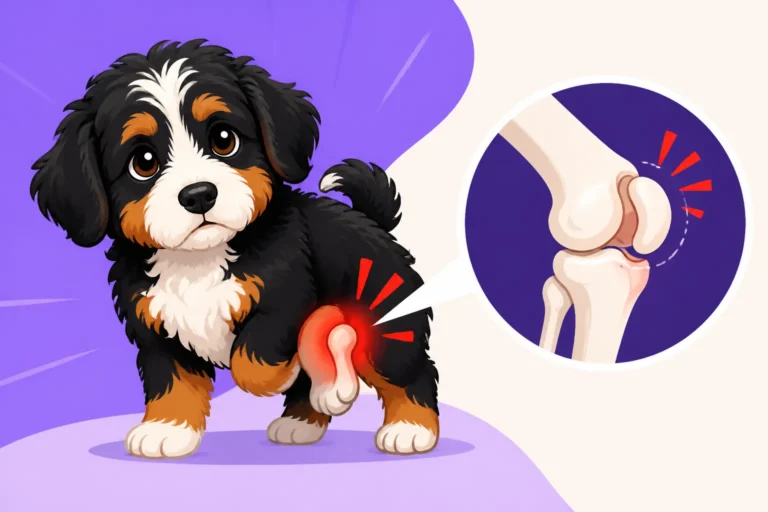
Imagine your Bernedoodle, full of life and joy, suddenly experiencing a debilitating pain in one of their limbs. This pain isn't just a minor ache; it's a deep, throbbing discomfort caused by the cancer cells actively destroying healthy bone tissue. The most common sites for osteosarcoma are the "away from the elbow and towards the knee" areas, meaning the ends of the long bones in the legs. You might see it in the humerus (upper front leg), radius/ulna (lower front leg), femur (upper hind leg), or tibia (lower hind leg). In rare cases, it can affect the ribs, spine, or even the jaw. The rapid progression of this cancer means that what starts as a subtle limp can quickly escalate into severe lameness and noticeable swelling.
The insidious nature of osteosarcoma is that by the time you notice symptoms like a limp or swelling, the cancer may have already begun its silent spread. This makes the prognosis often guarded, highlighting why proactive observation and prompt veterinary attention are absolutely critical. It’s a race against time, and knowing what you’re up against is the first step in fighting for your furry friend.
Why Large and Giant Breeds Face a Higher Risk
It’s a heartbreaking reality that large and giant dog breeds are disproportionately affected by osteosarcoma. While any dog can technically get bone cancer, breeds like Great Danes, Irish Wolfhounds, Rottweilers, German Shepherds, and our very own Bernese Mountain Dogs show a significantly higher incidence. This isn't just a coincidence; there are scientific reasons behind this predisposition, though not all are fully understood.
One prevailing theory points to the rapid bone growth rates in these larger breeds during their puppyhood and adolescence. During periods of rapid growth, bone cells divide quickly, and more cell division theoretically creates more opportunities for genetic mutations to occur, some of which can lead to cancer. Think of it like a busy factory line – the faster it runs, the more chances there are for a flaw to slip through quality control. Additionally, the increased mechanical stress and weight bearing on the long bones of larger dogs throughout their lives might also play a role, though this is less definitively proven.
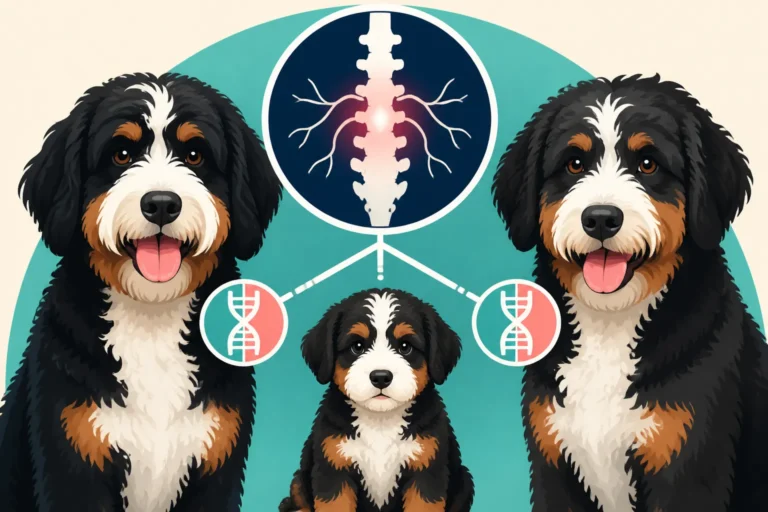
Another crucial factor is genetics. Many of these breeds carry a genetic predisposition, meaning the tendency to develop osteosarcoma is inherited through their lineage. This doesn't mean every large breed dog will get bone cancer, but their genetic blueprint makes them more susceptible compared to smaller breeds. This genetic link is particularly relevant when we consider the Bernedoodle, a crossbreed that carries the genetic legacy of both the Bernese Mountain Dog and the Poodle. Understanding this inherent risk in one of their parent breeds is vital for any Bernedoodle owner.
The Bernedoodle's Unique Position Regarding Osteosarcoma Risk
When we talk about Bernedoodles, we're discussing a hybrid that brings together two distinct genetic lines. On one hand, you have the Bernese Mountain Dog, a breed known for its loving nature but tragically short lifespan, often plagued by cancer. On the other, the Poodle, a generally healthier breed, though not without its own set of concerns. This mix creates a complex picture when assessing the risk of specific cancers like osteosarcoma.
Inheriting Predispositions from the Bernese Mountain Dog Side
It's no secret among Bernese Mountain Dog enthusiasts and owners that cancer is a significant concern for the breed. In fact, cancer, including osteosarcoma, is one of the leading causes of death for Bernese Mountain Dogs, with a particularly high incidence of histiocytic sarcoma, lymphoma, and mast cell tumors as well. This sobering reality is often what drives prospective owners to consider a Bernedoodle, hoping the Poodle cross will "dilute" this genetic predisposition.
For osteosarcoma specifically, Bernese Mountain Dogs are indeed on the list of breeds with elevated risk. This means that a Bernedoodle, being half Bernese, inherits a portion of this genetic lottery. While it's not a guaranteed inheritance, the genes that contribute to cancer susceptibility are present in the Bernese lineage and can certainly be passed down to their Bernedoodle offspring. It's a hard truth, but being aware of this predisposition allows owners to be extra vigilant and proactive in monitoring their Bernedoodle's health. You can delve deeper into What Histiocytic Sarcoma Does to a Bernese to understand another prevalent cancer affecting the parent breed.
The frustration for many Bernedoodle owners comes from the hope that the cross would magically eliminate such risks. However, genetics are complex, and while the Bernedoodle cross may have helped with overall lifespan, it doesn't always completely negate specific breed predispositions. It means a Bernedoodle owner needs to be just as, if not more, educated about the signs and symptoms of cancer as a purebred Bernese owner.
Does the Poodle Influence or Hybrid Vigor Offer Protection?
The concept of "hybrid vigor," or heterosis, suggests that crossbred animals can be healthier and more robust than their purebred parents due to increased genetic diversity. This is often the primary selling point for many "designer breeds" like the Bernedoodle. The idea is that by mixing the Bernese's genes with the Poodle's, you introduce new genetic material that might counteract some of the Bernese's health vulnerabilities, including its high cancer rates. Many hope this means Whether the Bernedoodle Cross Actually Reduced Cancer for conditions like osteosarcoma.
However, the reality is a bit more nuanced, especially when it comes to complex diseases like cancer, which are often polygenic (influenced by multiple genes) rather than caused by a single recessive gene. While hybrid vigor can sometimes reduce the incidence of certain recessive genetic diseases by introducing a non-carrier gene, its protective effect against complex cancers like osteosarcoma is not as straightforward or guaranteed. Poodles, while generally healthy, can still develop various cancers, although typically not at the same alarming rates or with the same types as Bernese Mountain Dogs.
Therefore, while a Bernedoodle might statistically have a slightly lower overall cancer risk than a purebred Bernese due to the Poodle genes, it doesn't mean they are immune to conditions like osteosarcoma. The genetic predisposition from the Bernese side remains a factor. It’s important to manage expectations and understand that a Bernedoodle can indeed get osteosarcoma, and their large size still places them in a higher-risk category. The focus should always be on responsible breeding practices that include thorough health testing for both parent breeds, aiming to reduce the inheritance of known genetic predispositions to the best extent possible. Understanding The Cancers That Take Bernedoodles Most Often can provide broader context.
Recognizing the Subtle Yet Serious Signs of Bone Cancer
One of the most challenging aspects of osteosarcoma is its subtle onset. What might seem like a minor stiffness or an "off day" for your active Bernedoodle could be the very first whisper of something far more serious. As owners, we often shrug off minor limps, hoping they'll resolve with rest, but with bone cancer, time is of the essence.
Decoding the Early Warning Symptoms
The most common initial symptom of osteosarcoma is persistent lameness or limping, often in a front limb, that doesn't improve with rest or anti-inflammatory medication. This isn't just a slight favoring of a leg; it's a consistent, sometimes worsening, limp. Many owners understandably mistake this for arthritis, a sprain, or a minor injury, especially if their Bernedoodle is active or getting a bit older. This can lead to delays in seeking veterinary attention, which, sadly, can impact the prognosis.
Beyond limping, you might notice a localized swelling on the affected limb. This swelling can be hard and painful to the touch. Your Bernedoodle might become withdrawn, reluctant to play, or less enthusiastic about walks. They may show signs of pain, such as whimpering, licking the affected area excessively, or even snapping if the area is touched. A loss of appetite or general lethargy can also be subtle indicators that something serious is amiss. If you’ve noticed Lumps a Bernedoodle Owner Should Not Wait On, it’s always best to get them checked out promptly.
It's crucial to trust your instincts as an owner. If something feels "off" with your Bernedoodle's gait, behavior, or if you find any unusual swelling, don't wait. Even if it turns out to be something benign, it's far better to be safe than to delay a critical diagnosis. Many Bernedoodle owners express frustration at how easily these early signs can be dismissed, highlighting the need for vigilance and informed action.
The Essential Steps to a Definitive Diagnosis
Once you suspect something serious, the journey to a definitive diagnosis for osteosarcoma begins with a thorough veterinary examination. Your vet will conduct a physical exam, paying close attention to the affected limb, palpating for swelling, and assessing the degree of pain and lameness. This initial assessment is crucial for guiding the next steps.
The most important diagnostic tool for suspected bone cancer is an X-ray of the affected area. On an X-ray, osteosarcoma often presents with a characteristic "sunburst" pattern or an aggressive lytic lesion (bone destruction), but it can sometimes mimic other bone conditions like infections. While X-rays can strongly suggest osteosarcoma, a definitive diagnosis typically requires a bone biopsy. This procedure involves taking a small sample of the bone tissue for histopathological examination by a veterinary pathologist. The biopsy confirms the type of cancer and helps differentiate it from other conditions.
Furthermore, once osteosarcoma is suspected or confirmed, staging tests are essential because of the cancer's high metastatic potential. This usually includes chest X-rays to check for spread to the lungs, and sometimes an abdominal ultrasound to check for spread to other organs. Blood work will also be done to assess your Bernedoodle's overall health and to check for any other underlying issues. It's a multi-step process, but each step is vital for understanding the extent of the disease and formulating the most effective treatment plan. Remember, The First Signs of Cancer in a Bernedoodle often require a thorough investigation.
Navigating Treatment Options and Prognosis for Your Bernedoodle
Receiving an osteosarcoma diagnosis for your Bernedoodle is devastating news. It's a moment when your world can feel like it's crumbling, and you're suddenly faced with a myriad of difficult decisions. Understanding the available treatment options and having realistic expectations about the prognosis can help you make the best choices for your beloved companion.
Exploring the Avenues of Medical Intervention
The primary goal of osteosarcoma treatment is to control pain, remove the primary tumor, and slow the spread of the cancer. This often involves a multi-modal approach combining several therapies. The most effective treatment for localized osteosarcoma usually involves surgical removal of the affected limb, known as amputation. While this sounds extreme, dogs typically adapt remarkably well to three legs and can lead a good quality of life afterward, especially if their pain is relieved. For osteosarcoma, amputation not only removes the painful tumor but also improves the chances of slowing the disease's progression.
Following amputation, chemotherapy is almost always recommended. Although osteosarcoma is rarely cured, chemotherapy aims to delay or prevent the microscopic metastatic disease (cancer cells that have already spread but are too small to detect) from growing into visible tumors. Common chemotherapy drugs used include Carboplatin and Doxorubicin. While dogs tolerate chemotherapy much better than humans, side effects can occur, such as gastrointestinal upset or a temporary drop in white blood cell count. Your vet will guide you through managing these. It's important to understand What Chemotherapy Achieves for a Bernedoodle to set realistic expectations.
For cases where amputation isn't an option (e.g., due to pre-existing orthopedic issues on other limbs or the location of the tumor), or as a palliative measure for pain control, radiation therapy can be considered. This won't cure the cancer but can significantly reduce pain and improve comfort by shrinking the tumor. Pain management, using medications like NSAIDs, gabapentin, and even stronger opioids, is a cornerstone of care for any Bernedoodle suffering from osteosarcoma, aiming to maintain their comfort and quality of life for as long as possible.
Quality of Life and Financial Considerations
When facing an osteosarcoma diagnosis, the focus invariably shifts to your Bernedoodle's quality of life. The prognosis for osteosarcoma, even with aggressive treatment, is often guarded. With amputation alone, median survival times are typically 4-6 months. Adding chemotherapy can extend this to 10-12 months, and in some cases, longer. These are general statistics, and individual responses can vary. The decision to pursue aggressive treatment is deeply personal, balancing the potential for extended life against the recovery process and potential side effects.
This is where open and honest conversations with your veterinary oncologist become paramount. They can help you understand the realistic expectations for your Bernedoodle, considering their age, overall health, and specific tumor characteristics. Many owners find immense emotional support in palliative care, focusing on keeping their dog comfortable, happy, and pain-free, especially in their final months. Making every day count becomes the priority.
Beyond the emotional toll, the financial burden of osteosarcoma treatment can be substantial. Amputation, chemotherapy, radiation, diagnostics, and ongoing pain management can quickly add up. This is precisely why having comprehensive pet insurance can be a lifesaver. Companies like Healthy Paws offer coverage that can significantly alleviate the financial stress, allowing you to focus on your Bernedoodle’s care rather than worrying about the bills. Understanding What Cancer Treatment Costs a Bernedoodle Owner will help you prepare. If you haven't considered it yet, looking into policies like those offered by Healthy Paws early on can provide immense peace of mind. It’s a realistic consideration, as pet insurance, especially a robust plan like one from Healthy Paws, can cover a large percentage of unexpected veterinary costs, ensuring you have options during such a challenging time. Considering options like Insuring a Bernedoodle Against the Bernese Half could be a wise decision for a Bernedoodle owner.
| Symptom Category | Specific Signs to Watch For | Common Misinterpretations | When to Seek Vet Care |
|---|---|---|---|
| Lameness/Limping | Persistent limp, favoring a limb, difficulty bearing weight, reluctance to move | Arthritis, sprain, minor injury, muscle soreness | If it lasts more than 2-3 days, or worsens, despite rest |
| Swelling/Pain | Visible swelling on a limb, heat to the touch, sensitivity when touched | Insect bite, bruise, benign cyst | Any unexplained lump or swelling, especially on a limb |
| Behavioral Changes | Lethargy, decreased appetite, withdrawal, irritability, excessive licking of a limb | General aging, sadness, minor illness, anxiety | Sudden or prolonged changes in appetite, energy, or mood |
| Weight Loss | Noticeable decrease in body mass over time | Picky eating, increased activity | Unexplained weight loss, especially when combined with other symptoms |
Disclaimer
The information provided in this article is for educational and informational purposes only, and does not constitute veterinary advice. Always consult with a qualified veterinarian for any health concerns or before making any decisions about your pet's medical care.