The Average Age a Bernedoodle Reaches
It’s a heart-wrenching question many prospective Bernedoodle owners grapple with, often overshadowed by the sheer joy and cuteness of these fluffy companions: how long will they actually be by our side? We hear conflicting numbers, ranging from optimistic breeder promises to the sobering reality of their parent breeds. This guide aims to cut through the noise and provide a realistic, empathetic look at the average lifespan of a Bernedoodle and the many factors that play into it, helping you understand what to expect and how to maximize your furry friend's time with you.
The Lifespan Conundrum: Hybrid Vigor and Reality
When you bring a Bernedoodle into your home, you're not just getting a dog; you're inviting a family member whose presence will shape years of your life. Naturally, you want those years to be as numerous and healthy as possible. The Bernedoodle, a cross between the Bernese Mountain Dog and the Poodle, is often touted for "hybrid vigor," suggesting it will somehow magically escape the health woes and short lifespan of one of its parent breeds. While there's a kernel of truth to the idea that genetic diversity can sometimes reduce the incidence of certain recessive genetic diseases, it's not a universal shield against all health issues.
Deconstructing Hybrid Vigor and Parental Lifespans
The concept of hybrid vigor, also known as heterosis, essentially means that a first-generation cross (F1) might exhibit improved health and vigor compared to its purebred parents, especially if the parents have distinct genetic backgrounds. In theory, by mixing the genes of two different breeds, you reduce the chances of inheriting two copies of a specific problematic recessive gene. However, this isn't a guarantee against all diseases, particularly those that are polygenic (caused by multiple genes) or dominant.
Let's look at the parent breeds:
- Bernese Mountain Dogs: These magnificent, gentle giants are beloved, but tragically short-lived. Their average lifespan is often cited as a heartbreakingly short 6-8 years, with cancer, particularly Histiocytic Sarcoma and Whether a Bernedoodle Escapes It, being a prevalent and aggressive killer. They are also prone to orthopedic issues like hip and elbow dysplasia.
- Poodles: In contrast, Poodles, especially Standard Poodles, boast a much longer average lifespan, typically between 10-18 years. They are generally robust but can be prone to certain conditions such as Addison's disease, bloat, and eye conditions.
The hope with the Bernedoodle cross is that the Poodle's longevity and genetic diversity will pull the average lifespan of the Bernese side up. And indeed, many Bernedoodles do live longer than their Bernese parents. However, they are still susceptible to many of the same health issues present in both parent lines. A Bernedoodle's lifespan typically falls in the range of 10-12 years, though some individuals, especially smaller ones, may live longer. It’s important to understand that this is an average, and individual experiences will vary widely.
Realistic Averages Across Bernedoodle Sizes
It's a common observation in the canine world that smaller dogs tend to live longer than larger dogs. This trend holds true for Bernedoodles, as their size can vary significantly based on the Poodle parent (Standard, Miniature, or Toy Poodle).
Here's a general breakdown of what you might realistically expect:
- Standard Bernedoodle: These are the largest Bernedoodles, often weighing 70-90 pounds or more, resulting from a Standard Poodle cross. Given their large size and the Bernese influence, their average lifespan tends to be on the lower end of the Bernedoodle spectrum, typically 8-12 years. They still benefit from the Poodle genetics, often surpassing the average Bernese lifespan, but the challenges of large breed physiology remain. For instance, concerns like Bloat in a Standard Bernedoodle's Deep Chest are still very real for them.
- Mini Bernedoodle: Bred from a Miniature Poodle, these dogs usually weigh between 25-50 pounds. This size category often sees a noticeable increase in lifespan compared to their standard counterparts, with averages typically falling between 12-15 years. They benefit from being a more moderate size, putting less strain on their joints and organs over time.
- Tiny/Micro Bernedoodle: These are the smallest Bernedoodles, typically weighing under 25 pounds, often from a Toy Poodle cross. They generally have the longest lifespans, often reaching 14-17 years or even beyond. Their compact size makes them less prone to some of the musculoskeletal and age-related issues that plague larger breeds.
It's crucial to remember that these are just averages. A Standard Bernedoodle with excellent genetics and meticulous care could certainly outlive a Mini or Tiny Bernedoodle with health issues or less optimal care. The takeaway here is that while the hybrid cross generally offers a lifespan improvement over the Bernese Mountain Dog, it's not a uniform guarantee, and size continues to play a significant role. If you are researching Whether a Tiny Bernedoodle Lives Longest, you'll find that current data generally supports this observation.
Here's a quick comparison of average lifespans:
| Breed/Cross | Average Lifespan (Years) | Key Health Considerations (General) |
|---|---|---|
| Bernese Mountain Dog | 6-8 | Cancer, Hip/Elbow Dysplasia, Bloat |
| Standard Poodle | 10-18 | Bloat, Addison's, Sebaceous Adenitis |
| Standard Bernedoodle | 8-12 | Cancer, Hip/Elbow Dysplasia, Bloat |
| Mini Bernedoodle | 12-15 | Joint issues, eye conditions |
| Tiny/Micro Bernedoodle | 14-17+ | Dental disease, patellar luxation (slipping kneecaps) |
The Genetic Blueprint: What Your Bernedoodle Inherits
Understanding your Bernedoodle's genetic background is paramount when considering their potential lifespan. They are, after all, a blend of two distinct breeds, each bringing their own set of predispositions to the genetic table. A responsible breeder will meticulously screen their parent dogs to minimize the risk of passing on heritable diseases, which can significantly impact longevity and quality of life.
Inherited Health Concerns from the Bernese Side
The Bernese Mountain Dog, while incredibly loving, carries a heavy burden of serious health issues that breeders hope to dilute with the Poodle cross. These are not just minor inconveniences; they are often life-limiting conditions.
- Cancer: This is the big one. Sadly, cancer is the leading cause of death for Bernese Mountain Dogs. Highly aggressive cancers like histiocytic sarcoma and lymphoma are particularly common. While a Bernedoodle can benefit from hybrid vigor, it's not immune. Many Bernedoodles still succumb to cancer, albeit often later in life than a purebred Bernese. It's a cruel reality that even with the best intentions, the propensity for cancer remains a significant concern. Learning Whether the Bernedoodle Cross Actually Reduced Cancer is a deep dive into this heartbreaking topic.
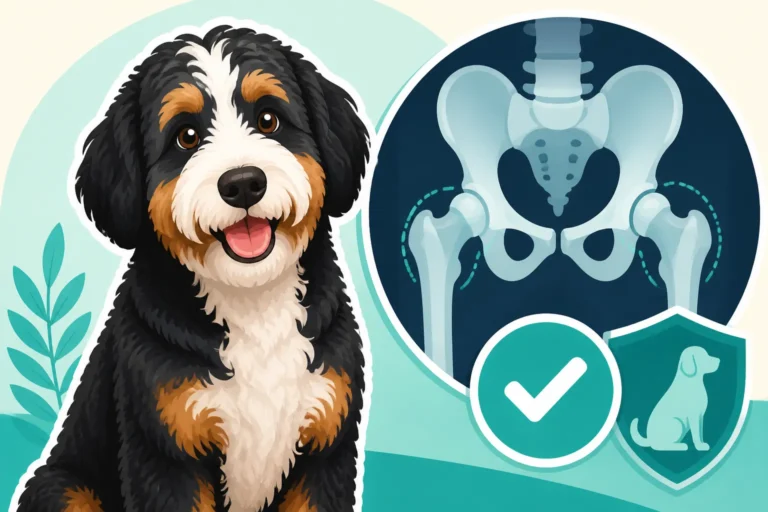
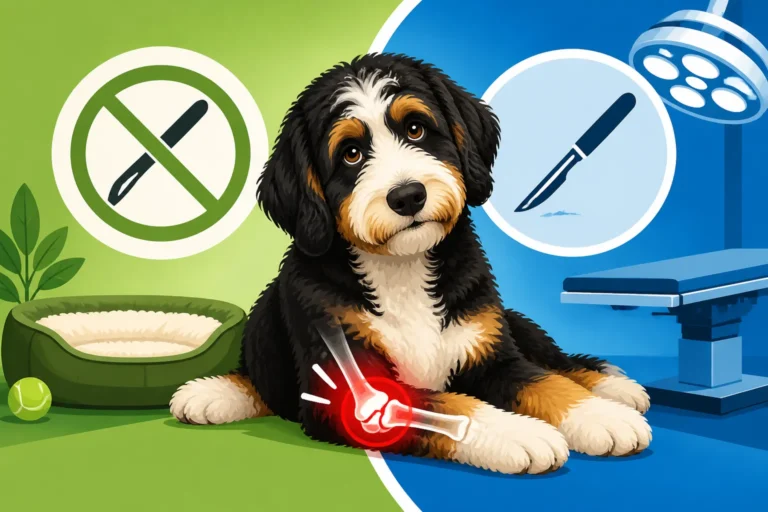
- Orthopedic Issues: Hips on a Ninety Pound Bernedoodle and Elbow Dysplasia in a Growing Bernedoodle are significant concerns inherited from the Bernese side. These conditions involve abnormal development of the hip or elbow joints, leading to pain, arthritis, and reduced mobility. While Poodles are also susceptible, the severity often seen in Bernese lines is a major factor. Early onset arthritis from these conditions can severely impact a Bernedoodle's comfort and activity levels as they age.
- Von Willebrand's Disease (vWD): This is a genetic bleeding disorder, also inherited from the Bernese side. It can cause excessive bleeding from minor injuries or during surgery. Responsible breeders should test their Bernese parent dogs for vWD to ensure they are not carriers, which can greatly reduce the risk in Bernedoodle offspring.
Poodle Contributions to Health and Longevity
The Poodle's genetic input is primarily what gives the Bernedoodle its longer lifespan potential and often its signature low-shedding coat. However, Poodles also have their own set of health considerations.
- Longevity: As mentioned, Standard Poodles are generally long-lived, contributing a positive genetic influence to the Bernedoodle's potential lifespan.
- Bloat (Gastric Dilatation-Volvulus): Both Standard Poodles and Bernese Mountain Dogs are deep-chested breeds, making them predisposed to bloat, a life-threatening condition where the stomach twists. This means Bernedoodles, especially standard sizes, carry a significant risk for this emergency. Understanding The Chest That Puts a Standard Bernedoodle at Bloat Risk is vital for any Bernedoodle owner.
- Eye Conditions: Poodles can be prone to various eye issues, including progressive retinal atrophy (PRA) and cataracts. Responsible breeders will perform eye clearances to minimize the risk of passing these on.
- Thyroid Issues: Hypothyroidism is another condition seen in Poodles that can manifest in Bernedoodles. It can affect metabolism, coat health, and energy levels, but is usually manageable with medication.
- Degenerative Myelopathy (DM): While more commonly associated with German Shepherds, DM is a progressive neurological disease of the spinal cord that is also found in some Poodle and Bernese lines. It leads to weakness and paralysis in the hind limbs. Testing for Degenerative Myelopathy Both Bernedoodle Parents Can Carry is crucial for breeding dogs.
The Critical Role of Responsible Breeding and Health Testing
This is where you, as a potential owner, have a significant impact on your future Bernedoodle's lifespan. A truly responsible breeder goes above and beyond to health test their parent dogs for conditions prevalent in both breeds. This isn't just a suggestion; it's a non-negotiable step to stacking the odds in your puppy's favor for a long and healthy life.
Key health clearances to look for include:
- OFA (Orthopedic Foundation for Animals) or PennHIP: For hips and elbows, ensuring parents have good joint conformation.
- OFA Eye Certification (CAER): To screen for inherited eye diseases.
- Genetic Testing: For conditions like Von Willebrand's Disease (vWD), Degenerative Myelopathy (DM), and potentially others like Progressive Retinal Atrophy (PRA).
- Cardiac Evaluation: To check for heart abnormalities.
A breeder who cannot or will not provide documentation for these tests is a red flag. These tests are expensive and time-consuming, but they are an investment in the health of the puppies. If a health issue does arise despite testing, having pet insurance like Healthy Paws can be an absolute lifesaver, helping cover the often astronomical costs of diagnostics and treatment for conditions like cancer or orthopedic surgeries. It’s a sad reality that even with the best breeding practices, no dog is guaranteed perfect health, making financial preparation for potential health challenges a wise decision.
Nurturing Longevity: Lifestyle and Care
Beyond genetics, the day-to-day care and lifestyle you provide for your Bernedoodle significantly influence how long and how well they live. It’s an ongoing commitment that starts from puppyhood and continues through their senior years.
Diet, Exercise, and Weight Management
Just like with humans, a balanced diet, appropriate exercise, and maintaining a healthy weight are foundational to a long life for your Bernedoodle.
- Nutrition: Feeding a high-quality dog food formulated for large breeds, especially during puppyhood, is critical for Standard Bernedoodles. Large breed puppy formulas are designed to promote slow, steady growth, which is essential for proper joint development and preventing conditions like elbow and hip dysplasia. Overfeeding a puppy can lead to rapid growth, putting undue stress on developing bones and joints. As adults, maintaining a lean body condition is paramount. Obesity puts extra strain on joints, exacerbates arthritis, and contributes to other health issues like heart disease and diabetes. If you're wondering How Much an Adult Bernedoodle Eats, it's more about quality and caloric density for their activity level than simply filling the bowl.
- Exercise: Bernedoodles are energetic dogs, especially in their younger years, and require regular exercise to stay fit and mentally stimulated. Daily walks, playtime in a secure yard, or trips to the dog park are excellent. However, caution is advised during puppyhood and adolescence, particularly for Standard Bernedoodles. Over-exercising a growing puppy can damage their developing joints. Structured walks and playtime that aren't too high-impact are best. Avoid excessive jumping or long, strenuous runs until their growth plates have closed, usually around 18-24 months for large breeds.
- Weight Management: This cannot be stressed enough. Even a few extra pounds can have a profound impact on a Bernedoodle's long-term joint health, particularly for a breed already predisposed to hip and elbow issues. Regularly assessing your dog’s body condition, feeling for ribs (they should be easily palpable, but not visible), and adjusting food portions and exercise accordingly is a continuous effort. Your veterinarian can help you determine your Bernedoodle's ideal weight and caloric needs.
Proactive Veterinary Care and Early Detection
Regular veterinary care isn't just for when your dog is sick; it's about prevention and early detection, which can literally add years to their life.
- Routine Check-ups: Annual veterinary visits (or semi-annual for seniors) are essential. These check-ups allow your vet to monitor overall health, catch potential issues early, ensure vaccinations are up-to-date, and discuss preventative care like flea, tick, and heartworm medication. Early detection of conditions like [Thyroid Disease] can make a huge difference in managing it effectively.
- Dental Care: Dental disease is often overlooked but can have far-reaching effects on a dog’s overall health, contributing to heart, kidney, and liver problems. Regular tooth brushing at home, dental chews, and professional dental cleanings as recommended by your vet are critical. Many tiny Bernedoodles are especially prone to dental issues, so don't overlook their oral hygiene.
- Screening and Diagnostics: As your Bernedoodle ages, your vet might recommend routine bloodwork, urinalysis, or other screenings to detect common senior dog ailments. Catching diseases like kidney disease, liver issues, or certain cancers in their early stages can lead to more effective treatment and a better prognosis. This proactive approach is where pet insurance from providers like Healthy Paws truly shines, helping you afford the necessary diagnostic tests and treatments without having to make difficult financial choices during a stressful time. Being prepared for these costs is a significant part of ensuring your Bernedoodle lives a full and comfortable life.
- Responding to Changes: Pay close attention to any changes in your Bernedoodle's behavior, appetite, energy levels, or physical condition. Is your Bernedoodle suddenly [Slowing Down]? Are they developing new lumps? Don't hesitate to consult your vet. Early intervention is often key to managing health problems successfully.
The Impact of Spaying and Neutering Age
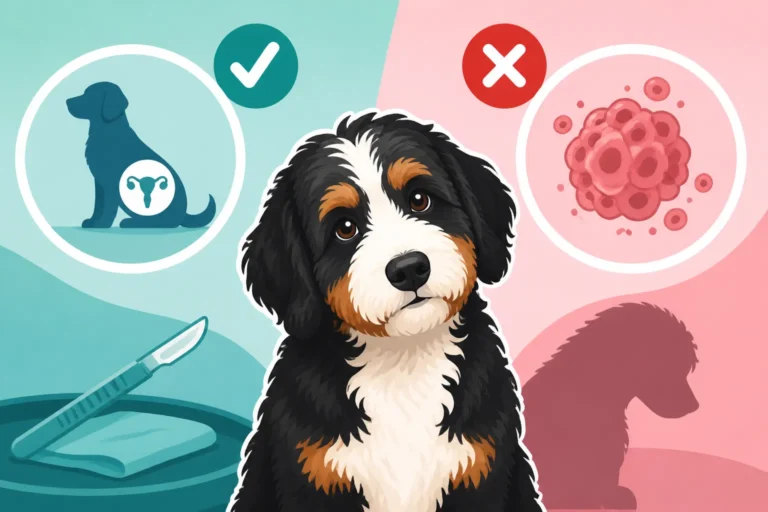
The decision of when to spay or neuter your Bernedoodle is more nuanced than it once was, with growing research suggesting that timing can impact long-term health, particularly for large breeds. While traditionally recommended at 6 months, many vets and breeders now advise waiting longer for large and giant breeds like the Bernedoodle.
- Delayed Spay/Neuter: Some studies indicate that waiting to spay or neuter until after a dog's growth plates have closed (around 18-24 months for Bernedoodles) may reduce the risk of certain orthopedic problems like hip dysplasia and cranial cruciate ligament (CCL) tears. Sex hormones play a role in bone development, and early removal can sometimes lead to longer limb bones, potentially altering joint mechanics.
- Cancer Risk: The relationship between spay/neuter timing and cancer risk is complex and debated. Some research suggests early spaying may slightly increase the risk of certain cancers, like osteosarcoma, while reducing the risk of others, like mammary tumors. Neutering males before 6 months might be linked to increased risk of certain cancers later in life.
- Behavioral Considerations: Delaying these procedures can also have behavioral implications, which need to be managed through responsible ownership and training.
- Consult Your Vet: The best approach is to have an open and thorough discussion with your veterinarian, considering your individual Bernedoodle's health, lifestyle, and your specific circumstances. They can help you weigh the pros and cons and make an informed decision that supports your dog's longevity and well-being.
Navigating the Golden Years: Caring for an Aging Bernedoodle
As your Bernedoodle transitions from energetic adult to wise elder, their needs will shift. Providing attentive care during their senior years is crucial for maintaining their comfort and extending their quality of life. Even if they've enjoyed a long life, What Changes in a Bernedoodle After Eight can be subtle but important.
Recognizing the Subtle Signs of Aging
Aging in dogs is a gradual process, and recognizing the early signs can help you make timely adjustments to their care. It's not about them suddenly becoming "old" overnight; it's a slow transition.
- Slowing Down: This is one of the most common and noticeable signs. Your Bernedoodle might be less enthusiastic about walks, take longer to get up from a nap, or be less inclined to play fetch for extended periods. This could be a sign of normal aging, or it might indicate underlying issues like arthritis.
- Changes in Coat and Appearance: A [Graying Bernedoodle Face] is a classic sign of aging, but you might also notice their coat becoming a bit duller or thinner, or perhaps dry skin. Their eyes might develop a cloudy appearance (lenticular sclerosis), which is often a normal age-related change and usually doesn't affect vision significantly, unlike cataracts.
- Behavioral Shifts: Some older Bernedoodles might become a bit more vocal, experience changes in sleep patterns (sleeping more during the day, being restless at night), or show signs of cognitive decline, such as staring at walls, getting confused in familiar surroundings, or forgetting commands.
- Appetite and Thirst Changes: An increase or decrease in appetite or thirst can be a sign of various underlying health issues that warrant a vet visit.
- Dental Issues: Older dogs are more prone to dental disease, which can cause pain, bad breath, and lead to systemic health problems if left untreated.
Supporting Your Senior Bernedoodle's Comfort
Making adjustments to your home and routine can significantly improve your senior Bernedoodle's quality of life. This proactive support can help them enjoy their remaining years to the fullest.
- Dietary Adjustments: Senior Bernedoodles often benefit from a diet formulated for older dogs. These foods typically have fewer calories to prevent weight gain (as activity decreases), but higher quality protein to maintain muscle mass. Joint supplements containing glucosamine and chondroitin can be very beneficial for easing arthritis pain and supporting joint health. Your vet might also suggest specific supplements or medications for cognitive support.
- Gentle Exercise: While their energy levels might decline, keeping them gently active is important. Shorter, more frequent walks on soft surfaces are preferable to long, strenuous hikes. Swimming can be an excellent low-impact exercise for arthritic dogs, as it supports their weight while allowing them to move their joints.
- Comfort and Accessibility: Think about how to make their environment more comfortable. Orthopedic beds can provide crucial support for aching joints. Ramps can help them access elevated surfaces like the couch or car without painful jumping. Ensure they have easy access to food and water bowls, perhaps even elevated ones to reduce neck strain. Consider using non-slip rugs on hard floors to provide better traction for unsteady paws, as a [Heavy Old Bernedoodle] can struggle with balance.
- Increased Vet Care: As your Bernedoodle ages, semi-annual vet visits become even more important. These frequent check-ups allow for closer monitoring of chronic conditions, early detection of new issues, and adjustments to medications or care plans. This is another area where Healthy Paws insurance can be a tremendous asset, covering these increased veterinary costs as your beloved companion requires more attention and care. Being able to say "yes" to recommended treatments and diagnostics without financial strain can truly enhance their comfort and potentially extend their life.
Disclaimer
Please remember that this article is intended for informational purposes only and should not be considered a substitute for professional veterinary advice. Always consult with a qualified veterinarian for any health concerns or before making any decisions about your Bernedoodle's care or treatment.