How Much an Adult Bernedoodle Eats
Figuring out exactly how much to feed your adult Bernedoodle can feel like a guessing game, and frankly, it's one of the most common worries I hear from fellow Bernedoodle parents. You want them to be healthy, happy, and maintain a good weight, but with their varied sizes, energy levels, and unique blend of Bernese Mountain Dog and Poodle genetics, those feeding guidelines on the back of the bag often feel too generic to be truly helpful. This comprehensive guide is here to cut through the confusion, helping you understand the real factors that influence your adult Bernedoodle's dietary needs and how to feed them just right.
Understanding Your Bernedoodle's Unique Nutritional Needs
It’s easy to look at two Bernedoodles and assume their dietary needs are the same, especially if they’re roughly the same size. But just like people, dogs have individual metabolisms, activity levels, and health considerations that drastically change how much fuel their bodies require. Your Bernedoodle isn't just a dog; they're a unique blend of two distinct breeds, each bringing their own predispositions and requirements to the table. Ignoring these nuances can lead to either an underfed, lethargic pup or, more commonly, an overweight one, which carries its own set of health risks.
Size and Metabolism: Not All Bernedoodles Are Equal
When we talk about adult Bernedoodles, we're not talking about a single, uniform size. You could have a tiny Bernedoodle weighing in at a mere 15-20 pounds, a mini Bernedoodle around 30-50 pounds, or a majestic standard Bernedoodle easily tipping the scales at 70-100 pounds, or even more. Naturally, a 20-pound dog is going to need significantly less food than a 90-pound dog just to maintain basic bodily functions. But it's not simply about weight. Metabolism plays a huge role. Some Bernedoodles, despite their size, might have a naturally faster metabolism inherited from their Poodle side, burning calories more efficiently, while others might lean more towards the Bernese side, which tends to be a bit slower.
This means that even two standard Bernedoodles of the same weight might require different amounts of food. A young, lean, muscly Bernedoodle might have a higher resting metabolic rate than an older, slightly less active one. Genetics, too, can influence how efficiently their body uses nutrients. A dog bred from two very active lines might just naturally burn more calories throughout the day, even when at rest, compared to a dog from more sedentary ancestry. It's a delicate balance that often requires observation and adjustment rather than a one-size-fits-all approach.
Activity Level: The Couch Potato vs. The Trail Blazer
This is perhaps one of the biggest differentiators in a Bernedoodle's caloric needs. Think about your own daily routine: if you spend a day on the couch, you need fewer calories than if you run a marathon. The same applies directly to your Bernedoodle. A Bernedoodle that spends its days largely napping, with only short, leisurely walks around the block, will require substantially fewer calories than one that joins you for daily jogs, long hikes, or regular romps at the dog park.
A Bernedoodle engaged in dog sports like agility, obedience, or The Draft Dog Work a Bernedoodle Can Still Do will be burning a massive amount of energy and will need their food intake adjusted accordingly. Even the type of play matters. A Bernedoodle that loves a vigorous game of fetch for an hour solid will burn more than one that prefers gentle tug-of-war for short bursts. On the flip side, if your Bernedoodle is normally active but has a temporary injury or is recovering from surgery, their caloric intake should be temporarily reduced to prevent unwanted weight gain during their period of forced rest. It’s crucial to match their energy expenditure with their food intake to maintain an ideal body condition. Ignoring this can quickly lead to an Whether an Overweight Bernedoodle Loses Years, something we all want to avoid.
Age and Life Stage: From Adult to Senior
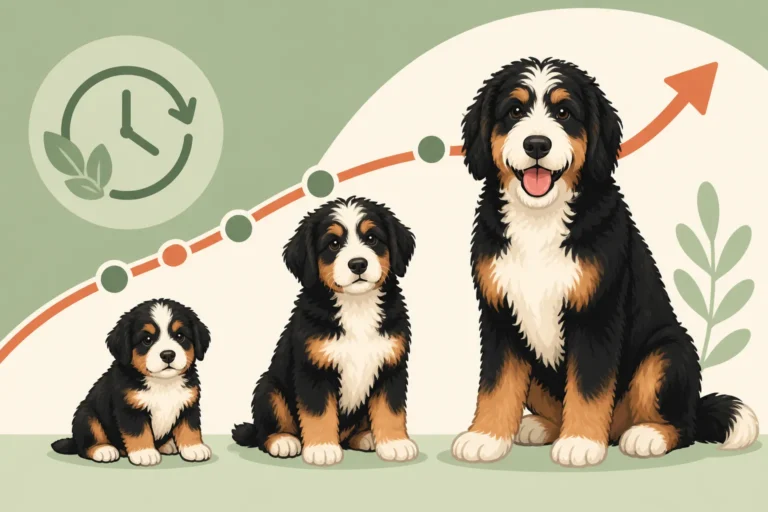
A Bernedoodle's journey through life brings different nutritional demands. While puppyhood is all about rapid growth and development, with specific large breed puppy formulas designed to manage that growth safely, adulthood marks a plateau in these demands. Generally, Bernedoodles transition from puppy food to adult food between 12-18 months of age, depending on their size and individual growth curve. During their prime adult years (typically from age 1 to around 7-8 years, although this varies), their caloric needs will be primarily dictated by their size and activity level.
As your Bernedoodle approaches their senior years, which for a standard Bernedoodle might be around The Birthday a Standard Bernedoodle Counts as Senior, their metabolism naturally slows down. They might become less active, preferring shorter walks and more naps. At this stage, their caloric requirements will decrease, and you'll often need to reduce their food portion to prevent weight gain. Many senior dog foods are formulated with fewer calories and often include supplements for joint health to help with Managing Arthritis in an Old Bernedoodle. It's not just about less food, but sometimes a change in the type of food to support their aging bodies. Keeping an eye on their energy levels and physical condition as they age is vital for making these adjustments.
Deciphering Dog Food Labels and Portions
Walking down the dog food aisle can feel overwhelming, with countless brands and formulas all claiming to be the best. The labels are packed with information, but knowing what to look for and how to interpret it for your specific Bernedoodle is the key to successful feeding. It’s not just about the number of cups; it’s about the nutritional value packed into each one.
The Caloric Density Puzzle: Why Every Food Is Different
This is where many owners get tripped up. You might think a "cup" of dog food is standard across all brands, but that's far from the truth. The caloric density, or how many kilocalories (kcal) are in a given weight (usually per cup or per 100 grams), varies wildly between different dog food formulas. A high-protein, high-fat performance kibble might pack 450 kcal per cup, while a senior or weight-management formula could be as low as 300 kcal per cup. This difference of 150 calories per cup, multiplied over two meals a day, can add up to a significant amount over weeks and months, leading to unexpected weight gain or loss.
Therefore, simply feeding "two cups a day" without knowing the caloric density of your specific food is a recipe for error. Always look for the "kcal/cup" or "kcal/kg" information on the bag. This number is your golden ticket to truly understanding the energy content of what you're feeding. It allows you to make precise adjustments. If your vet recommends your Bernedoodle consume 1800 calories a day and your chosen kibble has 400 kcal/cup, you know you need to feed 4.5 cups, not just whatever the generic guideline suggests. Understanding these numbers is fundamental to providing accurate nutrition.
Manufacturer Guidelines: A Starting Point, Not a Strict Rule
Every bag of dog food comes with a feeding chart, usually based on your dog's weight. These charts are created using averages and provide a starting point for feeding your Bernedoodle. They often don't account for individual metabolic rates, specific activity levels, or environmental factors. For example, a standard Bernedoodle listed as needing 4 cups for its weight might be a very lazy dog at home and gain weight on that amount, or it could be a highly active working dog that needs 5 cups to maintain its energy.
Think of these guidelines as the first step in a personalized feeding journey. You should never rigidly stick to them without monitoring your dog. Start with the recommended amount for your Bernedoodle's target healthy weight (not necessarily their current weight if they need to lose a few pounds) and then observe. Is your dog gaining too much weight? Are they looking too thin? Adjust incrementally, typically by 1/4 to 1/2 cup at a time, and re-evaluate after a week or two. Your Bernedoodle's body condition and energy levels will tell you far more than any generic chart.
Dry Kibble vs. Wet Food vs. Fresh Food Diets
The type of food you choose also significantly impacts feeding volumes and considerations. Most Bernedoodles thrive on high-quality dry kibble, which is usually the most calorically dense and cost-effective option. Kibble offers convenience, can be left out for short periods, and the crunch helps clean teeth (though not a substitute for brushing!). However, because it's dry, it's essential your Bernedoodle has constant access to fresh water.
Wet food, while often highly palatable and a great way to add moisture to their diet, is significantly less calorically dense than kibble due to its high water content. This means you'd need to feed a much larger volume of wet food to meet your Bernedoodle's caloric needs, which can become quite expensive and bulky for a large breed. Many owners use wet food as a topper to make kibble more appealing, rather than as a sole diet.
Then there's the growing popularity of fresh food or gently cooked diets. Brands like Ollie prepare human-grade ingredients that are precisely portioned. These diets can be excellent for many dogs, offering high digestibility and palatability. However, they can also vary in caloric density. When switching to or using a fresh food diet, it's absolutely crucial to follow the specific portion guidelines provided by the company, which are usually tailored to your dog's weight, age, and activity level. Since these often come pre-portioned, it can simplify the measuring process considerably, but understanding their nutritional breakdown is still important.
| Food Type | Caloric Density (kcal/cup estimate) | Primary Pros | Primary Cons |
|---|---|---|---|
| Dry Kibble | 300-500 kcal | Cost-effective, convenient, aids dental | Requires plenty of water, less palatable for some |
| Wet Food | 100-200 kcal | High moisture, highly palatable | Expensive, large volume needed, short shelf life once opened |
| Fresh/Cooked | Varies widely (often similar to kibble on dry matter basis) | Human-grade ingredients, highly digestible, customized | Expensive, requires refrigeration, shorter shelf life |
Practical Approaches to Feeding Your Adult Bernedoodle
Once you understand the 'why' behind dietary needs, it's time to put that knowledge into practice. Consistent routines, accurate measurements, and diligent monitoring are the cornerstones of ensuring your Bernedoodle gets the right amount of food every day. This isn't just about avoiding overfeeding; it's about providing stable energy levels and supporting their overall health.
The Two-Meal-a-Day Schedule: Consistency is Key
For adult Bernedoodles, feeding twice a day is generally recommended. This approach offers several benefits. First, it helps regulate their hunger and energy levels throughout the day, preventing long stretches of emptiness that could lead to begging or overeating at the next meal. Secondly, for deep-chested breeds like the Bernedoodle (even with their Poodle influence, the Bernese side gives them that chest configuration), two smaller meals are generally safer than one large one when it comes to reducing the risk of bloat, a serious and life-threatening condition. While Whether a Standard Bernedoodle Should Be Tacked at Spay can help, proper feeding practices are still paramount.
Establishing a consistent feeding schedule, such as once in the morning and once in the evening, helps your dog's digestive system regulate itself. They learn when to expect food, which can reduce anxiety around meal times and make house-training easier for younger adults who might still be perfecting their potty schedule. Try to feed them at roughly the same times each day. If your schedule is unpredictable, aim for consistency where you can, perhaps using a slow feeder or puzzle toy to extend mealtime enjoyment and aid digestion.
Measuring Accurately: The Difference a Cup Can Make
This might sound like a no-brainer, but it's where many well-intentioned owners unknowingly go wrong. Scooping kibble directly from the bag with any old measuring cup from the kitchen can lead to significant discrepancies. Your coffee mug or a generic plastic scoop might hold more or less than a true measuring cup designed for cooking, and the difference can be substantial over time. A "cup" of dog food on the bag refers to a standard 8-ounce (240ml) measuring cup.
Invest in a dedicated, accurate measuring cup for your dog's food. Even better, if your dog is on a diet or needs very precise portions, consider using a digital kitchen scale to measure their food by weight. This is the most accurate method because the density of kibble can vary even within the same brand or bag due to manufacturing processes, meaning a "cup" by volume might not always be the same "cup" by weight. Consistency in measurement is critical, especially when trying to fine-tune your Bernedoodle's intake to achieve or maintain an ideal weight. What seems like a small difference in each meal can accumulate significantly over weeks, influencing their body condition. This attention to detail is part of managing their long-term health.
Monitoring Weight and Body Condition: Your Best Indicator
While feeding guides offer a starting point, your Bernedoodle's actual body is the most accurate gauge of whether you're feeding the right amount. Regular monitoring of their weight and body condition is essential. You can weigh a standard Bernedoodle at your vet's office, or even a mini or tiny Bernedoodle on your home scale if you pick them up. Keep a log. Fluctuations can signal that an adjustment is needed.
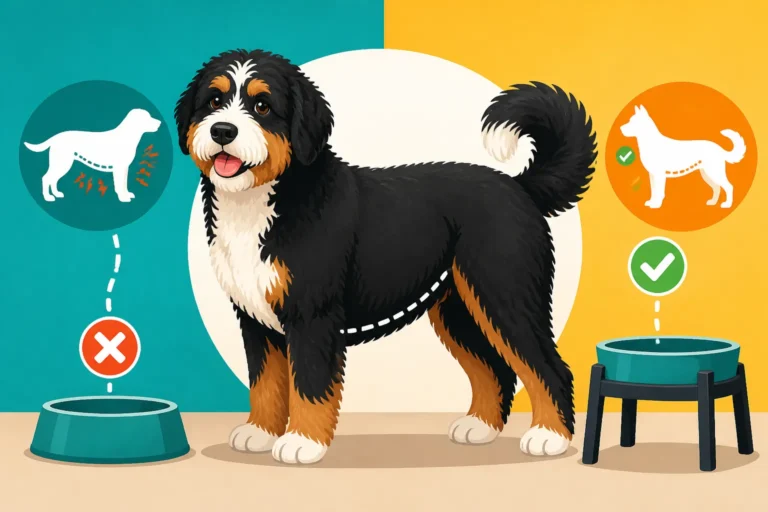
More importantly than a number on a scale is their body condition score. You should be able to Feeling for a Bernedoodle's Ribs Under All That Coat without pressing hard, feeling them easily but not seeing them protruding. When looking from above, your Bernedoodle should have a visible waistline, a gentle tuck behind the ribs, but their hips shouldn't jut out. If they look like a furry barrel, they're likely overweight. If their ribs, hips, and spine are sharply visible, they're too thin. This visual and tactile assessment is crucial. If you're unsure, ask your veterinarian or a trusted professional to help you assess your Bernedoodle's body condition. They can give you an objective opinion and help you make appropriate feeding adjustments to achieve or maintain a healthy physique.
Factors That Influence Your Bernedoodle's Appetite and Intake
Just like humans, a Bernedoodle's appetite isn't solely driven by caloric needs. Numerous external and internal factors can affect how much they want to eat, how well they digest it, and ultimately, how much food they truly need to thrive. Being aware of these influences can help you understand subtle changes in their eating habits and respond appropriately.
Environmental Factors: Heat, Cold, and Stress
The environment plays a surprisingly significant role in your Bernedoodle's caloric requirements. During colder months, especially if your Bernedoodle spends time outdoors (though they are primarily indoor companions), their body will burn more calories to maintain core body temperature. This might mean a slight increase in their food intake to provide that extra energy. However, most Bernedoodles live in temperature-controlled homes, so this effect is often minimal.
Conversely, in hot weather, many dogs, including Bernedoodles, tend to have a reduced appetite. Their body is working harder to stay cool, and they might simply not feel like eating as much. If you notice your Bernedoodle eating less during summer, especially if they are usually quite enthusiastic about food, it could be a simple response to the heat. This is also why we discuss Whether a Bernedoodle Should Be Walked in Summer and advise caution in high temperatures. Stress, too, can impact appetite. A new environment, a change in routine, or even the addition of a new pet can cause a Bernedoodle to eat less or, in some cases, more out of anxiety. Observing their behavior alongside their eating habits can provide clues.
Health Considerations: When Diet Changes Are Needed
A Bernedoodle's health status is a paramount factor in their nutritional needs. Any underlying health issue can drastically alter their appetite, digestion, and caloric requirements. For instance, dental pain from a cracked tooth or severe gum disease can make eating painful, leading to a refusal to eat or a significant decrease in intake. Similarly, gastrointestinal upset, whether from a temporary bug or a chronic condition, can cause nausea, vomiting, or diarrhea, all of which impact nutrient absorption and desire to eat.
Conditions like hypothyroidism, which can affect Bernedoodles, can slow metabolism and lead to weight gain even on normal food portions. Joint problems, such as hip or elbow dysplasia, might lead to reduced activity, necessitating a lower calorie intake to prevent weight gain, which would only exacerbate their joint issues. In these cases, your vet might recommend specialized diets, supplements, or simply a reduction in food volume. If your Bernedoodle is sick, recovering from surgery, or dealing with chronic illness, always consult your veterinarian about appropriate dietary adjustments. Never hesitate to discuss sudden changes in appetite or weight with them, as it could be a symptom of a larger health concern.
Treats, Chews, and Table Scraps: The Hidden Calories
It's so easy to forget about the extra bits and pieces we give our Bernedoodles throughout the day. Those training treats, dental chews, puzzle toy fillings, and even small bites of "human food" can quickly add up to a significant portion of their daily caloric intake. Many owners diligently measure out kibble but then generously hand out treats, effectively overfeeding their dog without realizing it.
If your Bernedoodle is getting 10-20% of their daily calories from treats and extras, you need to reduce their main meal portions accordingly. When training, use small, low-calorie treats, or even use a portion of their daily kibble allowance. Remember that a large dental chew can have as many calories as a small meal! Table scraps, while seemingly harmless, can be high in fat, sugar, and sodium, and can upset your Bernedoodle's sensitive stomach. They also contribute to overall calorie intake. To maintain a healthy weight, especially if your Bernedoodle is prone to weight gain or you are trying to address Keeping a Bernedoodle's Weight Down, be mindful of all calories consumed, not just those from their bowl.
Choosing the Right Food and Supplements
Selecting the right dog food for your Bernedoodle goes beyond just calories; it’s about providing balanced nutrition to support their unique needs. With so many options available, understanding what truly makes a quality food can feel daunting. But a little knowledge goes a long way in ensuring your furry friend thrives.
High-Quality Ingredients: What to Look For
A high-quality dog food for your Bernedoodle will feature real, identifiable ingredients. The first ingredient (or first few) should be a named animal protein source, such as "chicken meal," "deboned lamb," or "salmon." Avoid foods that list generic "meat meal" or too many plant-based proteins before any animal protein. Protein is essential for muscle maintenance and overall health, especially for larger, active breeds.
Beyond protein, look for whole grains like brown rice, oats, or barley, or complex carbohydrates like sweet potatoes. These provide sustained energy. Healthy fats, such as chicken fat or salmon oil, are crucial for skin and coat health, and for overall cellular function. You'll also want to see a good mix of fruits and vegetables (e.g., peas, carrots, blueberries, spinach) which offer natural vitamins, minerals, and antioxidants. Steer clear of foods with excessive fillers (like corn or wheat as the primary ingredients), artificial colors, flavors, or preservatives. Reading ingredient labels carefully, understanding that ingredients are listed by weight, is key to making an informed choice.
Large Breed Formulas: Why They Matter for Bernedoodles
For standard and even many mini Bernedoodles, large breed specific formulas are often a wise choice. These foods are not just about kibble size, although that can be helpful; they are specifically formulated with a careful balance of nutrients to support the unique needs of larger dogs. Importantly, they typically have controlled levels of calcium and phosphorus, which are crucial for the healthy development of bones and joints, especially during the rapid growth phase of a puppy, and for maintenance in adulthood.
Large breed adult formulas often include ingredients beneficial for joint health, such as glucosamine and chondroitin. These supplements can support cartilage health and mobility, which is particularly important for breeds prone to orthopedic issues like hip and elbow dysplasia. Since Bernedoodles inherit a predisposition to these conditions from the Bernese Mountain Dog side, choosing a food that supports joint health can be a proactive step. You can find a wide variety of these specialized foods from reputable retailers like Chewy or Amazon, making it easier to compare ingredients and formulations.
Navigating Dietary Sensitivities and Allergies
While generally robust, some Bernedoodles can develop food sensitivities or allergies. Common culprits include chicken, beef, dairy, wheat, and soy. Symptoms can range from digestive upset (vomiting, diarrhea, gas) to skin issues (itching, redness, ear infections, paw licking) or even chronic ear infections in a Bernedoodle's Ear Infections in a Bernedoodle's Drop Ear. If you suspect your Bernedoodle has a food sensitivity, the first step is to consult your veterinarian. They can help rule out other causes and guide you through an elimination diet.
An elimination diet typically involves feeding a novel protein source (one your dog has never eaten before, like venison or duck) and a single carbohydrate source for several weeks, then reintroducing potential allergens one by one to identify the culprit. Many brands offer "limited ingredient diets" (LIDs) specifically designed for this purpose. These foods contain fewer ingredients, reducing the chances of an allergic reaction. Be patient with this process, as it can take time to pinpoint the specific allergen, but finding the right food can dramatically improve your Bernedoodle's quality of life.
Common Feeding Mistakes to Avoid
Even with the best intentions, owners can sometimes fall into common feeding traps that inadvertently impact their Bernedoodle's health and weight. Being aware of these pitfalls is the first step toward correcting them and ensuring your furry companion enjoys a long, healthy life.
Free Feeding: The Road to Obesity
Free feeding, which means leaving a bowl of food out for your Bernedoodle to graze on whenever they please, is one of the most common mistakes, especially for larger breeds. While it might seem convenient, it's a direct route to obesity for most dogs. Bernedoodles, like many breeds, often lack the self-control to regulate their own intake, and if food is constantly available, they will often eat more than they truly need. This can lead to a gradual, insidious weight gain that can be hard to reverse.
Obesity in Bernedoodles, as discussed in Whether an Overweight Bernedoodle Loses Years, contributes to a host of health problems, including increased strain on their joints (which they are already predisposed to issues with), diabetes, heart disease, and a shortened lifespan. Controlled, portioned meals, typically twice a day, are the gold standard for maintaining a healthy weight and ensuring you know exactly how much your Bernedoodle is consuming. If you absolutely must leave food out for short periods due to an unusual schedule, consider using a puzzle feeder that dispenses food slowly, or a timed automatic feeder, but always ensure the total daily amount is measured.
Over-Reliance on Treats: Too Many Good Things
Who can resist those adorable Bernedoodle eyes begging for a treat? It’s hard, I know! But an over-reliance on treats, no matter how small or seemingly healthy, can significantly disrupt your Bernedoodle's caloric balance. Many owners forget that treats are not calorie-free and can quickly add up, turning an otherwise perfectly portioned meal plan into an overfeeding situation. A single commercial treat can sometimes contain as many calories as a small handful of kibble.
Treats should be used strategically for training, positive reinforcement, or as occasional rewards, not as a significant part of their daily diet. If you are doing a lot of training, use small, pea-sized treats, or even break larger treats into tiny pieces. Better yet, use a portion of their daily kibble allowance for training rewards. This way, you're not adding extra calories but simply distributing their existing food throughout the day in a more engaging way. Always factor treats into your Bernedoodle's total daily caloric intake to prevent inadvertent weight gain.
Ignoring Weight Changes: A Subtle Shift Can Mean a Lot
One of the biggest mistakes we can make as pet parents is to let small changes slide. Your Bernedoodle's coat is thick and fluffy, so it can be easy for a few extra pounds to go unnoticed. A subtle shift of 5-10 pounds on a 70-pound Bernedoodle might not seem like much, but proportionally, it's a significant increase that can start to impact their joints and overall health. Ignoring these early signs of weight gain or loss can lead to more serious problems down the line.
Make it a habit to regularly assess your Bernedoodle's body condition using the rib and waistline check. Feel for their ribs weekly. Take a photo from above and the side every few months. If you notice them getting a little too chunky, immediately cut back on their food by about 10% and increase their exercise, if appropriate. If they're looking a bit too lean, slightly increase their food. Don't wait until they're visibly overweight or underweight to make adjustments. Early intervention is key to keeping your Bernedoodle at their ideal weight and ensuring they remain healthy and active for as long as possible. Remember, The Daily Cups a Standard Bernedoodle Needs can vary throughout their life, so constant vigilance is crucial.
Daily Caloric Needs of an Adult Bernedoodle (Estimated)
It's important to stress that these are estimates and your individual Bernedoodle's needs may vary based on their unique metabolism, specific health conditions, and the caloric density of their food. Always monitor your dog and adjust as needed. Consult your veterinarian for precise dietary advice.
| Bernedoodle Size | Approximate Weight Range | Low Activity (Couch Potato) | Moderate Activity (Daily Walks) | High Activity (Athlete/Working) |
|---|---|---|---|---|
| Tiny | 10-25 lbs (4.5-11.3 kg) | 350-600 kcal | 500-850 kcal | 700-1100 kcal |
| Mini | 25-50 lbs (11.3-22.7 kg) | 600-1000 kcal | 850-1400 kcal | 1100-1800 kcal |
| Standard | 50-90 lbs (22.7-40.8 kg) | 1000-1600 kcal | 1400-2200 kcal | 1800-3000+ kcal |
| Large Standard | 90-120 lbs (40.8-54.4 kg) | 1600-2000 kcal | 2200-2800 kcal | 3000-4000+ kcal |
Remember to convert these caloric needs into actual cup measurements based on the kcal/cup of your specific dog food.
Disclaimer
This article is for general informational purposes only and does not constitute professional advice. Laws, prices and regulations vary by location and change over time. Consult a qualified professional for guidance on your specific situation.