Whether a Mini Bernedoodle Is Fed Differently
One of the most common questions I hear from families who've welcomed a charming Mini Bernedoodle into their lives is whether their smaller size means a completely different approach to feeding compared to their larger Standard cousins. It's a valid concern, because while they share a lineage, a miniature version of a large breed mix will naturally have some distinct nutritional needs. This guide aims to clear up the confusion, helping you understand how to best fuel your Mini Bernedoodle for a healthy, happy life.
Understanding the Mini Bernedoodle's Unique Nutritional Profile
When we talk about a Mini Bernedoodle, we're discussing a dog that typically weighs between 25 and 50 pounds, a significant difference from a Standard Bernedoodle that can easily hit 70-90 pounds or more. This size disparity isn't just about how much food they eat; it profoundly impacts their metabolism, growth rate, and even their susceptibility to certain health issues that can be mitigated with proper diet. Thinking of all Bernedoodles as "one size fits all" when it comes to nutrition is a common pitfall that can lead to health problems down the road.
Size and Metabolic Rate Differences
A Mini Bernedoodle, despite being a smaller dog, still carries some of the genetic blueprint of the Bernese Mountain Dog, a breed known for its robust build and sometimes slower metabolism. However, the Poodle influence, particularly from miniature or toy Poodles, introduces a different metabolic speed. Generally, smaller dogs tend to have higher metabolic rates than larger dogs, meaning they burn through calories more quickly per pound of body weight. This is a crucial distinction. While a Standard Bernedoodle might graze throughout the day on fewer calories relative to its size, a Mini Bernedoodle needs a more consistent, nutrient-dense intake to support its faster metabolism. It's not just about less food, but often about food formulated for smaller, more active metabolisms.
This difference in metabolic rate often translates into specific dietary requirements. Smaller kibble sizes are often recommended for Mini Bernedoodles not just for ease of eating, but because the nutrient density per piece of kibble might be slightly higher to ensure they get what they need without overeating on volume. Their digestive systems are also proportioned differently, and while they might not be prone to bloat in the same way a Bloat in a Standard Bernedoodle's Deep Chest might, managing meal sizes and frequency is still important for digestive comfort and nutrient absorption.
Growth Curves and Joint Health
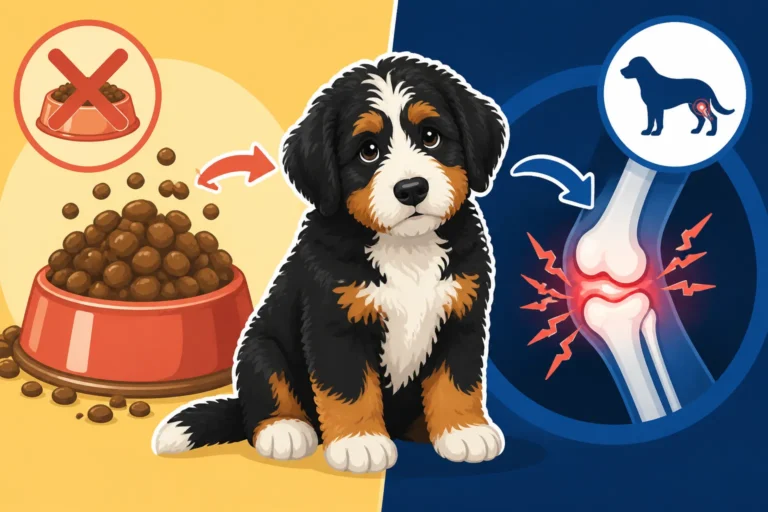
One of the most critical areas where Mini and Standard Bernedoodles diverge in their feeding needs is during their growth phase. Standard Bernedoodles, like all large and giant breeds, have a prolonged growth period, often not reaching full skeletal maturity until 18-24 months. Overfeeding a large breed puppy can lead to excessively rapid growth, which puts immense strain on developing joints and can predispose them to orthopedic issues like hip and elbow dysplasia. This is why many breeders and veterinarians advocate for slow, controlled growth in larger puppies, often recommending specialized Large Breed Puppy Food for a Standard Bernedoodle formulas with carefully balanced calcium and phosphorus levels.
Mini Bernedoodles, while still needing proper skeletal development, typically mature faster than their standard counterparts. They generally reach their adult size between 10 and 14 months, depending on their individual genetics. While they still need appropriate nutrition to support healthy bone and joint development, the risk of growth plate issues from overly rapid growth might be slightly less pronounced than in a giant breed. However, this doesn't mean you can skimp on quality or overfeed. It's about providing consistent, balanced nutrition appropriate for a medium-sized growing dog, keeping a close eye on their body condition score to prevent them from becoming overweight, which can also stress joints. For more on protecting growing joints, consider reading Why Slow Growth Protects a Bernedoodle's Elbows.
Feeding Your Mini Bernedoodle Puppy
Bringing home a Mini Bernedoodle puppy is an exciting time, but it comes with the responsibility of ensuring they get the right start nutritionally. Their tiny bodies are growing at an astonishing rate, requiring a diet specifically tailored to support this rapid development. It's tempting to just feed them what seems convenient, but a thoughtful approach now will lay the foundation for a lifetime of good health.
Choosing the Right Puppy Formula
The market is flooded with puppy foods, which can make choosing the right one feel overwhelming. For a Mini Bernedoodle puppy, you'll generally want to look for a high-quality puppy food specifically formulated for "medium breeds" or "all life stages" that meets the nutritional levels established by the AAFCO Dog Food Nutrient Profiles for growth. While a Standard Bernedoodle needs a Whether a Mini Bernedoodle Needs Large Breed Formula, a Mini Bernedoodle often thrives on a medium-breed puppy formula. These formulas typically have an appropriate balance of protein, fat, and essential minerals like calcium and phosphorus for their specific growth curve.
Avoid generic "all breed" puppy foods that don't specify size, as these might be geared more towards small breeds with even faster metabolisms, or large breeds with very slow growth needs, which might not be ideal. Look for reputable brands that list real meat as the first ingredient and avoid excessive fillers or artificial additives. You can often find a wide selection on platforms like Chewy, allowing you to compare ingredients and customer reviews to make an informed choice. Remember, consistency is key in puppyhood; once you find a food that agrees with your Mini Bernedoodle, stick with it unless advised otherwise by your vet.
Determining Portion Sizes and Feeding Schedules
Puppies are little eating machines, but it's crucial not to let them overeat. Overfeeding a puppy, even a Mini Bernedoodle, can lead to accelerated growth and put unnecessary strain on their developing bones and joints. The packaging on your chosen puppy food will provide a general guideline for How Much a Bernedoodle Puppy Should Eat based on their current weight and anticipated adult weight. However, these are just starting points. Each puppy is an individual, and their metabolism, activity level, and growth rate will vary.
For a Mini Bernedoodle puppy, feeding usually starts with three to four meals a day. This helps keep their blood sugar stable and provides a steady stream of nutrients for growth. As they get older, typically around 4-6 months, you can gradually transition them to two or three meals a day. Always measure out portions precisely. If your puppy seems too thin, you can slightly increase the portion; if they're looking a bit chunky, reduce it. A good rule of thumb is to be able to easily feel their ribs without seeing them prominently. For detailed advice on How Many Meals a Bernedoodle Puppy Needs Daily or How Much Food a Bernedoodle Puppy Needs at Four Months, it's always best to consult with your veterinarian, who can provide personalized guidance based on your puppy's specific needs.
Adult Mini Bernedoodle Nutritional Needs
Once your Mini Bernedoodle moves beyond puppyhood, typically around 10-14 months, their nutritional needs shift. The rapid growth phase is over, and their diet needs to support maintenance, energy levels, and overall health. This is where transitioning to an adult formula becomes important, and continuing to monitor their weight and activity is paramount.
Transitioning to Adult Food
The transition from puppy food to adult food should be gradual to avoid upsetting your Mini Bernedoodle's digestive system. I usually recommend a 7-10 day transition period. Start by mixing about 25% new adult food with 75% old puppy food for a couple of days. Then, move to a 50/50 mix for a few more days, followed by 75% adult food and 25% puppy food. By the end of the week or ten days, your Mini Bernedoodle should be eating 100% adult food. Watching for any signs of digestive upset, like diarrhea or vomiting, is important. If you notice any, slow down the transition.
The specific timing for this switch depends on when your Mini Bernedoodle reaches their mature size. Since they generally mature faster than their Standard counterparts, this could be earlier than you might expect for a Bernedoodle. Many will be ready to switch when they are around 80-90% of their adult size, but a veterinarian can confirm their growth plate closure and advise on the optimal timing. You can read more about this general transition in The Age a Bernedoodle Switches to Adult Food.
Daily Caloric Requirements and Feeding Practices
An adult Mini Bernedoodle typically needs fewer calories per pound than a puppy, as their energy is no longer going primarily towards rapid growth. However, their still relatively active metabolism compared to a giant breed means they still need a good quality, energy-dense adult dog food. The exact amount of food will depend on their individual weight, activity level, and metabolic rate. A highly active Mini Bernedoodle running around a yard all day will naturally need more calories than one who spends most of their time napping on the couch.
Most adult Mini Bernedoodles do well on two meals a day. This helps manage hunger, supports digestion, and can help prevent gorging. While some dogs can be free-fed, it's generally not recommended, especially for dogs prone to weight gain. Measuring out precise portions at each meal is the best way to ensure they're getting the right amount. If you're wondering How Much an Adult Bernedoodle Eats, consult the feeding guidelines on your chosen dog food, but always adjust based on your dog's body condition. You want to see a defined waist and be able to feel their ribs without seeing them. If you're looking for different food options, services like Ollie provide fresh, human-grade meal plans tailored to your dog's specific needs, which can be an excellent way to ensure precise nutrition.
Maintaining a Healthy Weight for Your Mini Bernedoodle
Weight management is a critical aspect of feeding your Mini Bernedoodle, perhaps even more so because their smaller size can make minor weight fluctuations have a larger impact on their overall health and joint strain. Preventing obesity is a key factor in ensuring a long, happy life for your furry friend.
The Risks of Obesity in Mini Bernedoodles
Just like in humans, excess weight in dogs can lead to a host of health problems. For a Mini Bernedoodle, who carries a genetic predisposition to certain joint issues from both the Bernese and Poodle lines, obesity can exacerbate conditions like arthritis, hip dysplasia, and even patellar luxation (slipping kneecaps), which is more common in smaller Poodles. An overweight dog is also at a higher risk for diabetes, heart disease, respiratory problems, and a reduced lifespan. Even minor extra pounds can significantly impact their quality of life, making them less enthusiastic about walks and play.
It's easy for those extra pounds to creep on, especially if you're generous with treats or accidentally overfeeding. Many owners don't realize their dog is overweight until it's become a significant problem. Regularly feeling your Bernedoodle's ribs, checking for a waistline, and using a body condition score chart can help you stay on top of their weight. Don't be fooled by their fluffy coat; it can hide a multitude of sins! Keeping them at a healthy weight is one of the most loving things you can do for them. For more insights on this topic, check out Keeping a Bernedoodle's Weight Down.
Strategies for Weight Control
Effective weight control for your Mini Bernedoodle involves a combination of diet management and appropriate exercise. First and foremost, stick to precise, measured meal portions. Avoid leaving food out all day for Whether a Bernedoodle Can Be Free Fed, as this can lead to overconsumption. If your dog is a fast eater, consider using a slow feeder bowl, which can help Whether a Slow Feeder Suits a Bernedoodle and make mealtime more engaging.
Treats are often a major culprit in weight gain. While it's lovely to reward our dogs, those extra calories add up quickly. Opt for low-calorie treats, or use small pieces of healthy vegetables like carrots or green beans as rewards. Factor treats into their daily caloric intake, rather than just adding them on top. Regular, consistent exercise tailored to their size and energy level is also vital. This might include daily walks, playtime in the yard, or even doggy daycare. If your Mini Bernedoodle is on the smaller side and less active, adjust their food intake accordingly. Sometimes, even switching to a "weight management" or "light" dog food formula can make a big difference, under veterinary guidance.
Special Dietary Considerations for Mini Bernedoodles
Beyond the basic puppy and adult formulas, Mini Bernedoodles can sometimes have specific dietary needs influenced by their breed components or individual health. Being aware of these can help you address issues proactively and ensure their diet remains optimal.
Addressing Allergies and Sensitivities
Like many breeds, Bernedoodles can be prone to food allergies or sensitivities, often manifesting as itchy skin, ear infections, or digestive upset. The Poodle side, in particular, can be known for sensitive stomachs. If you notice persistent itching, paw licking, chronic ear infections, or loose stools, a food allergy could be the culprit. Common allergens include chicken, beef, dairy, wheat, and soy.
If you suspect a food allergy, your vet might recommend an elimination diet. This involves switching your Mini Bernedoodle to a novel protein (one they haven't eaten before, like duck or venison) or a hydrolyzed protein diet for several weeks to see if symptoms improve. After the symptoms clear, you reintroduce single ingredients to identify the allergen. There are many excellent limited-ingredient dog foods available, some of which can be found on Amazon, that can be helpful during this process. Whether a Bernedoodle Has a Sensitive Stomach is a question many owners face, and understanding how to navigate these potential issues with diet is key.
Joint Support and Supplements
While Mini Bernedoodles generally experience less rapid growth than Standard Bernedoodles, they still benefit from proactive joint care due to the Bernese lineage. Both parent breeds can be predisposed to orthopedic issues. While a balanced diet goes a long way, some owners consider joint supplements as a preventative measure, particularly as their Mini Bernedoodle reaches adulthood or if they show signs of joint stiffness.
Supplements containing glucosamine, chondroitin, and MSM are popular choices. Omega-3 fatty acids, often found in fish oil, can also support joint health and provide anti-inflammatory benefits, as well as promoting a healthy coat. While there's debate on Whether a Bernedoodle Needs Glucosamine From a Year Old, many veterinarians agree that starting these supplements earlier, especially for breeds with known predispositions, can be beneficial. Always discuss any supplements with your veterinarian before adding them to your dog's diet to ensure they are appropriate and won't interact negatively with other medications or health conditions.
Comparing Mini and Standard Bernedoodle Feeding
It's helpful to see a direct comparison of the typical feeding considerations for Mini versus Standard Bernedoodles. While the core principles of good nutrition remain the same, the nuances are what make all the difference.
| Feature | Mini Bernedoodle (approx. 25-50 lbs) | Standard Bernedoodle (approx. 70-90+ lbs) |
|---|---|---|
| Growth Rate | Faster (matures around 10-14 months) | Slower (matures around 18-24 months) |
| Puppy Food Type | Medium breed puppy formula; general "all life stages" often suitable | Large breed puppy formula (critical for controlled growth) |
| Caloric Needs | Higher per pound of body weight (faster metabolism) | Lower per pound of body weight (slower metabolism, risk of rapid growth) |
| Meal Frequency | 3-4 meals/day as puppy, 2 meals/day as adult | 3-4 meals/day as puppy, 2 meals/day as adult |
| Kibble Size | Standard or smaller kibble often preferred | Larger kibble often preferred |
| Joint Concerns | Patellar luxation, general arthritis, hip/elbow dysplasia | Hip/elbow dysplasia, arthritis, osteochondrosis |
| Bloat Risk | Low | Higher (due to deep chest) |
This table highlights that while some aspects are similar, the choice of specific food formula and the caloric density are significant differentiators. Understanding these can help you avoid common pitfalls.
Practical Aspects of Feeding Your Mini Bernedoodle
Beyond the "what" and "how much," there are practical considerations for mealtime that can impact your Mini Bernedoodle's health and enjoyment. From bowls to treats, every detail plays a role.
Choosing Food Bowls and Accessories
The choice of food bowl might seem trivial, but it can actually make a difference for your Mini Bernedoodle. Stainless steel bowls are generally recommended as they are easy to clean, durable, and don't harbor bacteria like some plastic bowls can. Ceramic bowls are also an option, but they can chip or break. For Mini Bernedoodles, the height of the bowl isn't usually as critical as for their deep-chested Standard cousins who might benefit from raised feeders to reduce Whether Bowl Height Matters for a Deep Chested Bernedoodle during mealtime. However, for a Mini, a bowl on the floor is perfectly fine.
If your Mini Bernedoodle eats too quickly, which can lead to indigestion or even vomiting, a slow feeder bowl is a fantastic investment. These bowls have ridges or obstacles that make your dog work a little harder for their food, slowing down their intake. Additionally, a non-slip mat under their bowls can prevent them from sliding around during enthusiastic eating, keeping mealtime neat and tidy.
Treats, Chews, and Human Food
Treats are an important part of training and bonding, but they need to be given judiciously. As discussed, they can quickly contribute to weight gain. Always choose high-quality, easily digestible treats. Many commercial treats are high in calories and fillers, so read labels carefully. You can also use small pieces of their regular kibble as training treats. Safe human foods, given in moderation, can also be good Low Calorie Treats for a Bernedoodle Watching Its Weight. Think small pieces of plain cooked chicken or turkey, carrots, green beans, or apple slices (without seeds).
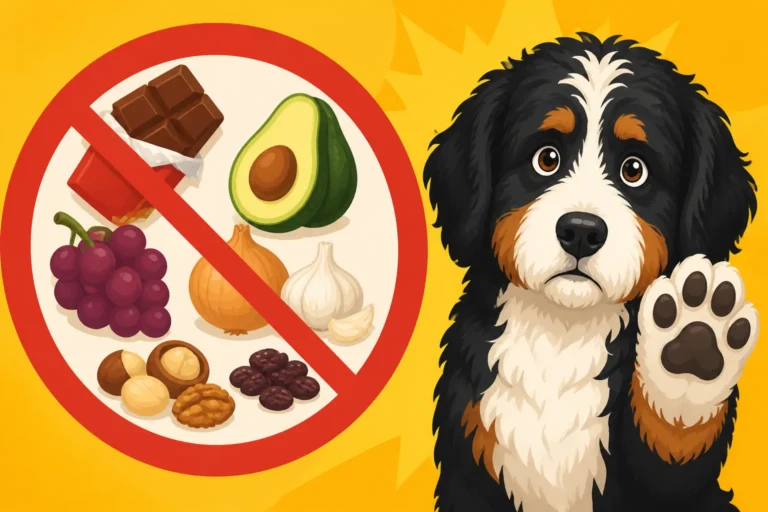
Absolutely avoid feeding your Bernedoodle toxic human foods like chocolate, grapes, raisins, xylitol (a common sweetener), onions, garlic, and avocado. Even seemingly innocuous foods can cause digestive upset or worse. Always be mindful of what your dog is consuming and educate yourself on The Foods That Are Dangerous to a Bernedoodle to keep them safe. When in doubt, stick to dog-specific treats and foods.
Disclaimer
This article is for general informational purposes only and does not constitute professional advice. Laws, prices and regulations vary by location and change over time. Consult a qualified professional for guidance on your specific situation.