The Straight Coated Bernedoodle That Sheds
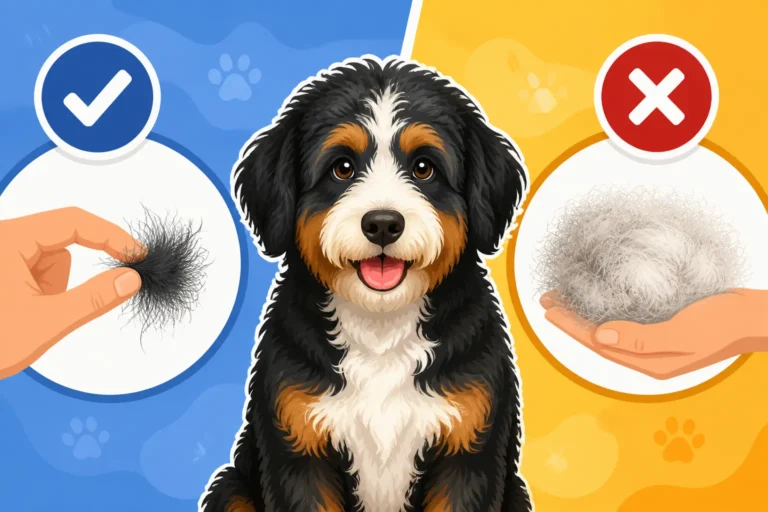
It’s a scenario many of us Bernedoodle hopefuls dream of: a beautiful, fluffy companion with the best traits of both the Bernese Mountain Dog and the Poodle, including that coveted low-shedding coat. But then, reality hits for some owners when their adorable Bernedoodle puppy grows up, and it turns out they have one of those straight-coated wonders that actually sheds. This can be incredibly frustrating, especially if you got a Bernedoodle specifically to avoid the hair. This guide is here to shed some light on why this happens, how to identify and manage the shedding, and how to embrace your unique, furry friend without feeling overwhelmed by tumbleweeds of hair.
Understanding the Bernedoodle Coat Lottery
Bringing a Bernedoodle into your life is an exciting journey, often filled with anticipation about their unique personality and, let's be honest, their stunning coat. Many people are drawn to Bernedoodles precisely because of the promise of a low-shedding or even non-shedding coat inherited from their Poodle parent. However, genetics are a complex lottery, and sometimes, the Bernese side of the family decides to make its presence known in the most literal way possible: through a straight, shedding coat. It’s not a fault of the dog or the breeder, but rather a fascinating, if sometimes inconvenient, roll of the genetic dice.
The Poodle vs. Bernese Influence
Think of a Bernedoodle as a beautiful blend of two very distinct canine worlds. On one paw, you have the Bernese Mountain Dog, a majestic, double-coated breed known for its thick, flowing fur and, let's be real, its significant shedding. Their coat is designed for warmth and protection in cold mountain climates, and it comes with a built-in shedding cycle that keeps new, healthy fur coming in. Then, on the other paw, you have the Poodle, famous for its curly, dense, single coat that grows continuously and sheds minimally, if at all. Poodles are often chosen for crosses like the Bernedoodle specifically for this hypoallergenic trait.
When these two breeds come together, the resulting Bernedoodle puppy can inherit a wide spectrum of coat types. Some will get the tight, curly Poodle coat, others a wavy "fleece" coat, and yes, some will end up with a straighter, more Bernese-like coat. The genes for shedding and coat texture are at play here, and they don't always combine in the way we might predict or hope. It's a natural expression of their mixed heritage, and it means that while many Bernedoodles are low-shedding, it's never a 100% guarantee unless specific genetic testing has been done and understood.
The Unpredictability of F1 and Beyond
The term "F1 Bernedoodle" refers to a first-generation cross, meaning one parent is a purebred Bernese Mountain Dog and the other is a purebred Poodle. You might think this combination would guarantee a certain coat type, but surprisingly, it's often the most unpredictable generation when it comes to shedding. The F1 generation actually has an equal chance of inheriting genes for shedding from the Bernese parent or non-shedding from the Poodle parent. This means an F1 can truly be anything from very curly and low-shedding to quite straight and shedding significantly.
As breeders move into later generations, such as F1b (an F1 Bernedoodle bred back to a Poodle) or F2, F2b, and so on (Bernedoodle bred to Bernedoodle or Bernedoodle bred back to a Poodle), the predictability can increase, especially with diligent genetic testing. However, even with the best intentions and careful breeding, a straight-coated Bernedoodle can still pop up in any litter. It’s part of the unique charm and challenge of hybrid breeds. If you're wondering Whether an F1 Bernedoodle Sheds More Than an F1b, the answer is often yes, but an F1b can still have a wavy or even straight coat if the F1 parent carried those genes and passed them on. It's truly a genetic mosaic.
The Straight Coat's True Nature
When a Bernedoodle ends up with a straight coat, it generally means they've inherited more of the Bernese coat characteristics. This type of coat is usually double-layered, meaning there's a softer, dense undercoat beneath a coarser outer coat. This double coat is what provides the Bernese Mountain Dog with its insulation and majestic appearance, but it's also the primary source of their shedding.
For a straight-coated Bernedoodle, this translates into shedding that can be comparable to a purebred Bernese. This isn't just a few stray hairs here and there; we're talking about noticeable shedding, especially during seasonal "coat blows" in spring and fall. Owners often describe it as feeling like they have a Bernese, not a Poodle mix, when it comes to the amount of hair. This can be a huge surprise for families who were specifically hoping for a low-shedding dog due to allergies or simply a desire for less clean-up. Understanding that this type of coat will shed, and often quite a bit, is the first step in managing expectations and developing an effective care routine. It's why it's so important to really understand The Coat a Bernedoodle Gets From Two Heavy Coated Parents before bringing one home, and to perhaps even look into Whether a Coat Test Tells You If a Bernedoodle Will Shed from a reputable breeder.
Identifying a Straight Coat and Its Shedding Patterns
So, you've got a Bernedoodle puppy, and as they grow, you start to notice their coat isn't developing those signature waves or curls. Or perhaps you've adopted an adult Bernedoodle and you're watching hair accumulate in ways you didn't anticipate. Identifying a straight coat and understanding its shedding patterns is crucial for preparing yourself and your home for the reality of living with a shedding Bernedoodle. It's not just about aesthetics; it's about the practicalities of grooming, cleaning, and sometimes, even managing allergies.
Visual Cues
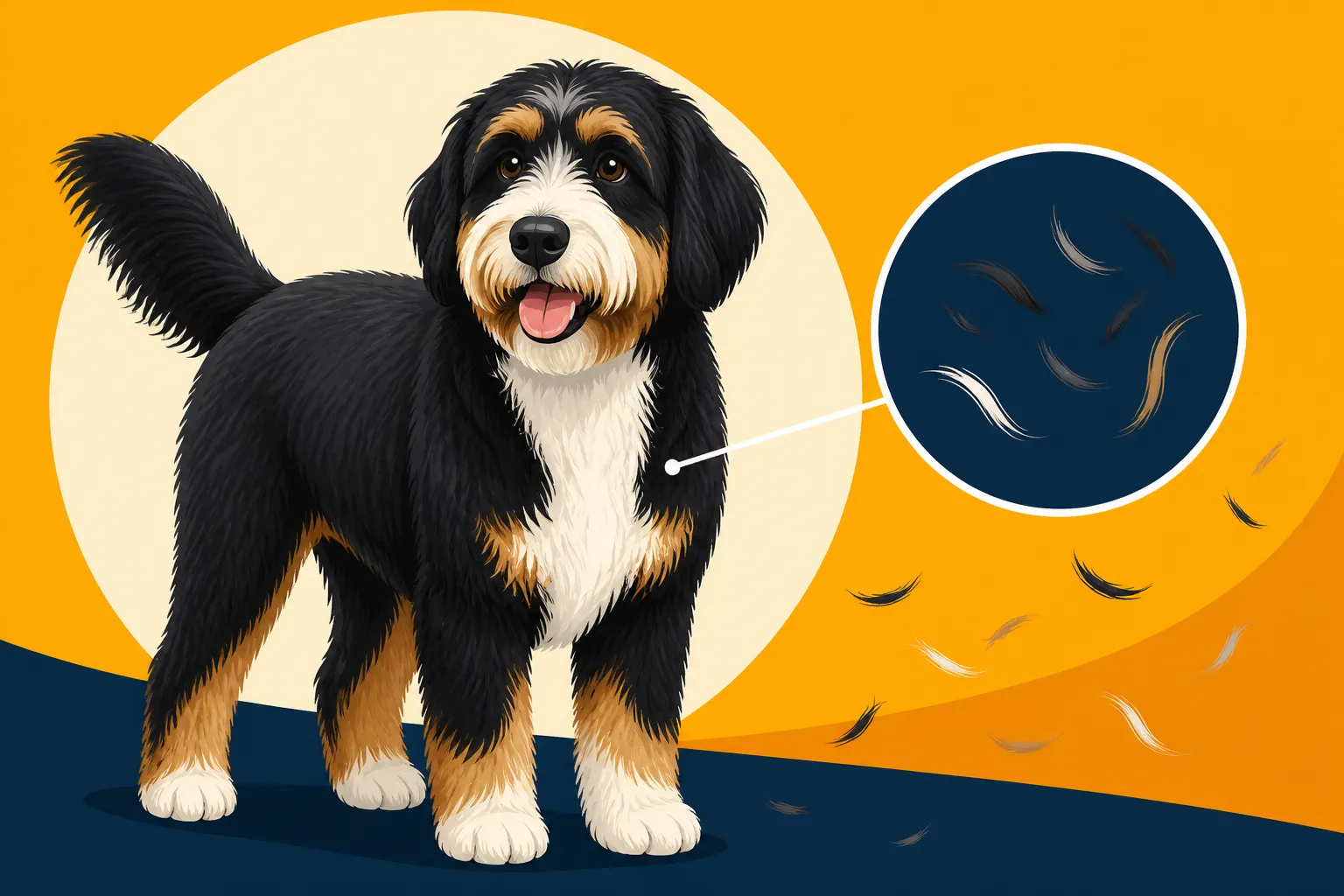
A straight-coated Bernedoodle usually presents quite differently from its curly or wavy siblings. Instead of the tight curls of a Poodle or the loose, flowing waves of many "doodle" coats, their fur lies flat against their body. It might have a slight bend or ripple, but it lacks any distinct curl pattern. The hair often appears smoother and shinier, reminiscent of a Bernese Mountain Dog. You might also notice distinct feathering on their legs, tail, and sometimes around their ears, much like a Bernese.
As they mature, the coat often fills out, developing that characteristic double-layer. You might be able to easily part the hair and see a denser, softer undercoat beneath the longer, straighter guard hairs. This is a tell-tale sign that you're dealing with a shedding coat. If you're unsure, run your fingers through their fur, especially when they're a bit older. If you see strands of hair coming off easily in your hand, or notice a visible "dusting" of hair on furniture after they've been lying down, chances are your Bernedoodle has inherited a straight, shedding coat. This is often the coat type that surprises owners who were expecting Whether any Bernedoodle is truly non shedding.
The Shedding Reality
Let's be blunt: a straight-coated Bernedoodle can shed a lot. It’s not just a minor annoyance; it’s a lifestyle adjustment. Imagine the shedding level of a Bernese Mountain Dog, and you're likely in the ballpark. This means you'll find hair on your clothes, furniture, floors, and possibly even floating in your coffee. The amount of hair can be surprising, especially if you've previously owned low-shedding breeds or were expecting the Poodle's influence to dominate.
The shedding isn't constant at the same level throughout the year, though. There are typically seasonal peaks, often referred to as "coat blows," where the shedding intensifies significantly. These usually occur in spring as they shed their thick winter undercoat and again in fall as they prepare for a new, warmer coat. During these periods, daily brushing becomes absolutely essential, and you might find yourself vacuuming and lint-rolling multiple times a day just to keep up. It's a reality that requires commitment, and sometimes, a sense of humor.
The Dreaded "Coat Blow"
The "coat blow" is a phenomenon familiar to owners of double-coated breeds, and it's something straight-coated Bernedoodle owners will become intimately acquainted with. It’s when your dog sheds a massive amount of undercoat over a period of a few weeks, typically twice a year. Picture clouds of fur coming off with every brush stroke, and still more floating through your home. This is their body's way of adapting to seasonal temperature changes, pushing out old hair to make way for new.
During a coat blow, the volume of shed hair can be overwhelming. Brushing your Bernedoodle once a week won't cut it. You'll likely need to brush them daily, often for extended periods, to help remove the loose undercoat before it forms mats or blankets your home. Specialized tools like undercoat rakes and de-shedding tools become your best friends. Failing to manage a coat blow can lead to uncomfortable matting, especially in the armpits, behind the ears, and in the "britches" area, which can then lead to skin irritation. It’s a period that tests the patience of even the most devoted dog owner, but it's a natural process that must be addressed.
Managing Shedding in a Straight Coated Bernedoodle
Once you've accepted that your Bernedoodle is indeed a shedder, the next step is to equip yourself with the right strategies and tools to manage the hair. It might feel like a never-ending battle, but with a consistent routine and the right approach, you can significantly reduce the amount of loose hair in your home and keep your dog comfortable and looking their best. It's all about proactive care, not reactive clean-up.
Grooming Essentials and Routine
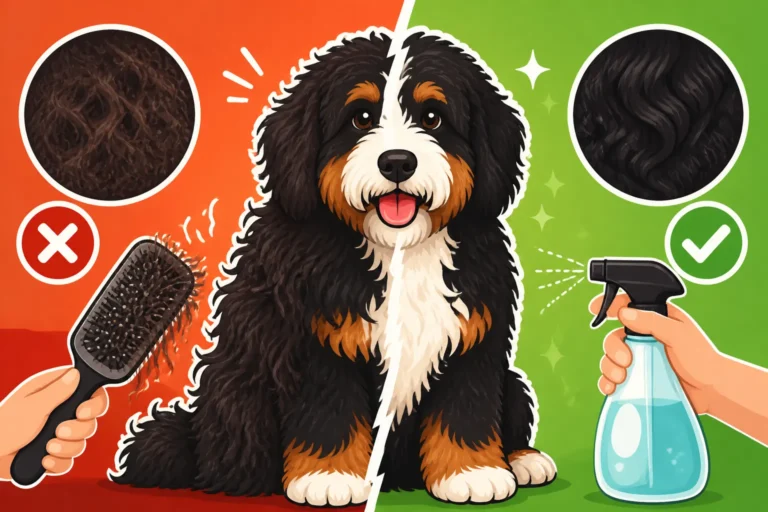
Effective grooming is your number one defense against shedding. For a straight-coated Bernedoodle, this means regular, thorough brushing. You'll need a good quality slicker brush and an undercoat rake. The slicker brush helps remove loose hair from the topcoat and keeps the longer strands smooth, while the undercoat rake is absolutely critical for pulling out that dense, shedding undercoat without damaging the top layer. I highly recommend checking out options on Amazon or Chewy for these tools.
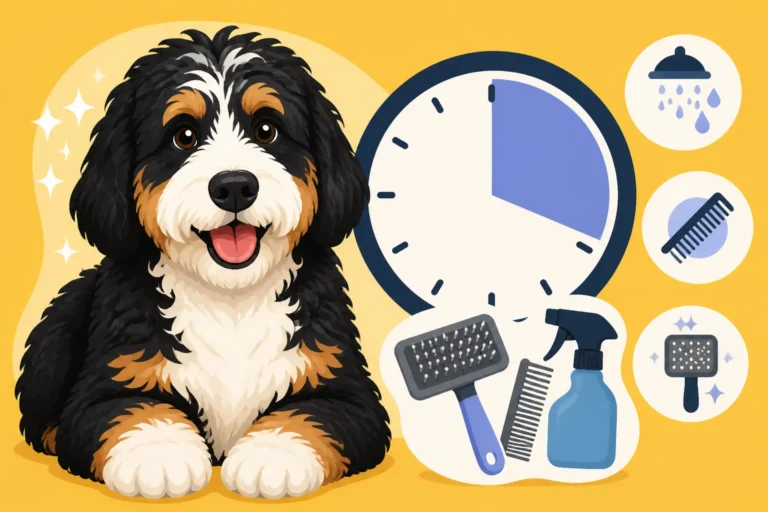
Aim for brushing sessions at least 3-4 times a week, and daily during seasonal coat blows. Start by using the undercoat rake gently, working in sections to get deep into the coat and pull out the loose, fluffy undercoat. Follow up with the slicker brush to smooth the outer coat and catch any remaining loose hairs. Don't forget areas prone to matting like behind the ears, under the legs, and the tail. It can be a lengthy process, easily taking The Weekly Hours a Standard Bernedoodle's Coat Takes if done thoroughly.
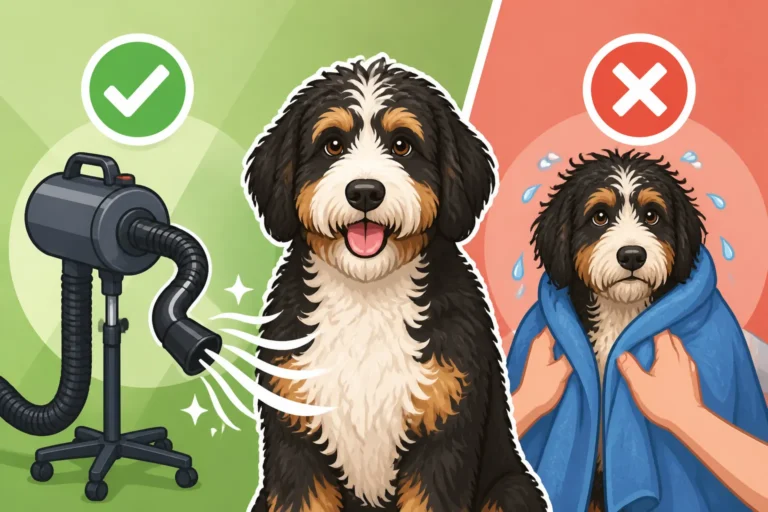
Beyond brushing, regular bathing can also help loosen and remove dead hair. However, remember to fully dry your Bernedoodle after a bath, as damp undercoats can lead to skin issues and matting. Bathing and Drying a Ninety Pound Bernedoodle is no small feat, so ensure you have a powerful dryer, preferably a force dryer, to get them completely dry to the skin. Professional grooming every 6-8 weeks, even for a straight coat, can also be a lifesaver, as groomers have specialized tools and techniques for de-shedding.
Dietary Considerations for Coat Health
What goes into your Bernedoodle's bowl can absolutely impact the health and quality of their coat, and by extension, their shedding. A healthy coat sheds less and is more manageable. Look for high-quality dog foods that list real meat as the first ingredient and are rich in omega-3 and omega-6 fatty acids. These essential fatty acids, often derived from fish oil, flaxseed, or salmon, are crucial for skin health and a shiny, strong coat.
Some owners find that supplementing their dog's diet with additional fish oil capsules or liquid can further improve coat condition. Always consult with your veterinarian before adding supplements to ensure appropriate dosage. A well-nourished dog will have stronger hair follicles, which means less breakage and excessive shedding due to poor hair quality. Conversely, a diet lacking in essential nutrients can lead to dull, brittle fur that sheds more readily. Brands like Ollie, which offer fresh, balanced meals, or premium kibble brands available on Chewy, are great places to start exploring options that support optimal coat health. Don't forget to factor in What Feeding a Ninety Pound Bernedoodle Costs when considering diet changes, as quality food can be an investment.
Dealing with Allergies
One of the primary reasons people choose a Bernedoodle is the hope of a hypoallergenic dog, which a shedding, straight-coated Bernedoodle most certainly is not. If you or a family member has dog allergies, a straight-coated, shedding Bernedoodle can pose a significant challenge. It's important to be realistic about this. The dander (dead skin cells that shed along with hair) is the main allergen, and a shedding dog produces more of it.
For those with mild allergies, diligent grooming and home cleaning might make it manageable. This includes frequent vacuuming with a HEPA filter, washing dog bedding regularly, and using air purifiers. However, for individuals with more severe allergies, a straight-coated Bernedoodle might unfortunately exacerbate symptoms. There's no magic bullet to make a shedding dog non-allergenic. If allergies are a serious concern, it's wise to spend time with the specific puppy or adult dog you're considering to see how your allergies react, as even within the same litter, shedding levels can vary. Understanding Whether a Bernedoodle Is Hypoallergenic in general is important, but with a straight coat, you should assume they are not.
Living with a Shedding Bernedoodle
Embracing life with a straight-coated Bernedoodle means accepting that a certain amount of dog hair will become a permanent fixture in your home. It’s a reality that can be jarring for owners who anticipated a low-shedding experience, but it doesn't diminish the love and joy these wonderful dogs bring. Adjusting your daily routines and mindset will help you manage the hair and truly enjoy your companion.
Home Maintenance and Cleaning Tips
Living with a shedding Bernedoodle means elevating your cleaning game. This isn't just about occasional tidying; it's about a consistent, proactive approach to keeping hair at bay.
Firstly, invest in a good quality vacuum cleaner, ideally one designed for pet hair, with strong suction and attachments that can reach into upholstery and corners. Running it every other day, or even daily during peak shedding seasons, will make a significant difference. Robotic vacuums can be a fantastic supplementary tool, set to run daily to catch the surface hair.
Beyond vacuuming, consider washable covers for your furniture and dog beds. Lint rollers will become your constant companion for clothing before you leave the house, and keeping a few stashed in different rooms is never a bad idea. For hard floors, a microfiber mop or electrostatic sweeper can effectively pick up loose hair without just pushing it around. Air purifiers with HEPA filters can also help reduce airborne dander and hair, creating a cleaner environment. You can find many of these essentials, from vacuums to lint rollers, on Amazon.
Regularly washing your Bernedoodle's bedding is also crucial. The fabric collects an immense amount of hair and dander, and keeping it clean will reduce the overall hair burden in your home.
Outdoor Activities and Coat Care
A straight-coated Bernedoodle, with its Bernese-like fur, is often well-suited for outdoor adventures, especially in cooler weather. Their double coat provides excellent insulation. However, this also means their coat can pick up a lot of debris – leaves, twigs, burrs, and mud. After every outdoor excursion, especially in natural settings, take a few minutes to inspect and brush out your dog's coat. Pay extra attention to their legs, belly, and tail, where burrs and seeds tend to cling.
During wet or muddy conditions, consider dog booties to protect their paws and lower legs, which can significantly reduce the amount of dirt tracked into your home. A quick wipe-down with a damp towel upon re-entry can also prevent a lot of mess. In snowy conditions, their long coat can easily collect ice balls, particularly on their legs and belly. Brushing them down immediately after coming inside, or even applying a pet-safe balm to their fur before going out, can help prevent this discomfort. Embracing outdoor adventures means embracing a little extra post-adventure cleanup.
Emotional Adjustments for Owners
Discovering your Bernedoodle sheds when you expected a low-shedding dog can be genuinely disappointing, and it's okay to feel that way. Many owners made the choice based on this specific trait, and it can feel like a curveball. It's important to acknowledge these feelings rather than dismissing them.
However, once you move past the initial surprise, you'll likely find that the immense love and companionship your Bernedoodle offers far outweighs the inconvenience of a little extra hair. These dogs are known for their gentle, affectionate, and goofy personalities. Focus on the joy they bring, the way they lean into you for cuddles, or their playful antics.
Adjusting your expectations and investing in the right grooming tools and cleaning routine can transform the experience from frustrating to manageable. Remember why you wanted a dog in the first place – for the unconditional love, the laughter, and the unique bond. Your straight-coated Bernedoodle is still that wonderful companion, just with a little more fur to share. Many owners eventually find Whether Grooming a Bernedoodle at Home Is Realistic for them, and turn it into bonding time. And while a professional groom might cost What a Full Groom Costs on a Ninety Pound Bernedoodle, it can be a valuable investment in your sanity and your dog's comfort.
| Coat Type | Shedding Level | Grooming Frequency | Typical Appearance | Common Concerns |
|---|---|---|---|---|
| Straight | High | Daily/Every other | Flat, flowing, double coat | Heavy shedding, seasonal coat blows, matting if neglected |
| Wavy (Fleece) | Low to Moderate | 2-3 times/week | Soft, loose waves | Matting, especially during puppy coat change |
| Curly (Wool) | Very Low | 1-2 times/week | Tight, dense curls | Matting, requires professional clipping |
This article is for general informational purposes only and does not constitute professional advice. Laws, prices and regulations vary by location and change over time. Consult a qualified professional for guidance on your specific situation.