Whether a Bernedoodle Really Lives Fifteen Years
Oh, the dream of a dog living a long, full life! It's one of the biggest reasons we fall head over heels for certain breeds, or in the case of our beloved Bernedoodles, for a mix that promises the best of both worlds. Many new Bernedoodle owners, understandably excited and hopeful, hear whispers of these wonderful dogs living to a ripe old age, sometimes even claiming a magical fifteen years. But the reality can be a bit more complex, and frankly, a little heartbreaking if those expectations aren't managed. This guide is here to untangle the truth behind those lifespan claims and help you understand what truly goes into giving your furry family member the longest, healthiest, happiest life possible.
The Allure of the Fifteen-Year Promise and Its Reality
When you first start looking into Bernedoodles, the idea that they might live fifteen years is incredibly appealing. After all, the Bernese Mountain Dog, one of their parent breeds, is sadly known for a rather short average lifespan. To think that crossing them with a Poodle could add so many years is a powerful motivator for many prospective owners. It taps into our deepest desires to have our cherished companions with us for as long as possible.
The Bernese Mountain Dog's Shorter Lifespan
Let's be brutally honest for a moment: the average Bernese Mountain Dog lives about 7-8 years. It's a tough pill to swallow for anyone who adores this magnificent breed. They are prone to a heartbreaking array of health issues, with cancer, particularly histiocytic sarcoma, being a major concern. When you bring a Bernese home, you know you're in for a relatively short but incredibly sweet ride. The sheer love and loyalty they offer in that time are immeasurable, but the brevity of their lives is a constant sorrow for their devoted families. This is the stark reality that fueled the very creation of the Bernedoodle. People wanted that gorgeous, gentle giant personality without the looming cloud of such a short existence. For more on this, you might find solace in understanding The Seven Years a Bernese Lives and the Twelve a Bernedoodle Might.
The Poodle's Contributions to Longevity
Now, let's look at the Poodle side of the equation. Standard Poodles, which are typically used in Bernedoodle breeding, generally enjoy a much longer lifespan, often ranging from 10 to 18 years. They are known for their intelligence, elegance, and athleticism, but also for contributing robust genetics when it comes to longevity. The concept of "hybrid vigor" comes into play here, suggesting that the genetic diversity from mixing two distinct purebred lines can sometimes lead to a healthier, more resilient offspring with fewer inherited health problems prevalent in either parent breed alone. This is where the hope for an extended Bernedoodle lifespan truly originates. The Poodle's genetic blueprint helps to dilute some of the more severe predispositions found in the Bernese. However, it's crucial to understand that while hybrid vigor can certainly offer benefits, it's not a magic bullet that eradicates all health risks or guarantees a specific lifespan.
Key Factors That Shape Your Bernedoodle's Longevity
While the "fifteen-year Bernedoodle" is more often an optimistic aspiration than a consistent reality, most Bernedoodles do tend to live longer than their Bernese ancestors. Typically, you can expect a Bernedoodle to live somewhere between 10 to 14 years. But achieving those higher numbers, and ensuring those years are filled with vitality, depends on a multitude of factors, not just luck.
The Role of Genetics and Responsible Breeding
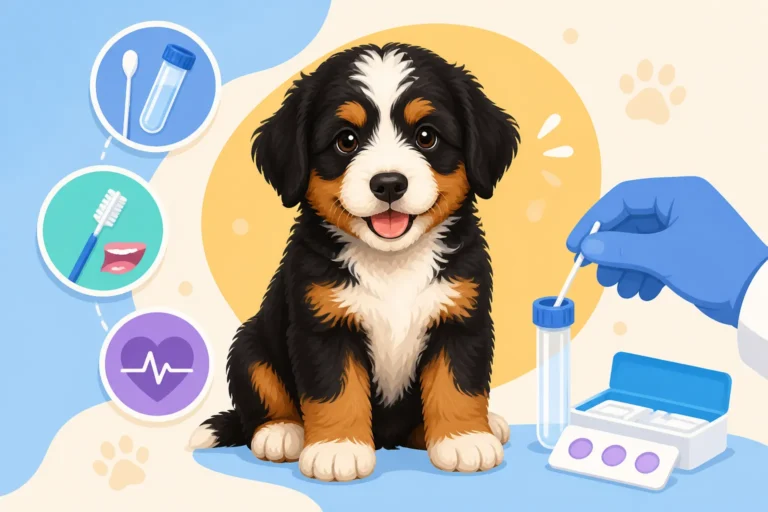
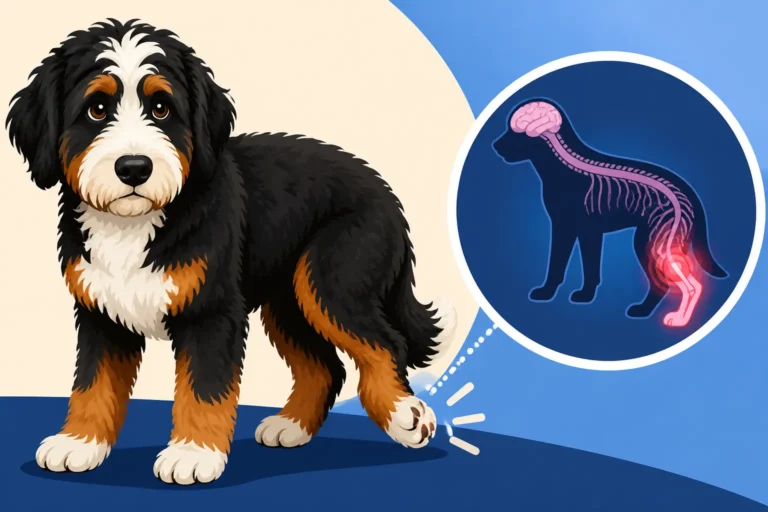
This is perhaps the single most critical factor. A truly responsible breeder will go above and beyond to health test their breeding stock for common genetic conditions found in both Bernese Mountain Dogs and Poodles. This includes screenings for hip and elbow dysplasia, eye conditions, cardiac issues, and genetic diseases like Von Willebrand's Disease and degenerative myelopathy (DM). If a breeder is cutting corners, skipping these tests, or breeding dogs with known health issues, they're essentially rolling the dice with your puppy's future health. A puppy from parents with excellent health clearances has a significantly better chance of avoiding hereditary diseases that could shorten its life or severely impact its quality of life. For example, understanding Degenerative Myelopathy Both Bernedoodle Parents Can Carry is vital when considering a puppy's genetic heritage. Asking a breeder about these specific tests, and being able to see verifiable OFA or PennHIP certifications, is paramount.
Lifestyle, Diet, and Exercise
Just like with humans, a Bernedoodle's daily habits play a monumental role in their long-term health.
- Diet: Feeding your Bernedoodle a high-quality, balanced diet appropriate for their age and size is foundational. For a large breed like a Standard Bernedoodle, ensuring they grow at a healthy, steady rate on large-breed puppy food is critical to prevent orthopedic issues later in life. Overfeeding, especially in puppyhood, can lead to excessive weight gain that puts undue stress on developing joints. As they mature, maintaining an ideal weight prevents a host of problems, from arthritis to heart disease. You might want to consider Whether an Overweight Bernedoodle Loses Years for a deeper dive.
- Exercise: Bernedoodles are energetic dogs and require regular, appropriate exercise. Daily walks, playtime, and mental stimulation are essential. However, it's also important to avoid over-exercising young puppies, as their growth plates are still developing and can be easily damaged. As they age, tailoring exercise to their physical capabilities and any developing joint issues (such as Arthritis in a Bernedoodle at Eight) becomes important. A sedentary lifestyle is just as detrimental to a Bernedoodle as it is to a human.
- Environment: A safe, stimulating environment is also key. Protecting them from extreme temperatures (especially in summer, given their thick coats), providing a comfortable living space, and ensuring they have plenty of mental engagement all contribute to a healthier, happier life.
Proactive Veterinary Care and Early Detection
Regular veterinary check-ups are non-negotiable for maximizing your Bernedoodle's lifespan. These aren't just for vaccinations; they're vital opportunities for your vet to monitor your dog's overall health, catch potential issues early, and provide preventive care.
- Annual Exams: Even when your Bernedoodle seems perfectly healthy, annual exams can detect subtle changes that might indicate an underlying problem. Blood work, urine tests, and a thorough physical examination can reveal early signs of organ dysfunction, infections, or other health concerns.
- Dental Care: Don't underestimate the importance of oral hygiene! Periodontal disease isn't just about bad breath; it can lead to serious systemic infections affecting the heart, kidneys, and liver, ultimately shortening your dog's life. Regular dental cleanings and at-home care are crucial.
- Parasite Prevention: Consistent prevention against fleas, ticks, and heartworms protects your Bernedoodle from diseases that can cause severe illness and reduce their lifespan.
- Pet Insurance: Having pet insurance, like policies offered by Healthy Paws, can be a game-changer when unexpected health issues arise. It provides financial support, allowing you to make medical decisions based on what's best for your Bernedoodle, rather than being limited by cost. This peace of mind allows for timely and comprehensive treatment, which can be critical for extending life when serious conditions appear. Consider Insuring a Bernedoodle Against the Bernese Half for more information.
Understanding Common Health Challenges and Their Impact on Lifespan
While Bernedoodles generally dodge some of the severe lifespan limitations of the Bernese, they are not immune to health problems. Being aware of these potential challenges is the first step in mitigating their impact on your dog's longevity.
Cancer and Genetic Predispositions
Even with hybrid vigor, cancer remains a significant concern for Bernedoodles due to their Bernese lineage. While the risk may be reduced compared to a purebred Bernese, it's still higher than in many other breeds.
- Types of Cancer: Bernedoodles can be susceptible to various forms of cancer, including histiocytic sarcoma, lymphoma, osteosarcoma, and mast cell tumors. These diseases can strike at any age, but often become more prevalent in middle to senior years. For more information, you might want to read The Cancers That Take Bernedoodles Most Often.
- Early Detection is Key: Regular vet check-ups, being observant of any new lumps, bumps, changes in appetite or energy, or unexplained lameness are crucial. Early diagnosis greatly improves the prognosis and can extend a Bernedoodle's life, even with aggressive cancers. Many owners rely on their Healthy Paws pet insurance policies to cover the extensive diagnostic tests and treatments often required for cancer.
- Impact on Lifespan: While some cancers can be managed, others are aggressive and can tragically shorten a Bernedoodle's life, even if caught early. This is a sobering reality that underscores the importance of ongoing vigilance.
Orthopedic Concerns and Quality of Life
Large and giant breeds, including Bernedoodles, are predisposed to a range of orthopedic issues that can severely impact their mobility and quality of life, indirectly affecting lifespan due to reduced activity and potential pain.
- Hip and Elbow Dysplasia: These are genetic conditions where the joints don't form properly, leading to arthritis, pain, and lameness. Severe cases often require surgery. While responsible breeders screen for these, they can still occur. Early diagnosis and management are vital. A deep dive into Elbow Dysplasia in a Growing Bernedoodle could be very informative.
- Patellar Luxation: More common in smaller Bernedoodles, this is where the kneecap slips out of place. It can range from mild to severe, requiring surgical correction in some cases.
- Osteochondritis Dissecans (OCD): A condition affecting cartilage development, most commonly in the shoulders and elbows.
- Management: While these conditions may not directly cause death, the chronic pain and reduced mobility can lead to a lower quality of life, less exercise, and can contribute to other health problems, potentially shortening a dog's active years. Effective pain management, joint supplements, and sometimes surgery, often covered by pet insurance like Healthy Paws, are essential to keep your Bernedoodle comfortable and mobile for as long as possible.
Other Age-Related Ailments
As Bernedoodles age, they become susceptible to a host of other conditions common in senior dogs, which can impact their overall health and longevity.
- Cognitive Dysfunction Syndrome (CDS): Similar to Alzheimer's in humans, CDS can cause confusion, disorientation, changes in sleep patterns, and house-soiling. While not life-threatening, it affects quality of life.
- Thyroid Disease: Hypothyroidism, a condition where the thyroid gland doesn't produce enough hormones, is common. It can lead to weight gain, lethargy, and coat problems. It's usually manageable with daily medication.
- Heart Conditions: Like dilated cardiomyopathy or various valve diseases, can develop with age. Regular vet checks can help detect these early, allowing for management with medication.
- Kidney or Liver Disease: These organ failures can manifest as dogs get older. Blood tests during annual check-ups are vital for early detection, as dietary changes and medication can often slow progression.
- Dental Disease: As mentioned before, if left untreated, dental disease can worsen with age, leading to chronic pain and systemic health issues.
- Impact on Lifespan: While many of these conditions are manageable, they often require lifelong medication, special diets, and ongoing monitoring. Managing these issues effectively can significantly extend a Bernedoodle's comfortable and happy life well into their senior years, even if "fifteen years" remains a stretch. Understanding What Changes in a Bernedoodle After Eight offers more insight into senior care.
Practical Steps to Maximize Your Bernedoodle's Healthy Years
So, if fifteen years isn't a guarantee, what can you do to give your Bernedoodle the best possible chance at a long, healthy, and vibrant life? A lot, actually! It comes down to consistent, thoughtful care throughout their entire life.
Tailored Nutrition and Weight Management
One of the easiest and most impactful ways to support your Bernedoodle's longevity is through their diet and maintaining a healthy weight.
- Quality Over Quantity: Invest in high-quality dog food. Look for formulas specifically designed for large breeds, especially during puppyhood, as these are formulated to support slower, more controlled growth, which is crucial for healthy joint development. Avoid foods with excessive fillers or artificial ingredients.
- Portion Control: Follow the guidelines on your chosen dog food, but always adjust based on your dog's activity level and body condition. A general rule of thumb: you should be able to feel your Bernedoodle's ribs without seeing them, and they should have a discernible waist when viewed from above. Don't let that fluffy coat fool you into thinking they're just "big-boned"!
- Healthy Treats: Use treats sparingly and choose healthy options. Vegetables like carrots, green beans, or cucumber slices can be great low-calorie alternatives to processed dog treats.
- Consider Supplements: Discuss joint supplements with your vet, especially as your Bernedoodle approaches middle age. Glucosamine, chondroitin, and omega fatty acids can support joint health and potentially delay the onset or severity of arthritis. Many Bernedoodle owners swear by these, particularly for larger dogs. For a deeper understanding, you might find Keeping a Standard Bernedoodle Sound Past Ten helpful.
Regular Grooming and Preventive Measures
While grooming might seem purely aesthetic, it's actually a vital component of health and can prevent conditions that affect quality of life.
- Consistent Brushing: Bernedoodles have thick, often wavy or curly coats that are prone to matting. Regular brushing (daily or every other day for longer coats) isn't just about looking good; it prevents painful mats that can lead to skin infections and hide lumps or parasites. It's also a great bonding opportunity and a chance to perform a quick "health check" for any new bumps or tenderness.
- Professional Grooming: Schedule professional grooming every 6-8 weeks. A professional groomer can tackle those hard-to-reach areas, provide sanitary trims, and ensure the coat is kept at a manageable length, especially important in warmer climates or for preventing overheating.
- Ear Care: Bernedoodles have floppy ears, which can trap moisture and debris, making them prone to ear infections. Regular cleaning with a vet-approved solution can help prevent these painful issues.
- Nail Trims: Overgrown nails can cause pain, affect gait, and even lead to orthopedic problems. Keep those nails trimmed regularly!
- Protect from Heat: Bernedoodles, with their thick coats, are highly susceptible to overheating. During warm weather, adjust walk times to cooler parts of the day, provide ample fresh water, and avoid leaving them outside for extended periods. This is particularly important for dogs with darker coats. You can learn more by exploring Why a Black Tri Bernedoodle Overheats.
Mental Stimulation and Emotional Well-being
A Bernedoodle's health isn't just physical; their mental and emotional well-being significantly contribute to their overall longevity and quality of life.
- Training and Enrichment: Bernedoodles are intelligent dogs. They thrive on having a "job" and learning new things. Consistent positive reinforcement training, puzzle toys, sniff walks, and even dog sports like obedience or rally can keep their minds sharp and prevent boredom-related behaviors like destructive chewing or excessive barking. A mentally stimulated dog is generally a happier, more well-adjusted dog.
- Socialization: Proper socialization from a young age helps them develop into confident, well-rounded adults. Continue to expose them to new people, places, and other friendly dogs throughout their lives to maintain their social skills and reduce anxiety.
- Strong Bond: Bernedoodles are incredibly attached to their families. A strong, loving bond provides them with a sense of security and belonging. Dogs that feel loved and engaged tend to be less stressed, which positively impacts their physical health over time.
- Addressing Anxiety: If your Bernedoodle exhibits signs of anxiety or fear, address it proactively with the help of a professional trainer or veterinary behaviorist. Chronic stress can have detrimental effects on a dog's physical health, just as it does in humans.
By embracing these comprehensive care strategies, you're not just hoping for a long life; you're actively creating the conditions for your Bernedoodle to thrive for as many healthy, happy years as possible. While fifteen years might be an ambitious target, aiming for that 12-14 year mark with a vibrant, comfortable companion is absolutely achievable for many devoted Bernedoodle owners.
Disclaimer
This article is for general informational purposes only and does not constitute professional advice. Laws, prices and regulations vary by location and change over time. Consult a qualified professional for guidance on your specific situation.