Loose Hips in a Growing Standard Bernedoodle
It's incredibly disheartening when you bring home that adorable, fluffy Bernedoodle puppy, dreaming of years of joyful companionship, only to start noticing a subtle shift in their gait or a reluctance to play like their littermates. For owners of a standard Bernedoodle, especially, the concern about loose hips is a very real, often terrifying prospect that can overshadow the excitement of watching them grow. This guide is here to walk you through everything you need to know about understanding, identifying, managing, and even preventing loose hips in your beloved growing Bernedoodle.
Understanding Canine Hip Dysplasia in Bernedoodles
Hip dysplasia is a term that strikes fear into the hearts of many large breed dog owners, and Bernedoodle parents are no exception. This condition, unfortunately, is quite common in breeds like the Bernese Mountain Dog, one of the Bernedoodle's parent breeds, and understanding its nuances is the first step toward safeguarding your dog's health. It’s not just a simple ache; it’s a complex developmental issue that impacts their entire well-being.
What Exactly Is Loose Hips?
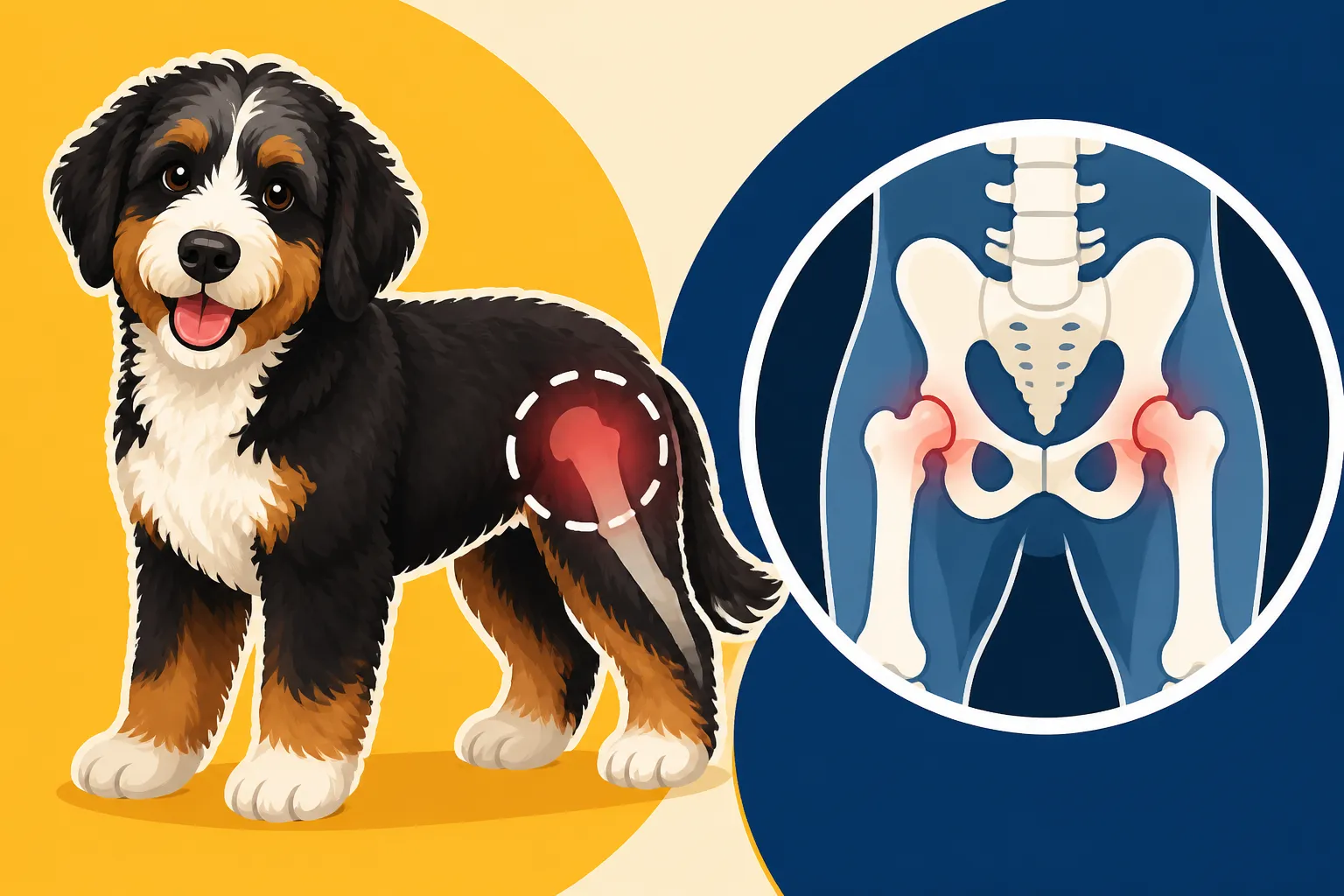
When we talk about "loose hips," we're really referring to canine hip dysplasia (CHD), a condition where the hip joint doesn't form correctly. Think of a ball-and-socket joint – that's what a hip is. The "ball" is the head of the femur (thigh bone), and the "socket" is part of the pelvis, called the acetabulum. In a healthy hip, the ball fits snugly and smoothly into the socket, allowing for fluid, pain-free movement. With hip dysplasia, this fit is compromised. The socket might be too shallow, or the head of the femur might be flattened, leading to a loose, unstable joint.
This looseness, or laxity, causes the ball to move around excessively within the socket. Over time, this abnormal movement grinds away at the cartilage, leading to inflammation, pain, and eventually, degenerative joint disease, or arthritis. It’s a progressive condition, meaning it tends to get worse with age, even if the initial signs are subtle. The discomfort can range from a mild stiffness after resting to severe, debilitating pain that makes even simple movements a struggle for your Bernedoodle.
How Bernedoodles Inherit This Challenge
The genetic component of hip dysplasia is significant, which is why prospective Bernedoodle owners are often encouraged to ask about parental health clearances. Both Bernese Mountain Dogs and Poodles can carry genes for hip dysplasia, making Bernedoodles susceptible. It's not usually a single gene but rather a combination of genes that contribute to the likelihood of developing the condition. This means that even if both parents have good hip scores, there's still a small chance their offspring could be affected, though the risk is substantially lower than if one or both parents have poor hip health.
Understanding the genetics is why reputable breeders go to such lengths to screen their breeding stock. They want to ensure they're not passing on a predisposition to their puppies. This is precisely why you hear so much about The Five Clearances a Bernedoodle Breeder Should Have. A breeder should be able to show you Orthopedic Foundation for Animals (OFA) or PennHIP certifications for both parent dogs, indicating their hip health. These certifications are crucial for trying to reduce the incidence of this painful condition in future generations.
The Role of Rapid Growth in Hip Development
Genetics load the gun, but environment pulls the trigger – this old saying rings true for hip dysplasia. Even with excellent genetics, a large breed like a standard Bernedoodle, which can easily reach seventy to ninety pounds, is at risk if its growth is too rapid or its activity levels are inappropriate during puppyhood. These dogs experience an incredible growth spurt in their first year, often doubling or tripling their size in a matter of months. This rapid growth puts immense stress on developing joints, particularly the hips.
If a Bernedoodle puppy is overfed, leading to excessive weight gain, or if it engages in high-impact activities like jumping off furniture, long runs, or intense agility training before its growth plates close, it can exacerbate any underlying genetic predisposition to hip laxity. The delicate balance between bone and muscle development can be thrown off, making the joint even more unstable. That's why careful attention to diet, ensuring you are Growing a Standard Bernedoodle Slowly on Purpose, and controlled exercise are absolutely critical during those vulnerable puppy months to support proper joint formation.
Recognizing the Early Warning Signs
Spotting hip issues early can make a significant difference in managing the condition and maintaining your Bernedoodle's quality of life. Unfortunately, puppies are often adept at hiding pain, especially when they're caught up in the excitement of play. It's up to us, their human companions, to be vigilant and attentive to subtle changes in their behavior and movement.
Subtle Clues in Puppyhood
In young Bernedoodle puppies, the signs of loose hips might be so subtle that they're easily overlooked, or dismissed as "just puppy clumsiness." You might notice that your puppy seems less enthusiastic about playing than their siblings or other puppies. Perhaps they tire more quickly during walks, or they prefer to sit rather than stand for extended periods. Sometimes, they might even show a slight reluctance to use stairs or jump onto the sofa, even if they used to do so easily.
Another common, yet often missed, early sign is a change in how they bear weight. They might subtly shift their weight to their front legs, trying to alleviate pressure on their hindquarters. You might observe a slight sway or unusual stiffness in their hind end, especially after a nap or during the first few steps after waking up. Pay close attention to how they lie down and get up – a dog with hip discomfort might do so slowly and gingerly, rather than bounding up with youthful vigor. These small observations, when pieced together, can paint a clearer picture that something might not be quite right.
The Infamous "Bunny Hop" Gait
One of the most recognizable, and often tell-tale, signs of hip dysplasia is what veterinarians affectionately call the "bunny hop" gait. This happens when your Bernedoodle tries to minimize the movement and pain in their hips by using both hind legs simultaneously, like a rabbit, rather than independently. Instead of a smooth, alternating stride, they propel themselves forward with a noticeable jump from their back legs. This might be more apparent when they run or try to accelerate quickly.
If you ever see your Bernedoodle engaging in The Bunny Hop Gait in a Young Bernedoodle, it should immediately raise a red flag. While some dogs might do it occasionally out of excitement, consistent bunny hopping, particularly if accompanied by other signs of discomfort or stiffness, warrants an immediate veterinary visit. It's their way of telling you that moving their hind legs independently is causing them pain or instability, and they're trying to compensate.
Changes in Activity and Temperament
Beyond the physical signs, hip dysplasia can manifest in behavioral changes. A Bernedoodle who was once playful and energetic might become noticeably less active, even withdrawn. They might start avoiding activities they used to love, like chasing a ball or romping with other dogs at the park. This isn't just laziness; it's often a direct response to pain or anticipated discomfort. They learn that certain movements hurt, so they simply choose not to do them.
You might also observe subtle shifts in their temperament. Chronic pain, even low-grade, can make any animal irritable or sensitive. Your usually sweet Bernedoodle might become snappy or vocal when touched on their hindquarters, or when you try to lift them. They might not want to be brushed in certain areas, or they might even avoid interaction if they associate it with movements that cause pain. A sudden reluctance to jump into the car, or a newfound difficulty getting comfortable in their bed, are all important indicators that shouldn't be ignored.
The Diagnostic Journey for Hip Dysplasia
Once you've noticed some worrying signs, the next step is to consult your veterinarian. Don't delay! Early diagnosis is truly beneficial, as it allows for earlier intervention, which can significantly impact the long-term prognosis and comfort of your Bernedoodle.
Initial Vet Visits and Physical Exams
Your vet's first step will be a thorough physical examination. They’ll observe your Bernedoodle's gait, paying close attention to how they walk, stand, and lie down. They'll also perform a manual manipulation of your dog's hips. This often involves gently extending and rotating the hind legs to assess the range of motion, feel for any clicking or grinding sensations in the joint, and test for hip laxity. One common test is the Ortolani maneuver, where the vet tries to subluxate (partially dislocate) and then reduce the hip joint to feel the tell-tale "clunk" that indicates excessive looseness.
It’s crucial to be completely honest with your vet about all the symptoms you’ve observed, no matter how minor they seem. Even tiny details about changes in activity level, stiffness, or how your Bernedoodle prefers to lie can provide valuable clues. Your vet will also ask about your Bernedoodle's history, including their diet, exercise routine, and any known family history of hip problems. This initial examination helps your vet determine the likelihood of hip dysplasia and decide on the next diagnostic steps.
X-rays: The Gold Standard for Diagnosis
While a physical exam can provide strong suspicions, definitive diagnosis of hip dysplasia relies on radiographs, or X-rays, of the hips. These images allow the veterinarian to visually assess the structure of the hip joints, the depth of the acetabulum, the shape of the femoral head, and the degree of joint laxity. The X-rays are typically taken with your Bernedoodle sedated or under anesthesia, as precise positioning is critical for accurate evaluation and to minimize discomfort.
There are a couple of widely recognized methods for hip evaluations via X-rays. The Orthopedic Foundation for Animals (OFA) method involves a single radiographic view taken when the dog is at least 24 months old. The images are then evaluated by three independent radiologists who assign a grade (Excellent, Good, Fair, Borderline, Mild, Moderate, or Severe). Another method, PennHIP, can be performed on dogs as young as 16 weeks and measures the actual laxity or looseness of the hip joint. This method provides a distraction index (DI) which indicates the degree of hip laxity, offering an earlier and often more predictive assessment. Deciding Whether PennHIP Suits a Bernedoodle often depends on your vet's preference and your desire for earlier assessment.
Advanced Imaging and Specialist Consultation
In some complex cases, or when surgical intervention is being considered, your vet might recommend advanced imaging techniques or a consultation with a board-certified veterinary orthopedic specialist. While X-rays provide a great overview, a CT scan (computed tomography) or MRI (magnetic resonance imaging) can offer even more detailed images of the joint structures, including cartilage, ligaments, and surrounding soft tissues. These can be particularly useful for planning intricate surgical procedures.
A referral to a specialist, such as a veterinary orthopedic surgeon, is often an excellent idea if your Bernedoodle's case is particularly challenging or if you're exploring surgical options. These specialists have extensive experience with complex musculoskeletal conditions and can offer a broader range of diagnostic and treatment strategies. They can provide a second opinion, explain the various surgical techniques available, and help you make the most informed decisions for your Bernedoodle's unique situation, giving you peace of mind that you're exploring every avenue for your furry friend.
Managing Loose Hips: Treatment and Support
A diagnosis of hip dysplasia can be overwhelming, but it's important to remember that there are many effective ways to manage the condition and help your Bernedoodle live a comfortable, happy life. The approach usually falls into two main categories: conservative management or surgical intervention.
Conservative Management Strategies
For many Bernedoodles with mild to moderate hip dysplasia, or for those not suitable for surgery, conservative management can be incredibly effective. The goal here is to reduce pain, inflammation, and further degeneration of the joint without invasive procedures. Weight management is paramount; keeping your Bernedoodle at a lean, healthy weight significantly reduces the stress on their hips. Even Whether an Overweight Bernedoodle Loses Years can be a concern, as extra pounds put immense strain on joints, accelerating arthritis.
A carefully tailored exercise program is also key. This often means low-impact activities like swimming, short, controlled leash walks, and gentle play, avoiding strenuous activities that put excessive pressure on the hips. Physical therapy, including hydrotherapy (underwater treadmill), massage, and therapeutic exercises, can strengthen supporting muscles and improve joint mobility. Medications like NSAIDs (non-steroidal anti-inflammatory drugs) are often prescribed to control pain and inflammation. Joint supplements containing glucosamine, chondroitin, and omega fatty acids can also play a supportive role, helping to maintain cartilage health and reduce inflammation, a topic well covered by Whether Joint Supplements Help a Bernedoodle.
Surgical Options for Severe Cases
When conservative management isn't enough to provide adequate comfort and mobility, or in cases of severe dysplasia, surgical intervention might be the best course of action. There are several surgical procedures, each suited to different ages and stages of the disease. For young puppies (typically under 4-5 months old) with significant laxity but minimal arthritis, a Juvenile Pubic Symphysiodesis (JPS) can be performed. This procedure closes part of the pelvis, encouraging better hip development as the puppy grows.
For slightly older puppies or young adults without significant arthritis, a Triple Pelvic Osteotomy (TPO) or Double Pelvic Osteotomy (DPO) might be considered. These involve cutting the pelvis in multiple places and rotating the segments to create a more stable hip joint. For adult Bernedoodles with severe hip dysplasia and established arthritis, a Total Hip Replacement (THR) is often the most effective solution. This involves replacing the diseased hip joint with artificial components, similar to human hip replacements. This can dramatically reduce pain and restore function, though it is a significant surgery with a substantial recovery period and considerable cost, as explored in What Hip Replacement Runs on a Standard Bernedoodle. Your vet and specialist will discuss which option, if any, is right for your Bernedoodle.
Long-term Care and Quality of Life
Regardless of whether your Bernedoodle undergoes surgery or is managed conservatively, long-term care is an ongoing commitment. This means regular veterinary check-ups to monitor their condition, adjust medications, and evaluate their comfort levels. It often involves a combination of strategies, adapting as your Bernedoodle ages and their needs change. Maintaining a healthy weight, continuing with appropriate low-impact exercise, and ensuring a comfortable home environment are constants.
The goal is always to maximize their quality of life. This means not just managing physical pain, but also ensuring they remain mentally stimulated and engaged. Remember that a dog in pain can become depressed or anxious, so continued positive interaction and enrichment are vital. Many owners find immense relief and improved mobility for their dogs through consistent application of these strategies, allowing their Bernedoodles to enjoy many more years of joyful activity, even with the challenge of hip dysplasia.
Prevention: What You Can Do As an Owner
While genetics play a huge role in hip dysplasia, there's a lot you can do as a Bernedoodle owner to minimize the risk and support healthy joint development. Prevention really starts before you even bring your puppy home, but continues throughout their critical growth phases.
Choosing a Reputable Breeder
This is perhaps the single most impactful preventative measure. A truly reputable Bernedoodle breeder will prioritize health clearances for their breeding dogs. They will perform OFA or PennHIP evaluations on both parent dogs to ensure they have excellent or good hip scores. If a breeder can't or won't provide these certifications, it's a massive red flag. You should be able to see the actual certificates or look up the dogs' OFA numbers online.
A good breeder will also be transparent about the health history of their lines, discussing any instances of hip dysplasia in previous generations. They will not breed dogs with borderline or dysplastic hips. Choosing a puppy from parents with proven good hip health dramatically reduces your Bernedoodle's genetic predisposition to the condition. This due diligence in your selection process is far more important than any other single factor when considering Whether an Untested Bernedoodle Litter Is Worth Buying.
Nutrition for Healthy Joint Development
Feeding a large breed puppy appropriately is critical for preventing rapid growth, which, as we discussed, can exacerbate hip dysplasia. Opt for a high-quality large-breed puppy food that is specifically formulated to support slow, steady growth. These foods typically have carefully controlled calcium and phosphorus levels, which are vital for bone development. Avoid feeding adult dog food to puppies, as the nutrient ratios are not appropriate for a growing Bernedoodle.
Overfeeding is another common pitfall. Follow the feeding guidelines on your dog food bag, but always adjust based on your puppy's individual needs and body condition. Your Bernedoodle should be lean, with visible waist and tucked-up tummy, and you should be able to feel their ribs without seeing them prominently. Too many calories, especially from inappropriate supplements or table scraps, can lead to excessive weight gain and stress on developing joints. Always prioritize a balanced, controlled diet to support optimal skeletal development.
Appropriate Exercise for Growing Pups
While exercise is essential for a puppy's development and mental well-being, too much or the wrong kind of exercise can be detrimental to a growing Bernedoodle with developing joints. High-impact activities like jumping, long forced runs, agility training, or extensive stair climbing should be strictly avoided during their first year, or until their growth plates have closed. These activities can cause micro-traumas to the joints and stress soft tissues, potentially leading to or worsening hip laxity.
Focus instead on low-impact, controlled exercise. Short, frequent walks on soft surfaces (grass, dirt trails) are ideal. The "five-minute rule" is a good guideline: for every month of age, your puppy should get no more than five minutes of structured exercise, twice a day. So, a four-month-old puppy would get two 20-minute walks per day. Free play in a secure, flat yard is also beneficial, as puppies self-regulate their activity during play. Learn more about appropriate activity in The Five Minute Rule on a Bernedoodle Puppy's Walks and The Exercise a Bernedoodle Puppy Should Not Do.
Environmental Considerations at Home
Your home environment can also play a role in protecting your Bernedoodle's developing hips. Slippery floors, like hardwood or tile, can cause puppies to splay out, putting abnormal stress on their joints. Consider placing rugs or carpet runners in high-traffic areas where your puppy walks or plays to provide better traction.
Discourage jumping on and off furniture or out of the car. Provide ramps or steps for access to elevated surfaces if your Bernedoodle insists on being with you on the sofa or bed. A high-quality, orthopedic dog bed can also provide excellent support for their joints, especially as they get older. While these environmental changes can't prevent hip dysplasia if there's a strong genetic component, they can certainly help to reduce the everyday stresses on their developing joints and keep them more comfortable.
Living with a Bernedoodle with Hip Dysplasia
Receiving a diagnosis of hip dysplasia for your Bernedoodle can be incredibly tough news to hear, bringing with it a mix of emotions from worry to guilt. But it’s crucial to remember that this is a manageable condition, and with the right approach, your Bernedoodle can still live a full and happy life. It will require adjustments on your part, but the effort is undoubtedly worth it for your furry family member.
Adapting Your Home Environment
Making your home more "hip-friendly" is a vital part of managing the condition. As mentioned earlier, addressing slippery surfaces is paramount. Place non-slip rugs or yoga mats on hardwood, tile, or laminate floors, particularly in areas where your Bernedoodle eats, sleeps, or walks frequently. This will prevent accidental slips and falls that can exacerbate pain or further injure compromised joints.
Consider investing in an orthopedic dog bed designed for large breeds. These beds offer superior support and cushioning, distributing weight evenly and reducing pressure on painful hips. If your Bernedoodle loves to get on furniture or in the car, provide ramps or dog steps to eliminate jumping. Jumping can create significant impact on the hip joints, causing further damage and pain. Even simple things like raised food and water bowls can make eating more comfortable by reducing the need to stoop.
The Emotional Toll on Owners
It's completely normal to feel a range of emotions when your Bernedoodle is diagnosed with hip dysplasia. You might feel sadness for your dog, frustration, or even guilt, wondering if there was anything you could have done differently. Some owners also grapple with financial anxieties, especially when considering surgery or ongoing medical expenses. This emotional burden is real and valid. Don't hesitate to seek support from your vet, online communities of dog owners facing similar challenges, or even friends and family.
It's important to channel these emotions into proactive care. Focus on what you can control: providing the best possible management, maintaining their comfort, and adapting their lifestyle. Remember that your Bernedoodle is still the loving companion you brought home; they just need a little extra help and understanding. Organizations like Healthy Paws, and other pet insurance providers, can offer peace of mind by helping to cover the often substantial costs associated with chronic conditions like hip dysplasia, easing some of that financial stress.
Supporting Your Bernedoodle's Comfort and Mobility
Beyond medical interventions and environmental adjustments, there are many daily practices you can integrate to support your Bernedoodle's comfort and mobility. Regular, gentle massage can help relax tight muscles around the hips and improve circulation. Warm compresses applied to the hip area can also provide soothing relief. Ensure they have easy access to water and a comfortable, quiet place to rest.
Consider integrating supplements recommended by your vet, such as glucosamine, chondroitin, MSM, and omega-3 fatty acids, which can support joint health and reduce inflammation. Maintain a consistent, moderate exercise routine that keeps muscles strong without overstressing the joints. Think swimming, leash walks, and short play sessions. Regular grooming, including nail trims, is also important; overgrown nails can alter gait and put additional strain on joints. By focusing on holistic care that addresses both their physical and emotional needs, you can ensure your Bernedoodle enjoys the highest possible quality of life, despite their hip challenges.
Here’s a comparative look at common management strategies for hip dysplasia:
| Strategy Category | Approach Examples | Pros | Cons |
|---|---|---|---|
| Conservative | Weight Management, NSAIDs, Joint Supplements, Physical Therapy, Controlled Exercise | Non-invasive, often effective for mild cases, less costly initially | May not halt progression, requires consistent owner compliance, can be insufficient for severe cases |
| Surgical (JPS/TPO) | Juvenile Pubic Symphysiodesis, Triple/Double Pelvic Osteotomy | Aims to correct joint mechanics, best for young dogs with minimal arthritis | Invasive, significant recovery, age-limited, can be costly |
| Surgical (THR) | Total Hip Replacement | Most effective for severe arthritis, restores near-normal function, pain relief | Highly invasive, very costly, potential complications, long recovery, typically for adult dogs |
| Supportive | Orthopedic Beds, Ramps, Non-slip Flooring, Massage, Warm Compresses | Enhances daily comfort, reduces risk of further injury, improves quality of life | Does not treat the underlying condition, requires ongoing effort and investment |
This table provides a simplified overview, and the best approach for your Bernedoodle will always depend on their specific diagnosis, age, and individual needs, in consultation with your veterinary team.
Disclaimer
This article is for general informational purposes only and does not constitute professional advice. Laws, prices and regulations vary by location and change over time. Consult a qualified professional for guidance on your specific situation.